Strengthening research capacity is essential for improving maternal and newborn health. When local teams have the skills, knowledge and systems to generate high-quality research and use its findings, they are better equipped to design services and respond to the challenges facing women, children and families in their communities.
This ambition sits at the heart of the LINDA-FAMILIA project, which brings together researchers, clinicians and public health experts working across multiple countries to strengthen the evidence base for improving maternal and newborn health.
A key focus of the project is enhancing the ability of individuals and institutions to conduct high-quality research and make effective use of data collected through eRegistries.
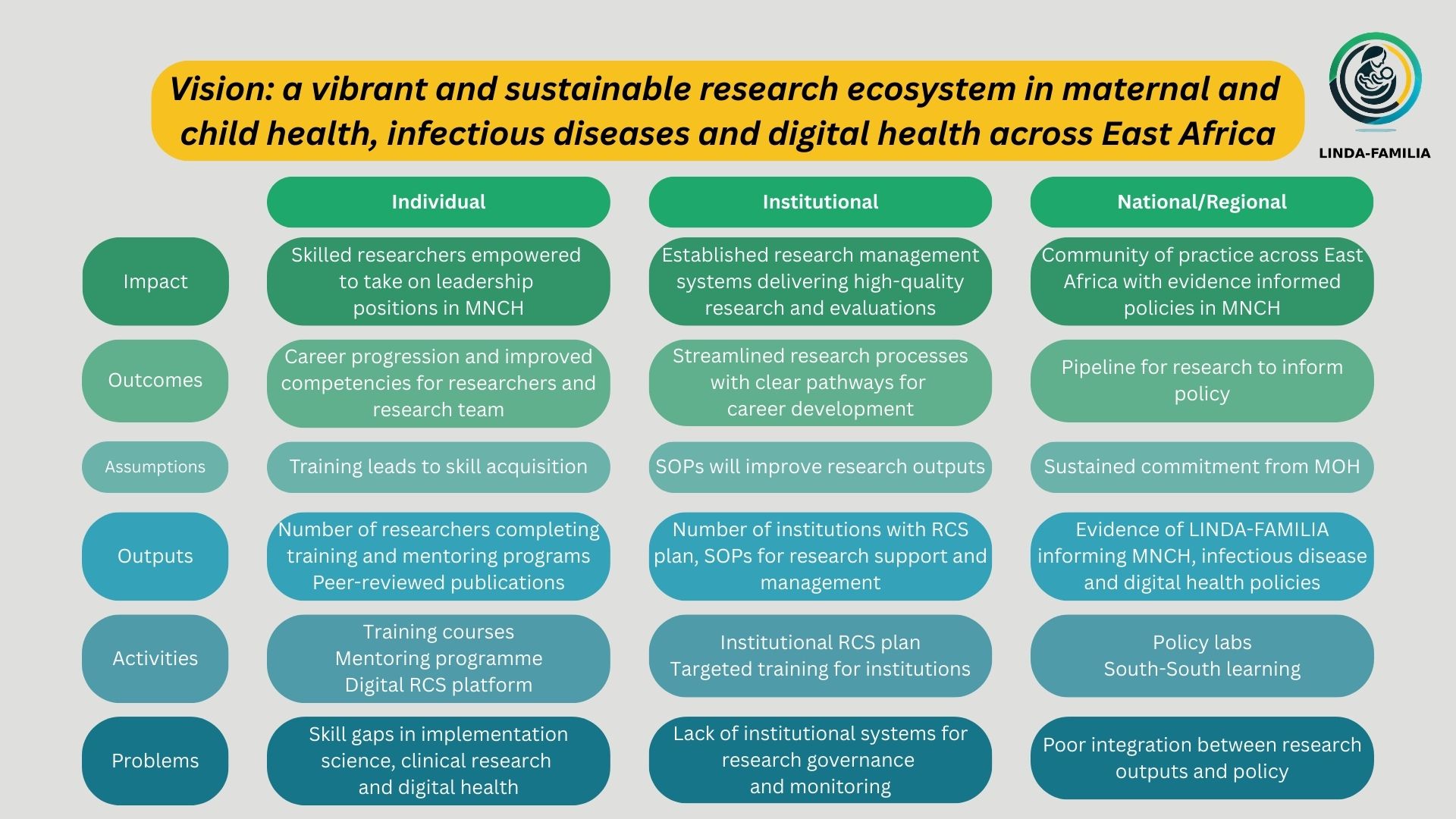
One of the project’s first milestones has been the development of a Theory of Change for research capacity strengthening (RCS).
A Theory of Change helps map how a project’s activities are expected to lead to meaningful and lasting change. In practical terms, it means identifying the challenges we want to address, agreeing on the activities that will help tackle them, and defining the outcomes we hope to achieve over time.
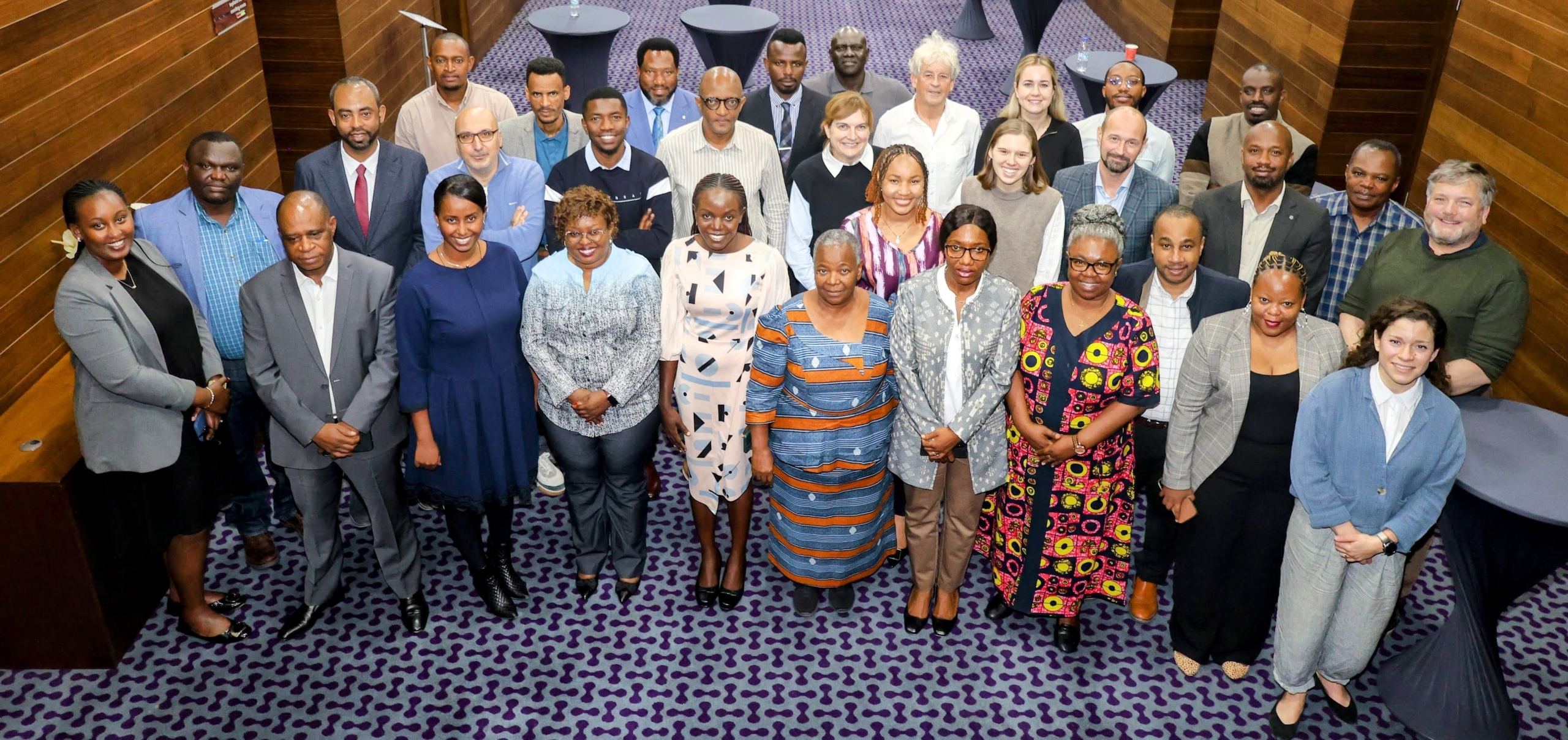
This framework was created during a collaborative workshop at the LINDA-FAMILIA kick-off meeting in Istanbul in November 2025 (pictured above). Partners from across the consortium came together to share their perspectives on key issues and priorities for strengthening research capacity. The result is a collective document that reflects the experiences and needs of teams working across the different countries and contexts that make up LINDA-FAMILIA.
The resulting Theory of Change, summarised in the accompanying graphic, now serves as a roadmap for research capacity strengthening within the project. It will guide activities throughout LINDA-FAMILIA, helping partners focus on the outcomes they want to achieve, and the steps needed to get there.
By investing in research capacity strengthening, LINDA-FAMILIA aims to support sustainable improvements in data use, research quality and evidence-informed decision-making across participating countries.