About Comms

This author has not yet filled in any details.
So far Comms has created 396 blog entries.

Ask an Expert – SLEEP

By |2026-10-01T12:05:08+01:00October 1st, 2026|

Ask an Expert: Newborn and Infant Sleep – What is typical and what can sleep tell us about the developing brain?

Why does my baby wake so often? Why are they so noisy when they sleep? And when will they start sleeping for longer? We look at what research tells us about newborn sleep – and why scientists are interested in what happens in the developing brain while babies sleep.

Sleep is one of the biggest topics for families with a new baby – and often one of the most confusing.

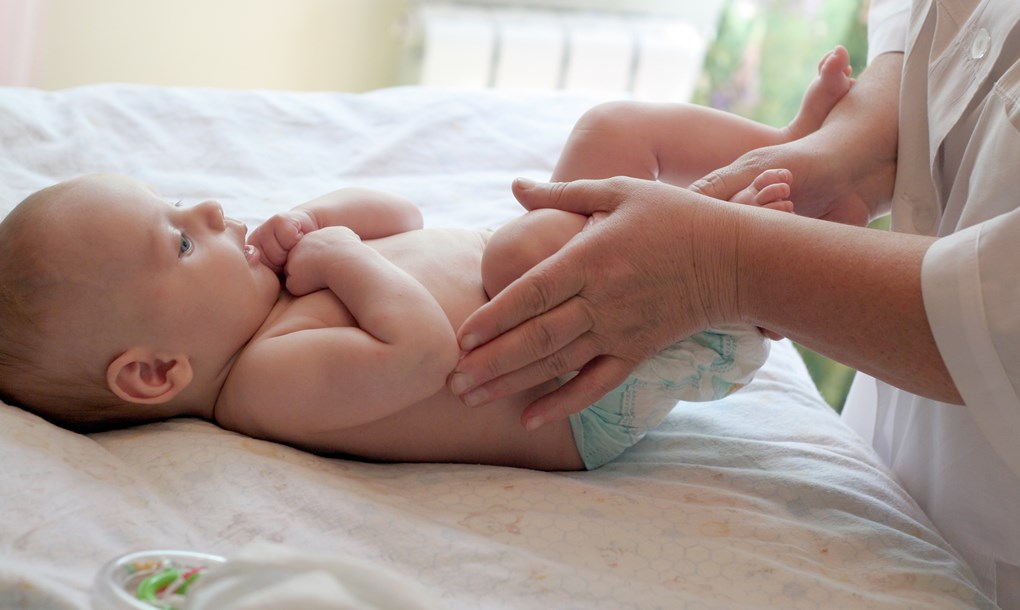
Newborn sleep looks very different from adult sleep. Babies sleep in shorter stretches, wake frequently and can be surprisingly active while asleep. Their sleep also changes rapidly during the first weeks and months of life.

At INFANT, researchers also study sleep as a window into the developing brain. Here, we answer ten common questions about newborn sleep and explore what research is teaching us about sleep, brain development and babies who may need closer developmental follow-up.

 
What’s normal in the first few months?

Sleep varies considerably between babies. For babies aged 0–3 months, HSE guidance describes an average of around 14 hours in 24 hours, with a broad range of about 9–18 hours. These are general guides, not targets or a way to assess an individual baby’s health. Sleep is spread across the day and night, with frequent waking for feeds.


From our research

Research at INFANT through the BabySMART study used sleep diaries completed by parents of babies born at full term. Between four and 16 weeks, parent reported more night-time sleep, less daytime sleep and longer sleep episodes.

Newborn babies aren’t born with the same internal body clock as adults.

Our circadian rhythm helps regulate when we feel awake and sleepy. In newborns, this system is still developing, with a clearer day-night rhythm emerging during the first months of life.

As it develops, babies gradually begin to have more of their sleep at night and less during the day, although waking for feeds remains common. So those wide-awake-at-2am periods can be exhausting, but they are often part of early sleep development.

Sleeping babies can be surprisingly busy. They might twitch, move their arms and legs, change facial expression, grunt or make other noises.

Part of the explanation is active sleep, an early form of rapid eye movement (REM) sleep. Newborn babies spend a large proportion of their sleep in this state. During quiet sleep, babies tend to move less and breathe more regularly.

Research involving healthy newborns has found that organised patterns of sleeping and waking can already be seen within hours of birth. Sleep doesn’t necessarily mean a baby will be completely still and silent.

However, persistent grunting with breathing, very fast breathing or the chest pulling in under the ribs should not be dismissed as sleep noises. Seek urgent medical help if your baby is struggling to breathe.

There isn’t a particular age when every baby should start “sleeping through the night”.

In the early months, babies wake frequently to feed, and their sleep cycles and body clocks are still developing.

Research shows a gradual change rather than a single milestone. In the BabySMART study, babies’ longest uninterrupted stretch of sleep increased between four and 16 weeks.

There can still be considerable variation between babies, so one baby’s sleep pattern isn’t necessarily a useful benchmark for another.


What’s happening in a baby’s brain during sleep?

Sleep isn’t simply a period when a baby’s brain switches off.

The first months and years of life are a period of extraordinary brain development. Research suggests sleep is involved in processes important for brain maturation, learning and memory.

An INFANT-led review brought together 93 studies involving approximately 90,000 children to examine how sleep changes alongside early development. More recent research has explored relationships between infant sleep and areas including memory, language, movement and cognition.

Researchers are still learning about these relationships, but we know that sleep is an important part of early development – not something parents need to make “perfect”.

Yes – and this is where sleep becomes particularly interesting from a research perspective.

Researchers can use electroencephalography (EEG) to record the brain’s electrical activity using small sensors placed on a baby’s scalp.

Different patterns of activity can be seen during different sleep states. By studying these patterns, researchers can investigate how the brain is functioning and how this changes as babies grow.

So researchers aren’t only interested in how long a baby sleeps. What is happening inside the brain during sleep can also provide valuable information about early development.

Inside the research

INFANT researchers have studied brain activity during sleep from the newborn period onwards, including research describing typical sleep EEG in healthy babies. Understanding typical development provides an important foundation for investigating developmental differences.


What about babies who need closer development follow-up?

Babies born prematurely experience an important period of brain development outside the womb, sometimes while also experiencing illness or receiving neonatal care.

Researchers study how sleep and brain activity develop in these babies and whether there are differences compared with babies born at term. EEG is particularly useful because it allows researchers to observe patterns of brain activity while a baby sleeps.

This research may help us better understand early brain development in babies who could benefit from closer developmental monitoring.

It doesn’t mean parents should interpret differences in their baby’s everyday sleep as a sign of a developmental problem. The patterns researchers investigate require specialist measurements and clinical assessment.

Potentially – and this is an emerging area of research.

One INFANT study recorded babies’ brain activity during sleep at four months and followed their development to 18 months. Researchers found associations between some features of sleep EEG and aspects of later neurodevelopment.

This suggests the sleeping brain may contain information that can help researchers understand early development.

But an association in research is not the same as predicting an individual child’s development. Sleep EEG is not currently a test that can predict a baby’s developmental outcome. More research is needed to understand whether these measures could eventually help identify babies who may benefit from closer monitoring or earlier support.


From our research

INFANT researchers are investigating whether features of brain activity recorded during infant sleep could help us better understand early neurodevelopment.


What should parents know?

There is a wide range of typical newborn sleep patterns. Frequent waking, short stretches of sleep, changing day-night patterns and movement or noise during sleep can all be part of the newborn period.

What matters is looking at sleep alongside your baby’s overall health and behaviour.

Seek urgent medical help if your baby stops breathing, is struggling to breathe, looks blue or grey, is unresponsive or is unusually difficult to wake. These signs need immediate attention.

For questions about sleep patterns, or if disrupted sleep is becoming difficult to cope with, speak to your public health nurse or GP.

In the early weeks, focus on your baby’s need for feeding, comfort and sleep. Newborns are too young for a strict sleep schedule.

Newborn sleep is still developing and waking to feed is normal. As babies get older, their day-night rhythm gradually begins to mature.

Simple cues such as natural light and normal household activity during the day, and a quieter and darker environment at night, can help support this developing rhythm.

Every baby develops differently, so families shouldn’t feel under pressure to achieve a particular sleep routine or compare their baby’s sleep with someone else’s.


Safe sleep: what every family should know

Whatever your baby’s individual sleep pattern, a safe sleep environment is important for every sleep, day and night.

Current HSE guidance recommends putting babies on their back for every sleep, using a firm, flat mattress, keeping their head and face uncovered and keeping pillows, cushions, cot bumpers, toys and loose or bulky bedding out of the cot.

Babies should be protected from overheating and cigarette smoke and sleep in their own cot in the same room as their parent or caregiver for at least the first six months.

Safe-sleep advice may differ in some circumstances, including for babies born prematurely or with particular medical needs. Families should follow advice from their healthcare team. 

For current Irish guidance, visit the Health Service Executive (HSE):

  • Newborn sleep needs: 0–3 months – what to expect from newborn sleep.
  • Cot death (SIDS): reducing the risk – current recommendations for reducing the risk of cot death.
  • Safe sleeping position – guidance on putting your baby on their back for sleep.
  • Where your baby should sleep – information on cots, mattresses, room sharing and other sleep environments.
  • Your baby’s sleep temperature – advice on clothing, bedding and avoiding overheating.
  • Caring for a premature baby at home – information for families of babies born prematurely.


The research behind this article

Research at INFANT Research Centre, University College Cork, is helping us understand how sleep and brain activity develop from the newborn period onwards, in healthy infants and in babies who may benefit from closer developmental follow-up.

Research referenced in this article includes studies of newborn sleep-wake patterns, the BabySMART infant cohort, sleep EEG and early neurodevelopment, and reviews of sleep and development during infancy.

References

  • O’Sullivan MP et al. Reference centiles for infant sleep parameters from 4 to 16 weeks of age: findings from an Irish cohort. Archives of Disease in Childhood, 2023.
  • Korotchikova I et al. Sleep-wake cycle of the healthy term newborn infant in the immediate postnatal period. Clinical Neurophysiology, 2016.
  • Lenehan SM et al. The Architecture of Early Childhood Sleep Over the First Two Years, 2023.
  • Ventura S et al. Infant sleep EEG features at 4 months as biomarkers of neurodevelopment at 18 months, 2025.
  • O’Connor C et al. Sleep and infant development in the first year. Pediatric Research, 2026.


Ask an Expert

What would you like our researchers to answer next?

INFANT’s Ask an Expert series takes questions from families and explores what research can tell us about pregnancy, babies and children’s health.



Early intervention in action: Aidan’s story and the research shaping cerebral palsy care

By |2026-10-01T15:56:45+01:00September 30th, 2026|

Early intervention in action: Aidan’s story and the research shaping cerebral palsy care

When Aidan was born in August 2025, his parents Niamh and John faced enormous uncertainty about what the future might hold.

Late in Niamh’s pregnancy, an antenatal scan identified excessive fluid on Aidan’s brain. He was born safely by Caesarean section three days later. Further assessments were carried out after birth, including an MRI in the neonatal unit, and his parents were given the difficult news that there was significant damage to both sides of his brain.

The initial prognosis was uncertain. Over the months that followed, Aidan was closely monitored and his family threw themselves into supporting his development. He received support through Enable Ireland, while Niamh also took him swimming regularly and sought out additional therapies, including physiotherapy.

At around six months old, a specialist assessment gave his family a clearer understanding of his development. He had significant movement difficulties and was diagnosed with cerebral palsy (CP).

Aidan was already receiving considerable support, but his family continued to look for opportunities to support his development during this important early stage.

One of those opportunities came through research.


Exploring early intervention through research

Following his diagnosis, Aidan was eligible to take part in APPLESTele, a cerebral palsy-focused intervention study led by Emory University and funded in the United States by the National Institutes of Health (NIH). The Irish arm of APPLESTele is being delivered through INFANT Research Centre at University College Cork as part of the ELEVATE programme.

The study is a six-week, home-based early intervention programme for babies with cerebral palsy or at high risk of cerebral palsy. Delivered through telehealth, the programme supports parents to use simple, play-based exercises at home to encourage movement and use of their baby’s weaker arm.

For Niamh and Aidan, that meant incorporating structured activities into everyday life at home, with a particular focus on encouraging Aidan to engage his left arm and hand.

The programme wasn’t always easy. Some weeks were more successful than others, particularly when Aidan was teething. But as it progressed, Niamh began noticing changes in the way he was using his left side.

“He was lifting his arm up really high… he was starting to wiggle his fingers in the beans and the sand and knock over the toy. So that was massive.”

She began noticing changes outside the structured sessions too. Aidan would hold objects in his left hand for longer and use it to help hold his bottle.

Around this period, he also began rolling before his first birthday. While rolling was not an outcome measured as part of APPLESTele, and Aidan was receiving other therapies and support at the same time, it was a hugely significant milestone for his family.

“We never thought he’d be rolling before his first birthday,” Niamh says. “It was like Christmas Day.”

Today, at 13 months old, Niamh describes a little boy doing far more than his family had initially been led to expect.

“He’s babbling, he’s saying Dada… he’s waving and he’s giving kisses and he’s clapping hands. He’s doing far more than any of us anticipated.”

She continues to see changes in how Aidan uses his left side too. When he rolls, he is increasingly able to recognise where his left arm is and reposition it himself. When she asks him to lift the arm, he can.

“Those are all just massive wins. We never take it for granted.”


From research into practice

For Niamh, completing APPLESTele has also raised an important question: what happens when the research ends?

She has looked for ways to continue this type of intervention but says she has struggled to find comparable therapy available in Ireland.

That question goes beyond one family. Studies such as APPLESTele are helping to build our understanding of how early, targeted intervention can support babies with cerebral palsy. The next challenge is ensuring that approaches supported by evidence can move beyond research studies and, where appropriate, become part of the care available to children and families.

Professor Deirdre Murray, Deputy Director of INFANT Research Centre at University College Cork, says the approach to cerebral palsy diagnosis has changed significantly.

“Until relatively recently, there was often a ‘wait and see’ approach for infants at high risk of cerebral palsy. We now have reliable tools that can allow us to diagnose CP much earlier, often within the first six to nine months of life.

“Research is also building our understanding of the difference that CP-specific interventions such as APPLES can make. For suitable babies, starting targeted intervention during the first year of life gives us an important opportunity to support their development as early as possible.”

For Niamh, the importance of continuing this work is much more immediate.

Aidan is now 13 months old, and his family is celebrating every new movement and every new milestone. But having experienced this type of targeted early intervention through research, Niamh would like to see opportunities like it become available to more children and families.

“I’d love to be keeping it going,” she says.


Help shape the future of cerebral palsy care

This October, INFANT is shining a light on research working to improve the early detection and intervention of cerebral palsy.

All donations made to INFANT Research Centre during October will support cerebral palsy research – helping us find better ways to identify CP earlier, support children sooner and improve care for children and families.


New Kildare clinic expands specialist follow-up for babies in AIM-HIGH Study

By |2026-09-30T15:53:12+01:00September 29th, 2026|

New Kildare clinic expands specialist follow-up for babies in AIM-HIGH Study

A new research clinic in Kildare is expanding access to specialist developmental follow-up for babies participating in the AIM-HIGH Study, led by INFANT Research Centre at University College Cork.

The clinic, based at Enable Ireland in Jigginstown, opened on 4 September, with two families attending the first clinic, and a further eight families are expected to attend the next clinic in November.

AIM-HIGH (Assessing Intellectual and Motor outcomes in High-Risk Infants) follows babies who may be at increased risk of developmental difficulties due to premature delivery, or a complex neonatal course. Through detailed assessments during the first 2 years of life, the study aims to improve support earlier identification of children who may benefit from additional assessment, intervention or support.

The study sits within ELEVATE, a research programme led by INFANT Research Centre that is working to transform the prediction, early detection and treatment of cerebral palsy in Ireland. ELEVATE’s work contributes to the broader Irish Cerebral Palsy Programme, bringing together research, clinical care and new approaches to improve outcomes for children and families.


Expanding follow-up beyond the major maternity centres

AIM-HIGH currently recruits babies through Cork University Maternity Hospital, the Rotunda Hospital and the Coombe Women & Infants University Hospital.

However, some babies who receive specialist care at these hospitals do not live within their usual follow-up catchment areas.

The new Kildare clinic provides an additional location for AIM-HIGH families living outside Dublin and Cork to access the structured developmental follow-up offered through the study.

During appointments, babies are assessed by an INFANT team including a trained paediatrician and physiotherapist. The team looks closely at their development, including movement, muscle tone and neurological development, to identify any early signs that a child may benefit from additional assessment or therapeutic support.

Professor Deirdre Murray, Deputy Director of INFANT Research Centre and Chair of the Irish Cerebral Palsy Programme, said the follow-up is designed to identify developmental differences as early as possible.

“In these visits, we are screening for abnormal developmental progress, looking for the first signs of movement difficulties such as cerebral palsy, or delayed development requiring active therapeutic input to improve outcomes.’

Professor Murray said the ambition is to make structured follow-up available to more babies who may be at increased risk of developmental difficulties.

“Until now, high-risk infants were not offered structured early screening for CP. Early structured screening, implemented in the large maternity hospitals in Dublin, Cork and Waterford since 2023, has reduced the average time of CP diagnosis for babies from 2 years to around 7 months. Our hope is that this structured follow up can be offered to all at risk babies so that diagnosis and intervention can start as soon as possible.”


Freya’s Story

Freya was born prematurely at 29 weeks and four days. Lavita had been transferred from Cavan to the Rotunda Hospital ahead of her delivery, where Freya spent her first week in neonatal care before being transferred back to Cavan Hospital for a further six weeks.

While at the Rotunda, the family was invited to participate in AIM-HIGH because Freya had been born prematurely. However, because the family lives in Cavan, Freya falls outside the Rotunda’s usual follow-up catchment area.

Her first AIM-HIGH developmental assessment therefore took place at the newly opened Kildare clinic.

For Lavita, navigating Freya’s development has meant adjusting to a very different experience of early motherhood.

“It has been a totally different experience for me as a mother. My first daughter was born at 41 weeks, and Freya was born at 29 weeks, so you can’t compare their development in the same way.”

One of the biggest adjustments has been learning to consider Freya’s development according to her corrected age, rather than simply her age from birth.

“If I compare Freya using her age from when she was born, she can seem delayed. But when I look at her corrected age, her development is matching where we would expect her to be. As a parent, having someone explain that and reassure you is really important.”

At Freya’s first appointment, the team assessed areas including her muscle tone, reflexes and neurological development.

“It was a lovely experience. The team were very good and Freya was comfortable throughout. They took the time with her and we came away feeling very happy with how she was progressing,” Lavita said.

Freya will continue to be followed through AIM-HIGH, with her next assessment planned for when she is between nine and 12 months corrected age.


Supporting earlier identification

The opening of the Kildare clinic is part of a wider ambition to extend structured developmental follow-up to more babies who may be at increased risk of developmental difficulties.

For the majority of children, these assessments will provide reassurance that their development is progressing as expected. For others, they may help identify developmental differences at an earlier stage, allowing families to be connected with further assessment, intervention or support where needed.

This is particularly important for cerebral palsy, where earlier identification can provide an opportunity to begin appropriate intervention during an important period of a child’s development.

The new Kildare clinic represents a practical step towards widening access to this structured follow-up for families participating in AIM-HIGH, while helping researchers build a clearer picture of how babies at increased risk develop during their first years of life.

The new clinic represents another practical step in expanding access to structured developmental follow-up for participating families, while building knowledge that can help shape better pathways for children at risk of developmental difficulties, and in particular CP in Ireland.


Support cerebral palsy research

This October, INFANT is shining a light on research helping to improve the early detection and intervention of cerebral palsy. All donations made to INFANT during October will support cerebral palsy research, helping our researchers continue work to improve outcomes for children and families.


Professor Eugene Dempsey appointed Head of School of Medicine at UCC

By |2026-09-24T13:25:22+01:00September 24th, 2026|

Professor Eugene Dempsey appointed Head of School 

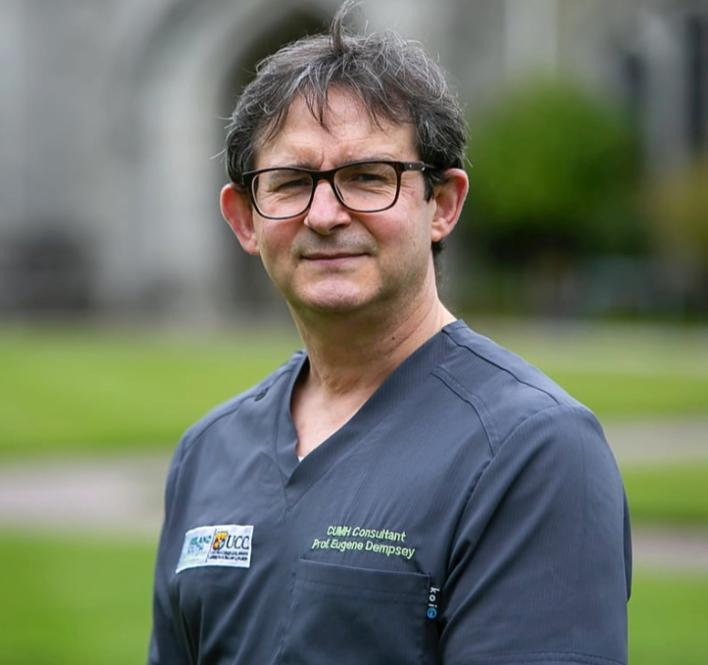
Professor Eugene Dempsey, Principal Investigator at INFANT Research Centre and Consultant Neonatologist at Cork University Maternity Hospital, has been appointed Head of the School of Medicine at University College Cork.

Gene has been part of INFANT since its earliest years, combining clinical care with research focused on improving outcomes for newborn babies and their families.

His new appointment will see him take on a significant leadership role within UCC, while continuing his research at INFANT.

We spoke to Gene about his new role, his priorities for the School of Medicine, and why strengthening connections between clinical care, research and the University will be central to the years ahead.

 —

What does taking on the role of Head of the School of Medicine mean to you?

It’s a great opportunity to build on the strengths we already have across the School of Medicine. I see our foundational science and clinical colleagues as partners in a school striving to deliver top class education, discovery and patient care. There are incredibly talented people working in these areas, and I want to make it easier for them to contribute to the school and feel that they are genuinely part of a connected School.

What are some of your priorities for the School?

One of my priorities is breaking down some of the barriers that can make it difficult to become involved in research and academic activity within the School.

We have a huge body of clinical expertise across our teaching hospitals. I want us to create an environment where people feel supported to contribute, collaborate and develop their own research interests. If we can make that journey easier, we can strengthen both the School and the research culture within it.

Central to this is to strengthen the relationship between our foundational science partners and our clinicians. We have numerous examples of this across the University. Delivering high-quality healthcare requires strong multidisciplinary involvement and this will be a key priority for me in this role.

How important will international collaboration be?

International collaboration is key. Ireland is a relatively small country, and there are important research questions that we simply cannot answer alone.

Continuing to build strong international research networks will be a major part of the years ahead. These collaborations allow us to undertake research at a greater scale, share learnings from colleagues internationally and strengthen UCC’s contribution to research globally.

Will your new role change your involvement with INFANT?

No. I’m not stepping away from research or from INFANT.

I will continue as a Principal Investigator at INFANT and remain heavily involved in our neonatal research programme. For me, the two roles are very much connected. The experience of combining clinical care, multidisciplinary research and collaboration over many years is something I hope to bring to the wider School of Medicine.

After more than 20 years working in neonatal care in Cork, what continues to motivate your research?

Ultimately, it comes back to improving care for patients, in my area that means for newborns and their families.

Clinical care and research inform one another. The questions we encounter in the hospital can shape the research we undertake, and the evidence generated through research can, in turn, change clinical practice. Continuing to bring those two worlds closer together remains hugely important to me.

Can diet and nutrition influence mental health? New European project aims to find out

By |2026-10-01T12:06:24+01:00September 17th, 2026|

Can diet and nutrition influence mental health? New European project aims to find out

Researchers at the INFANT Research Centre, University College Cork (UCC) have joined a new Horizon Europe-funded research project that will investigate how diet and nutrition are associated with mental health across the life course.

NUTRIMIND (Understanding Mental Health and Nutrition in Europe) brings together 16 universities, research institutes, non-government organisations and industry partners from across Europe to investigate how diet, nutrition and related biological factors such as genetics and the gut microbiome are associated with common mental health conditions, including anxiety, depression and stress.

Over the next four years, the consortium will analyse data from existing European population studies and cohorts, combining dietary, health and biological information to strengthen understanding of the relationship between nutrition and mental health. The project will also involve researchers, healthcare professionals, policymakers and members of the public in the co-design of future research, tools and communication activities.

At University College Cork, the project is led by Professor Mairead Kiely, with researchers from the INFANT Research Centre and the Cork Centre for Vitamin D and Nutrition Research contributing expertise in nutrition, maternal and child health, and brain development.

The project builds on INFANT’s long-standing focus on brain health and neurological outcomes, with childhood and adolescence recognised as important stages of life for understanding long-term health and wellbeing. This perspective informed Mairead’s comments during our discussion about why these life stages matter for the project.

Professor Mairead Kiely said:

“INFANT has a long-standing focus on brain development in children. Understanding the drivers of mental health in children and adolescents is an important part of building knowledge to improve lifelong outcomes. Linkages between diet and nutrition throughout early life and mental health outcomes are a new area of exploration. NUTRIMIND brings together expertise from across Europe to identify nutrition-linked risk signatures, such as dietary, quality, nutrient status and microbiome features associated with anxiety, depression and stress trajectories.  Over time, we hope the knowledge generated through the project will help strengthen the evidence in this emerging area of research and build the evidence needed to support future guidance for healthcare professionals, policymakers and individuals.”

The consortium officially launched NUTRIMIND at its kick-off meeting in Wageningen, the Netherlands, in June 2026 and will report in June 2030.


Inside a Kilimanjaro Antenatal Clinic: Can Better Data Improve Maternal and Newborn Health?

By |2026-09-17T11:07:50+01:00September 14th, 2026|

By Dr Jacqueline Lyons, Project Manager

When hospitals cannot store and share maternal health data within reliable, electronic systems, clinicians may miss critical information that protects mothers and babies. For women in sub-Saharan Africa, already carrying the global burden of maternal and infant mortality, the stakes of fragmented health data systems are particularly high.

LINDA-FAMILIA (meaning ‘protect the family’ in Swahili) is an EU-funded initiative which aims to support the development and scale-up of digital infrastructure for maternal health data systems in Ethiopia, Rwanda, Tanzania and Uganda. Since the project began in August 2025, the digital health landscape has evolved considerably across all four countries, with national Ministries of Health now leading the way in either implementing new digital health systems or scaling up and strengthening existing ones.

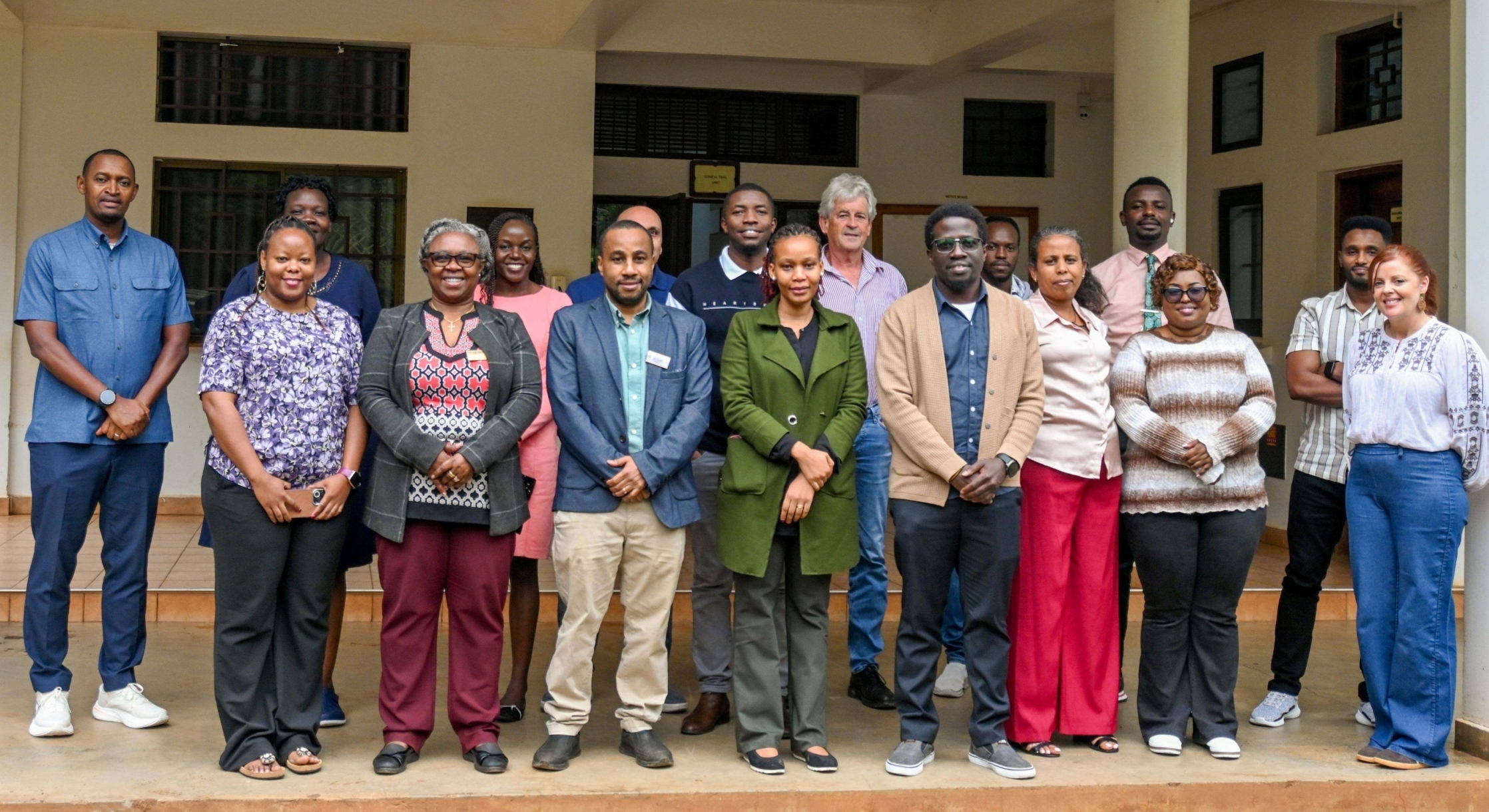
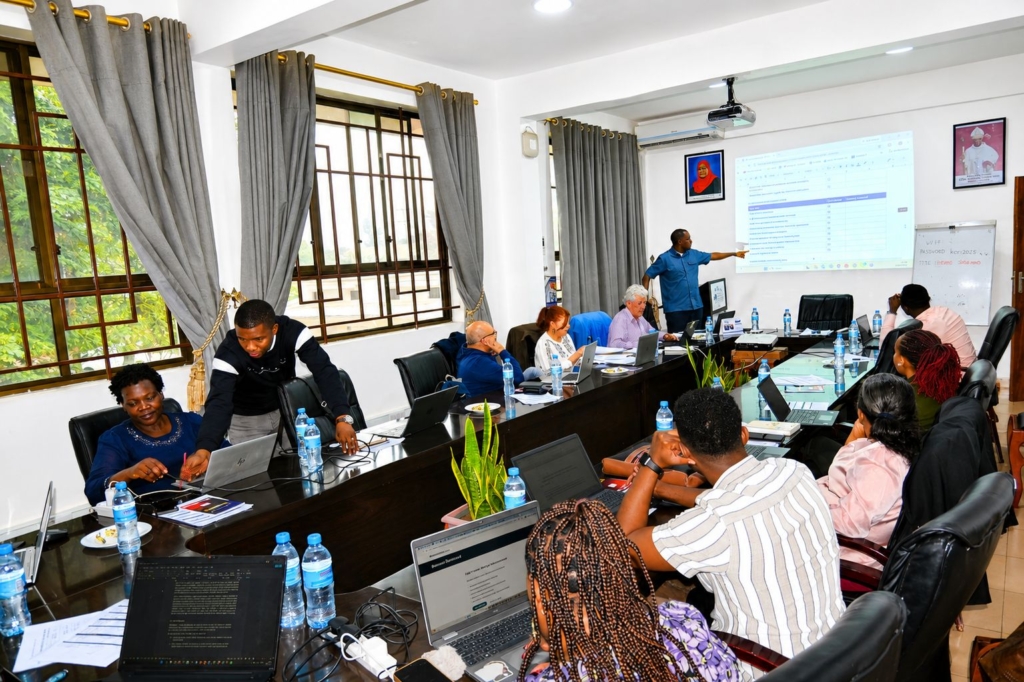
Last month, LINDA-FAMILIA project researchers gathered at the foothills of Mount Kilimanjaro in Tanzania to work together on a key project task: evaluation of the newly implemented digital health systems in each of the four project countries. Much time and discussion was spent refining approaches that will be used to capture meaningful feedback from healthcare workers in various settings on the usability, accessibility and cost-effectiveness of any new digital systems implemented, compared with existing ones. Such feedback is crucial to ensuring digital systems are correctly developed and scaled up from the outset. Successful systems must be practical to use, appropriate for their settings, and acceptable to the healthcare workers collecting the patient data.

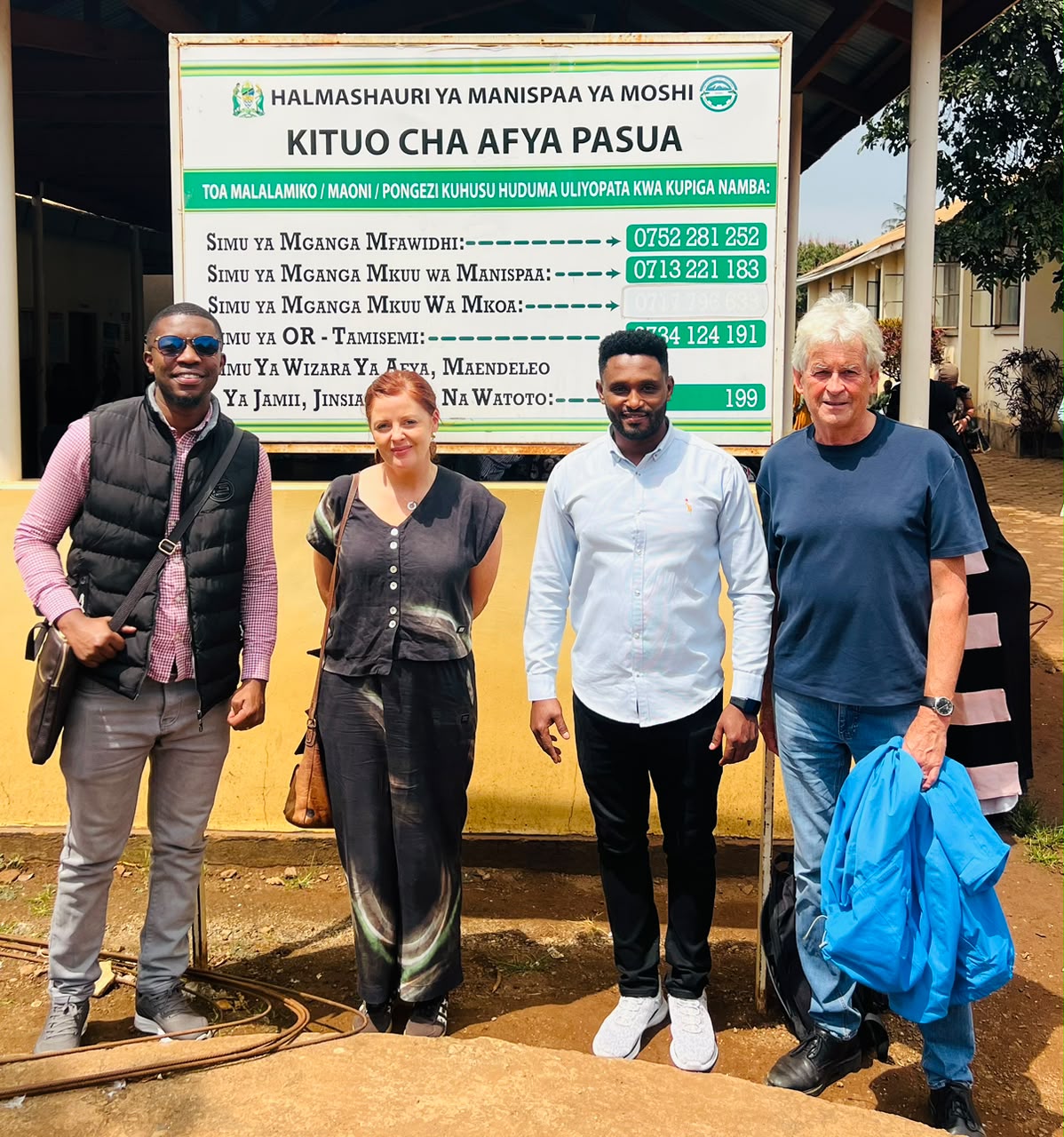
After three days of project collaboration at Kilimanjaro Clinical Research Institute (KCRI) on the Kilimanjaro Christian Medical Centre (KCMC) campus in Moshi, a small group of us crossed the town to visit a local healthcare facility (Pasua Health Centre) to see first-hand how maternal data is currently recorded and stored. At the busy antenatal clinic, pregnant women had routine weight and blood pressure measurements recorded by a nurse on paper. Additional medical information was captured by doctors at the clinic for input into GoTHOMIS, a digital healthcare platform used across public hospitals and health centres in Tanzania. We learned that while each woman has a unique patient identifier, there is currently no integration between the various health data systems used across different clinical departments, meaning antenatal data (including important information on infectious diseases history) is accessed separately to postnatal data, ultrasound data must be obtained from the sonography department, and so on.

Pasua Health Centre

While healthcare staff at Pasua have desktop computers available to enable point-of-care digital health data capture, these were not in use when we visited because of internet connectivity issues. Many of the LINDA-FAMILIA project regions experience regular challenges with internet reliability, adding further complexities to the project’s ambitions.

Joining us on the visit to Pasua Health Centre was Melkamu Tiruneh Alemu, a Public Health Specialist from Ethiopia completing his PhD on the LINDA-FAMILIA project in the area of maternal infectious diseases in East Africa. Melkamu spoke at length with Pasua’s IT Officer to understand more about maternal data capture processes at the facility. The conversation confirmed the fragmented nature of the facility’s health data systems, with paper records less likely to be consulted when making clinical decisions around a patient’s care, potentially increasing risks for mothers and newborns. Melkamu shared his thoughts:

“Integrated nursing, midwifery, and physician care is essential to ensuring continuous, coordinated, and high-quality antenatal care. Complete, accurate, standardised, and readily accessible maternal health information including clinical assessments, screening, laboratory results, medical treatments and outcomes enables healthcare providers to make timely clinical decisions, identify risks early and ensure appropriate follow-up. Effective integration of health information systems is critical to improving the quality and continuity of care, and ultimately to improving maternal and new-born health outcomes.“

There are many complex challenges embedded within maternal and child healthcare in sub-Saharan Africa, with fragmented health data systems representing just one issue. However, the return on investment from successfully strengthening digital health systems could be enormous. Through supporting the implementation, scale-up and evaluation of digital health infrastructure across Ethiopia, Rwanda, Tanzania and Uganda, the LINDA-FAMILIA project is proud to play its part in strengthening clinical data capture into the future, and in supporting clinicians to provide safer care for mothers and babies.

New research programme exploring probiotics and the developing infant microbiome

By |2026-09-17T11:08:21+01:00September 1st, 2026|

Researchers at University College Cork’s APC Microbiome Ireland and INFANT Research Centre, together with Cork University Maternity Hospital (CUMH) and Teagasc, have begun a new research programme exploring how probiotics may influence the developing gut microbiome during the early years of life.

The first clinical trial, the SMILE Study, is focused on very early infancy and will investigate two specific probiotic strains and their potential to support the infant gut microbiome and healthy growth.

The first months of life represent an important window for this research. The infant microbiome is highly dynamic during the first year, developing alongside the gut and immune system.

Professor Paul Ross, Director of APC Microbiome Ireland and research lead for the programme, said:

“The first months of life are a critically important period for the development of the gut microbiome. Our research has shown just how dynamic the microbiome is during the first year of life. SMILE gives us an opportunity to understand how specific probiotic interventions may influence that process.”

The collaboration combines APC’s expertise and technologies in microbiome science with INFANT and CUMH’s clinical and newborn health expertise.

Professor Eugene Dempsey, INFANT Clinical Lead for Neonatal Research and Consultant Neonatologist at CUMH, said:

“By bringing together expertise in newborn health and microbiome science, we have an opportunity to investigate these questions directly with families and build a much better understanding of the role probiotics may play at different stages of early development. This is the kind of research that is only possible through strong collaboration between clinical and scientific teams.”

SMILE is the first of three planned clinical trials examining probiotic interventions at different stages of early childhood, creating an opportunity to understand how the microbiome responds at key points in a child’s development.

Designing a digital health system

By |2026-09-17T11:11:06+01:00August 27th, 2026|

The human side of designing digital health systems

By Stella Martha Migamba, Project Manager, Uganda

When a digital health information system is complex for the people who rely on it, such as frontline health workers, the consequences reach far beyond a slow screen. A system that is hard to understand can delay patient care and make it difficult to capture the accurate, timely information that guides diagnosis and intervention. When patient data is incomplete, gaps open up in patient management, diagnoses can be inaccurate, and life saving interventions can be delayed. For mothers and newborns, those delays can be the difference between a good outcome and an adverse one.

This is why understanding how a system actually performs in the hands of its users matters so much. Looking closely at a system’s usability, accessibility, sustainability, and economic cost gives us the insight we need to improve it. A system that is easier and more satisfying to use is also a system that health workers are more willing to accept and keep using.

With this in mind, the LINDA FAMILIA project organised a three day workshop at the Kilimanjaro Clinical Research Institute in Tanzania to shape the strategies the project will use for Work Package 3, which covers Intervention Evaluation. The workshop brought together a multidisciplinary team of PhD fellows, supervisors, research fellows, project managers, and IT officers. Together they brainstormed practical approaches for assessing how users of digital health information systems experience and interact with those systems.

Dr. Seleman Ntawuyirushintege, WP3 lead explained

“For the system to be sustainable, it has to be accessible. Sustainability should be assessed using the RE-AIM approach, which looks at Reach, Adoption, Implementation, Effectiveness, and Maintenance.”

The conversations helped ground the wider team in how the work should be organised. Mark Outeke, one of the IT officers, noted that the meeting sharpened his understanding of how Work Package 3 activities should come together in practice.

That shared understanding is already translating into concrete work. Two PhD fellows, Chacha Mangu and Fils Uwitonze, are developing proposals to evaluate the use of the e-register across the four implementing countries: Ethiopia, Rwanda, Tanzania, and Uganda.

Evaluating how a system is actually used is more than an academic exercise. It helps us identify and troubleshoot the everyday challenges health workers face as they carry out their tasks. Addressing those challenges can lead to faster navigation, shorter patient waiting times, and more timely management of the people who come through the door.

Strengthening and scaling the use of digital health information systems is a gradual process, but it is a critical one for improving health systems overall. By improving the experiences of the people who use these systems every day, we can support timely clinical decisions and, ultimately, better maternal and newborn health.

From Cork to Kilimanjaro: a decade of partnership in maternal and newborn health

By |2026-09-17T15:40:10+01:00July 29th, 2026|

From Cork to Kilimanjaro: a decade of partnership in maternal and newborn health


A global challenge, unequally shared

Each year, an estimated 2.3 million newborns die within the first weeks of life. Hundreds of thousands of women also die from complications related to pregnancy and childbirth, the vast majority in low- and middle-income countries. Limited access to specialist care, trained personnel, and reliable health data continues to shape outcomes.

A decade ago, this was a significant challenge in Tanzania, where neonatal mortality was considerably higher than in high-income settings. Early estimates suggested that nearly five out of every hundred babies did not survive the first weeks of life.

Addressing this requires more than medical innovation alone. It depends on strengthening health systems, improving access to timely care, and ensuring that data can support both immediate decisions and longer-term planning. It was within this context that a partnership between University College Cork (UCC) and clinical and research institutions in Tanzania began to take shape.


Where the partnership began

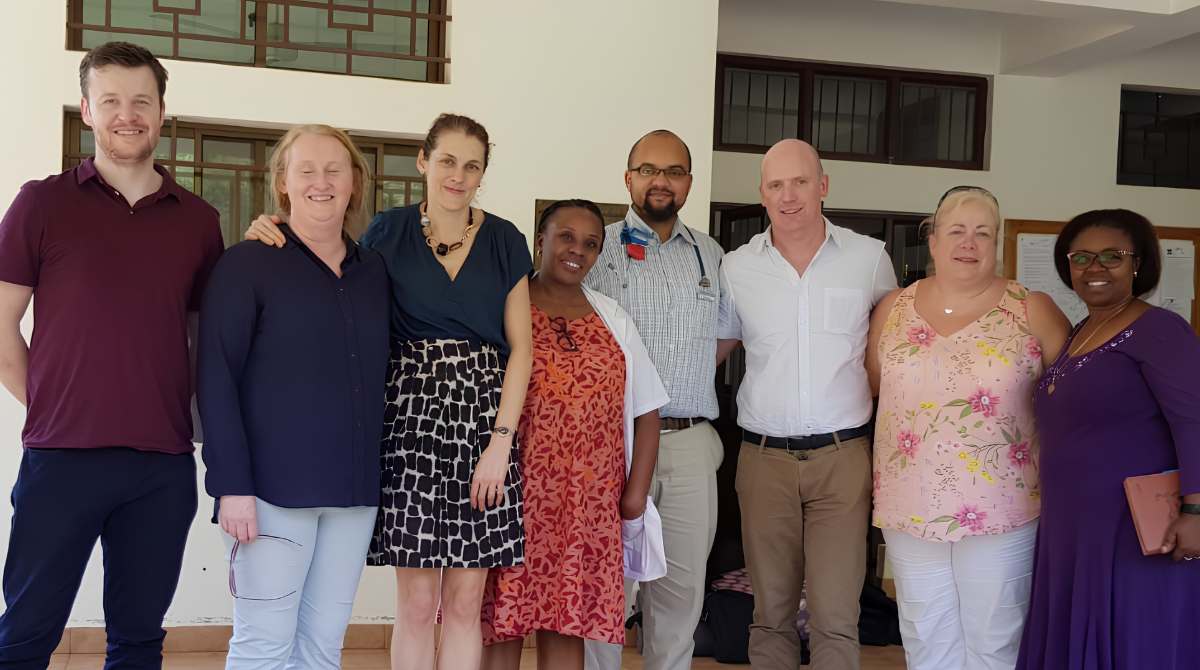
In 2016, researchers and clinicians from the INFANT Research Centre at UCC travelled to Tanzania to explore collaboration in maternal and child health. Over the course of the visit, the team engaged with a number of potential partner sites, with Kilimanjaro Christian Medical Centre (KCMC) and the Kilimanjaro Clinical Research Institute (KCRI) emerging as the best mutual fit for ongoing collaboration.

This led to the establishment of a Memorandum of Understanding between UCC and the Good Samaritan Foundation, encompassing KCMC, KCRI, and Kilimanjaro Christian Medical University College.

From the outset, the partnership was shaped by a shared vision and a commitment to working together over the long term. Reflecting on this, Professor Blandina T. Mmbaga, Director of the Kilimanjaro Clinical Research Institute (KCRI), explains:

“What has made this partnership meaningful is a shared vision of providing the best care for mothers and newborns, and a trust in working together to achieve that.”

This approach focused on adapting advances in neonatal care, diagnostics, and data systems for lower-resource settings through co-development and shared priorities, supported by knowledge exchange, skills development, and collaborative research in areas of greatest need.


From Cork to Kilimanjaro

Image 1 of 8

Building the foundations

Early collaboration focused on strengthening newborn care at KCMC, where the smallest and most vulnerable infants faced significant challenges to survival.

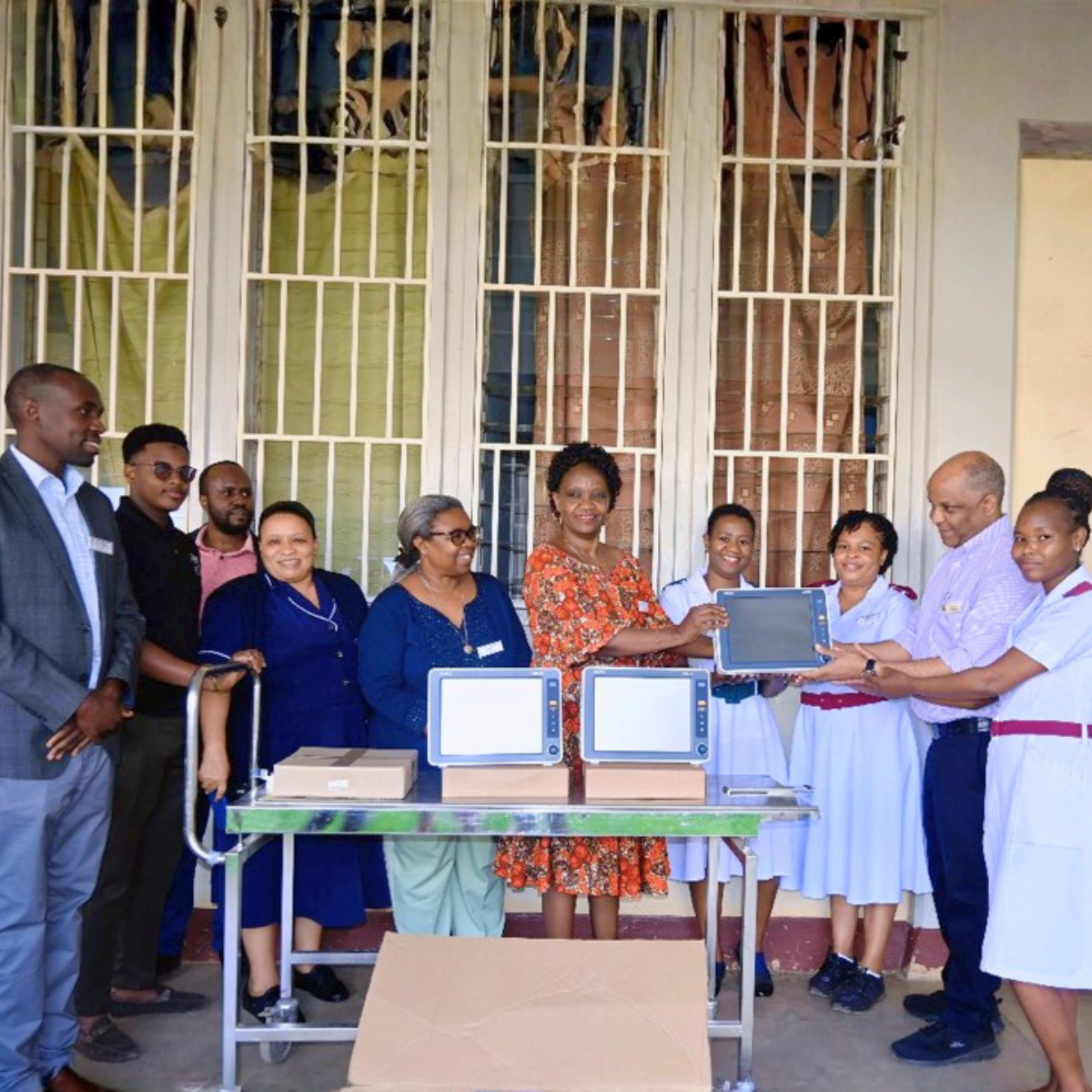
Through a combination of philanthropic support, clinical collaboration, and training, the partnership introduced key improvements in care. These included the establishment and equipping of a neonatal intensive care unit, which opened in 2021, alongside essential equipment to support newborns who needed extra care in their first days of life, and training for staff in emergency and infection care. Ongoing education for nursing and medical staff was also a central part of this work.

In 2023, a dedicated 20-bed Kangaroo Mother Care unit was opened, supported through student fundraising and philanthropic contributions. This simple but effective approach enables mothers to provide continuous skin-to-skin care, improving survival for premature and low birth weight infants.

For mothers, the impact has been immediate and visible. Professor Mmbaga reflects on how this has changed care in practice:

“We have seen real improvements in how care is delivered and in outcomes for preterm babies. Now, more mothers are able to stay with their babies during care, which has helped reduce infection risk and support earlier discharge.”

These changes are felt in very real ways. More babies are surviving those first critical days, and more mothers can stay close to them during care. In the Kangaroo Mother Care unit, mothers hold their babies skin-to-skin, helping them grow stronger each day. It is a simple approach, but one that is changing outcomes and experiences for families.

These efforts have contributed to measurable improvements in outcomes, with perinatal mortality in the region declining over time, reflecting hundreds of additional newborn lives saved each year.

Making data visible: the Kilimanjaro Birth Registry

Alongside improvements in care, the partnership identified an opportunity to strengthen how health data was captured and used.

At KCMC, the Medical Birth Registry had been in place since 2000, with information on pregnancy and birth collected on paper and stored locally. This provided a valuable foundation, while also highlighting the potential to make better use of data to support care for mothers and babies.

Through collaboration between clinicians, researchers, and software engineers, the registry was transformed into a web-based system by 2019.

The Birth Registry now captures data on approximately 2,500 births each year, with over 20 years of records, representing more than 60,000 births, brought together in one place.

Clinicians can now access real-time information when it matters most, helping them make more informed decisions for the women and newborns in their care. It also makes it easier to identify risks earlier and plan services to better meet the needs of the community.

The registry has also provided a foundation for further digital health innovation, demonstrating how data systems can be developed collaboratively and adapted to local needs.


From pilot to platform: Kilimanjaro ULTRA

Building on the success of the birth registry, the partnership expanded into a broader digital health platform through the Kilimanjaro ULTRA project.

The platform supports care for mothers and children across the health system, from hospitals to community settings.

Between 2022 and 2024, the system was piloted across a network of healthcare sites, capturing over 5,000 antenatal visits, approximately 4,000 deliveries, and more than 5,500 early childhood visits.

This created a more complete picture of each mother and child’s journey through care, helping to connect services and ensure information is available at every stage. It also makes it easier to identify gaps and improve how care is delivered.


Scaling impact: the LINDA-FAMILIA programme

By 2025, the partnership had evolved into a multi-country collaboration through the LINDA-FAMILIA programme, now active in Tanzania, Ethiopia, Rwanda, and Uganda. The programme focuses on adapting and scaling digital health systems to support care across pregnancy, postpartum, neonatal, and early childhood stages, including infectious diseases and vaccinations.

It supports the move from paper-based records to integrated digital systems, helping to improve how care is delivered for mothers and children.

LINDA-FAMILIA, meaning “protect the family” in Kiswahili, builds on earlier work in Kilimanjaro, extending the approach of co-development and shared learning to a broader regional context.

It brings together academic institutions, public health agencies, and ministries of health, reflecting the growing scale and ambition of the partnership.

As the work has expanded, it has also demonstrated the importance of strong systems underpinning long-term impact. Ali Khashan, Professor of Perinatal Epidemiology at University College Cork, explains:

“Kilimanjaro ULTRA and LINDA-FAMILIA have shown that strong governance, local ownership, and high-quality data are not just technical achievements, but the foundations of sustainable and equitable health systems.”


A partnership built on mutual learning

Over the past decade, collaboration between UCC and its Tanzanian partners has extended beyond individual projects to include training, education, and joint research. This has involved the joint supervision of PhD students, undergraduate medical electives, and academic exchange through shared roles across both institutions.

These activities build capacity in both directions, strengthening the ability of researchers and clinicians to address shared challenges in maternal and newborn health. They also reflect a core principle of the partnership: that meaningful progress depends on sustained collaboration and shared expertise.

From Cork to Kilimanjaro

Image 1 of 8

Looking ahead: the next decade

Reflecting on the broader significance of this work, Professor Geraldine Boylan, Director of the INFANT Research Centre at University College Cork, notes:

“Maternal and newborn health remains one of the most significant and under-resourced challenges globally. Partnerships like this demonstrate what can be achieved when research, clinical care, and collaboration come together with a shared purpose. Over the past decade, this work has contributed to meaningful improvements in outcomes for mothers and babies, while also building the foundations for long-term, sustainable change.”

Ten years on from its beginnings, the partnership continues to grow in both scope and ambition. Work is already underway to scale digital health systems across Tanzania and East Africa through the LINDA-FAMILIA programme, alongside plans to expand research in maternal and child nutrition, early brain health, and areas such as neonatal neurology and cerebral palsy.

Despite the progress of the past decade, maternal and newborn health remains significantly under-resourced in many parts of the world. Continued investment in research, innovation and partnership will be essential to ensure more mothers and babies benefit from advances in care.

If you’d like to help accelerate this work, you can support INFANT Research Centre through a donation. Every contribution helps advance research, strengthen international partnerships, and improve outcomes for mothers and children in Ireland and around the world.


Pregnancy complications can affect mental health long after birth

By |2026-09-17T11:09:08+01:00July 23rd, 2026|

Pregnancy complications can affect mental health long after birth

New research from INFANT Research Centre, University College Cork, highlights the long-term psychological impact of pregnancy and birth complications, calling for more compassionate, woman-centred maternity care.

For many women, recovery after pregnancy or birth complications extends far beyond physical healing.

A new qualitative study from researchers at the INFANT Research Centre, University College Cork, has found that women who experience serious complications during pregnancy or childbirth can continue to face significant emotional and psychological challenges for years afterwards.

The research, published in Women and Birth, explored the experiences of women across Ireland who had experienced a range of pregnancy and birth complications. Through in-depth interviews, the researchers sought to better understand the long-term impact these experiences had on women’s mental health and wellbeing.


The emotional impact doesn’t always end after birth

While many women recover physically, participants described how anxiety, fear and emotional distress often remained long after they had left hospital.

One participant reflected:

“I don’t think I’ll ever come off anxiety medication now.”

Others spoke about living with uncertainty, losing confidence in their own bodies, and feeling anxious about future pregnancies.

Many women also described feeling isolated during their recovery, particularly once they returned home, where emotional support was often limited despite the ongoing psychological impact of their experiences.


Feeling heard matters

A consistent theme throughout the research was the importance of communication.

Women valued healthcare professionals who listened, explained what was happening clearly and acknowledged the emotional impact of what they had experienced.

Where communication was poor, participants described feeling confused, unsupported or left with unanswered questions that continued to affect them long after giving birth.

The researchers suggest that relatively small improvements in communication, follow-up care and access to psychological support could make a meaningful difference to women’s recovery.


Supporting women beyond delivery

The findings highlight the need to view recovery from pregnancy complications as more than physical healing.

Ensuring women receive compassionate communication, appropriate information and ongoing emotional support may help reduce longer-term psychological distress and improve experiences of maternity care.

By listening directly to women’s experiences, the study provides valuable insights that can help inform future maternity services and improve care for women and families across Ireland.


About the research

The study was led by Dr Elizabeth Bodunde in collaboration with Prof Ali Khashan, Dr Karen O’Connor, Prof Fergus McCarthy and Dr Karen Matvienko-Sikar at the INFANT Research Centre, University College Cork.

The research has been published in Women and Birth.

Read the paper: https://lnkd.in/dWrPS-ZS


Go to Top