Transforming peanut allergy care in Ireland
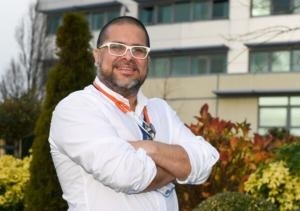
Dr. Juan Trujillo – Impact Story
FOOD IS SUPPOSED TO BE SIMPLE
But for families of children with severe food allergies, everyday life can be shaped by uncertainty. A birthday party, a school lunch, or a simple snack can carry the risk of a serious allergic reaction.
Across Ireland, thousands of children live with that reality — where a routine moment can quickly become a medical emergency.
Managing food allergy means constant vigilance for families: checking labels, asking questions, and always being prepared for the unexpected.
Now, research and clinical innovation are beginning to change the outlook.
At the INFANT Research Centre, researchers and clinicians are working to transform how food allergies are treated and prevented. Their work has contributed to a major national milestone: Ireland’s first public oral immunotherapy programme for peanut allergy.
The programme, based at Cork University Hospital and led by paediatric allergist Dr Juan Trujillo, is improving the lives of children and families across the country.
“Many families live with the fear of accidental exposure,” says Dr Trujillo. “Even a tiny amount of peanut can trigger a serious reaction.”
LIVING WITH FOOD ALLERGY
Food allergies affect a growing number of children in Ireland. Around five percent of the population lives with some form of allergy, and between one and two percent experience food allergies.
For children with peanut allergy, the risks can be particularly serious. Even trace amounts can trigger severe reactions, and most children do not naturally outgrow the condition.
Without treatment, around 80 percent of children with peanut allergy will remain allergic for life.
For families, that means constant vigilance.
“Many families live with the fear of accidental exposure,” says Dr Trujillo. “Even a tiny amount of peanut can trigger a serious reaction.”
Historically, treatment focused on strict avoidance and emergency medication. But researchers have increasingly explored whether the immune system itself can be retrained.
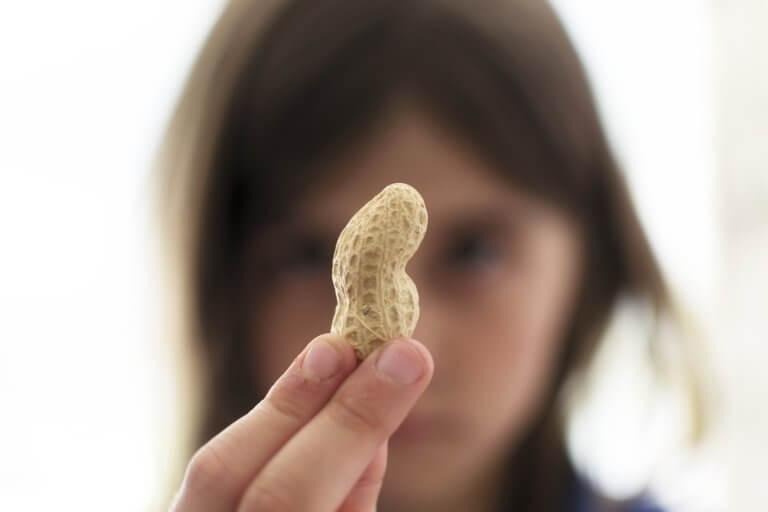
“With oral immunotherapy, the chances of a patient being safe from accidental exposure can increase to around 80%”

A new approach: oral immunotherapy
Oral immunotherapy (OIT) works by gradually introducing extremely small amounts of the allergenic food under careful medical supervision. Over time, the dose is slowly increased.
The aim is to desensitise the immune system, reducing the risk of severe reactions even if the allergy itself does not disappear completely.
For peanut allergy, the goal is for a child to eventually tolerate the equivalent of one or two peanuts per day.
“By gradually introducing the allergen in controlled doses, we can reduce the risk of severe reactions,” Dr Trujillo explains.
This desensitisation can significantly improve safety.
For families, that difference can transform everyday life.
“We expected around 70 patients in the first year. We finished with 250 — and now families are coming to us from across Ireland.”
Ireland’s first public programme
Despite its potential, oral immunotherapy had not previously been widely available through Ireland’s public health system.
Dr Trujillo and his colleagues established Ireland’s first public oral immunotherapy programme for peanut allergy at Cork University Hospital.
The response from families and clinicians across the country has been significant.
Initially, the team expected to treat around 70 patients in the programme’s first year. Instead, referrals quickly began arriving from across Ireland.
Within its first year, more than 250 children had joined the programme. As the service continues to expand, hundreds more patients are expected to access treatment.
The programme has effectively become a national referral centre, with children travelling from different regions for treatment before returning to their local care teams.
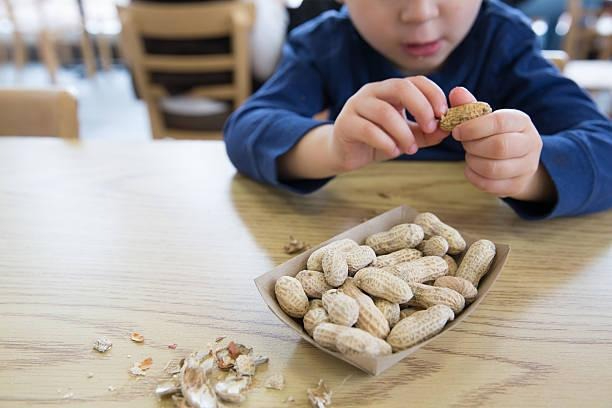
“Our goal is not only to treat allergies, but to prevent them and make life safer for children.”
Research driving change
The programme is rooted in years of research collaboration between Cork University Hospital, University College Cork, and the INFANT Research Centre.
This research environment allows discoveries to move more quickly from laboratory insight to clinical care.
Dr Trujillo’s research focuses on both the treatment and prevention of allergic disease, exploring new ways to safely retrain the immune system.
Alongside oral immunotherapy, his team is involved in international clinical trials investigating innovative treatments such as epicutaneous immunotherapy.
This approach uses a small skin patch that delivers tiny amounts of peanut protein to the immune system.
The aim is similar to oral immunotherapy: reducing sensitivity to the allergen while minimising the risk of severe reactions.
Together, these studies are helping to build the evidence base for a new generation of allergy treatments.
“The goal is to build a national programme so children across Ireland can access treatment earlier and more safely.”
The future: prevention and national access
While new therapies are transforming treatment, research is also reshaping how allergies are prevented.
Scientific evidence now shows that introducing allergenic foods such as peanuts early in infancy can significantly reduce the risk of developing allergies later in life.
In some countries, early introduction strategies have reduced peanut allergy rates by up to 40 percent.
For Ireland — where specialist allergy services remain limited — prevention may play an increasingly important role in reducing the burden of allergic disease.
Dr Trujillo also has a longer-term vision: building a national oral immunotherapy programme that could serve families across the country more efficiently.
Such a system could allow specialised centres to deliver treatment while working closely with regional allergy services.
RESEARCH WITH REAL-WORLD IMPACT
The work underway at the INFANT Research Centre demonstrates how research can translate directly into clinical care.
From international clinical trials to Ireland’s first public immunotherapy programme, these advances are helping reshape allergy care.
For the families navigating the daily realities of food allergy, that progress means something simple but powerful.
A future where everyday moments — a birthday party, a school lunch, a shared meal — carry a little less risk.