Biomarkers to enable early treatment of newborn brain injury
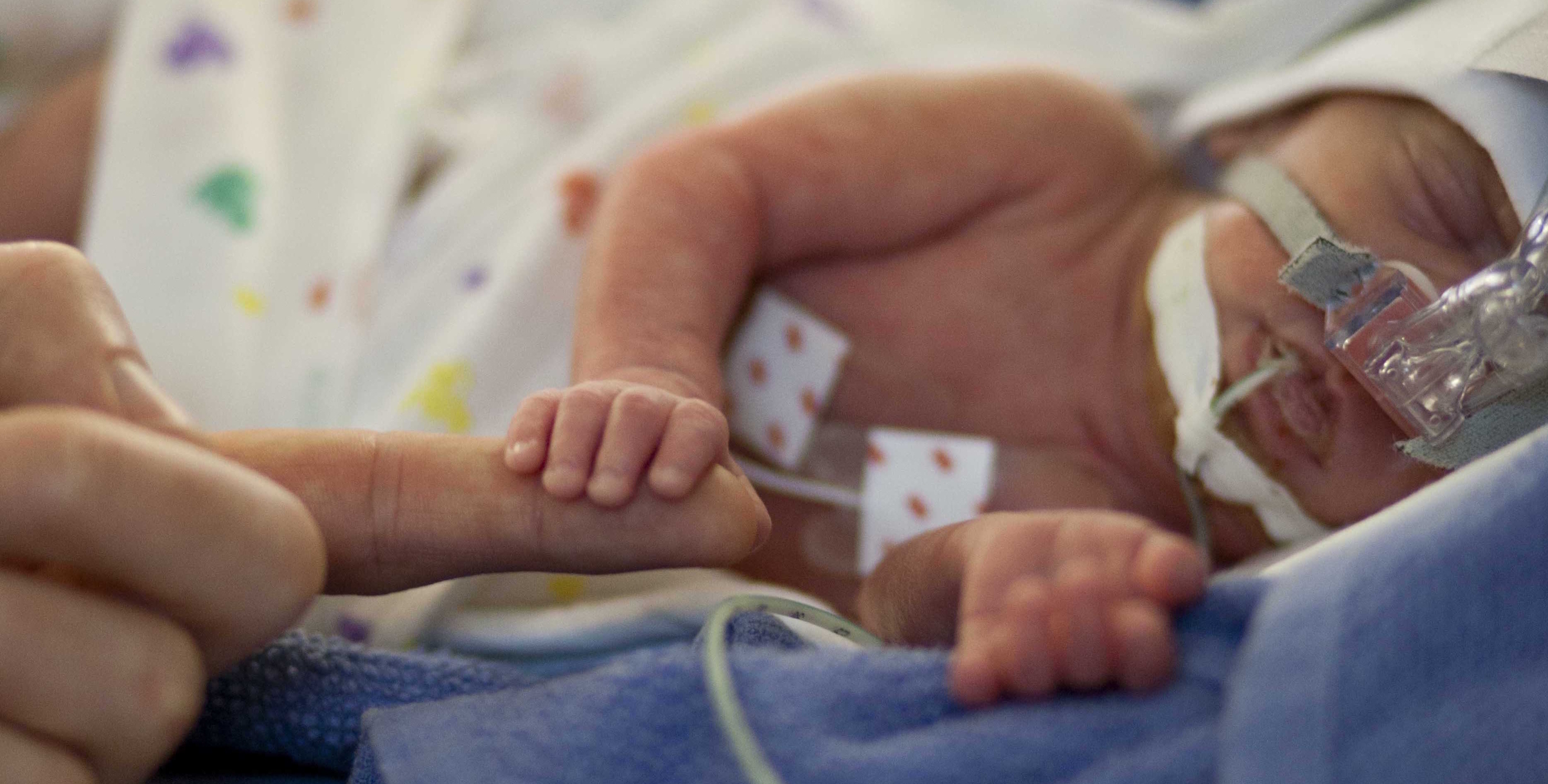
Lack of oxygen to the brain at birth affects almost 200 babies in Ireland each year and more than two million infants globally. This condition, known as hypoxic ischaemic encephalopathy (HIE), is a leading cause of newborn death and long-term neurological disability, including cerebral palsy.
Early diagnosis is critical, as treatments such as therapeutic hypothermia, or brain cooling as its often known, must be initiated within a narrow time window to reduce brain injury and improve outcomes. Yet identifying which babies will benefit from treatment remains a major clinical challenge.
Researchers at INFANT, working with collaborators at University College Cork and the Karolinska Institute in Sweden, identified and validated two blood-based biomarkers that can aid the early detection of birth-related brain injury. These biomarkers are microRNAs, small strands of genetic material found in umbilical cord blood, which were shown to be significantly reduced in newborns with HIE.
The research, led by INFANT Researcher, Professor Deirdre Murray, and involving umbilical cord blood samples from 170 newborn babies in Ireland and Sweden, demonstrated consistent biological patterns across populations, strengthening their potential clinical relevance.
As Professor Murray explains:
“Early diagnosis is critical in babies affected by hypoxic ischaemic encephalopathy. Our research shows consistent biological signals across different populations, which is a vital step towards identifying brain injury when treatment decisions matter most.”
By providing an early biological signal of injury, these biomarkers could support faster identification of infants who need urgent intervention and help guide transfer to specialist centres for brain cooling therapy.
INFANT Director Professor Geraldine Boylan highlights the broader significance of the work:
“This research demonstrates how sustained, collaborative effort can advance neonatal care. It reflects INFANT’s commitment to developing evidence that has real potential to improve outcomes for babies and families.”
Supported by funding from the Health Research Board and the National Children’s Research Centre, this research represents almost a decade of focused investigation into early brain injury. It is an important step towards improving diagnosis and care for newborns affected by HIE.