Parents’ voices helping shape cerebral palsy research
Research is strongest when it reflects the realities of the people it aims to support.
At the INFANT Research Centre at University College Cork (UCC), parents are helping shape cerebral palsy research through the Cerebral Palsy Parent Advisory Group (CP-PAG). The group is part of the wider ELEVATE research programme and the National Cerebral Palsy Programme, which aim to improve early diagnosis, care pathways and long-term outcomes for children with cerebral palsy in Ireland.
The advisory group brings together parents who share their lived experience to help guide research aimed at improving care, support and outcomes for children with cerebral palsy.
For Cerebral Palsy Awareness Day (25 March), INFANT is highlighting the role parents play in ensuring research reflects the priorities and everyday experiences of families.
Parents involved in the group say their perspectives help researchers better understand what life with cerebral palsy looks like beyond clinical settings.
“We are living the reality every day,” says Kirsty, whose four-year-old son Andre has spastic quadriplegic cerebral palsy.
“We can offer perspective into things researchers might not realise are important but matter greatly to families.”
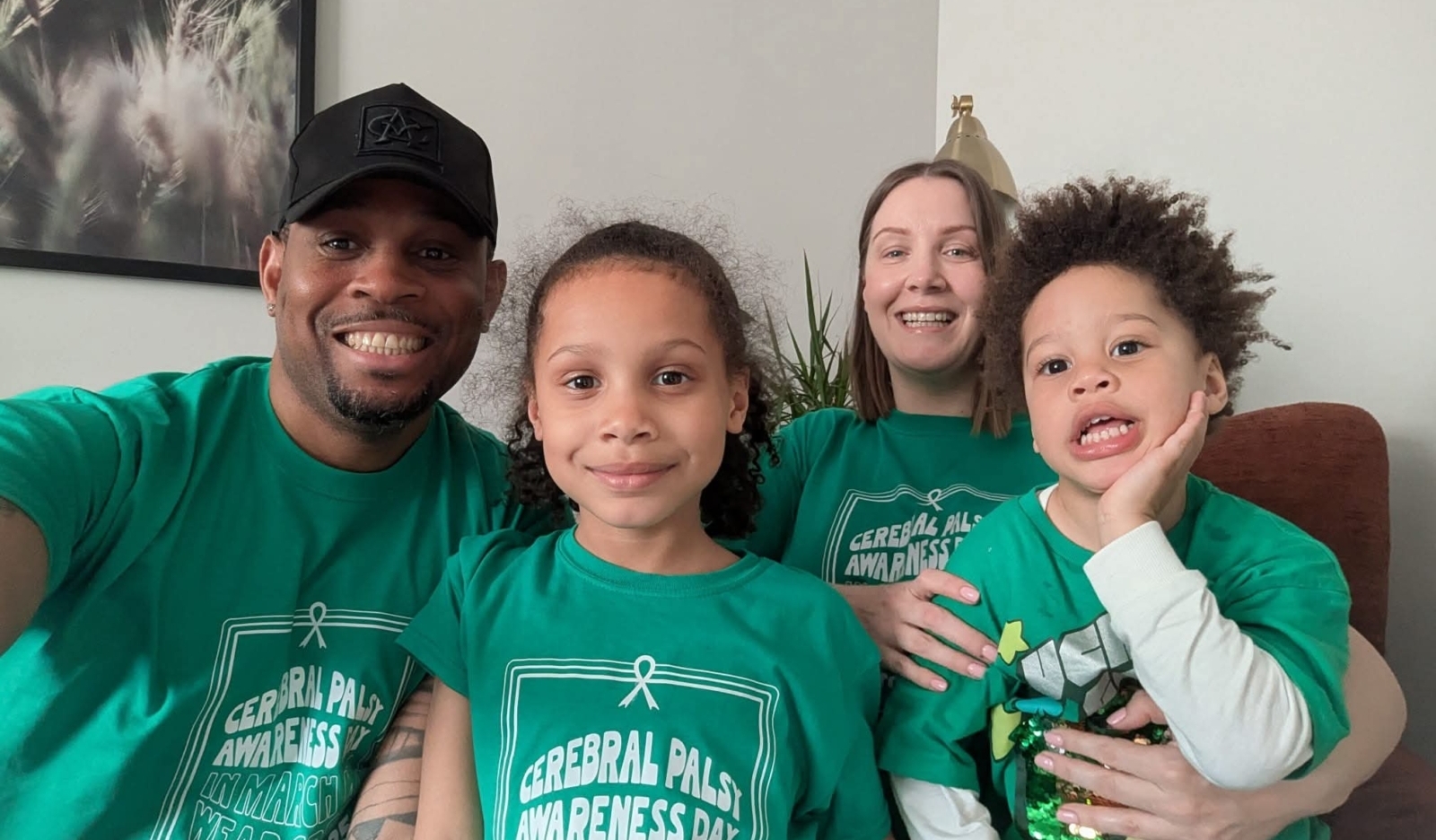
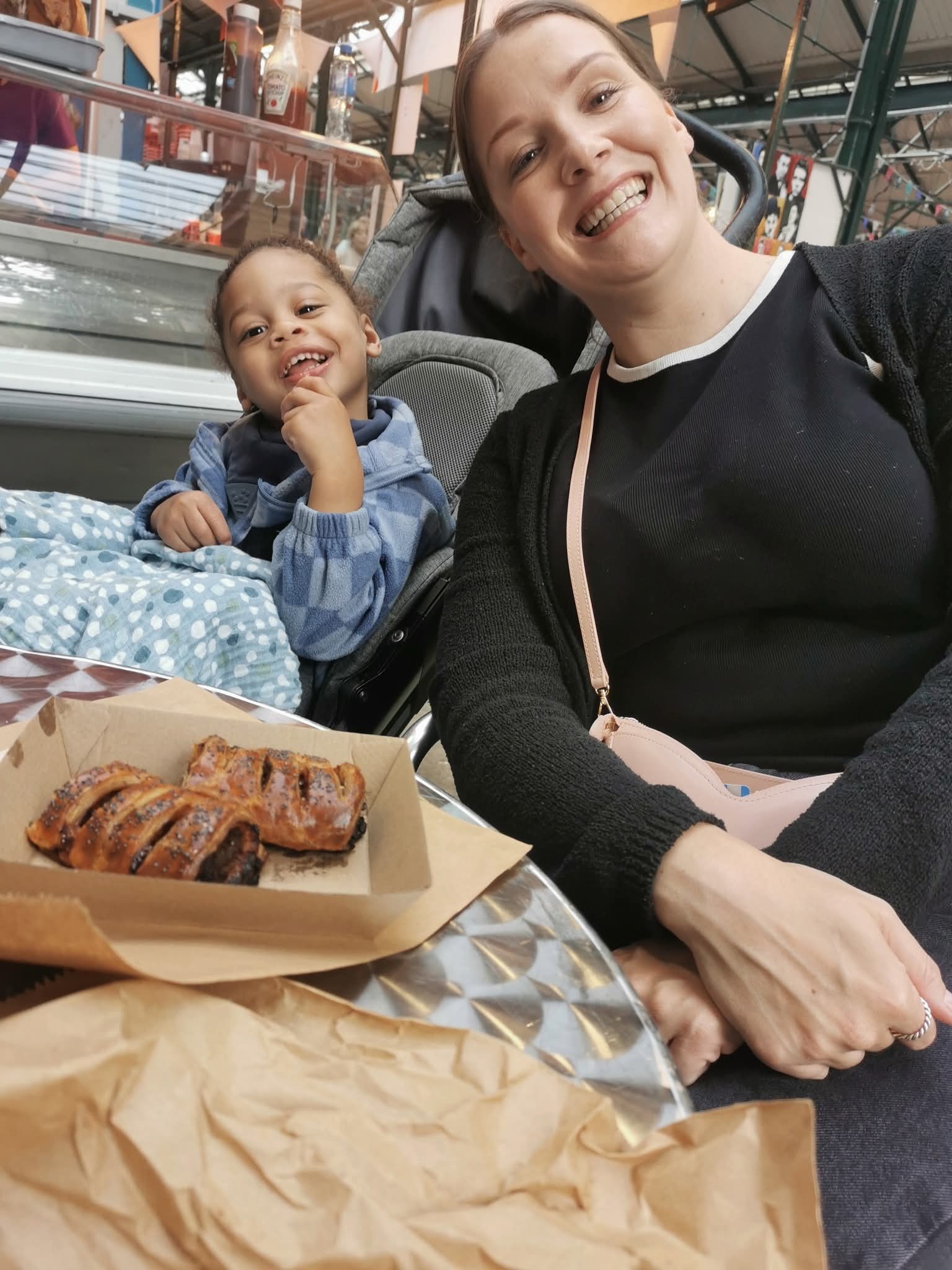
Pictured left, Kirsty Diaso with her husband, daughter, and son Andre, who has spastic quadriplegic cerebral palsy; pictured right, Kirsty and Andre.
Why lived experience matters in research
Cerebral palsy is a lifelong neurological condition that affects movement, posture and coordination. For many families, the journey after diagnosis involves navigating therapies, services and everyday challenges that are not always visible in clinical research.
Cristín, whose six-year-old son Alex was diagnosed shortly after his first birthday, says involving parents helps bring a human perspective to research.
“Involving parents transforms research from a clinical study into a human-centred one,” she explains.
“Parents bring lived experience that can help researchers understand what families are going through, especially during the emotional and uncertain time around diagnosis.”
Parents in the advisory group contribute in a number of ways, including helping shape research questions, reviewing study design and ensuring research priorities reflect what matters most to families. They have also contributed to over 20 research studies and helped develop national resources for families, making research more accessible and relevant to those living with cerebral palsy.
Understanding the realities families face
For many parents, everyday life highlights the barriers that still exist for children with disabilities.
Cristín says some challenges are small but persistent.
“Sometimes it’s things like trying to find adapted shoes that fit over orthotics or checking whether somewhere is accessible before we go out.”
Others highlight wider inequalities in systems designed without disabled children in mind.
She points to the contrast between her children’s school journeys.
“One child can walk ten minutes to school, while the other has to sit on a bus for over an hour to attend a special school that can meet their needs.”
Experiences like these help researchers understand the broader social and practical challenges families face every day.
Challenging assumptions about disability
Parents also hope greater awareness will help challenge assumptions about children with physical disabilities.
Cristín says one of the biggest challenges Alex faces is not always mobility.
“It’s the assumption that because he has a physical disability, he cannot understand what people are saying,” she says.
“I would love to see more people stop talking past Alex to me. Get down to his level and speak directly to him.”
For families, awareness is not only about understanding the condition itself, but also about recognising the abilities, personalities and voices of the children living with it.
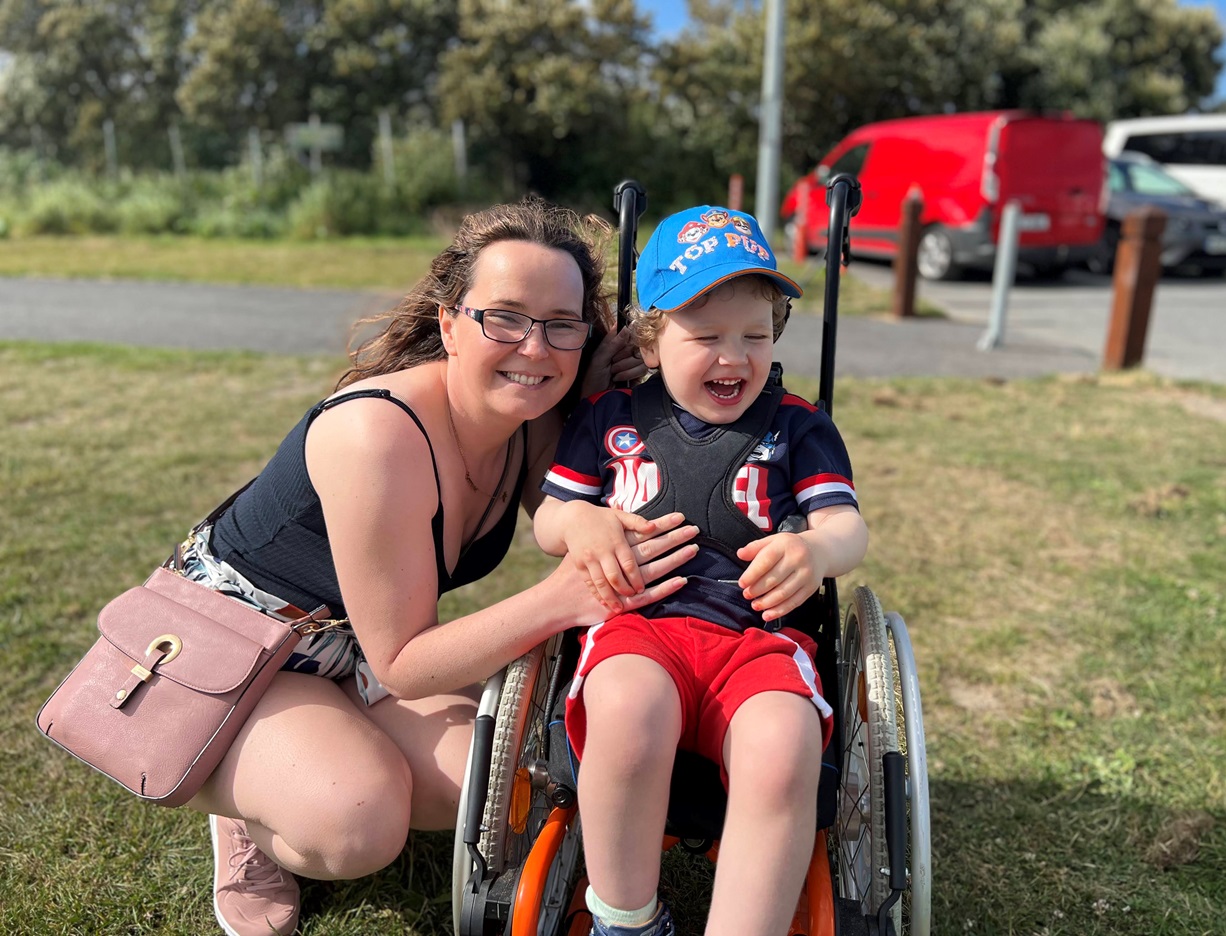
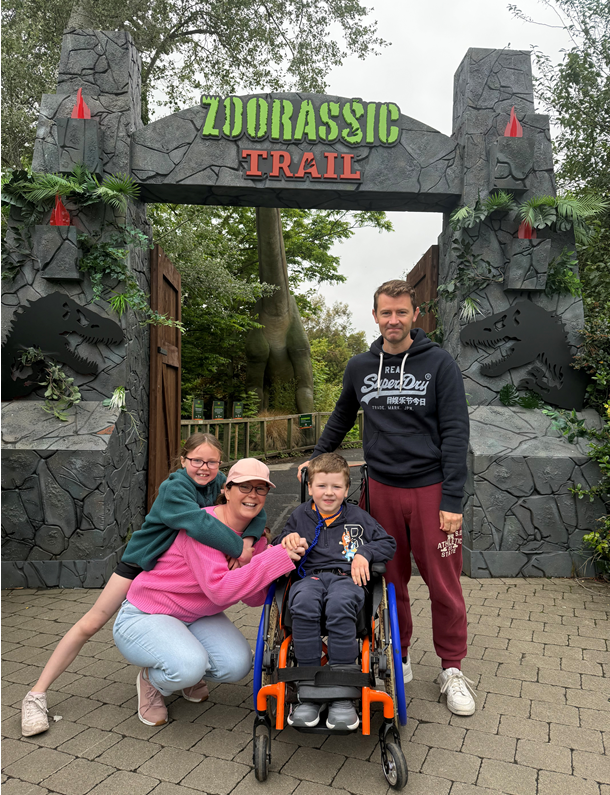
Pictured left: Cristin McCormack, and son Alex, who was diagnosed with cerebral palsy shortly after his first birthday; pictured right, the family enjoying a day out together.
From lived experience to better research
Since her son’s diagnosis, Kirsty has taken a strong interest in cerebral palsy research and how it can improve care and support for families.
She recently launched Cerebral Palsy Social (@cerebralpalsysocial), a support network for parents and caregivers of children with cerebral palsy.
For her, contributing to research is another way parents can help shape a better future.
“Cerebral palsy is not a curable condition,” she says. “But with the right therapies, supports and understanding, people with cerebral palsy can thrive and live full lives.”
She believes involving parents in research focuses on outcomes that truly matter to children and families. Embedding parent voices in research from the outset also means programmes like ELEVATE can drive real-world improvements in care, support and outcomes for children and families across Ireland.
Looking toward a more inclusive future
For parents like Kirsty and Cristín, Cerebral Palsy Awareness Day is an opportunity not only to raise awareness but also to build understanding.
“To me, CP Awareness Day is about bridging the gap between awareness of CP as a label and a true understanding of what a diagnosis means,” says Cristín.
“It’s an opportunity to celebrate our amazing children while also highlighting the challenges families face and working toward a future where every child with cerebral palsy grows up in an inclusive and supportive community.”
Through initiatives such as the Cerebral Palsy Parent Advisory Group, parent voices are helping ensure research reflects the realities of families and contributes to better care and support in the future.