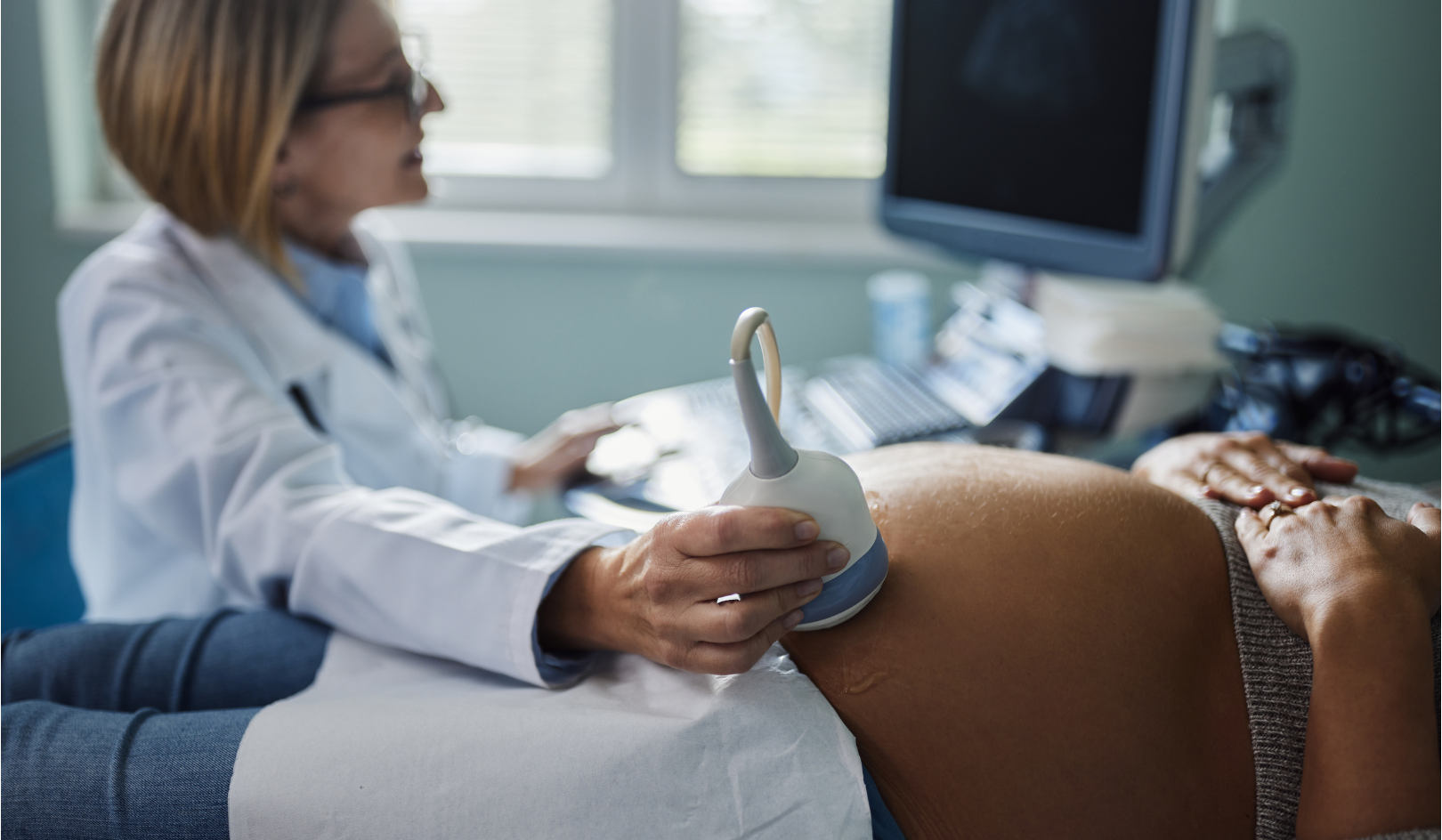
Predicting pre-eclampsia before it becomes dangerous
For many women, pre-eclampsia arrives without warning. What begins as a healthy pregnancy can suddenly become life-threatening, with serious consequences for both mother and baby. Despite affecting around 5% of first-time mothers, clinicians have had limited tools to predict who will develop the condition.
INFANT researchers aimed to change that uncertainty.
Using advanced metabolomic technologies, the team studied subtle changes in blood chemistry during pregnancy and identified a unique set of biomarkers linked to the later development of pre-eclampsia. These biomarkers make it possible to identify women at risk before clinical symptoms appear.
Early prediction changes everything. Women identified as high-risk can be monitored more closely, receive preventative treatments, and make informed decisions alongside their healthcare team. For clinicians, it enables targeted care rather than reactive treatment. For families, it offers something previously unavailable: time.
By shifting pre-eclampsia care from crisis response to early prevention, this research has the potential to save lives and reduce long-term complications for mothers and babies alike.