Building stronger evidence for better maternal and child health in East Africa
By Jimmy Patrick, Alunyo PhD fellow, Uganda
Every day across East Africa, thousands of pregnant women miss antenatal care appointments not because they do not care, but due to barriers such as distance, cost, competing responsibilities, or simply forgetting. When these visits are missed, early warning signs such as infections, high blood pressure, or pregnancy complications go unnoticed, putting both mothers and babies at risk.
Improving maternal and child health depends on stronger health systems. It requires stronger evidence to guide care, policy, and innovation.
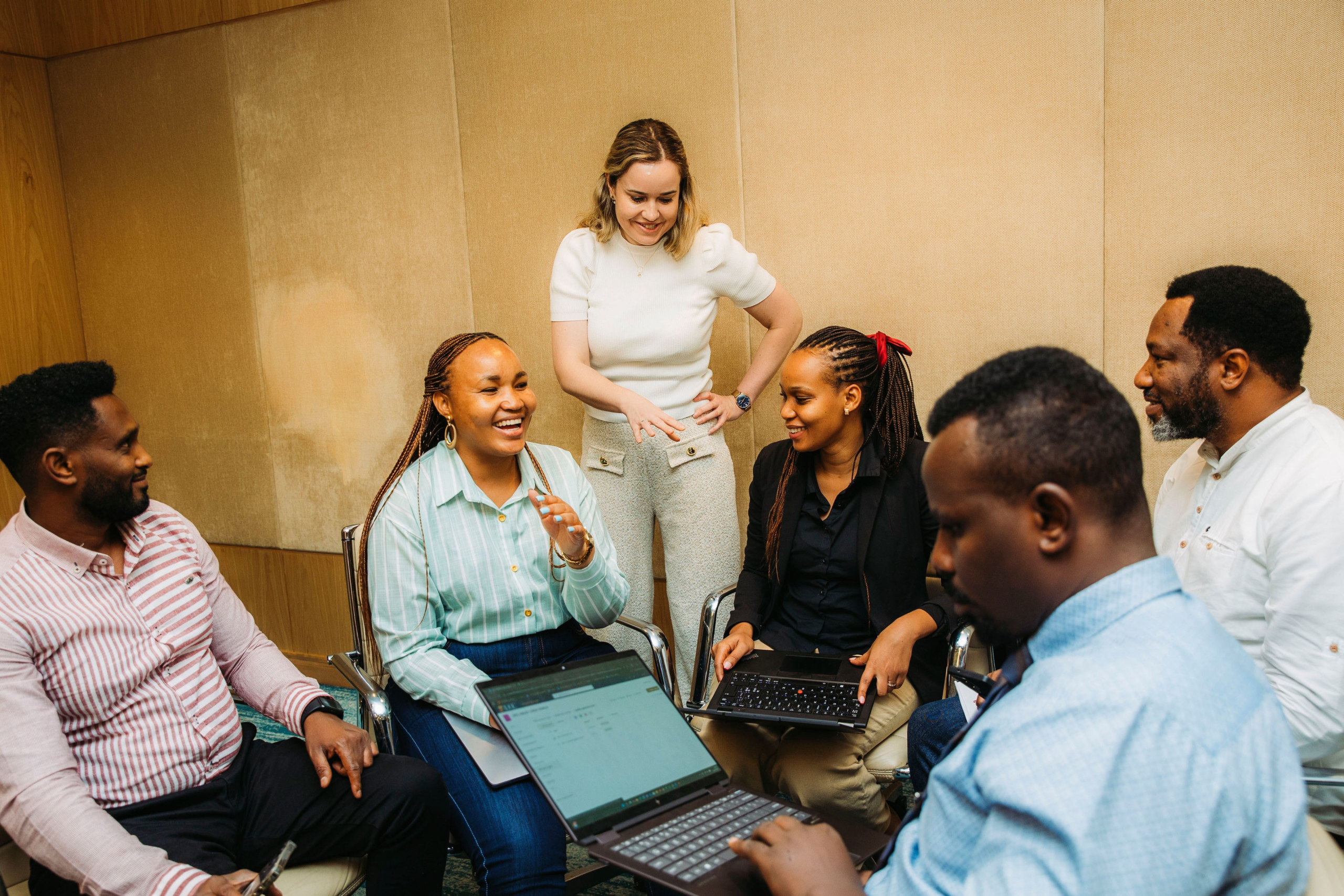
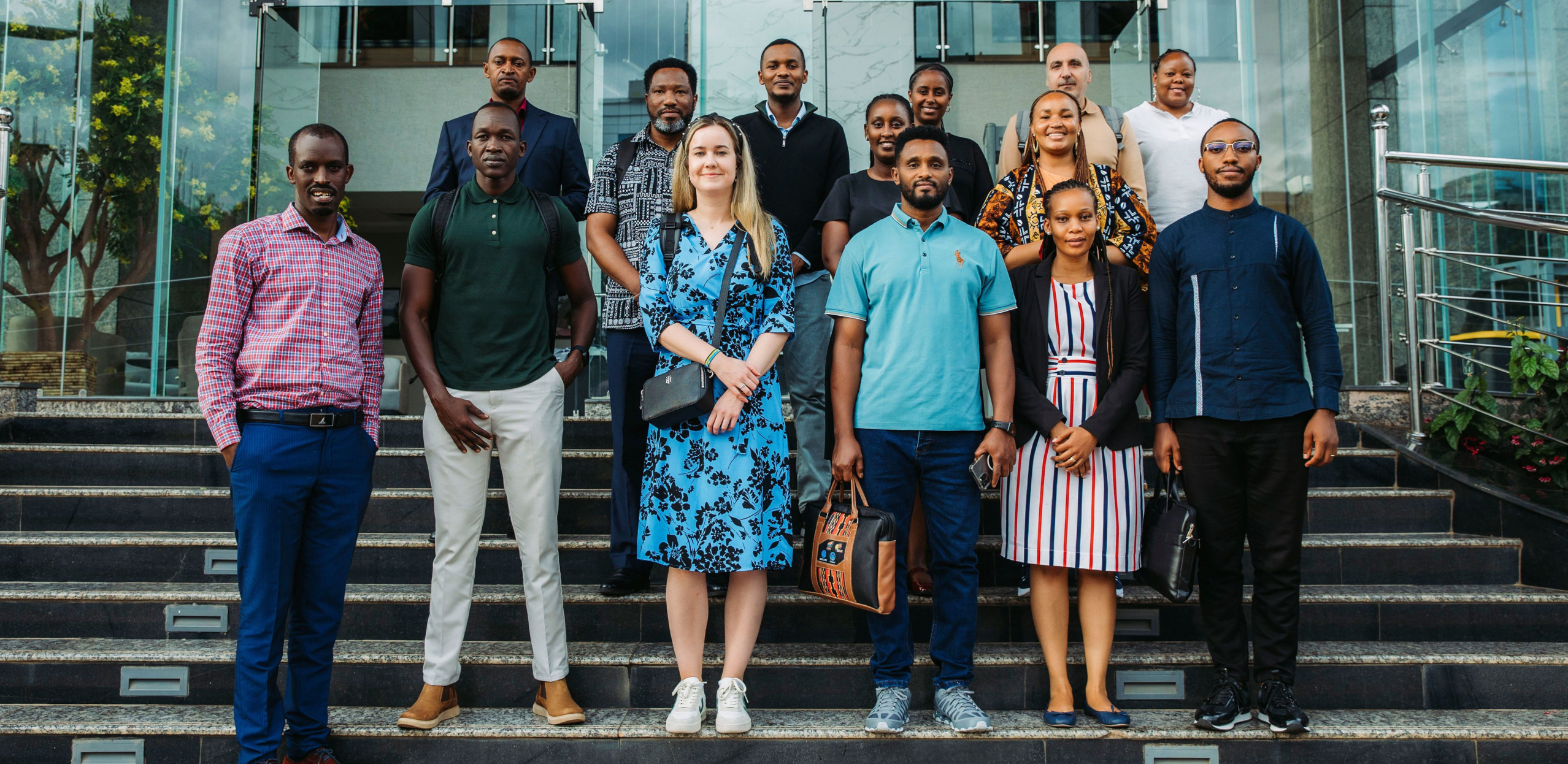
That is why the LINDA-FAMILIA Project brought together nine PhD students and one postdoctoral researcher in Kigali, Rwanda for a four-day intensive training on systematic review and meta-analysis.
The training, held from 20-24 April 2026, focused on helping students build and bring together evidence across different areas of the project, particularly within Work Package 3 (Intervention Evaluation) and Work Package 4 (Clinical Research). Throughout the week, participants developed practical skills in writing research protocols, searching scientific literature, extracting and reviewing data, and analysing results using Review Manager (RevMan).
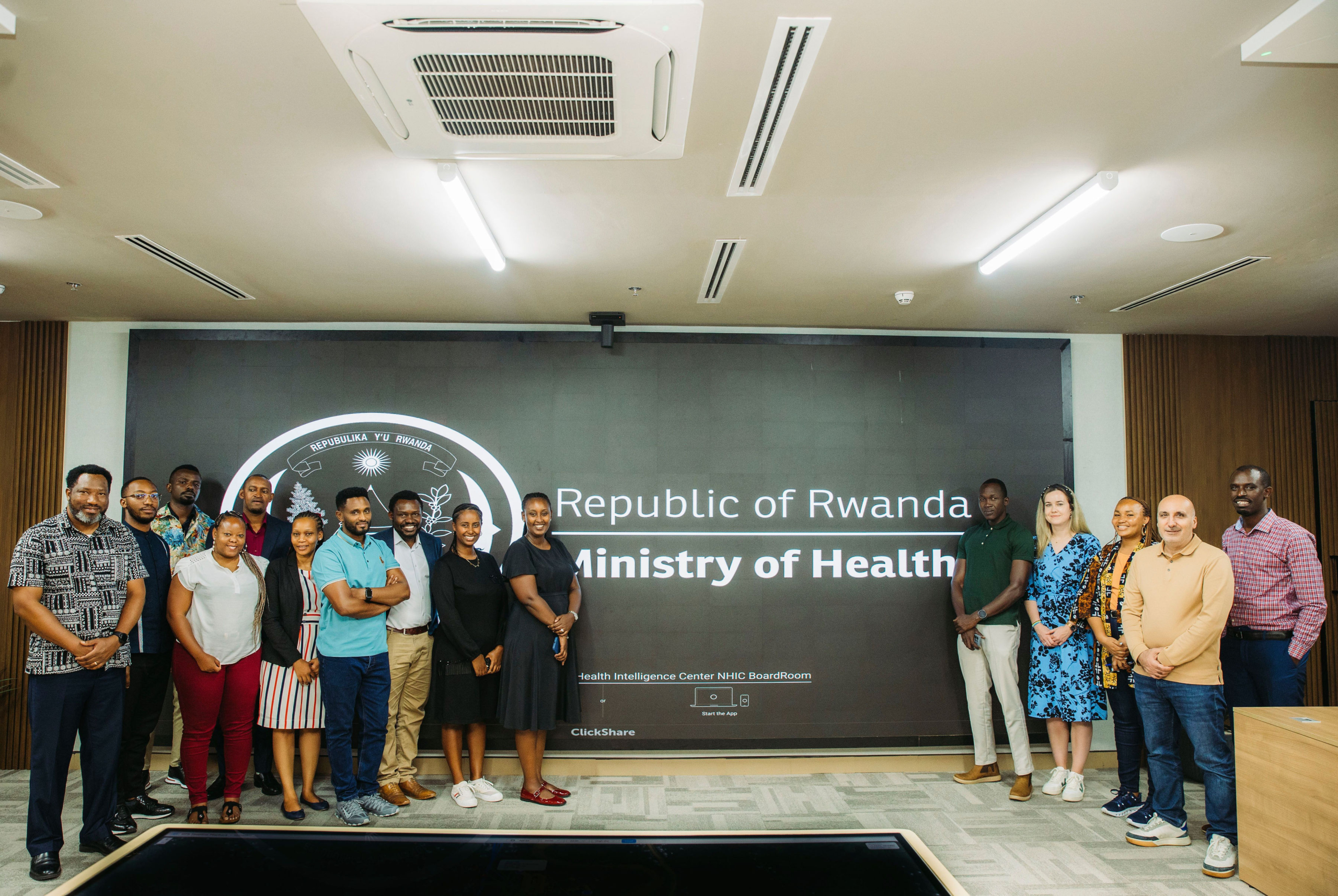
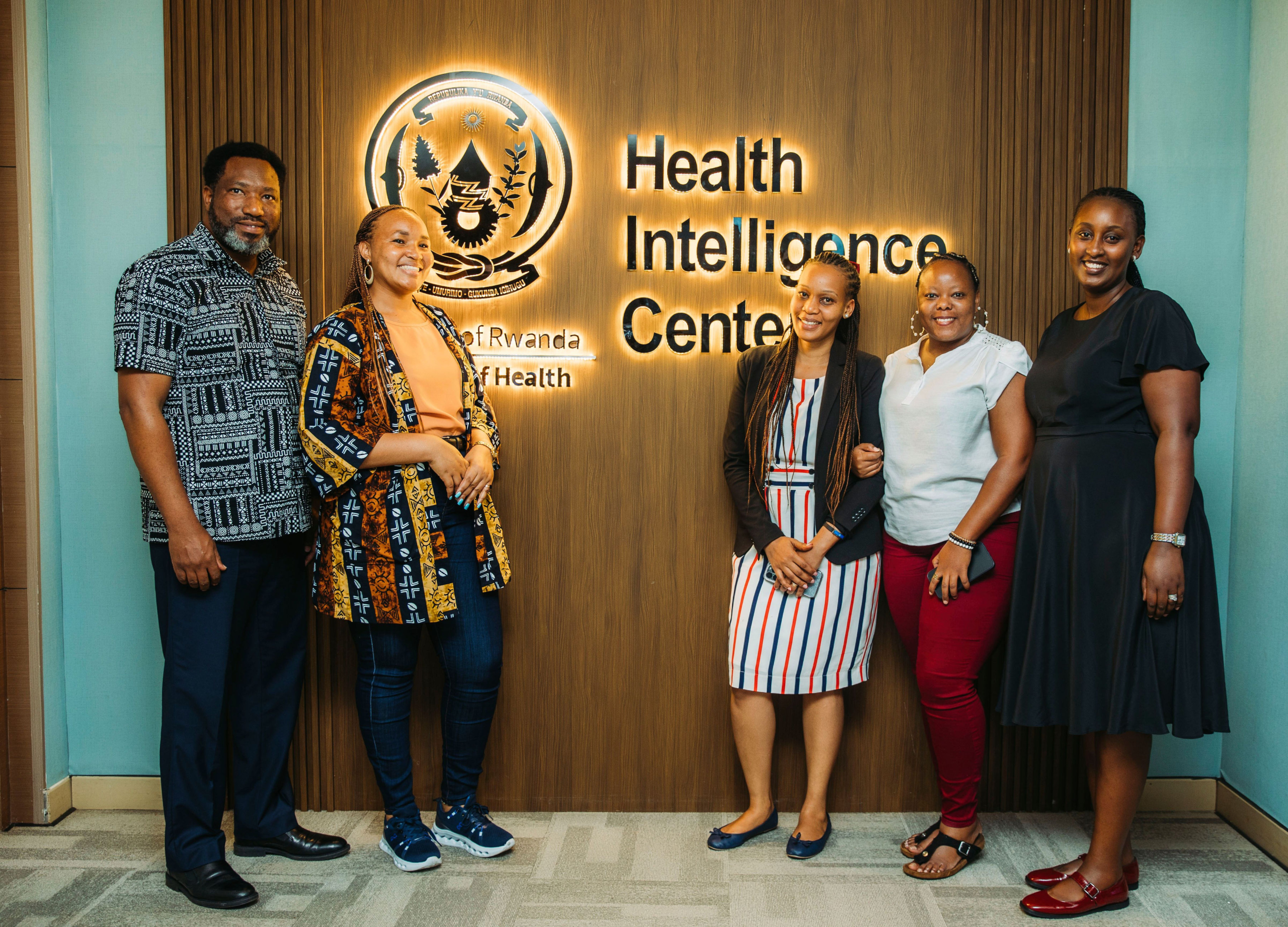
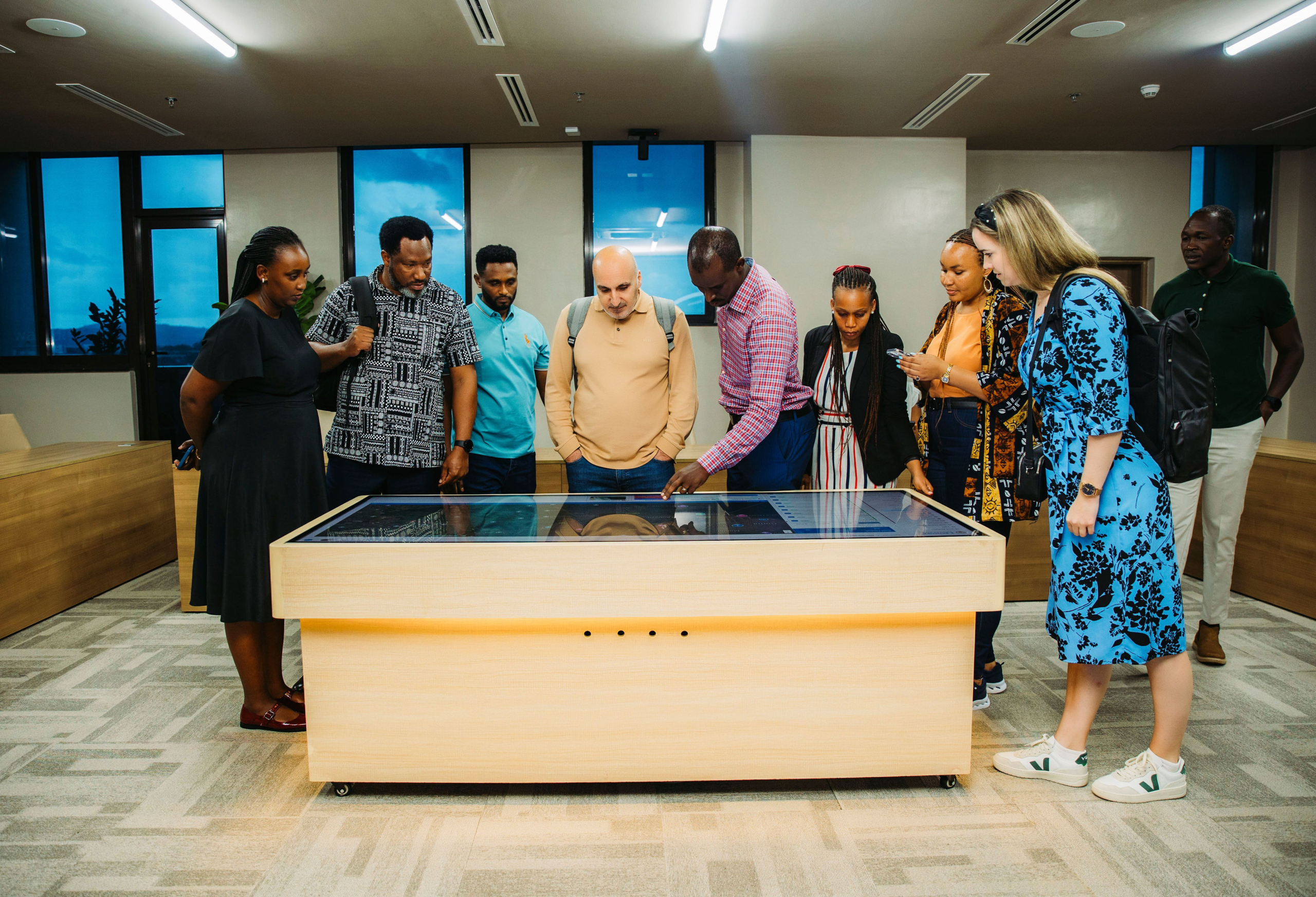
The workshop also extended beyond the classroom. Through visits to Rwanda’s National Health Intelligence Center, students saw how health data is used in real healthcare settings to support decision-making.
For many, the training shifted how they think about research.
Reflecting on the week, PhD student Espoir shared that one of his biggest lessons was the importance of reading more deeply and intentionally. For him, understanding the existing literature is not just a requirement for PhD proposal development, but the foundation for identifying gaps and building stronger research questions.
For PhD student Jimmy, the training built confidence in assessing the quality of research.
“The training increased my confidence in assessing the quality of evidence using tools like the Cochrane Risk of Bias Tool and the Newcastle-Ottawa Scale, understanding heterogeneity, and conducting subgroup analysis. These skills will directly support the scoping review we are conducting under WP4.”
PhD students Jimmy, Hiwot and Rehema, are currently working on a review exploring the use of SMS reminders in maternal healthcare across East Africa. This work will help inform one of LINDA-FAMILIA’s upcoming clinical trials.
Looking ahead, Professor Ali Khashan encouraged students to continue building their skills in epidemiology and biostatistics, stay connected with supervisors, start writing early, and prepare abstracts for the upcoming EDCTP Conference in Madrid.
Special thanks go to Dr Gillian Maher for leading much of the training and to the Rwanda team for hosting a productive week of learning, reflection, and collaboration.
At the heart of the LINDA-FAMILIA project is a focus on strengthening researchers, because better evidence can lead to better care for mothers, babies, and families across East Africa.