The human side of designing digital health systems
By Stella Martha Migamba, Project Manager, Uganda
When a digital health information system is complex for the people who rely on it, such as frontline health workers, the consequences reach far beyond a slow screen. A system that is hard to understand can delay patient care and make it difficult to capture the accurate, timely information that guides diagnosis and intervention. When patient data is incomplete, gaps open up in patient management, diagnoses can be inaccurate, and life saving interventions can be delayed. For mothers and newborns, those delays can be the difference between a good outcome and an adverse one.
This is why understanding how a system actually performs in the hands of its users matters so much. Looking closely at a system’s usability, accessibility, sustainability, and economic cost gives us the insight we need to improve it. A system that is easier and more satisfying to use is also a system that health workers are more willing to accept and keep using.
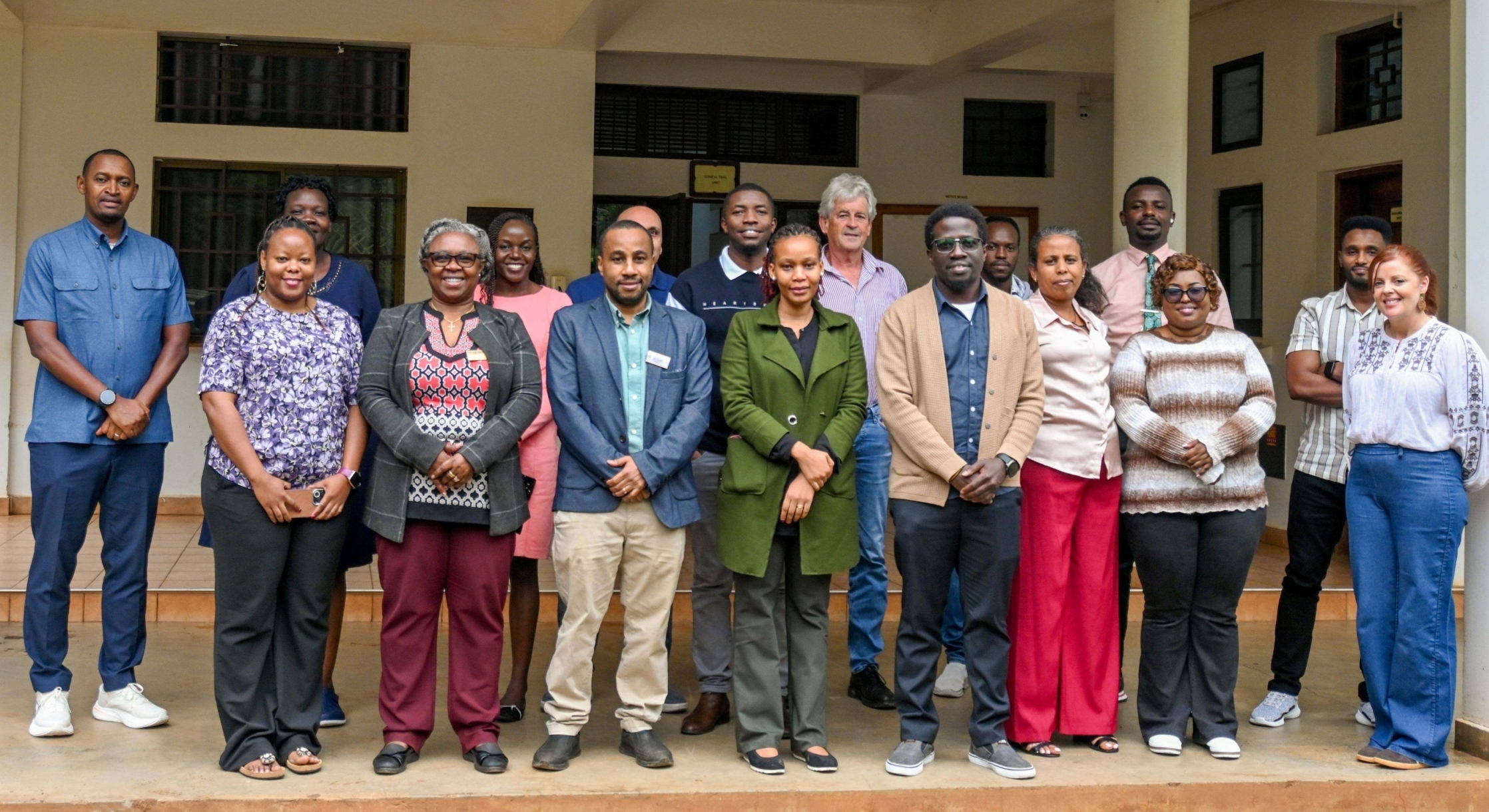
With this in mind, the LINDA FAMILIA project organised a three day workshop at the Kilimanjaro Clinical Research Institute in Tanzania to shape the strategies the project will use for Work Package 3, which covers Intervention Evaluation. The workshop brought together a multidisciplinary team of PhD fellows, supervisors, research fellows, project managers, and IT officers. Together they brainstormed practical approaches for assessing how users of digital health information systems experience and interact with those systems.
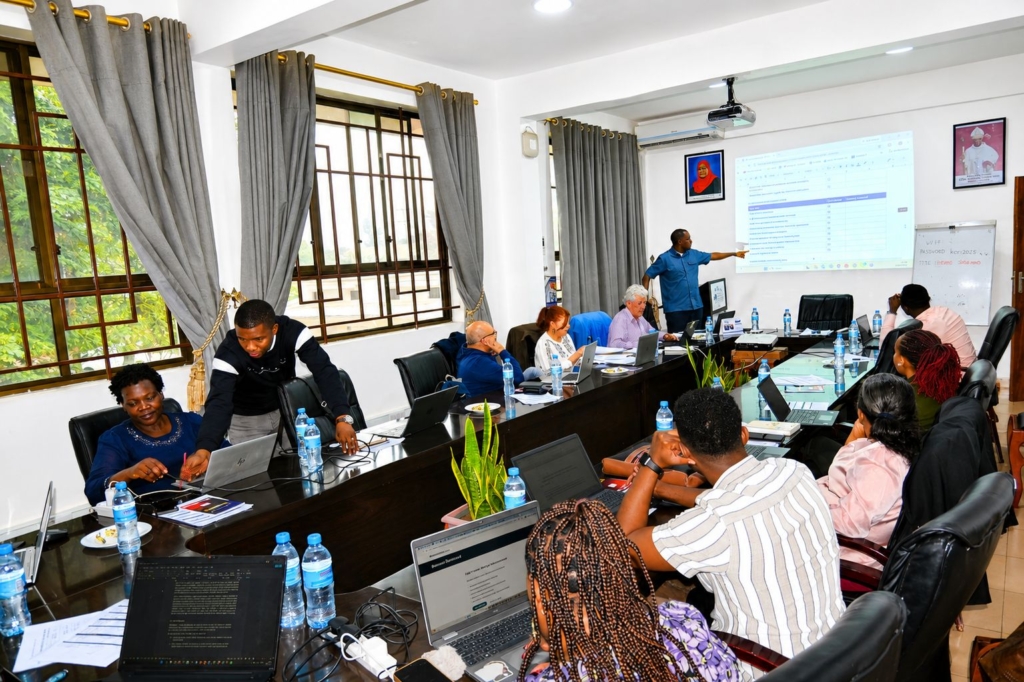
Dr. Seleman Ntawuyirushintege, WP3 lead explained
“For the system to be sustainable, it has to be accessible. Sustainability should be assessed using the RE-AIM approach, which looks at Reach, Adoption, Implementation, Effectiveness, and Maintenance.”
The conversations helped ground the wider team in how the work should be organised. Mark Outeke, one of the IT officers, noted that the meeting sharpened his understanding of how Work Package 3 activities should come together in practice.
That shared understanding is already translating into concrete work. Two PhD fellows, Chacha Mangu and Fils Uwitonze, are developing proposals to evaluate the use of the e-register across the four implementing countries: Ethiopia, Rwanda, Tanzania, and Uganda.
Evaluating how a system is actually used is more than an academic exercise. It helps us identify and troubleshoot the everyday challenges health workers face as they carry out their tasks. Addressing those challenges can lead to faster navigation, shorter patient waiting times, and more timely management of the people who come through the door.
Strengthening and scaling the use of digital health information systems is a gradual process, but it is a critical one for improving health systems overall. By improving the experiences of the people who use these systems every day, we can support timely clinical decisions and, ultimately, better maternal and newborn health.