From research to real-time care: the ANSeR study
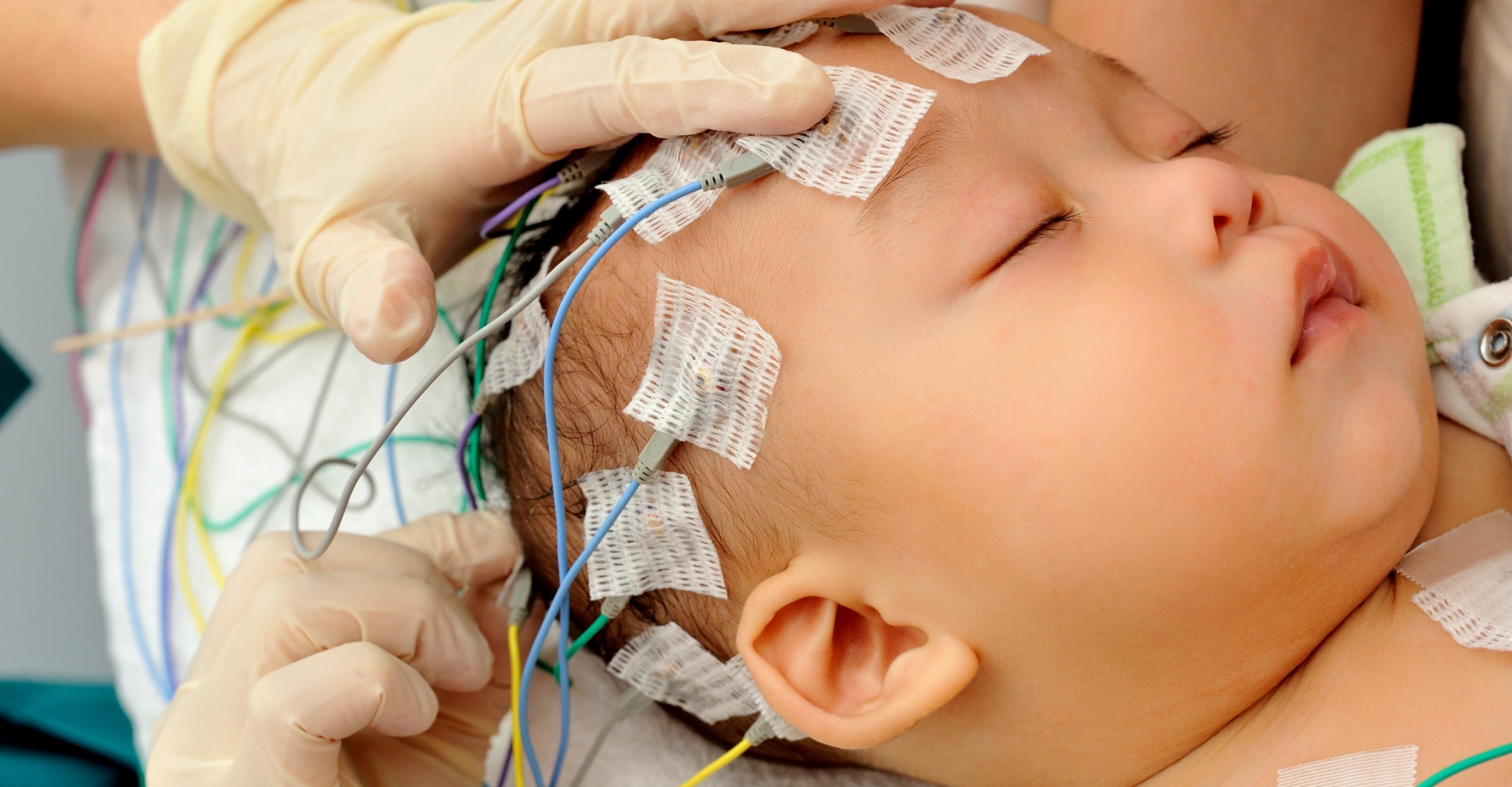
Babies admitted to neonatal intensive care due to complications during pregnancy are at high risk of brain injury and seizures, which can have lifelong consequences if not detected and treated early. Yet newborn seizures are notoriously difficult to identify, often showing no visible signs.
The ANSeR (Automated Neonatal Seizure Recognition) study was established to address this challenge. Led by Professor Gene Dempsey and Professor Geraldine Boylan and developed in collaboration with engineers at the INFANT Centre at University College Cork, the study focused on combining neonatal medicine, brain monitoring, and advanced algorithms to improve seizure detection.
Electroencephalogram (EEG) monitoring records a baby’s brain activity but interpreting these complex signals requires specialist expertise. This expertise however is not always available in neonatal units, particularly outside normal working hours. ANSeR was designed to act as an “EEG expert at the cot side”, available 24 hours a day.
Using algorithms trained to recognise seizure patterns, ANSeR continuously analyses brain activity and alerts clinical teams when seizures are detected. This enables faster intervention, more timely treatment, and better protection for the developing brain.
The ANSeR study demonstrates how interdisciplinary research at INFANT – bringing together clinicians, engineers, and data scientists – can translate directly into tools that improve care for vulnerable newborns and support clinical decision-making when it matters most.