Advancing maternal and child health through better data
Reliable, high-quality health data is essential for improving care for mothers, babies and children. But when health information is collected differently across countries or systems cannot communicate with one another, it becomes harder to monitor outcomes, inform clinical decisions and generate the evidence needed to strengthen healthcare.
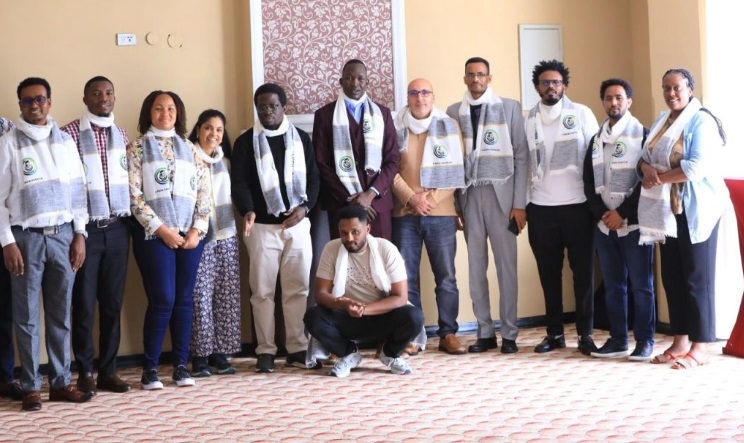
As part of the Horizon Europe-funded LINDA-FAMILIA project, researchers and health system partners from Ethiopia, Rwanda, Uganda and Tanzania recently came together in Addis Ababa to advance a shared approach to data harmonisation and interoperability across maternal, newborn and child health systems.
Professor Ali Khashan from INFANT Research Centre at University College Cork provided technical leadership during the workshop, leading sessions focused on improving the comparability of maternal health data across participating countries. Working with project partners, participants reviewed existing data collection systems, identified common data elements, explored opportunities for federated research, and developed a regional roadmap for harmonising health data in line with World Health Organization recommendations.
Alongside this work, technical sessions explored how Electronic Medical Record (EMR) systems can better integrate with District Health Information Software 2 (DHIS2), helping countries strengthen digital health infrastructure, improve reporting and support more informed clinical and policy decision-making.
This workshop marks another important milestone for the LINDA-FAMILIA project as partners work together to build interoperable digital health systems that improve maternal, newborn and child health across East Africa.
Read the full workshop report from the Ethiopian Public Health Institute here.