About Comms

This author has not yet filled in any details.
So far Comms has created 393 blog entries.

We Are Hiring! Finance Manager

By |2025-02-06T08:13:10+00:00February 6th, 2025|

Applications are open for the position of Senior Research Co-Ordinator – Finance Manager. A Part-Time Post (31.2 hours per week) is an option.

This key role will report directly to the Director of INFANT, with a dotted line relationship to the Head of research Accounting, and collaborate closely with the INFANT Executive Management Team, Principal Investigators and colleagues on all matters relating to the financial management, budgeting, financial reporting and administration of INFANT.
This will include the preparation of monthly, quarterly and annual accounts and budgets.

It will also involve supporting INFANT researchers’ funding proposals and the budgeting for same. The Finance Manager will ensure compliance with internal and external auditing and provide guidance and support for INFANT co-applicants in regard to research spend and related financial matters.  The Finance Manager is responsible for all aspects of the INFANT budget, including all other associated research projects that fall under the remit of INFANT and will liaise with all relevant project managers and stakeholders to ensure timely and appropriate allocation, spending and control of the budget. The Finance manager will provide regular reporting and projection analysis to advise Senior Management on financial issues and inform future financial planning.

The Finance Manager will build and develop relationships with key finance function stakeholders in partner academic institutions, industry partners, UCC College of Medicine and Health and UCC Finance Office.

These are exciting times at UCC and the University is embarking on a finance transformation programme.  We are looking for a progressive, forward thinking finance Manager to join the INFANT team and wider finance community. Reporting lines are subject to future change in line with any financial operating model changes.

  • Project Title: Various INFANT Projects
  • Post Duration: 12 Months, Whole-Time post
  • Salary: €65,000 gross pa – 1 FTE,  pro rata 0.8 FTE
For an information package including further details of the post see HERE
Informal enquiries can be made in confidence to Prof Geraldine Boylan, Director, g.boylan@ucc.ie
Applications must be submitted online via the University College Cork vacancy portal (HERE). Queries relating to the online application process should be referred to recruitment@ucc.ie, quoting the job-title and project name.

Candidates should apply, in confidence, before 12 noon (Irish Local Time) on Friday, 14th of February 2025

No late applications will be accepted.

Please note that an appointment to posts advertised will be dependent on University approval, together with the terms of the employment control framework for the higher education sector.

UCC is committed to creating and fully embracing an inclusive environment where diversity is celebrated. As a University we strive to create a workplace that reflects the diversity of our student population where people from a wide variety of backgrounds learn from one another, share ideas, and work collaboratively. UCC is committed to being an employer that recognises the value of diversity amongst its staff. We encourage applicants to consult our policies at https://www.ucc.ie/en/edi/policies/ and initiatives at https://www.ucc.ie/en/edi/implementation/ and we welcome applications from everyone, including those who are underrepresented in the protected characteristics set out in our Equal Opportunities & Diversity Policy.
INFANT,UCC Spin-out Device Granted FDA Breakthrough Device Designation

By |2025-01-20T09:41:42+00:00January 20th, 2025|

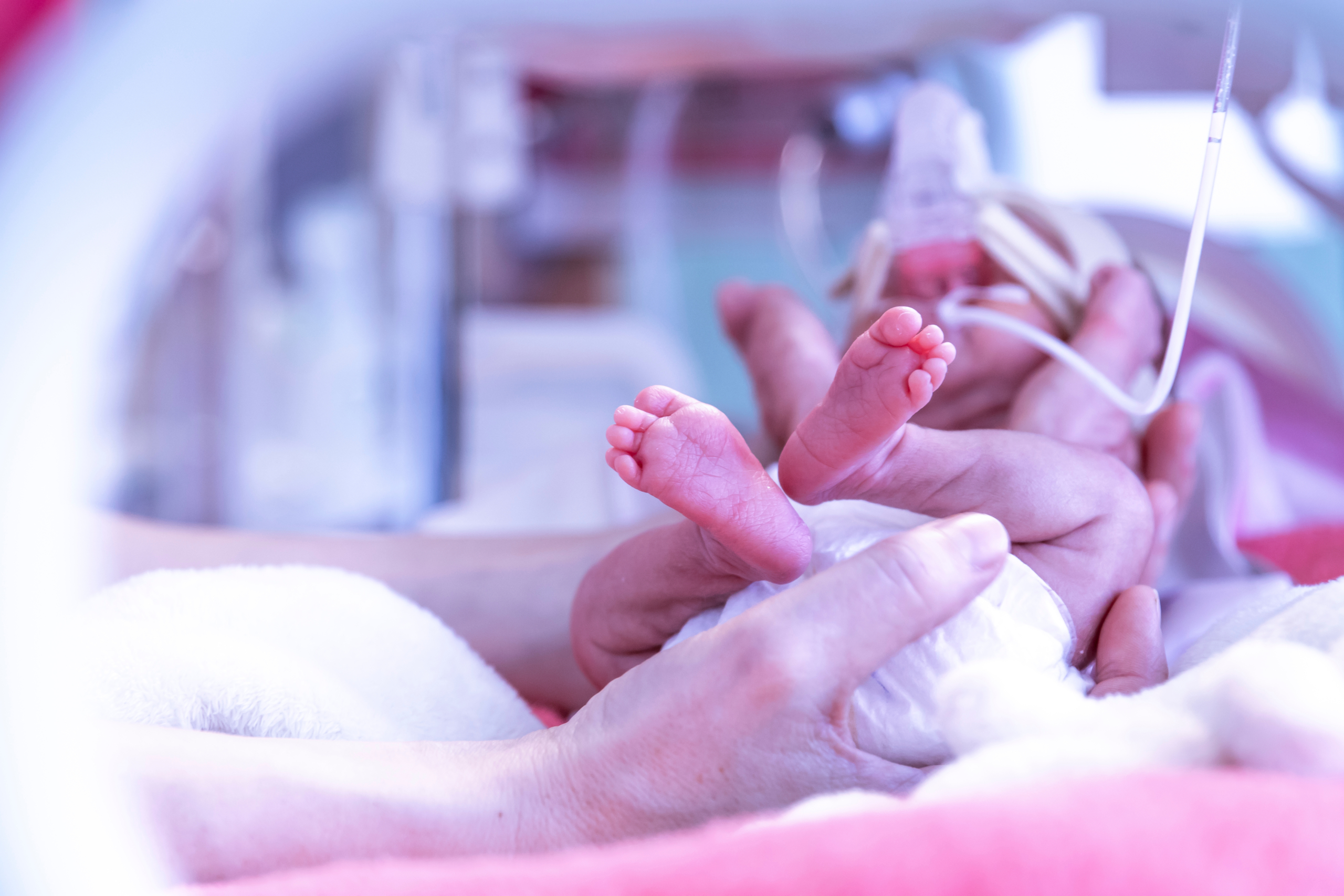
Cork medtech company Cergenx has secured the support of US regulators for a device that allows maternity hospital staff to detect brain injury in newborns without having to wait for specialist neurological support.

Cork, Ireland – Monday, January 20, 2025 – CergenX, a pioneering Irish neurotech company specialising in AI solutions for neonatal brain monitoring, is pleased to announce that the U.S. Food and Drug Administration (FDA) has granted Breakthrough Device Designation for its innovative “Wave” device. Additionally, CergenX has been accepted into the FDA’s Total Product Lifecycle Advisory Program (TAP). Founded by Prof Geraldine Boylan, Jason Mowles, and Sean Griffin in late 2021, CergenX is a spinout from University College Cork’s INFANT Centre for Maternal and Child Health Research.

The CergenX Wave device is set to redefine newborn brain health, enabling hospitals to conduct expert-level EEG assessments without the need for specialist resources. Leveraging advanced AI technology, the Wave device identifies newborns most at risk of brain injury, providing a critical tool for early detection and intervention in neonatal care. With its real-time, non-invasive monitoring capabilities, the Wave device aims to enhance clinical decision-making and improve outcomes for vulnerable neonatal populations.

The FDA’s Breakthrough Device Program is designed to accelerate the development and review of medical devices that offer more effective treatment or diagnosis for life-threatening or debilitating conditions. By granting Breakthrough Device Designation, the FDA formally recognises that a novel device in development warrants expedited access for patients. This designation provides CergenX with enhanced collaboration opportunities with FDA experts, prioritised regulatory review, and the potential for a faster approval process. CergenX’s acceptance into the FDA’s Total Product Lifecycle Advisory Program (TAP) marks another significant milestone. The FDA defines TAP as a program to help spur more rapid development of high-quality, safe, effective, and innovative medical devices that are critical to public health. TAP’s primary goal is to expedite patient access to innovative medical devices by providing early, frequent, and strategic communications with the FDA and by facilitating engagement with other key external parties for developers of devices of public health importance.

“Receiving the Breakthrough Device Designation and being accepted into the TAP program are significant milestones for CergenX,” said Jason Mowles, Chief Executive Officer at CergenX. “These recognitions underscore the potential of our Wave device to transform neonatal care by providing clinicians with critical, real-time insights into the neurological health of newborns and will be of significant importance as we look to advance the regulatory approval process for Wave.”

CergenX plans to collaborate closely with the FDA throughout the development and premarket review process, leveraging the benefits of both the Breakthrough Devices Program and TAP to ensure the timely availability of the Wave device to healthcare providers and patients.

A Cergenx-led consortium, including UCC/ Infant, was awarded €6.7 million in funding from the Enterprise Ireland-managed Disruptive Technologies Innovation Fund to develop Wave.

For more information about CergenX and the Wave device, please visit www.cergenx.com

News Article in the Irish Times: Cork medtech Cergenx secures FDA support for neonatal brain injury device – The Irish Times

We Are Hiring! Clinical Physiologist (Neurophysiology)

By |2025-01-21T08:41:17+00:00January 17th, 2025|

Clinical Physiologist (Neurophysiology) 

The INFANT Research Centre is now accepting applications for a Research Support Officer – Clinical Physiologist (Neurophysiologist) for the Wave project. This is a three-year project funded by the Enterprise Ireland Disruptive Technology and Innovation Fund (DTIF) in which the INFANT Research Centre is partnered with two industry partners, Cergenx and Evervault. The aim of the overall project is to develop the Newborn Brain Test (NBT), a novel platform to assess newborn brain activity in infants at birth through an automated AI assessment.

INFANT seeks an experienced Clinical Physiologist (Neurophysiology) with substantial experience in neonatal EEG recording and analysis to join the dynamic project team. Two prospective clinical studies will be completed, and historic and prospective EEGs will be analysed.

Project Title: Wave

Post Duration: 3 Years

Salary:  €52,969 – €69,359 per annum, HSE Neurophysiologist Senior Scale

Full job Spec can be found on UCC’s website: HERE.

Key Requirements

✔️ A degree in Clinical Physiology (Neurophysiology).

✔️ At least 5 years of experience post-qualification.

✔️ Experience working with newborn EEG.

What We Offer

✅ The opportunity to work at the forefront of neonatal brain research.

✅ Collaboration with a dynamic, multidisciplinary team.

✅ Integration of a postgraduate degree alongside your professional role.

If you meet these criteria and are passionate about advancing neonatal care and innovation, we’d love to hear from you!

For an information package including further details of the post see https://ore.ucc.ie/.

Informal enquiries can be made in confidence to Prof. Geraldine Boylan Director, INFANT Telephone: +353 (0) 21 4205061 Email: g.boylan@ucc.ie

Applications must be submitted online via the University College Cork vacancy portal (https://ore.ucc.ie/). Queries relating to the online application process should be referred to recruitment@ucc.ie, quoting the job-title and project name.

Candidates should apply, in confidence, before 12 noon (Irish Local Time) on 31st January 2025.

No late applications will be accepted.

Please note that an appointment to posts advertised will be dependent on University approval, together with the terms of the employment control framework for the higher education sector.

UCC is committed to creating and fully embracing an inclusive environment where diversity is celebrated. As a University we strive to create a workplace that reflects the diversity of our student population where people from a wide variety of backgrounds learn from one another, share ideas, and work collaboratively. UCC is committed to being an employer that recognises the value of diversity amongst its staff. We encourage applicants to consult our policies at https://www.ucc.ie/en/edi/policies/ and initiatives at https://www.ucc.ie/en/edi/implementation/ and we welcome applications from everyone, including those who are underrepresented in the protected characteristics set out in our Equal Opportunities & Diversity Policy.
Celebration of INFANT’s Research at the INFANT Study Day

By |2024-12-09T15:27:13+00:00December 9th, 2024|

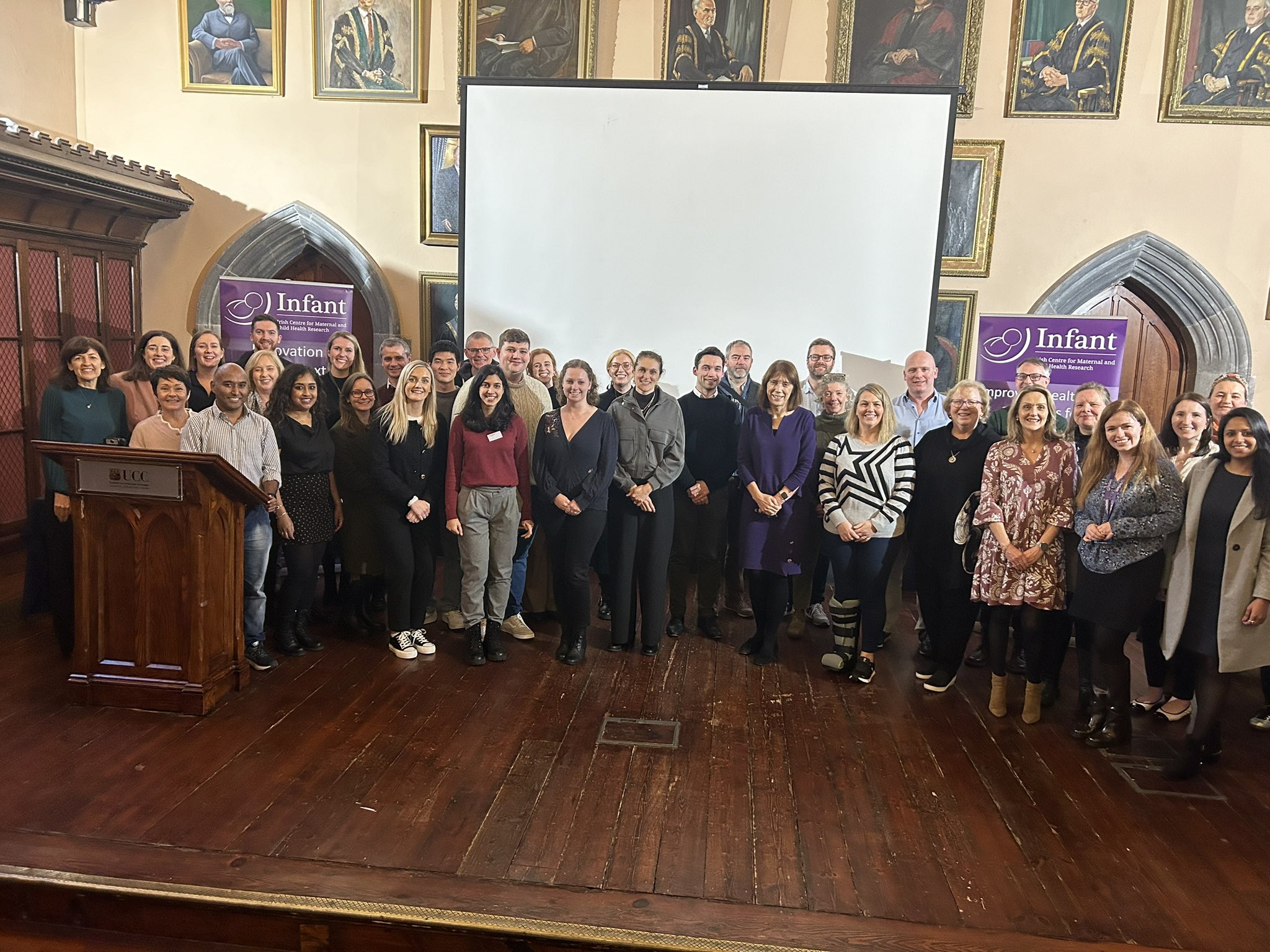
On Wednesday the 4th December, we hosted the annual INFANT Study Day, welcoming over 80 attendees from across the INFANT team and colleagues in UCC that support our operations. The day was spent recapping on the highlights for 2024, showcasing ongoing research at INFANT while also hearing from students who presented posters on the day.

With over ten speakers, sharing insights from obs and gynae, to preterm babies, transitioning in the delivery room, connected health, medtech devices, to hidden hunger, early prediction of CP and using data to prevent chronic diseases – it was a day filled with engaging talks, inspiring discussions and a showcase of innovative research.

INFANT Director, Prof Geraldine Boylan, opened the event with a recap of the 2024 highlights.

Over 14 posters were presented by PhD students showcasing the diverse research areas.

Speakers included:

  • Dr Mairead O’Riordan, INFANT Investigator, CUMH Clinical Director : “Bridging the Gap: Translating Clinical Needs into Research Priorities”
  • Prof Brian Walsh: INFANT PI, Associate Professor, Dept of Paediatrics and Child Health,UCC: “Early Screening for CP in Neonatal Outpatients: Implementation Of International Consensus Guidelines”
  • Prof Frederic Adam: INFANT PI, Lead for Connected Health, INFANT, BIS, CUBS, UCC: “Connected health – wicked problems and boundary objects [or why someone who  knows nothing about medicine ends up being invited as speaker on an INFANT Study Day]”
  • Dr Mark O’Sullivan: Co-Founder and CEO, NeuroBell – INFANT spin-out company: “Alternative paths: PhD student to CEO”.
  • Prof Eugene Dempsey: INFANT PI, Horgan Chair of Neonatology at UCC: “Time to Transition”
  • Prof Mairead Kiely: INFANT PI, Lead for Maternal and Child Nutrition: “The impact of Hidden Hunger on outcomes”
  • Prof Deirdre Murray:  INFANT PI, Cerebral Palsy Foundation Chair of Early Brain Injury and Cerebral Palsy at UCC: “The Future of Early Risk Prediction in Cerebral Palsy: Can Machine Learning Help?” 
  • Dr Peter Barrett: HRB Clinician Scientist Fellow, INFANT & Consultant in Public Health Medicine, Department of Public Health HSE South West. “Can we harness obstetric information for chronic disease prevention? A public health perspective” 
  • Prof Helen Whelton: Head of the College of Medicine and Health UCC and Chief Academic Officer of the South/Southwest Hospital Group “Bridging Boundaries: The Integrated Research Development Project Transforming Research Governance”

Throughout the day, poster walks during refreshment breaks fostered engaging conversations and networking opportunities – Collaboration at INFANT is key!

INFANT Study Day underscores our commitment to innovation and translating research into impactful solutions. A heartfelt thank you to all speakers, students, attendees, and contributors for making the day a success.

Poster Presentations:

Name   Poster Title
Aoife Barry Paediatrics and Child Health Supporting parents and high-risk infants during a disrupted transition to parenthood: the Ei-SMART approach
Elizabeth Bodunde Public Health Pregnancy and Birth Complications and Long-term Adverse Maternal Mental Health Outcomes: A Systematic Review and Meta-analysis.
Danielle Clifford Paediatrics and Child Health Current Practice in High-Risk Infant Follow-Up and Factors Determining Eligibility; Survey Report from the 15th International Newborn Brain Conference
Aisling Fanning Paediatrics and Child Health Feasibility Study of a Novel Device to Assess Newborn Brain Function using Artificial Intelligence
Sarah Fenton Pharmacy Preterm Standardised Parenteral Nutrition: A Cross-Sectional Survey of Implementation Determinants & Outcomes following National Scale-Up
Elaine Kennedy Paediatrics and Child Health Eplerenone Monotherapy in Paediatric 11 Beta-Hydroxylase Deficiency
Sonia Lenehan Paediatrics and Child Health Correlation between Eye-Tracking and Griffiths Neurodevelopmental Assessment at 18-months in healthy term-born children.
Jill Mitchell Obstetrics and Gynaecology Association between intrapartum fetal pulse oximetry and adverse perinatal and long-term outcomes: a systematic review and meta analysis
Anne Murray Paediatrics and Child Health Validation Of A Machine Learning Algorithm For Identifying Infants at risk of HIE in Unseen Data
Anne Murray Paediatrics and Child Health Strengths, Difficulties and Educational Supports Amongst School-Aged Children following HIE in the Therapeutic Hypothermia Era
Cathal  O’Connor Paediatrics and Child Health Sleep Disruption in Caregivers of Infants with Atopic Dermatitis
Kimia Rezaei Electrical and Electronic Engineering Assessing the Effectiveness of Heart Rate Variability as A Diagnostic Tool for Brain Injuries in Infants
Iyshwarya Stapleton Paediatrics and Child Health A Longitudinal Prospective Observational Study Protocol: Assessment of Diastolic Function during the Transitional Period and Infancy using Serial Echocardiography (DiFuSE)
Iyshwarya Stapleton Paediatrics and Child Health Investigating the Effect of Held Position during Kangaroo Care on Physiological Parameters of Premature Infants: A Randomised Controlled Trial
Kaiyu Yu Electrical and Electronic Engineering Detection of Neurovascular Coupling in Full Term Neonates
Shuwen Yu Electrical and Electronic Engineering HIE Grading with multichannel EEG using Fully Convolutional Neural Network

INFANT Collaborators from Tanzania visit Cork

By |2024-12-09T10:13:05+00:00December 9th, 2024|

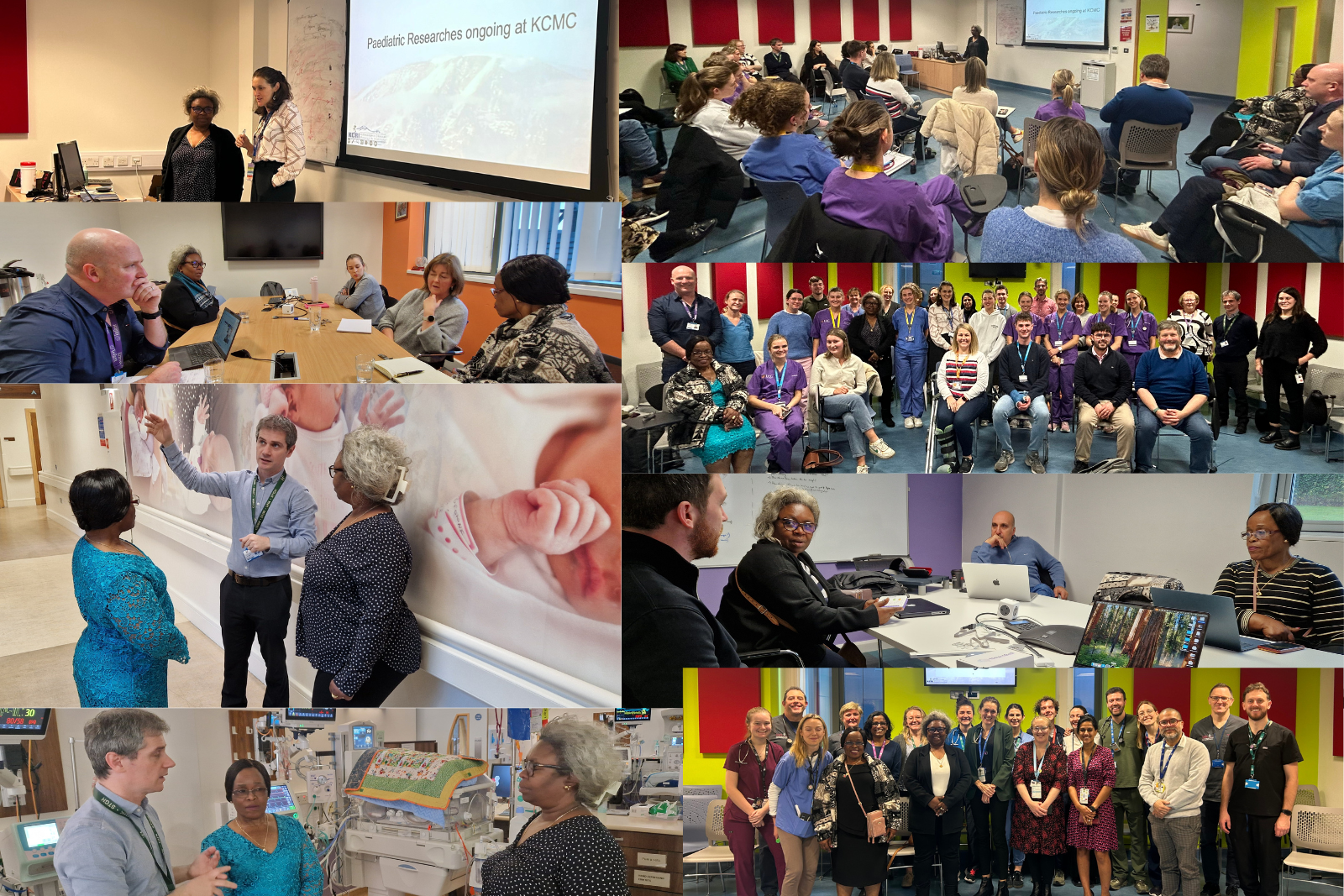
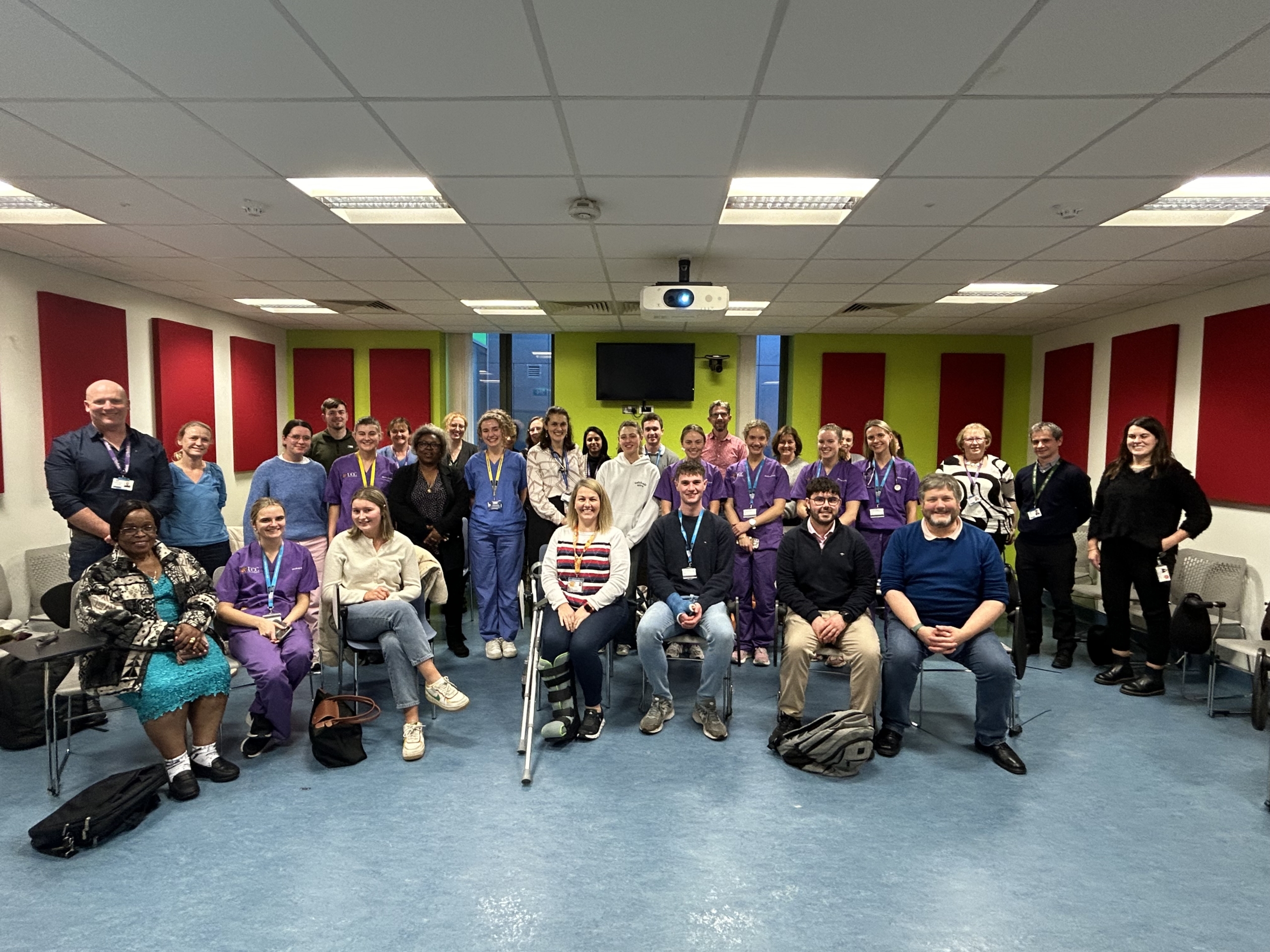
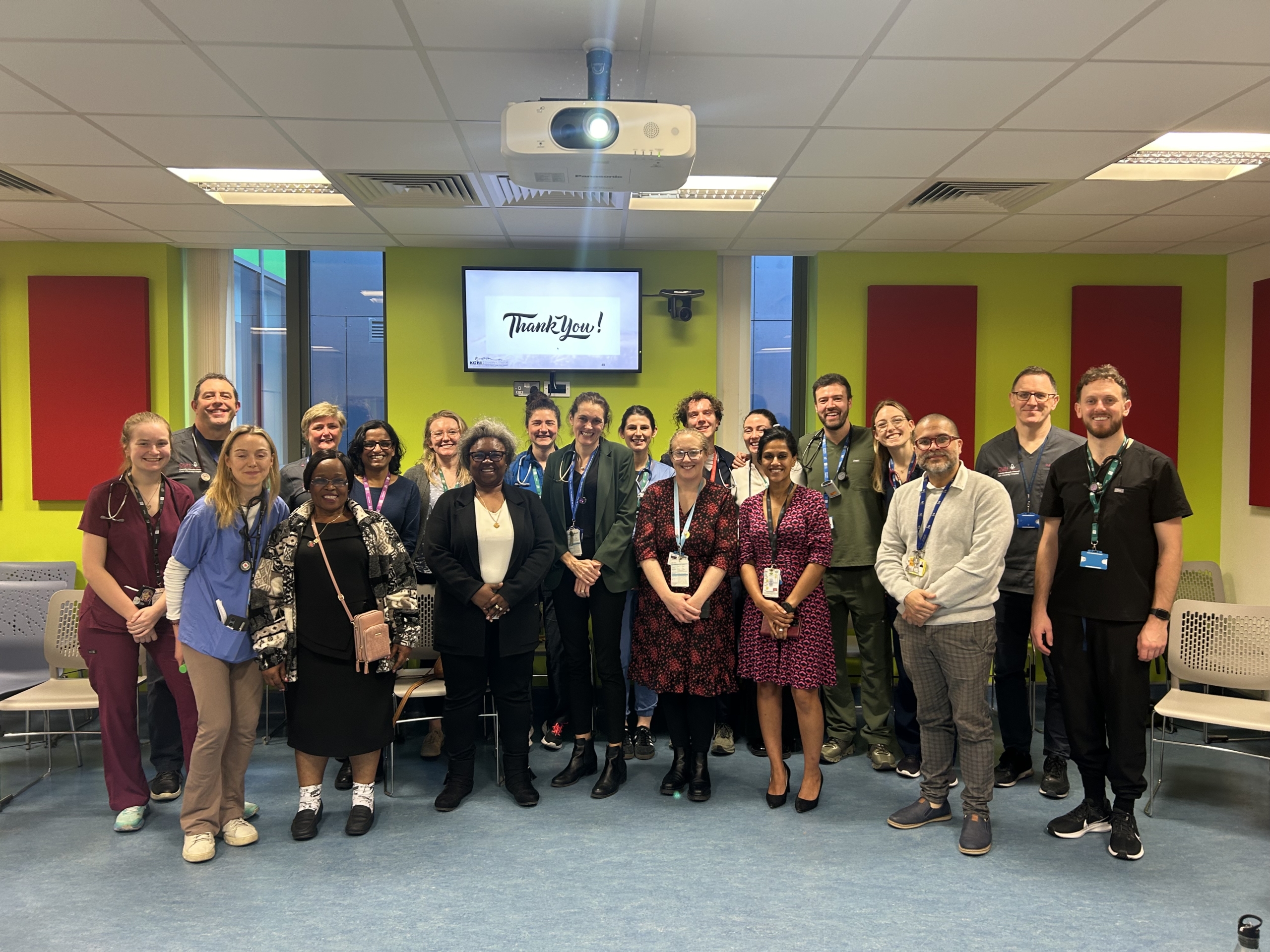
From 25th – 29th November, we welcomed long-time collaborators from Kilimanjaro Christian Medical Center (KCMC), Kilimanjaro Christian Medical University College (KCMUCo) and Kilimanjaro Clinical Research Institute (KCRI) to INFANT, UCC.

We hosted our esteemed collaborators Professor Blandina Mmbaga and Professor Levina Msuya, from KCMC, KCRI and KCMUCo in Tanzania, for an enriching visit to Cork. The week was filled with engaging discussions, knowledge sharing, and planning for future collaborations.

Key highlights of the visit:

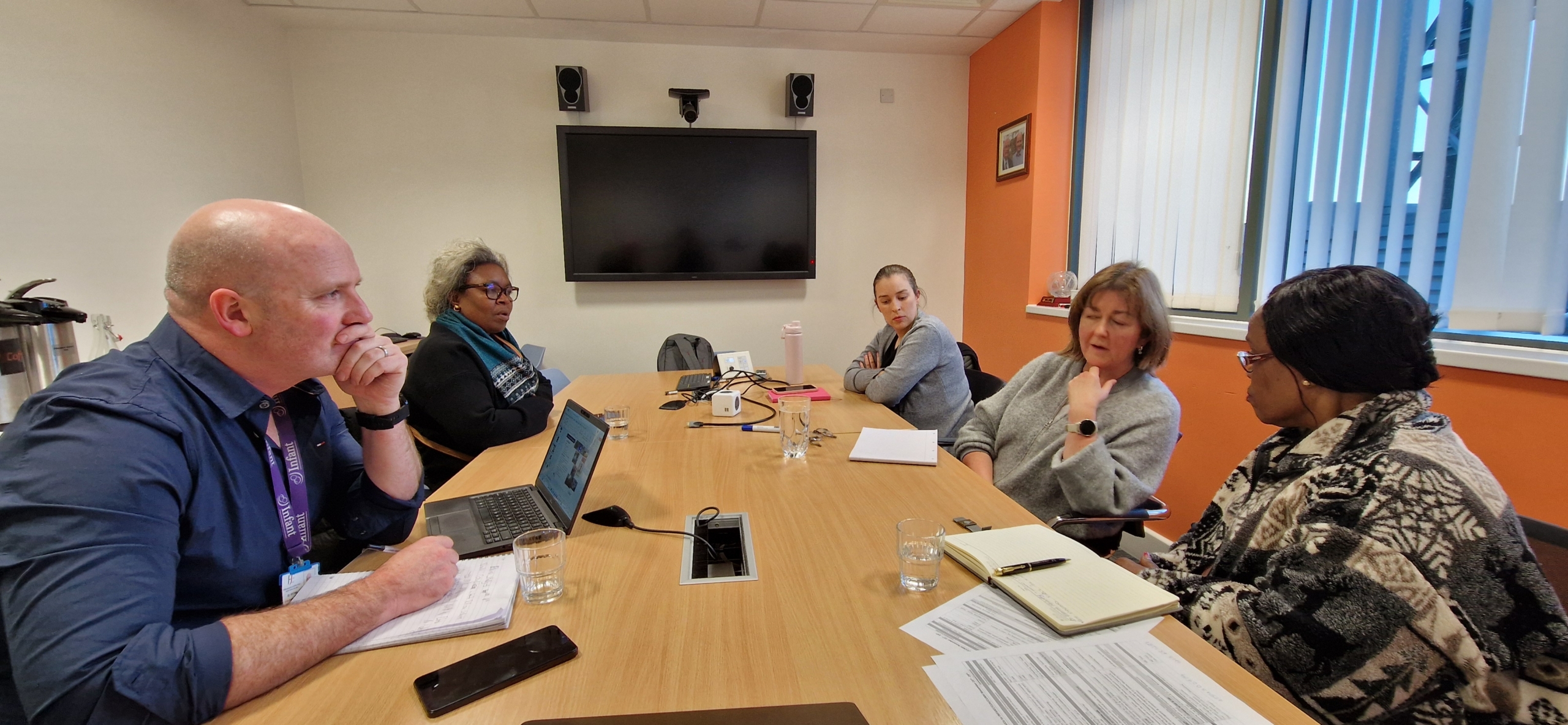
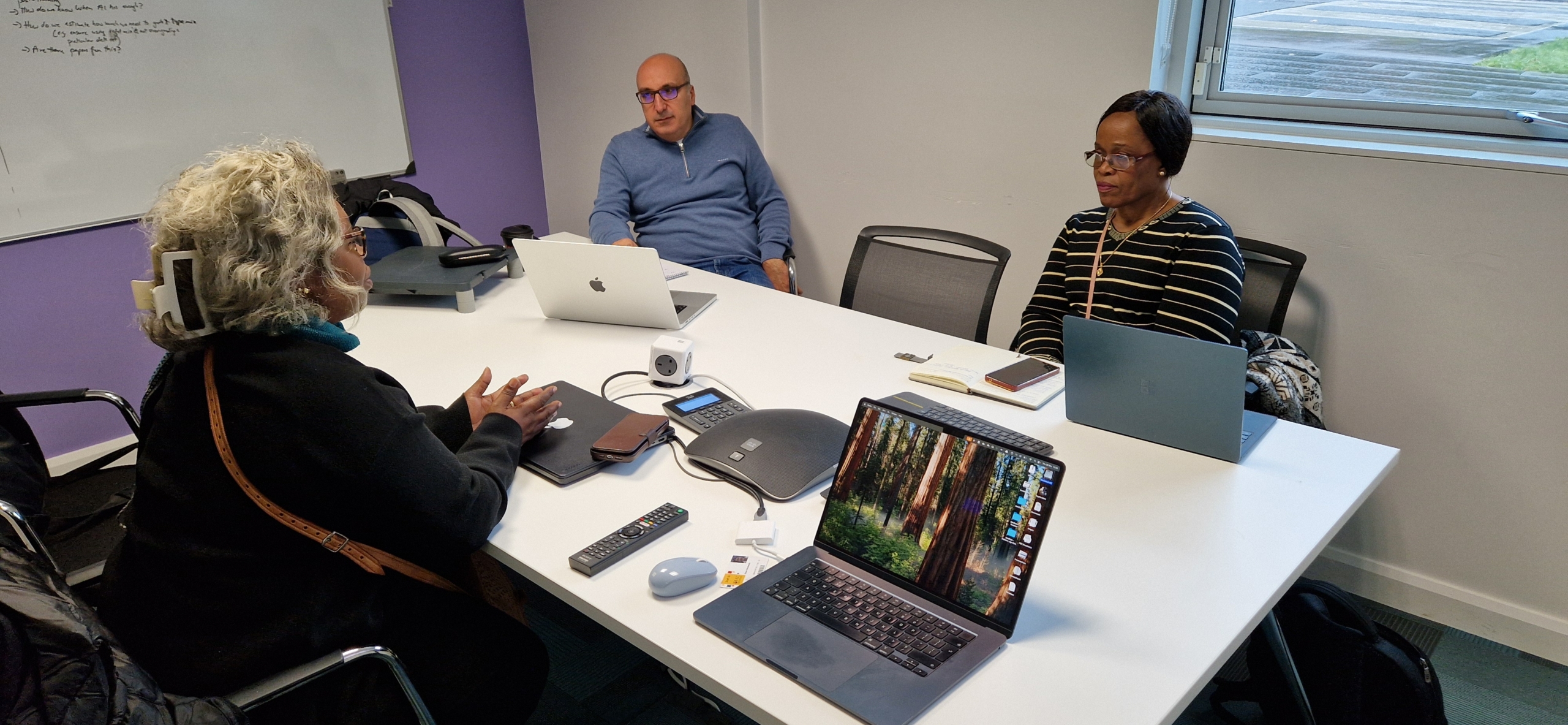
Prof Mmbaga and Prof Msuya met with team members across INFANT, toured facilities in CUH and CUMH including the NICU, gave two insightful talks and discussed future collaboration opportunities in maternal and child health and nutrition, and future plans for scaling up the Kilimanjaro Ultra Birth Registry, a joint INFANT/KCRI joint project, in Tanzania and the East Africa region

The insightful lunchtime talks included “Paediatrics Services – Challenges & Opportunities at KCMC” and “Ongoing research in paediatric & neonatal care at KCRI“.

The visit also included plans to scale up ongoing projects, promote clinical collaboration and clinical skills exchange, secure future research funding and continue to drive impactful global health research.

Professor Mmbaga and Professor Msuya bring invaluable expertise, bridging clinical and research knowledge to further strengthen the partnership. We look forward to building on our partnership and driving impactful change in maternal and child health.

Thank you to the ESTHER Ireland partnership strenghtening grant for supporting the visit: https://www.esther.ie/

INFANT Director Awarded Association Conference Award

By |2024-12-09T09:49:09+00:00December 9th, 2024|

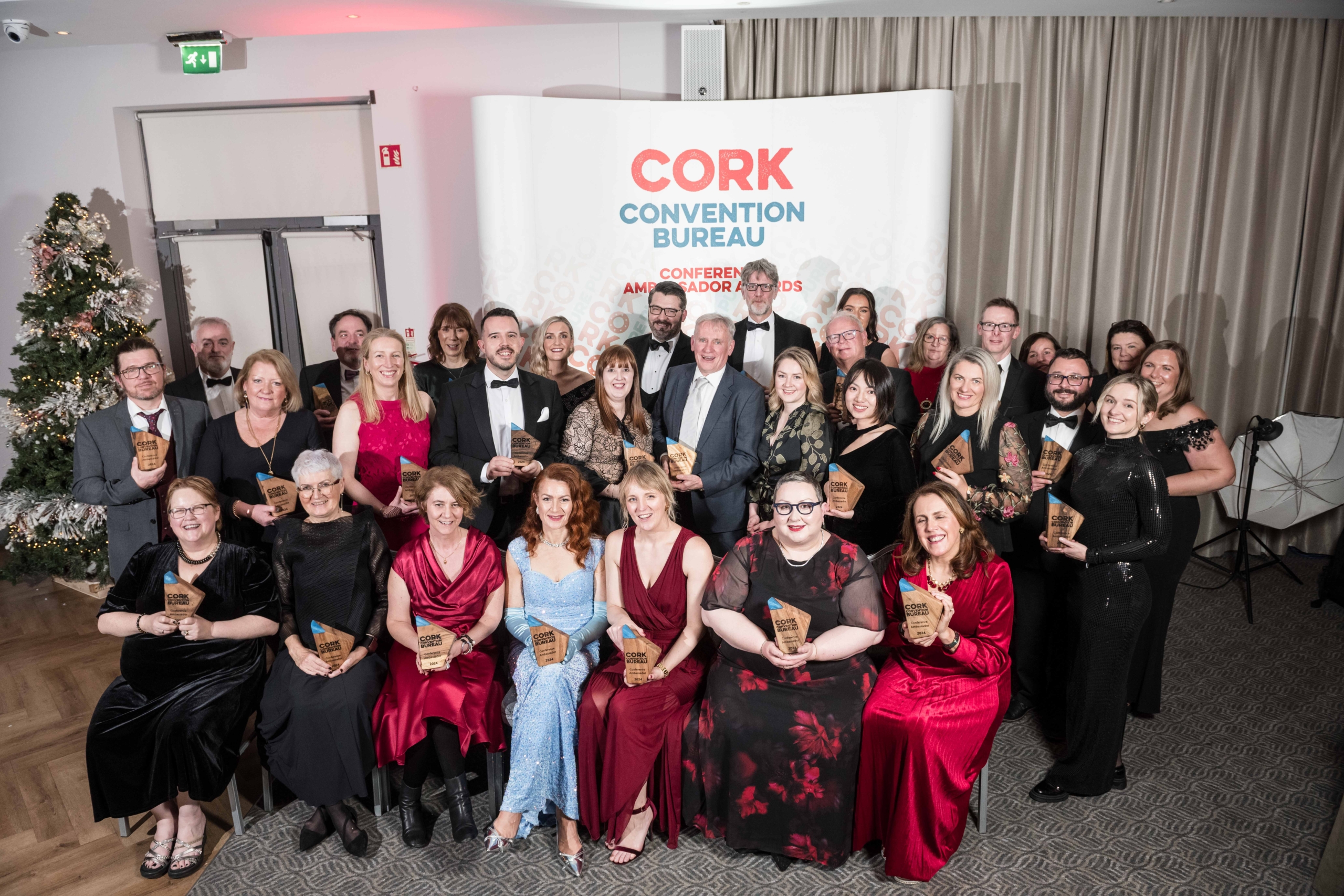
On Thursday, 28th November, INFANT team members attended the Cork Convention Bureau Conference Ambassador Awards 2024 , a fantastic event celebrating individuals who have made a significant impact by bringing international conferences to Cork. These ambassadors play a vital role in driving business tourism and enhancing Cork’s reputation as a leading European destination for big conventions.

During the event, there were four overall category winners 🎖️ recognising outstanding individuals for their contributions in hosting international conferences in Cork and the substantial economic value they have.

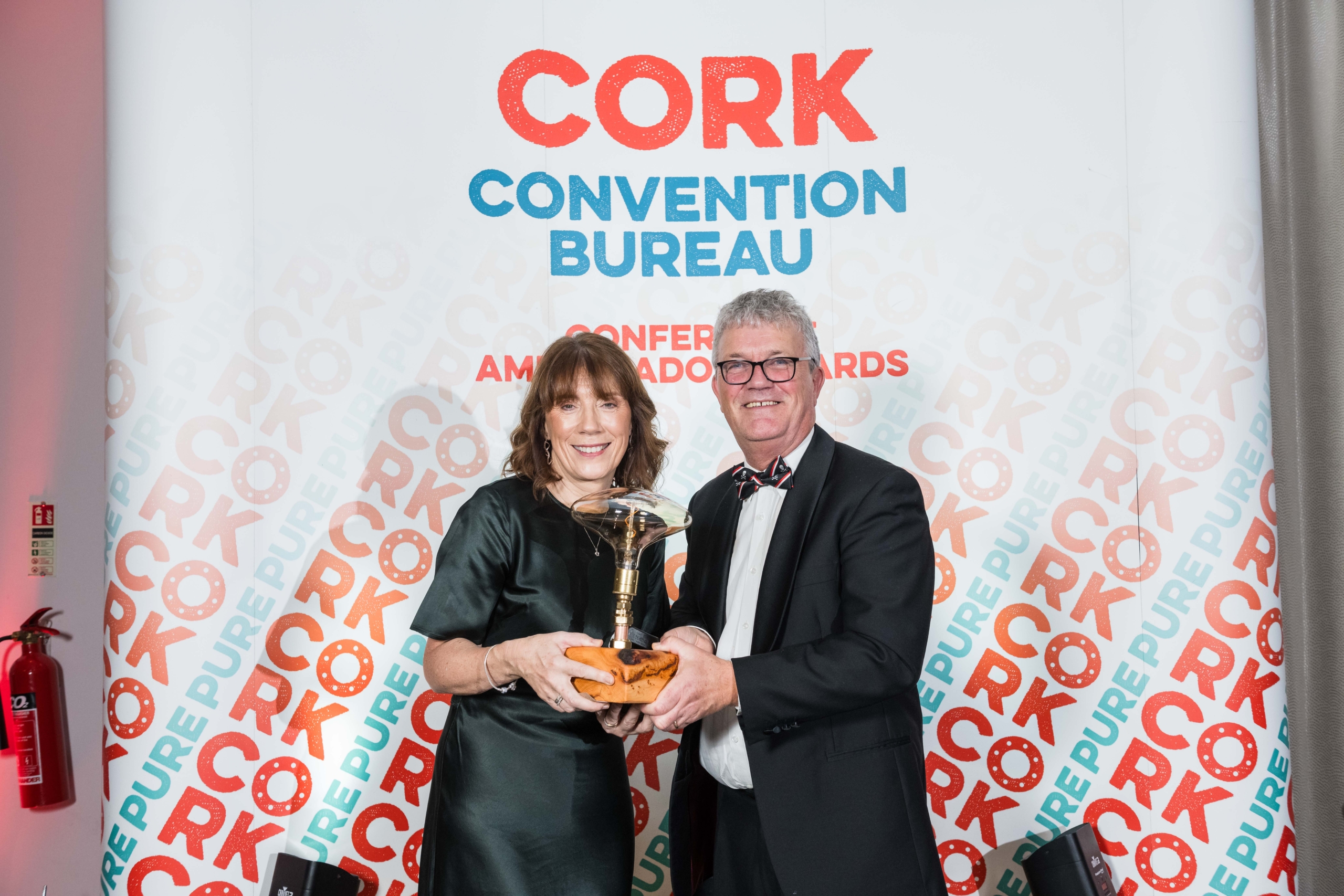
Professor Geraldine Boylan, INFANT, UCC Director won the Association Conference Award for her outstanding work in bringing the 15th Newborn Brain Conference  to Cork earlier this year, an event that welcomed over 420 delegates!

Collectively, colleagues at University College Cork efforts brought many conferences to Cork which had an impressive economic value of €8 million in 2023/24.

New insights to improving outcomes after newborn brain injury, research published in the Lancet

By |2024-12-03T11:20:25+00:00December 3rd, 2024|

On International Day of Persons with Disabilities, we caught up with INFANT collaborator, Professor Cally Tann and the Baby BRAiN research team to learn about their work to improve outcomes for children and families affected by newborn brain injury.

Newborn brain injury, caused by oxygen deprivation around the time of birth (birth asphyxia), is one of the leading causes of death and disability globally among children less than five years of age.  Developmental disabilities like cerebral palsy, as a result of birth complications, can affect a child’s movement, learning, feeding, vision and hearing, with far reaching implications on a child’s health, well-being and quality of life. Superstitious beliefs around developmental disabilities often mean that families experience discrimination and exclusion from their communities, with important psychological, social and financial impacts for caregivers and families.

The majority of newborn brain injury (95%) occurs in low- and middle-income countries (LMICs), with half occurring in sub-Saharan Africa. Despite this, relatively little is known about how we might effectively treat affected newborns in low-income countries, particularly in settings without access to newborn intensive care facilities.

About the Baby BRAiN study

The Baby BRAiN study aimed to improve our understanding of newborn brain injury in Uganda and examined the impacts of events around the time of birth on both the baby’s brain and the child’s longer-term outcomes.

Newborn seizures (fitting) can be common amongst affected babies, and studies from high-income countries have shown that severe or prolonged fitting can substantially increase the risk of death and longer-term disabilities. Video electroencephalography (EEG), which measures the electrical activity of the brain, can help monitor the severity of brain injury and seizures. However, their use in LMICs remain limited and as a result, seizures occurring after brain injury are at risk of being undetected or misdiagnosed.

The study, conducted at Kawempe National Referral Hospital, Kampala, Uganda, is the first to use the gold-standard video EEG monitoring, to examine brain function amongst a population of African newborns without access to intensive care.

The Baby BRAiN team recently published two papers which provide unique insights into the impact of birth complications on the newborn brain. The research, conducted in partnership with the neonatal neurophysiology team at the INFANT Research Centre at University College Cork (UCC), showed that newborn seizures were common, but difficult to detect and effectively treat without specific monitoring.  As a result, fitting was often prolonged or continuous, which can substantially increase the risk of death and disability in settings without access to newborn intensive care. Those with the most severe brain dysfunction were found to be at the greatest risk of death or disability in early childhood.

Carol Nanyunja, the Research Coordinator for the Baby BRAiN study at MRC/UVRI and LSHTM Uganda Research Unit, said: “The Baby BRAiN study in Uganda provides new data that will help us better understand and treat newborn brain injury in LMICs”

What is next?

These new insights from the Baby BRAiN study have provided evidence to guide the clinical assessment and treatment of newborns with brain injury. Further data on the longer-term impacts of brain dysfunction and seizures from LMICs is required to help us understand the long-term outcomes for affected children and their families.

Cally Tann, Professor of Neonatal Medicine and International Child Health at LSHTM, said:

“This study shows the impact of birth complications on the newborn brain and highlights the need to enhance efforts to find new and innovative ways to prevent injury and protect newborns’ developing brains.”

Geraldine Boylan, Professor of Neonatal Physiology and Director of the INFANT Research Centre at UCC, said:

“Novel innovations to monitor brain dysfunction in diverse settings could substantially improve our understanding of newborn brain injury and support effective clinical management of seizures to improve outcomes for affected children.”

The research was funded by the Gates Foundation, as part of a ‘neonatal neuroprotection consortium’, of which Professor Tann is part. The consortium aims to find novel solutions to neuroprotection for babies born in low-income countries. Clinical trials to explore new prevention and intervention strategies for newborn brain injury are underway, with several agents showing promise in preclinical studies.

Add links to publications.

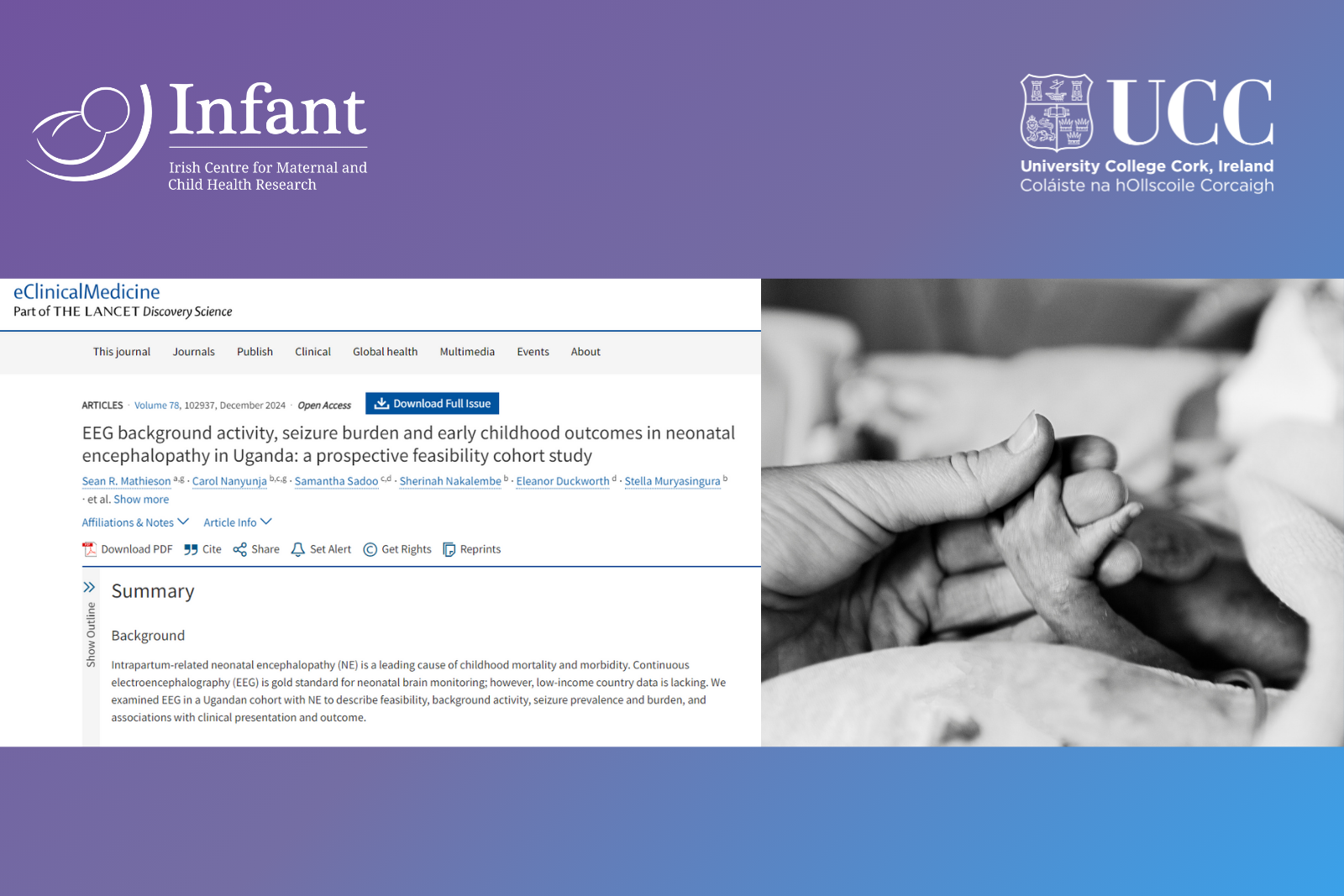
  • Mathieson SR, Nanyunja C, Sadoo S, Nakalembe S, Duckworth E, Muryasingura S, et al. EEG background activity, seizure burden and early childhood outcomes in neonatal encephalopathy in Uganda: a prospective feasibility cohort study. eClinicalMedicine. 2024;78. doi: 10.1016/j.eclinm.2024.102937

https://doi.org/10.1016/j.eclinm.2024.102937

  • Proietti J, Nanyunja C, Mathieson SR, Duckworth E, Sadoo S, Mambule I, Nakimuli A, Tann CJ, Boylan GB. Retrospective characterization of seizure semiology and treatment using continuous video-EEG monitoring in neonatal encephalopathy in Uganda. Epileptic Disord. 2024 Nov 18. doi: 10.1002/epd2.20299. Epub ahead of print. PMID: 39556089.

https://onlinelibrary.wiley.com/doi/epdf/10.1002/epd2.20299


INFANT, UCC Spinout Company, CergenX Wins Irish Times Innovation Award in Life Sciences & Healthcare

By |2026-08-31T20:03:31+01:00November 13th, 2024|

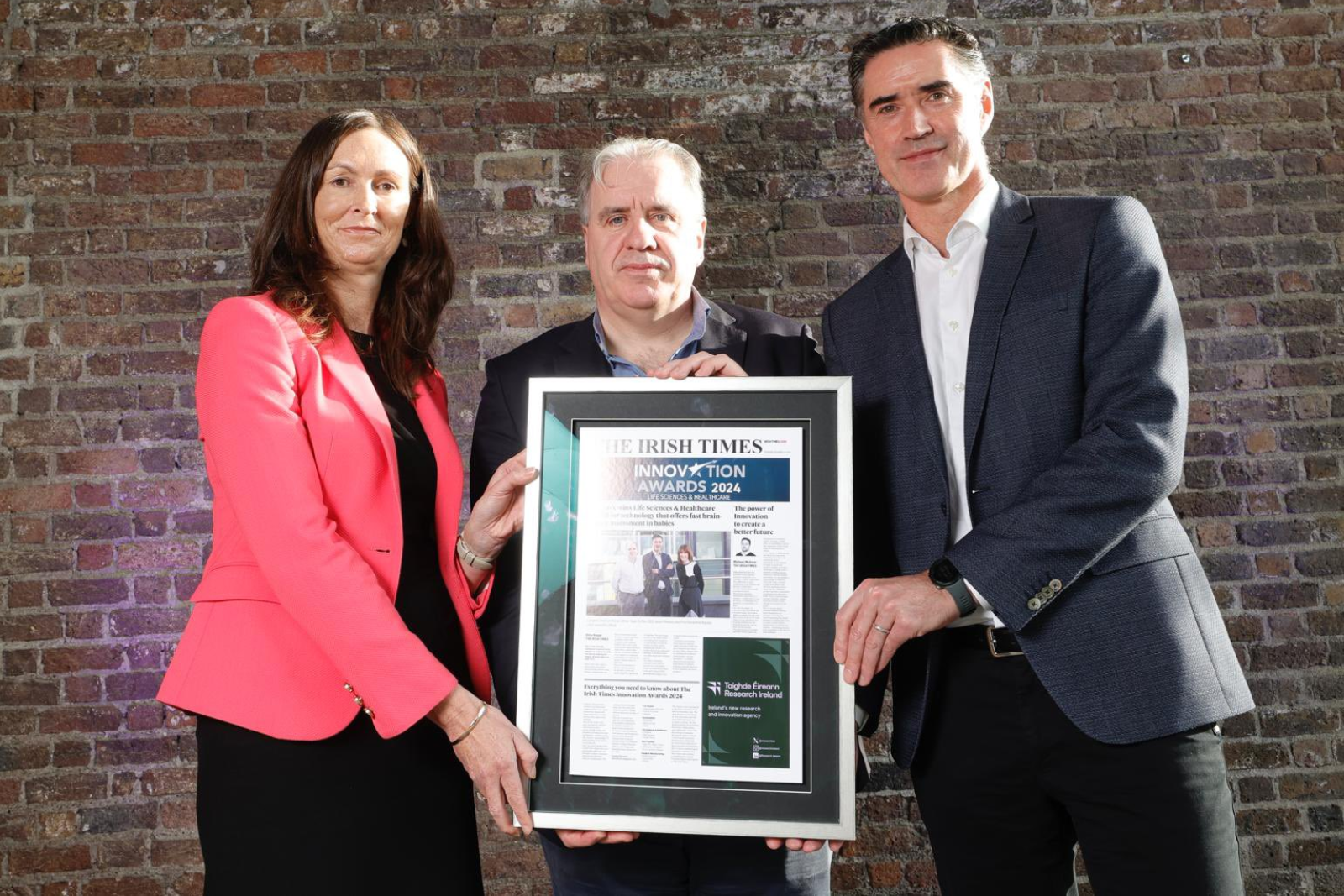
CergenX has been awarded the prestigious Irish Times Innovation Award in the Life Sciences & Healthcare category, sponsored by Research Ireland.

This award celebrates their innovation in neonatal brain health, particularly with their new, easy-to-use brain-monitoring technology called Wave. The Wave device helps identify newborns in need of extra support or treatment, with the aim of reducing the impact of brain injury on their lives.

Most of the time, when a baby is born everything goes smoothly. But for some babies, complications can lead to brain injury, hard-to-detect seizures and even problems in later life so early intervention is critical.

Wave aims to solve this by using a quick, easy EEG (electroencephalogram) monitoring system that requires only 10 minutes. The data wings its way to the cloud, where it is analysed by CergenX’s AI, and within seconds the results are back, clearly highlighting whether the results showed any abnormal findings, so medical teams can make important decisions quickly.

The Wave technology emerged from research carried out at the INFANT Research Centre at University College Cork, underlining Ireland’s robust contributions to the medtech sector and CergenX CEO Jason Mowles wants to see it benefit babies around the world.

The Irish Times Innovation Awards, now in their 15th year, are one of Ireland’s most celebrated annual events, bringing recognition to pioneering companies and entrepreneurs. This year, the awards continue to honour innovations across diverse fields, including food and agribusiness, manufacturing, IT, sustainability, and emerging technologies such as AI and fintech.

Reference: Innovation Awards finalist: CergenX technology offers fast brain-injury assessment in babies – The Irish Times

Image: Dr Siobhan Roche, Director, Science for the Economy at Research Ireland, Sean Griffin, CTO, CergenX and Jason Mowles, CEO, CergenX

Dr Cathal O’Connor Awarded Dermatology Research Award

By |2024-11-05T13:26:49+00:00November 5th, 2024|

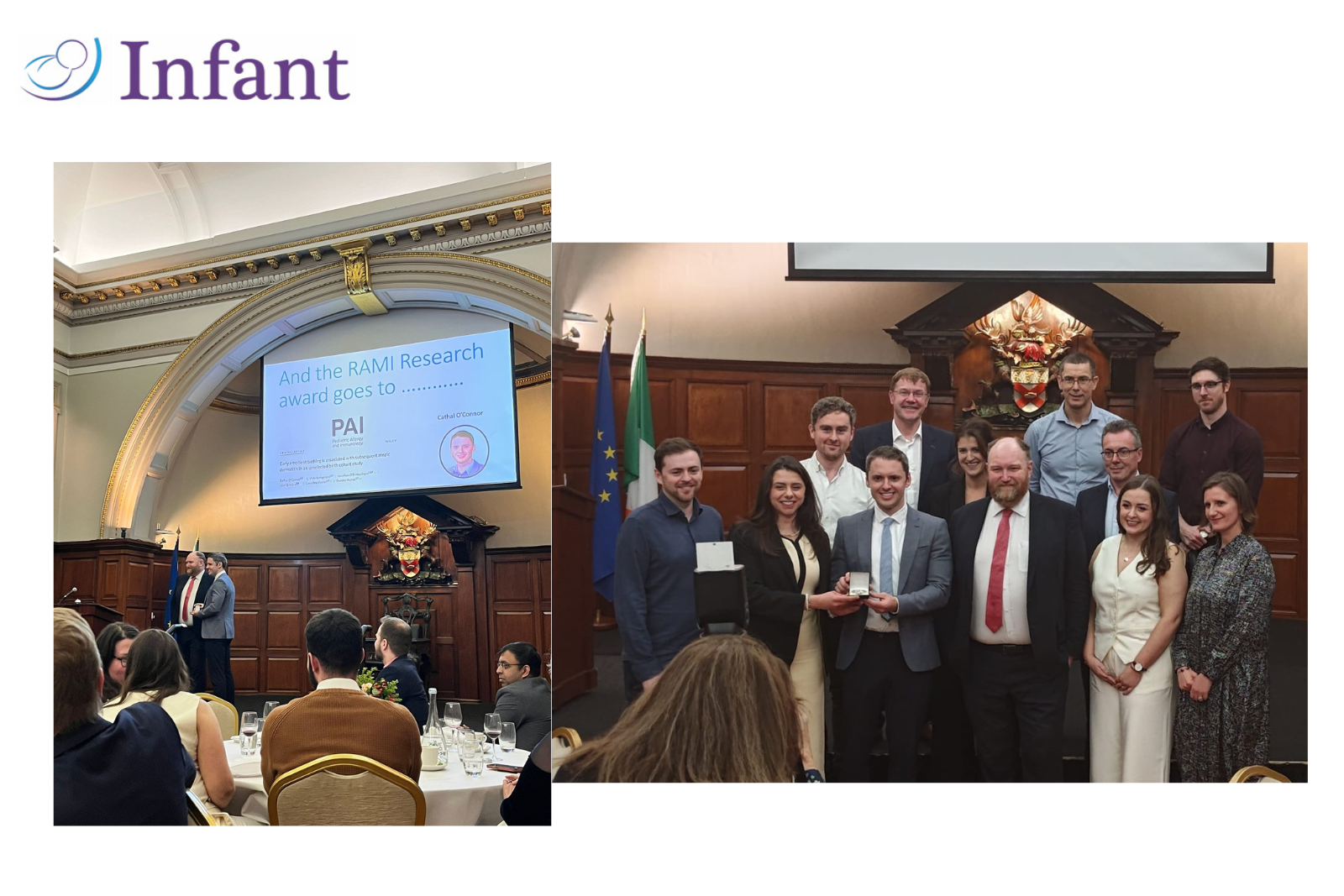
Dr Cathal O’Connor won the Dermatology Research Award at the all-island Royal Academy of Medicine in Ireland Research Awards, held at the Royal College of Surgeons in Ireland.

Cathal’s publication ‘Early emollient bathing is associated with subsequent atopic dermatitis in an unselected birth cohort study’ was published in the leading journal EAACI PAI Journal – Pediatric Allergy and Immunology and was voted the bestresearch published by an Irish author in dermatology in 2023.

This paper examined early bathing exposures in babies and their eczema outcomes. It showed that emollient bathing at 2 months of age might increase the risk of subsequent eczema development. The paper reviewed data from the BASELINE birth cohort study, a landmark study which was performed in Cork.

Cathal undertook his PhD at the INFANT Research Centre as part of the prestigious Irish Clinical Academic Training (ICAT) Programme and is currently completing a postdoctoral fellowship at Great Ormond Street Hospital and the Crick Institute in London.

📰 Read the paper here: Early emollient bathing is associated with subsequent atopic dermatitis in an unselected birth cohort study – O’Connor – 2023 – Pediatric Allergy and Immunology – Wiley Online Library

Go to Top