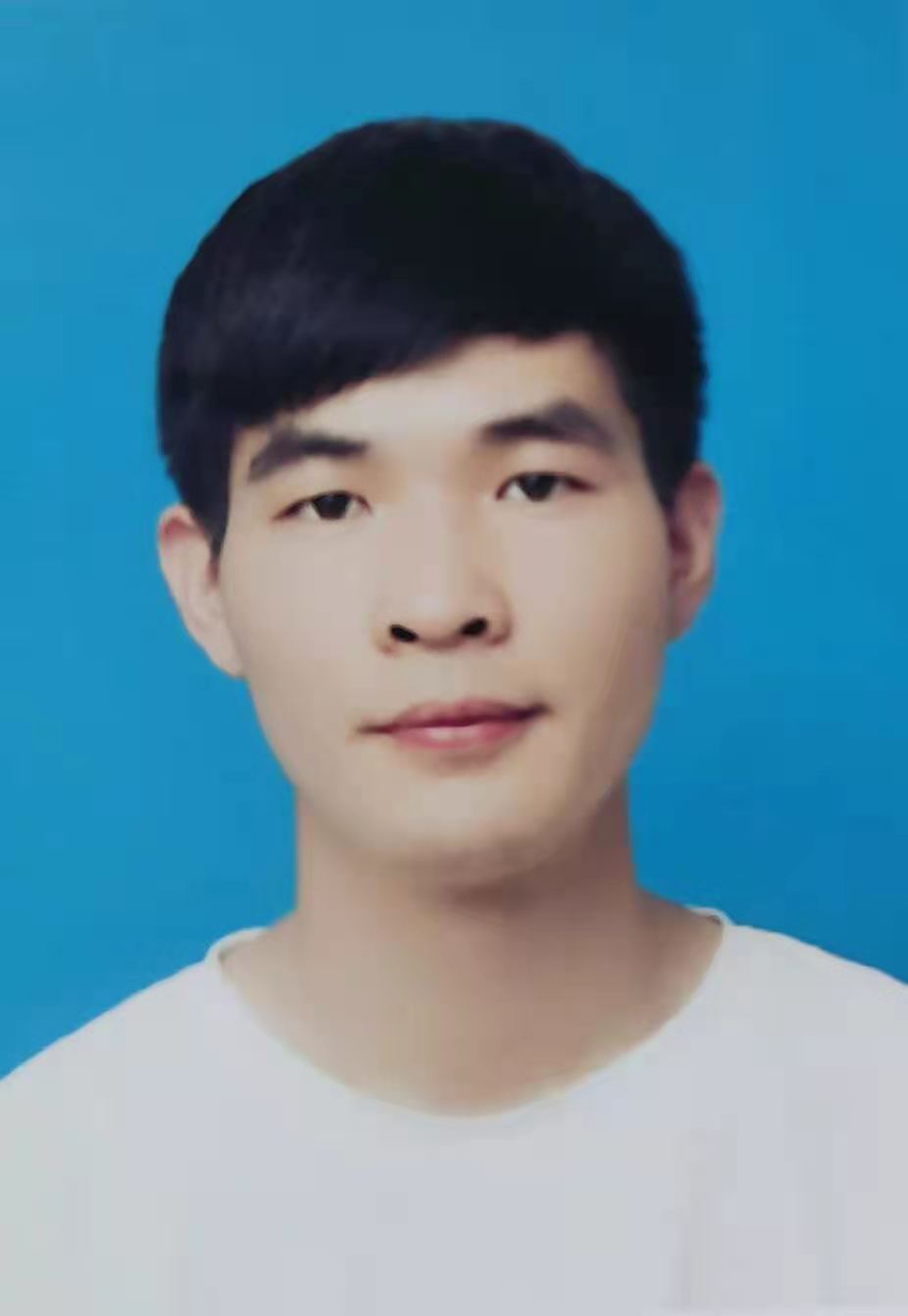
PhD Profile: Shuwen Yu Describes How Automation Can Help Predict Seizures in the Neonatal Brain

By |2021-12-02T14:56:29+00:00December 6th, 2021|

A graduate of the MEngSc in Electrical and Electronic Engineering at University College Cork, Shuwen Yu joins the INFANT Research Centre to begin working on a PhD programme under the supervision of Professor Geraldine Boylan, Professor Liam Marnane and Dr Gordon Lightbody.

A stellar student at the North China Institute of Aerospace Engineering, where Shuwen received numerous awards and scholarships, including the China Space Foundation Scholarship, a National Scholarship of China and a China Aerospace Science and Technology Corporation Scholarship on his way to graduating with a Bachelor of Engineering in 2019.

One year later, Shuwen came to study at UCC, where he developed advanced skills in the field of automation and honed his knowledge of robotics.

In 2020 I came to Cork to study under Professor Liam Marnane and Dr Gordon Lightbody.

It was at UCC where I really learned a lot about Python and started to think about doing a PhD.

When I learned about the opportunity to study machine learning under Professor Marnane and Dr Lightbody at INFANT, my mind was made up.

Shuwen enrolled in the PhD programme in October and has begun working on the project to develop machine learning tools for clinical support in the protection of the neonatal brain.

The four-year project is part of a wider and more ambitious endeavour being undertaken by Professor Marnane and Dr Lightbody, who, alongside Professor Geraldine Boylan, are aiming to develop AI models that will help the early detection of neurological complications in infants and provide systems to allow for the effective monitoring of the efficacy of therapeutic interventions.

Specifically, Shuwen will be examining dynamic modelling techniques to help with the development of machine learning tools for clinical support in the protection of the neonatal brain.

Having just started the PhD programme in October, Shuwen is in the process of surveying data that he hopes will eventually help him to design a system that will result in better clinical outcomes for pre-term babies.
INFANT Led European Network to Advance Development of Algorithms that Detect Brain Injuries in Infants

By |2022-09-12T14:22:44+01:00October 27th, 2021|

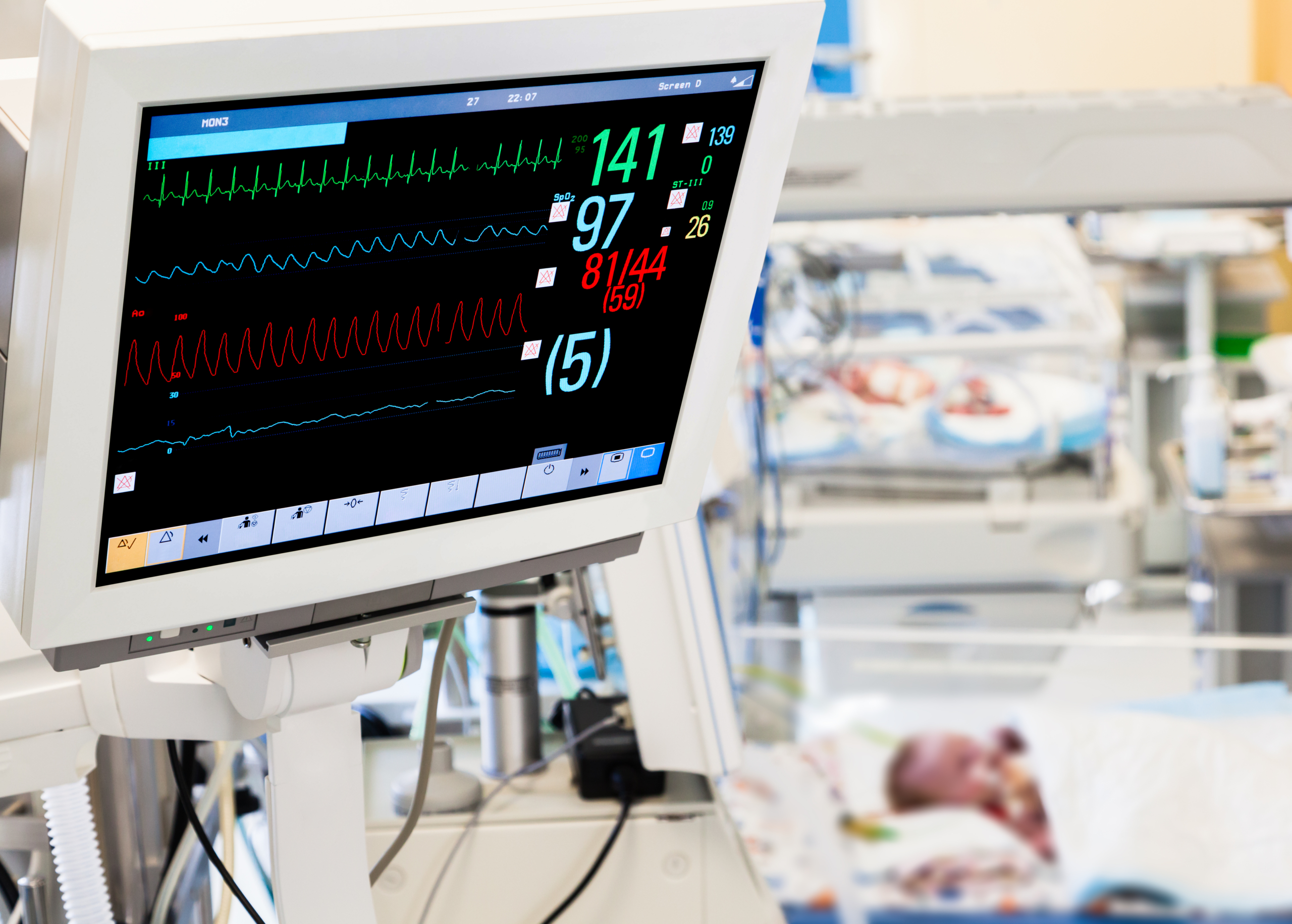
INFANT’s Dr John O’Toole will lead a team of international researchers to accelerate the development of AI Technologies that detect brain injuries in infants.

Working alongside a team of scientists, clinicians and technical experts from 14 different European countries, Dr John O’Toole aims to build capacity and strengthen cooperation among international research groups, with the goal of developing algorithms that will minimise the risk of babies developing catastrophic life-long neonatal brain injuries.

Insufficient oxygen around the time of birth can cause brain injury. For babies born prematurely, the heart and lungs may struggle to adapt to the new environment which can lead to brain injury too. Brain monitoring of a tiny infant in an intensive care unit is challenging.

It can be difficult and slow to interpret the complex brain-wave patterns.  AI systems are a perfect fit to this problem, as they can be designed to automatically recognise signs of brain injury.

Funded by the European Cooperation in Science and Technology, the researchers involved in the AI-4-NICU project plan to build on existing cot-side technologies, such as devices that measure brain waves, by including AI algorithms to detect markers of brain injury.

This, Dr O’Toole anticipates, will lead to the development of decision-support tools that will help clinicians in neonatal intensive care units to quickly identify potential brain injuries that can result in death, cerebral palsy, or delayed development.

Reading and interpreting the brain-wave signals is a notoriously difficult task which requires highly specialised expertise. AI systems can be designed to mimic the human expert, by shifting through enormous amounts of data to automatically find signs of brain injury.

These AI systems, unlike the human expert, can then run around the clock for all at-risk infants to provide a continuous assessment of brain health.

To develop the device, Dr O’Toole and his team will first develop the tools necessary to acquire, pool, share, and manage neuro-physiological data sets.

They will then create a framework to develop, test, and compare algorithms that they hope will act as decision-support tools in neonatal intensive care units.


Learn More about Newborn Cephalohematoma here (more…)

Go to Top