Predicting pre-eclampsia before it becomes dangerous

By |2026-03-25T08:04:00+00:00March 24th, 2026|

Predicting pre-eclampsia before it becomes dangerous

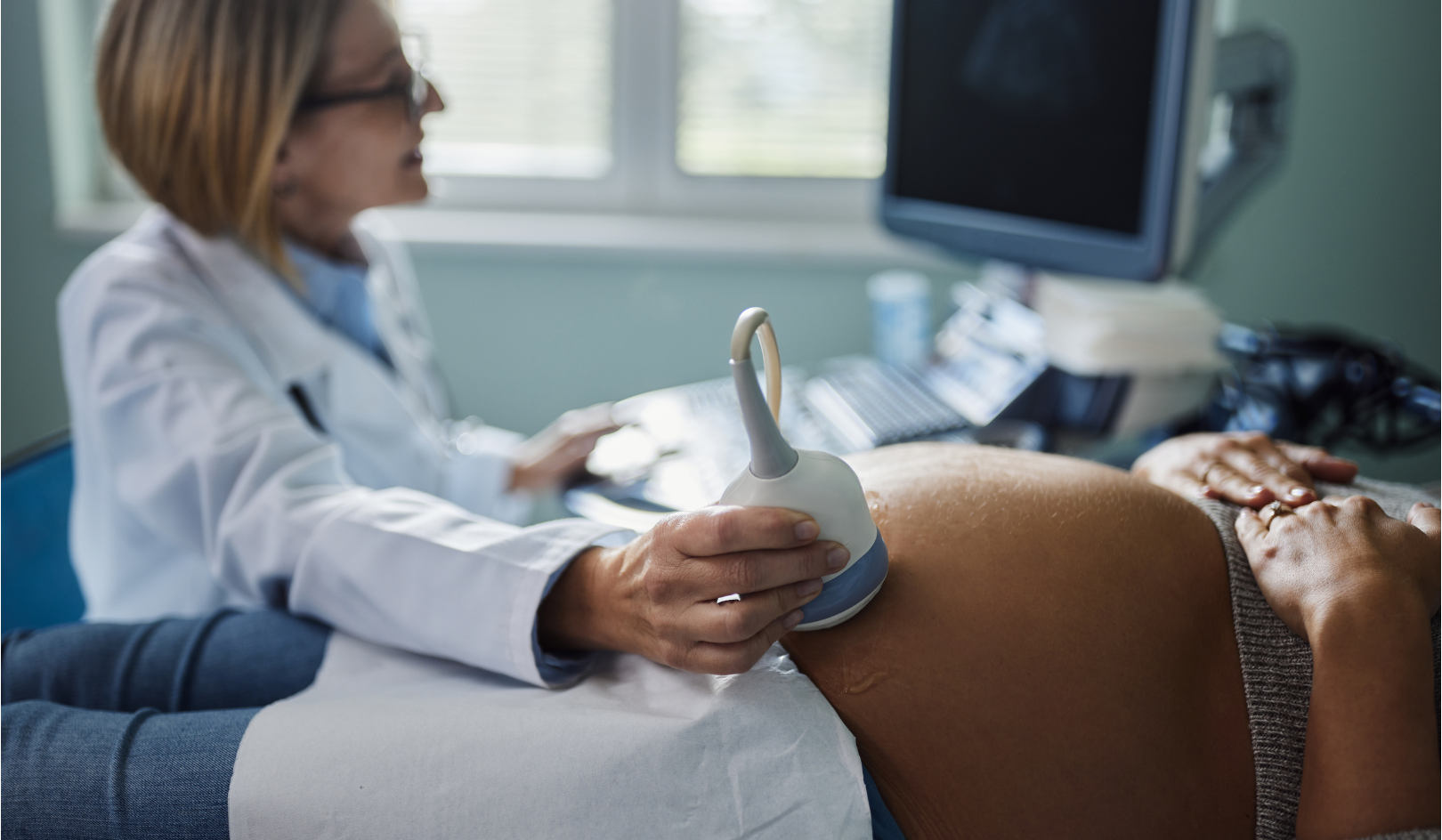
For many women, pre-eclampsia arrives without warning. What begins as a healthy pregnancy can suddenly become life-threatening, with serious consequences for both mother and baby. Despite affecting around 5% of first-time mothers, clinicians have had limited tools to predict who will develop the condition.

INFANT researchers aimed to change that uncertainty.

Using advanced metabolomic technologies, the team studied subtle changes in blood chemistry during pregnancy and identified a unique set of biomarkers linked to the later development of pre-eclampsia. These biomarkers make it possible to identify women at risk before clinical symptoms appear.

Early prediction changes everything. Women identified as high-risk can be monitored more closely, receive preventative treatments, and make informed decisions alongside their healthcare team. For clinicians, it enables targeted care rather than reactive treatment. For families, it offers something previously unavailable: time.

By shifting pre-eclampsia care from crisis response to early prevention, this research has the potential to save lives and reduce long-term complications for mothers and babies alike.

 

From research to real-time care: the ANSeR study

By |2026-03-25T10:54:51+00:00March 24th, 2026|

From research to real-time care: the ANSeR study

Babies admitted to neonatal intensive care due to complications during pregnancy are at high risk of brain injury and seizures, which can have lifelong consequences if not detected and treated early. Yet newborn seizures are notoriously difficult to identify, often showing no visible signs.

The ANSeR (Automated Neonatal Seizure Recognition) study was established to address this challenge. Led by Professor Gene Dempsey and Professor Geraldine Boylan and developed in collaboration with engineers at the INFANT Centre at University College Cork, the study focused on combining neonatal medicine, brain monitoring, and advanced algorithms to improve seizure detection.

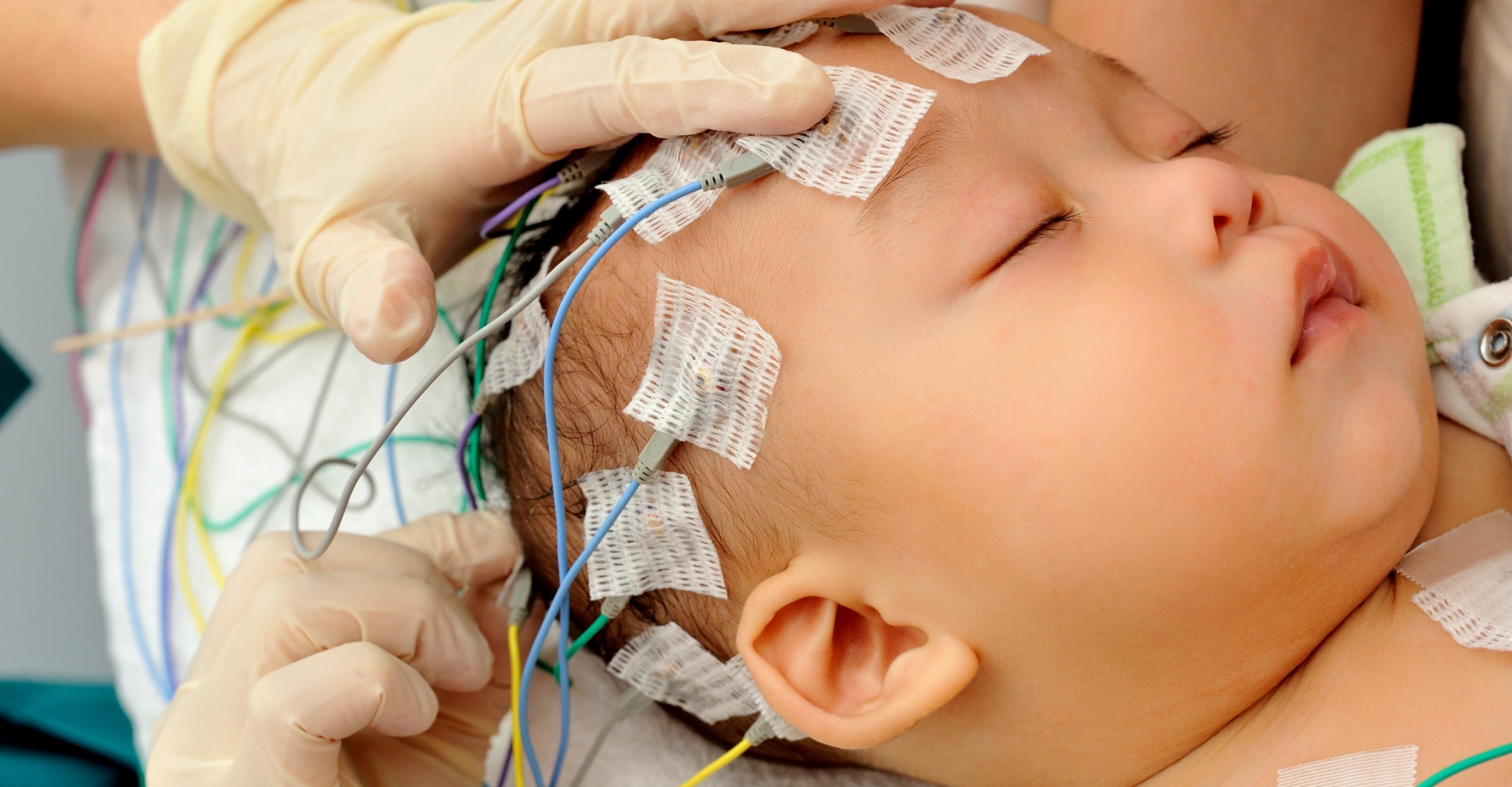
Electroencephalogram (EEG) monitoring records a baby’s brain activity but interpreting these complex signals requires specialist expertise. This expertise however is not always available in neonatal units, particularly outside normal working hours. ANSeR was designed to act as an “EEG expert at the cot side”, available 24 hours a day.

Using algorithms trained to recognise seizure patterns, ANSeR continuously analyses brain activity and alerts clinical teams when seizures are detected. This enables faster intervention, more timely treatment, and better protection for the developing brain.

The ANSeR study demonstrates how interdisciplinary research at INFANT – bringing together clinicians, engineers, and data scientists – can translate directly into tools that improve care for vulnerable newborns and support clinical decision-making when it matters most.


INFANT Seminar Series: Dr Mark O’Sullivan to Discuss Neonatal EEG Monitoring – Hardware, AI and Medical Device Design

By |2022-03-22T10:34:57+00:00March 22nd, 2022|

Our next INFANT seminar will be this Friday, March 25th at 12pm, when Dr Mark O’Sullivan will present “Neonatal EEG monitoring – hardware, AI and medical device design”.

Dr O’Sullivan will present updates on the Neurobell Project, which aims to develop a portable neonatal EEG monitor with seizure detection, including methodologies for medical device design in a quality and regulatory compliant manner.

Lastly, Dr O’Sullivan will present new research from the Delphi Project on the design of an artefact detection algorithm for neonatal EEG and its impact on automated HIE grading.

For privacy reasons YouTube needs your permission to be loaded.

Go to Top