The gender gap in autism: why we need to do better for girls

By |2026-04-02T09:25:18+01:00April 2nd, 2026|

The gender gap in autism: why we need to do better for girls
Autism diagnosis can be a long and complex process. For some children, assessment takes years. Girls in particular are often identified much later than boys, sometimes not until adolescence meaning they can miss years of support when it matters most.

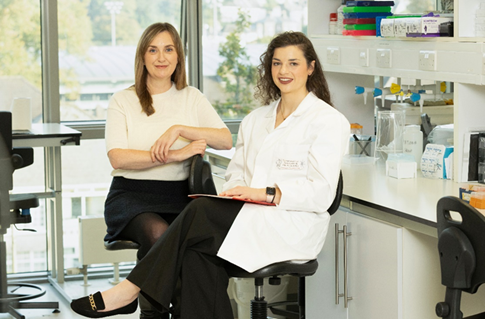
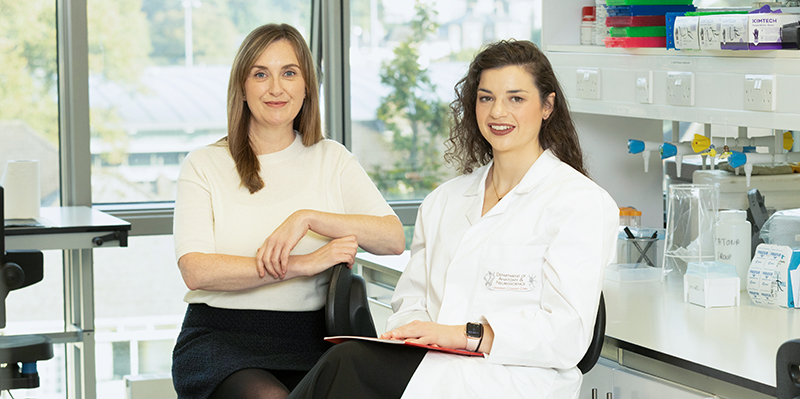
At the INFANT Research Centre in University College Cork, Dr Jane English is investigating whether biological signals present at birth could help change that timeline.

Her research focuses on identifying early-life biomarkers that may one day support earlier identification of autism, particularly those who could benefit from additional monitoring and support.

The aim is not to diagnose autism at birth, but to build the scientific foundation for earlier screening. If successful, this work could help reduce delays in identification and ensure more children, especially girls, receive support earlier in life.

“The overarching goal is to facilitate early intervention in children with autism.” English explains. “At the moment, diagnosis is complex, and quite often children are not diagnosed until the ages of four or five, and in some cases, much later”.


A system under pressure

In Ireland, autism diagnosis typically involves a multidisciplinary team assessment. While comprehensive, the system is under significant strain.

“There are thousands of families on waiting lists for a first-time autism assessment, with waiting times exceeding two years,” English says. “It is extremely challenging for families.”

Early intervention services such as speech and language therapy, occupational therapy and structured parent support can significantly improve a child’s development and quality of life.

However, timing is only part of the challenge. Gender also plays a role in when and how autism is recognised.


Why girls with autism are often missed

“We tend to catch boys earlier than girls,” English says. “The diagnostic criteria were largely designed around male-dominated profiles, and some females with autism do not fit this pattern.”

While boys may show more outward behaviours that are easier to recognise, girls are more likely to internalise their difficulties. They may appear shy or anxious while masking social discomfort and sensory challenges. As a result, their needs often go unnoticed, or they are misdiagnosed with anxiety or depression.

Recent research suggest that Autism is just as common in girls as in boys, yet boys are up to four times more likely to be diagnosed in childhood.

“The girls are there, but the system is just failing to see them” says English. “Delaying a diagnosis does not mean she is ‘fine’.  It means she misses crucial support.”

This gap also affects research. Studies have historically focused more on males, limiting understanding of how autism presents biologically in females. Expanding female-focused research is therefore central to improving identification and support.


Investigating early-life biology

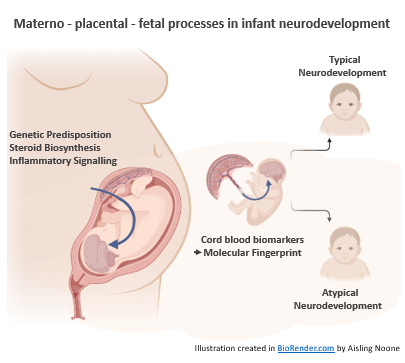
We know autism begins in the womb. That is why Dr English’s research focuses on the prenatal environment and the interaction between mother, placenta, and fetus.

Her team studies maternal cord blood collected immediately after delivery to identify molecular patterns linked to later autism diagnosis.

“We are looking for a molecular signature, like a fingerprint, in cord blood at birth,” explains Aisling Noone, a final year PhD student in the Department of Anatomy & Neuroscience.

Using large bio-banked pregnancy cohorts, researchers compare samples from children who later received an autism diagnosis and compare them with neurotypical children. This allows them to identify biological pathways associated with neurodevelopment.

This work is still in the discovery and validation phase.

“This type of research takes time,” English says. “The priority is to understand the biology properly and to replicate findings across populations.”

The team is particularly interested in inflammation and steroid biology during pregnancy. These factors alone cannot predict autism, but alongside genetic susceptibility they may offer important clues about how early development shapes later outcomes.
Understanding complexity

Autism is influenced by a complex interplay of genetic, biological and environmental factors. Rather than focusing on single markers, English’s team integrates multiple layers of information to help predict outcome.

This includes biomarker data alongside maternal clinical information such as mental health, stress, pregnancy complications, infection, and infant birth weight. Machine learning models are then used to explore how these factors interact.

“Instead of stripping away complexity, we incorporate it,” she says. “If something is going to be useful in practice, it has to work in the real world.”

This approach represents a shift towards understanding networks of risk and resilience, rather than searching for a single defining cause.


From discovery to responsible translation

The long-term ambition is not to provide a definitive diagnosis at birth. English is careful to draw that distinction.

“If the evidence supports it, this could one day contribute to a voluntary approach that helps families understand their child’s needs earlier.” English says.

In principle, such a system might resemble existing newborn screening frameworks, where parents opt in and receive information that supports monitoring and follow-up. Any future screening pathway would require extensive validation, ethical evaluation and close collaboration with clinicians and families.

For now, the work remains focused on strengthening the scientific evidence.


Looking ahead

Translating biomarker research into screening tools will take time, larger datasets, and continued collaboration across research and clinical communities. Expanding female-focused studies will also be essential so future approaches reflect the full diversity of how autism presents.

Much remains to be understood about how early biological signals relate to later neurodevelopment. But by investigating the earliest stages of life, this research is helping to build a stronger foundation for earlier identification.

Over time, these advances could help ensure that fewer children wait years for answers, and that girls who are currently overlooked are recognised earlier and supported sooner.


Acknowledgements:

This research was supported by the Irish Health Research Board (HRB) through an award to Dr Jane English.

For those interested in following this research or supporting future work in this area, please contact Merrin Browne, Research Engagement and Partnerships Manager, at merrinbrowne@ucc.ie or help support future research here.


Predicting pre-eclampsia before it becomes dangerous

By |2026-03-25T08:04:00+00:00March 24th, 2026|

Predicting pre-eclampsia before it becomes dangerous

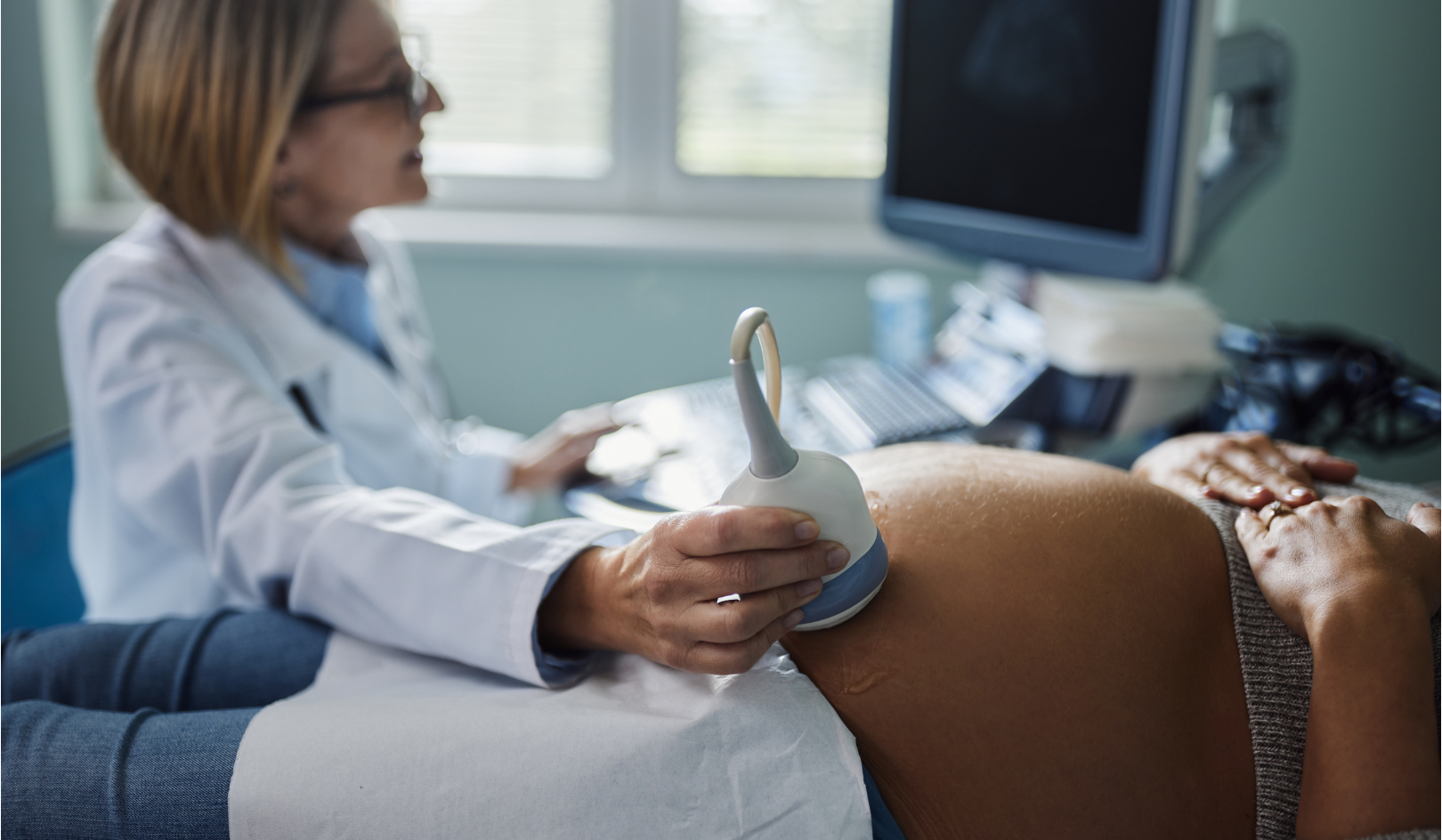
For many women, pre-eclampsia arrives without warning. What begins as a healthy pregnancy can suddenly become life-threatening, with serious consequences for both mother and baby. Despite affecting around 5% of first-time mothers, clinicians have had limited tools to predict who will develop the condition.

INFANT researchers aimed to change that uncertainty.

Using advanced metabolomic technologies, the team studied subtle changes in blood chemistry during pregnancy and identified a unique set of biomarkers linked to the later development of pre-eclampsia. These biomarkers make it possible to identify women at risk before clinical symptoms appear.

Early prediction changes everything. Women identified as high-risk can be monitored more closely, receive preventative treatments, and make informed decisions alongside their healthcare team. For clinicians, it enables targeted care rather than reactive treatment. For families, it offers something previously unavailable: time.

By shifting pre-eclampsia care from crisis response to early prevention, this research has the potential to save lives and reduce long-term complications for mothers and babies alike.


From research to real-time care: the ANSeR study

By |2026-03-25T10:54:51+00:00March 24th, 2026|

From research to real-time care: the ANSeR study

Babies admitted to neonatal intensive care due to complications during pregnancy are at high risk of brain injury and seizures, which can have lifelong consequences if not detected and treated early. Yet newborn seizures are notoriously difficult to identify, often showing no visible signs.

The ANSeR (Automated Neonatal Seizure Recognition) study was established to address this challenge. Led by Professor Gene Dempsey and Professor Geraldine Boylan and developed in collaboration with engineers at the INFANT Centre at University College Cork, the study focused on combining neonatal medicine, brain monitoring, and advanced algorithms to improve seizure detection.

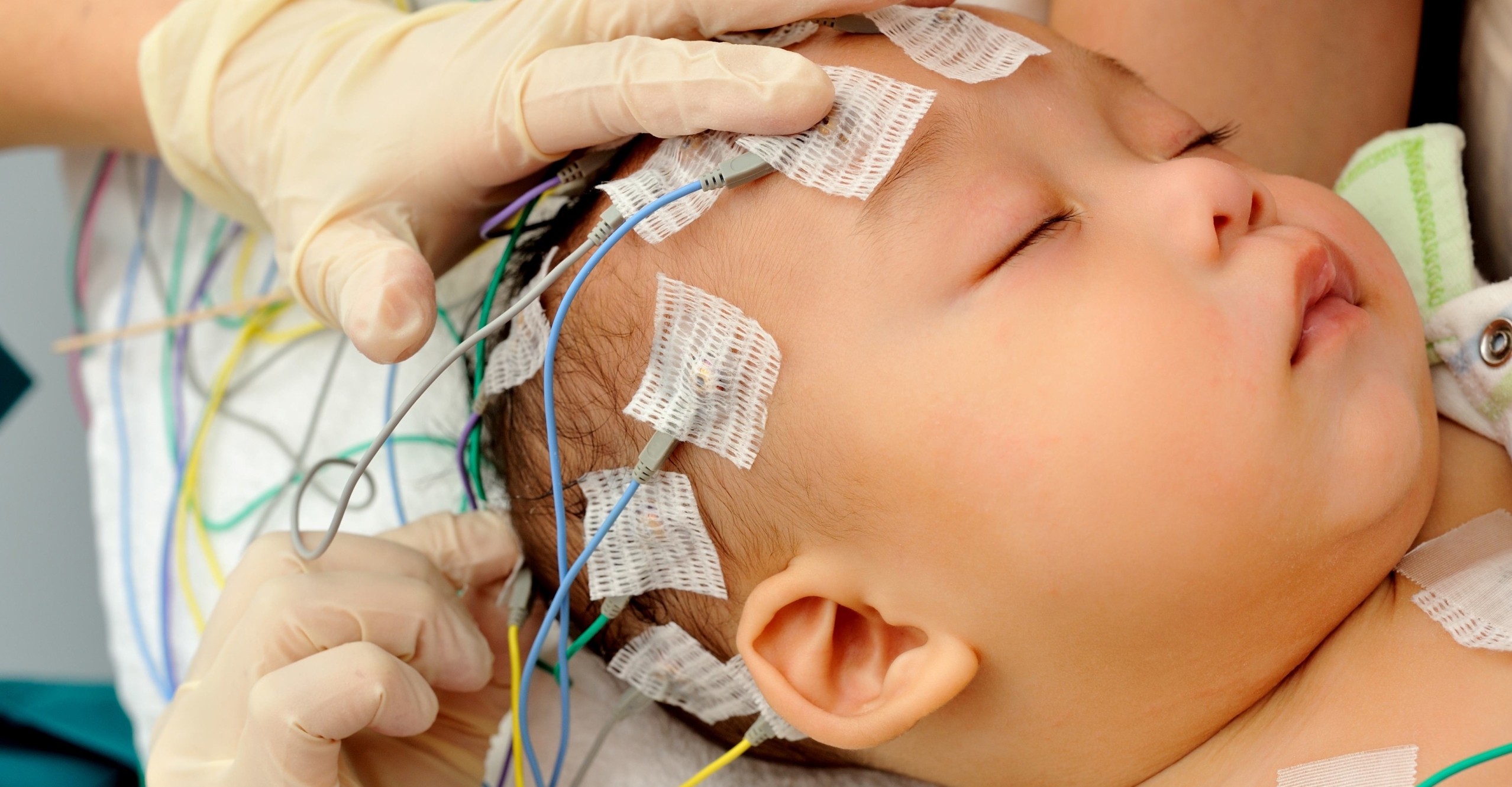
Electroencephalogram (EEG) monitoring records a baby’s brain activity but interpreting these complex signals requires specialist expertise. This expertise however is not always available in neonatal units, particularly outside normal working hours. ANSeR was designed to act as an “EEG expert at the cot side”, available 24 hours a day.

Using algorithms trained to recognise seizure patterns, ANSeR continuously analyses brain activity and alerts clinical teams when seizures are detected. This enables faster intervention, more timely treatment, and better protection for the developing brain.

The ANSeR study demonstrates how interdisciplinary research at INFANT – bringing together clinicians, engineers, and data scientists – can translate directly into tools that improve care for vulnerable newborns and support clinical decision-making when it matters most.


Parents’ voices helping shape cerebral palsy research

By |2026-03-24T15:45:54+00:00March 24th, 2026|

Parents’ voices helping shape cerebral palsy research


Research is strongest when it reflects the realities of the people it aims to support.

At the INFANT Research Centre at University College Cork (UCC), parents are helping shape cerebral palsy research through the Cerebral Palsy Parent Advisory Group (CP-PAG). The group is part of the wider ELEVATE research programme and the National Cerebral Palsy Programme, which aim to improve early diagnosis, care pathways and long-term outcomes for children with cerebral palsy in Ireland.

The advisory group brings together parents who share their lived experience to help guide research aimed at improving care, support and outcomes for children with cerebral palsy.

For Cerebral Palsy Awareness Day (25 March), INFANT is highlighting the role parents play in ensuring research reflects the priorities and everyday experiences of families.

Parents involved in the group say their perspectives help researchers better understand what life with cerebral palsy looks like beyond clinical settings.

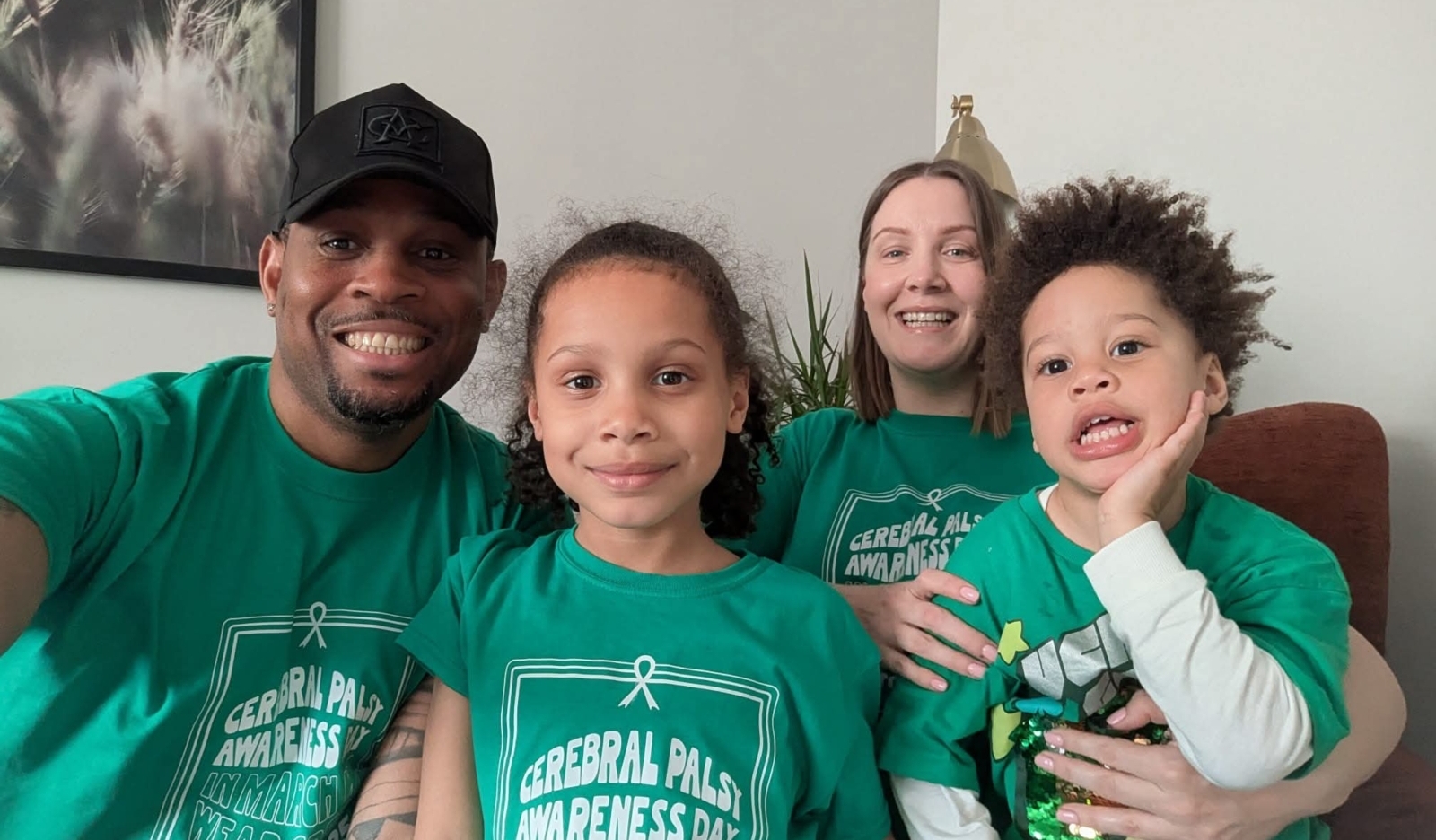
“We are living the reality every day,” says Kirsty, whose four-year-old son Andre has spastic quadriplegic cerebral palsy.

“We can offer perspective into things researchers might not realise are important but matter greatly to families.”


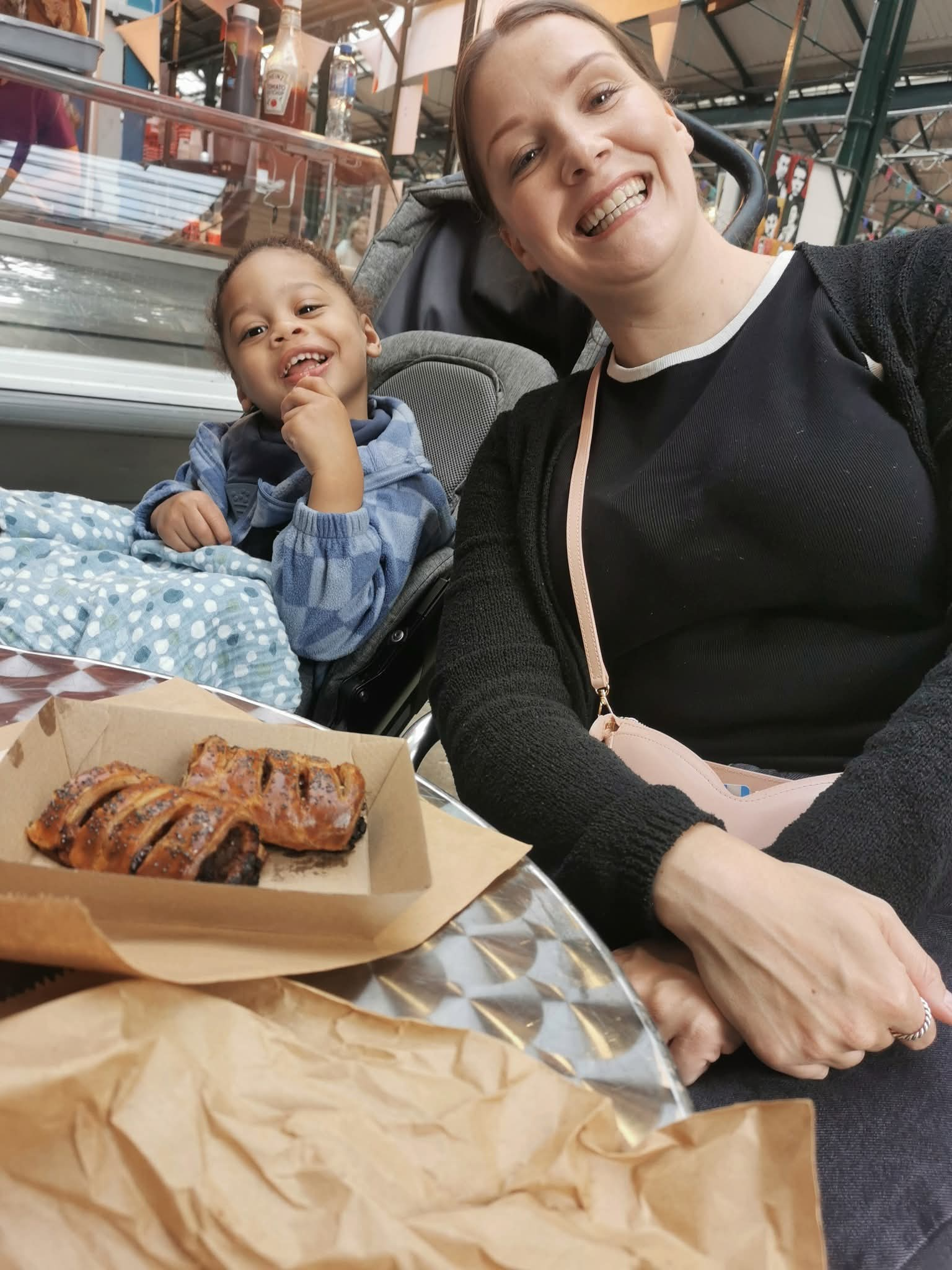
Pictured left, Kirsty Diaso with her husband, daughter, and son Andre, who has spastic quadriplegic cerebral palsy; pictured right, Kirsty and Andre.


Why lived experience matters in research

Cerebral palsy is a lifelong neurological condition that affects movement, posture and coordination. For many families, the journey after diagnosis involves navigating therapies, services and everyday challenges that are not always visible in clinical research.

Cristín, whose six-year-old son Alex was diagnosed shortly after his first birthday, says involving parents helps bring a human perspective to research.

“Involving parents transforms research from a clinical study into a human-centred one,” she explains.

“Parents bring lived experience that can help researchers understand what families are going through, especially during the emotional and uncertain time around diagnosis.”

Parents in the advisory group contribute in a number of ways, including helping shape research questions, reviewing study design and ensuring research priorities reflect what matters most to families. They have also contributed to over 20 research studies and helped develop national resources for families, making research more accessible and relevant to those living with cerebral palsy.


Understanding the realities families face

For many parents, everyday life highlights the barriers that still exist for children with disabilities.

Cristín says some challenges are small but persistent.

“Sometimes it’s things like trying to find adapted shoes that fit over orthotics or checking whether somewhere is accessible before we go out.”

Others highlight wider inequalities in systems designed without disabled children in mind.

She points to the contrast between her children’s school journeys.

“One child can walk ten minutes to school, while the other has to sit on a bus for over an hour to attend a special school that can meet their needs.”

Experiences like these help researchers understand the broader social and practical challenges families face every day.


Challenging assumptions about disability

Parents also hope greater awareness will help challenge assumptions about children with physical disabilities.

Cristín says one of the biggest challenges Alex faces is not always mobility.

“It’s the assumption that because he has a physical disability, he cannot understand what people are saying,” she says.

“I would love to see more people stop talking past Alex to me. Get down to his level and speak directly to him.”
For families, awareness is not only about understanding the condition itself, but also about recognising the abilities, personalities and voices of the children living with it.


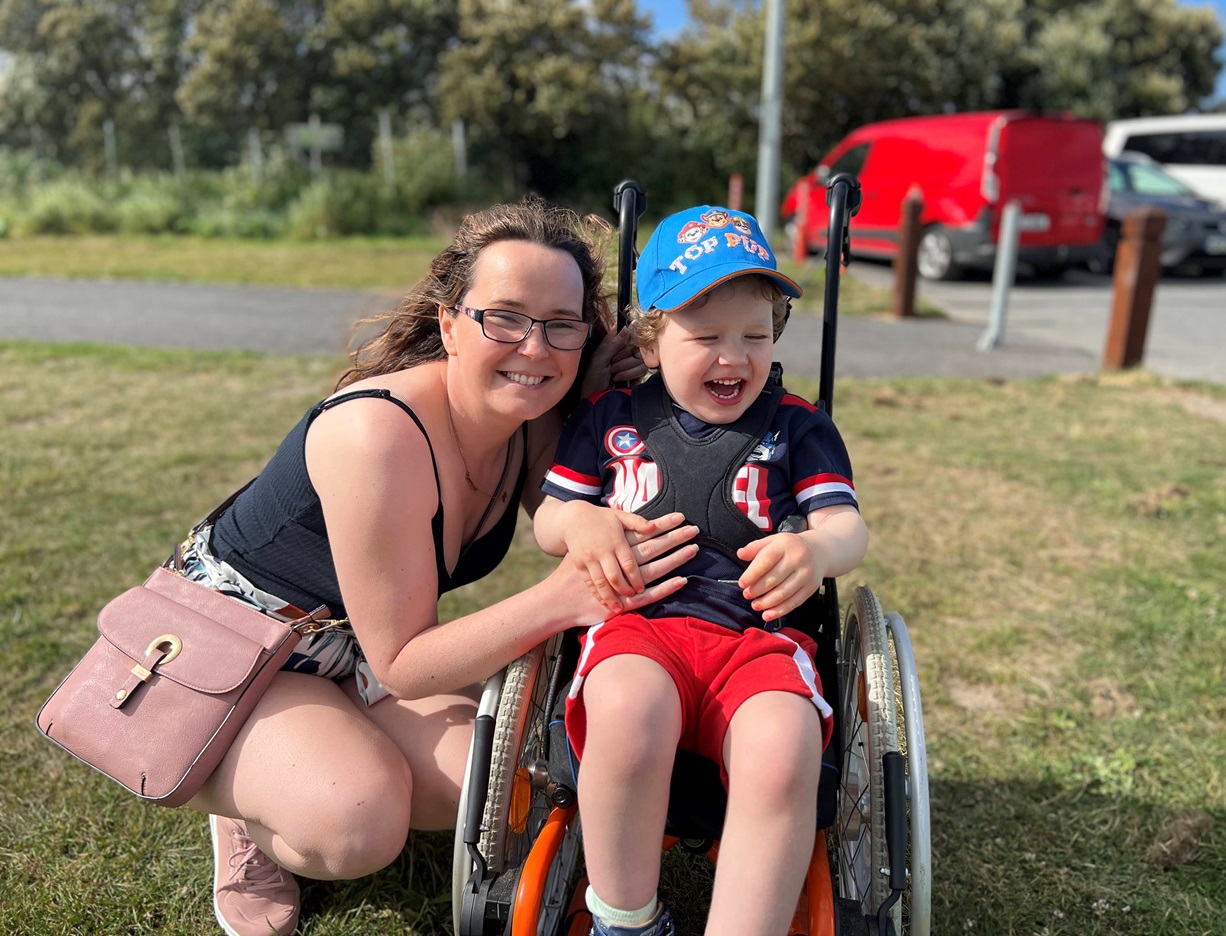
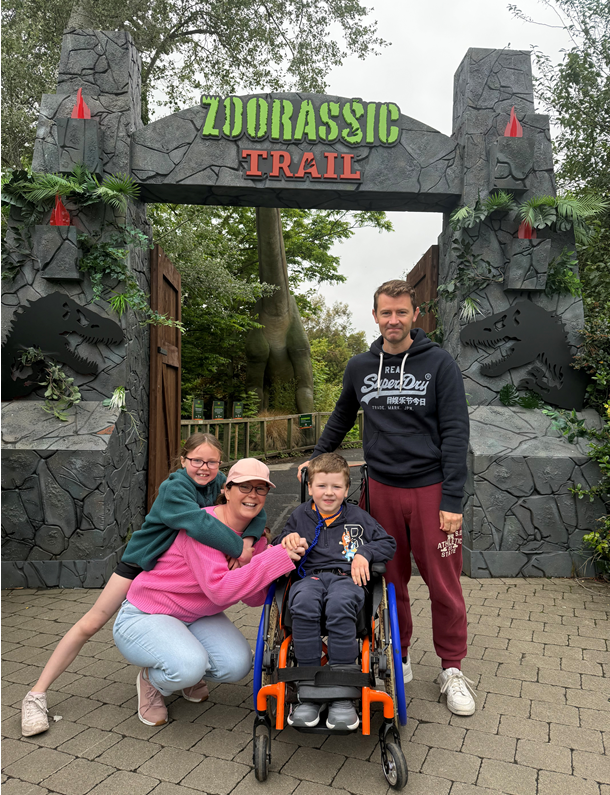
Pictured left: Cristin McCormack, and son Alex, who was diagnosed with cerebral palsy shortly after his first birthday; pictured right, the family enjoying a day out together.


From lived experience to better research

Since her son’s diagnosis, Kirsty has taken a strong interest in cerebral palsy research and how it can improve care and support for families.

She recently launched Cerebral Palsy Social (@cerebralpalsysocial), a support network for parents and caregivers of children with cerebral palsy.

For her, contributing to research is another way parents can help shape a better future.

“Cerebral palsy is not a curable condition,” she says. “But with the right therapies, supports and understanding, people with cerebral palsy can thrive and live full lives.”

She believes involving parents in research focuses on outcomes that truly matter to children and families. Embedding parent voices in research from the outset also means programmes like ELEVATE can drive real-world improvements in care, support and outcomes for children and families across Ireland.


Looking toward a more inclusive future

For parents like Kirsty and Cristín, Cerebral Palsy Awareness Day is an opportunity not only to raise awareness but also to build understanding.

“To me, CP Awareness Day is about bridging the gap between awareness of CP as a label and a true understanding of what a diagnosis means,” says Cristín.

“It’s an opportunity to celebrate our amazing children while also highlighting the challenges families face and working toward a future where every child with cerebral palsy grows up in an inclusive and supportive community.”

Through initiatives such as the Cerebral Palsy Parent Advisory Group, parent voices are helping ensure research reflects the realities of families and contributes to better care and support in the future.


Go to Top