INFANT researcher shares PremSmart success at international health innovation event in Brussels

By |2026-10-16T10:16:23+01:00October 16th, 2026|

INFANT researcher shares PremSmart success at international health innovation event in Brussels

INFANT’s newly formed Neonatal Clinical Nutrition Research Group was represented at a major international event exploring how healthcare innovation can improve outcomes for women and children worldwide.


INFANT’s Neonatal Clinical Nutrition Research Group (NCNRG) was invited to attend Investing in our Future: How Innovation Can Help Save Women and Children’s Lives in Brussels on 14 October, represented by Dr Ann-Marie Brennan and Sarah Fenton.

Held in association with the Gates Foundation and the Irish Presidency of the Council of the EU, the event brought together policymakers, global health leaders, funders and innovators to explore how healthcare innovations can be brought to scale.

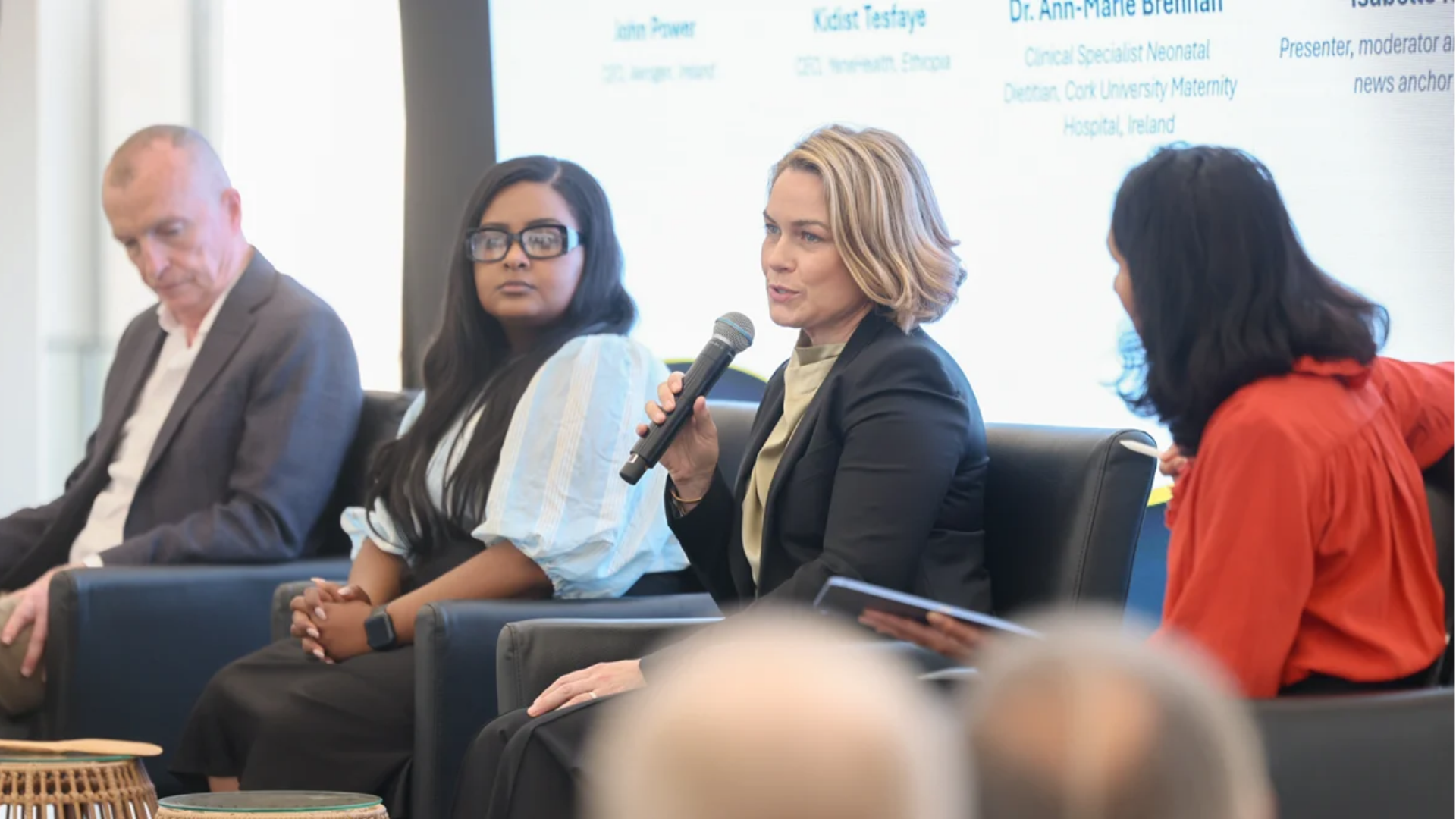
Dr Brennan was invited to join the event’s From Idea to Impact: Innovators’ Fireside Chat, alongside John Power, CEO and Founder of Aerogen, and Kidist Tesfaye, CEO and Founder of Yene Health, where she shared the successful national scale-up of PremSmart.

Dr Brennan is a Lead Investigator at INFANT Research Centre, Senior Lecturer in the School of Food and Nutritional Sciences at University College Cork (UCC), and Clinical Specialist Neonatal Dietitian at Cork University Maternity Hospital (CUMH).


From research to national implementation

PremSmart is a research-led initiative improving nutritional care for premature babies through a standardised approach to parenteral nutrition.

Developed through collaboration between INFANT, CUMH and the Irish health service, PremSmart has now been adopted across all nine neonatal units providing parenteral nutrition in Ireland, accounting for approximately 95% of neonatal parenteral nutrition nationally. It is also estimated to save the Irish health service approximately €1 million annually.

PremSmart’s successful national implementation generated particular interest in Brussels, where a key focus was how proven innovations can move beyond individual hospitals or pilot programmes to achieve wider and sustainable impact.

Dr Brennan said:

“It was really encouraging to see the level of interest in how PremSmart has moved from research into national implementation. We’ve learned a lot about what it takes to successfully implement change across a health system, and there is still work to do to ensure that progress is sustainable in Ireland.

“The next question is how we build on that experience – both by continuing to strengthen PremSmart here and by exploring how elements of the approach could be adapted for other healthcare settings, particularly in low- and middle-income countries.

“That can’t simply be about taking something that works in Ireland and applying it elsewhere. It has to be led by local needs and developed with the right clinical and research partners.”

Read more: Giving premature babies a stronger start: how PremSmart transformed neonatal nutrition in Ireland


Building on international partnerships

INFANT’s wider international work also formed part of the conversation, with Minister of State for International Development and Diaspora Neale Richmond TD referencing the INFANT-led Horizon Europe project LINDA-FAMILIA during his opening remarks.

Discussions around adapting innovation for different health systems also touched on INFANT’s existing partnerships and experience in East Africa.

The event provided an opportunity to share Ireland’s experience of taking PremSmart from research to national implementation, while contributing to wider discussions about how research, partnerships and investment can improve outcomes for women and children globally.

PremSmart forms part of the wider work of INFANT’s Neonatal Clinical Nutrition Research Group, which is expanding its research beyond parenteral nutrition to address broader questions in neonatal clinical nutrition.

Learn more: Neonatal Clinical Nutrition Research Group

 

Pregnancy loss is common. Workplace support should be too.

By |2026-10-12T11:27:27+01:00October 12th, 2026|

Pregnancy loss is common. Workplace support should be too.

One year after the launch of the Pregnancy Loss & the Workplace Toolkit, employers are putting the research into practice. This Baby Loss Awareness Week (9-15 October), we are encouraging more organisations to do the same.

Pregnancy loss affects approximately one in four pregnancies in Ireland, yet many people experiencing loss have historically had to navigate its physical and emotional impact without dedicated workplace leave or support.

In October 2025, the Pregnancy Loss Research Group at INFANT Research Centre, University College Cork launched the Pregnancy Loss & the Workplace Toolkit to help change that.

Developed from research into people’s experiences of pregnancy loss at work, the free toolkit gives employers practical guidance to put meaningful supports in place, including a template workplace policy, guidance for managers and information for employees.

One year later, organisations are demonstrating just how quickly that research can translate into change.


From livid experience to change within a month

For Cork mother Diane Magee, the need for better workplace support is deeply personal.

Diane has experienced pregnancy loss at different stages of pregnancy, alongside IVF treatment and the complex journey of trying to conceive again after loss.

“Pregnancy loss can bring grief and physical recovery, but there can also be enormous emotional, financial and relationship pressures,” Diane said.

“Having a supportive workplace and knowing there is a policy there if you need it can take a huge weight off someone at an incredibly difficult time.”

Diane contributed her lived experience to the development of the Pregnancy Loss & the Workplace Toolkit because she wanted workplaces to better recognise pregnancy loss as a genuine loss, and give people the time, understanding and support they may need.

After the toolkit was launched, Diane brought it to her own employer, Marymount University Hospital and Hospice.

In less than a month, Marymount had introduced dedicated pregnancy loss leave.

Christine O’Riordan, Staff Support and Wellbeing Officer at Marymount, said having practical guidance and policy language available through the toolkit made it straightforward for the organisation to act.

“When someone is going through pregnancy loss, there is so much they are already trying to process. If we can take just one worry off their plate by making sure they don’t have to worry about work, that can make a world of difference. For us, putting that support in place was a relatively simple step, but it can mean so much to the person who needs it.”

Employees have since used the leave – something Christine describes as an “absolute success”.


Turning guidance into practical support

Marymount isn’t alone. Gas Networks Ireland has also used the toolkit to help develop its own pregnancy loss policy.

The organisation introduced dedicated leave, guidance for managers and different ways for employees to access support. The policy recognises fathers and partners too, while mandatory training helps managers understand how to respond sensitively when an employee experiences pregnancy loss.

Employees are now using the leave, feedback has been positive and other organisations have approached Gas Networks Ireland to learn from its experience.

For Nicola McSweeney, Director of People at Gas Networks Ireland, putting these supports in place is a simple but important part of creating a workplace where employees know they will be supported when difficult things happen.

“There really is no downside to putting these supports in place. People will experience difficult things in their lives, and as an employer we want them to know that when they do, they will be supported. A clear policy also gives managers confidence – they don’t need to have all the answers; they need to listen and know what support is available.”


Could your workplace be next?

For Professor Keelin O’Donoghue, who leads the Pregnancy Loss Research Group and is Clinical Lead for Obstetric Research at INFANT Research Centre, the experience of Marymount and Gas Networks Ireland demonstrates what employers can do now.

“Supporting people through pregnancy loss in the workplace goes beyond an entitlement to time off. Clear policies, informed and supported managers, and a compassionate workplace culture can make an enormous difference to someone’s experience.”

While pregnancy loss leave is also moving up the national policy agenda, with the Government approving the drafting of legislation earlier this year, employers do not need to wait for statutory change to put meaningful supports in place.


This Baby Loss Awareness Week, we are encouraging employers to take a simple first step:

Download the toolkit. Share it with your HR team or leadership. Ask what your organisation can put in place.

The resources are free, practical and designed so organisations do not have to start from scratch.

Pregnancy loss is common. Workplace support should be too.

Download the Pregnancy Loss & the Workplace Toolkit

Ask an Expert – SLEEP

By |2026-10-01T12:05:08+01:00October 1st, 2026|

Ask an Expert: Newborn and Infant Sleep – What is typical and what can sleep tell us about the developing brain?

Why does my baby wake so often? Why are they so noisy when they sleep? And when will they start sleeping for longer? We look at what research tells us about newborn sleep – and why scientists are interested in what happens in the developing brain while babies sleep.

Sleep is one of the biggest topics for families with a new baby – and often one of the most confusing.

Newborn sleep looks very different from adult sleep. Babies sleep in shorter stretches, wake frequently and can be surprisingly active while asleep. Their sleep also changes rapidly during the first weeks and months of life.

At INFANT, researchers also study sleep as a window into the developing brain. Here, we answer ten common questions about newborn sleep and explore what research is teaching us about sleep, brain development and babies who may need closer developmental follow-up.

 
What’s normal in the first few months?

Sleep varies considerably between babies. For babies aged 0–3 months, HSE guidance describes an average of around 14 hours in 24 hours, with a broad range of about 9–18 hours. These are general guides, not targets or a way to assess an individual baby’s health. Sleep is spread across the day and night, with frequent waking for feeds.


From our research

Research at INFANT through the BabySMART study used sleep diaries completed by parents of babies born at full term. Between four and 16 weeks, parent reported more night-time sleep, less daytime sleep and longer sleep episodes.

Newborn babies aren’t born with the same internal body clock as adults.

Our circadian rhythm helps regulate when we feel awake and sleepy. In newborns, this system is still developing, with a clearer day-night rhythm emerging during the first months of life.

As it develops, babies gradually begin to have more of their sleep at night and less during the day, although waking for feeds remains common. So those wide-awake-at-2am periods can be exhausting, but they are often part of early sleep development.

Sleeping babies can be surprisingly busy. They might twitch, move their arms and legs, change facial expression, grunt or make other noises.

Part of the explanation is active sleep, an early form of rapid eye movement (REM) sleep. Newborn babies spend a large proportion of their sleep in this state. During quiet sleep, babies tend to move less and breathe more regularly.

Research involving healthy newborns has found that organised patterns of sleeping and waking can already be seen within hours of birth. Sleep doesn’t necessarily mean a baby will be completely still and silent.

However, persistent grunting with breathing, very fast breathing or the chest pulling in under the ribs should not be dismissed as sleep noises. Seek urgent medical help if your baby is struggling to breathe.

There isn’t a particular age when every baby should start “sleeping through the night”.

In the early months, babies wake frequently to feed, and their sleep cycles and body clocks are still developing.

Research shows a gradual change rather than a single milestone. In the BabySMART study, babies’ longest uninterrupted stretch of sleep increased between four and 16 weeks.

There can still be considerable variation between babies, so one baby’s sleep pattern isn’t necessarily a useful benchmark for another.


What’s happening in a baby’s brain during sleep?

Sleep isn’t simply a period when a baby’s brain switches off.

The first months and years of life are a period of extraordinary brain development. Research suggests sleep is involved in processes important for brain maturation, learning and memory.

An INFANT-led review brought together 93 studies involving approximately 90,000 children to examine how sleep changes alongside early development. More recent research has explored relationships between infant sleep and areas including memory, language, movement and cognition.

Researchers are still learning about these relationships, but we know that sleep is an important part of early development – not something parents need to make “perfect”.

Yes – and this is where sleep becomes particularly interesting from a research perspective.

Researchers can use electroencephalography (EEG) to record the brain’s electrical activity using small sensors placed on a baby’s scalp.

Different patterns of activity can be seen during different sleep states. By studying these patterns, researchers can investigate how the brain is functioning and how this changes as babies grow.

So researchers aren’t only interested in how long a baby sleeps. What is happening inside the brain during sleep can also provide valuable information about early development.

Inside the research

INFANT researchers have studied brain activity during sleep from the newborn period onwards, including research describing typical sleep EEG in healthy babies. Understanding typical development provides an important foundation for investigating developmental differences.


What about babies who need closer development follow-up?

Babies born prematurely experience an important period of brain development outside the womb, sometimes while also experiencing illness or receiving neonatal care.

Researchers study how sleep and brain activity develop in these babies and whether there are differences compared with babies born at term. EEG is particularly useful because it allows researchers to observe patterns of brain activity while a baby sleeps.

This research may help us better understand early brain development in babies who could benefit from closer developmental monitoring.

It doesn’t mean parents should interpret differences in their baby’s everyday sleep as a sign of a developmental problem. The patterns researchers investigate require specialist measurements and clinical assessment.

Potentially – and this is an emerging area of research.

One INFANT study recorded babies’ brain activity during sleep at four months and followed their development to 18 months. Researchers found associations between some features of sleep EEG and aspects of later neurodevelopment.

This suggests the sleeping brain may contain information that can help researchers understand early development.

But an association in research is not the same as predicting an individual child’s development. Sleep EEG is not currently a test that can predict a baby’s developmental outcome. More research is needed to understand whether these measures could eventually help identify babies who may benefit from closer monitoring or earlier support.


From our research

INFANT researchers are investigating whether features of brain activity recorded during infant sleep could help us better understand early neurodevelopment.


What should parents know?

There is a wide range of typical newborn sleep patterns. Frequent waking, short stretches of sleep, changing day-night patterns and movement or noise during sleep can all be part of the newborn period.

What matters is looking at sleep alongside your baby’s overall health and behaviour.

Seek urgent medical help if your baby stops breathing, is struggling to breathe, looks blue or grey, is unresponsive or is unusually difficult to wake. These signs need immediate attention.

For questions about sleep patterns, or if disrupted sleep is becoming difficult to cope with, speak to your public health nurse or GP.

In the early weeks, focus on your baby’s need for feeding, comfort and sleep. Newborns are too young for a strict sleep schedule.

Newborn sleep is still developing and waking to feed is normal. As babies get older, their day-night rhythm gradually begins to mature.

Simple cues such as natural light and normal household activity during the day, and a quieter and darker environment at night, can help support this developing rhythm.

Every baby develops differently, so families shouldn’t feel under pressure to achieve a particular sleep routine or compare their baby’s sleep with someone else’s.


Safe sleep: what every family should know

Whatever your baby’s individual sleep pattern, a safe sleep environment is important for every sleep, day and night.

Current HSE guidance recommends putting babies on their back for every sleep, using a firm, flat mattress, keeping their head and face uncovered and keeping pillows, cushions, cot bumpers, toys and loose or bulky bedding out of the cot.

Babies should be protected from overheating and cigarette smoke and sleep in their own cot in the same room as their parent or caregiver for at least the first six months.

Safe-sleep advice may differ in some circumstances, including for babies born prematurely or with particular medical needs. Families should follow advice from their healthcare team. 

For current Irish guidance, visit the Health Service Executive (HSE):

  • Newborn sleep needs: 0–3 months – what to expect from newborn sleep.
  • Cot death (SIDS): reducing the risk – current recommendations for reducing the risk of cot death.
  • Safe sleeping position – guidance on putting your baby on their back for sleep.
  • Where your baby should sleep – information on cots, mattresses, room sharing and other sleep environments.
  • Your baby’s sleep temperature – advice on clothing, bedding and avoiding overheating.
  • Caring for a premature baby at home – information for families of babies born prematurely.


The research behind this article

Research at INFANT Research Centre, University College Cork, is helping us understand how sleep and brain activity develop from the newborn period onwards, in healthy infants and in babies who may benefit from closer developmental follow-up.

Research referenced in this article includes studies of newborn sleep-wake patterns, the BabySMART infant cohort, sleep EEG and early neurodevelopment, and reviews of sleep and development during infancy.

References

  • O’Sullivan MP et al. Reference centiles for infant sleep parameters from 4 to 16 weeks of age: findings from an Irish cohort. Archives of Disease in Childhood, 2023.
  • Korotchikova I et al. Sleep-wake cycle of the healthy term newborn infant in the immediate postnatal period. Clinical Neurophysiology, 2016.
  • Lenehan SM et al. The Architecture of Early Childhood Sleep Over the First Two Years, 2023.
  • Ventura S et al. Infant sleep EEG features at 4 months as biomarkers of neurodevelopment at 18 months, 2025.
  • O’Connor C et al. Sleep and infant development in the first year. Pediatric Research, 2026.


Ask an Expert

What would you like our researchers to answer next?

INFANT’s Ask an Expert series takes questions from families and explores what research can tell us about pregnancy, babies and children’s health.


Early intervention in action: Aidan’s story and the research shaping cerebral palsy care

By |2026-10-01T15:56:45+01:00September 30th, 2026|

Early intervention in action: Aidan’s story and the research shaping cerebral palsy care

When Aidan was born in August 2025, his parents Niamh and John faced enormous uncertainty about what the future might hold.

Late in Niamh’s pregnancy, an antenatal scan identified excessive fluid on Aidan’s brain. He was born safely by Caesarean section three days later. Further assessments were carried out after birth, including an MRI in the neonatal unit, and his parents were given the difficult news that there was significant damage to both sides of his brain.

The initial prognosis was uncertain. Over the months that followed, Aidan was closely monitored and his family threw themselves into supporting his development. He received support through Enable Ireland, while Niamh also took him swimming regularly and sought out additional therapies, including physiotherapy.

At around six months old, a specialist assessment gave his family a clearer understanding of his development. He had significant movement difficulties and was diagnosed with cerebral palsy (CP).

Aidan was already receiving considerable support, but his family continued to look for opportunities to support his development during this important early stage.

One of those opportunities came through research.


Exploring early intervention through research

Following his diagnosis, Aidan was eligible to take part in APPLESTele, a cerebral palsy-focused intervention study led by Emory University and funded in the United States by the National Institutes of Health (NIH). The Irish arm of APPLESTele is being delivered through INFANT Research Centre at University College Cork as part of the ELEVATE programme.

The study is a six-week, home-based early intervention programme for babies with cerebral palsy or at high risk of cerebral palsy. Delivered through telehealth, the programme supports parents to use simple, play-based exercises at home to encourage movement and use of their baby’s weaker arm.

For Niamh and Aidan, that meant incorporating structured activities into everyday life at home, with a particular focus on encouraging Aidan to engage his left arm and hand.

The programme wasn’t always easy. Some weeks were more successful than others, particularly when Aidan was teething. But as it progressed, Niamh began noticing changes in the way he was using his left side.

“He was lifting his arm up really high… he was starting to wiggle his fingers in the beans and the sand and knock over the toy. So that was massive.”

She began noticing changes outside the structured sessions too. Aidan would hold objects in his left hand for longer and use it to help hold his bottle.

Around this period, he also began rolling before his first birthday. While rolling was not an outcome measured as part of APPLESTele, and Aidan was receiving other therapies and support at the same time, it was a hugely significant milestone for his family.

“We never thought he’d be rolling before his first birthday,” Niamh says. “It was like Christmas Day.”

Today, at 13 months old, Niamh describes a little boy doing far more than his family had initially been led to expect.

“He’s babbling, he’s saying Dada… he’s waving and he’s giving kisses and he’s clapping hands. He’s doing far more than any of us anticipated.”

She continues to see changes in how Aidan uses his left side too. When he rolls, he is increasingly able to recognise where his left arm is and reposition it himself. When she asks him to lift the arm, he can.

“Those are all just massive wins. We never take it for granted.”


From research into practice

For Niamh, completing APPLESTele has also raised an important question: what happens when the research ends?

She has looked for ways to continue this type of intervention but says she has struggled to find comparable therapy available in Ireland.

That question goes beyond one family. Studies such as APPLESTele are helping to build our understanding of how early, targeted intervention can support babies with cerebral palsy. The next challenge is ensuring that approaches supported by evidence can move beyond research studies and, where appropriate, become part of the care available to children and families.

Professor Deirdre Murray, Deputy Director of INFANT Research Centre at University College Cork, says the approach to cerebral palsy diagnosis has changed significantly.

“Until relatively recently, there was often a ‘wait and see’ approach for infants at high risk of cerebral palsy. We now have reliable tools that can allow us to diagnose CP much earlier, often within the first six to nine months of life.

“Research is also building our understanding of the difference that CP-specific interventions such as APPLES can make. For suitable babies, starting targeted intervention during the first year of life gives us an important opportunity to support their development as early as possible.”

For Niamh, the importance of continuing this work is much more immediate.

Aidan is now 13 months old, and his family is celebrating every new movement and every new milestone. But having experienced this type of targeted early intervention through research, Niamh would like to see opportunities like it become available to more children and families.

“I’d love to be keeping it going,” she says.


Help shape the future of cerebral palsy care

This October, INFANT is shining a light on research working to improve the early detection and intervention of cerebral palsy.

All donations made to INFANT Research Centre during October will support cerebral palsy research – helping us find better ways to identify CP earlier, support children sooner and improve care for children and families.


New Kildare clinic expands specialist follow-up for babies in AIM-HIGH Study

By |2026-09-30T15:53:12+01:00September 29th, 2026|

New Kildare clinic expands specialist follow-up for babies in AIM-HIGH Study

A new research clinic in Kildare is expanding access to specialist developmental follow-up for babies participating in the AIM-HIGH Study, led by INFANT Research Centre at University College Cork.

The clinic, based at Enable Ireland in Jigginstown, opened on 4 September, with two families attending the first clinic, and a further eight families are expected to attend the next clinic in November.

AIM-HIGH (Assessing Intellectual and Motor outcomes in High-Risk Infants) follows babies who may be at increased risk of developmental difficulties due to premature delivery, or a complex neonatal course. Through detailed assessments during the first 2 years of life, the study aims to improve support earlier identification of children who may benefit from additional assessment, intervention or support.

The study sits within ELEVATE, a research programme led by INFANT Research Centre that is working to transform the prediction, early detection and treatment of cerebral palsy in Ireland. ELEVATE’s work contributes to the broader Irish Cerebral Palsy Programme, bringing together research, clinical care and new approaches to improve outcomes for children and families.


Expanding follow-up beyond the major maternity centres

AIM-HIGH currently recruits babies through Cork University Maternity Hospital, the Rotunda Hospital and the Coombe Women & Infants University Hospital.

However, some babies who receive specialist care at these hospitals do not live within their usual follow-up catchment areas.

The new Kildare clinic provides an additional location for AIM-HIGH families living outside Dublin and Cork to access the structured developmental follow-up offered through the study.

During appointments, babies are assessed by an INFANT team including a trained paediatrician and physiotherapist. The team looks closely at their development, including movement, muscle tone and neurological development, to identify any early signs that a child may benefit from additional assessment or therapeutic support.

Professor Deirdre Murray, Deputy Director of INFANT Research Centre and Chair of the Irish Cerebral Palsy Programme, said the follow-up is designed to identify developmental differences as early as possible.

“In these visits, we are screening for abnormal developmental progress, looking for the first signs of movement difficulties such as cerebral palsy, or delayed development requiring active therapeutic input to improve outcomes.’

Professor Murray said the ambition is to make structured follow-up available to more babies who may be at increased risk of developmental difficulties.

“Until now, high-risk infants were not offered structured early screening for CP. Early structured screening, implemented in the large maternity hospitals in Dublin, Cork and Waterford since 2023, has reduced the average time of CP diagnosis for babies from 2 years to around 7 months. Our hope is that this structured follow up can be offered to all at risk babies so that diagnosis and intervention can start as soon as possible.”


Freya’s Story

Freya was born prematurely at 29 weeks and four days. Lavita had been transferred from Cavan to the Rotunda Hospital ahead of her delivery, where Freya spent her first week in neonatal care before being transferred back to Cavan Hospital for a further six weeks.

While at the Rotunda, the family was invited to participate in AIM-HIGH because Freya had been born prematurely. However, because the family lives in Cavan, Freya falls outside the Rotunda’s usual follow-up catchment area.

Her first AIM-HIGH developmental assessment therefore took place at the newly opened Kildare clinic.

For Lavita, navigating Freya’s development has meant adjusting to a very different experience of early motherhood.

“It has been a totally different experience for me as a mother. My first daughter was born at 41 weeks, and Freya was born at 29 weeks, so you can’t compare their development in the same way.”

One of the biggest adjustments has been learning to consider Freya’s development according to her corrected age, rather than simply her age from birth.

“If I compare Freya using her age from when she was born, she can seem delayed. But when I look at her corrected age, her development is matching where we would expect her to be. As a parent, having someone explain that and reassure you is really important.”

At Freya’s first appointment, the team assessed areas including her muscle tone, reflexes and neurological development.

“It was a lovely experience. The team were very good and Freya was comfortable throughout. They took the time with her and we came away feeling very happy with how she was progressing,” Lavita said.

Freya will continue to be followed through AIM-HIGH, with her next assessment planned for when she is between nine and 12 months corrected age.


Supporting earlier identification

The opening of the Kildare clinic is part of a wider ambition to extend structured developmental follow-up to more babies who may be at increased risk of developmental difficulties.

For the majority of children, these assessments will provide reassurance that their development is progressing as expected. For others, they may help identify developmental differences at an earlier stage, allowing families to be connected with further assessment, intervention or support where needed.

This is particularly important for cerebral palsy, where earlier identification can provide an opportunity to begin appropriate intervention during an important period of a child’s development.

The new Kildare clinic represents a practical step towards widening access to this structured follow-up for families participating in AIM-HIGH, while helping researchers build a clearer picture of how babies at increased risk develop during their first years of life.

The new clinic represents another practical step in expanding access to structured developmental follow-up for participating families, while building knowledge that can help shape better pathways for children at risk of developmental difficulties, and in particular CP in Ireland.


Support cerebral palsy research

This October, INFANT is shining a light on research helping to improve the early detection and intervention of cerebral palsy. All donations made to INFANT during October will support cerebral palsy research, helping our researchers continue work to improve outcomes for children and families.


Professor Eugene Dempsey appointed Head of School of Medicine at UCC

By |2026-09-24T13:25:22+01:00September 24th, 2026|

Professor Eugene Dempsey appointed Head of School 

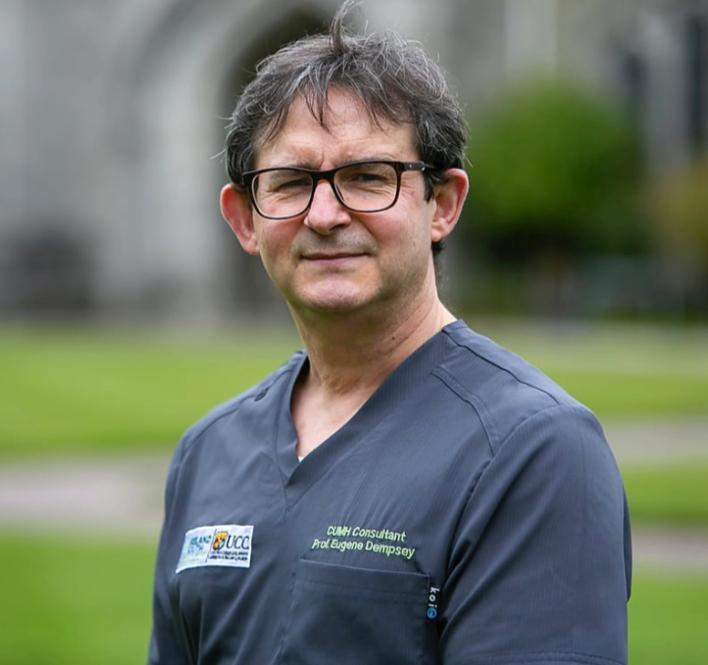
Professor Eugene Dempsey, Principal Investigator at INFANT Research Centre and Consultant Neonatologist at Cork University Maternity Hospital, has been appointed Head of the School of Medicine at University College Cork.

Gene has been part of INFANT since its earliest years, combining clinical care with research focused on improving outcomes for newborn babies and their families.

His new appointment will see him take on a significant leadership role within UCC, while continuing his research at INFANT.

We spoke to Gene about his new role, his priorities for the School of Medicine, and why strengthening connections between clinical care, research and the University will be central to the years ahead.

 —

What does taking on the role of Head of the School of Medicine mean to you?

It’s a great opportunity to build on the strengths we already have across the School of Medicine. I see our foundational science and clinical colleagues as partners in a school striving to deliver top class education, discovery and patient care. There are incredibly talented people working in these areas, and I want to make it easier for them to contribute to the school and feel that they are genuinely part of a connected School.

What are some of your priorities for the School?

One of my priorities is breaking down some of the barriers that can make it difficult to become involved in research and academic activity within the School.

We have a huge body of clinical expertise across our teaching hospitals. I want us to create an environment where people feel supported to contribute, collaborate and develop their own research interests. If we can make that journey easier, we can strengthen both the School and the research culture within it.

Central to this is to strengthen the relationship between our foundational science partners and our clinicians. We have numerous examples of this across the University. Delivering high-quality healthcare requires strong multidisciplinary involvement and this will be a key priority for me in this role.

How important will international collaboration be?

International collaboration is key. Ireland is a relatively small country, and there are important research questions that we simply cannot answer alone.

Continuing to build strong international research networks will be a major part of the years ahead. These collaborations allow us to undertake research at a greater scale, share learnings from colleagues internationally and strengthen UCC’s contribution to research globally.

Will your new role change your involvement with INFANT?

No. I’m not stepping away from research or from INFANT.

I will continue as a Principal Investigator at INFANT and remain heavily involved in our neonatal research programme. For me, the two roles are very much connected. The experience of combining clinical care, multidisciplinary research and collaboration over many years is something I hope to bring to the wider School of Medicine.

After more than 20 years working in neonatal care in Cork, what continues to motivate your research?

Ultimately, it comes back to improving care for patients, in my area that means for newborns and their families.

Clinical care and research inform one another. The questions we encounter in the hospital can shape the research we undertake, and the evidence generated through research can, in turn, change clinical practice. Continuing to bring those two worlds closer together remains hugely important to me.

INFANT PI, Professor Deirdre Murray announced as Chair in Early Brain Injury and Cerebral Palsy

By |2023-10-05T16:23:47+01:00October 6th, 2023|

Friday, 6 October 2023:  Today on World Cerebral Palsy Day, University College Cork (UCC) has announced the appointment of Professor Deirdre Murray as the new Chair in Early Brain Injury and Cerebral Palsy, as part of a new programme of excellence to revolutionise the delivery of cerebral palsy care in Ireland.

In May, the Cerebral Palsy Foundation (CPF) announced that UCC as one of three new clinical and research hubs to help establish Ireland as an international leader in Cerebral Palsy (CP) care and research.

As part of the programme, CPF is investing €1.6 million to advance research in early brain injury and cerebral palsy at the Irish Centre for Maternal and Child Health Research (INFANT), UCC.

A UCC alumnus, Professor Murray graduated from UCC in 1995 before completing paediatric training in Paediatric Intensive Care Medicine in Bristol Royal Hospital for Sick Children, and later working as a Paediatric Intensive care Fellow in the Royal Children’s Hospital, Melbourne. In 2012 she was awarded a prestigious Health Research Board Clinician Scientist Award for the BiHiVE study, an ongoing project focusing on the discovery and validation of biomarkers in neonatal brain injury.

A Consultant Paediatrician, Paediatric Research Lead at INFANT and Professor of Paediatrics, in UCC’s Department of Paediatrics and Child Health, Deirdre’s research is focused on early brain injury and the development of new ways to predict and assess neurocognitive outcome in children.

Rachel Byrne, Executive Director of the Cerebral Palsy Foundation, said: “We established the CP Programme of Excellence to vastly improve the care provided to people with cerebral palsy in Ireland; from childhood right through to adulthood. We know that the correct interventions at an early age can have a huge impact on the lifespan of people living with cerebral palsy. Professor Murray will lead incredibly important research on early brain injury that will inform how we treat and support children with cerebral palsy and ensure they have the best possible outcomes.”

Professor Geraldine Boylan, Director of INFANT, said: “Congratulations to Professor Deirdre Murray on her well-deserved appointment as Chair in Early Brain Injury and Cerebral Palsy at UCC.  Professor Murray’s expertise in this important leadership role will allow us to focus our early brain injury research on early detection and interventions for cerebral palsy.   We are immensely grateful to the Cerebral Palsy Foundation for this strategic funding which also highlights our growing partnership and joint commitment to effect positive change for people with cerebral palsy.”

Professor Deirdre Murray said: “I am very honoured to assume the role of Chair in Early Brain Injury and Cerebral Palsy. This signifies an important step forward and I am committed to leading our research efforts at INFANT in partnership with the Cerebral Palsy Foundation, to make Ireland a leading country for research into early brain injury and more importantly to improve health outcomes for children with cerebral palsy and their families.”

Currently the most common lifelong physical disability acquired during childhood, cerebral palsy is diagnosed in approximately 150 children each year in Ireland. Early diagnosis in babies can lead to much better outcomes. The Cerebral Palsy Foundation’s partnership with UCC will enable researchers at INFANT to generate critical knowledge that will transform outcomes for children with Cerebral Palsy and their families.

Professor John F. Cryan, UCC Vice-President for Research and Innovation said: “Congratulations to Professor Deirdre Murray on her appointment as the new Chair in Early Brain Injury and Cerebral Palsy, and sincere thanks to the Cerebral Palsy Foundation for their continued partnership with UCC. In the coming months, we will launch UCC Futures – Children and UCC Futures – Ageing and Brain Science, and Professor Murray’s research expertise in early brain injury and cerebral palsy will be very important in these two areas of research prioritisation at UCC.”

Professor Helen Whelton, Head of College of Medicine and Health, UCC said: “Congratulations to Professor Deirdre Murray and INFANT Research Centre, UCC for the excellent work being done by our clinicians and researchers to help revolutionise cerebral palsy care in Ireland which will improve health outcomes and so change the trajectory of people’s lives.”

The creation of this new Chair at UCC in Early Brain Injury and Cerebral Palsy will build on an existing collaboration between the Cerebral Palsy Foundation and the INFANT Centre on the ‘Early Detection and Intervention for Cerebral Palsy in Ireland’ study. This is a national, multi-centre cohort study led by INFANT and coordinated by In4kids, the HRB Irish Network for Children’s Clinical Trials.

HRB invests €1.9 million in UCC research to address emerging health challenges

By |2023-10-04T08:12:47+01:00October 4th, 2023|

High blood pressure during pregnancy, strategies for preventing drug overdose and the factors associated with suicide risk in older adults are among the health and social care research projects to receive funding from the Health Research Board’s Postdoctoral Fellowship Scheme.

Five post-doctoral researchers at UCC’s School of Public Health, National Suicide Research Foundation (NSRF) and the Irish Centre for Maternal & child Health Research (INFANT) have received a total of €1.9 million in funding to investigate and find solutions for public health challenges.

Dr Peter Barrett, based in INFANT and the School of Public Health in UCC, has received €830,000 in research funding for his project investigating the long-term impact of hypertensive disorders of pregnancy on maternal health, and exploration of optimal models of follow-up care for affected women in Ireland.

“This project will focus on high blood pressure during pregnancy, and how we use obstetric information to predict the risk of chronic diseases in later life. We know that risk factors during pregnancy can offer insights into long-term maternal health outcomes. There are huge opportunities to harness this information for the prevention of age-related diseases in later life. I am excited to work on this project with the teams in INFANT, the School of Public Health, and with both academic and health service partners from Ireland and overseas. It is important that we apply the research findings here to affected groups in the community, and to the Irish health service,” said Dr Barrett.

The five funded post-doctoral researchers are:

  • Dr Susan Calnan: Improving public health through better implementation of alcohol policy: A multimethod study examining and addressing the factors influencing successful implementation. This research will provide evidence to help policymakers and stakeholders to better understand factors that influence the successful implementation of public health alcohol policy and look at ways to improve these factors so that alcohol policies are effectively implemented to help reduce harms from alcohol. Funding amount: €255,013.
  • Dr Caroline Daly: RESTRICT – REducing intentional overdose: a mixed methods STudy of means RestrICTion interventions. Submitted under the National Suicide Research Foundation – UCC Memorandum of Collaboration, this research aims to prevent intentional overdose by studying the impact of measures to restrict access to drugs. Delivered by a team of individuals from different disciplines including mental health professionals, policy makers, researchers and people with experiences of self-harm, findings from this research will provide a comprehensive understanding of intentional overdose in Ireland and inform future measures to restrict access to drugs and to prevent self-harm and suicide. Funding amount: €284,976.
  • Dr Fiona Riordan: Identifying social determinants and mapping organisational and personal networks to enhance community support for people living with multimorbidity. With people from disadvantaged communities developing chronic health conditions earlier in life, this project aims to find ways to better support people living with multiple conditions within disadvantaged areas in Ireland, and discuss the findings with a range of stakeholders, including policymakers, healthcare managers and representatives from non-clinical community services. Funding amount: €268,243.
  • Dr Isabela Troya: Revisiting suicide prevention in later life: human-centred approaches in an ageing Ireland. Annually in Ireland, over 400 people die by suicide and a further 12,000 are hospitalised following self-harm, of which 15% are older adults. The aim of this study is to improve the understanding of factors associated with self-harm and suicide risk in older adults aged >60 and thus co-produce clinical and policy guidance to reduce suicidal behaviour in older adults. Submitted under the National Suicide Research Foundation – UCC Memorandum of Collaboration, this research should help strengthen and inform national suicide prevention strategies. Funding amount: €266,416.
  • Dr Peter Barrett: An investigation of the long-term impact of hypertensive disorders of pregnancy on maternal health, and exploration of optimal models of follow-up care for affected women in Ireland. This research will answer some of the uncertainties regarding long-term risks following high blood pressure during pregnancy, using existing large-scale datasets of over 2 million mothers in Sweden and follow their progress post pregnancy for up to 48 years. Funding amount: €830,000.

Dr Mairéad O’Driscoll, HRB Chief Executive, said: “We are delighted to announce the latest round of funding in these HRB Postdoctoral Fellowship schemes. They are a key pillar in the HRB’s Research Career Framework. This framework provides a coordinated, coherent approach to building the capacity and capability of academic researchers and health and social care practitioners to respond to current and emerging health research needs.”

Congratulating the five award recipients from University College Cork on their awards, Professor John F. Cryan, UCC Vice President for Research and Innovation said: “Congratulations to these early-career researchers in receiving Health Research Board awards, in key areas which will address critical health and social care challenges. These awards will provide the researchers with an opportunity to enhance their career development and deliver on excellent societal research outcomes.”

IRC Government of Ireland Postdoctoral Fellowship and Postgraduate Scholarship Awardees

By |2023-09-15T14:13:34+01:00September 14th, 2023|

Three INFANT researchers received IRC Government of Ireland Postdoctoral Fellowship and Postgraduate Scholarship Awards.

Minister Simon Harris announced €24.6 million in Irish Research Council funding to support rising researchers and pioneering projects. “I am delighted to announce this investment for a new generation of postgraduate and postdoctoral researchers under the Irish Research Council’s Government of Ireland programmes. These awards will support the development of the next generation of excellent researchers in Ireland, as they pursue new knowledge at the cutting edge of a wide range of disciplines”.

Postdoctoral Fellowship Awardees: 

Marita Hennessy is a Postdoctoral Researcher at INFANT (Pregnancy Loss Research Group). During her two-year fellowship, Marita will develop and pilot test a psychosocial intervention for staff in maternity hospitals/units in Ireland under the mentorship of INFANT PI, Professor Keelin O’Donoghue.

Gillian Maher is a Postdoctoral Researcher at INFANT. During her two-year fellowship, Gillian will develop a novel approach to harness Irish maternal and newborn data to improve pregnancy outcomes for mothers and babies.

Postgraduate Scholarship Awardee: 

Aoife Gallagher is a Clinical Research Fellow with an interest in Pediatric Allergy and Immunology. During her 12-month scholarship she will be working on ARChhIE: A Retrospective Comparison of Irish and Spanish IgE- Medi-ated Egg Allergy Strategies.

Welcoming the announcement, Peter Brown, Director of the Irish Research Council, said: “Early-career researchers represent the future of research and innovation and the funding being announced by the Minister today will support a vibrant knowledge eco-system. This eco-system will benefit and shape the further development of enterprise, public policy and our higher education institutions”.

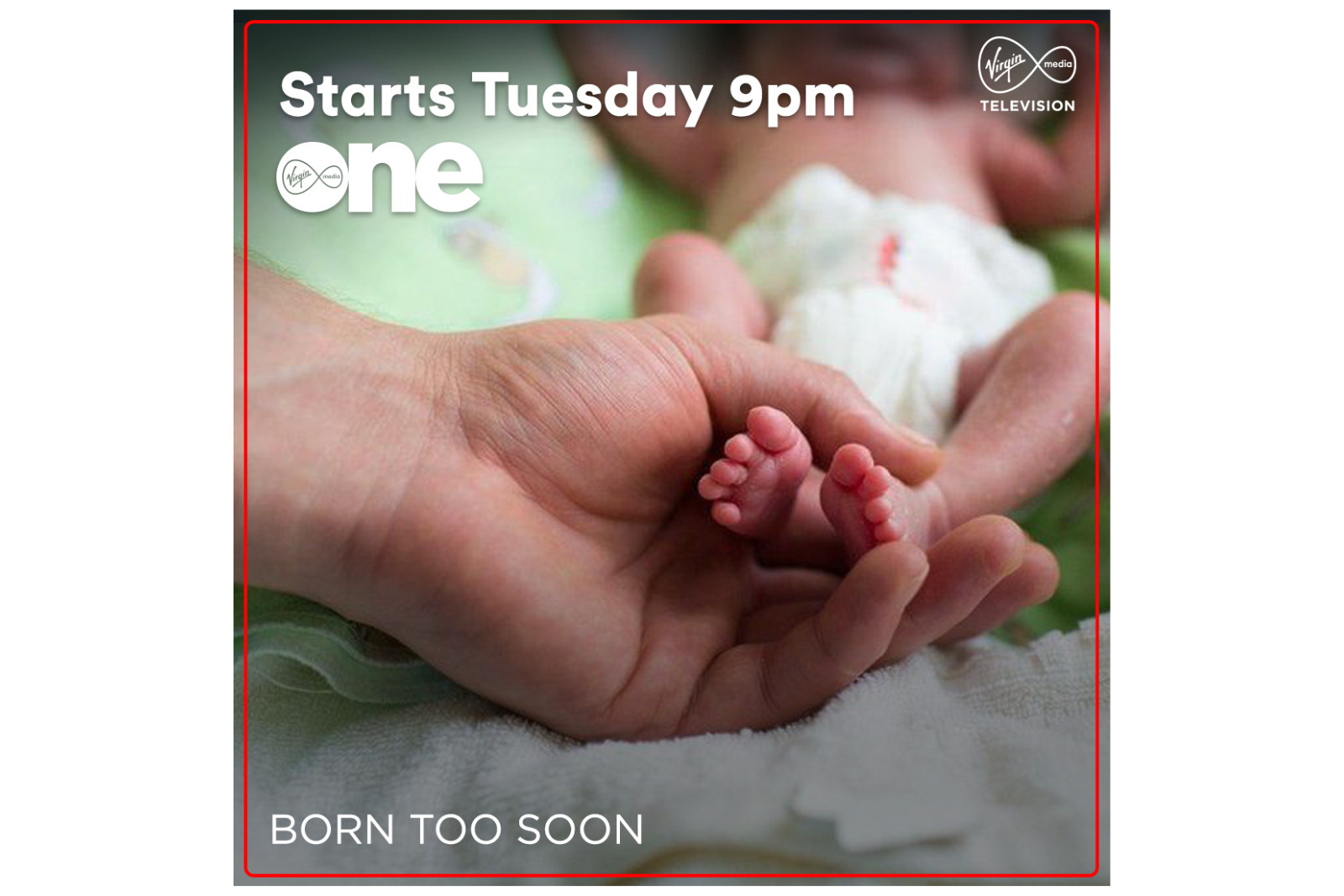
Born Too Soon Airs on Virgin Media One

By |2023-09-04T09:26:20+01:00September 4th, 2023|

Born Too Soon will give an unprecedented look into lives of the hardworking staff who dedicate their lives to caring for vulnerable newborns at CUH’s neonatal unit.

TV crews have been in the hospital all year filming ‘Born Too Soon,’ following the stories of families and medical teams looking after premature babies born at the busy hospital.

At CUH, preemies are given round-the-clock care, with the new series showing the ups and downs of life looking after frail babies – particularly in a time with strict Covid restrictions.

Viewers will get to see the dedication and love put into giving babies born preterm the best chance possible when Born Too Soon starts at 9 pm Tues 5 September on Virgin Media One.

Go to Top