About Comms

This author has not yet filled in any details.
So far Comms has created 393 blog entries.

Preparing for the next pandemic: Lessons from COVID-19, pregnancy and the power of better data

By |2026-09-17T11:05:26+01:00July 2nd, 2026|

Preparing for the next pandemic: Lessons from COVID-19, pregnancy and the power of better data

While COVID-19 may no longer dominate headlines, the lessons learned during the pandemic continue to shape how healthcare systems prepare for future public health emergencies. This is particularly true when it comes to protecting pregnant women and their babies.


When COVID-19 emerged, pregnant women faced uncertainty at every turn. Questions about infection risks, vaccine safety, and the potential impact on unborn babies created anxiety for expectant mothers and challenges for healthcare professionals trying to provide evidence-based guidance in real time.

In the early stages of the pandemic, reliable evidence on the safety and effectiveness of COVID-19 vaccination during pregnancy was limited internationally. In Ireland, only 58% of new and expectant mothers had received a COVID-19 vaccine, while studies from the United Kingdom suggested that unvaccinated pregnant women infected with COVID-19 were more likely to require intensive care treatment.

“Monitoring COVID-19 infection and vaccination during pregnancy is important because we know that during pregnancy a woman can be at greater risk of becoming severely ill from the virus,” explains Professor Ali Khashan, Principal Investigator at INFANT, and Professor in Epidemiology in the School of Public Health, UCC.

“When a vaccine becomes available, there is another question – should pregnant women take the vaccine or not?”

To help answer these questions, researchers from INFANT Research Centre at University College Cork (UCC), in partnership with Ulster University, launched the COVICAT project to better understand COVID-19 infection and vaccination during pregnancy across the island of Ireland.

While the project set out to answer questions about COVID-19 in pregnancy and risk of congenital anomalies, it also uncovered a broader challenge. Researchers found that important health information was often difficult to access and connect across systems, limiting the ability to rapidly generate evidence for pregnant women, clinicians and policymakers during a public health crisis.

One reason these findings matter is that pregnant women are generally excluded from clinical trials of new medicines and vaccines.

Dr Mary O’Mahony, Consultant in Public Health Medicine and collaborator on the project, explains:

“Projects such as COVICAT highlight the importance of robust data systems that allow us to monitor the safety and effectiveness of public health interventions during pregnancy and provide reassurance for women and the healthcare professionals caring for them.”

Reflecting on the project’s wider implications, Dr O’Mahony adds that “validated routine surveillance data can inform pandemic response to improve outcomes.”

Without access to high-quality population data, generating timely evidence during a public health emergency becomes significantly more difficult.

Researchers sought to better understand patterns of COVID-19 infection and vaccine uptake during pregnancy across the island of Ireland, and explore whether infection or vaccination was associated with congenital anomalies during foetal development.

By comparing systems north and south of the border, the researchers identified major differences in how maternal health data was collected, linked and used for research. In Northern Ireland, unique Health and Care identification numbers allowed maternity, infection, and vaccination records to be connected across healthcare databases, enabling population-level research.

In contrast, researchers encountered significant challenges accessing comparable data in the Republic of Ireland. Pregnancy status was not consistently recorded across vaccination and infection databases, while fragmented systems and limited data linkage made it difficult to answer urgent public health questions quickly during a rapidly evolving pandemic.

The lessons from COVICAT were subsequently translated into peer-reviewed publications and a policy brief, which outlined practical recommendations to improve data access, linkage and maternal health surveillance. These recommendations included accelerating the implementation of Individual Health Identifiers (IHIs), strengthening data linkage across healthcare systems and streamlining access to population health data for research and public health decision-making.

“In our experience of seeking to access data about pregnancy and COVID-19 infection and vaccination, once we were put in touch with the right individuals, they were very helpful,” says Professor Khashan. “But there are systemic issues that need to be addressed for the data to be useful for delivering better healthcare.”

Beyond identifying gaps in the system, the project demonstrated how better data can directly support patients and clinicians during future health emergencies.

“Better collection and use of data would help the healthcare system to prepare initially and then monitor the health of these populations during an emergency,” says Professor Khashan. “This would provide reliable evidence to inform timely public health interventions and support to help them.”

For pregnant women and healthcare professionals, this means faster access to the evidence needed to make informed decisions during future public health emergencies.

The project’s European analysis, using EUROCAT data, is expected to contribute valuable evidence around COVID-19 infection, vaccination uptake, and risk of congenital anomalies, helping clinicians provide informed advice and reassuring pregnant women who may have concerns about vaccination.

The work reinforced the importance of cross-border collaboration in addressing shared healthcare challenges. The partnership brought together expertise in public health, epidemiology, maternal health, congenital anomaly surveillance and health data research from both sides of the border.

“The all-island approach was critical because infections know no borders,” says Dr Maria Loane, Leader of the Centre for Maternal, Fetal an Infant Research at Ulster University and Co-Principal Investigator of COVICAT. “Bringing together expertise and data from both jurisdictions allowed us to compare healthcare systems, identify important gaps and demonstrate why stronger maternal health data infrastructure will be essential for responding to future pandemics and public health emergencies.”

The collaboration demonstrated how research partnerships can help identify shared challenges, accelerate learning and generate evidence that improves healthcare policy and future pandemic preparedness.

Although the pandemic has passed, the lessons from COVICAT remain highly relevant. The project demonstrated that protecting pregnant women and babies during public health emergencies requires not only scientific expertise, but also accessible health data, strong research partnerships and collaboration across healthcare systems.

Through collaborative research and all-island partnership, COVICAT has helped strengthen understanding of how health systems can better support pregnant women, clinicians and policymakers during times of crisis, while helping to build more resilient healthcare systems for the future.


Further reading

COVICAT was recently featured in the Higher Education Authority’s North South Research Programme: Insights on Impact report, which showcases the impact of all-island research collaborations.
 

From Evidence to Impact: Dr Chrsitine Cassidy Opens UCC Futures Children Seminar Series

By |2026-05-20T12:53:02+01:00May 20th, 2026|

The inaugural UCC Futures Children seminar of the year brought together researchers, clinicians, academic and professional staff, and others interested in improving outcomes for children and families.

Opening the event, Professor Geraldine Boylan, Director of UCC Futures Children and INFANT Research Centre, highlighted the importance of creating stronger connections across disciplines at University College Cork (UCC), recognising that children’s outcomes are shaped not only by healthcare, but by education, family supports, environment and wider social systems.

Reflecting on the importance of implementation and impact, Professor Boylan noted:

“If we can’t implement research into practice, policy, systems or technology, what was the point of doing it in the first place?”

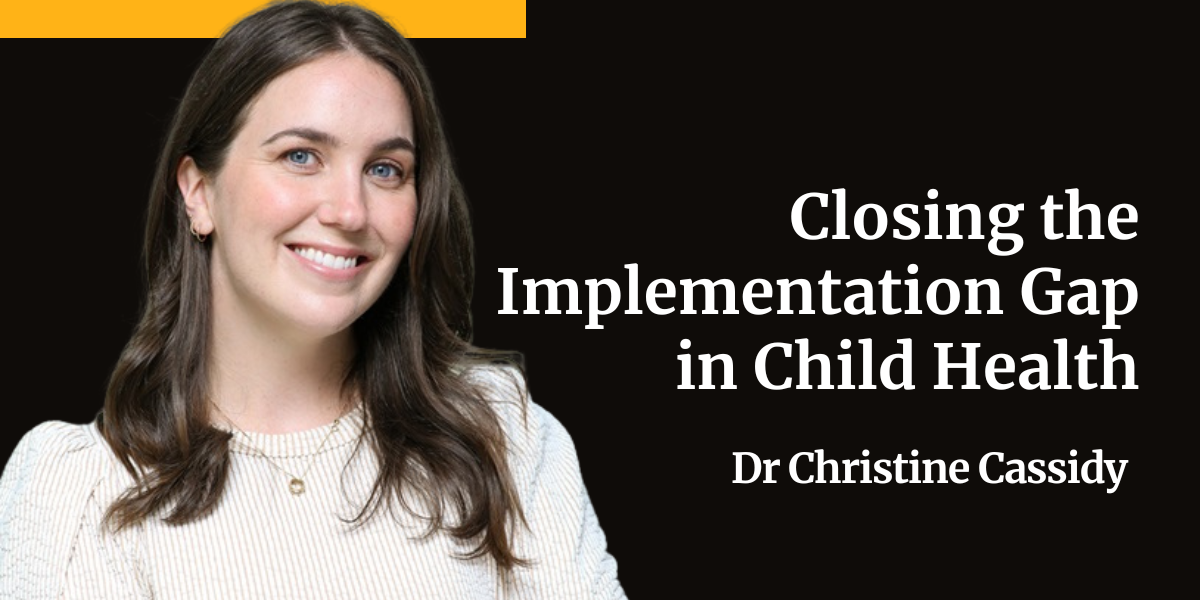
The keynote lecture was delivered by Dr Christine Cassidy, Associate Professor at Dalhousie University and Clinician Scientist specialising in child health at IWK Health. Introduced by Dr Rachel Flynn, School of Nursing, UCC, Dr Cassidy explored why implementation science and knowledge translation are essential to ensuring research delivers real-world change.

A central theme of the talk was the persistent gap between research and practice. Cassidy highlighted that despite the volume of healthcare research produced globally, evidence does not always translate into practice or policy, while some care delivered may still be low-value or even harmful.

Dr Cassidy emphasised that implementation should not be considered an afterthought once research is complete.

“We need to design research with implementation and impact in mind from the very beginning.”

Throughout the seminar, Dr Cassidy highlighted the importance of research co-production approaches that involve researchers, clinicians, patients, families and communities throughout the research process to ensure findings are relevant, usable and sustainable in real-world settings.

Drawing on examples from her work at the IWK Health Centre, Dr Cassidy demonstrated how collaborative implementation approaches can successfully bridge the gap between evidence and practice, particularly in improving transitions from paediatric to adult healthcare services.

Key themes that emerged from the talk included:

  • Embedding implementation and impact planning into research from the outset
  • Building stronger partnerships between researchers, clinicians, patients and families
  • Developing implementation science capacity within health systems
  • Creating “learning health systems” that continuously connect data, research and care
  • Ensuring equity and sustainability are integrated throughout implementation processes

Dr Cassidy also shared practical examples from her own implementation science research throughout the seminar, illustrating how evidence can be successfully translated into practice. Her presentation, including links to related publications and projects, has kindly been shared here: UCC Futures Children – Christine Cassidy Presentation 2026

The seminar reinforced the vision behind UCC Futures Children: bringing together expertise across disciplines to support research that not only advances knowledge, but creates measurable improvements in children’s lives.

Building stronger evidence for better maternal and child health in East Africa

By |2026-05-06T14:16:53+01:00May 6th, 2026|

Building stronger evidence for better maternal and child health in East Africa

By Jimmy Patrick, Alunyo PhD fellow, Uganda

Every day across East Africa, thousands of pregnant women miss antenatal care appointments not because they do not care, but due to barriers such as distance, cost, competing responsibilities, or simply forgetting. When these visits are missed, early warning signs such as infections, high blood pressure, or pregnancy complications go unnoticed, putting both mothers and babies at risk.

Improving maternal and child health depends on stronger health systems. It requires stronger evidence to guide care, policy, and innovation.

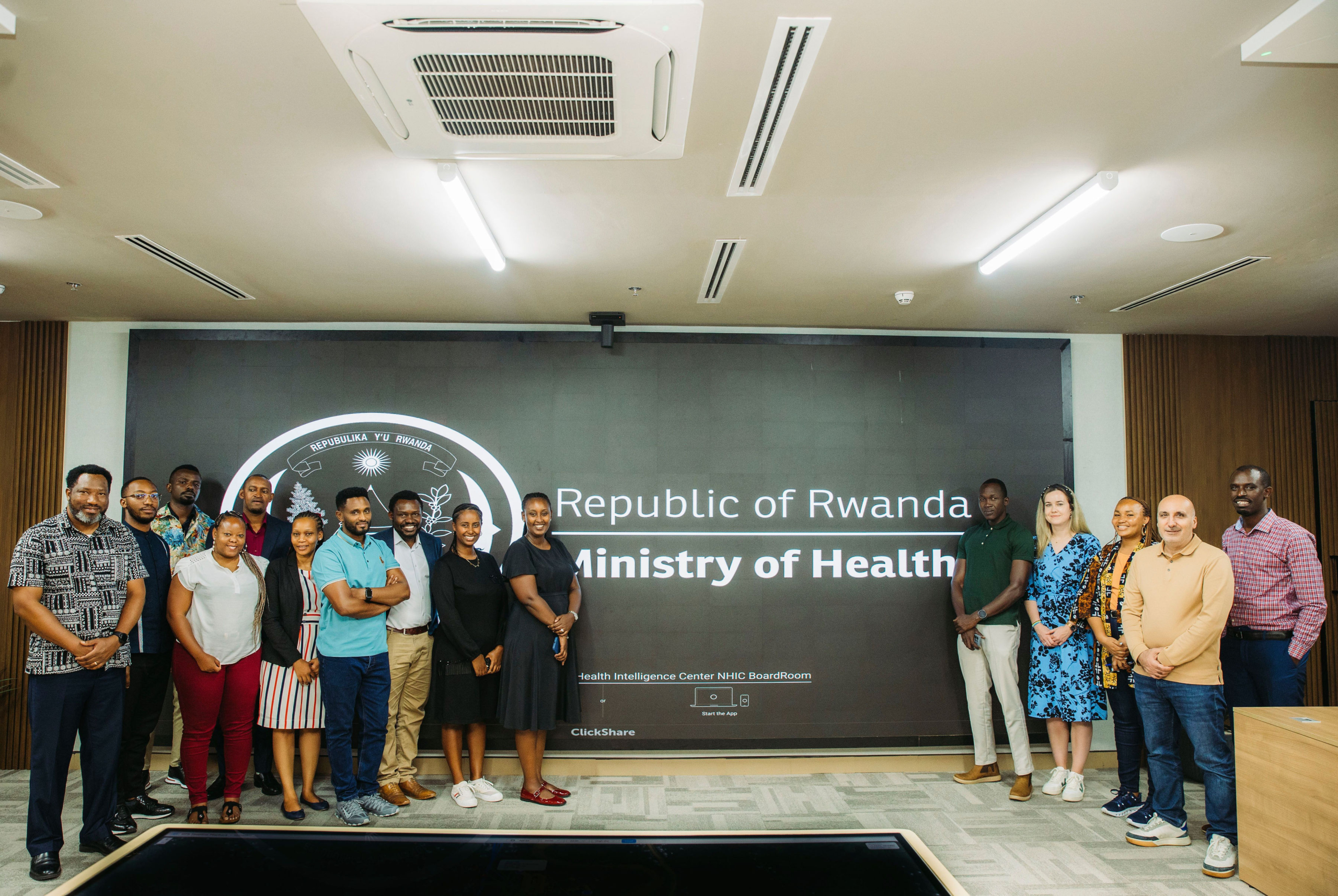
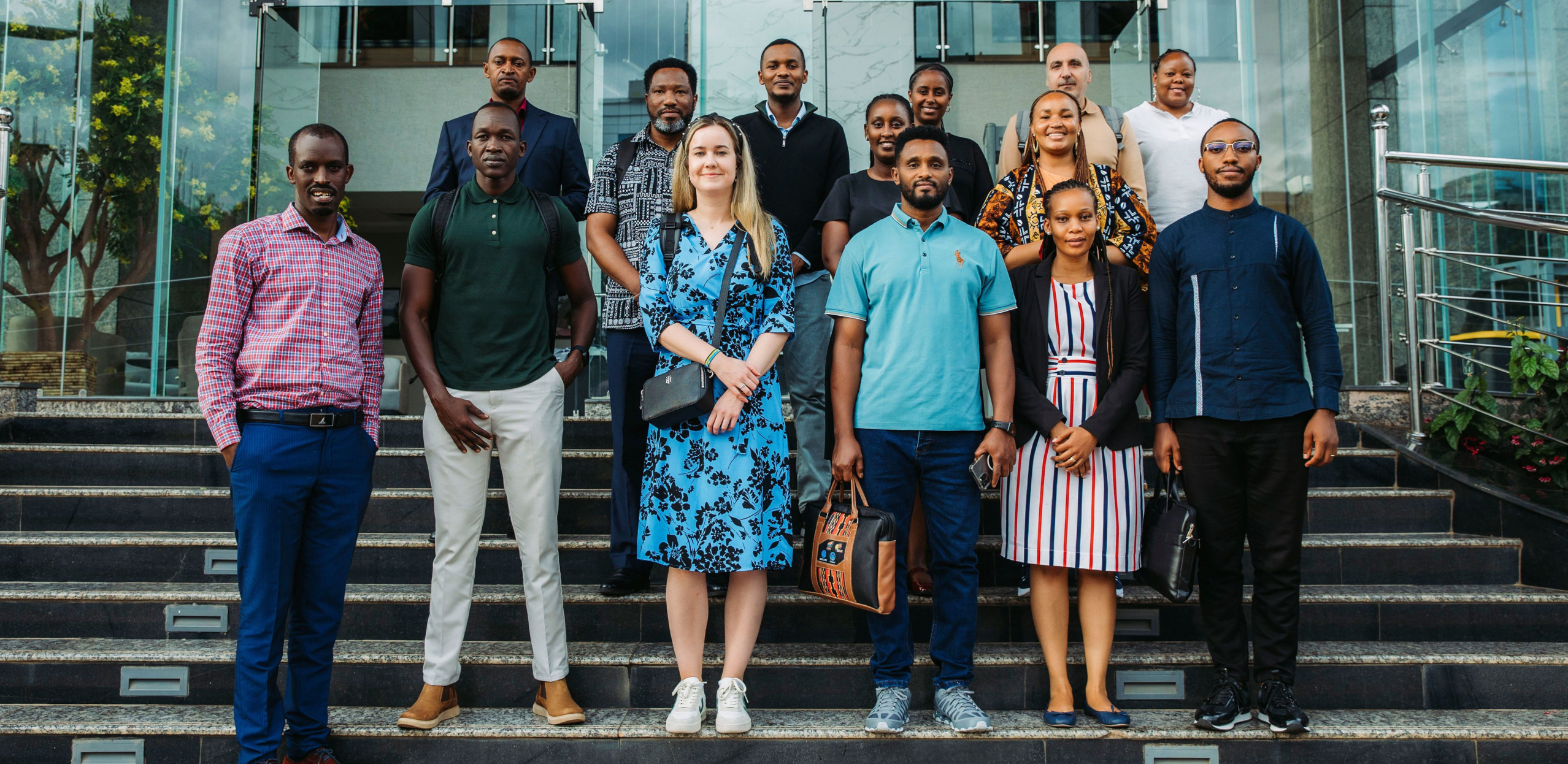
That is why the LINDA-FAMILIA Project brought together nine PhD students and one postdoctoral researcher in Kigali, Rwanda for a four-day intensive training on systematic review and meta-analysis.

The training, held from 20-24 April 2026, focused on helping students build and bring together evidence across different areas of the project, particularly within Work Package 3 (Intervention Evaluation) and Work Package 4 (Clinical Research). Throughout the week, participants developed practical skills in writing research protocols, searching scientific literature, extracting and reviewing data, and analysing results using Review Manager (RevMan).

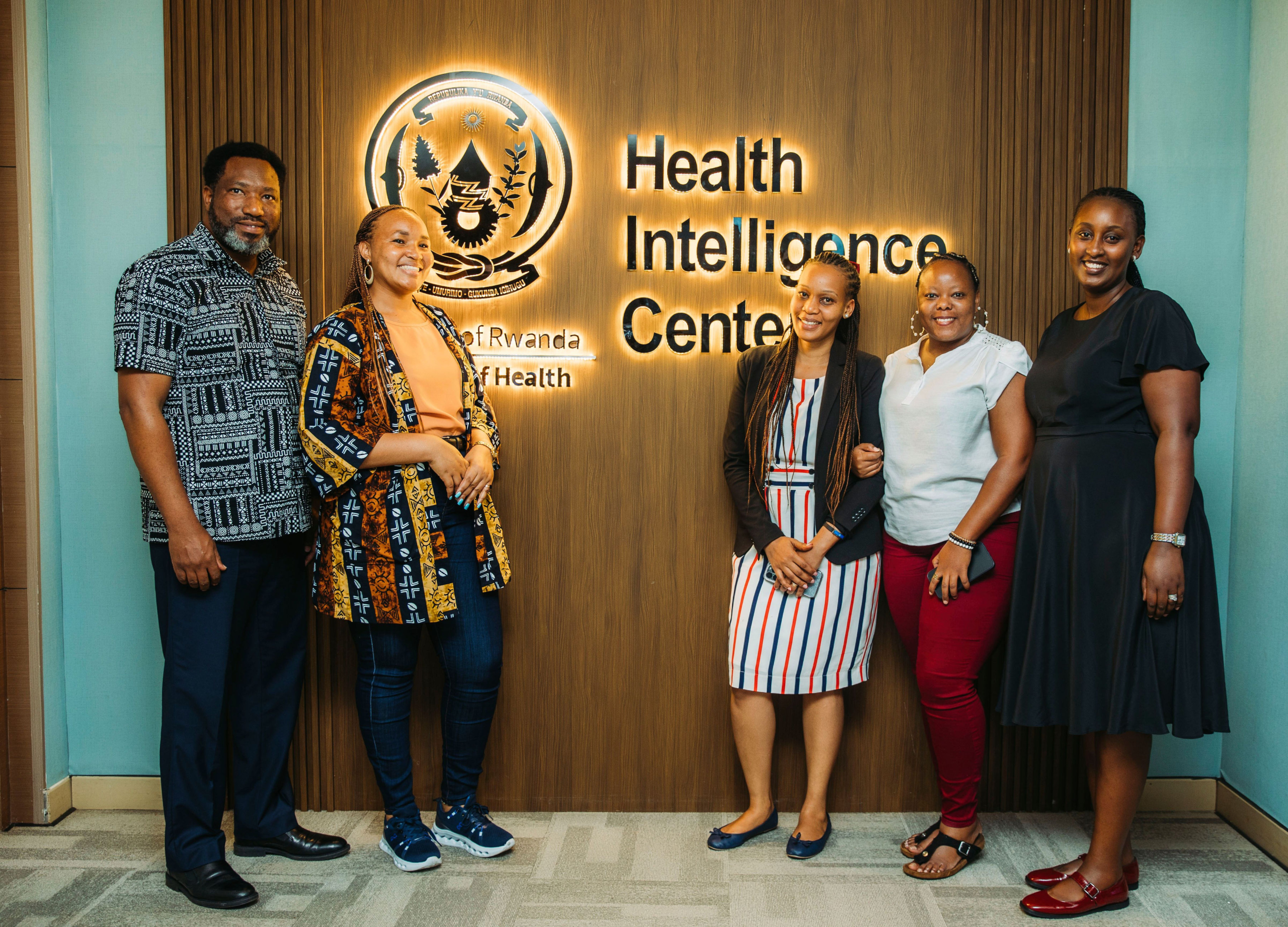
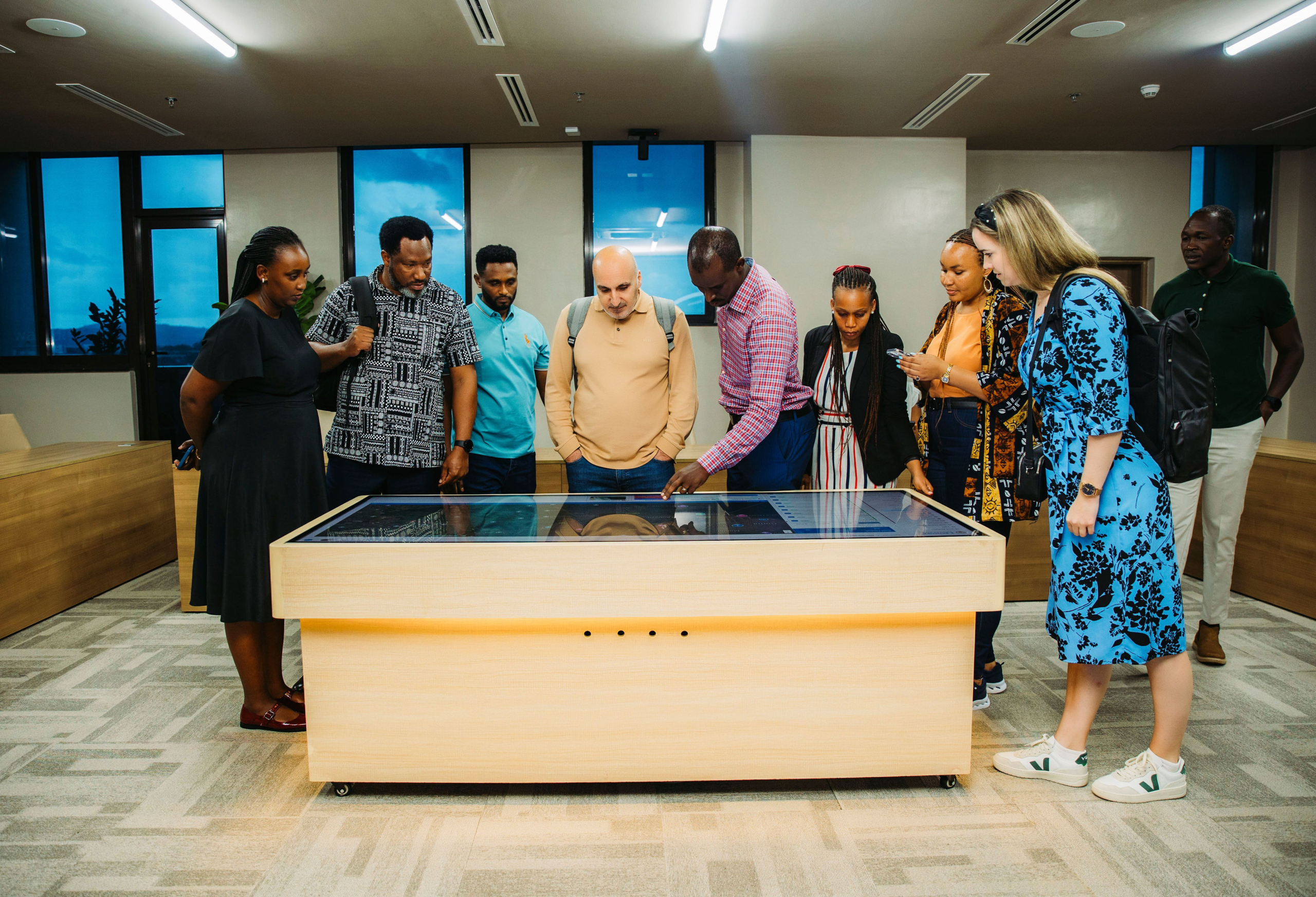
The workshop also extended beyond the classroom. Through visits to Rwanda’s National Health Intelligence Center, students saw how health data is used in real healthcare settings to support decision-making.

For many, the training shifted how they think about research.


Reflecting on the week, PhD student Espoir shared that one of his biggest lessons was the importance of reading more deeply and intentionally. For him, understanding the existing literature is not just a requirement for PhD proposal development, but the foundation for identifying gaps and building stronger research questions.

For PhD student Jimmy, the training built confidence in assessing the quality of research.

“The training increased my confidence in assessing the quality of evidence using tools like the Cochrane Risk of Bias Tool and the Newcastle-Ottawa Scale, understanding heterogeneity, and conducting subgroup analysis. These skills will directly support the scoping review we are conducting under WP4.”

PhD students Jimmy, Hiwot and Rehema, are currently working on a review exploring the use of SMS reminders in maternal healthcare across East Africa. This work will help inform one of LINDA-FAMILIA’s upcoming clinical trials.

Looking ahead, Professor Ali Khashan encouraged students to continue building their skills in epidemiology and biostatistics, stay connected with supervisors, start writing early, and prepare abstracts for the upcoming EDCTP Conference in Madrid.

Special thanks go to Dr Gillian Maher for leading much of the training and to the Rwanda team for hosting a productive week of learning, reflection, and collaboration.

At the heart of the LINDA-FAMILIA project is a focus on strengthening researchers, because better evidence can lead to better care for mothers, babies, and families across East Africa.


The gender gap in autism: why we need to do better for girls

By |2026-04-02T09:25:18+01:00April 2nd, 2026|

The gender gap in autism: why we need to do better for girls

Autism diagnosis can be a long and complex process. For some children, assessment takes years. Girls in particular are often identified much later than boys, sometimes not until adolescence meaning they can miss years of support when it matters most.

At the INFANT Research Centre in University College Cork, Dr Jane English is investigating whether biological signals present at birth could help change that timeline.

Her research focuses on identifying early-life biomarkers that may one day support earlier identification of autism, particularly those who could benefit from additional monitoring and support.

The aim is not to diagnose autism at birth, but to build the scientific foundation for earlier screening. If successful, this work could help reduce delays in identification and ensure more children, especially girls, receive support earlier in life.

“The overarching goal is to facilitate early intervention in children with autism.” English explains. “At the moment, diagnosis is complex, and quite often children are not diagnosed until the ages of four or five, and in some cases, much later”.


A system under pressure

In Ireland, autism diagnosis typically involves a multidisciplinary team assessment. While comprehensive, the system is under significant strain.

“There are thousands of families on waiting lists for a first-time autism assessment, with waiting times exceeding two years,” English says. “It is extremely challenging for families.”

Early intervention services such as speech and language therapy, occupational therapy and structured parent support can significantly improve a child’s development and quality of life.

However, timing is only part of the challenge. Gender also plays a role in when and how autism is recognised.


Why girls with autism are often missed

“We tend to catch boys earlier than girls,” English says. “The diagnostic criteria were largely designed around male-dominated profiles, and some females with autism do not fit this pattern.”

While boys may show more outward behaviours that are easier to recognise, girls are more likely to internalise their difficulties. They may appear shy or anxious while masking social discomfort and sensory challenges. As a result, their needs often go unnoticed, or they are misdiagnosed with anxiety or depression.

Recent research suggest that Autism is just as common in girls as in boys, yet boys are up to four times more likely to be diagnosed in childhood.

“The girls are there, but the system is just failing to see them” says English. “Delaying a diagnosis does not mean she is ‘fine’.  It means she misses crucial support.”

This gap also affects research. Studies have historically focused more on males, limiting understanding of how autism presents biologically in females. Expanding female-focused research is therefore central to improving identification and support.


Investigating early-life biology

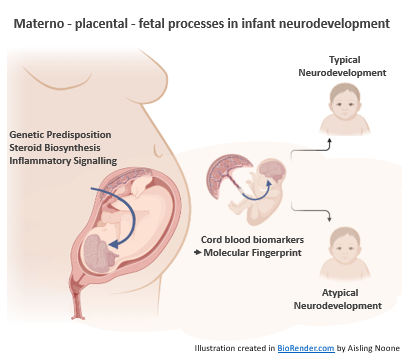
We know autism begins in the womb. That is why Dr English’s research focuses on the prenatal environment and the interaction between mother, placenta, and fetus.

Her team studies maternal cord blood collected immediately after delivery to identify molecular patterns linked to later autism diagnosis.

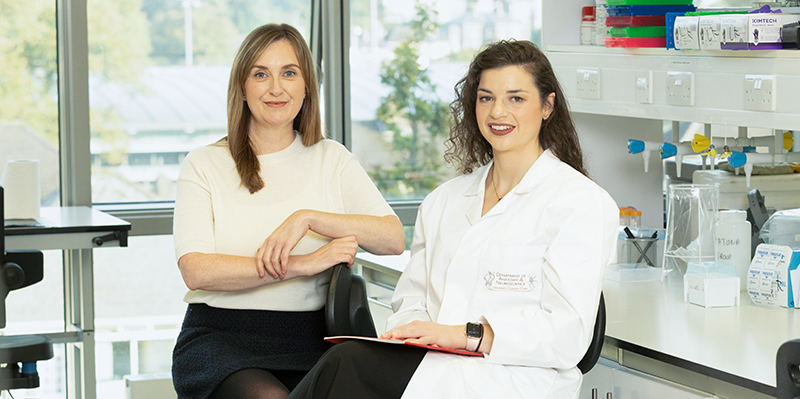
“We are looking for a molecular signature, like a fingerprint, in cord blood at birth,” explains Aisling Noone, a final year PhD student in the Department of Anatomy & Neuroscience.

Using large bio-banked pregnancy cohorts, researchers compare samples from children who later received an autism diagnosis and compare them with neurotypical children. This allows them to identify biological pathways associated with neurodevelopment.

This work is still in the discovery and validation phase.

“This type of research takes time,” English says. “The priority is to understand the biology properly and to replicate findings across populations.”

The team is particularly interested in inflammation and steroid biology during pregnancy. These factors alone cannot predict autism, but alongside genetic susceptibility they may offer important clues about how early development shapes later outcomes.

Understanding complexity

Autism is influenced by a complex interplay of genetic, biological and environmental factors. Rather than focusing on single markers, English’s team integrates multiple layers of information to help predict outcome.

This includes biomarker data alongside maternal clinical information such as mental health, stress, pregnancy complications, infection, and infant birth weight. Machine learning models are then used to explore how these factors interact.

“Instead of stripping away complexity, we incorporate it,” she says. “If something is going to be useful in practice, it has to work in the real world.”

This approach represents a shift towards understanding networks of risk and resilience, rather than searching for a single defining cause.


From discovery to responsible translation

The long-term ambition is not to provide a definitive diagnosis at birth. English is careful to draw that distinction.

“If the evidence supports it, this could one day contribute to a voluntary approach that helps families understand their child’s needs earlier.” English says.

In principle, such a system might resemble existing newborn screening frameworks, where parents opt in and receive information that supports monitoring and follow-up. Any future screening pathway would require extensive validation, ethical evaluation and close collaboration with clinicians and families.

For now, the work remains focused on strengthening the scientific evidence.


Looking ahead

Translating biomarker research into screening tools will take time, larger datasets, and continued collaboration across research and clinical communities. Expanding female-focused studies will also be essential so future approaches reflect the full diversity of how autism presents.

Much remains to be understood about how early biological signals relate to later neurodevelopment. But by investigating the earliest stages of life, this research is helping to build a stronger foundation for earlier identification.

Over time, these advances could help ensure that fewer children wait years for answers, and that girls who are currently overlooked are recognised earlier and supported sooner.


Acknowledgements:

This research was supported by the Irish Health Research Board (HRB) through an award to Dr Jane English.

For those interested in following this research or supporting future work in this area, please contact Merrin Browne, Research Engagement and Partnerships Manager, at merrinbrowne@ucc.ie or help support future research here.


Supporting parents through pregnancy loss with compassion and consistency

By |2026-03-25T08:03:04+00:00March 24th, 2026|

Supporting parents through pregnancy loss with compassion and consistency

Pregnancy loss and perinatal death are among the most devastating experiences a family can face. At such a time, parents need not only empathy, but clear, consistent support. Yet historically, the care families received in Ireland varied widely depending on where and how their baby died, adding uncertainty and distress to an already painful experience.

INFANT Principal Investigator Professor Keelin O’Donoghue, alongside colleagues in the Pregnancy Loss Research Group, led the development of the HSE National Standards for Bereavement Care Following Pregnancy Loss and Perinatal Death in response to this gap.

Developed following recommendations from the 2013 investigation into the death of Savita Halappanavar, the standards were designed to ensure that every parent, regardless of where they receive care, is met with compassion, dignity, and respect.

Launched nationally in 2016 after an extensive multidisciplinary development process, the standards provide a clear, evidence-based framework for maternity services. They support parents experiencing all forms of pregnancy loss, from early miscarriage to stillbirth, neonatal death, and life-limiting fetal diagnoses.

Designed as a resource for both healthcare professionals and parents, the standards guide every aspect of care. This includes how difficult news is communicated, how parents are supported in decision-making, opportunities for memory-making, and the provision of follow-up and longer-term bereavement support. They also recognise the emotional impact on healthcare staff and emphasise the importance of structured supports for those delivering care.

Researchers from the Pregnancy Loss Research Group have remained central to this work beyond development. They have helped drive national implementation across all maternity units in Ireland, contributing to training, audits, education programmes, and the creation of resources such as the national pregnancy and infant loss website. Their research has directly shaped key areas including communication, staff support, care after stillbirth, pregnancy after loss, and support following diagnoses of life-limiting fetal conditions.

By embedding compassion into national practice, these standards have transformed bereavement care in Ireland. Parents are now more likely to receive consistent, sensitive support at every stage of their journey, while healthcare professionals are better equipped to respond to both the immediate and long-term needs of bereaved families.

This work continues to evolve, with ongoing research and national oversight ensuring that care keeps improving. At its core is a simple but vital goal: that no parent faces pregnancy loss without the understanding, support, and dignity they deserve.


Biomarkers to enable early treatment of newborn brain injury

By |2026-03-25T08:03:30+00:00March 24th, 2026|

Biomarkers to enable early treatment of newborn brain injury

Lack of oxygen to the brain at birth affects almost 200 babies in Ireland each year and more than two million infants globally. This condition, known as hypoxic ischaemic encephalopathy (HIE), is a leading cause of newborn death and long-term neurological disability, including cerebral palsy.

Early diagnosis is critical, as treatments such as therapeutic hypothermia, or brain cooling as its often known, must be initiated within a narrow time window to reduce brain injury and improve outcomes. Yet identifying which babies will benefit from treatment remains a major clinical challenge.

Researchers at INFANT, working with collaborators at University College Cork and the Karolinska Institute in Sweden, identified and validated two blood-based biomarkers that can aid the early detection of birth-related brain injury. These biomarkers are microRNAs, small strands of genetic material found in umbilical cord blood, which were shown to be significantly reduced in newborns with HIE.

The research, led by INFANT Researcher, Professor Deirdre Murray, and involving umbilical cord blood samples from 170 newborn babies in Ireland and Sweden, demonstrated consistent biological patterns across populations, strengthening their potential clinical relevance.

As Professor Murray explains:

“Early diagnosis is critical in babies affected by hypoxic ischaemic encephalopathy. Our research shows consistent biological signals across different populations, which is a vital step towards identifying brain injury when treatment decisions matter most.”

By providing an early biological signal of injury, these biomarkers could support faster identification of infants who need urgent intervention and help guide transfer to specialist centres for brain cooling therapy.

INFANT Director Professor Geraldine Boylan highlights the broader significance of the work:

“This research demonstrates how sustained, collaborative effort can advance neonatal care. It reflects INFANT’s commitment to developing evidence that has real potential to improve outcomes for babies and families.”

Supported by funding from the Health Research Board and the National Children’s Research Centre, this research represents almost a decade of focused investigation into early brain injury. It is an important step towards improving diagnosis and care for newborns affected by HIE.


Predicting pre-eclampsia before it becomes dangerous

By |2026-03-25T08:04:00+00:00March 24th, 2026|

Predicting pre-eclampsia before it becomes dangerous

For many women, pre-eclampsia arrives without warning. What begins as a healthy pregnancy can suddenly become life-threatening, with serious consequences for both mother and baby. Despite affecting around 5% of first-time mothers, clinicians have had limited tools to predict who will develop the condition.

INFANT researchers aimed to change that uncertainty.

Using advanced metabolomic technologies, the team studied subtle changes in blood chemistry during pregnancy and identified a unique set of biomarkers linked to the later development of pre-eclampsia. These biomarkers make it possible to identify women at risk before clinical symptoms appear.

Early prediction changes everything. Women identified as high-risk can be monitored more closely, receive preventative treatments, and make informed decisions alongside their healthcare team. For clinicians, it enables targeted care rather than reactive treatment. For families, it offers something previously unavailable: time.

By shifting pre-eclampsia care from crisis response to early prevention, this research has the potential to save lives and reduce long-term complications for mothers and babies alike.


From research to real-time care: the ANSeR study

By |2026-03-25T10:54:51+00:00March 24th, 2026|

From research to real-time care: the ANSeR study

Babies admitted to neonatal intensive care due to complications during pregnancy are at high risk of brain injury and seizures, which can have lifelong consequences if not detected and treated early. Yet newborn seizures are notoriously difficult to identify, often showing no visible signs.

The ANSeR (Automated Neonatal Seizure Recognition) study was established to address this challenge. Led by Professor Gene Dempsey and Professor Geraldine Boylan and developed in collaboration with engineers at the INFANT Centre at University College Cork, the study focused on combining neonatal medicine, brain monitoring, and advanced algorithms to improve seizure detection.

Electroencephalogram (EEG) monitoring records a baby’s brain activity but interpreting these complex signals requires specialist expertise. This expertise however is not always available in neonatal units, particularly outside normal working hours. ANSeR was designed to act as an “EEG expert at the cot side”, available 24 hours a day.

Using algorithms trained to recognise seizure patterns, ANSeR continuously analyses brain activity and alerts clinical teams when seizures are detected. This enables faster intervention, more timely treatment, and better protection for the developing brain.

The ANSeR study demonstrates how interdisciplinary research at INFANT – bringing together clinicians, engineers, and data scientists – can translate directly into tools that improve care for vulnerable newborns and support clinical decision-making when it matters most.


Parents’ voices helping shape cerebral palsy research

By |2026-03-24T15:45:54+00:00March 24th, 2026|

Parents’ voices helping shape cerebral palsy research


Research is strongest when it reflects the realities of the people it aims to support.

At the INFANT Research Centre at University College Cork (UCC), parents are helping shape cerebral palsy research through the Cerebral Palsy Parent Advisory Group (CP-PAG). The group is part of the wider ELEVATE research programme and the National Cerebral Palsy Programme, which aim to improve early diagnosis, care pathways and long-term outcomes for children with cerebral palsy in Ireland.

The advisory group brings together parents who share their lived experience to help guide research aimed at improving care, support and outcomes for children with cerebral palsy.

For Cerebral Palsy Awareness Day (25 March), INFANT is highlighting the role parents play in ensuring research reflects the priorities and everyday experiences of families.

Parents involved in the group say their perspectives help researchers better understand what life with cerebral palsy looks like beyond clinical settings.

“We are living the reality every day,” says Kirsty, whose four-year-old son Andre has spastic quadriplegic cerebral palsy.

“We can offer perspective into things researchers might not realise are important but matter greatly to families.”


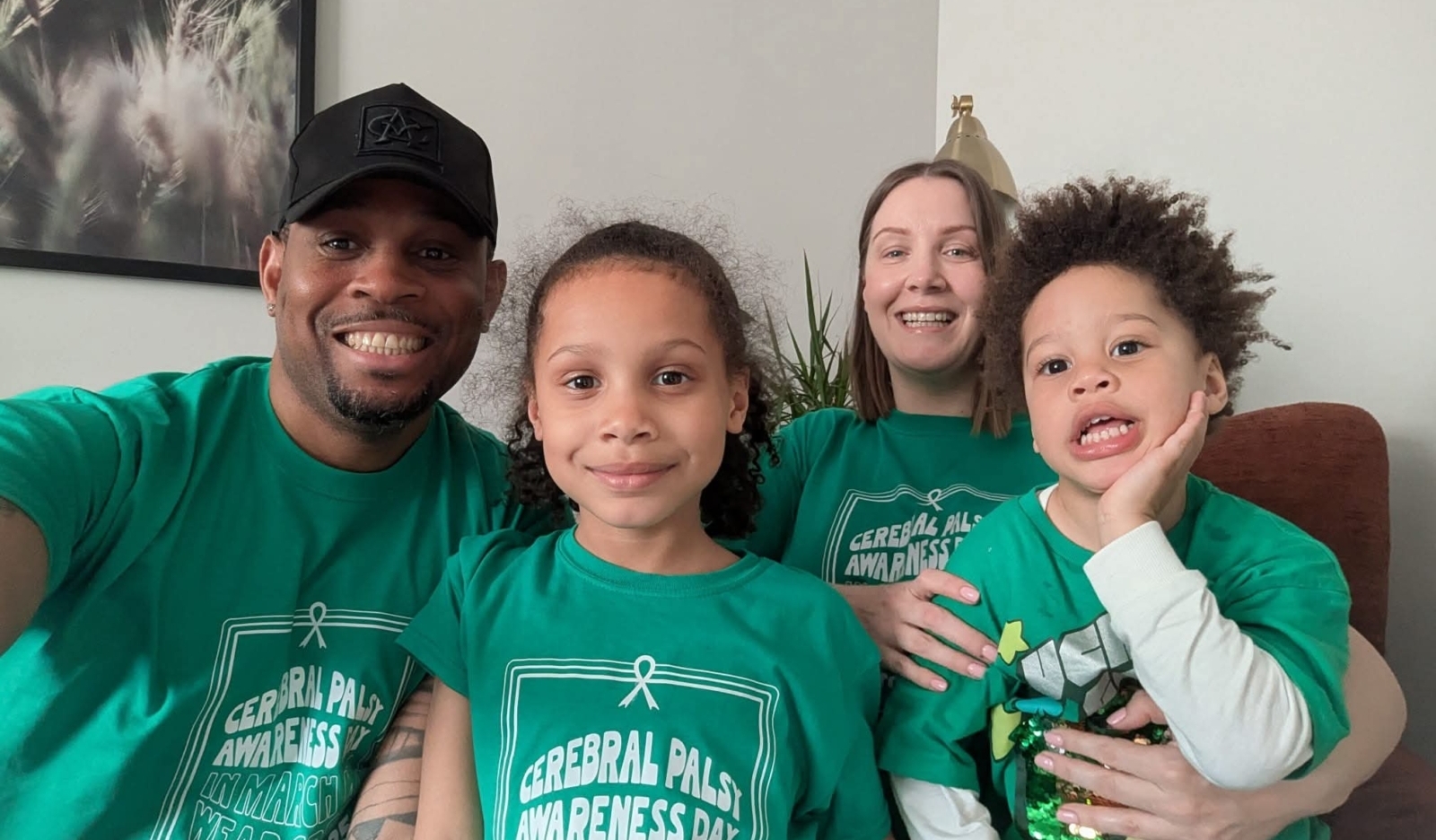
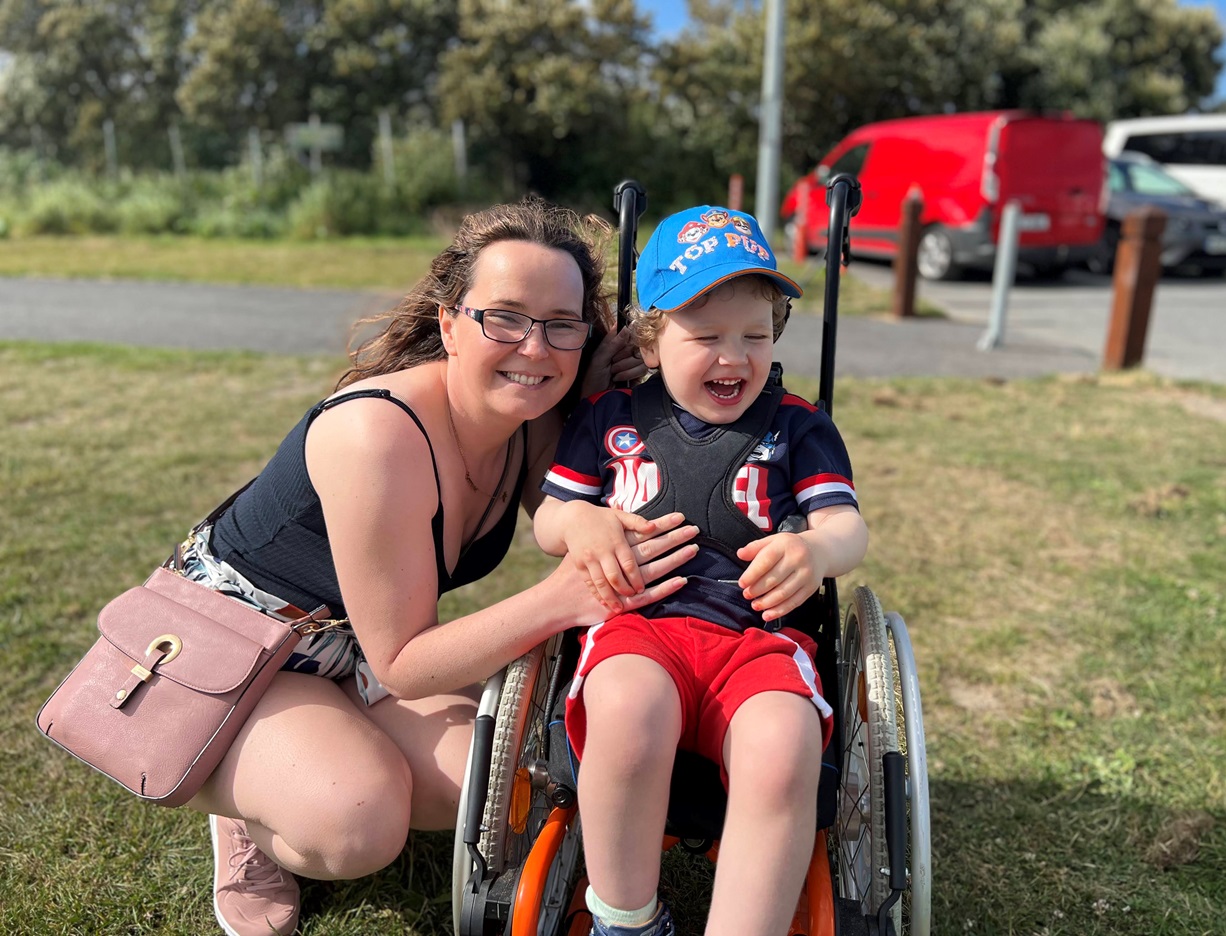
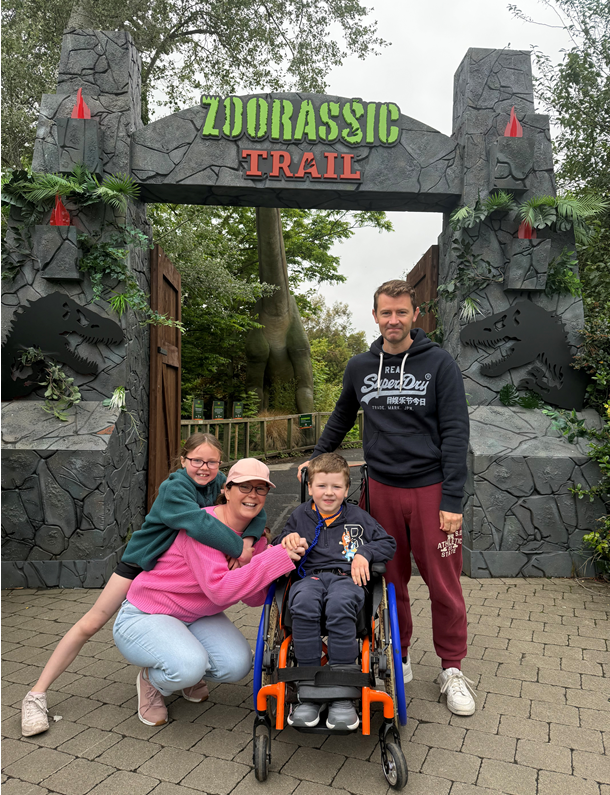
Pictured left, Kirsty Diaso with her husband, daughter, and son Andre, who has spastic quadriplegic cerebral palsy; pictured right, Kirsty and Andre.


Why lived experience matters in research

Cerebral palsy is a lifelong neurological condition that affects movement, posture and coordination. For many families, the journey after diagnosis involves navigating therapies, services and everyday challenges that are not always visible in clinical research.

Cristín, whose six-year-old son Alex was diagnosed shortly after his first birthday, says involving parents helps bring a human perspective to research.

“Involving parents transforms research from a clinical study into a human-centred one,” she explains.

“Parents bring lived experience that can help researchers understand what families are going through, especially during the emotional and uncertain time around diagnosis.”

Parents in the advisory group contribute in a number of ways, including helping shape research questions, reviewing study design and ensuring research priorities reflect what matters most to families. They have also contributed to over 20 research studies and helped develop national resources for families, making research more accessible and relevant to those living with cerebral palsy.


Understanding the realities families face

For many parents, everyday life highlights the barriers that still exist for children with disabilities.

Cristín says some challenges are small but persistent.

“Sometimes it’s things like trying to find adapted shoes that fit over orthotics or checking whether somewhere is accessible before we go out.”

Others highlight wider inequalities in systems designed without disabled children in mind.

She points to the contrast between her children’s school journeys.

“One child can walk ten minutes to school, while the other has to sit on a bus for over an hour to attend a special school that can meet their needs.”

Experiences like these help researchers understand the broader social and practical challenges families face every day.


Challenging assumptions about disability

Parents also hope greater awareness will help challenge assumptions about children with physical disabilities.

Cristín says one of the biggest challenges Alex faces is not always mobility.

“It’s the assumption that because he has a physical disability, he cannot understand what people are saying,” she says.

“I would love to see more people stop talking past Alex to me. Get down to his level and speak directly to him.”
For families, awareness is not only about understanding the condition itself, but also about recognising the abilities, personalities and voices of the children living with it.


Pictured left: Cristin McCormack, and son Alex, who was diagnosed with cerebral palsy shortly after his first birthday; pictured right, the family enjoying a day out together.


From lived experience to better research

Since her son’s diagnosis, Kirsty has taken a strong interest in cerebral palsy research and how it can improve care and support for families.

She recently launched Cerebral Palsy Social (@cerebralpalsysocial), a support network for parents and caregivers of children with cerebral palsy.

For her, contributing to research is another way parents can help shape a better future.

“Cerebral palsy is not a curable condition,” she says. “But with the right therapies, supports and understanding, people with cerebral palsy can thrive and live full lives.”

She believes involving parents in research focuses on outcomes that truly matter to children and families. Embedding parent voices in research from the outset also means programmes like ELEVATE can drive real-world improvements in care, support and outcomes for children and families across Ireland.


Looking toward a more inclusive future

For parents like Kirsty and Cristín, Cerebral Palsy Awareness Day is an opportunity not only to raise awareness but also to build understanding.

“To me, CP Awareness Day is about bridging the gap between awareness of CP as a label and a true understanding of what a diagnosis means,” says Cristín.

“It’s an opportunity to celebrate our amazing children while also highlighting the challenges families face and working toward a future where every child with cerebral palsy grows up in an inclusive and supportive community.”

Through initiatives such as the Cerebral Palsy Parent Advisory Group, parent voices are helping ensure research reflects the realities of families and contributes to better care and support in the future.


Postdoctoral Researcher Opportunity

By |2026-03-24T12:47:22+00:00March 24th, 2026|


Postdoctoral Researcher Opportunity

INFANT Research Centre, University College Cork
Fixed Term: 24 Months (Full-Time)

The INFANT Research Centre at University College Cork is inviting applications for a Postdoctoral Researcher to join the SOPHIE Project (School-age Outcome Prediction using radiomic imaging algorithms in Hypoxic Ischaemic Encephalopathy).

About the Project

The SOPHIE project aims to improve how we predict long-term outcomes for infants affected by hypoxic ischaemic encephalopathy (HIE). This research focuses on developing advanced MRI-based biomarkers that can help identify children at risk of altered brain development and cognitive challenges at school age.

The project involves:

  • MRI scanning and neurocognitive assessment of school-age children with a history of HIE, alongside matched controls
  • Advanced quantitative MRI analysis
  • Identification of imaging features linked to neurodevelopmental outcomes
  • Development of machine learning models to predict future brain development
  • Integration of imaging and clinical data to improve early prediction tools

Role Overview

The successful candidate will contribute to a multidisciplinary research programme combining neuroimaging, data analysis, and machine learning to advance understanding of early brain injury and long-term outcomes.

Salary

€46,805 – €53,391 per annum (IUA PD1 Salary Scale)

How to Apply

Applications must be submitted via the University College Cork recruitment portal:
👉 https://ore.ucc.ie/

Job Ref: 094673

For full details and the information package, please visit the link above.

Informal Enquiries

Prof Brian Walsh
📧 brianhenry.walsh@ucc.ie

Key Dates

  • Closing Date: Friday, 3 April 2026 (12:00 noon, Irish time)
  • Interviews: Scheduled for the following week (online)

Equality & Inclusion

University College Cork is committed to equality, diversity, and inclusion and welcomes applications from all backgrounds.
More information: https://www.ucc.ie/en/edi/

Go to Top