About Comms

This author has not yet filled in any details.
So far Comms has created 393 blog entries.

Cerebral Palsy Foundation awards €1.6 million funding to UCC

By |2023-06-29T14:57:57+01:00June 6th, 2023|

Cerebral Palsy Foundation awards €1.6 million funding to University College Cork to support cerebral palsy education and research

  • Funding of €1.6 million will support UCC’s appointment of a Chair in Early Brain Injury and Cerebral Palsy.
  • The Cerebral Palsy Foundation Chair will lead research in early brain injury and cerebral palsy at the Irish Centre for Maternal and Child Health Research (INFANT), UCC.

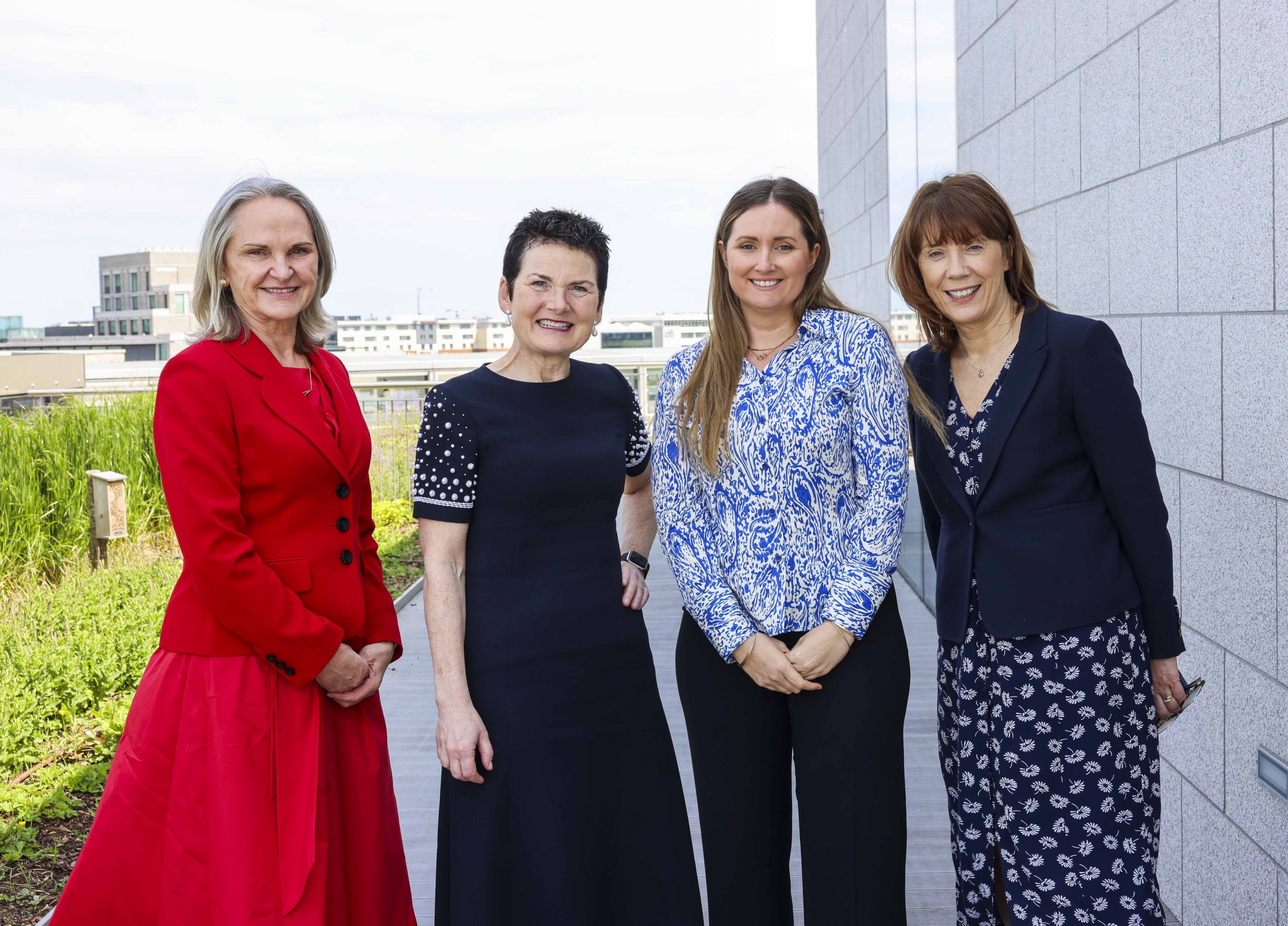
University College Cork (UCC) and the Cerebral Palsy Foundation today announced the creation of a new Chair in Early Brain Injury and Cerebral Palsy.

The new ‘Cerebral Palsy Foundation Chair’ is made possible thanks to generous support of €1.6 million from the Cerebral Palsy Foundation, a global not-for-profit organisation committed to creating positive change for those with Cerebral Palsy and related disabilities. The appointed Chair will lead a programme of research and public engagement that will empower the voice of young children and families living with cerebral palsy.

Currently the most common lifelong physical disability acquired during childhood, cerebral palsy is diagnosed in approximately 150 children each year in Ireland. Early diagnosis in babies can lead to much better outcomes. The Cerebral Palsy Foundation’s partnership with UCC will enable researchers at INFANT to generate critical knowledge that will transform outcomes for children with Cerebral Palsy and their families.

“On behalf of UCC, I sincerely thank the Cerebral Palsy Foundation for their transformational funding. With this generous support, UCC can be a catalyst for change for people with cerebral palsy today and for future generations,” said UCC President, Professor John O’Halloran.

“The Cerebral Palsy Foundation looks forward to working with UCC and is so thankful for the funding it has received from donors to drive forward the CP Programme of Excellence in Ireland. We are excited that UCC will lead research and clinical care to change the trajectories of lives of infants with early brain injury and CP,” said Rachel Byrne, Executive Director of the Cerebral Palsy Foundation.

“I would like to sincerely thank the Cerebral Palsy Foundation for this very generous funding. We are committed to working in partnership with the Foundation to make a real difference for people with Cerebral Palsy. Early detection is critical for early intervention and this support will allow INFANT to fast track the translation of research and innovation in early brain injury and Cerebral Palsy to clinical care,” said INFANT and UCC Futures Children Director, Professor Geraldine Boylan.

“This generous support will enable us to build on and translate two decades of interdisciplinary research within our INFANT research Centre with a focus on Cerebral Palsy.This exciting development will undoubtedly enhance the very important areas of prevention, early detection and management of Cerebral Palsy. Philanthropy such as this can ensure that our research can be translated into real-world change, improving maternal and child health,” added Professor Helen Whelton, Head of College of Medicine and Health.

The creation of a new Chair at UCC in Early Brain Injury and Cerebral Palsy will build on an existing collaboration between the Cerebral Palsy Foundation and the INFANT Centre on the “Early Detection and Intervention for Cerebral Palsy in Ireland” study. This is a national, multi-centre cohort study led by INFANT and coordinated by In4kids, the HRB Irish Network for Children’s Clinical Trials.

This generous support was facilitated by Alumni and Development UCC and Cork University Foundation. “This funding from the Cerebral Palsy Foundation is a testament to the value of philanthropy in advancing healthcare solutions that benefit everyone,” said Kerry Bryson, CEO of Cork University Foundation.
Cerebral Palsy Foundation Launches Programme of Excellence in Ireland

By |2023-06-29T14:51:24+01:00May 22nd, 2023|

Cerebral Palsy Foundation Launches Programme of Excellence to Revolutionise Cerebral Palsy Care in Ireland

Foundation partnering with University College Cork, Trinity College Dublin, RCSI University of Medicine and Health Sciences, and Children’s Health Ireland to establish Ireland as an international leader for Cerebral Palsy care and research


Dublin, Ireland – The Cerebral Palsy Foundation (CPF) has announced the launch of a Programme of Excellence to revolutionise the delivery of cerebral palsy care in Ireland. Through the development of three major clinical and research hubs at University College Cork (UCC), Trinity College Dublin (TCD), and RCSI University of Medicine and Health Sciences, this first-of-its-kind initiative will establish Ireland as an international leader in cerebral palsy care and research. Children’s Health Ireland (CHI) is an implementation partner in the academic healthcare programme.

Cerebral Palsy (CP) is the most common childhood-acquired, lifelong physical disability. Many individuals with CP face significant and unnecessary challenges in their daily lives, including problems with movement, speech, and other body systems.

An estimated 150 babies receive a CP diagnosis in Ireland each year, and an estimated 3,000 children and young people and 9,500 adults are living with CP in Ireland. Early intervention and the right care pathways can make a significant difference in the long-term outcomes and quality of life for people living with CP.

Backed by $12.5 million in philanthropic funding pledged from a group of donors including John and Patrick Collison, this five-year programme will change the trajectory of people’s lives affected by CP in Ireland.

The Programme of Excellence will advance CP care and research across four major pillars:

  • Clinical Implementation Pillar: implementing the best evidence into clinical practice in healthcare settings.
  • Research Pillar: conducting high-quality research programmes and developing an international network of researchers committed to implementation, dissemination, and knowledge transfer.
  • Dissemination and Education Pillar: promoting community education and providing professional education and career pipelines to encourage and develop new clinicians and researchers in the fields of CP clinical care and research.
  • Advocacy and Policy Pillar: identifying and developing stakeholder groups, supporting individuals with CP and their families to drive improved care.

The programme will build on significant strides already made by the CP research community and leading clinicians from around the world. An Expert Steering Committee of cerebral palsy and non-cerebral palsy experts from clinical care, academia, industry, and the CP community will guide the implementation ensuring a multi-disciplinary and multi-stakeholder approach.

Four priority areas of clinical implementation and research have been identified as priority for the initial phase of the programme:

  • Early Detection & Intervention (0-2yrs) led by UCC
  • Musculoskeletal and Orthopaedic Care (children and young people) led by TCD
  • Community-Based Motor Management Services (children, young people, and adults) led by UCC, TCD & RCSI
  • Adult services and support led by RCSI


These priority areas will be piloted in regions across Ireland. Once systems have been developed and proven they will be used as models to expand care across the country. The Programme will utilise already established networks including In4Kids, a Health Research Board national paediatric clinical trial network. CPF is committed to expanding this programme through further research funding and philanthropic support. Institutional support from UCC, TCD and RCSI guarantees its continuation beyond the initial five-year period.


“Our vision is to make Ireland a world leader in the delivery of Cerebral Palsy care.” said Rachel Byrne, Executive Director of the Cerebral Palsy Foundation. “We want to create a sustainable continued care model for infants through to adults with CP in Ireland led by expert clinicians and researchers. We will leverage our extensive network and international expertise on best practice to help drive the programme through collaboration. We welcome all partners, including the CP Community, academia, industry, and government to join us on this journey.”


Lily Collison, whose son Tommy has CP, is a Cerebral Palsy Foundation board member and a long-time advocate for CP care in Ireland. “Cerebral Palsy is the most prevalent childhood acquired physical disability,” she said. “Due to outdated systems and inappropriate interventions, lives are often significantly and unnecessarily compromised. This has long-term social as well as economic implications.” Collison went on to explain that the CP Programme aims to become a world-leader in CP care within five years. “It’s a challenging but achievable goal if we all work hard and smartly together.” she said.

Eilísh Hardiman, Chief Executive of Children’s Health Ireland welcomed this Programme: “Children’s Health Ireland is committed to improving clinical outcomes for infants, children, and young people with Cerebral Palsy. As a partner in paediatric academic health sciences, CHI welcomes collaboration with TCD and UCC to use this philanthropic funding pledge by the CP Foundation to truly make a difference to healthcare, education, research, and innovation in CP care in Ireland.”

Professor Geraldine Boylan, Director of the INFANT Research Centre at University College Cork, expressed excitement for the programme’s potential impact. “We are thrilled to be part of this programme in Ireland and to work with the Cerebral Palsy Foundation, healthcare & research community, and families to make a significant and positive difference in the lives of people with cerebral palsy. Early intervention is critical for people with CP. The earlier we can diagnose and intervene, the better the outcomes for the child and the family.”

Professor Colin Doherty, Head of School of Medicine at Trinity College Dublin said: “This programme provides a rare and unique opportunity for Ireland to become a world leader in cerebral palsy care and treatment. Trinity is working alongside other partners to make real discovery in the development of new diagnostic techniques, new therapies and new pathways of integrated care between the hospital and the community and between childhood, adolescence and adulthood for people with cerebral palsy.”

Professor Cathal Kelly, Vice-Chancellor, RCSI University of Medicine and Health Sciences said: “We are really pleased to be a partner in this important initiative which will have a positive impact on the lives of people with cerebral palsy. As a university wholly focused on health, RCSI is deeply committed to educating the next generation of health care professionals and to research which drives improvements in patient outcomes and quality of life. The RCSI team will now build on the School of Physiotherapy’s track record of leading research and education on cerebral palsy, with a particular focus on adulthood, as part of this new collaboration.”

The Programme will also support the development of a Cerebral Palsy Register in Ireland, enabling the collection of important data to inform research and improve care.

BASELINE Birth Cohort study

By |2023-06-29T14:51:40+01:00May 11th, 2023|

The BASELINE Birth Cohort study is Ireland’s opportunity to establish a longitudinal birth cohort with the potential to answer important questions in the study of diseases in early life, later childhood and beyond. It has the potential to identify risk factors for common disorders such as diabetes, eczema, and asthma. This study has the potential to transform the landscape of paediatric research in Ireland.

In 2019/2020 reconsenting of the cohort was undertaken where all parents of participants were sent an updated GDPR compliant consent/assent form and asked to complete and send back to the centre. Approximately 634 replied positively and 25 requested either their data to be removed, their samples to be removed or both, therefore approximately 660 (30%) replied. The INFANT centre continues to store and analyse data and samples from participants who did not reconsent to the BASELINE study as a consent declaration was obtained from the Health Research Consent Declaration Committee (HRCDC) in 2021 which permits the continued storage and processing specifically for the BASELINE study and related research in the absence of reconsenting the participants. The Health Research Regulation (HRR) is also adhered to.

Biosamples and personal data from the study continue to be processed for the purpose of the BASELINE study and are stored securely for future related research which can only be undertaken subject to Ethics Committee approval.

We are continuing to carry out important secondary data analysis of the stored data and biosamples collected from the BASELINE cohort, for example data from the BASELINE study is now being used in the IDEA study.

If you participated in the Baseline Study, you can find out more about your rights in relation to your data here.

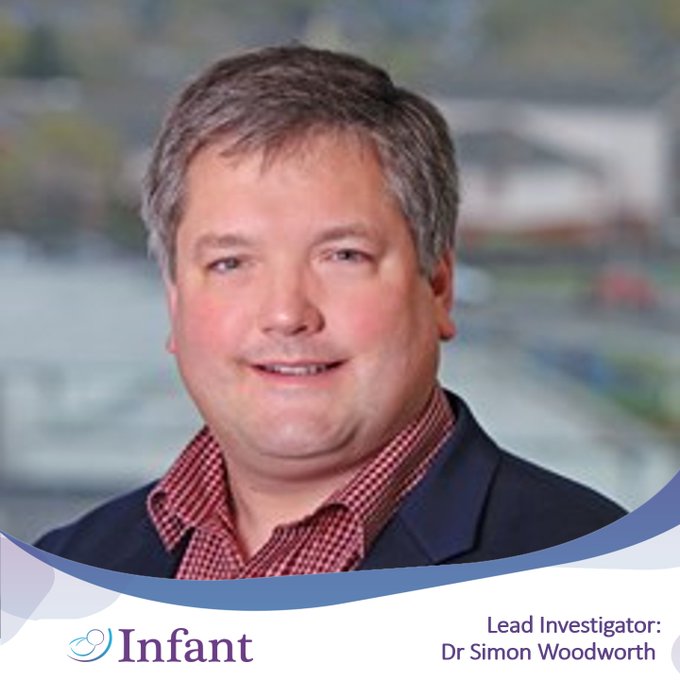
Dr Simon Woodworth delivers keynote address at 2022 Pre-ICIS SIGDSA Symposium

By |2022-12-12T15:50:28+00:00December 12th, 2022|

Dr Simon Woodworth delivered one of the keynote addresses at the 2022 Pre-ICIS SIGDSA Symposium at Copenhagen Business School on 10th December, titled ‘Using data to drive pregnancy care and health policy: The Kilimanjaro ULTRA project’. He also presented a prototype demonstration ‘ULTRA: An Electronic Birth Registry for the Kilimanjaro Region’.

Young Investigators Symposium

By |2022-10-27T16:37:21+01:00October 27th, 2022|

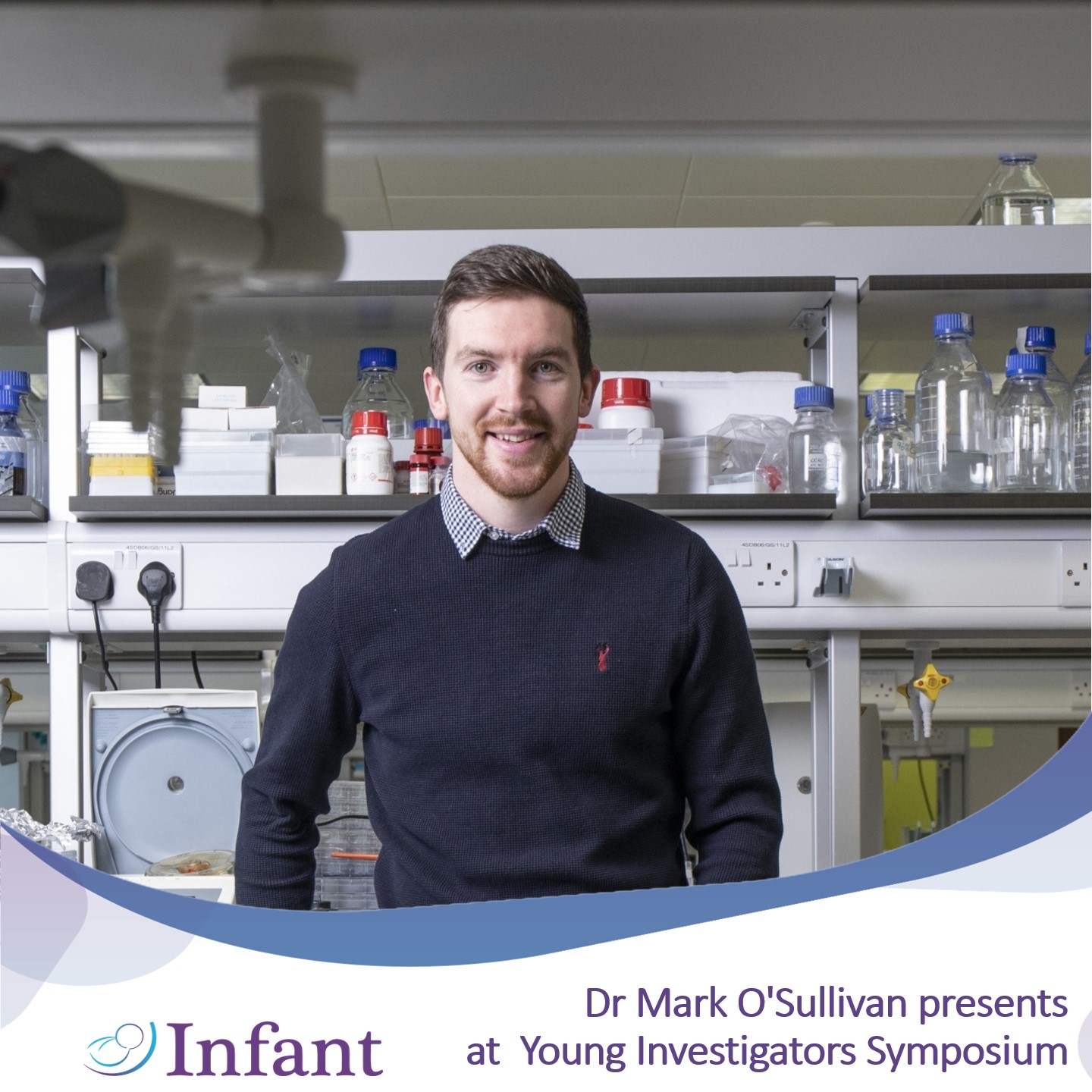
📢INFANT at the #YoungInvestigatorsSymposium
 
📍Trinity College Dublin @tcddublin
 
🗣️Lead Investigator @markosullivann will discuss the #Neurobell Project and research commercialization
 
👏Organized by @NeuroscienceIRL -Early Career Researchers Network (NSI-ECRN) committee

New paper published by INFANT researchers

By |2022-10-25T12:02:35+01:00October 25th, 2022|

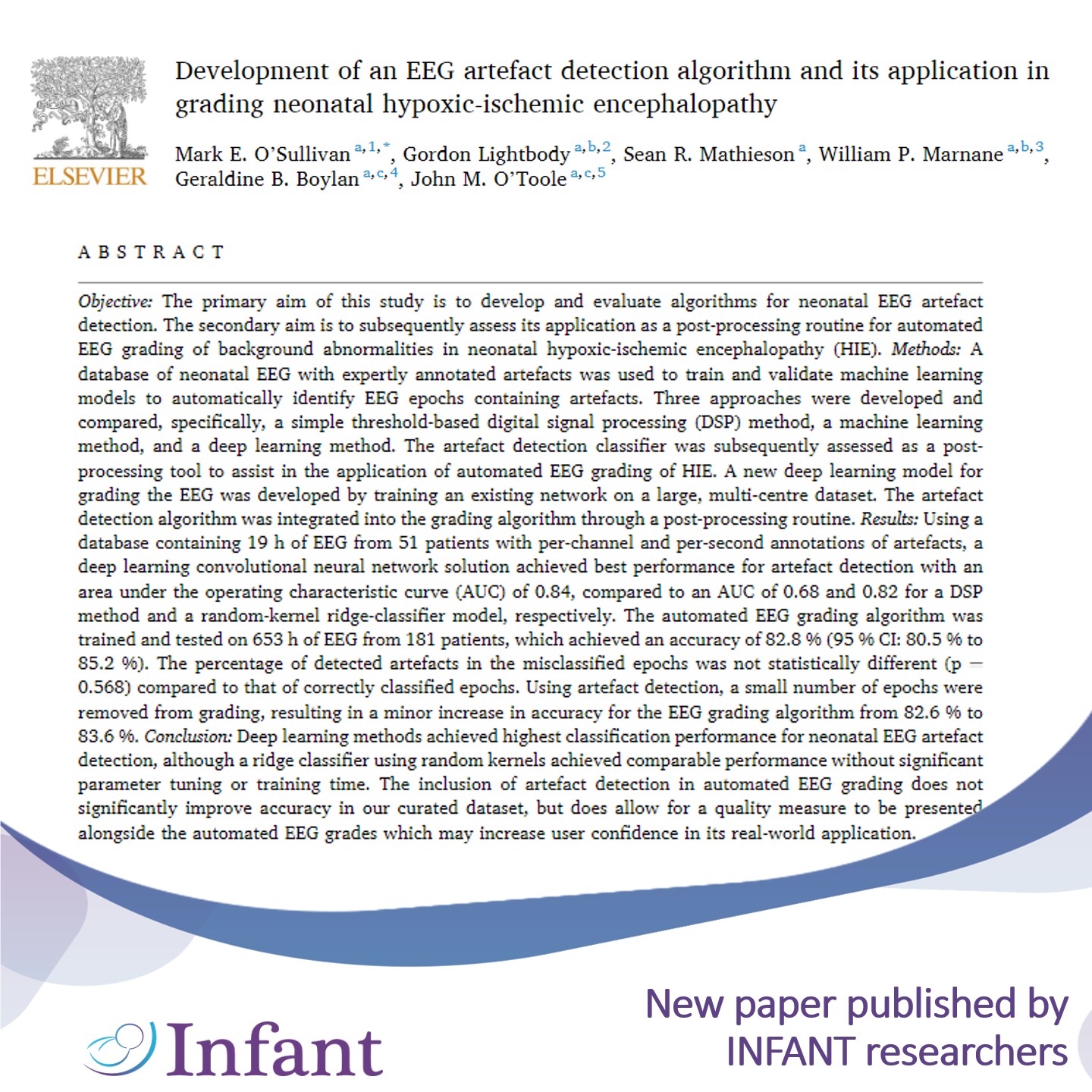
📣Check out this new paper by INFANT researchers
 
💡‘Development of an EEG artefact detection algorithm and its application in grading neonatal #HypoxicIschemicEncephalopathy‘
 
🔎Read full paper here:
https://www.sciencedirect.com/science/article/pii/S0957417422019352
 
#ConvolutionalNeuralNetwork #Neonatal #MachineLearning
Go to Top