About Comms

This author has not yet filled in any details.
So far Comms has created 393 blog entries.

Early Clues to Autism Discovered in Newborn Cord Blood – UCC Study Finds

By |2025-10-10T08:25:04+01:00October 12th, 2025|

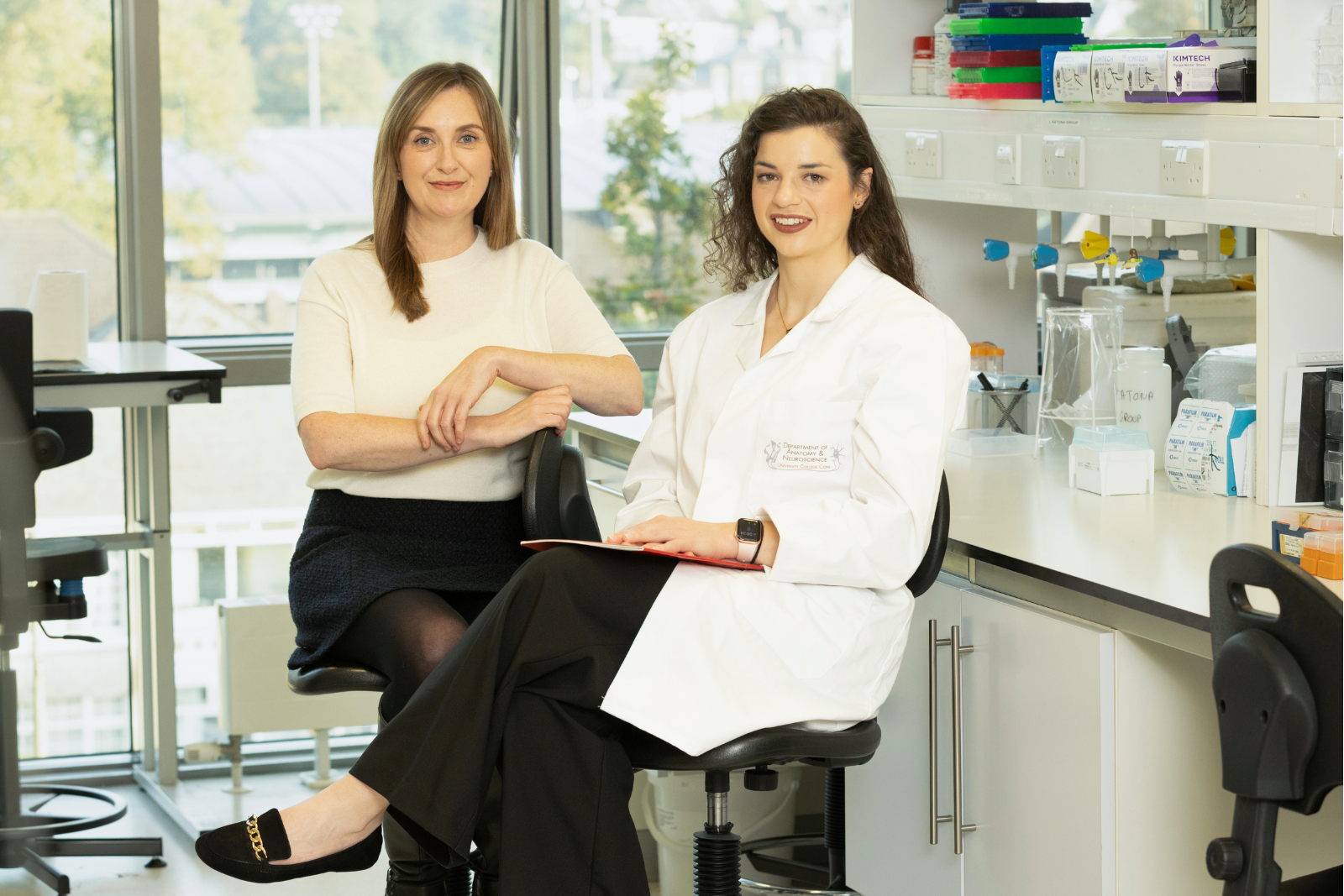
  • Researchers at UCC’s Department of Anatomy and Neuroscience and INFANT Research Centre have identified early biological signs of autism in the umbilical cord blood of newborns.
  • This study addresses the opportunity for blood-based biomarkers that can identify children with Autism much earlier in life opening possibilities for earlier detection and support for children and families.
  • Disclaimer: This was a discovery study involving a relatively small group of children followed from birth to ages 7–10 and is not an immediate diagnostic test.

A University College Cork (UCC) study has identified early biological signs of autism in the umbilical cord blood of newborns, opening up new possibilities for earlier detection and support for children and families.

The research, published in Molecular Psychiatry, showed that children who were diagnosed with autism by the age of five had clear differences in their blood at birth, compared to neurotypical children.

Key Findings

Researchers at UCC’s INFANT Research Centre and Department of Anatomy and Neuroscience, UCC analysed cord blood samples from the Irish BASELINE Birth Cohort and discovered:

  • Biological differences at birth: Newborns who were later diagnosed with autism had lower levels of certain hormones, proteins and immune-related molecules in their cord blood.
  • By using artificial intelligence (AI) and machine learning, the researchers built a model that could help predict which babies might later be diagnosed with autism.
  • A number of proteins found altered at birth were persistently changed in blood in children with autism at ages 7-10.

Addressing an Opportunity for Early Detection of Autism

Autism can be typically diagnosed between the ages of three and four years, often later, after behavioural signs emerge. This delay means children often miss a critical window for early intervention, which is shown to improve outcomes. This study addresses the opportunity for blood-based biomarkers that can identify children with autism much earlier in life.

“A major aim of our research in Autism research has been to find a molecular signature that is present before behavioural signs of autism emerge,” explained senior author Dr. Jane English, Department of Anatomy and Neuroscience and the INFANT Research Centre at UCC.

“Our findings confirm that the complex biological underpinnings of autism are evident in infant blood at birth. While this is not yet a clinical test, it moves us closer to a future where infants with these early molecular signatures could receive enhanced developmental surveillance, allowing supportive interventions to begin much earlier.”

About the Study

This international collaborative study followed children from birth to mid-childhood, making it one of the most comprehensive of its kind. The cohort involved mother-infant pairs from the INFANT BASELINE Birth Cohort study and involved collaborative partners from University College Dublin, Aarhus University (Denmark), and the University of Toronto (Canada). State-of-the-art proteomics and metabolomics were used to analyse thousands of small molecules in neonatal cord blood.

A nested case-control study compared cord blood from 22 children with Autism and 44 neurotypical controls. A follow-up study (PIRAMID) also analysed blood samples from 24 children with Autism and 48 controls at age 7-10 years old.

“The longitudinal nature of this study, following children from birth to mid-childhood, is its key strength,” said Ms Aisling Noone, first author of the study, Department of Anatomy and Neuroscience and the INFANT Research Centre at UCC.

“Observing certain protein disruptions persisting into childhood suggests we are looking at a core systemic aspect of autism biology that begins before birth.” said Ms Noone.

Potential Impact

  • Earlier support: Infants showing early biological signs could receive enhanced developmental surveillance.
  • Improved understanding: Research into the biology of autism may help improve understanding of neurodevelopmental variation.
  • New research directions: Pathways such as could inform future approaches to supporting autistic people.

Researchers stress this is an important discovery study, not an immediate diagnostic test. Larger studies in international cohorts are ongoing.

The research was communicated in line with AIMS-2-TRIALS guidelines to ensure respectful and acceptable language for the autism community.

Affiliations and Support

This research was led by Researchers at the INFANT Research Centre and UCC’s Department of Anatomy and Neuroscience and supported from the Irish Health Research Board (HRB) through an award to Dr Jane English.

The findings from this study have been published in Molecular Psychiatry, “Longitudinal multi-omics analysis of umbilical cord blood and childhood serum in Autism” https://doi.org/10.1038/s41380-025-03157-z
UCC launches Irelands first Pregnancy Loss Support Policy for University staff

By |2025-10-14T07:40:50+01:00October 10th, 2025|

The first Pregnancy Loss Support Policy for staff in an Irish university was on Friday by University College Cork (UCC), marking a significant step forward in workplace wellbeing and inclusion.

The policy aims to provide employees with dedicated leave, resources and support they need following a pregnancy loss under 23 weeks. It outlines the entitlements, procedures and support mechanisms in place to assist both staff who are affected by pregnancy loss, and their partners. Staff are now entitled to ten leave days per 12 month calendar year should they experience pregnancy loss.

The policy was jointly developed by the Pregnancy Loss Research Group led by Professor Keelin O’Donoghue, UCC People and Culture and the Equality, Diversity and Inclusion Unit and informed by the findings of the PLACES project report (2024) which was funded by the Department of Children, Equality and Disability.

Closing a Gap in Statutory Leave

Pregnancy loss affects approximately one in every four pregnancies. Currently, Irish law provides statutory maternity and paternity leave for pregnancy loss after 23 weeks (stillbirth or neonatal death), but no statutory entitlement exists for losses before this point.

The PLACES project—Pregnancy Loss in Workplaces: Informing policymakers on support mechanisms—highlighted the need for better supports in these circumstances. The PLACES project is informing Government policy around statutory leave provision and is led by Professor Keelin O’Donoghue with colleagues across University College Cork and the University of Galway.

Research informing action

“Our mission within the Pregnancy Loss Research Group is to lead national research which is relevant, and which can influence policy and practice regarding all forms of pregnancy loss, to ultimately enhance people’s experiences and outcomes. We are proud that our own university has developed this pregnancy loss support policy, informed by findings from the PLACES project, and that it is leading the way for other higher education institutions and other organisations within Ireland, and beyond, to do similar”, stated Professor Keelin O’Donoghue.

“In UCC our research informs our thinking and our actions. This landmark policy is intended to be a much-needed support for any staff member affected by pregnancy loss and will assist them in such a difficult time. We as a UCC community must work together to continue to ensure the wellbeing of all our staff UCC is firmly committed to Equality, Diversity and Inclusion as set out in our UCC Strategic Plan,” states Professor John O’Halloran, President of UCC.

Supporting Staff and Leading Change

Research has shown that implementation supports are key to ensuring these policies are effective and UCC will be rolling out a comprehensive toolkit and training for managers to help them respond effectively and sensitively to employees affected by pregnancy loss.

“This important new policy arose following consultation with staff as part of our Athena Swan gender equality review process. We are delighted that this new policy is now in place and will provide dedicated and much needed support to colleagues who experience pregnancy loss. We hope that other universities will also adopt similar policies and benefit from our learnings here in UCC” stated Dr Avril Hutch, Director of EDI, UCC.

“This policy is part of a suite of family friendly and reproductive health policies which are offered to UCC staff. A broad range of supports are available to anyone who experiences pregnancy loss and their managers through our Staff Wellbeing and Development team.  As People and Culture, we recognise the vital need to support staff and we believe this policy will greatly benefit our colleagues here in UCC” states Ashley Flaherty, Chief People and Culture Officer, UCC.

Tara Woulfe, Parent Advocate, Pregnancy Loss Research Group at the UCC INFANT Research Centre said: “The launch of a dedicated pregnancy loss support policy sends a powerful message of support and compassion to the women of UCC and their partners. It calls for an end to any stigma or silent suffering following pregnancy loss. It’s fantastic to see UCC paving the way and hopefully other universities and workplaces in Ireland will follow suit. Workplace support helps normalise conversations around pregnancy loss, which in turn helps people to feel less alone.”

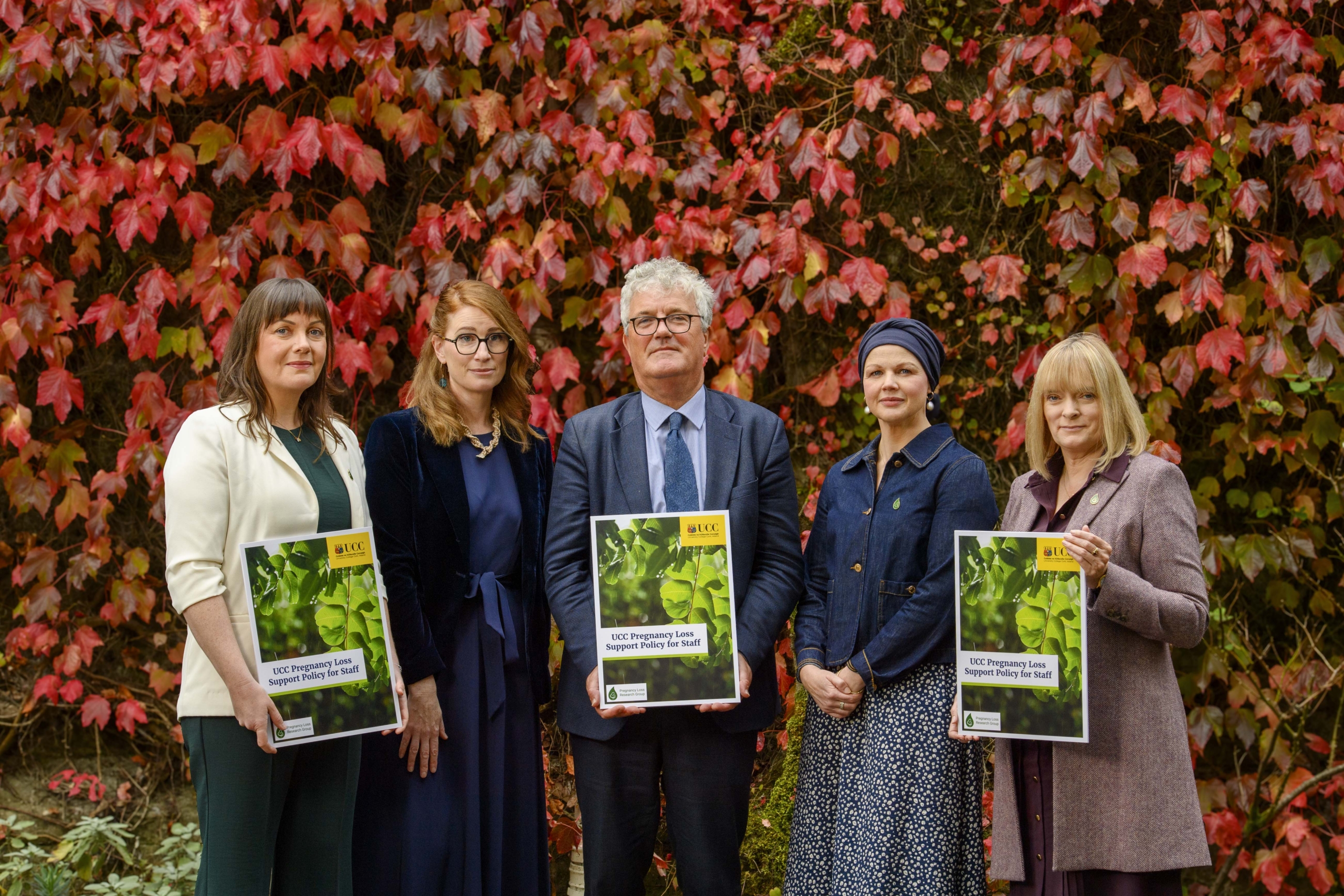
Photo: Launching UCC’s Pregnancy Loss Policy are (l-r) Tara Woulfe, Parent Advocate, Pregnancy Loss Research Group at the UCC INFANT Research Centre, Dr Avril Hutch, Director of EDI at UCC, Prof. John O’Halloran, UCC President, Dr Marita Hennessy, Postdoctoral Researcher, Pregnancy Loss Research Group and Prof. Keelin O’Donoghue, INFANT Principal Investigator, Consultant Obstetrician/Senior Lecturer at Cork University Maternity Hospital (CUMH) and UCC. (Photograph by Provision)

UCC-led digital health project awarded almost €5m to save lives of mothers and babies in Africa

By |2026-01-19T14:05:28+00:00August 19th, 2025|

A new digital health project has been awarded €4.9 million funding to help protect mothers and children in East Africa by using smart digital tools to fight infectious diseases and save lives.

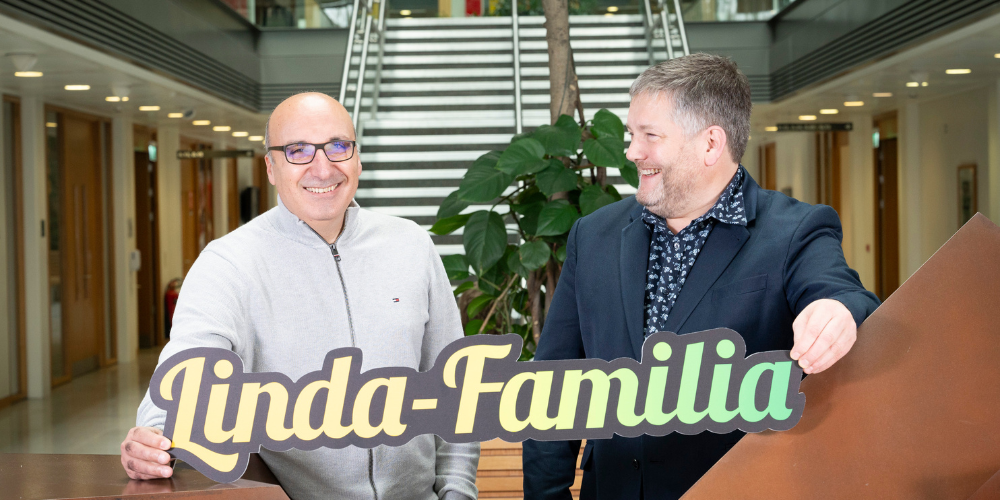
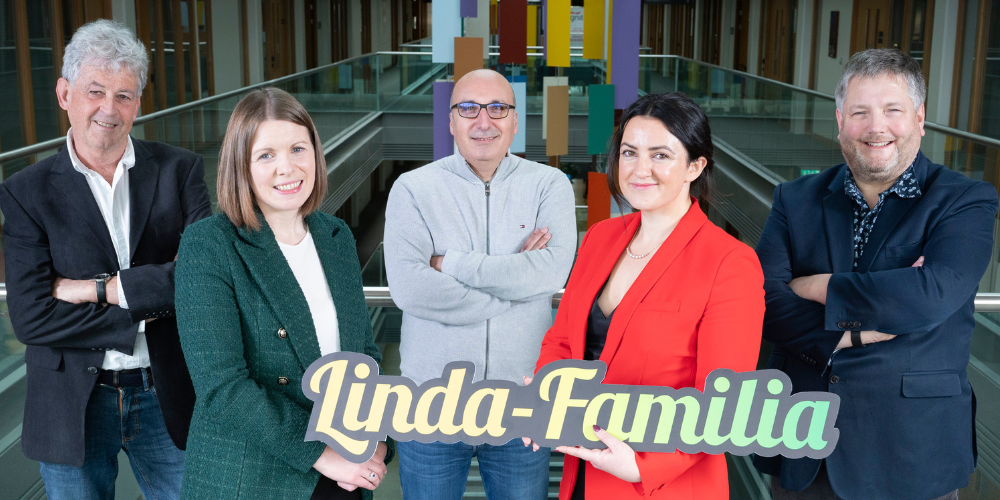
A University College Cork (UCC) led project, LINDA-FAMILIA, meaning “Protect the Family” in Swahili, has been funded under the Horizon Europe Programme to revolutionise maternal and child health in East Africa.

Led by the INFANT Research Centre at UCC, the initiative will deploy scalable, interoperable digital health systems to track infectious diseases and support health services in pregnancy, postpartum, and childhood care.

Transforming Maternal and Child Health Through Digital Innovation

LINDA-FAMILIA will implement an open source, integrated digital health information system to replace paper-based records in four priority regions: Addis Ababa – Ethiopia, Eastern Province – Rwanda, Kilimanjaro Region – Tanzania, Lango Sub-region – Uganda.

Using the free and open source DHIS2 platform, the world’s largest health information system, the project will integrate 11 World Health Organisation (WHO) recommended Digital Health Interventions (DHIs) to create country specific eRegistries. These systems will capture individual level health data on infectious diseases and vaccinations, enabling improved clinical care, disease surveillance, and public health research, at lower cost than existing systems. DHIS2 is especially suited to the LINDA-FAMILIA project as it is designed for use in low resources settings where internet coverage is unreliable. It makes use of technology freely available in sub-Saharan Africa.

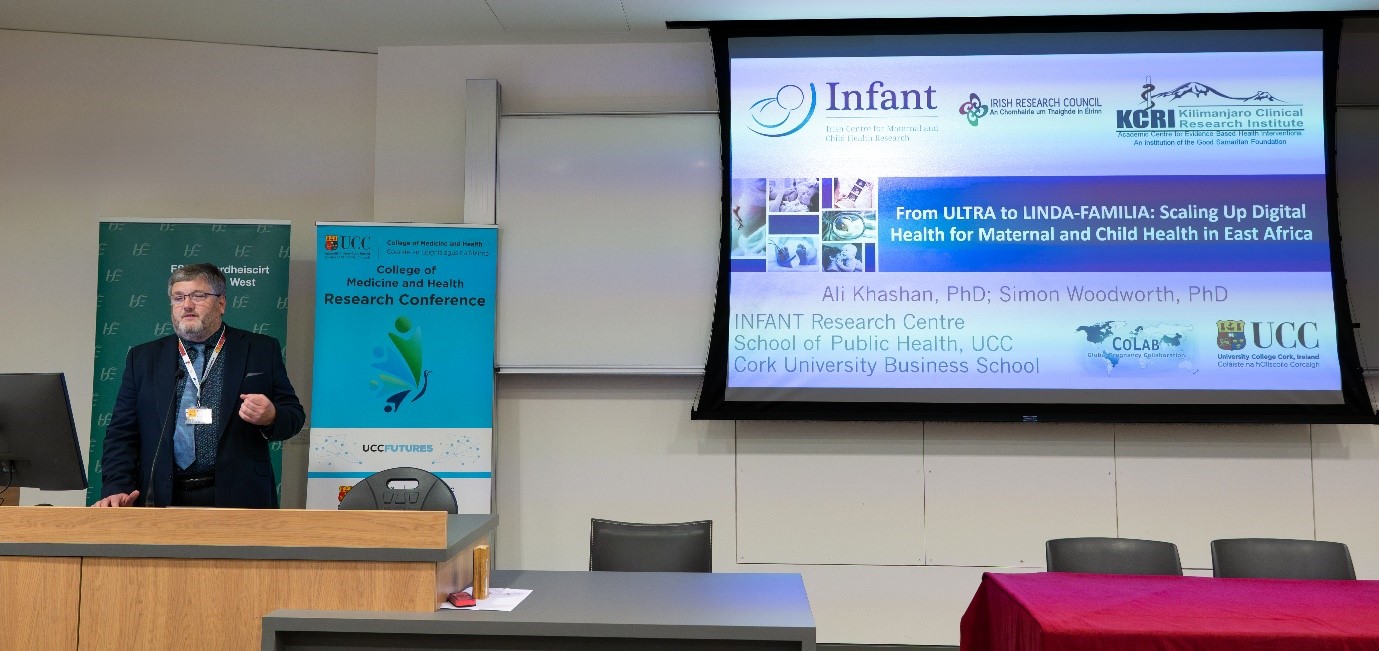
The initiative brings together 11 global partner consortiums from Ireland, Tanzania, Ethiopia, Rwanda, Uganda, Norway and the UK and is coordinated by UCC, under the leadership of Ali Khashan, Professor in Perinatal Epidemiology, School of Public Health and INFANT Research Centre at UCC.

“This project addresses a fundamental gap in health systems: access to reliable, timely data,” said Prof. Ali Khashan, Project Lead. “By combining global scientific expertise with deep local knowledge, we’re building sustainable digital tools that not only improve health data systems but also support clinical decision-making in maternal and child health.”

Why this work matters: A Region Burdened by Preventable Deaths

While many countries, face challenges with outdated and fragmented digital health infrastructures, the LINDA-FAMILIA research team chose to focus on East Africa because of the urgent public health need and a strong regional momentum toward digital transformation.

Sub Saharan Africa continues to face disproportionately high rates of maternal and child mortality. In 2020 alone, the region accounted for 70% of maternal deaths worldwide, with infectious diseases such as HIV, malaria, hepatitis B, syphilis, TB, and sepsis as leading contributors. These are preventable conditions – but health systems are hindered by fragmented, siloed, and paper-based data systems.

LINDA-FAMILIA aims to correct that by enabling real time data use for evidence-based care, empowering both healthcare providers and policy makers with the information they need to deliver timely interventions:

“We see firsthand the urgent need for stronger health data systems across East Africa. By replacing fragmented, paper-based records with a scalable and integrated digital system, we can dramatically improve how care is delivered and ultimately, save lives,” says Prof. Blandina Mmbaga, Project Scientific Coordinator and Director Kilimanjaro Clinical Research Institute.

Dr Simon Woodworth, the project’s Information Systems Lead said: “The LINDA-FAMILIA system is designed not only to capture reliable data but also to empower local health workers – and in turn pregnant women – with the information they need to make safer choices. By strengthening digital systems and making them accessible and relevant at community level, we are creating solutions that will remain practical and sustainable long after the project ends.”

Built on a Legacy of Innovation

The project builds on the ULTRA Project, a collaboration between UCC, Kilimanjaro Clinical Research Institute (KCRI), and the Global Pregnancy Collaboration (CoLab). ULTRA successfully developed and implemented an eRegistry system in maternal and child health units across Tanzania, transforming how health data is captured and used. The ULTRA project was funded by an IRC Coalesce grant.

This work also honours the memory of the late Professor Christopher Redman (1941–2024) A great inspirer, mentor, scientist, and collaborator who made giant clinical steps forward in the field of maternal and newborn health and who contributed significantly to the early stages of this work. His inspiration and dedication live on in this project.

By building institutional capacity and ensuring integration with national health systems, the LINDA-FAMILIA project supports long-term sustainability. It aims to serve as a model for how digital health systems can contribute to universal health coverage, improved epidemic preparedness, and equitable healthcare across low-resource settings:

“This is impressive and as one of the partners we are looking forward to a successful implementation which will enable us to draw best practices for scale up,” says Dr Grace Magembe, Chief Medical Officer, Tanzania.

In the News:

  • https://www.corkindependent.com/2025/08/28/ucc-led-project-to-revolutionise-maternal-and-child-health-in-east-africa/
  • https://www.echolive.ie/corknews/arid-41692419.html
  • https://www.cubsucc.com/news/ucc-researchers-awarded–4-9m-funding-for-digital-health-solutions-for-maternal-and-child-health-in-africa/
  • https://www.ucc.ie/en/med-health/news/ucc-led-digital-health-project-awarded-almost-5m-.html

ROAR for Research: Families Explore Science at Fota Wildlife Park

By |2025-08-14T09:54:27+01:00August 14th, 2025|

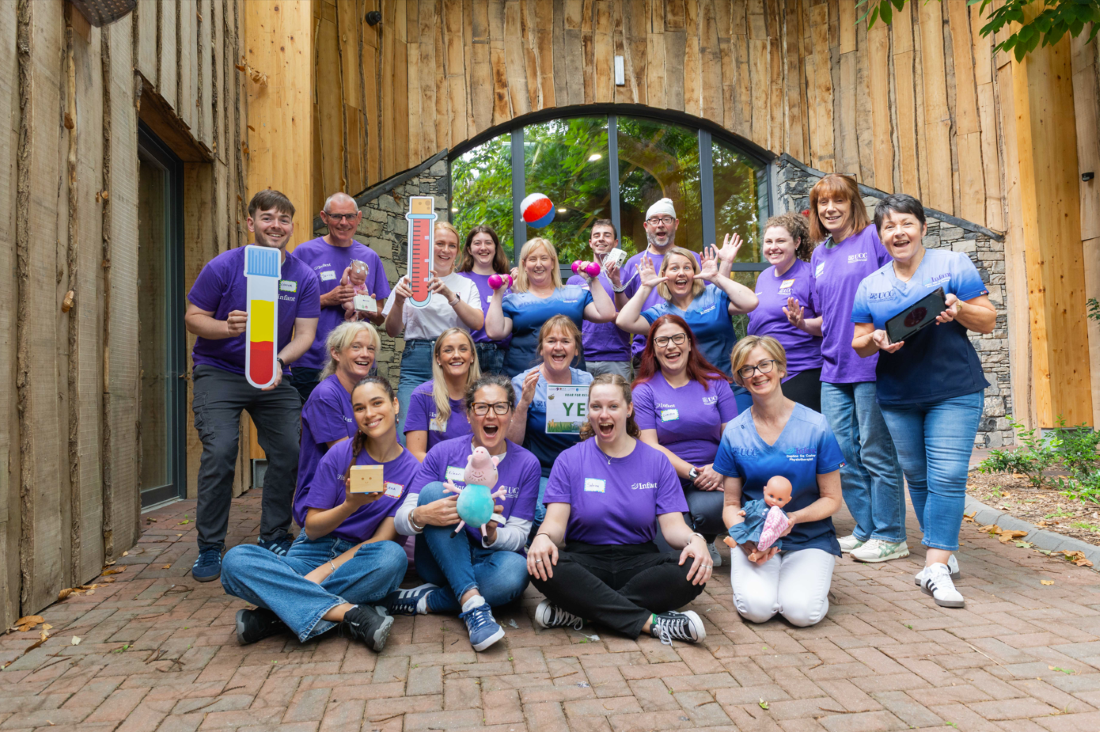
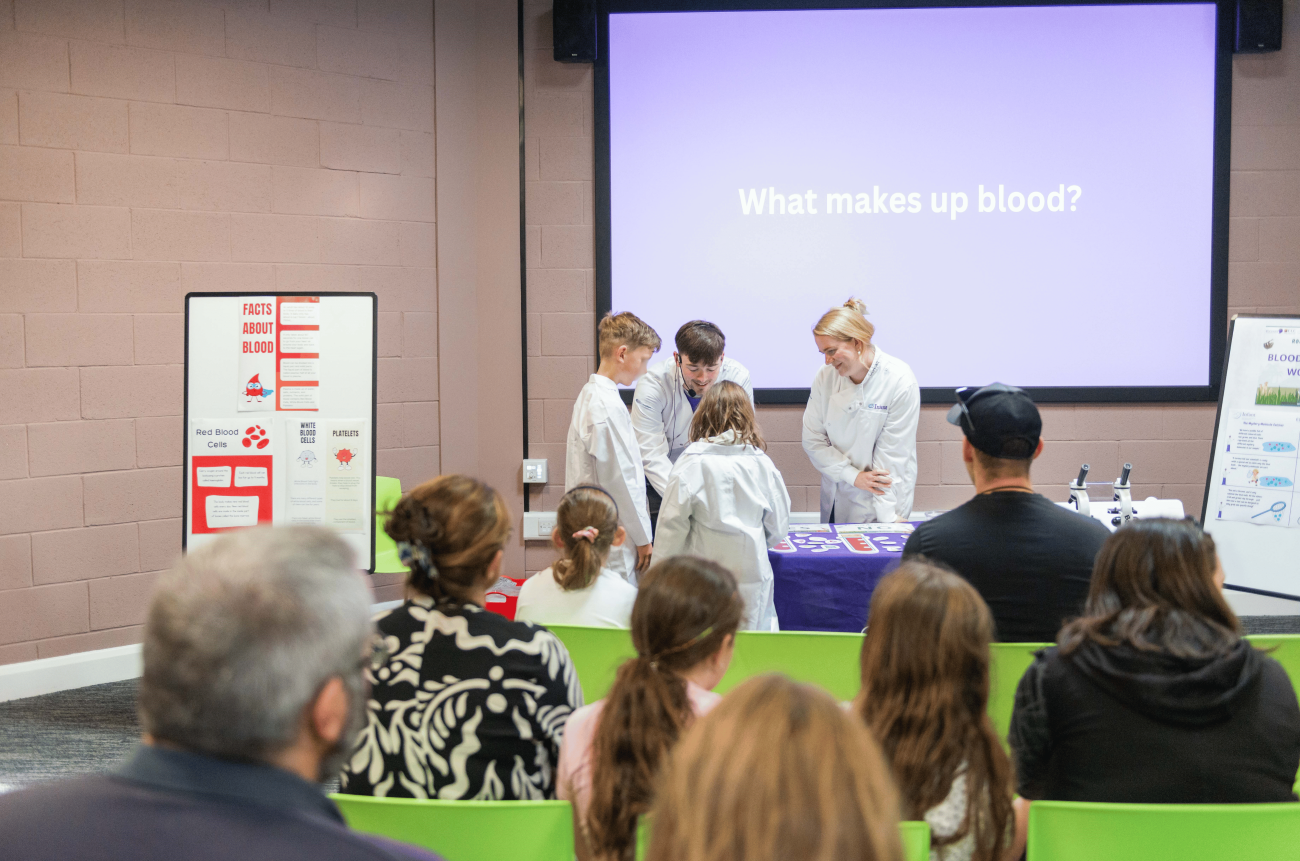
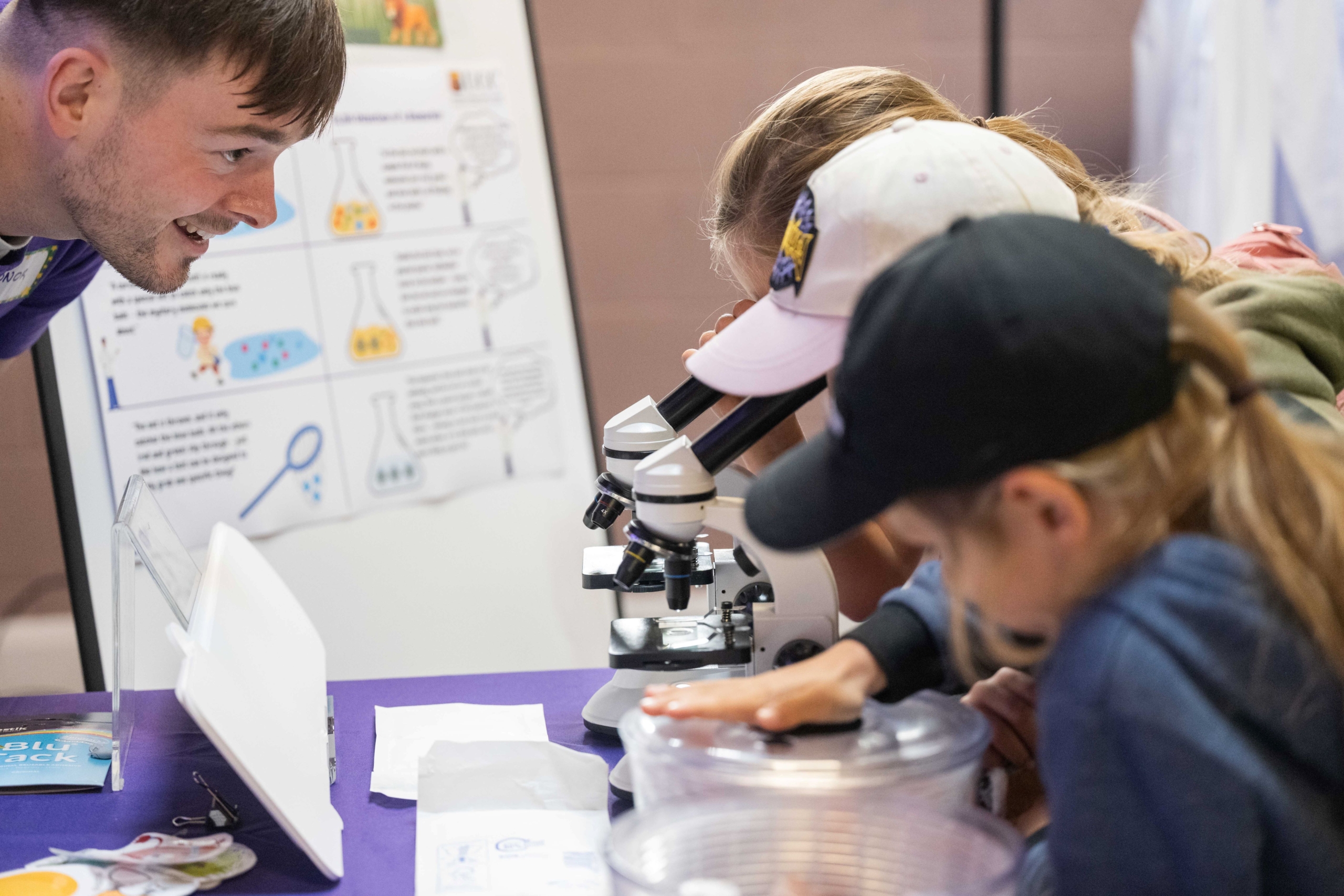
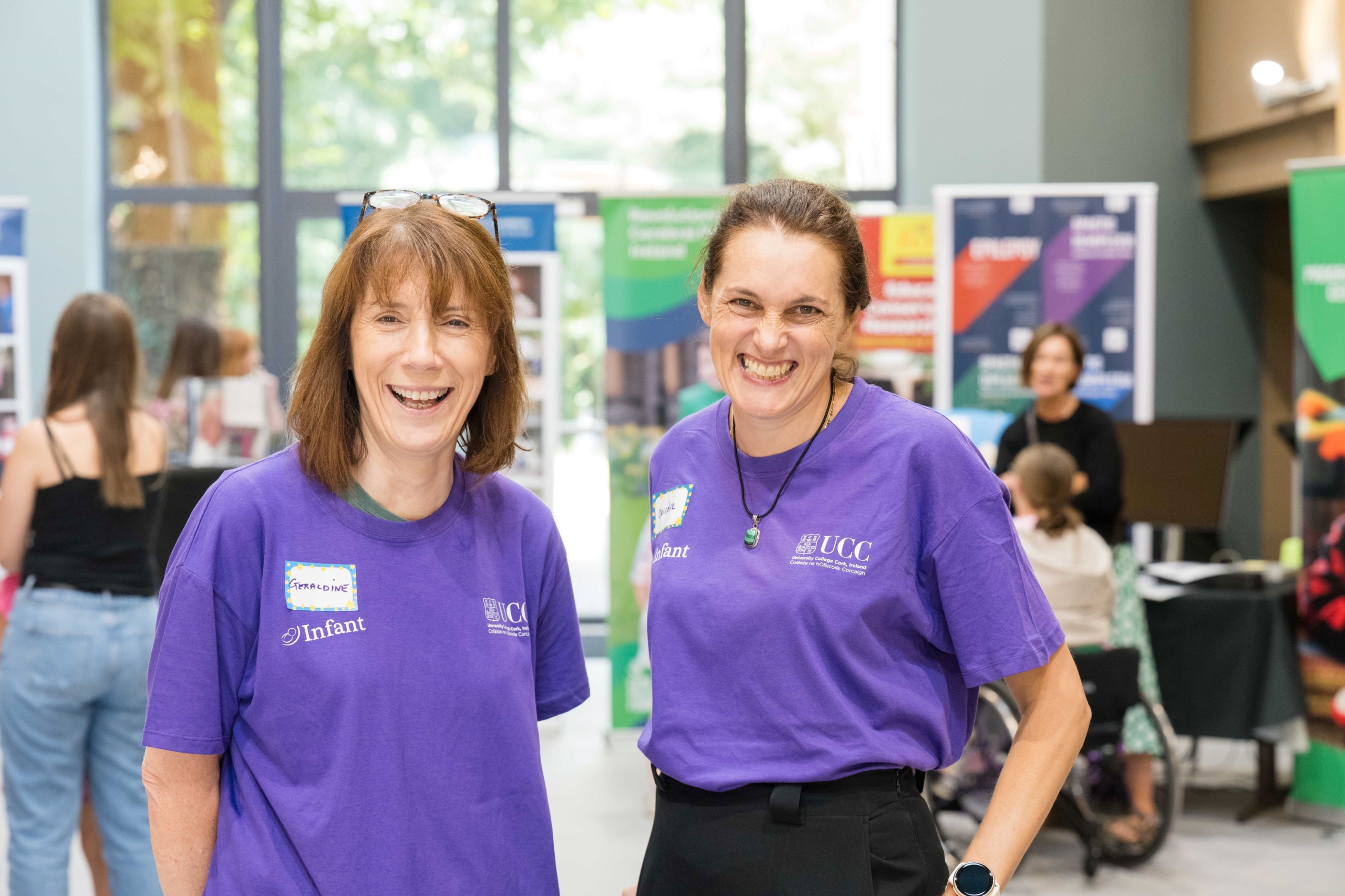
The INFANT Research Centre at University College Cork (UCC) hosted a Family Fun Science Fair on Saturday, 9th August 2025 at Fota Wildlife Park’s Education, Conservation and Research Centre (ECRC) which welcomed over 530 visitors across the day including children with CP, their families, carers, and the general public attending Fota Wildlife Park on the day.

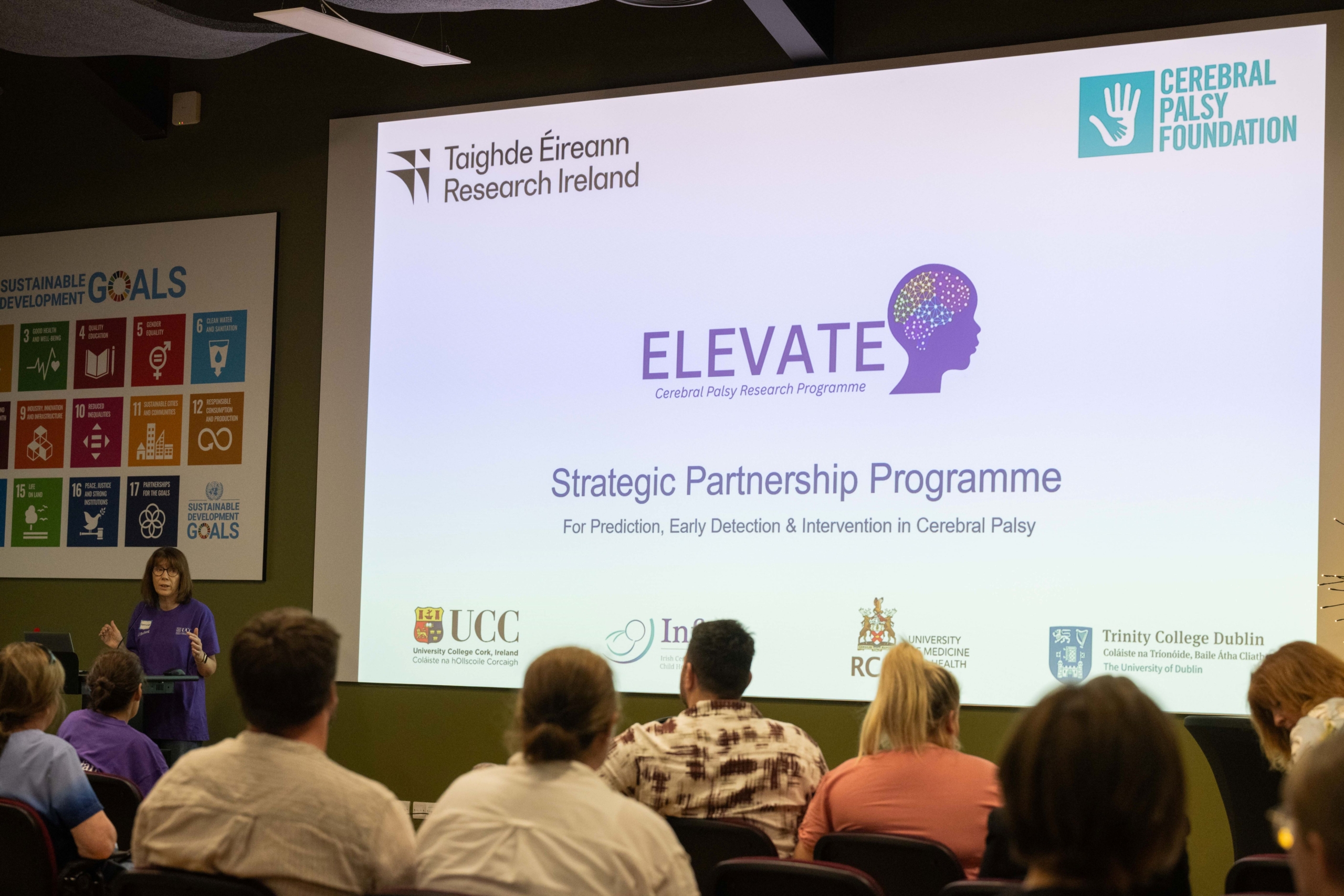
The event was filled with fun, discovery, creativity, and education, with a special focus on Cerebral Palsy (CP) research from the ELEVATE Research Programme.

ELEVATE, led by INFANT at UCC is a five-year research programme that aims to improve the prevention, detection and treatment of early brain injury and cerebral palsy (CP) in Ireland. CP is the most common lifelong physical disability, it is a group of disorders that affect a person’s ability to move and maintain balance and posture. It is caused by abnormal development or damage to parts of the brain. The severity of CP and the extent of the symptoms depend on both the extent of the damage or abnormalities and where they occur in the brain.

ELEVATE has been funded under the Research Ireland Strategic Partnership Programme, with co-funding partner The Cerebral Palsy Foundation (CPF). INFANT, UCC is partnered with RCSI University of Medicine and Health Sciences, Trinity College Dublin (TCD) and all the tertiary-level maternity hospitals in Ireland.

The science fair gave families the opportunity to meet researchers, connect with others in the CP community, and learn more about the work being done through the ELEVATE Programme.

A Day Where Science Meets Exploration

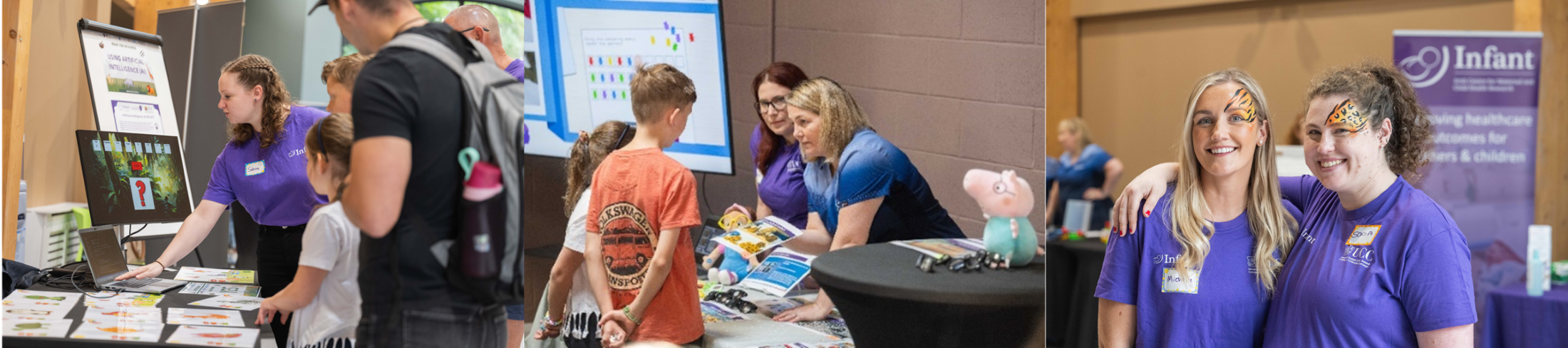
From the moment the doors opened at 12pm, the ECRC was buzzing with excitement. Families took part in hands-on demonstrations and inclusive interactive exhibits, including:

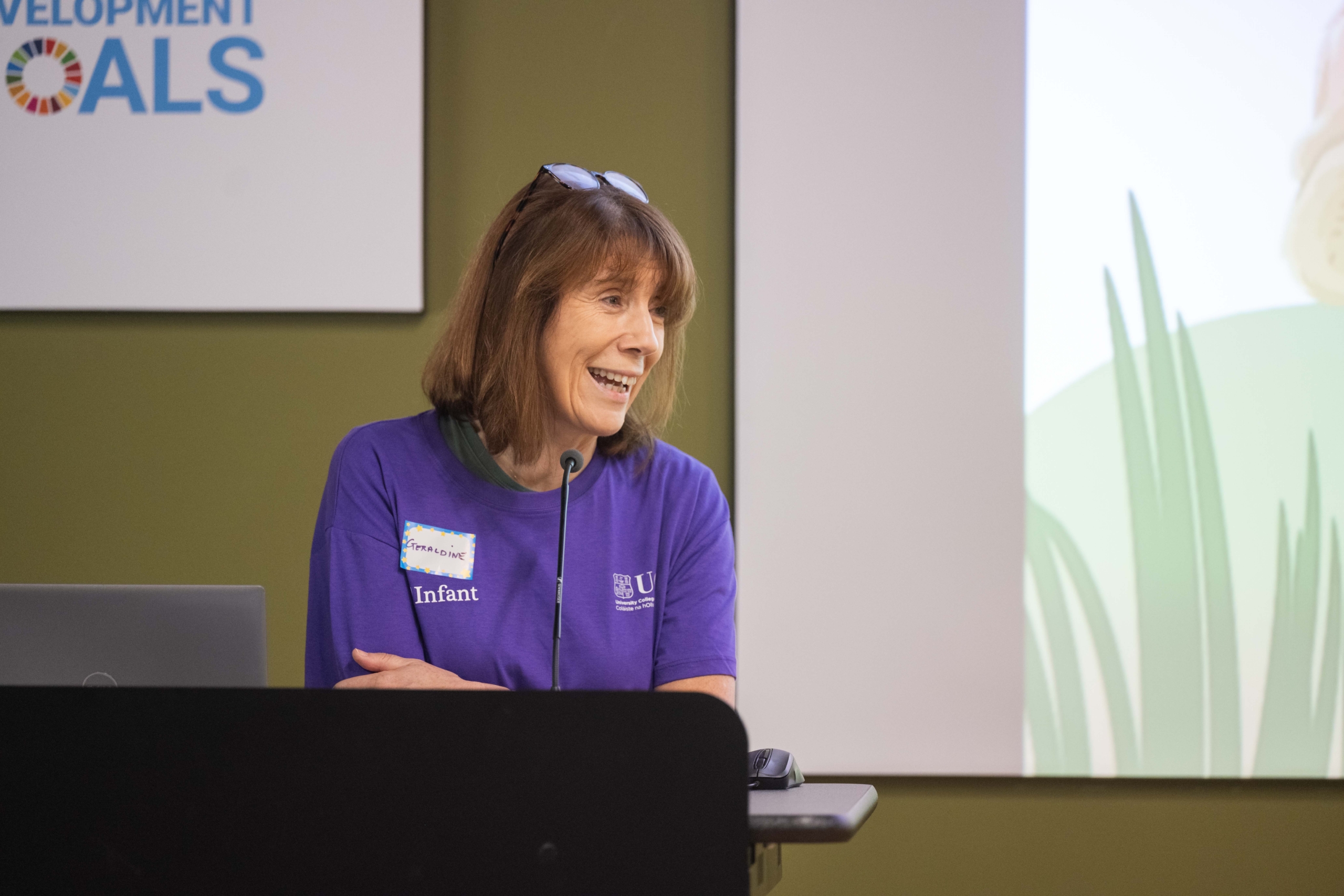
🧬 CP Research & Awareness Zone – Showcasing ELEVATE research studies, sharing progress to date, and looking ahead to what’s next. Visitors enjoyed bite-sized talks from project leads explaining the background to the research and an overview of the programme. They also heard a powerful perspective from a parent of a child with CP, who is an active member of INFANT’s CP-focused Parent Advisory Group (CP PAG), highlighting the importance of lived experience in shaping research to improve outcomes.

🐾 Meet the Wild Scientists – Researchers involved in ELEVATE from UCC, TCD, and RCSI chatted to families about their work. The team included project and work package leads, PhD students, nurses, neurophysiologists, data scientists, engineers, physiotherapists, research fellows, research support staff, and others!

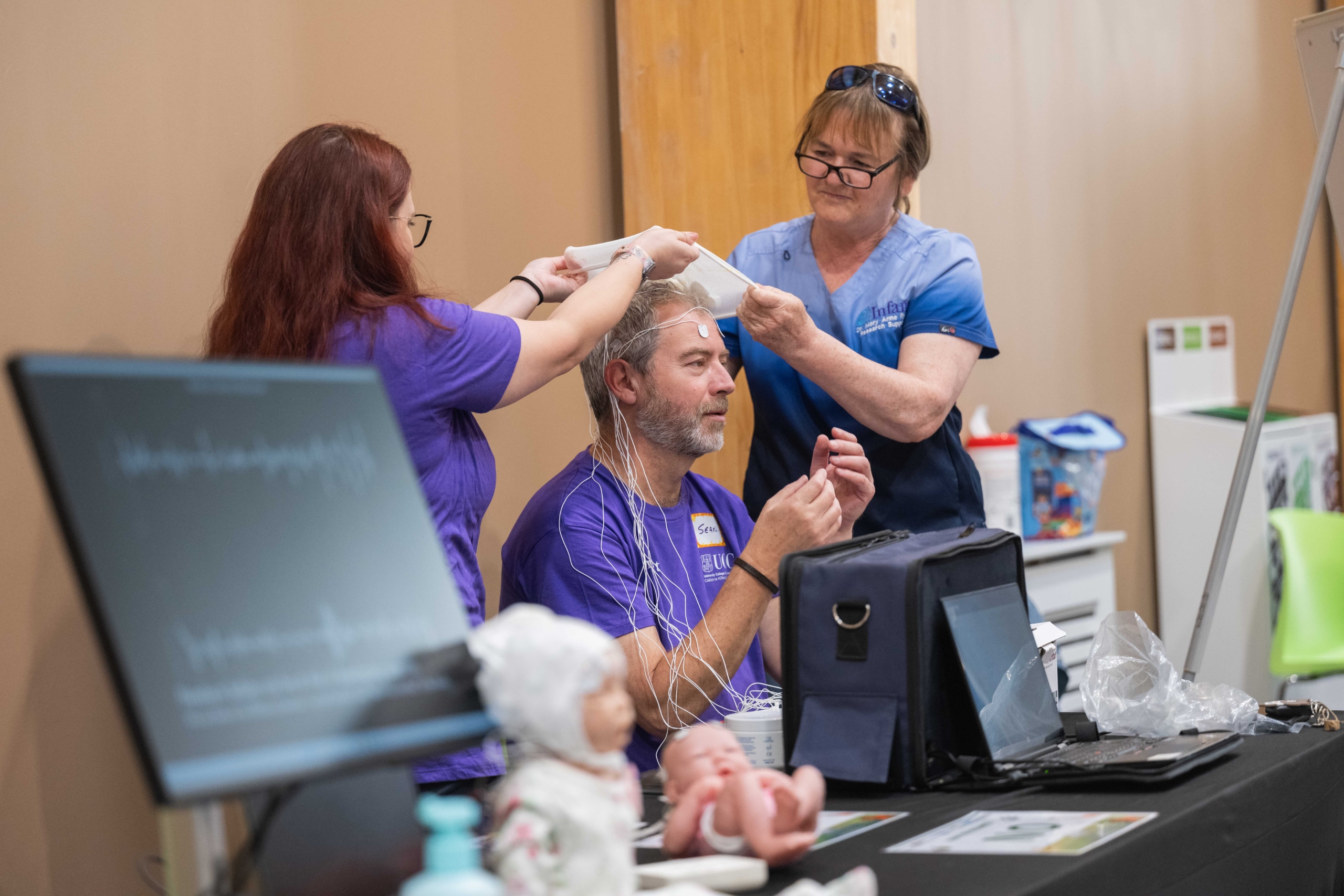
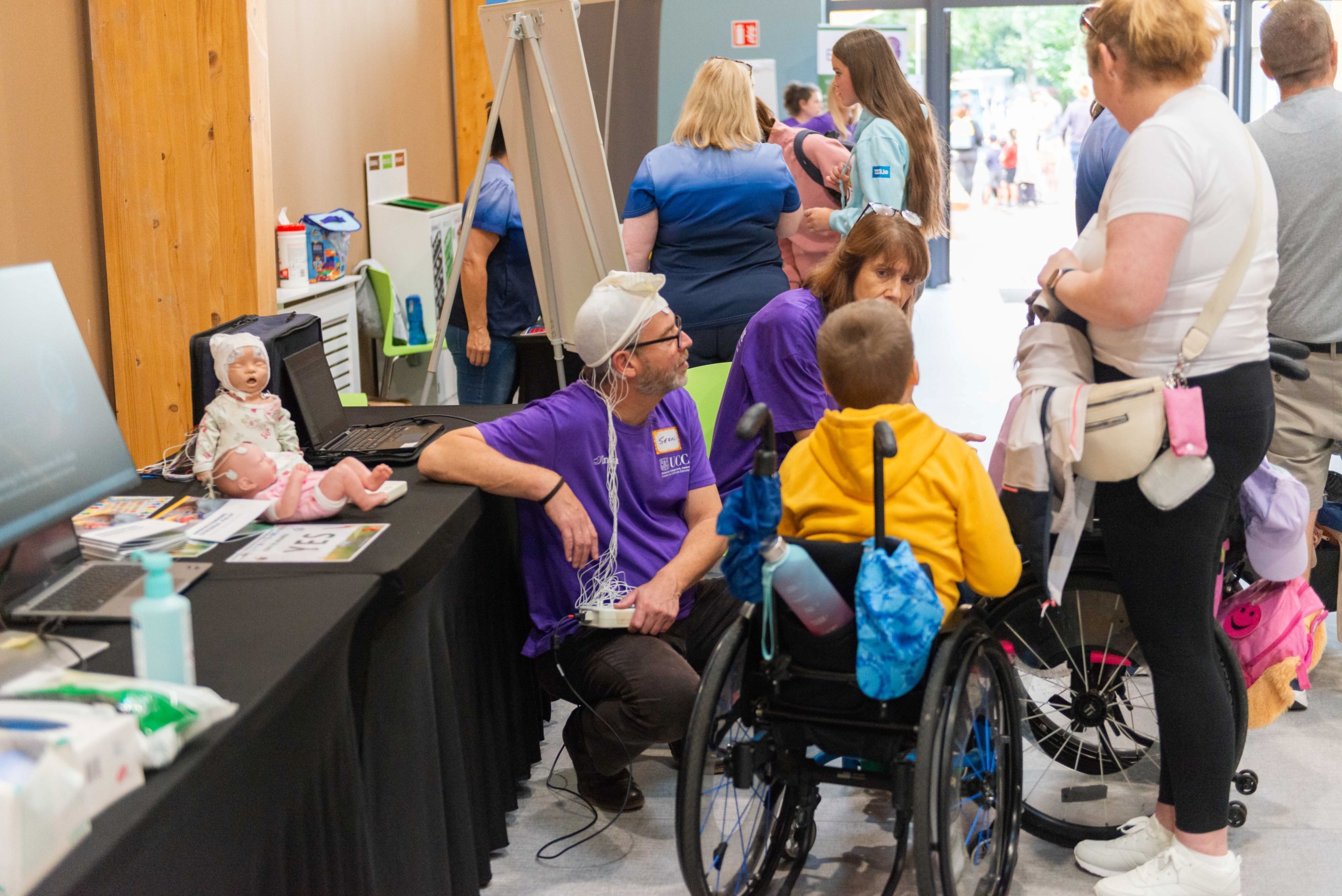
🤖 AI & the Brain – Our neurophysiologist demonstrated brain monitoring by analysing his own brain activity live on a portable EEG machine, highlighting our work in newborn brain monitoring. Visitors also enjoyed an interactive AI game where both they and a computer guessed animals based on various clues.

👀 Vision & Eye Monitoring Activities – Interactive games illustrated different visual experiences and how they can affect daily life.

🎨 Creative Learning Activities – Arts, crafts designed for all ages and areas to unwind took place in the chill out zone!

🧪 The Bloody Detective Workshop – Mini-sessions exploring what’s in your blood, why it’s important, and how it helps doctors make key medical decisions.

🧱 Bricks 4 Kidz Workshop – Bricks 4 Kidz hosted a hands-on STEM workshop using LEGO®, Technic, and Robotics to inspire building and problem-solving skills.

We were delighted to be joined by some of our collaborators including In4kids (HRB’s national children’s clinical trial network), Cork University Foundation (sharing giving opportunities to support research at UCC), and The Cerebral Palsy Foundation (co-funder of the ELEVATE Programme).This science fair forms part of ELEVATE’s Education and Public Engagement Programme.


“Events like this let us share our research in a way that’s fun, interactive, inclusive and accessible. It’s also a way for families to see the faces behind the research and for us to hear directly from the CP community. Engaging families throughout the research process has always been integral to our work at the INFANT Research Centre, and these events shows how important it really is.”

Prof. Geraldine Boylan, INFANT UCC Director


For more information on the ELEVATE programme, visit: https://www.infantcentre.ie/research/elevate/


Photography by Joleen Cronin

In4kids Marks International Youth Day by Celebrating Young Voices in Paediatric Research

By |2025-08-14T09:50:11+01:00August 12th, 2025|

On this International Youth Day, In4kids, Ireland’s national paediatric clinical trials network, hosted at the INFANT Research Centre in  University College Cork,  is shining a light on the essential role that young people play in shaping the future of healthcare. Observed globally on August 12th, the day celebrates young people’s engagement as a driving force behind more inclusive, equitable, and forward-thinking communities—and, in the case of In4kids, more effective and patient-centred research.

A core part of this commitment is the National Young Persons’ Advisory Group (YPAG), an initiative co-developed by In4kids and the Children’s Health Ireland Clinical Research Centre (CHI-CRC), with support from the Health Research Board. The YPAG empowers young people aged 12–18 to contribute directly to the planning and design of paediatric clinical trials, research studies and healthcare innovation projects from across Ireland.

Through the YPAG, young people collaborate with clinicians and researchers to offer feedback that helps make studies more relevant, and reflective of young patients’ real-world experiences. Their insights help guide research that is not only scientifically robust but also shaped by those it aims to serve.

Elevating Young People’s Participation in Research

Since its launch in August 2024, the YPAG has grown into a vibrant and diverse group of over 30 members from all over the country. The group has met in person in Dublin and Cork and continues to hold regular online meetings, ensuring that young people from different regions and backgrounds have flexible, meaningful opportunities to engage.

YPAG members have contributed to several research projects already, in collaboration with hospitals, and academic partners nationwide. Whether reviewing study materials, advising on recruitment strategies, improving methodology or helping to shape project priorities, the group is actively improving how paediatric research is performed and implemented in Ireland and making it more relevant for children and young people.

Children must have the same access to high quality, evidence-based medication and health care services as adults

This principle lies at the heart of In4kids activities and the YPAG’s continued achievements and growth will ensure this becomes standard across the healthcare landscape. By involving young people at every stage of the research journey, In4kids alongside CHI-CRC, is building a more responsive clinical research environment where the needs and voices of children and adolescents are placed front and centre.

As we mark International Youth Day, In4kids celebrates the passion, insight, and leadership of these young contributors. Their involvement is helping to ensure that paediatric research in Ireland is more inclusive, impactful, and attuned to the needs of its youngest patients.

To learn more about the National YPAG or how to get involved, please contact in4kids@ucc.ie


Now Recruiting New Research Study: ENIGMA Study  

By |2025-08-06T08:42:45+01:00August 6th, 2025|

Overview of the ENIGMA Study

Children diagnosed with Autism often experience mental health challenges such as anxiety, low mood, and depression but it’s not clear what triggers these challenges. The ENIGMA research study aims to understand how various factors like environment, diet, stress, and activity levels affect the mental health of autistic children. By examining these factors, the researchers hope to develop strategies and alert systems to support children and their families better when triggers occur.

Aim of the study:

‘ENIGMA’ is an acronym for ‘Environmental influence on mental illness via modifications of genomes and metabolomes in adolescents with Autism’

The aim of the study is to observe the daily lives of up to 400 autistic children aged 11-15 years across Europe. This study is funded by Horizon Europe, which is the research funding body of the European Union.

Who is it for? 

  • Adolescents clinically diagnosed with Autism.
  • Must be able to interact verbally.
  • Willingness to attend all study visits and wear a provided skin patch for 3-5 days, every month, at home for 6 months.
  • Access to and ability to operate a smartphone.

Exclusion Criteria

  • Adolescents with severe motor impairments or schizophrenia.
  • Complex medical conditions, as determined by the research psychologist.
  • Intellectual disability and not attending mainstream school.

What’s Involved:

Baseline Visit

  • Discussion of study overview.
  • Eligibility confirmation.
  • Obtain Consent and Assent.
  • Completion of baseline demographic questionnaire.
  • Receive download and login details for phone app.
  • Receive a pack with the Vivalink wearable device (the skin patch), instructional videos, phone app instructions, and urine/stool collection kit.
  • Instructions on what to complete before Visit 1 including questionnaires.

There will be five study visits (including the baseline visit) over a six-month period and may include:  

  • Collection of stool and urine samples that were obtained at home (samples kits & instructions provided)
  • Completion of assessments using various scales and tests.
  • Checking physical measurements (e.g., Oral swab/blood pressure/height/weight).
  • Checking multiple questionnaires were completed by parents/guardians (72 hrs prior to visits)

What will happen to the results of this study?

Results of this research study may be published in medical journals and presented at scientific meetings. Following completion of the study the anonymised data collected will be made available to researchers in an open access repository to aid future research work. However, your child will never be identified individually during these presentations/in this repository and will not be revealed in any reports or publications.

Where can I get more information?

If you have any further questions regarding this study, please contact the ENIGMA Research Team at ENIGMA@ucc.ie or (086) 143-6020

Conclusion

The study aims to deepen the researchers understanding of the factors influencing the mental health of autistic children. By involving families, conducting assessments and completing questionnaires, the study seeks to develop effective support systems for these children in the future.


INFANT, UCC Researcher Amongst New Fulbright Awardees

By |2025-08-06T08:55:18+01:00July 25th, 2025|

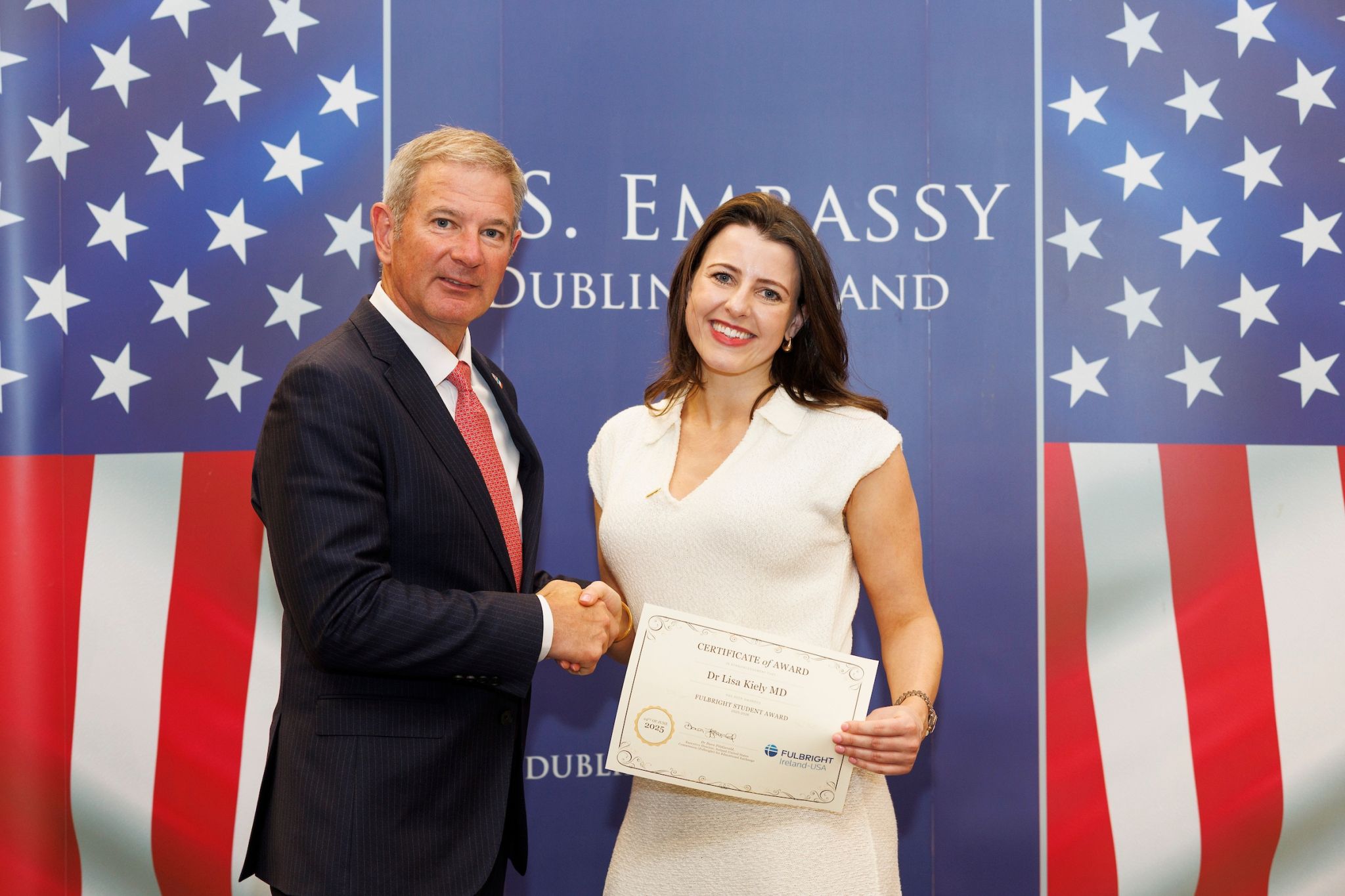
Friday, 25th July, 2025: The Department of Foreign Affairs and Trade, Department of Rural and Community Development and the Gaeltacht, and the Embassy of the United States of America in Dublin are pleased to announce 18 Fulbright Irish Awardees for 2025-2026. Recipients were presented with Awards at a ceremony in the U.S. Embassy last night.

Founded in 1946, the Fulbright bilateral exchange programme has served to strengthen international relations by facilitating academic and cultural exchanges globally for over 79 years. The Fulbright Program in Ireland has awarded grants to more than 2,500 Irish and American citizens since 1957, contributing to enduring Ireland-U.S. relations and a global culture of understanding.

Fulbright alumni include 44 current or former heads of state, 62 Nobel Laureates, 90 Pulitzer Prize-winners, and 82 MacArthur Foundation Fellows. Each year, talented and remarkable candidates from across Ireland are selected to research, study and teach with leading experts at top institutions across the U.S. in disciplines ranging from business, law, health and technology to culture, heritage, the arts, and the Irish language.

From August 2025 to August 2026, Fulbright Irish Scholars, Students and Professionals will attend institutions ranging from the University of Texas Southwestern Medical Center, Georgia Institute of Technology, and the University of Kansas to the School of the Art Institute of Chicago, the Maxine Greene Institute, and the University of Colorado Boulder. Awardees will research, innovate and collaborate across a diverse range of fields including multimedia arts, philosophy, medicine, agriculture, education, art history, AI technology in medicine, AI technology in education, visual arts, and health.

Fulbright Foreign Language Teaching Assistants (FLTAs) will teach the Irish language and attend Irish language Immersion weekends at the University of Wisconsin-Milwaukee, College of Our Lady of the Elms, University of Montana, and the University of Notre Dame.

Awardees serve as cultural ambassadors during their time in the U.S. and share their knowledge, ideas and experience upon their return, creating lasting impacts for society. Fulbright awardees, inspired by the mission, ethos and legacy of the Fulbright Program of creating a global culture of mutual understanding, continue the important work of strengthening ties between the U.S. and Ireland and advancing much needed empathy in today’s increasingly divided world.

The Fulbright Irish Awards will open on 28th August 2025. Interested candidates should visit www.fulbright.ie for more information.

Speaking at the awards ceremony, U.S. Ambassador to Ireland, Edward S. Walsh, said…

“The Fulbright Program plays a crucial role in strengthening ties between the United States and Ireland. Through educational and cultural exchanges, Fulbright awardees work toward fostering mutual understanding and finding solutions to global issues, ensuring that our extraordinary transatlantic relationship continues to flourish. I congratulate this year’s awardees on their success.”

Tánaiste, Minister for Foreign Affairs and Trade, and Minister for Defence, Simon Harris T.D., said…

“I warmly congratulate the Fulbright Irish Awardees for 2025-2026. The Fulbright Program – spanning 14 presidential administrations – has been an important initiative in sustaining the unique and special relationship that Ireland and the United States share. At the dawn of the age of artificial intelligence, there is still no substitution for the personal engagement, which sustains our deep and rich people-to-people connections. As such, Fulbright Awardees serve as cultural ambassadors for Ireland in the United States, sharing their knowledge, expertise and learnings upon return. I am proud that my Government has supported Fulbright to maintain and strengthen ties between the U.S. and Ireland and build on our transatlantic academic and cultural connections.  I want to wish the Fulbright Irish Awardees 2025-2026 every success as they embark on this exciting journey.”

Speaking at the awards ceremony, Chair of the Fulbright Commission Ireland Board, Professor Paul Donnelly, said…

“On behalf of the Fulbright Commission Ireland Board, I am delighted to congratulate the 18 Fulbright Irish Awardees on their success. At a time of global change and uncertainty, the mission, values and legacy of the Fulbright Program of leadership, empathy, understanding, and collaboration endure, embodied by a new cohort of excellent Fulbright awardees embarking on academic and cultural exchanges in the United States. We take pride in their achievement and wish the awardees a rich and rewarding experience.”

Speaking at the awards ceremony, Executive Director of the Fulbright Commission in Ireland, Dr Dara FitzGerald, said…

“As Executive Director of the Fulbright Commission in Ireland, it is gratifying to see a new cohort of thriving Fulbright Irish Awardees embark on Fulbright awards to the United States. Awardees join a growing global network of Fulbright alumni, friends and colleagues who have achieved accolades across all disciplines. While the Fulbright Program is synonymous with cutting edge research, innovation, teaching and academic excellence, it is equally known for its important role in strengthening international relations and fostering mutual understanding through cultural exchange. As Senator J. Fulbright said, ‘The Fulbright Program aims to bring a little more knowledge, a little more reason, and a little more compassion into world affairs.’

I would like to highlight the ongoing and sterling support of our partners, the Irish Government’s Department of Foreign Affairs and Trade and the Department of Rural and Community Development and the Gaeltacht, and the U.S. Department of State through the U.S. Embassy in Dublin.

We are deeply grateful to our Irish award sponsors and partners: Research Ireland, the Health Research Board, the Environmental Protection Agency, Geological Survey Ireland, National University of Ireland, Teagasc, the Creative Ireland Programme, the Heritage Council and notable U.S. Institutions such as the Exploratorium, the Smithsonian, the Harry Ransom Center, Florida Polytechnic University, the University of Southern California, the University of Notre Dame and the University of Pennsylvania Carey Law School; and Irish institutions such as University College Cork, Technological University of the Shannon, Technological University of Dublin, AMBER Research Centre, University College Dublin, Dublin City University, RCSI University of Medicine and Health Sciences, University of Galway, Maynooth University, University of Limerick and the Kemmy Business School, Atlantic Technological University, and the Dublin Institute of Advanced Studies.”

There is 1 Fulbright UCC Awardee this year – from INFANT Research Centre:

Dr Lisa Kiely MD is a Dermatology Specialist Registrar and an Irish Clinical Academic Training (ICAT) Fellow at the INFANT Research Centre, University College Cork. She holds an honours BSc in Physiology from the University of Galway, a postgraduate medical degree from the University of Limerick, and a Master’s in Clinical Education from Queen’s University Belfast. Currently pursuing a PhD, her research focuses on using advanced imaging techniques to improve detection and monitoring of disease activity in morphea, a rare inflammatory skin condition. Her work aims to improve how this condition is monitored and managed in clinical practice. As a Fulbright Irish Student Awardee, Lisa will travel to the University of Texas Southwestern Medical Center in Dallas, Texas, where she will collaborate with Professor Heidi Jacobe, a global leader in morphea research. Lisa is excited at the opportunity to foster long-term transatlantic collaboration in morphea research.

🌍 World Brain Day 2025 🧠

By |2025-07-24T12:31:27+01:00July 22nd, 2025|

Today, on World Brain Day, we’re proud to shine a light on the work we do at the INFANT Research Centre at University College Cork (UCC).

The theme for World Brain Day 2025 is “Brain Health for All Ages,” continuing global efforts to promote brain health as a lifelong priority.

The day aims to raise awareness about brain health and promote neurological research. Established by the World Federation of Neurology, World Brain Day highlights the importance of brain health and the ongoing need for research, education, and innovation to combat neurological disorders. It also serves as an inspiration for young minds to explore the complexities of the human brain and contribute to advancements in neuroscience.

The INFANT Research Centre is a hub of world-leading research and innovation, dedicated to improving outcomes during pregnancy, the newborn period, and early childhood.

A core focus of our research is the newborn brain, understanding it, protecting it, and ensuring the best possible start for every child.

We have achieved a number of milestones in Brain Health over the years and continue to do so, here are some of the highlights:

  • Developed innovative technologies to detect brain injuries in newborns.
  • Translated our innovative research into spin-out companies focusing on newborn brain health, including Cergenx and NeuroBell and continue to develop new technologies.
  • Collaborated on international studies, including the Baby BRAiN Project, which aimed to improve our understanding of newborn brain injury in Uganda and examined the impacts of events around the time of birth on both the baby’s brain and the child’s longer-term outcomes.

➡️ Read more: https://www.infantcentre.ie/2024/12/03/lancet-publication/

INFANT conducts a number of research projects prioritising newborn brain health, one particular project is called ELEVATE, a five-year research programme which is focused on the prevention, early detection, and treatment of brain injury and cerebral palsy in infants, particularly during the critical window of neuroplasticity (up to 2 years of age). INFANT is leading this programme in collaboration with Trinity College Dublin(TCD), Royal College of Surgeons in Ireland (RCSI), Ireland’s tertiary-level maternity hospitals. It’s funded under a Strategic Partnership Programme by Research Ireland and the Cerebral Palsy Foundation (CPF).

ELEVATE aims to establish Ireland as a world-leading hub for CP research and innovation.

Together, we are leveraging cutting-edge technologies and multidisciplinary collaboration to transform the landscape of CP research and care.

The goal: to improve outcomes and quality of life for children with CP, their families and carers in Ireland and globally.

➡️ Learn more about the programme: https://www.infantcentre.ie/research/elevate/

➡️ Read an Interview with Prof Deirdre Murray, the CPF Chair of Early Brain Injury and Cerebral Palsy: (10) Cerebral Palsy Foundation Chair in Early Brain Injury and Cerebral Palsy: Professor Deirdre Murray, One Year On – 6th Oct 2024 | LinkedIn

💡 Why It Matters

This World Brain Day, we recognise our incredible researchers, clinicians, and collaborators who are working every day to ensure every child has the best possible start in life.

Through science, innovation, and collaboration, we continue to advance the field of brain health, starting at the very beginning.

60% of Pregnant Women in Irish Study Show Signs of Iodine Deficiency, UCC Research Finds

By |2025-06-30T16:14:56+01:00June 30th, 2025|

  • 60% of pregnant women in a study group in Ireland show signs of iodine deficiency, according to new UCC research.
  • Iodine is essential for baby brain development, and requirements increase by 50% during pregnancy but can’t be produced by our bodies.
  • Even some women who reported taking pregnancy supplements were affected, indicating a potential opportunity to enhance awareness and adherence to existing recommendations for iodine during pregnancy.
  • Ireland does not have national iodine supplementation, salt iodisation or iodine food fortification policies, prompting calls for review.

A new study by researchers at University College Cork (UCC), Ireland found that 60% of pregnant women had suboptimal iodine status, highlighting a need for increased nutritional awareness to support maternal and child health.

Published recently in the European Journal of Nutrition, the IMPROvED study evaluated iodine levels in over 1,500 women who were pregnant with their first baby at Cork University Maternity Hospital. The research was led by Dr Áine Hennessy from the Irish Centre for Maternal and Child Health Research (INFANT) and the Cork Centre for Vitamin D & Nutrition Research at the School of Food and Nutritional Sciences.

Key Findings:

  • 60% of participants had insufficient iodine intake.
  • The average urinary iodine concentration (UIC) was 125µg/L, below the World Health Organisation (WHO) recommended level of 150µg/L for pregnancy.
  • Women who were younger, had a higher BMI, lower education levels, or were not taking iodine containing supplements were more likely to be deficient.
  • Seasonal variation played a role, with lower iodine levels during the summer months.
  • This study highlights the first large scale assessment of iodine status in pregnant women in Ireland.

Why This Matters

Iodine is essential for thyroid hormone production, which supports a baby’s brain development during pregnancy. A woman’s iodine requirement increases by 50% during pregnancy, making adequate intake from our diet essential. Our bodies cannot make iodine, so we must get it from our diet. Deficiency can lead to adverse outcomes, including impaired neurodevelopment in children.

“Iodine deficiency is one of the most common micronutrient deficiencies worldwide, there is little public awareness of the important role that iodine plays in brain development during pregnancy” said Dr Áine Hennessy, lead researcher.

“Our findings are particularly concerning as most women in the study were considered healthy and low risk and two thirds reported taking pregnancy supplements containing iodine. This suggests that additional public health measures may need to be addressed”

Public Health Implications

Ireland does not currently have a policy for salt iodisation or iodine food fortification. While National Clinical Practice Guidelines recommend prioritising iodine intake from foods, and supplement use where intake from food is not adequate, the level of awareness of the importance of iodine during pregnancy is low. This research reveals a need for policy review and nutrition education for women of childbearing age.

Dr Hennessy advises: “Women planning a pregnancy should ensure adequate iodine intake through diet – including two or more servings of milk or yoghurt daily and eating white fish once a week is recommended by the HSE. For those following vegan or predominantly plant-based diets, it’s important to choose iodine fortified alternatives. We do not recommend kelp or seaweed supplements, as they can contain very high levels of iodine that can cause issues for the thyroid”

This study was a secondary analysis of the IMPROvED Study, funded by a Science Foundation Ireland (Research Ireland) Starting Investigator Research Grant to lead investigator, Dr Áine Hennessy.

These findings serve as an important first step in informing and guiding public health nutrition policies.

ENDS.

Notes to the Editor:

  • The IMPROvED study recruited 1,509 women who were pregnant with their first baby at Cork University Maternity Hospital. The women answered health questionnaires and provided urine samples, which were later measured for urinary iodine concentration (UIC).
  • The findings from this study have been published in the European Journal of Nutrition
    DOI: https://doi.org/10.1007/s00394-025-03692-z

About INFANT Research Centre, UCC

  • The Irish Centre for Maternal and Child Health Research (INFANT), hosted at University College Cork, is the hub of world-leading research and innovation, working to provide better outcomes in pregnancy, birth and early childhood.
Go to Top