About Comms

This author has not yet filled in any details.
So far Comms has created 393 blog entries.

Transforming peanut allergy care in Ireland

By |2026-03-25T08:06:11+00:00March 23rd, 2026|

Transforming peanut allergy care in Ireland

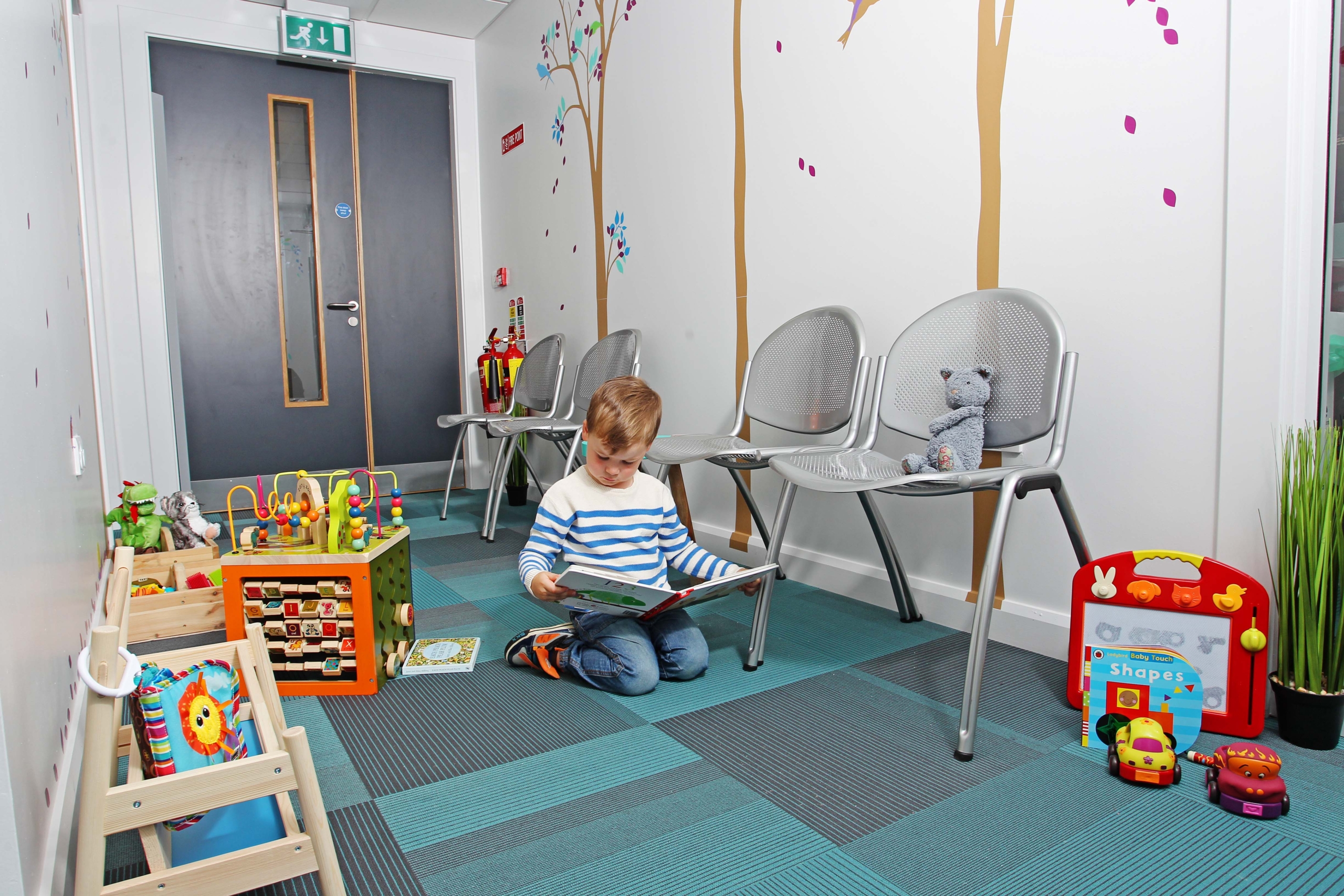
Food is supposed to be simple. But for families of children with severe food allergies, everyday life can be shaped by uncertainty. A birthday party, a school lunch, or a simple snack can carry the risk of a serious allergic reaction.

Across Ireland, thousands of children live with that reality — where a routine moment can quickly become a medical emergency. Managing food allergy means constant vigilance for families: checking labels, asking questions, and always being prepared for the unexpected. Now, research and clinical innovation are beginning to change the outlook.

At the INFANT Research Centre, researchers and clinicians are working to transform how food allergies are treated and prevented. Their work has contributed to a major national milestone: Ireland’s first public oral immunotherapy programme for peanut allergy. The programme, based at Cork University Hospital and led by paediatric allergist Dr Juan Trujillo, is improving the lives of children and families across the country.


Living with food allergy

Food allergies affect a growing number of children in Ireland. Around five percent of the population lives with some form of allergy, and between one and two percent experience food allergies. For children with peanut allergy, the risks can be particularly serious. Even trace amounts can trigger severe reactions, and most children do not naturally outgrow the condition. Without treatment, around 80 percent of children with peanut allergy will remain allergic for life. For families, that means constant vigilance. As Dr Trujillo explains:

“Many families live with the fear of accidental exposure,” says Dr Trujillo. “Even a tiny amount of peanut can trigger a serious reaction.”

Historically, treatment focused on strict avoidance and emergency medication. But researchers have increasingly explored whether the immune system itself can be retrained.


A new approach: oral immunotherapy

Oral immunotherapy (OIT) works by gradually introducing extremely small amounts of the allergenic food under careful medical supervision. Over time, the dose is slowly increased. The aim is to desensitise the immune system, reducing the risk of severe reactions even if the allergy itself does not disappear completely. For peanut allergy, the goal is for a child to eventually tolerate the equivalent of one or two peanuts per day. Dr Trujillo explains:

“By gradually introducing the allergen in controlled doses, we can reduce the risk of severe reactions,” 

This desensitisation can significantly improve safety. Dr Trujillo further states that:

“With oral immunotherapy, the chances of a patient being safe from accidental exposure can increase to around 80%”

For families, that difference can transform everyday life.


Ireland’s first public programme

Despite its potential, oral immunotherapy had not previously been widely available through Ireland’s public health system. Dr Trujillo and his colleagues established Ireland’s first public oral immunotherapy programme for peanut allergy at Cork University Hospital. The response from families and clinicians across the country has been significant. Initially, the team expected to treat around 70 patients in the programme’s first year. Instead, referrals quickly began arriving from across Ireland. Within its first year, more than 250 children had joined the programme. As the service continues to expand, hundreds more patients are expected to access treatment. Dr Trujillo explains:

“We expected around 70 patients in the first year. We finished with 250 — and now families are coming to us from across Ireland.”

The programme has effectively become a national referral centre, with children travelling from different regions for treatment before returning to their local care teams.


Research driving change

The programme is rooted in years of research collaboration between Cork University Hospital, University College Cork, and the INFANT Research Centre. This research environment allows discoveries to move more quickly from laboratory insight to clinical care.

Dr Trujillo’s research focuses on both the treatment and prevention of allergic disease, exploring new ways to safely retrain the immune system. Alongside oral immunotherapy, his team is involved in international clinical trials investigating innovative treatments such as epicutaneous immunotherapy. This approach uses a small skin patch that delivers tiny amounts of peanut protein to the immune system. The aim is similar to oral immunotherapy: reducing sensitivity to the allergen while minimising the risk of severe reactions. Together, these studies are helping to build the evidence base for a new generation of allergy treatments. Dr Trujillo explains:

“Our goal is not only to treat allergies, but to prevent them and make life safer for children.”


The future: prevention and national access

While new therapies are transforming treatment, research is also reshaping how allergies are prevented. Scientific evidence now shows that introducing allergenic foods such as peanuts early in infancy can significantly reduce the risk of developing allergies later in life. In some countries, early introduction strategies have reduced peanut allergy rates by up to 40 percent. For Ireland — where specialist allergy services remain limited — prevention may play an increasingly important role in reducing the burden of allergic disease.

Dr Trujillo also has a longer-term vision: building a national oral immunotherapy programme that could serve families across the country more efficiently. Such a system could allow specialised centres to deliver treatment while working closely with regional allergy services. Dr Trujillo explains:

“The goal is to build a national programme so children across Ireland can access treatment earlier and more safely.”


Research with real-world impact

The work underway at the INFANT Research Centre demonstrates how research can translate directly into clinical care. From international clinical trials to Ireland’s first public immunotherapy programme, these advances are helping reshape allergy care. For the families navigating the daily realities of food allergy, that progress means something simple but powerful. A future where everyday moments — a birthday party, a school lunch, a shared meal — carry a little less risk.
Building Research Capacity Across LINDA-FAMILIA

By |2026-03-04T16:08:12+00:00March 4th, 2026|

Strengthening research capacity is essential for improving maternal and newborn health. When local teams have the skills, knowledge and systems to generate high-quality research and use its findings, they are better equipped to design services and respond to the challenges facing women, children and families in their communities.

This ambition sits at the heart of the LINDA-FAMILIA project, which brings together researchers, clinicians and public health experts working across multiple countries to strengthen the evidence base for improving maternal and newborn health.

A key focus of the project is enhancing the ability of individuals and institutions to conduct high-quality research and make effective use of data collected through eRegistries.

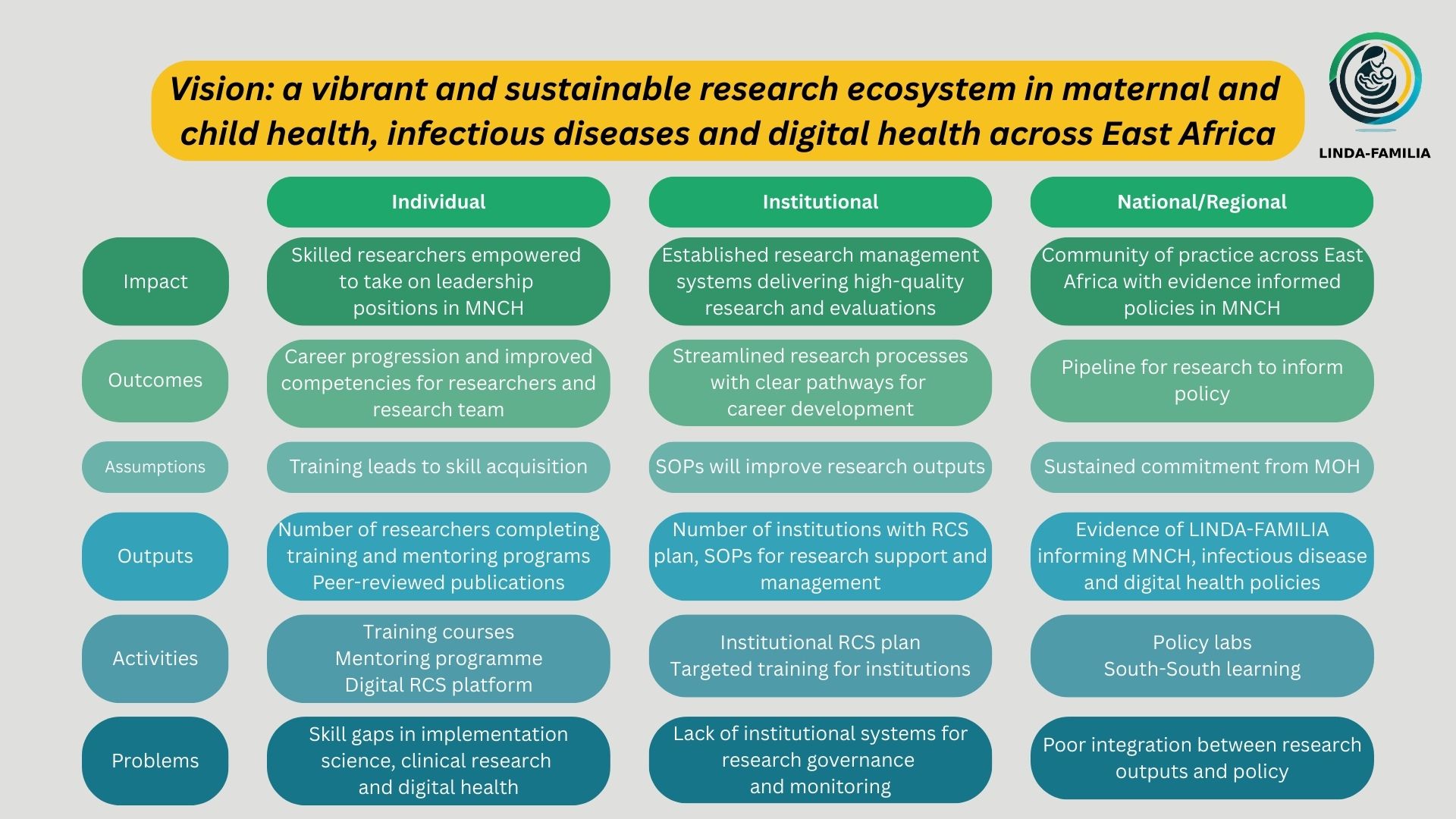
One of the project’s first milestones has been the development of a Theory of Change for research capacity strengthening (RCS).

A Theory of Change helps map how a project’s activities are expected to lead to meaningful and lasting change. In practical terms, it means identifying the challenges we want to address, agreeing on the activities that will help tackle them, and defining the outcomes we hope to achieve over time.

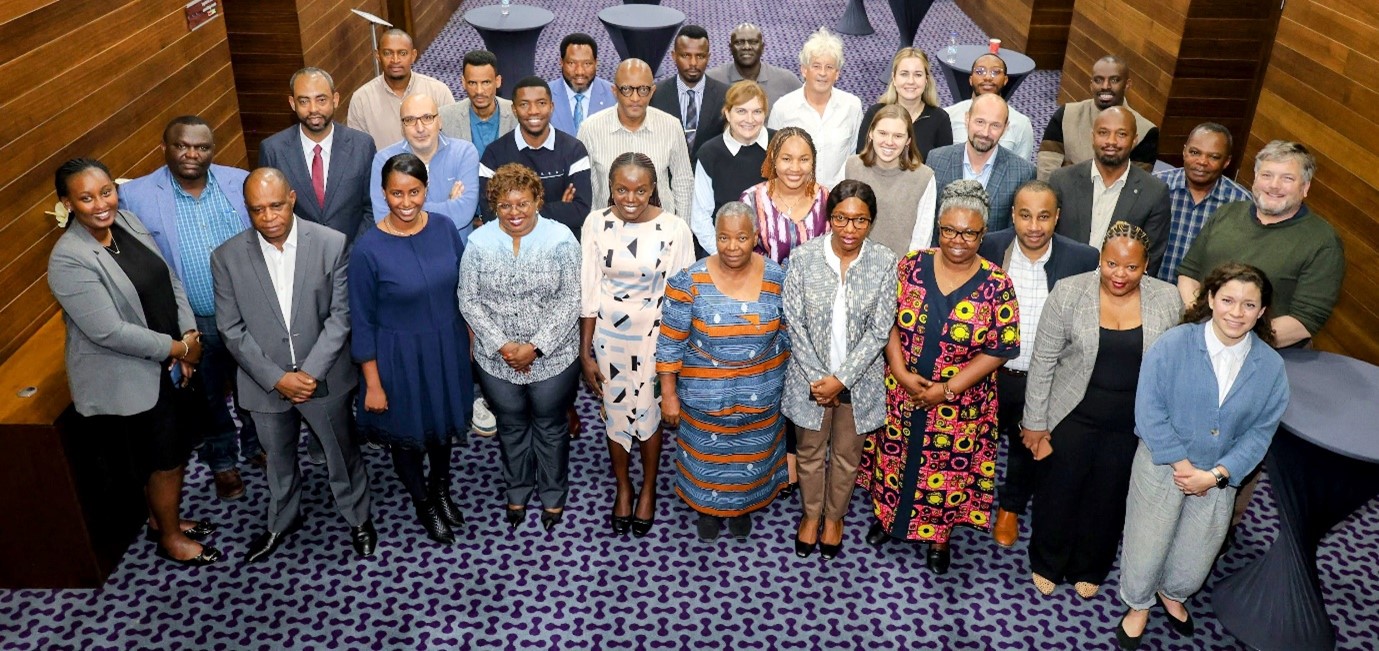
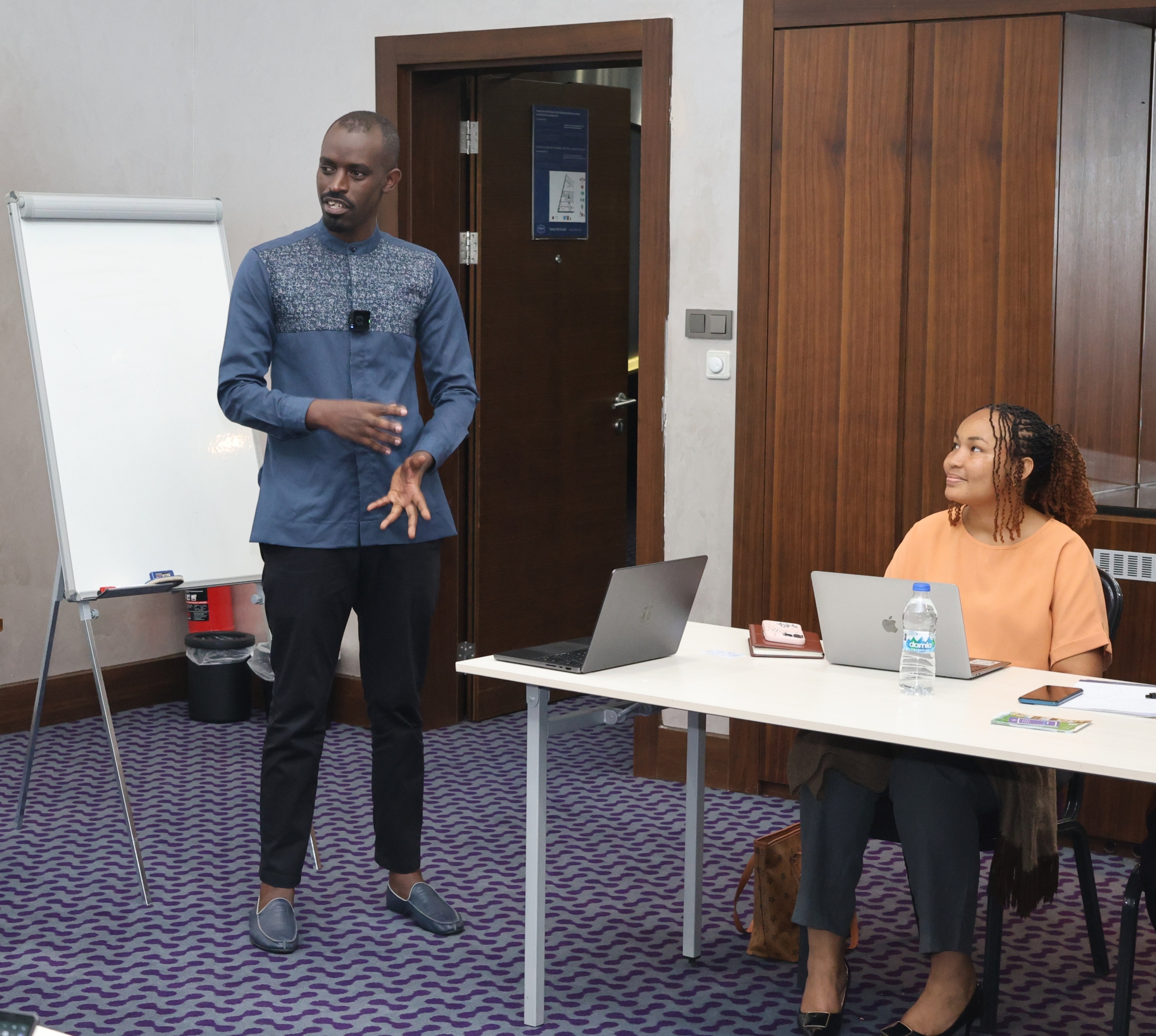
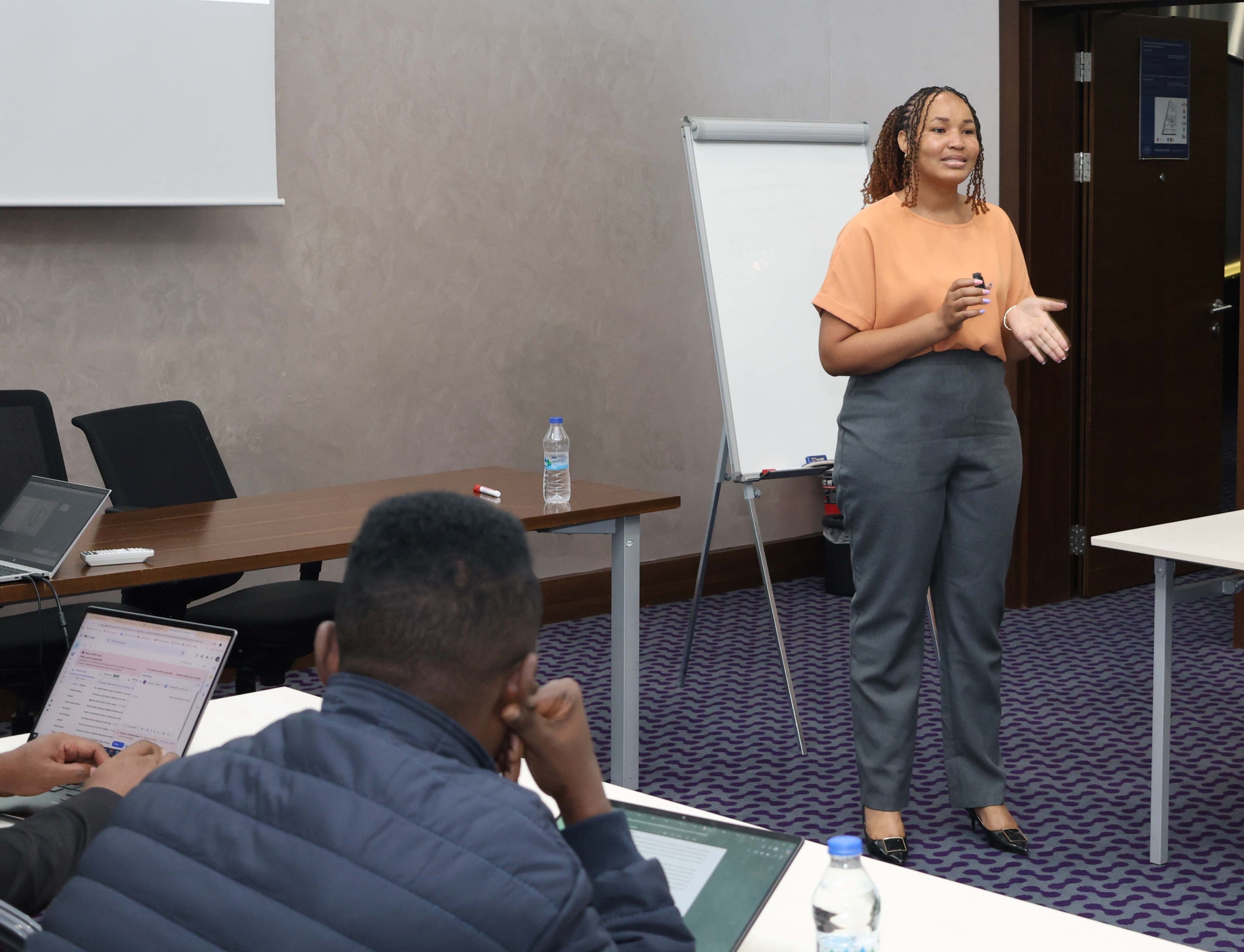
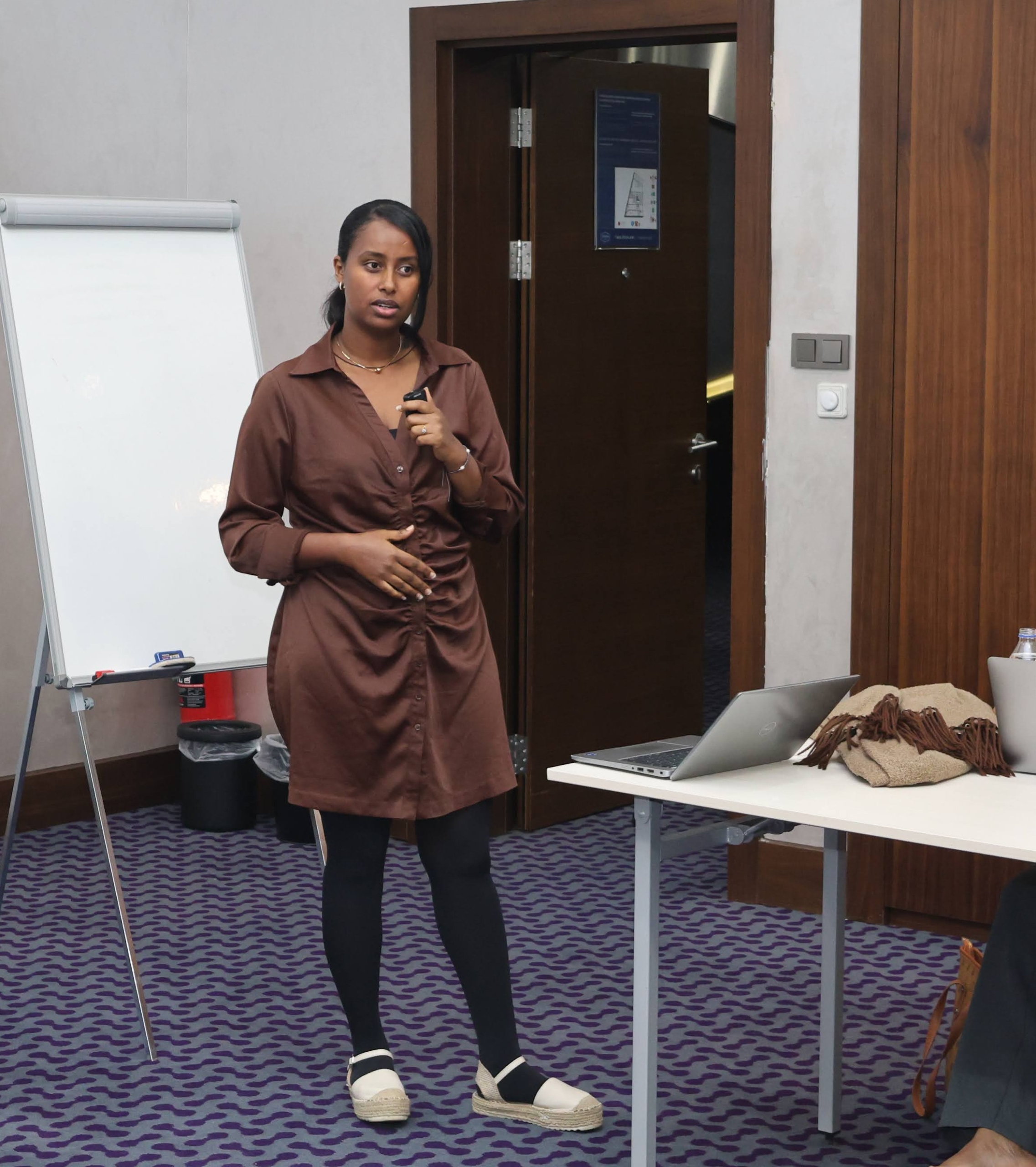
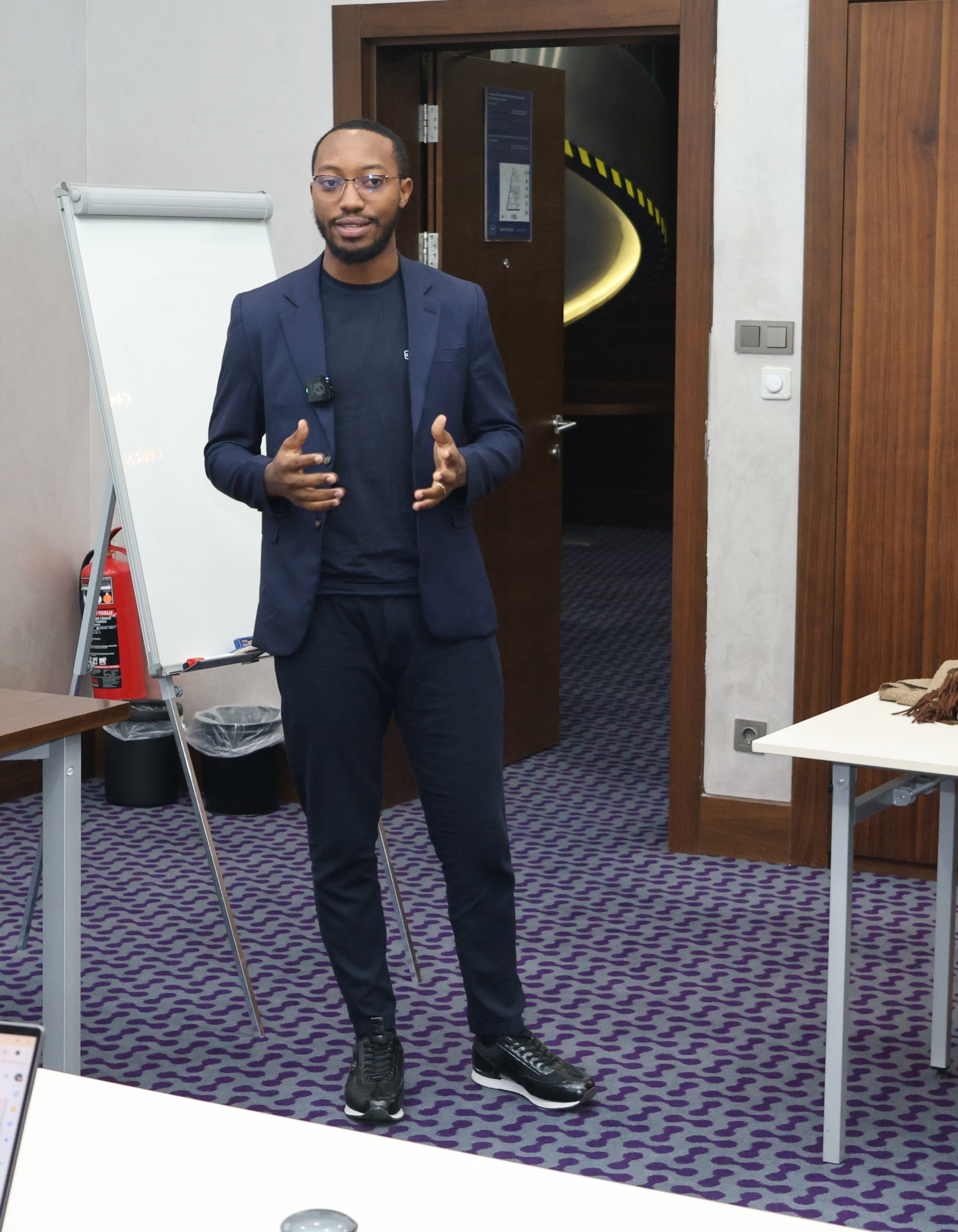
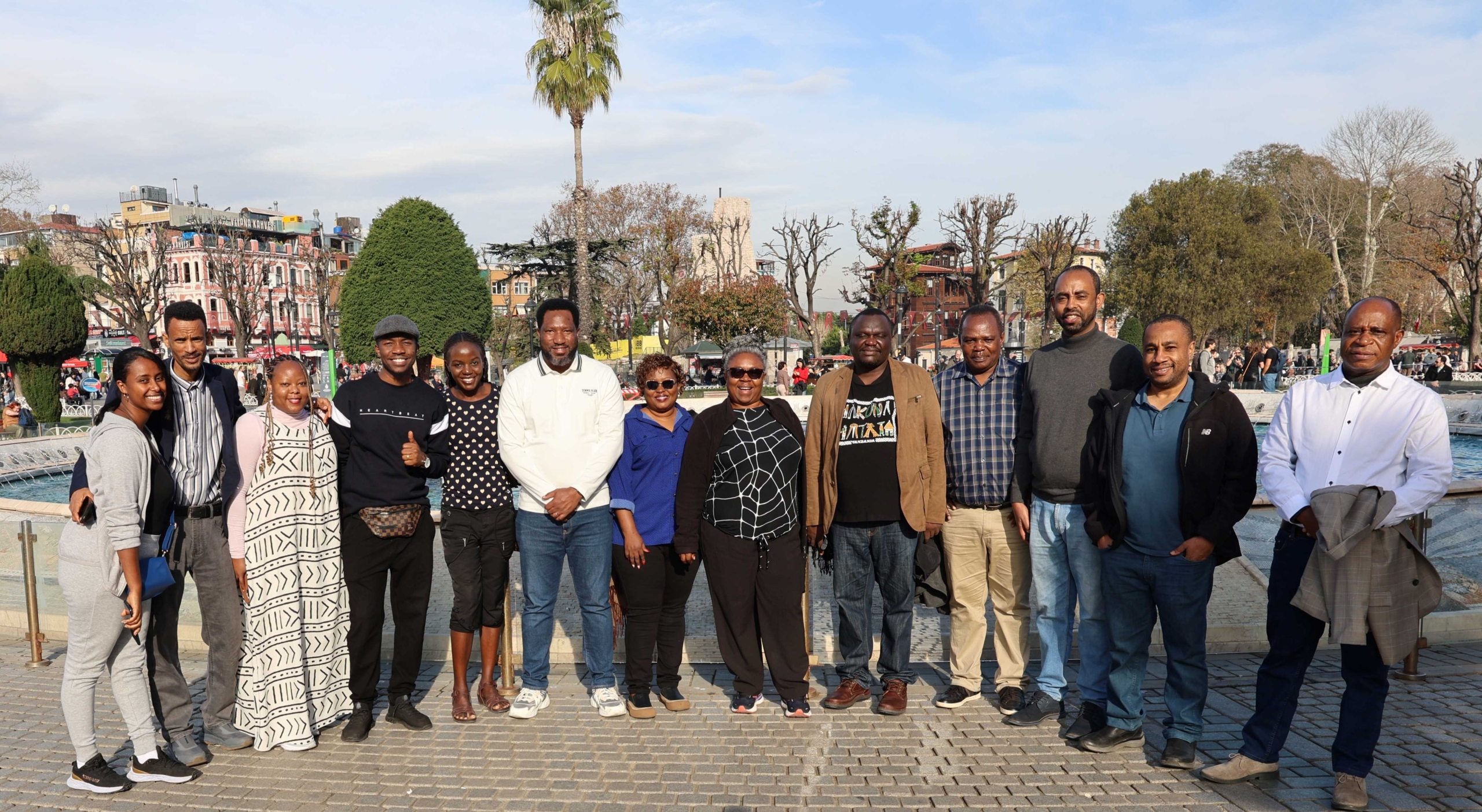
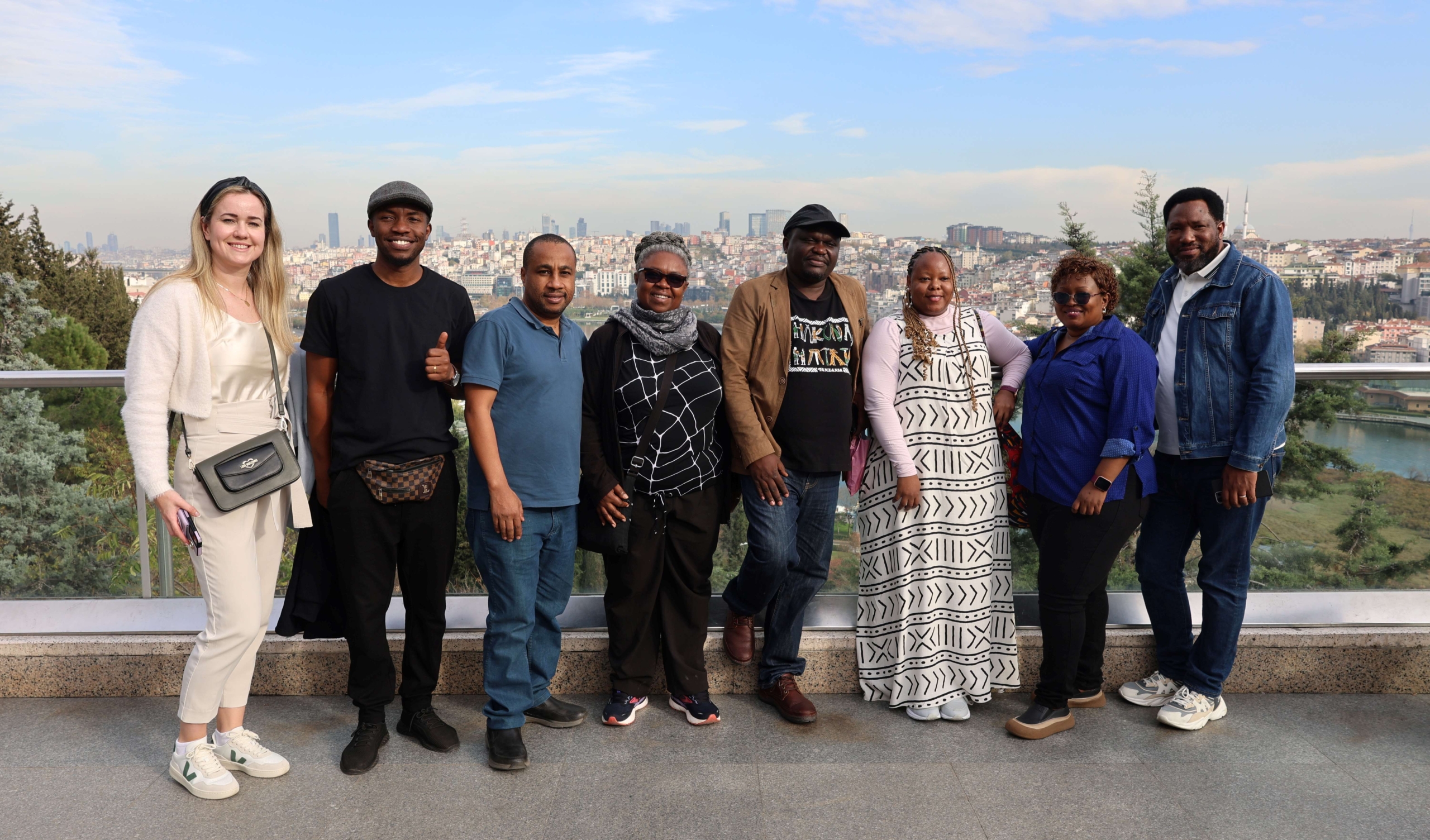
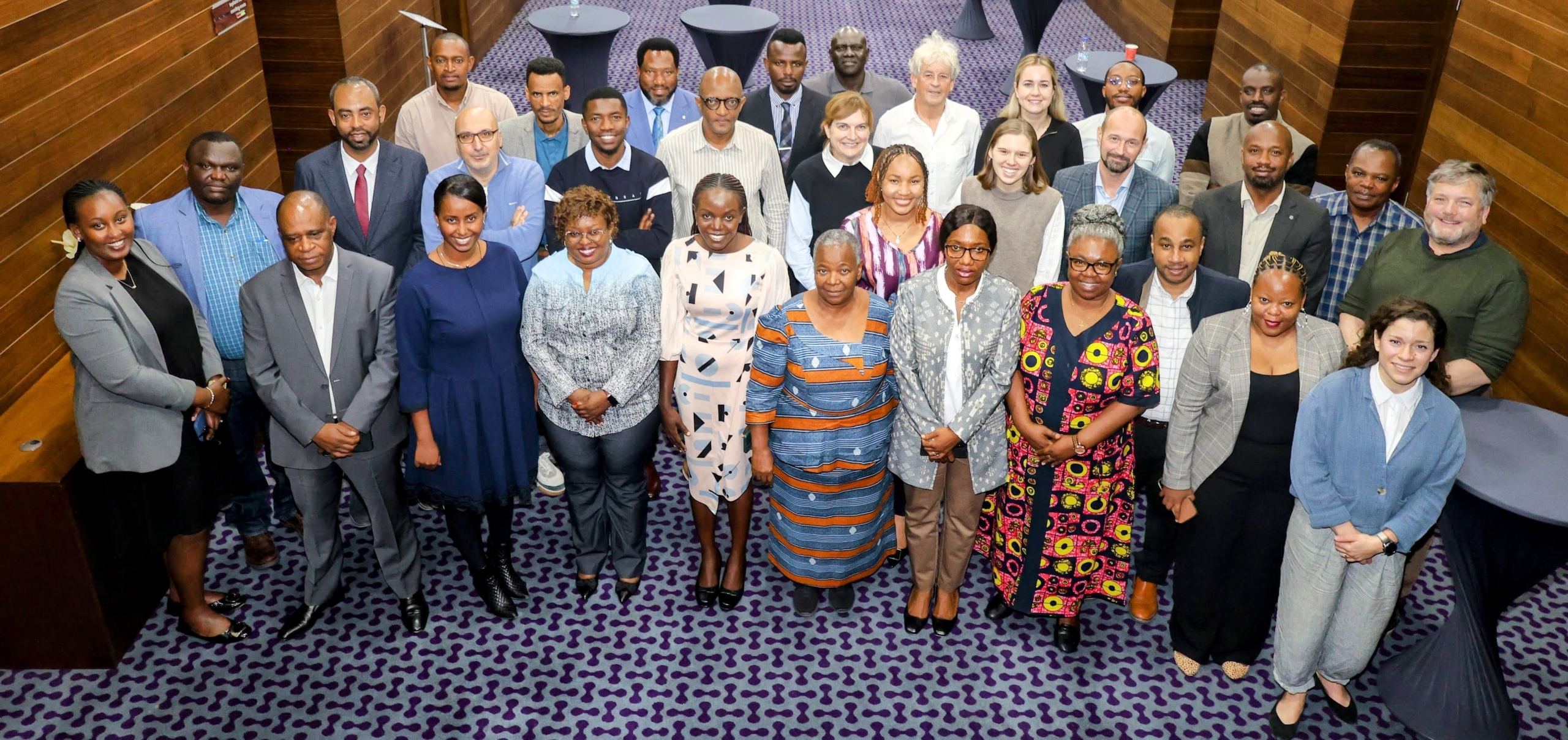
This framework was created during a collaborative workshop at the LINDA-FAMILIA kick-off meeting in Istanbul in November 2025 (pictured above). Partners from across the consortium came together to share their perspectives on key issues and priorities for strengthening research capacity. The result is a collective document that reflects the experiences and needs of teams working across the different countries and contexts that make up LINDA-FAMILIA.

The resulting Theory of Change, summarised in the accompanying graphic, now serves as a roadmap for research capacity strengthening within the project. It will guide activities throughout LINDA-FAMILIA, helping partners focus on the outcomes they want to achieve, and the steps needed to get there.

By investing in research capacity strengthening, LINDA-FAMILIA aims to support sustainable improvements in data use, research quality and evidence-informed decision-making across participating countries.


Advancing Digital Health Integration: LINDA-FAMILIA Technical Meeting in Ethiopia

By |2026-03-02T12:06:52+00:00March 2nd, 2026|

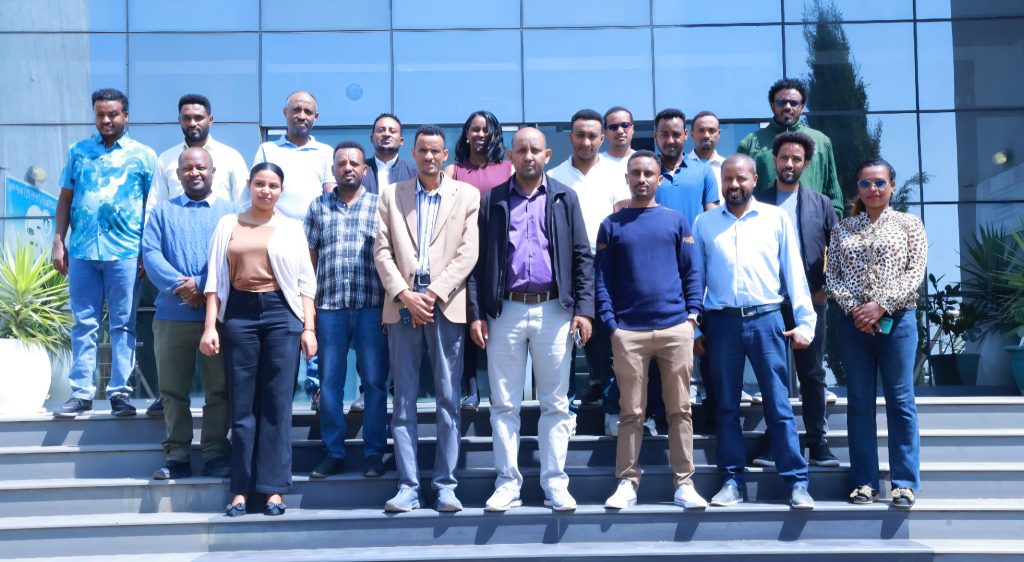
Strengthening digital health systems requires more than technology. It requires coordination, shared standards, and strong partnerships. On 26 February 2026, partners of the LINDA-FAMILIA project in Ethiopia came together for a high-level technical meeting to move system integration plans forward.

Hosted at the Ethiopian Public Health Institute, the meeting brought together experts from the Ministry of Health Digital Health Department, the Addis Ababa Regional Health Bureau, EPHI’s National Data Management Center, HISP Ethiopia, and Pulse Tech, alongside other key partners.

Discussions focused on strengthening interoperability between Electronic Medical Records and DHIS2, improving real-time reporting, standardising metadata, and preparing for system deployment. A steering committee was established to oversee integration, with clear technical responsibilities assigned across institutions.

This meeting marks another important step toward building a more connected, data-driven maternal and child health system in Ethiopia.

You can read the full story on our partner’s website here.

Children Needed For Research Study: The SOPHIE Study

By |2026-02-13T16:17:56+00:00February 5th, 2026|

The SOPHIE Study is a research study at University College Cork and Cork University Maternity Hospital/Cork University Hospital. Researchers at INFANT, UCC are looking for healthy children aged 5-11 years old to take part in this study. The study is looking to recruit more participants. 

  • What is the Study? 

‘SOPHIE’ is an acronym for ‘School-aged Outcomes Post Hypoxic Ischaemic Encephalopathy’. Some children are diagnosed with hypoxic ischaemic encephalopathy (HIE) after birth. These babies need extra help after delivery, due to issues with oxygen and blood flow to their brain. They are admitted to the neonatal unit and receive special treatment to help their brain to recover.

There is very little information on how children who have been diagnosed with HIE in the newborn period continue to develop after two years of age. We know that some children have difficulties at school, but we don’t know how to identify these children early so that we can intervene sooner and improve their long-term outcomes.

We are looking for healthy children to volunteer also to have a developmental assessment and if they wish, an MRI brain scan.

The project is supervised by supervisors from University College Cork, Cork University Hospital, and INFANT Research Centre.

  • Who is it for? 

Healthy children aged 5-11 years old who have no known developmental issues. Children are eligible if they were born after 36 weeks gestation and were not admitted to the neonatal unit within 12 hours of birth.

  • What do I need to do?

The study has two parts – the first visit is for the developmental assessment. The second visit is optional, for an MRI brain scan. Both visits take place at Cork University Hospital.

  1. Developmental assessment: This takes about 1.5 hours and involves a brief IQ test (using pictures and puzzles) and playing games on an iPad.
  2. MRI Brain: The scan itself takes about 20 minutes but you would be in CUH for about 1 hour in total.
    1. View more information about the MRI scan here: CUH Paediatric MRI (SOPHIE Study)
  • Why is this study being done?

By conducting these tests, we hope to gain information on how to identify issues earlier and improve long-term outcome in children diagnosed with HIE in the newborn period.

  • What are the benefits and risks of participating in this study?

By participating in this study, you are contributing to important research on childhood development and brain injury. The aim is that the results from this study will help to improve the outcomes for children and gain specific interventions sooner to maximise their developmental growth over early childhood.

It may be of interest to you or your child to have a developmental check, an IQ test, and/or an MRI brain scan. If there are findings from either visit that need to be discussed or addressed, a member of the consultant team will meet with the family and refer them to the appropriate services if necessary.

  • What is the time commitment?

1.5 hours for the developmental assessment which will take place in the Cork University Hospital.

1 hour for the MRI brain (20 minutes scanning time) which will take place in the Cork University Hospital.

  • What will happen to the results of this study?

The results of this study will be published in academic journals and presented at scientific meetings. You will never be identified individually during these presentations or any reports or publications. To ensure confidentiality, the data generated during this study is coded with a unique Study ID Number that will be allocated once your child is recruited to the study.

University College Cork (UCC) is the study’s Sponsor and will act as the data controller for this study. Any personal data which you provide to the University will be treated with the highest standards of security and confidentiality, in accordance with Irish and European Data Protection legislation.

  • Where can I get more information?

If you have any further questions regarding this study, please contact Dr Anne Murray: SOPHIE@ucc.ie

  • Interested in taking part in the study?

Fill out the enquiry form and a member of the research team will contact you: https://forms.office.com/e/1ajEMTUmDY

Children Needed for Research Study: AIM-HIGH Feasibility Study

By |2026-03-24T15:09:24+00:00January 27th, 2026|

Overview

The AIM-HIGH Feasibility Study is a research study at the INFANT Research Centre at University College Cork (UCC) and Cork University Maternity Hospital(CUMH). Researchers at INFANT, UCC are looking for healthy infants aged between 22 – 26 months to take part in this study.

Express Interest here: https://forms.office.com/e/ZzAkScCcDG 

What is the Study?

In the INFANT Research Centre, we have developed a new way of measuring how well your child thinks, understands and learns about the world around them. The new test, CogniToT, is an interactive 20-minute tablet-based test involving playful tasks. Recently we have improved the design so that children with poorer vision can also complete the tasks. Before we test this in high-risk infants, but we need to see how healthy, normal-sighted children also perform on this new version. This is why we are asking for healthy children (22 – 26 months) to participate in this study.  

The study is supervised by clinical consultants from University College Cork, Cork University Hospital, and INFANT Research Centre.

Who is it for?

Healthy infants, born at term, now aged between 22- 26 months with no known developmental or visual concerns.

What do I need to do?

  • Attend a 1-hour visit at the INFANT Research Centre, Cork University Hospital.

During the visit, we will check your child’s vision, get them to complete the updated version of CogniToT (Figure 1) and then ask you to fill-out a quick questionnaire about your child’s development. All the tests are painless and will not distress your child.

Figure 1: CogniTOT – An easy, screen-based assessment of how your child thinks and learns.

Why is this study being done?

We hope to gain information on how healthy children perform on the updated CogniTOT test and help us to improve the test design.

What are the benefits and risks of participating in this study?

  • Help improve the design and advance child-friendly technology in healthcare
  • If we have concerns about your child’s vision or development, we will arrange referrals to appropriate services if necessary

What will happen to the results of this study?

The results of this study will be published in academic journals and presented at conferences. Your child will never be identified individually during these presentations or in any reports or publications. Your child will be given a unique study ID code when they start the study, so all information is linked only to this unique ID, keeping your child’ data anonymised and confidential.

UCC is sponsoring this study, and they will ensure that we are following the highest standards of security and confidentiality regarding data, and comply with Irish and European Data Protection legislation.

Where can I get more information?

If you have any further questions regarding this study, please contact Dr Matilda Biba: mbiba@ucc.ie

Interested in taking part in the study?

Fill out the enquiry form here: https://forms.office.com/e/ZzAkScCcDG and a member of the research team will contact you.

LINDA-FAMILIA Project Launches with Four-Day Kick-Off Meeting in Istanbul

By |2026-07-14T11:16:06+01:00January 19th, 2026|

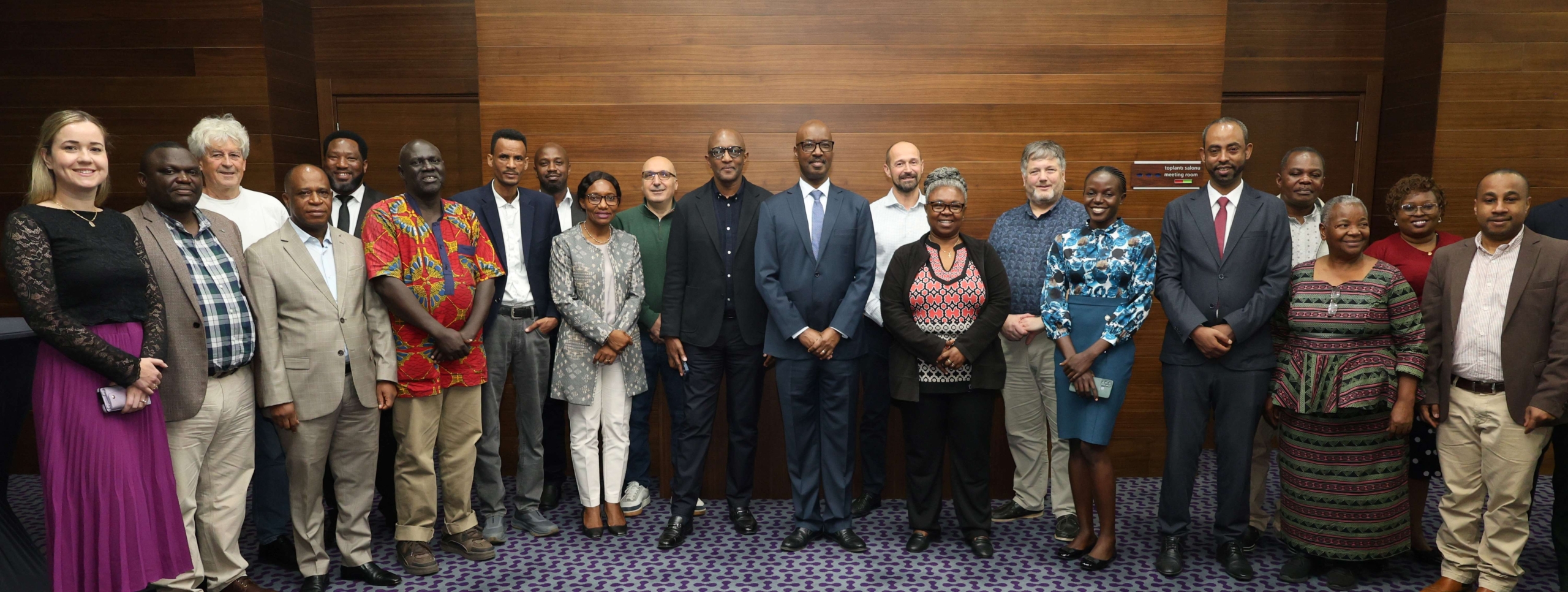
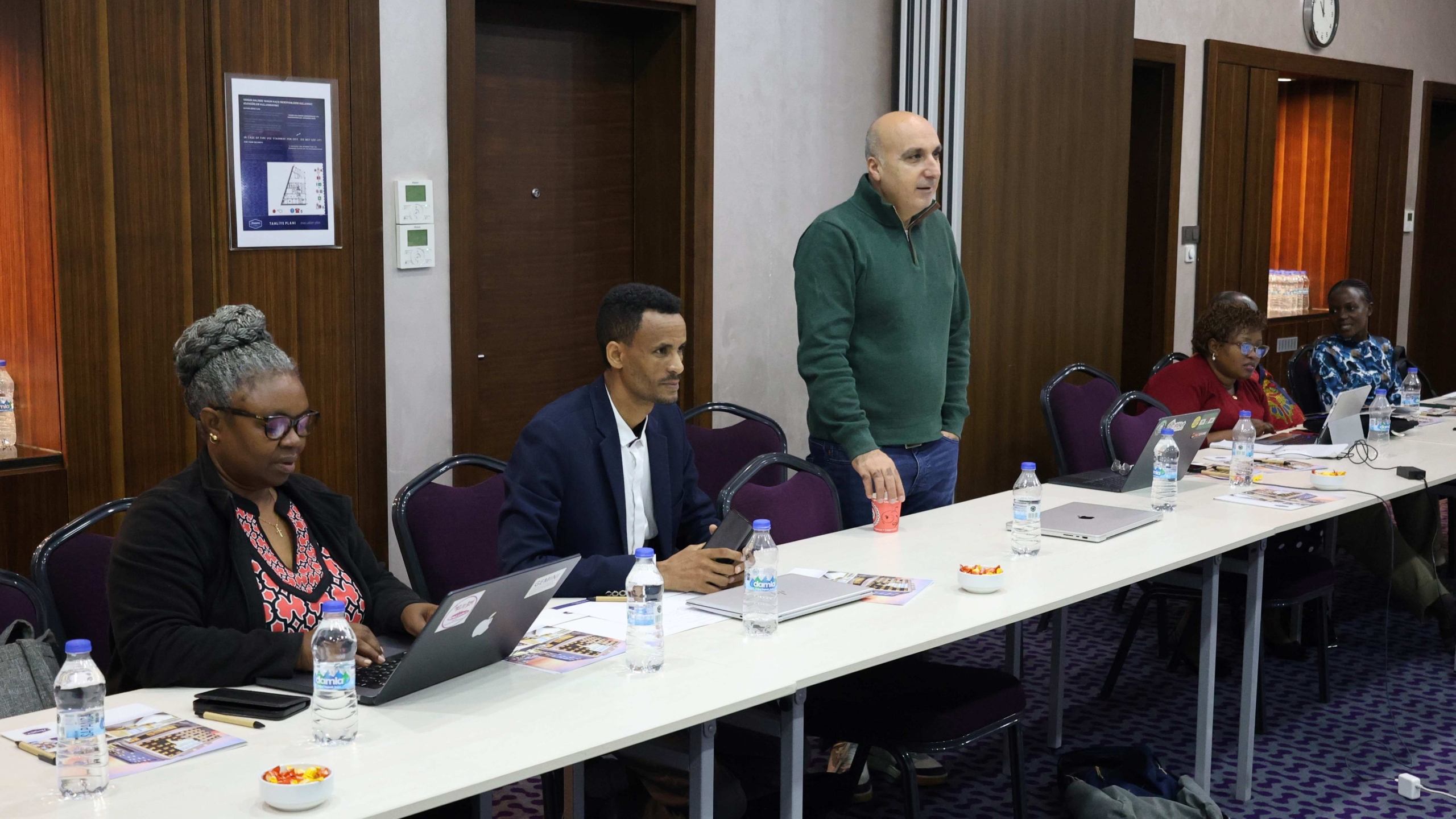
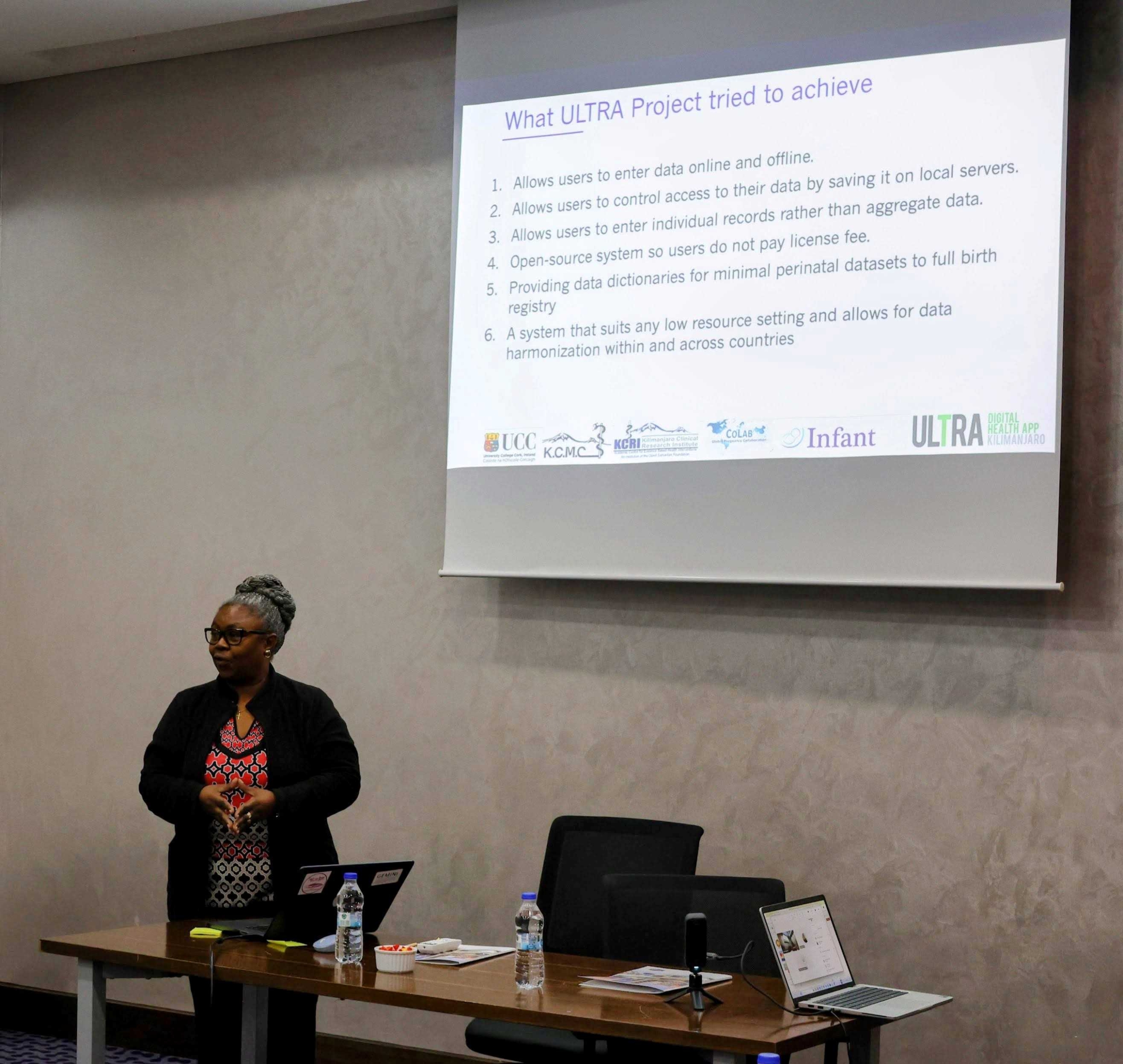
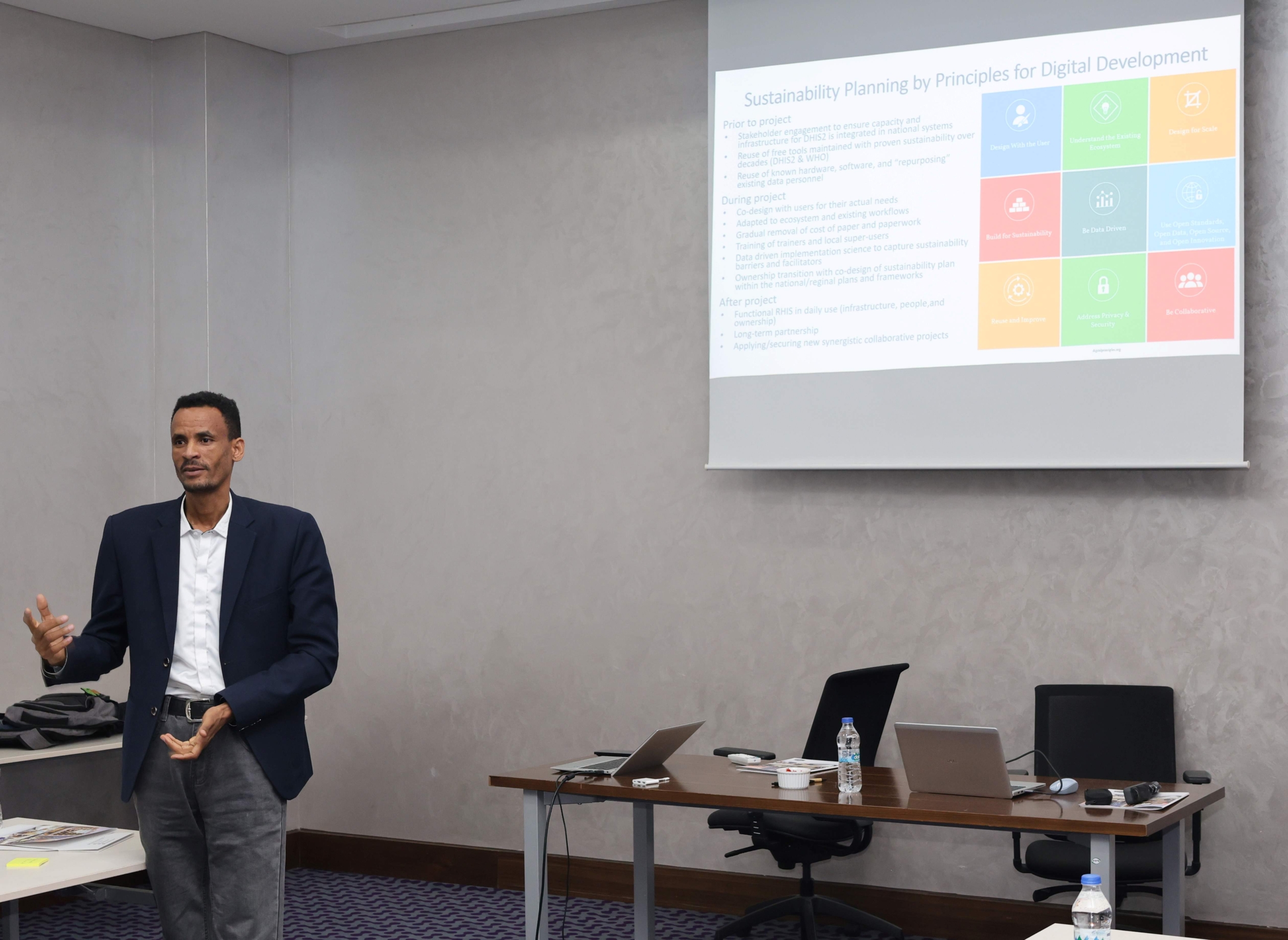
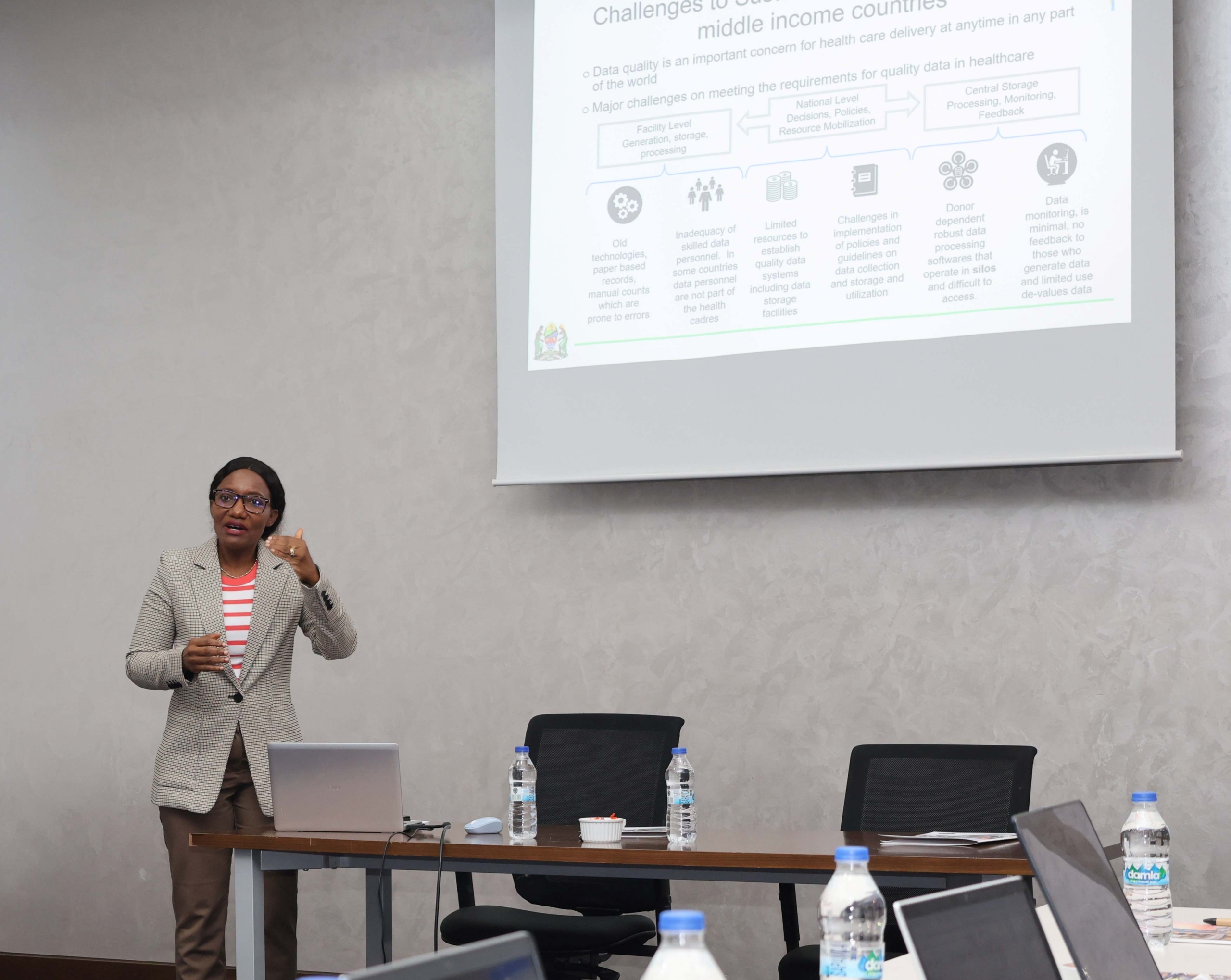
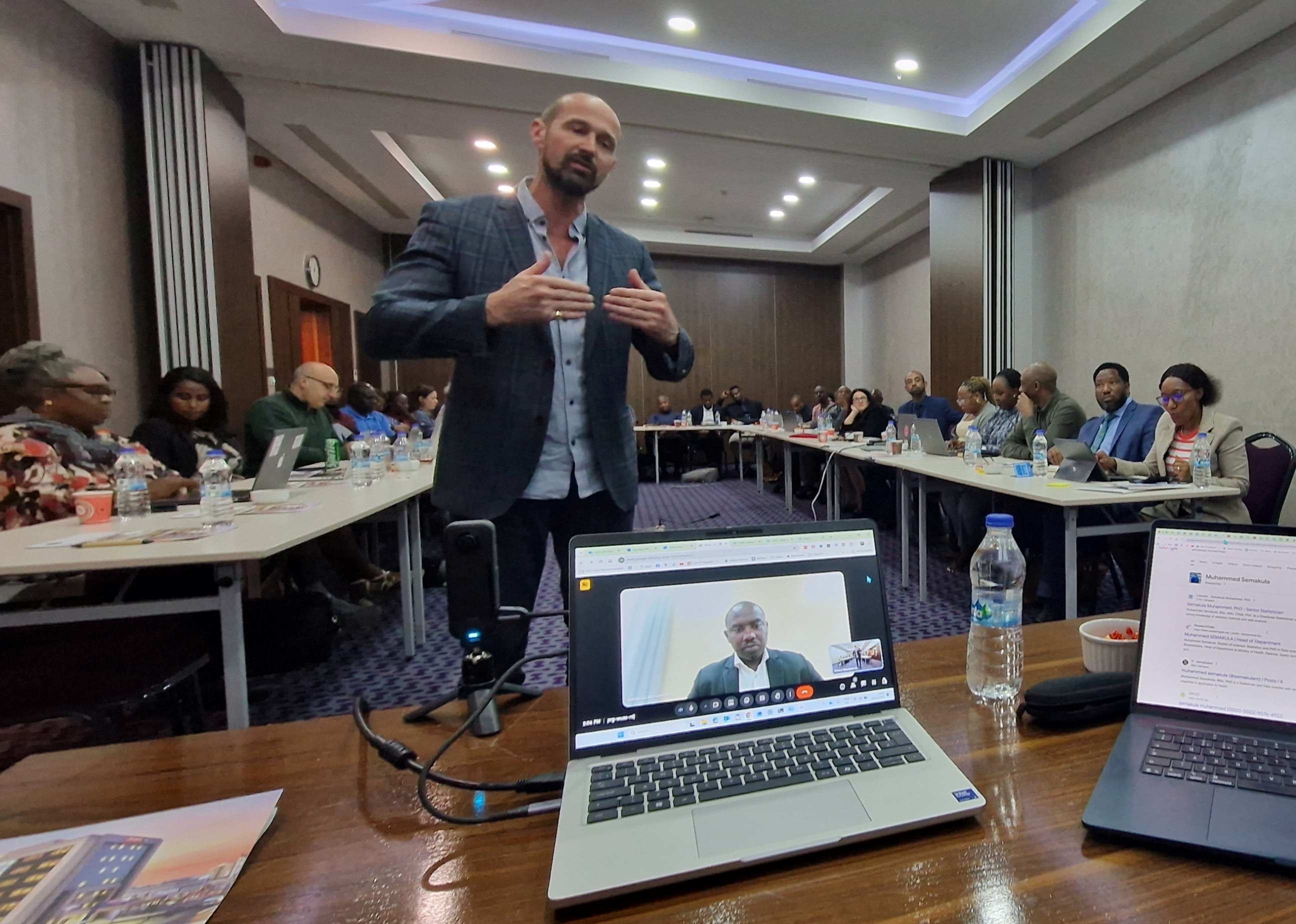
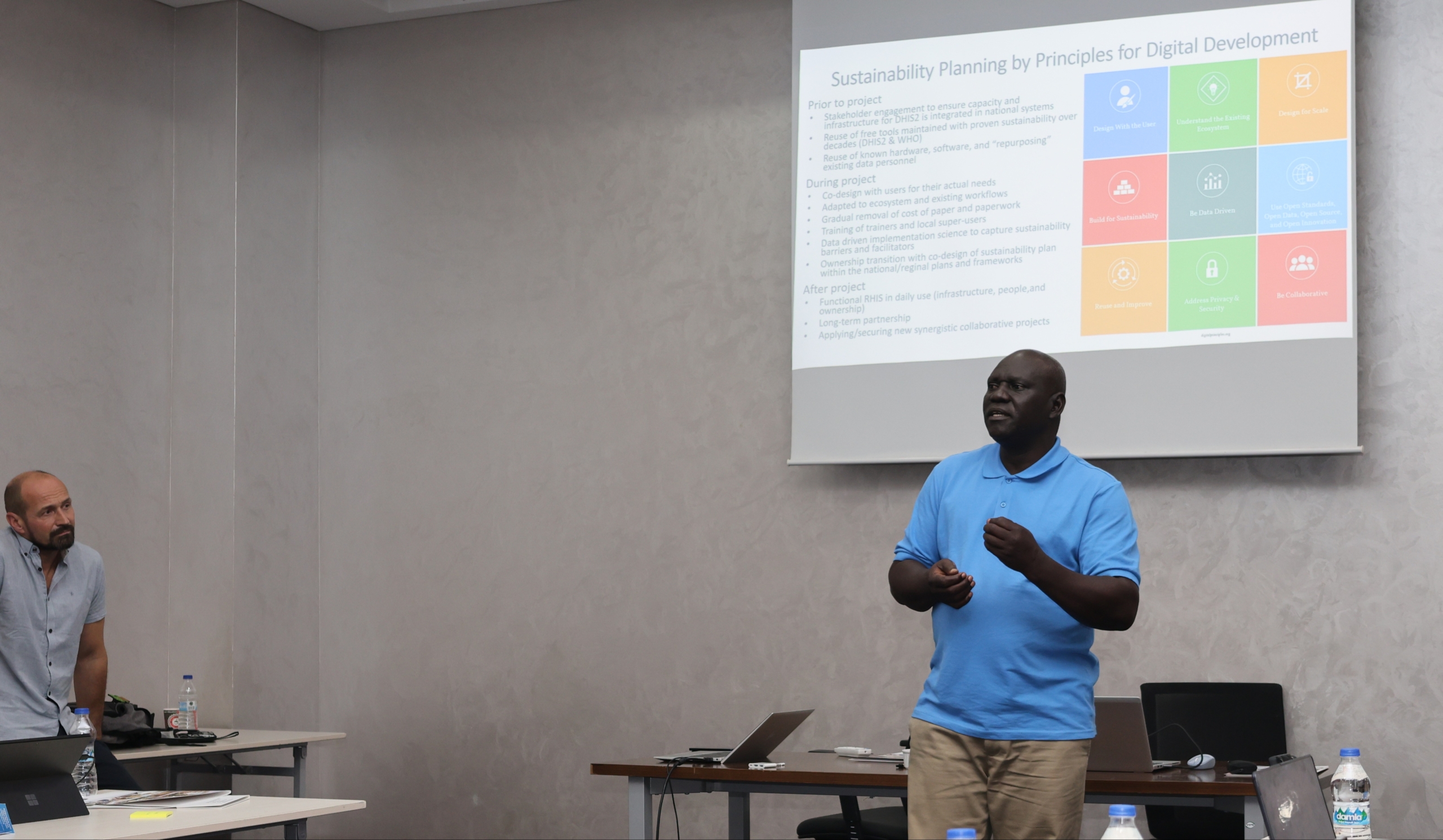
The LINDA-FAMILIA research project officially commenced with a four-day kick-off meeting held in Istanbul, Turkey, in November 2025. The meeting brought together over 30 participants from the project’s global partner consortium, with representatives from Ireland, Ethiopia, Norway, Rwanda, Tanzania, Uganda and the United Kingdom. The event marked an important milestone for the project, setting the direction for collaborative research, capacity strengthening, and policy engagement in maternal and child health.

Day 1

Marked the formal opening of the project with a Principal Investigator meeting in the morning, followed by a keynote presentation from the Director of INFANT, Prof Geraldine Boylan. Prof Boylan welcomed participants and outlined the overarching vision and ambition of LINDA-FAMILIA within the Horizon Europe framework. This was followed by detailed work package meetings, during which work package leads presented planned activities, timelines, and deliverables. These sessions provided clarity on roles and responsibilities and facilitated cross-work-package discussions to identify synergies and address potential challenges early in the project lifecycle.

Day 2

Day 2 focused on policy engagement and digital health systems. The morning opened with an insightful presentation from the Chief Medical Officer of Tanzania, Dr Grace Magembe who shared national perspectives on maternal and child health priorities and the importance of strengthening health information systems. This was followed by a live demonstration of an eRegistry system, giving partners a practical understanding of how digital tools can support improved data capture, continuity of care, and evidence-informed decision-making.

In the afternoon, consortium members participated in a dedicated meeting with policymakers to discuss strategies for transitioning from paper-based to digital health records. Representatives from all four African partner countries – Tanzania, Ethiopia, Rwanda, and Uganda – summarised the challenges and opportunities within their national contexts, identifying shared learning opportunities across countries. The session was further enriched by the remote participation of Dr Semakula Muhammed, Permanent Secretary at the Ministry of Health, Rwanda, who provided valuable insights into the structure of Rwanda’s healthcare system and its ongoing digital health reforms.

Day 3

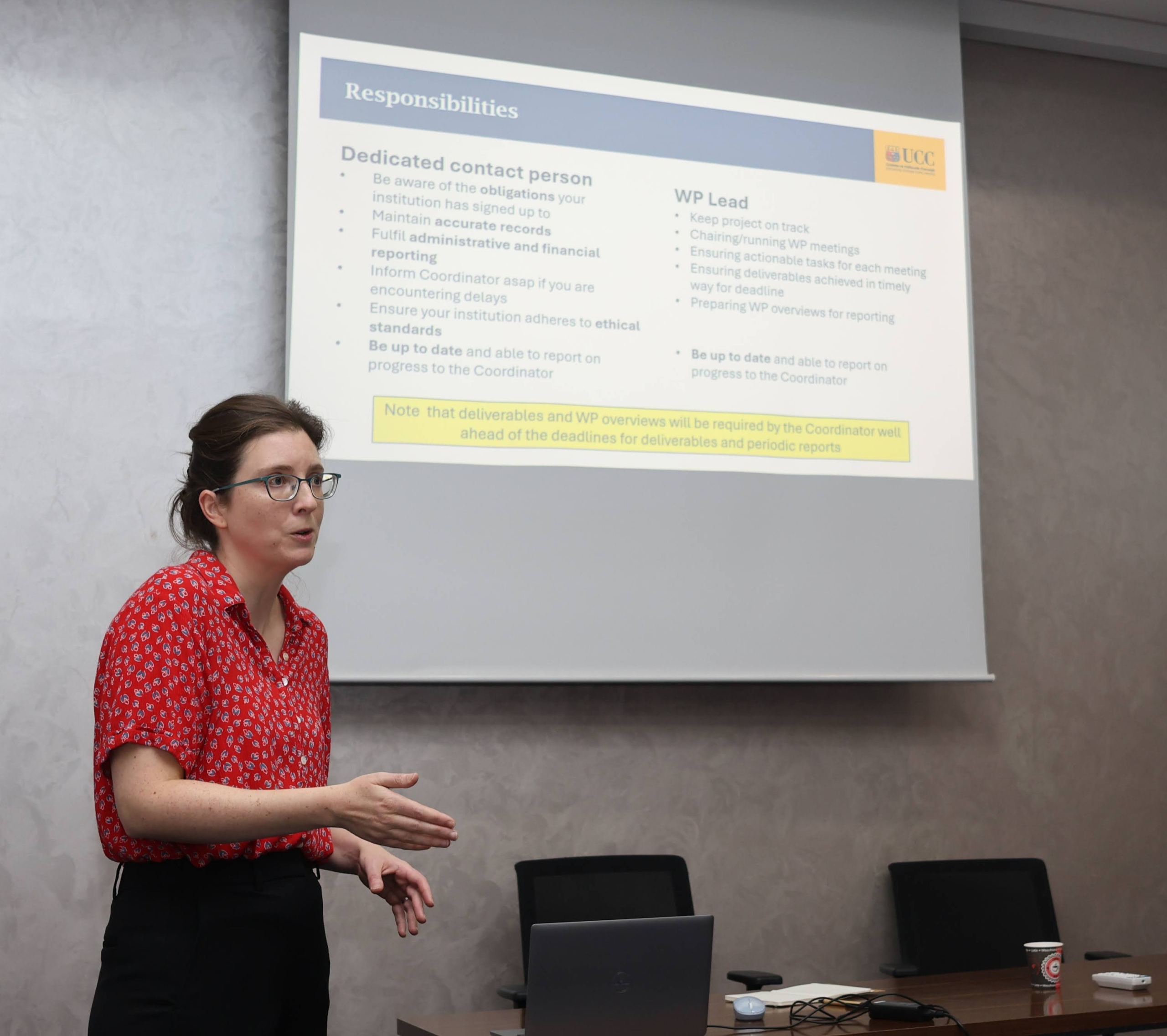
Day 3 centred on capacity strengthening for both early-career researchers and the wider consortium. A series of workshops supported PhD students in developing research and professional skills, while additional sessions engaged all partners. The day also included a comprehensive Project Management session, which presented guidance and best practices for the successful delivery of a Horizon Europe project, clarified partner responsibilities, and outlined reporting requirements. A lengthy and productive discussion on data sharing reflected the consortium’s shared commitment to ethical, transparent, and equitable research practices.

Day 4

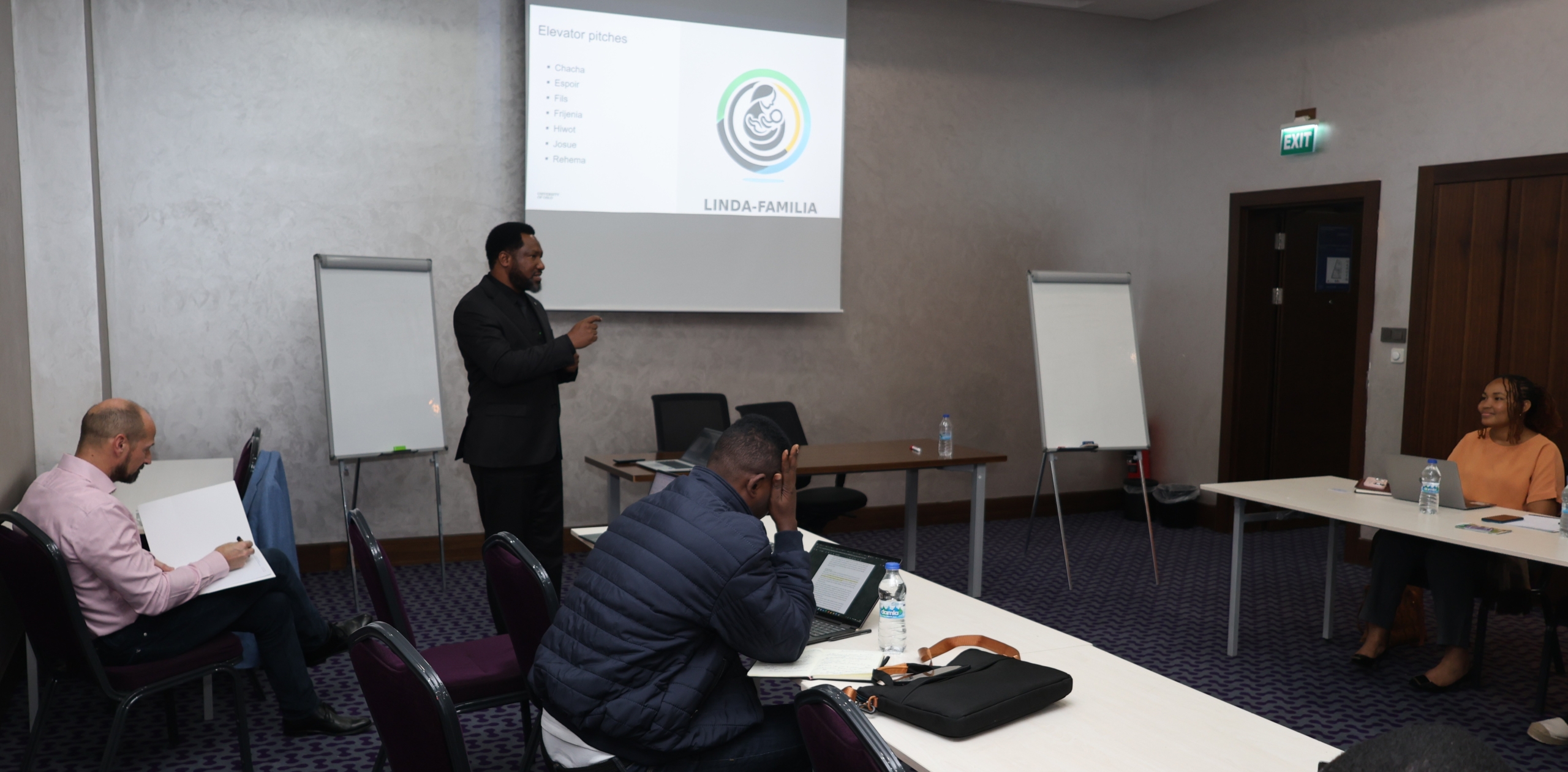
Day 4 continued the focus on capacity strengthening for PhD students. PhD candidates were given the opportunity to pitch their research projects to the consortium, fostering mentorship, collaboration, and constructive feedback. The final session of the meeting, titled “Maternal and Child Health Research Grants to Consider Beyond LINDA-FAMILIA”, highlighted opportunities for future research funding and encouraged partners to think strategically about sustaining collaboration beyond the project’s lifetime.

Overall, the four-day kick-off meeting in Istanbul was highly successful, providing extensive opportunities for networking, knowledge exchange, and LINDA-FAMILIA team building. With strong engagement across the consortium and a clear roadmap in place, the project is well positioned to deliver impactful research outcomes in maternal and child health.

INFANT’s Annual Study Day 2025 – The Highlights

By |2026-02-11T09:12:22+00:00December 18th, 2025|

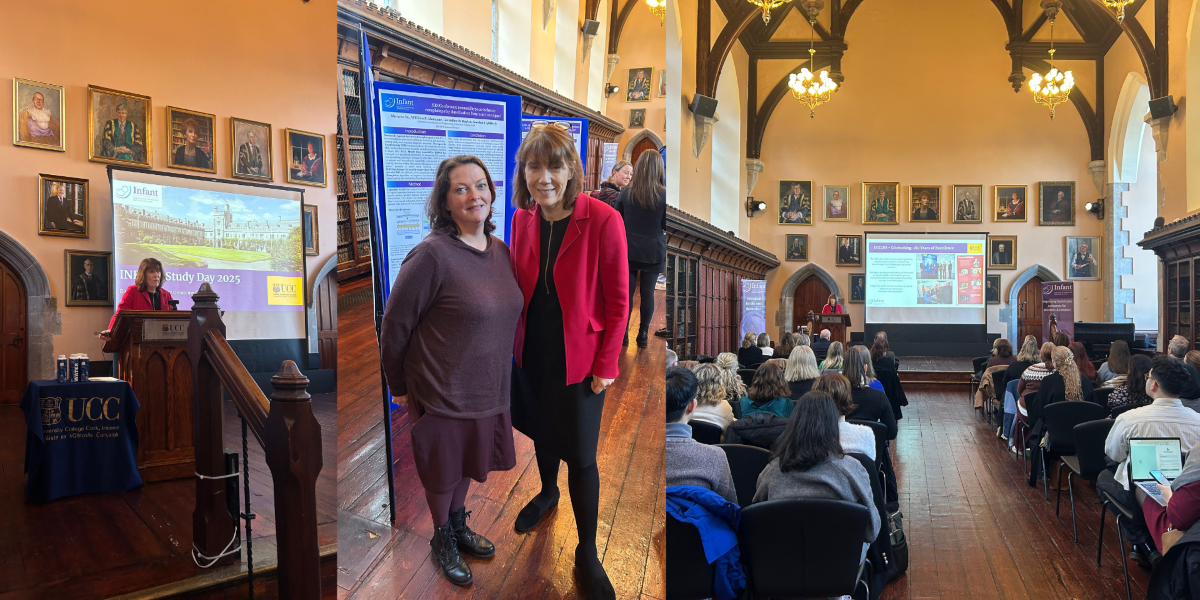
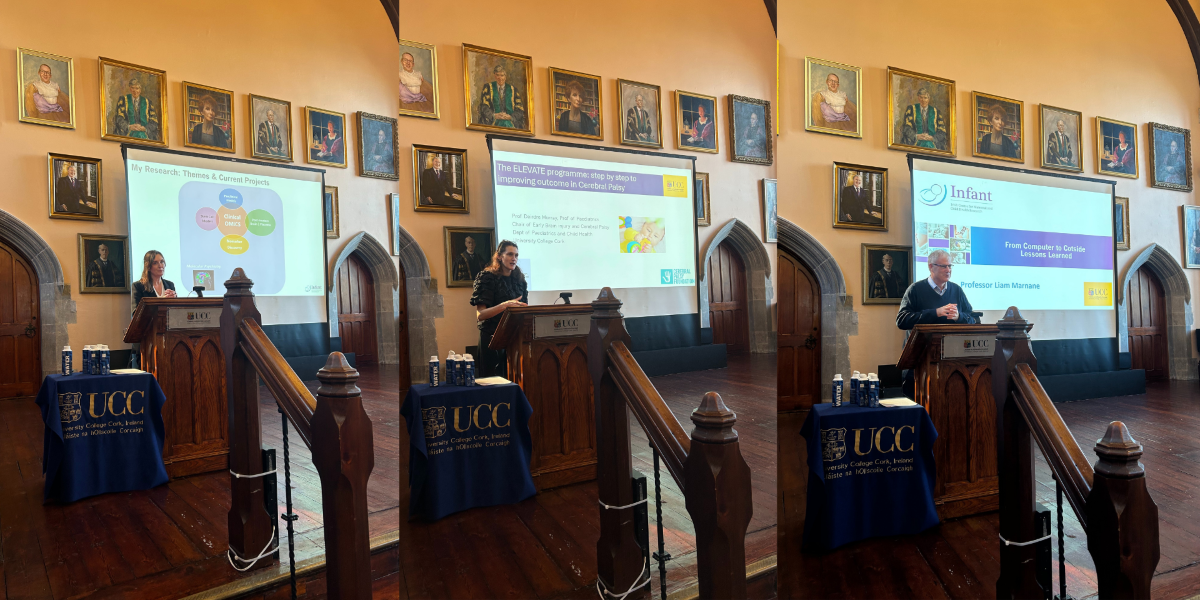
The INFANT Research Centre at UCC welcomed over 100 guests to its annual INFANT Study Day, which was held in the Aula Maxima on UCC’s campus – now home to portraits of 11 trailblazing women from, or with links to, the Munster region. The Study Day welcomed members of the INFANT multidisciplinary team from across a wide range of disciplines, including Neonatology, Public Health, Obstetrics, Paediatrics, Electrical and Electronic Engineering, Nutrition, Anatomy and Neuroscience, Physiology, AI, Pharmacology, Psychology and Health Information Systems (&more). We also welcomed colleagues from across UCC central services, and INFANT’s Strategic Advisory Board who support all the work we do, as well as those interested in learning more about INFANT’s research.

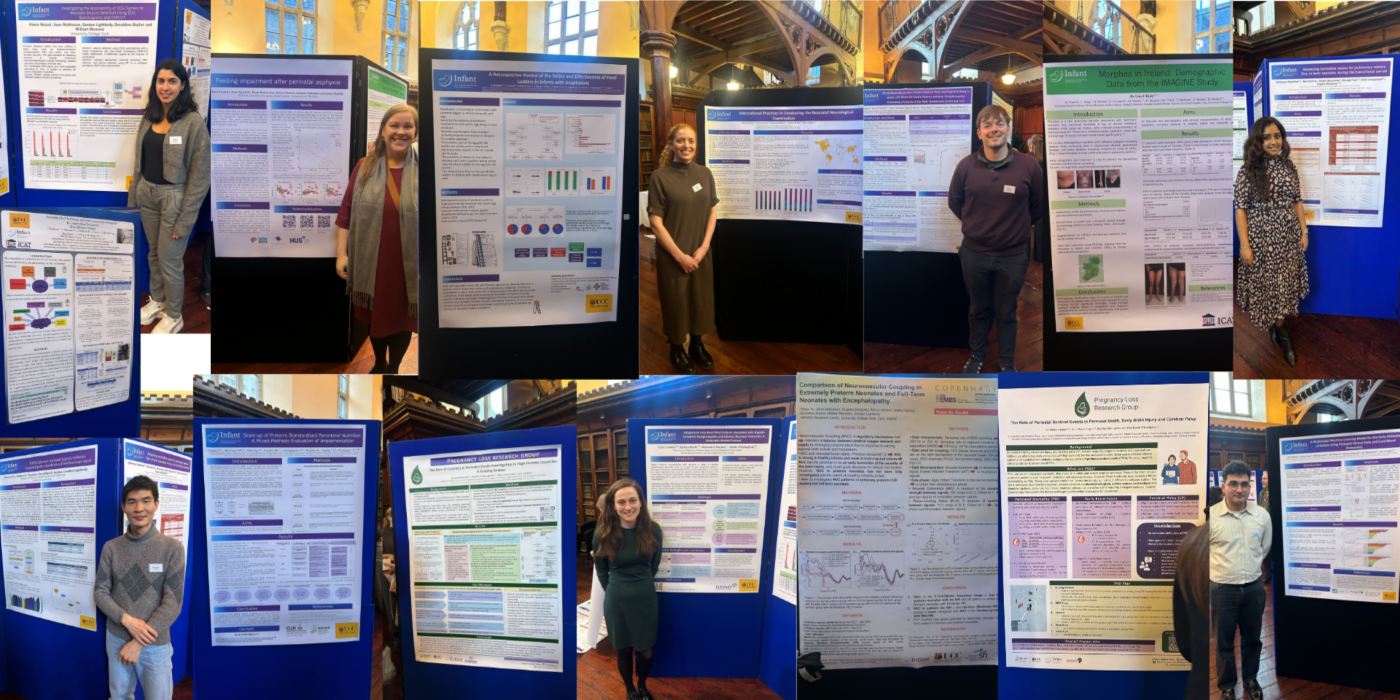
It was a full-day event, showcasing ongoing research at all stages, highlighting what lies ahead, and providing insight into the vision for UCC Futures Children. The day also showcased our students who presented posters on the day.

Professor Geraldine Boylan, Director of the INFANT Research Centre and UCC Futures Children, opened the Study Day with a welcome address and a recap of the highlights for 2025. She spoke about the Centre’s progress over the past 12 months in terms of funding, team expansion, support from central services, ongoing research studies, international conferences, spin-out updates, publications, awards, and what is coming up on the horizon. She also noted that INFANT is featured in UCC’s 180 Years exhibition in the Boole Library. We are proud to be part of UCC’s history, which has been a driving force in research and innovation, transforming lives through bold thinking and real-world solutions.

This was followed by a presentation from INFANT’s Communications and Public Engagement Manager, Michelle Dorgan, on Engaged Research Programme at INFANT including Communications, Education and Public Engagement (EPE) and Public and Patient Involvement (PPI) activities. She emphasised the importance of incorporating meaningful engagement from study design through to dissemination, ensuring research remains relevant, inclusive and informed by those it supports. She also showcased the media highlights and reflected on a busy year of public engagement, including science fairs, school visits, and the updates of the work that colleagues in In4Kids/CHI do with the Young Person Advisory Group.

We had some fantastic speakers lined up throughout the day, in the morning session, which chaired by Prof Boylan included:

The Future of Paediatrics in Cork

Professor Colin Hawkes, INFANT PI, Clinical Director, Department of Paediatrics, Cork University Hospital, and Associate Professor, Department of Paediatrics and Child Health, UCC, delivered “The Future of Paediatrics in Cork.” His talk provided insights into the evolving landscape of paediatric services in the region, including planned developments such as the new Children’s Hospital in Cork and what these changes mean for care delivery in the coming years.

From Evidence to Action: Making Research Matter

Professor Keelin O’Donoghue, INFANT PI, Lead of the Pregnancy Loss Research Group (PLRG), Department of Obstetrics & Gynaecology, UCC, and Consultant Obstetrician, CUMH, showcased the pioneering work of the PLRG, which is continually dedicated to translating research into practice. She highlighted how involving key stakeholders throughout the research process has helped inform national policy, toolkits and clinical guidelines, improving outcomes and influencing change at a national level.

Translating Research into Clinical Trials

We were delighted to welcome former Fulbright Scholar Professor A. Reghan Foley back to UCC. She presented “Translating Promising Therapeutic Approaches to Clinical Trials in the Congenital Muscular Dystrophies and the Role of Disease-Specific Biomarker Signatures.” Professor Foley is an Adjunct Professor at the UCC School of Medicine, College of Medicine & Health, and Senior Research Physician in the Neuromuscular and Neurogenetic Disorders of Childhood Section at the National Institutes of Health.

There were multiple opportunities throughout the day to view student posters and learn about their ongoing research.

The mid-morning session was chaired by INFANT PI Prof Mairead Kiely and included:

Predicting Infant Neurodevelopmental Vulnerability; A Precision Perinatal and Multi-Omics Framework

Dr Jane A. English, INFANT PI, Senior Lecturer and Principal Investigator, Department of Anatomy & Neuroscience, UCC, discussed her recent research findings, which address the potential for blood-based biomarkers to identify children with autism much earlier in life, opening possibilities for earlier detection and support for children and families. She also spoke about the ongoing review of larger international datasets to demonstrate how precision perinatal approaches can support early identification of neurodevelopmental vulnerability.

The ELEVATE Programme: step by step to improve outcome in Cerebral Palsy

Professor Deirdre Murray, INFANT PI, Professor of Paediatrics and Chair of Early Brain Injury and Cerebral Palsy, Department of Paediatrics and Child Health, UCC, provided an in-depth overview of the ELEVATE Programme. She outlined progress to date, ongoing studies, the key impact of PPI involvement and future plans which are aimed at improving outcomes for children with CP, their families and caregivers.

From Computer to Cot Side: Lessons Learned

In “From Computer to Cot Side: Lessons Learned,” Professor Liam Marnane, INFANT PI and Professor of Electrical and Electronic Engineering, School of Engineering, UCC, reflected on the evolution of engineering over the last two decades. He shared key lessons from his career, noting that one of the key metrics he values most is the students he has worked with along the way, the contributions they made during their time at UCC, and the impact they are now making in senior roles across the globe.

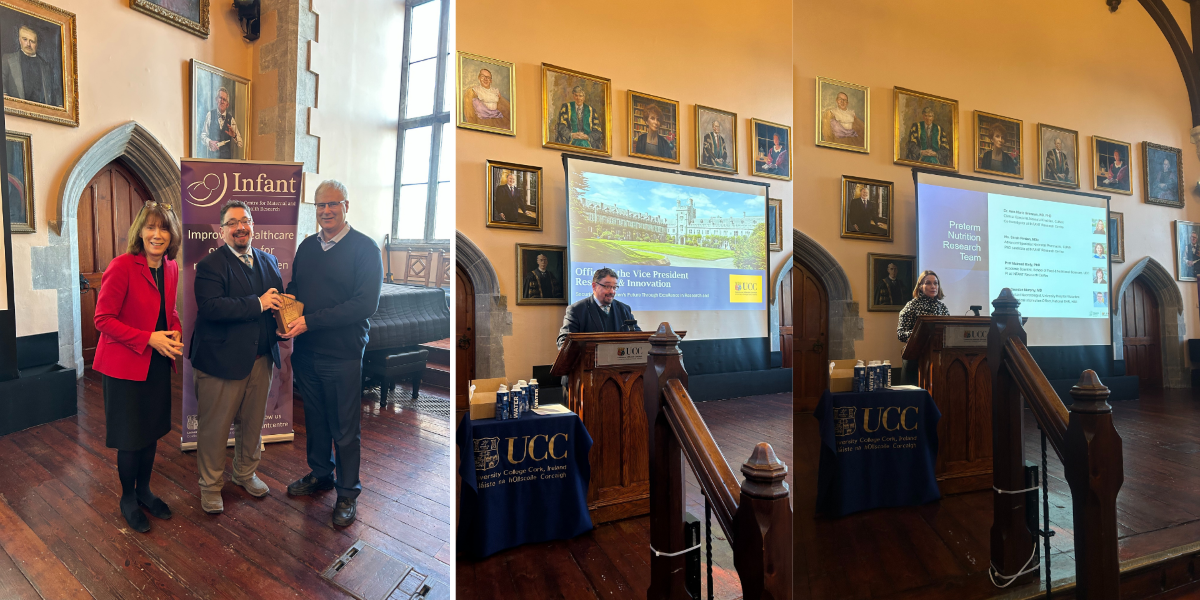
INFANT Director Professor Boylan took a moment to recognise Professor Marnane’s contribution to INFANT and UCC and how he has transformed the Centre’s ability to utilise technology, AI and machine learning to support decision making and data driven research. In recognition of this, Professor Marnane was presented with an award, “In Recognition of Your Outstanding Contribution to Maternal and Child Health Research in UCC,” by UCC’s Vice President for Research & Innovation, Professor John Cryan.

Securing the Future of Children Through Research Excellence

The afternoon session, chaired by INFANT PI Professor Eugene Dempsey, welcomed a guest speaker, Professor John Cryan, Vice President for Research & Innovation at University College Cork. He delivered “UCC Futures – Securing the Future of Children Through Research Excellence,” outlining the strategic direction of UCC Futures, particularly UCC Futures Children, and the important role the INFANT Research Centre plays in laying the foundation for this prioritised research area.

Translational Innovation Case Study

The Study Day concluded with a very insightful talk from Dr Ann-Marie Brennan, Clinical Specialist Neonatal Dietitian, CUMH, and Co-Investigator at the INFANT Research Centre. She presented “From Concept to Cotside: PremSmart as a Translational Innovation Case Study,” highlighting the success of PremSmart, the National Model of Care for Preterm Standardised Parenteral Nutrition, which is now implemented in 95% of services nationwide, and discussed opportunities to further scale this innovation.

The INFANT Study Day is an important opportunity to bring the team together to learn from one another, showcase ongoing research, and strengthen collaboration across disciplines. It provides a valuable space to offer support, create networking opportunities and importantly, to recognise and thank all of the team whose collective expertise and commitment continue to drive innovation in maternal and child health research at UCC.

New UCC Research Links Iron Deficiency in Mothers During Early Pregnancy to Lower Language and Motor Skills at Age Two

By |2025-12-17T13:13:23+00:00December 17th, 2025|

University College Cork (UCC) researchers have called for routine screening for iron deficiency in pregnant women, following new research that shows that iron deficiency in early pregnancy, even without anaemia, may be associated with lower language and motor development scores in children at two years of age.

The findings, published in The Journal of Nutrition, build on major research released last year which showed that four in five pregnant women in Ireland are iron deficient by the third trimester. This new study sheds light on how early in pregnancy this deficiency matters for a baby’s brain development and reinforces the importance of greater awareness, early screening and supporting women throughout pregnancy.

The latest findings are a result of research by the Irish Centre for Maternal and Child Health Research (INFANT) at UCC and partners at the University of Minnesota and the Masonic Institute of the Developing Brain.

This study included 189 mother-child pairs, who participated in the IMPROvED and COMBINE cohort studies at the INFANT Research Centre, UCC.

The key findings:

  • Over 40% of women in the study had low iron stores by mid-pregnancy, despite being a generally healthy, low-risk group.
  • Babies born to mothers who were iron deficient early in pregnancy had lower iron stores at birth, indicating that maternal iron levels directly influence a baby’s iron status.
  • Children were assessed at two years of age, using the Bayley Scales of Infant and Toddler Development, a gold-standard, internationally recognised measure of child neurodevelopment.

The study found that iron deficiency in early pregnancy may be associated with lower motor and language developmental scores at age two.

Why This Matters

Iron is essential for brain development throughout pregnancy, but the critical window appears to be much earlier than previously understood.

Lead researcher Dr Elaine McCarthy, Lecturer in Nutrition at UCC’s School of Food and Nutritional Sciences and Lead Investigator at the INFANT Research Centre, explains:

“We have previously shown that iron deficiency is very common in pregnancy, even in high-resource, low-risk settings like Ireland. This new research provides an early indication of the lasting consequences of iron deficiency without anaemia in pregnancy, further emphasising the importance of adequate iron nutrition during pregnancy to protect the developing infant brain. These findings highlight the need for screening for iron deficiency in women during pregnancy, and trials to look at the benefit of targeted supplementation in women with low iron stores; not just focusing on anaemia in pregnancy.”

Prof Mairead Kiely, Professor of Human Nutrition at UCC adds:

“This data shows that without a diagnosis of anaemia, more than two in five women had low iron stores by mid-pregnancy, which was associated lower language and motor scores in childhood developmental assessments at 2 years.  The widespread malnutrition of iron and other nutrients among women requires attention as malnutrition is intergenerational and has lasting effects which we are only starting to uncover now.”

Dr McCarthy also adds:

“Our aim is to support women. With the right information, dietary guidance and early screening, iron deficiency is something we can address effectively.”

New Free Guide: ‘A Guide on Iron During Pregnancy’

Following last year’s findings, the researchers at UCC and the Ireland South Women & Infants Directorate have developed a free, practical resource ‘A Guide on Iron During Pregnancy’ for expectant parents. Available to download here: https://www.infantcentre.ie/wp-content/uploads/2025/05/UCC-ISWID-A-Guide-on-Iron-During-Pregnancy-Final-PDF.pdf

It includes:

  • Clear information on the importance of iron in pregnancy
  • Practical tips for boosting iron intake
  • Simple, nourishing recipe ideas using accessible foods

Call for Updated Screening Practices

At present, routine screening for iron deficiency is not part of standard antenatal care in Ireland or many other countries, and there is no universally agreed definition for iron deficiency during pregnancy. The research team believes the evidence now strongly supports earlier pregnancy screening for iron deficiency, clearer diagnostic guidelines and greater awareness among healthcare providers and expectant parents.

This study sets the stage for opportunities for larger global collaborative research with the long-term goal of translating findings into policy change and clinical practice worldwide.

UCC researchers receive €6.2m to lead groundbreaking discoveries

By |2026-01-26T12:50:22+00:00November 14th, 2025|

November 14th 2025: Minister for Further and Higher Education, Research, Innovation and Science, James Lawless, TD, has today announced €34.5 million in funding to support 39 cutting-edge research projects.

Addressing biodiversity at Lough Hyne Marine Nature Reserve by combining modern mathematical methods, building computer models that better predict long-term outcomes for babies affected by birth-related oxygen loss, and the 3D printing of rechargeable batteries in any shape using sustainable materials are amongst the seven University College Cork (UCC) and Tyndall National Institute projects to receive a collective €6.2m funding under the Research Ireland Frontiers for the Future Programme. 

The Research Ireland Frontiers for the Future Programme funds high-risk, high-reward research programmes and innovative, collaborative research with the potential to deliver economic and societal impact. This year’s Frontiers for the Future Programme was co-funded by Children’s Health Foundation, Breakthrough Cancer Research, and Sustainable Energy Authority of Ireland. 

Minister for Further and Higher Education, Research, Innovation and Science, James Lawless TD, today announced a total €34.5 million investment to support 39 cutting-edge research projects nationwide through the Programme. 

Announcing the awards, Minister Lawless said: “We are investing in cutting-edge, curiosity-driven research, and empowering individual researchers to progress bold ideas that can lead to groundbreaking discoveries. These awards demonstrate our dedication to building a diverse and inclusive research community that delivers impact for our society and economy. I look forward to seeing the development and outputs of these projects over the coming years.” 

Professor John F. Cryan, UCC Vice President for Research and Innovation said: “We are immensely proud of our researchers at UCC who will lead these Research Ireland Frontiers for the Future Programme awards. Aligning with several of our UCC Futures thematic areas, these projects will further strengthen UCC’s national and global leadership in delivering impactful research and finding innovative solutions to major scientific, societal and healthcare challenges.” 

Among the new research projects totalling €6.2m that will be funded at University College Cork and Tyndall National Institute are: 


School-age Outcome Prediction using radiomic imaging algorithm in Hypoxic ischaemic encephalopathy (SOPHIE)
Funding Amount: €768,722 

Leads: Professor Brian Walsh, INFANT Research Centre and Cork University Maternity Hospital and Professor Deirdre Murray, INFANT Research Centre and Department of Paediatrics and Child Health 

This project will develop new computer models for the early newborn MRI, that look at both the initial injury and also how the brain will develop over time, to better predict outcomes. To do this, the researchers will perform repeat MRIs and outcome assessment at school-age and develop computer models linking the newborn and school-age information. 


Adaptive dynamical network solutions to ecological restoration
Funding Amount: €1,225,836 

Leads: Professor Sebastian Wieczorek and Dr. Serhiy Yanchuk, School of Mathematical Sciences. 

This project addresses biodiversity loss by combining modern mathematical techniques of Network Science and Tipping Point Theory with real-world applications to specific ecological problems. The focus will be on modelling invasive species and ecological sleepers in Lough Hyne Marine Nature Reserve, with a view to extending the study to ecological restoration in other ecosystems in Ireland and Europe. 

Unmanned marine Mapping and Monitoring to support Irelands offshore Development (DMAND)
Funding Amount: €1,221,660 

Lead: Dr. Aaron Lim, Department of Geography, School of the Human Environment and Sustainability Institute 

The DMAND project uses a swarm of autonomous underwater vehicles (AUVs) to map the seafloor from shallow coastal zones to deeper offshore areas (1–300 m). By developing smarter, more efficient methods for data collection and analysis, this research will help to make offshore renewable energy more affordable and environmentally responsible by revolutionising how we collect and use marine data. 

Surface functionalisation of silicon devices for electrical detection of gas phase ammonia at atmospherically relevant concentrations (SUREDETECT)
Funding Amount: €809,219 

Lead: Dr. Stig Hellebust, School of Chemistry. 

This project will develop the science and technology to detect and quantify ammonia (an air pollutant) via new, low-cost, and mass-produced surface functionalised silicon devices. The technology has the potential to bring about a significant breakthrough in ammonia monitoring, improved control of ammonia emissions, new insights into atmospheric chemistry, enhance public awareness of air quality and enable more public engagement and citizen science. 

Fully Recyclable 3D Printable Aqueous Rechargeable Batteries in Any Shape using Sustainable Resources
Funding Amount: €778,147 

Lead: Professor Colm O’Dwyer, School of Chemistry. 

Additive manufacturing, or 3D printing, of rechargeable batteries can create new form-factor cells moulded to the shape of the device at design stage without compromising energy density at cell level. This project will use sustainable materials to 3D print rechargeable batteries in any shape, so they match the device design and function from the get-go, rather than the other way round. And when the batteries are no longer needed, the outer casings and inner battery materials can be completely recycled and recovered for reuse. 

Tracking Recycling in Brain Cancer: The TRIBeCA Study
Funding Amount: €775,491 

Lead: Dr. Andrew Lindsay, School of Biochemistry & Cell Biology. 

Glioblastoma is the most common and aggressive brain cancer in adults, and its incidence is rising due to an aging population. Remarkably, the survival rates for this cancer have not improved since the early 19th century. This project aims to discover new therapeutic targets by systematically analysing how a biological pathway, that we identified as being overactive in glioblastoma, contributes to the tumour’s aggressiveness. 

High efficiency power conversion and delivery with light (Hilight)
Funding Amount: €584,513 

Lead: Brian Corbett, Tyndall National Institute and School of Physics. 

The project will develop effective ways of harvesting energy from light, creating innovative and efficient methods to transfer energy using light, resulting in new power converting devices. These will enable more efficient collection of energy from the sun and power delivery for difficult places such as high voltage environments and medical endoscopes. 

The 39 Research Ireland funded initiatives span across the following 12 research institutions: Dublin City University, Dublin Institute for Advanced Studies, Maynooth University, Munster Technological University, RCSI University of Medicine and Health Sciences, Teagasc, Trinity College Dublin, Tyndall National Institute, University College Cork, University College Dublin, University of Galway, and University of Limerick. 

Neurobell’s Mark O’ Sullivan announced as “Founder of the Year” at Enterprise Ireland’s High Potential Start-up Awards

By |2025-10-17T11:52:31+01:00October 17th, 2025|

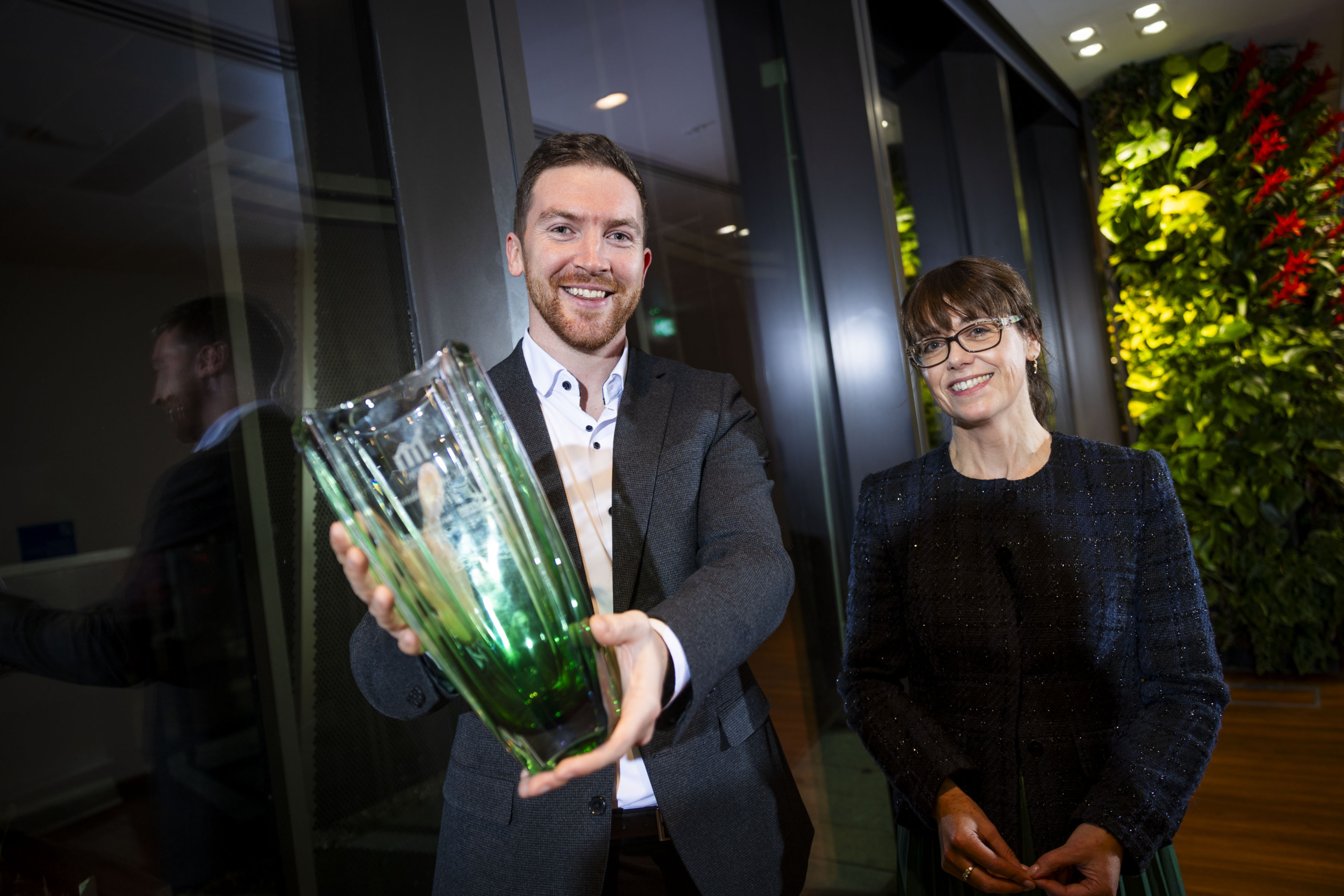
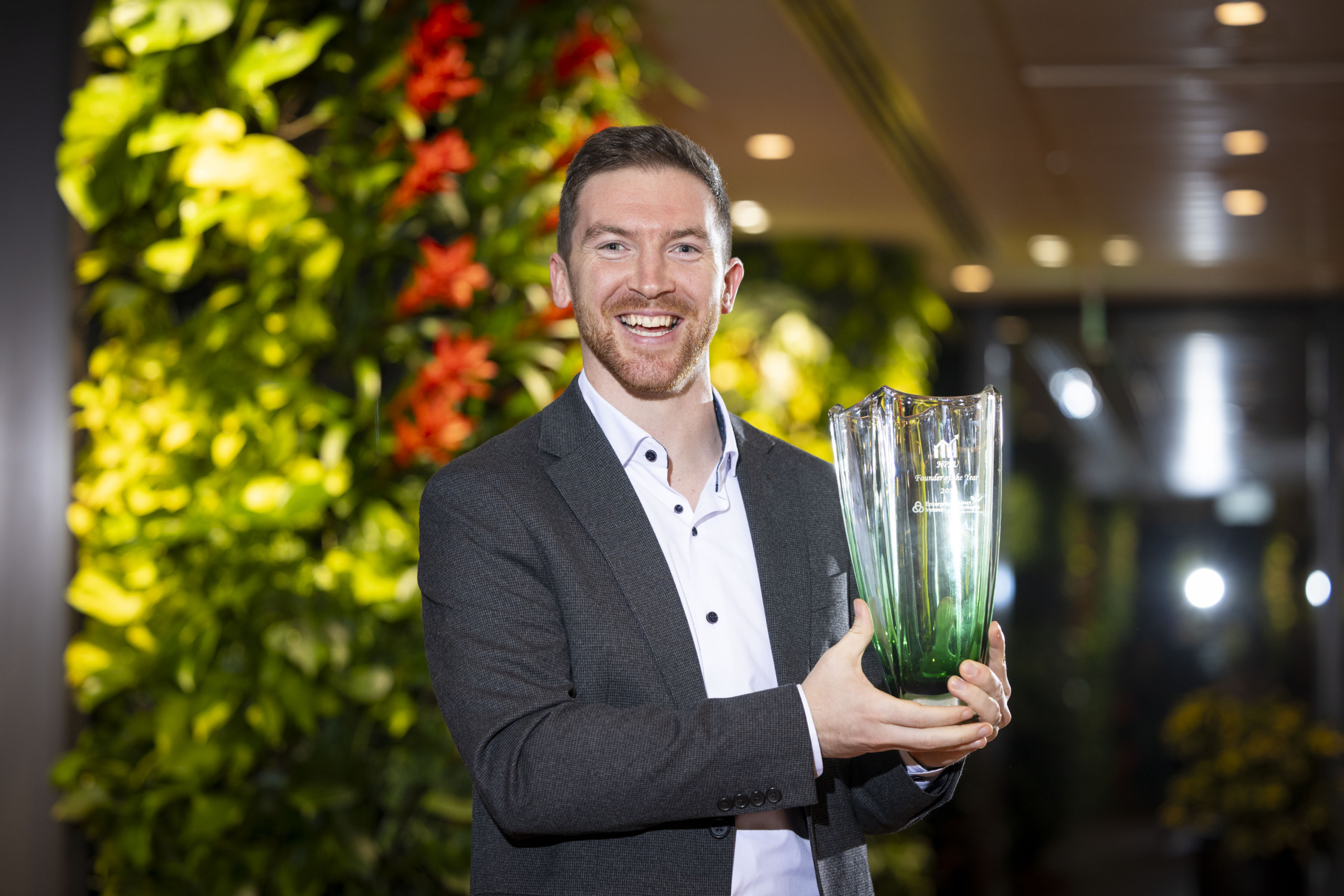
Mark O’Sullivan, CEO and Co-founder of UCC and INFANT spin-out company NeuroBell was announced last night as “Founder of the Year 2025” at Enterprise Ireland’s High Potential Start-Up Awards.

Founded in 2023, Neurobell aims to revolutionise seizure detection in newborns in NICUs, crucial for early intervention in brain injury cases like epilepsy and cerebral palsy. Its first product, Luna, is a pocket-sized wireless brain monitor that enables routine monitoring of babies across various hospital settings without the need for specialised expertise, allowing for timely intervention and treatment.

The Enterprise Ireland Founder of the Year Awards recognise and celebrate the dedication of entrepreneurs and start-ups working to build world-class companies of the future. Five finalists were shortlisted for the 2025 Award, each nominated by their peers and actively engaged in Enterprise Ireland’s High Potential Start-Up (HPSU) Founders Forum over the past year.

On receiving the award Mark O’Sullivan, CEO and Co-founder of NeuroBell said, “I am deeply honoured to receive this award, particularly as the nominees are selected by Founder peers. Enterprise Ireland has been with us on our start-up journey and we look forward to working them as we scale into the US and European markets. Luna allows healthcare workers in neonatal ICU’s to act quickly with the right information. Our ultimate aim is to grow the business globally, bringing Luna to all hospital settings for the benefit of critically ill infants and their families.”

Addressing the Awards ceremony, Jenny Melia, CEO, Enterprise Ireland said: “The Founder of the Year Awards shine a spotlight on the ambition, innovation and resilience of Ireland’s start-up community. These awards are a celebration of the entrepreneurial spirit that drives high-potential start-ups to scale globally. With over 480 founders having participated in the HPSU Founders Forum to date, this initiative continues to be a powerful platform for peer learning, collaboration and growth.

Congratulating Mark O’ Sullivan on his award, Director of UCC Innovation Dr Sally Cudmore said: “Congratulations to Mark on being recognised as “Founder of the Year” by Enterprise Ireland. Mark took part in UCC’s SPRINT and IGNITE programmes to develop his spin-out idea and hone his commercial skills, and it has been fantastic to witness Mark and Neurobell go from strength to strength on their entrepreneurial journey, creating real-world impact from their expertise, research and creativity.”

Prof Geraldine Boylan, Director of INFANT Research Centre added: “We are immensely proud of Mark and his team. His journey from a PhD student at the INFANT Research Centre at University College Cork to CEO of NeuroBell is a wonderful example of how world-class research and innovation can lead to real societal impact. His success is a testament to his vision and determination, and this recognition from Enterprise Ireland is richly deserved.”

Go to Top