About Comms

This author has not yet filled in any details.
So far Comms has created 393 blog entries.

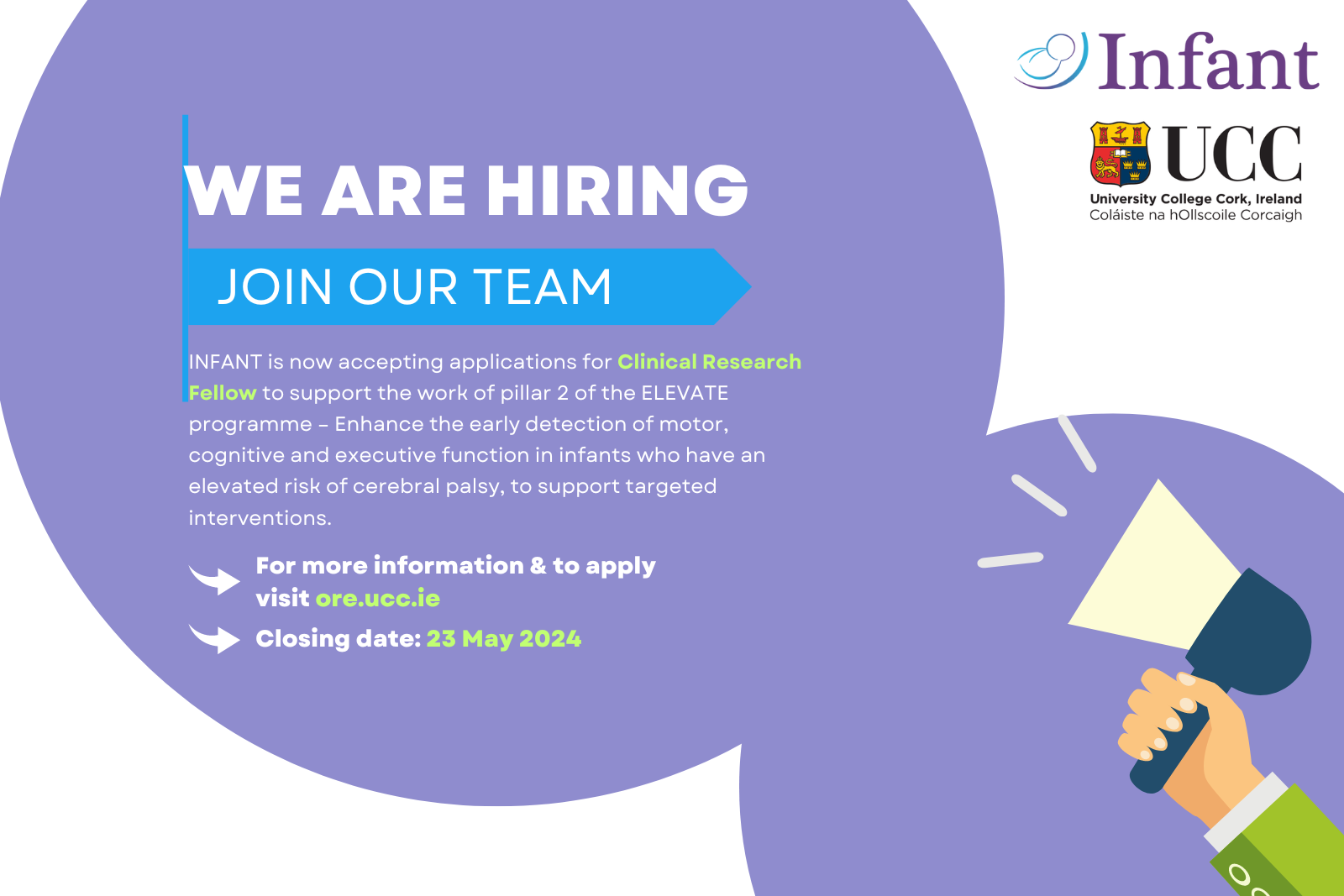
We Are Hiring! Clinical Research Fellow

By |2024-05-14T12:01:17+01:00May 14th, 2024|

INFANT is now accepting applications for Clinical Research Fellow to support the work of pillar 2 of the ELEVATE programme – Enhance the early detection of motor, cognitive and executive function in infants who have an elevated risk of cerebral palsy, to support targeted interventions.

Specifically, the Clinical Research Fellow’s work will focus on the trajectories of cognitive dysfunction in children at elevated risk for Cerebral Palsy. The Clinical Research Fellow will be responsible for recruiting high risk infants and healthy controls and will work within the ELEVATE team to develop and administer novel longitudinal outcome assessments in young infants from 3-4 months up to 24 months recruited to the study. The Clinical Research Fellow will be required to have significant experience in paediatrics and in clinical research and a desire to pursue a higher degree in the field of Paediatrics.

Project Title: ELEVATE *

Post Duration: 18 Months

Salary: €62,698 – €68,318 p.a. (IUA Research Fellow scale)

For an information package including further details of the post see https://ore.ucc.ie/.

Informal enquiries can be made in confidence to: Prof Deirdre Murray, email: d.murray@ucc.ie

Applications must be submitted online via the University College Cork vacancy portal (https://ore.ucc.ie/). Queries relating to the online application process should be referred to recruitment@ucc.ie, quoting the job-title and project name.

Candidates should apply, in confidence, before 12 noon (Irish Local Time) on Thursday, 23rd of May, 2024.

No late applications will be accepted.

Please note that an appointment to posts advertised will be dependent on University approval, together with the terms of the employment control framework for the higher education sector.

UCC is committed to creating and fully embracing an inclusive environment where diversity is celebrated.  As a University we strive to create a workplace that reflects the diversity of our student population where people from a wide variety of backgrounds learn from one another, share ideas, and work collaboratively. UCC is committed to being an employer that recognises the value of diversity amongst its staff.  We encourage applicants to consult our policies at https://www.ucc.ie/en/edi/policies/ and initiatives at https://www.ucc.ie/en/edi/implementation/ and we welcome applications from everyone, including those who are underrepresented in the protected characteristics set out in our Equal Opportunities & Diversity Policy.

*ELEVATE
The INFANT Centre leads the ELEVATE Programme for Programme for Prediction, Early Detection & Intervention in Cerebral Palsy. This 5-year programme is focused on the prevention, early detection, and treatment of brain injury and cerebral palsy (CP) in infants during the period of maximum neuroplasticity (up to 2 years of age).

The ELEVATE Programme has been jointly funded by Science Foundation Ireland (SFI) and the Cerebral Palsy Foundation through the SFI Strategic Partnership Programme.

ELEVATE brings together researchers in research centres and tertiary level maternity hospitals across Ireland as well as three academic centres: University College Cork (UCC), Trinity College Dublin (TCD) and RCSI University of Medicine and Health Sciences.

Our vision is to work with the Irish Cerebral Palsy community to create a world-leading hub for research and innovation in the field of early brain injury and Cerebral Palsy. The ELEVATE programme, which comprises 4 key research pillars, aims to identify risk factors of Cerebral Palsy early, to prevent Cerebral Palsy, and to reduce the severity of the condition when it does occur. By targeting the earliest possible interventions and proactively preventing complications, the programme will optimise the health of children with Cerebral Palsy and improve their ability to participate in everyday life.
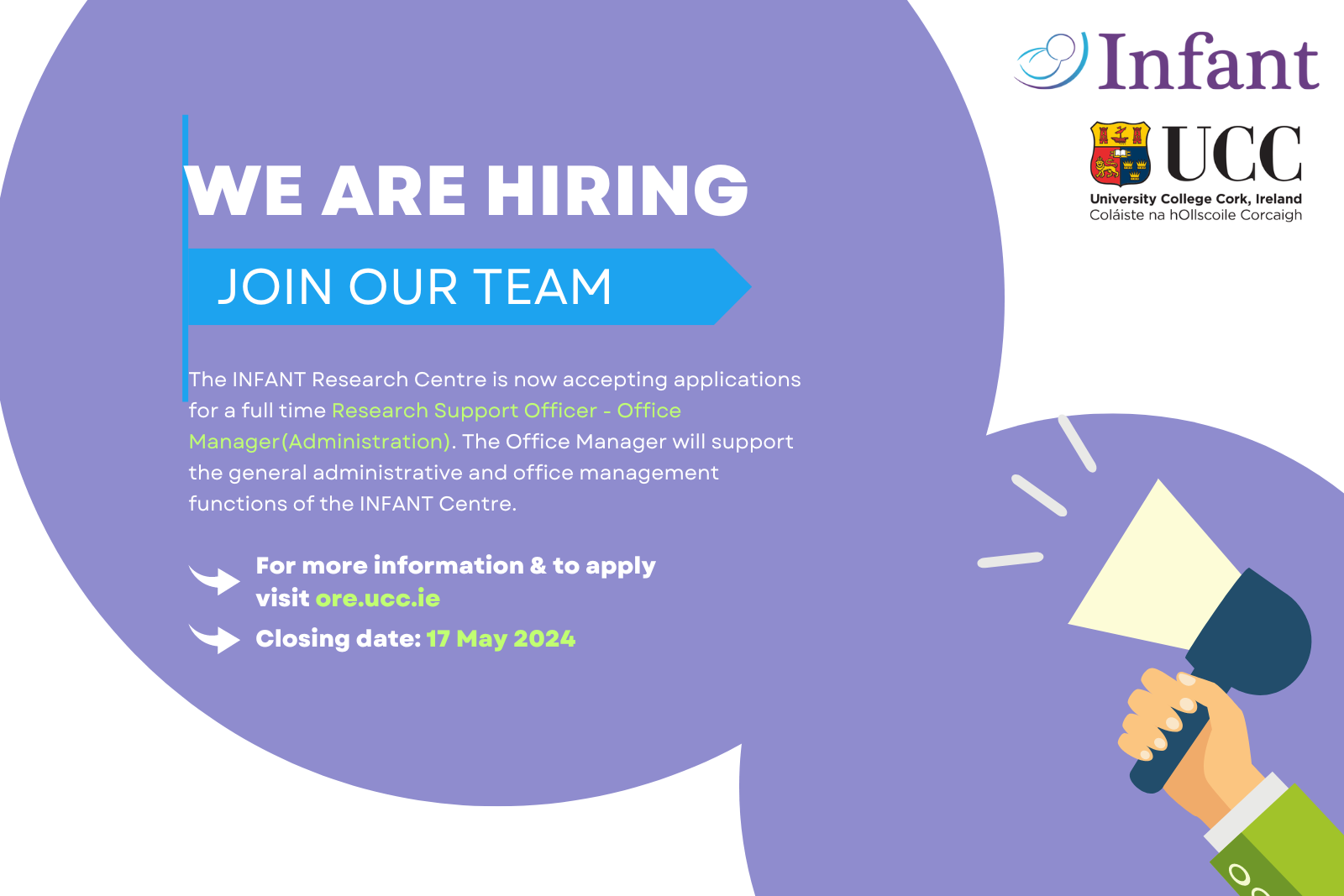
We Are Hiring! Research Support Officer (Office Manager)

By |2024-05-14T12:01:57+01:00May 7th, 2024|

The INFANT Research Centre is now accepting applications for a full time Research Support Officer – Administration – Office Manager. The Office Manager will support the general administrative and office management functions of the INFANT Centre. The role requires significant Administrative and Office Management experience and excellent communication, IT and organisational skills.

Project Title: Various INFANT Projects

Post Duration: 12 Months (may be extended further)

Salary: €45,000 gross per annum (personal rate)

For an information package including further details of the post see https://ore.ucc.ie/.

Informal enquiries can be made in confidence to Dr Eoghan McKernan, Operations Manager, INFANT Centre. Email: eoghan.mckernan@ucc.ie

Applications must be submitted online via the University College Cork vacancy portal (https://ore.ucc.ie/). Queries relating to the online application process should be referred to recruitment@ucc.ie, quoting the job-title and project name.

Candidates should apply, in confidence, before 12 noon (Irish Local Time) Friday, 17th of May 2024

No late applications will be accepted.

Please note that an appointment to posts advertised will be dependent on University approval, together with the terms of the employment control framework for the higher education sector.

UCC is committed to creating and fully embracing an inclusive environment where diversity is celebrated.  As a University we strive to create a workplace that reflects the diversity of our student population where people from a wide variety of backgrounds learn from one another, share ideas, and work collaboratively. UCC is committed to being an employer that recognises the value of diversity amongst its staff.  We encourage applicants to consult our policies at https://www.ucc.ie/en/edi/policies/ and initiatives at https://www.ucc.ie/en/edi/implementation/ and we welcome applications from everyone, including those who are underrepresented in the protected characteristics set out in our Equal Opportunities & Diversity Policy. 

Inaugural lecture: Professor Deirdre Murray, CPF Chair in Early Brain Injury and Cerebral Palsy

By |2024-07-02T12:24:31+01:00March 23rd, 2024|

“Early detection of infant brain injury and cerebral palsy and why it matters”.

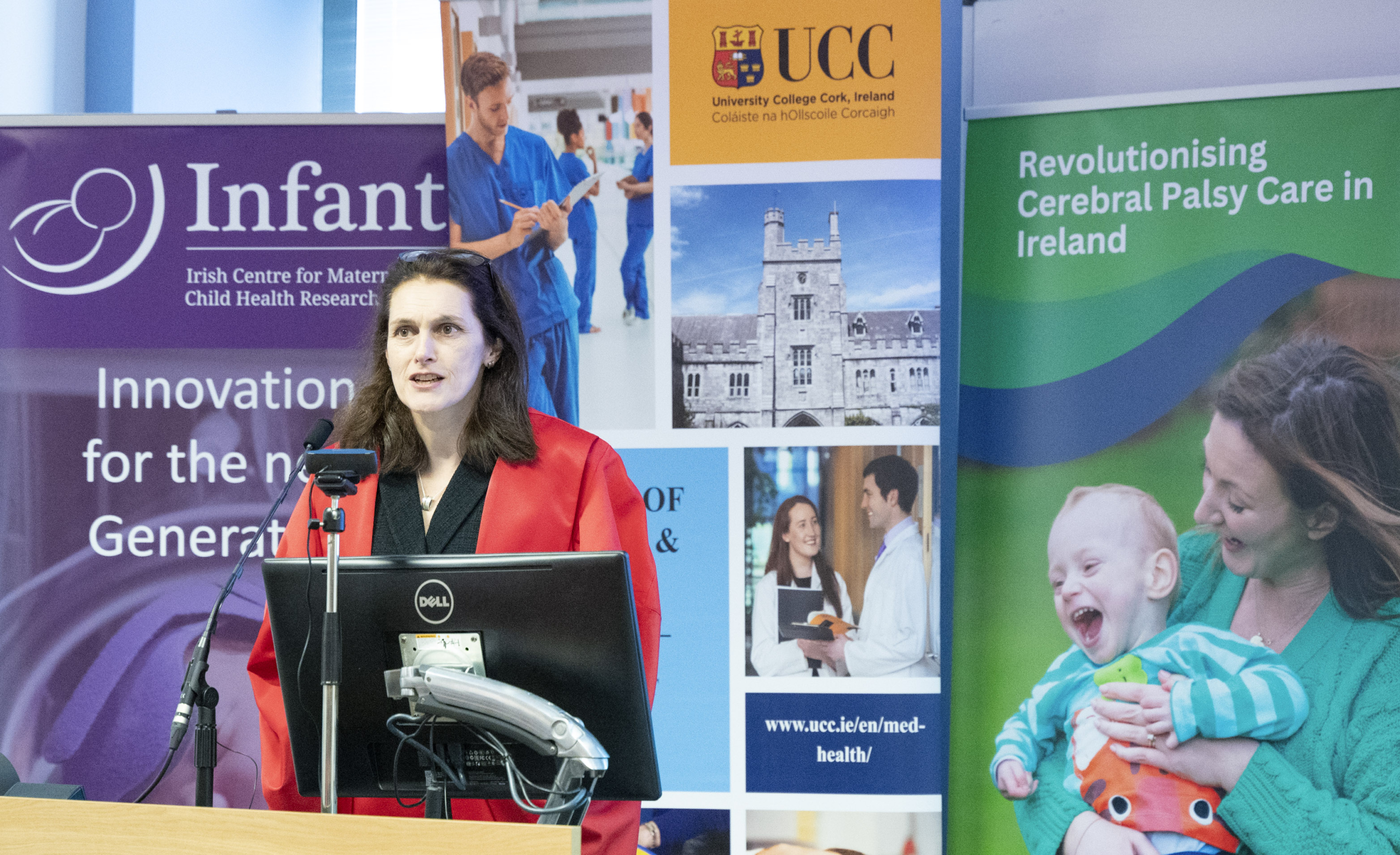
On Friday 22 March, Professor Deirdre Murray gave her first public lecture as The Cerebral Palsy Foundation Chair in Early Brain Injury and Cerebral Palsy at INFANT, UCC at the UCC Medicine and Health’s Inaugural Philanthropic Lecture.

Professor Murray was appointed to the role in October 2023, and she is leading research in brain injury and cerebral palsy at INFANT.

The event commenced with Prof Paula O’Leary, Head of UCC’s School of Medicine and Prof Geraldine Boylan, INFANT Director introducing Professor Deirdre Murray for her first public lecture, titled “Early detection of infant brain injury and cerebral palsy and why it matters”.

Watch back here:

Tánaiste launches new €11.6 million Cerebral Palsy research programme at University College Cork

By |2024-04-17T12:19:46+01:00March 22nd, 2024|

  • Groundbreaking partnership funded by SFI and Cerebral Palsy Foundation

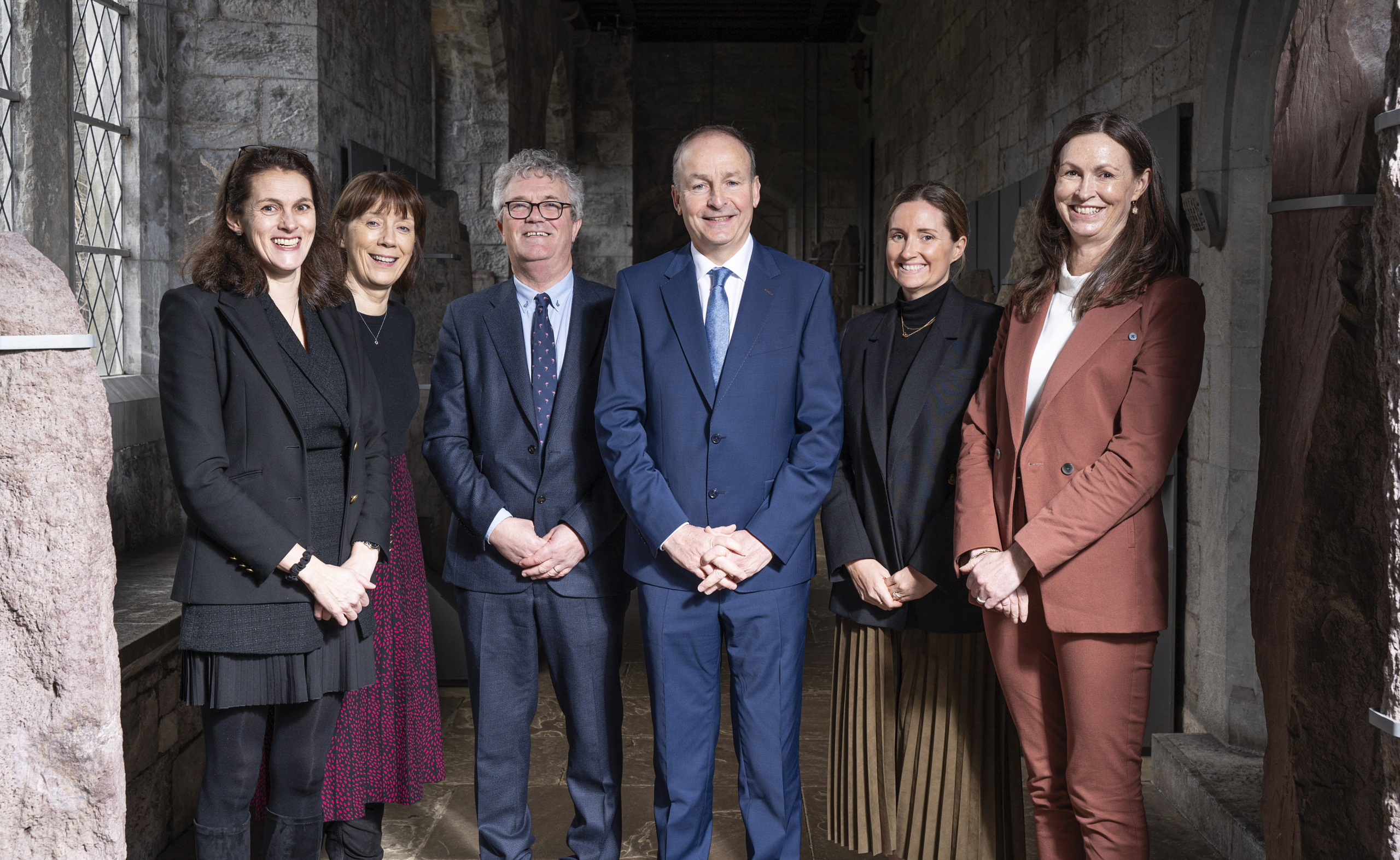
Friday, March 22, 2024: The Tánaiste, Minister for Foreign Affairs and Minister for Defence, Micheál Martin TD, today launched a new €11.6 million research programme focused on Cerebral Palsy at University College Cork (UCC).

ELEVATE, a ground-breaking five-year initiative, has been funded under the Science Foundation Ireland (SFI) Strategic Partnership Programme (€5 million), with co-funding partner The Cerebral Palsy Foundation (CPF) providing support of over €6 million. The programme will be led by the Irish Centre for Maternal and Child Health Research (INFANT) at UCC, partnering with RCSI University of Medicine and Health Sciences, Trinity College Dublin and all the tertiary-level maternity hospitals in Ireland.

ELEVATE brings together a team of researchers and experts in early brain injury to create cutting-edge AI screening algorithms, devise novel detection methods, explore potential new treatments, and, most importantly, actively involve Cerebral Palsy-affected families in ongoing trials, education, and information platforms.  The programme will also see the establishment of a Cerebral Palsy registry in Ireland, to track the rate of the condition for the first time, and enable access to the best research and clinical trials.

Launching the ELEVATE Programme, Tánaiste Micheál Martin TD, said: “I’m delighted to launch this ambitious new programme, which has the potential to transform lives and reshape the landscape of Cerebral Palsy research and care in Ireland. The ELEVATE strategic partnership programme marks a landmark investment and milestone in the collective efforts to address what is one of the most pressing challenges in healthcare. We stand on the cusp of a new era in Cerebral Palsy research.”

Cerebral Palsy is the most common childhood-acquired, lifelong physical disability, affecting about 17 million people worldwide. There is no known cure.

It is caused by abnormal development or damage to the brain before, during, or shortly after birth. Many individuals with Cerebral Palsy face significant and unnecessary challenges in their daily lives, including problems with movement, speech, and other body systems. An estimated 150 babies receive a Cerebral Palsy diagnosis in Ireland each year and an estimated 3,000 children and young people and 9,500 adults are living with Cerebral Palsy in Ireland.

But these diagnoses are often delayed, with devastating consequences for children and their families. Early intervention and the right care pathways make a significant difference in the long-term outcomes and quality of life for people living with Cerebral Palsy.

Speaking at the launch event, Dr Siobhan Roche, Director, Science for the Economy at Science Foundation Ireland, said: “SFI is proud to be able to support the ELEVATE programme which aims to make Ireland a world-leading hub for research and innovation in early brain injury and Cerebral Palsy. The potential impact of the ELEVATE programme is significant, with the active involvement of patients, clinicians and the Cerebral Palsy Foundation in this important research being key to improving the long-term outcomes for children and adults with early brain injury and cerebral palsy.”

Rachel Byrne, Executive Director of the CPF, said: “The ELEVATE team shares a vision of creating meaningful change in the lives of individuals living with Cerebral Palsy as well as their families. This partnership will be a game changer for the prevention, diagnosis and treatment of Cerebral Palsy in Ireland. At the Cerebral Palsy Foundation we are committed to accelerating innovation and pave the way for personalised, evidence-based interventions at the most crucial time in a child’s life.”

President, University College Cork, Professor John O’Halloran, commented: “It’s fantastic to see INFANT spearhead the ELEVATE Strategic Partnership Programme at University College Cork. This programme bolsters our UCC Futures Children collective and advances our commitment to research excellence, global engagement and societal impact. We are very appreciative of Science Foundation Ireland and The Cerebral Palsy Foundation’s support, which highlights the importance of fostering innovation and collaboration to address real-world challenges.”

Professor John F. Cryan, UCC Vice President for Research and Innovation said: “Congratulations to INFANT on receiving this significant award that will tackle one of the most common childhood-acquired disabilities in the world. UCC’s research expertise in the UCC Futures areas of Future Ageing & Brain Science, Children, and AI & Data Analytics will enable this project to improve prevention and treatment methods for Cerebral Palsy in Ireland, improving the long-term outcomes and quality of life for people living with Cerebral Palsy.”

ELEVATE will be co-led by Prof Geraldine Boylan (Neurophysiologist and Professor of Neonatal Physiology at UCC) and Prof Deirdre Murray (Consultant Pediatrician and Chair in Early Brain Injury and Cerebral Palsy at UCC).

INFANT Director, Professor Geraldine Boylan, stated: “We are very excited to lead this transformative research programme at INFANT alongside our partners and are very grateful to SFI and CPF for their support. Families affected by Cerebral Palsy are integral to our work, guiding us at every stage. By enhancing the prevention, detection, and treatment of early brain injury and Cerebral Palsy in Ireland, we are dedicated to providing better outcomes for both the child and the family.”

Photography: Ger McCarthy

Watch the launch highlight video here: https://www.youtube.com/watch?v=s-1o2C0PKrk

L TO R: Photo:
Prof Deirdre Murray Chair Early Brain Injury and Cerebral Palsy, Professor Geraldine Boylan, INFANT Director, UCC President, Professor John O’Halloran , An Tánaiste, Micheál Martin Minister for Foreign Affairs and Minister for Defence Rachel Byrne, Executive Director of the Cerebral Palsy Foundation and Dr Siobhán Roche, SFI Director of Science for the Economy ,Tánaiste launches a new €11.6 million Cerebral Palsy research  programme at University College Cork.

Free Educational Town Hall for parents and families of children with cerebral palsy

By |2024-03-20T12:16:05+00:00March 20th, 2024|

INFANT Research Centre and The Cerebral Palsy Foundation are hosting a free educational Town Hall to share the latest updates and overall management of cerebral palsy with families.

The event is taking place on Saturday 23 March 2024 from 12.30pm-2pm in the Hayfield Manor Hotel, Cork and is open to parents and families of children with cerebral palsy.

Professor Deirdre Murray will present on how research leads to clinical changes which will be followed by a panel discussion with Professor Murray, Professor Geraldine Boylan and a Parent Advocate discussing cerebral palsy and the impacts of research in lived experience both from a researcher and parents perspective moderated by Rachel Byrne.

Meet our Experts!

  • Professor Geraldine Boylan: Professor of Neonatal Physiology, Department of Paediatrics & Child Health, University College Cork, Ireland and Director of the Irish Centre Maternal & Child Health Research – INFANT. She leads the Neonatal Brain Research Group at the INFANT centre – a multidisciplinary research team focused on neurological monitoring of infants in the neonatal intensive care unit, particularly for the early diagnosis of brain injury.


  • Professor Deirdre Murray: A Consultant Paediatrician, Paediatric Research Lead at INFANT and Professor of Paediatrics, in UCC’s Department of Paediatrics and Child Health, Deirdre’s research is focused on early brain injury and the development of new ways to predict and assess neurocognitive outcome in children. Professor Murray is the Chair of Early Brain Injury and Cerebral Palsy at UCC.


  • Rachel Byrne: Executive Director at the Cerebral Palsy Foundation. She has been working in the field of paediatric rehabilitation and cerebral palsy research for the past 14+ years. Rachel has a background in physical therapy, with a particular interest in neuroplasticity and motor learning.

Interested in attending?, register here: https://cerebralpalsyfoundation.regfox.com/new-horizons-ireland-town-hall-3

If you have any questions, please contact infant@ucc.ie

International Women’s Day 2024

By |2024-03-08T11:06:32+00:00March 8th, 2024|

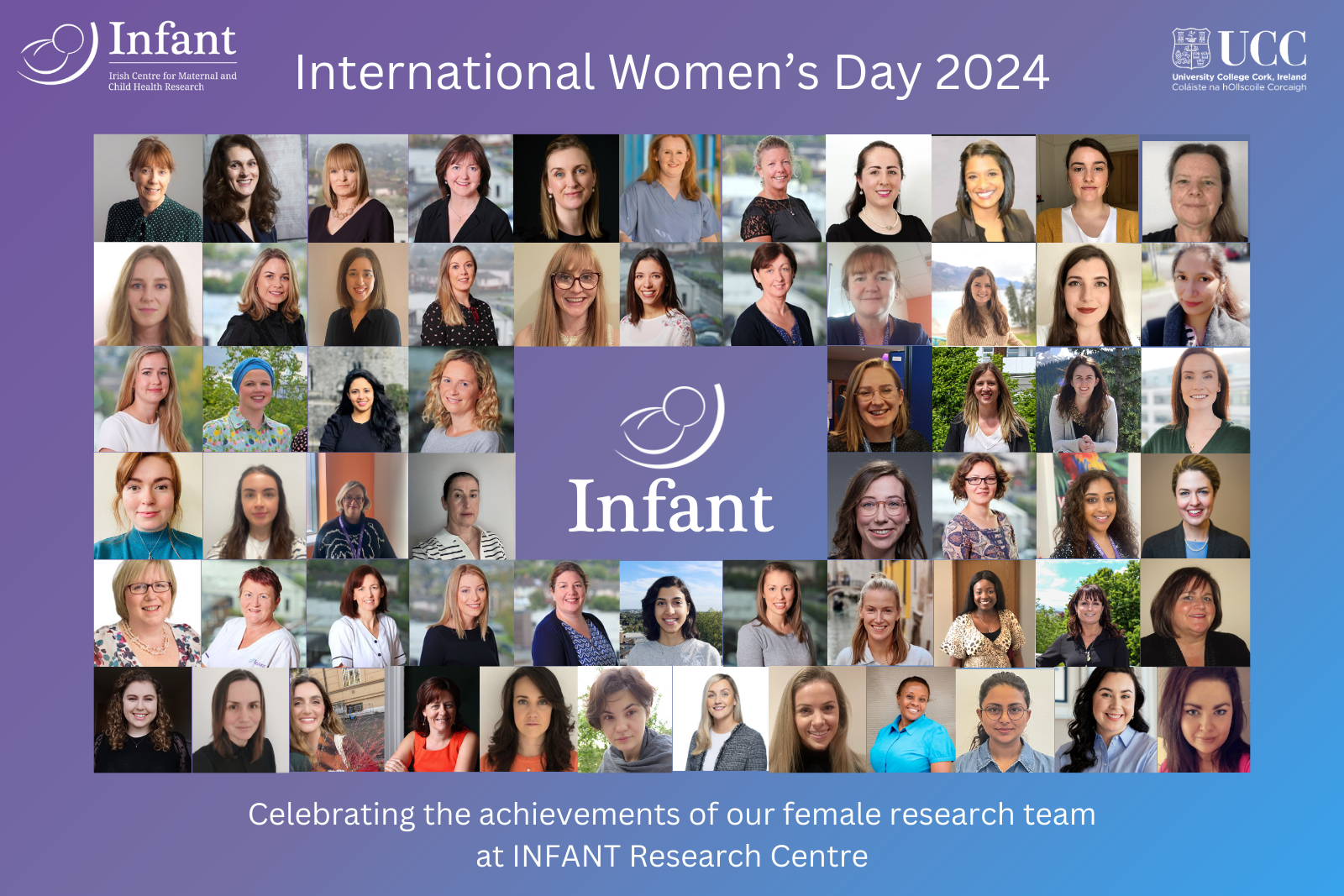
Today, 8th March 2024 is International Women’s Day, a day where we celebrate the achievements of our female research team at INFANT. All of whom play a key role in transforming the future of maternal and child healthcare.

Led by Director Professor Geraldine Boylan, and hosted at University College Cork, INFANT is the hub of world-leading research and innovation, working to provide better outcomes in pregnancy, birth and early childhood. Since 2013, INFANT has established a national and international reputation for leadership in their research domains and have a strong track record of clinical innovation with year-on-year growth of active research projects, spinouts, and funding.

The team comprises of a strong diverse multidisciplinary team of over 110+ staff and students including PIs, clinicians, physiotherapists, dieticians, pharmacists, psychologists, research scientists and engineers and administrators.

Here is a glimpse into some of our female research team leading the way in maternal and child health research at INFANT;

  • INFANT, Director Prof Geraldine Boylan

Geraldine is Professor of Neonatal Physiology, Department of Paediatrics & Child Health, University College Cork, Ireland and Director of the INFANT Research Centre. She leads the Neonatal Brain Research Group at the INFANT centre – a multidisciplinary research team focused on neuromonitoring for infants in the neonatal intensive care unit, particularly for seizure detection and the early diagnosis of brain injury.

  • Principal Investigator (PI) Prof Keelin O’Donoghue 

Keelin is a Professor, Department of Obstetrics and Gynaecology, UCC; Consultant Obstetrician and Maternal-Fetal Medicine Sub-Specialist, CUMH and she is also the Clinical Lead for Obstetric Research at INFANT and heads up the Pregnancy Loss Research Group. Her research interests include pregnancy and infant loss, perinatal mortality audit and reviews, multiple pregnancy, prenatal screening and diagnosis, and fetal anomaly. She works closely with many stakeholders to increase awareness of pregnancy loss, to encourage more effective services/supports within the health care system and to ensure this research leads to the implementation of healthcare policy changes.

  • Lead Investigator Dr Elaine McCarthy 

Dr Elaine McCarthy is a Lecturer in Nutrition at the School of Food and Nutritional Sciences, UCC and Lead Investigator at INFANT. Elaine’s research to date has been mainly in the field of maternal and paediatric nutrition, with a particular interest in the role of micronutrients, especially iron, in brain function and development in term and preterm infants. Her other main interest has been in the area of nutritional biomarker research, focusing on nutritional status diagnostic criteria and screening in vulnerable population groups.

  • Co- Investigator Dr Ann-Marie Brennan 

Dr. Ann-Marie Brennan is a Clinical Specialist Neonatal Dietitian at Cork University Maternity Hospital with over 20 years experience with a passion for excellent research that impacts patient outcomes. Dr Brennan is a Co-Investigator at INFANT and an Adjunct Senior Lecturer at the School of Food and Nutritional Sciences, UCC. As part of her research in preterm nutrition, she developed PremSmart, a national award winning intravenous nutrition system for preterm infants which has been adopted as the national model of care. This innovation in preterm nutrition has streamlined clinical care and is delivering improved clinical and economic outcomes, and equity of care across the health service.

Spin-Out Companies:

  • Spin-out Co-founder Prof Deirdre Murray

Deirdre is Professor of Paediatrics, UCC, Chair in Early Brain Injury and Cerebral Palsy, Consultant Paediatrician and Paediatric Research Lead at INFANT. For almost two decades Deirdre’s research has focused on early brain injury and on finding better ways to predict outcome following early brain injury. She is CEO of Liltoda, an INFANT spin-out company that is harnessing the power of innovative gaming technology to assess cognitive function in young children.

Post Doc:

  • Post Doctoral Researcher – Dr Marita Hennessy

Marita Hennessy is a Postdoctoral Researcher at the Pregnancy Loss Research Group. She has worked on the Health Research Board-funded RE:CURRENT study, the follow-on RE:CURRENT Knowledge Translation Award, and a range of projects focusing on pregnancy loss/bereavement care and knowledge translation. Marita recently commenced her Irish Research Council Postdoctoral Fellowship which involves the development and piloting of a psychosocial support intervention for maternity care staff following an adverse event. Marita is also an Associate Editor of Health Promotion International.

Students:

  • PhD Student: Elizabeth Bodunde

Elizabeth is pursuing a PhD in Population Health and Health Service Research (PHHSR) at the School of Public Health, UCC and INFANT and is funded by the HRB SPHERE programme. Her research focuses on the long-term risk of maternal mental health outcomes after adverse pregnancy and birth complications.

  • PhD Student: Kimia Rezaei

Kimia is completing her PhD at the Dept of Electrical and Electronic Engineering, UCC and INFANT. Her research aims to measure the non-linear relationship between heart rate variability and seizures by working on infant EEG and ECG signals. In the end, all these features impact on Hypoxic ischemic encephalopathy (HIE) are examined. For this purpose, she attempts to develop an accurate decision support system which will help clinicians in their diagnosis and treatment in early stages, also giving them an insight for preventing these issues.

Operations and Research Support:

  • Biobank Manager – Darina Sheehan

Darina is the Biobank Manager at INFANT and has responsibility and oversight for all the precious samples that have been collected by INFANT research studies from mothers and babies over the years. Darina organises the retrieval of samples from the Biobank for PI’s and helps support the setting up of collaborations with other partners wishing to work with our samples.

  • Quality Officer – Dr Nimisha Vinod

Nimisha is the Quality Officer at INFANT, working in the area of quality and regulatory compliance. Her duties include quality control over ongoing studies and study-related documents ensuring that they adhere to the highest standards and remain in alignment with regulatory requirements, trial monitoring tasks to identify and address any discrepancies or deviations, ensuring the integrity of research projects.

  • Research Psychologist – Laura O’Sullivan

Laura is a Research Support Officer at the Early Life Lab at the INFANT centre. Her main role is as a research psychologist on the Horizon EU project, ETHEREAL. The main aim of this study is to develop personalised solutions for autistic adolescents to take preventive actions against the emergence of mental health conditions. She also administers neurodevelopmental follow-up assessments for studies ongoing at the INFANT centre.

  • Senior Physiotherapist in Neonatology – Colette Lynch

Colette is a Research Physiotherapist in the INFANT study of “Early detection and intervention for cerebral palsy in Ireland”.  The main aim of this study is to reduce the age of diagnosis of cerebral palsy in high-risk children. Colette is involved in assessing children while in the neonatal unit and in high risk out-patient clinics using specific clinical exams that have been shown to be more accurate in predicting CP. This is a multicentre study in conjunction with the Cerebral Palsy Foundation.

These diverse roles are just a glimpse into the wider team at INFANT, all striving to provide better outcomes in pregnancy, birth and early childhood.

We Are Hiring! Research Support Officer (in4kids Network Manager) INFANT Research Centre

By |2024-03-19T08:13:10+00:00February 20th, 2024|

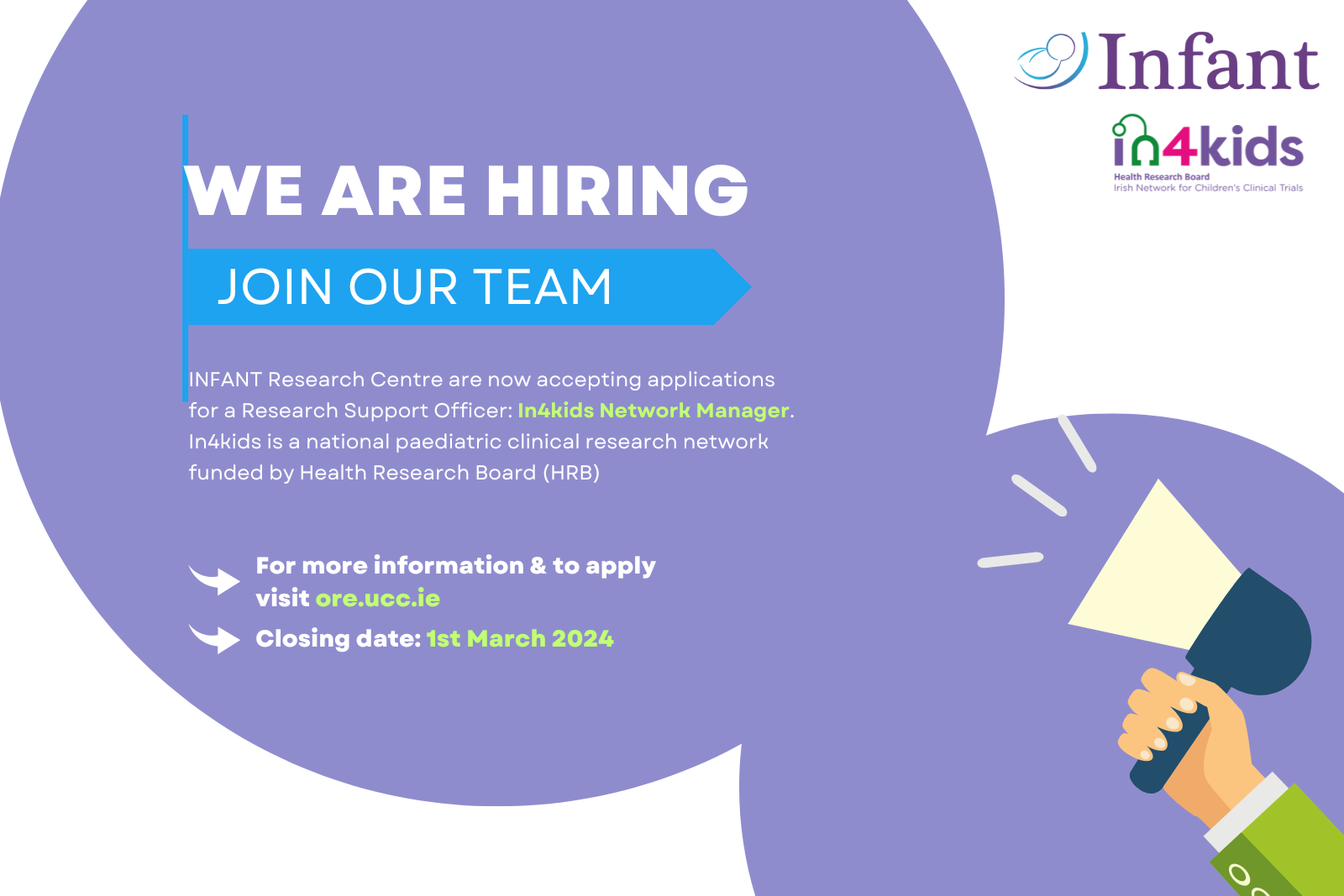
The INFANT Research Centre is now accepting applications for a Research Support Officer – in4kids Network Manager. In4kids is a national paediatric clinical research network funded by Health Research Board (HRB). In4kids is a key component of, and the National Hub for, the Conect4children network.  Conect4children, (collaborative network for European clinical trials for children – c4c) is a pan-European network that aims to build capacity for the management of multinational paediatric clinical trials across Europe whilst ensuring the voices of children, young people and their families are heard.

The In4kids Network Manager will be responsible for the management of the Network across Ireland, including supporting the Executive Management Committee Function and liaising with collaborators. The network manager will assess feasibility study queries and enable an international platform for Irish research that supports a range of studies, investigator led and industry, that will benefit children in Ireland.
Supporting the In4kids and c4c Network communication platforms also forms part of this role.
The Network manager is responsible for day-to-day coordination of the network, study contracts, reporting and network budget management and also has responsibility for growing the Network Membership.
The Network Manager role will focus on network sustainability by enhancing the reputation of Ireland as an ideal location to do paediatric clinical trials. This will be achieved by collaborating with international networks to leverage funding and develop an extensive portfolio of clinical trials that are funded through industry, exchequer and non-exchequer sources and philanthropy.
  • Post Duration: 1 Year
  • Salary: €59,000
  • Project Title:  in4kids Project

Informal enquiries can be made in confidence to Prof Geraldine Boylan; Email: g.boylan@ucc.ie

Applications must be submitted online via the University College Cork vacancy portal (https://ore.ucc.ie/): https://my.corehr.com/pls/uccrecruit/erq_jobspec_version_4.jobspec?p_id=074851
  • Candidates should apply, in confidence, before 12 noon (Irish Local Time) on Friday 22 March 2024 (Deadline extended)
  • No late applications will be accepted.
  • Please note that an appointment to posts advertised will be dependent on University approval, together with the terms of the employment control framework for the higher education sector.
UCC is committed to creating and fully embracing an inclusive environment where diversity is celebrated.  As a University we strive to create a workplace that reflects the diversity of our student population where people from a wide variety of backgrounds learn from one another, share ideas, and work collaboratively. UCC is committed to being an employer that recognises the value of diversity amongst its staff.  We encourage applicants to consult our policies at https://www.ucc.ie/en/edi/policies/ and initiatives at https://www.ucc.ie/en/edi/implementation/ and we welcome applications from everyone, including those who are underrepresented in the protected characteristics set out in our Equal Opportunities & Diversity Policy.

Report published by Government recommends statutory right to paid leave for pregnancy loss under 24 weeks

By |2024-02-14T13:02:02+00:00February 14th, 2024|

A report commissioned by the Department of Children, Equality, Disability, Integration and Youth (DCEDIY), and authored by researchers at University College Cork and the University of Galway, has recommended that a statutory right to paid leave should be introduced for pre-viability pregnancy loss – regardless of the gestational stage or the reason for the loss.

As part of the PLACES (Pregnancy Loss in Workplaces: Informing policymakers on support mechanisms) project, researchers surveyed almost 1,000 people and interviewed 13 people who had experienced a pregnancy loss under 24 weeks. The report also draws on a review of international literature, statutory leave provisions for pregnancy loss, and pregnancy loss policies across a sample of companies in the Republic of Ireland.

Pregnancy loss affects approximately one in every four pregnancies, most often before 12 completed weeks of pregnancy. Pregnancy loss at any gestation can have physical impacts on the pregnant woman, and emotional and social impacts on the woman and her partner.

Of those who took part in the survey, 85% found it difficult to return to work, 95% said they would take paid pregnancy loss leave if it was available, and 85% would take it if certification necessary. A need for statutory, protected, paid leave was expressed by most participants, as well as other workplaces supports such as policies and guidance, training for management and staff, and flexible working arrangements.

In addition:

  • People described how the emotional and/or physical impacts of pregnancy loss affected their ability to work, to carry on with normal life, and manage social interactions in the workplace
  • Many took time off work, which was important for physical and emotional recovery
  • Often people felt they had to return to work before they were ready due to lack of leave
  • Many participants anticipated negative reactions relating to disclosing their loss, including insensitive comments and discrimination at work.

The researchers proposed nine recommendations for Government to consider in developing workplace supports for people who experience pregnancy loss under 24 weeks, including statutory leave provisions. These are contained within the report published by DCEDIY.

Speaking on the publication of the report, the Minister for Children, Equality, Disability, Integration and Youth, Roderic O’Gorman TD said:

“This project is a vital piece of research which provides recommendations as to how we can ensure those who experience a pregnancy loss while in employment are adequately supported in their employment. This research project is very informative and will assist the creation and implementation of policy in this area. I would like to thank those who took the time to share their experiences in the survey and the interviews. Their contribution was key to this report.”

Professor Keelin O’Donoghue, Consultant Obstetrician at Cork University Maternity Hospital, Lead of the Pregnancy Loss Research Group, and Principal Investigator of the PLACES project said:

“We are very proud of this work now published by Minister O’Gorman. We hope that voices of participants will be listened to, and our recommendations for workplaces, legislation & policy acted upon by Government. Statutory leave would allow for a period of recovery, and would also show societal recognition of the impact of pre-viability pregnancy loss.”

Further recommendations outlined within the report, of which there were nine in total, include:

  • Any leave introduced should be of sufficient duration to meet the needs of those affected
  • A statutory right to paid leave for pregnancy loss should be introduced for partners
  • Statutory leave for pregnancy loss should be added to the list of family/care-related leaves which are covered by the Unfair Dismissals Act
  • People with lived experience of pregnancy loss should be involved in the development of workplace policies and practices
  • The implementation of leave entitlements should be carefully considered by workplaces – procedures on notification, submitting certification, and requesting leave should be developed with sensitivity to the needs of individuals experiencing pregnancy loss
  • Additional supports and accommodations should be made available to workers experiencing pregnancy loss through organisational policies and practices, with guidance from relevant Government departments
  • Information about leave and support entitlements for pre viability pregnancy loss needs to be clear, publicly available and accessible
  • Political leadership is needed to drive changes in public awareness and perceptions surrounding pregnancy loss.

The full report is available to view/download on the DCEDIY website, where you can also read their press release.

More information about the PLACES project

The PLACES project – Pregnancy Loss in Workplaces: Informing policymakers on support mechanisms, was led by INFANT PI Professor Keelin O’Donoghue in collaboration with colleagues across University College Cork and the University of Galway. Conducted between September 2022 and September 2023, it sought to examine the workplace experiences of pregnancy loss before 24 weeks gestation (i.e. miscarriage, ectopic pregnancy, molar pregnancy, termination of pregnancy), and to identify needed supports. The rationale for this focus on earlier pregnancy loss was that people who experience pregnancy loss from 24 weeks gestation (i.e. stillbirth or neonatal death) are entitled to full maternity and paternity leave whereas no statutory leave is currently available for pregnancies ending before this gestation.

The PLACES project was commissioned within the context of the Organisation of Working Time (Reproductive Health Related Leave) Bill 2021 (Bill 38 of 2021). This Bill proposes a period of paid leave consequent upon miscarriage or for the purposes of availing of reproductive healthcare, up to 20 and 10 days, respectively. On 24 January 2024, members of the Dáil voted in support of an amendment to the Bill put forward by the Minister of State at the Department of Enterprise, Trade and Employment, Deputy Neale Richmond, which sought to delay debate on the Bill for 12 months. The reason given was allow for time for the Government to develop legislative proposals following publication of the PLACES report.

Publication of the report follows its submission to the DCEDIY in September 2023 and a briefing of members of the Oireachtas on the findings of the PLACES Project by members of the research team in late November 2023.

The PLACES Research Team comprised: Professor Keelin O’Donoghue (PLRG, INFANT), Ruadh Kelly-Harrington (PLRG, INFANT), Marita Hennesy PhD (PLRG, INFANT), Dr Sara Leitao (National Perinatal Epidemiology Centre; PLRG), Dr Daniel Nuzum (PLRG), Dr Caroline Dalton-O’Connor (School of Nursing and Midwifery, UCC), Professor Mary Donnelly (School of Law, UCC), Dr Claire Murray (School of Law, UCC) and Dr Maeve O’Sullivan (JE Cairnes School of Business & Economics, University of Galway).

Participants Needed For New Research Study: Women’s Experiences and Perception of Pregnancy and/or Birth Complication

By |2024-02-09T08:42:54+00:00February 9th, 2024|

The Women’s Experiences and Perception of Pregnancy and/or Birth Complication research study has been launched to help understand how pregnancy and/or birth complications affect mental health and what supports women in Ireland need. Researchers at INFANT, UCC are looking for women who have experienced a pregnancy or birth complication in the last 5 years to take part in the study.

  • What is the Study? 

This study is called ‘Women’s experiences and perceptions of pregnancy and/or birth complications’. The team of researchers want to understand how pregnancy and/or birth complications affect mental health and also want to know what supports women in Ireland need.

The project is supervised by supervisors from University College Cork, Cork University Hospital, and INFANT Research Centre.

  • Who is it for? 

Women living in Ireland aged 18 years and older who has experienced pregnancy and/or birth complications at least 12 months ago but within the last 5 years.

  • Why is this study being done?

To guide the development of better support for women who experience complications during pregnancy and birth.

  • What are the benefits and risks of participating in this study?

By participating in this study you are contributing to important research on pregnancy and birth complications. The aim is that the results from this study will help to improve the quality of service received by women who experience pregnancy and birth complications.

As they will talk about your personal experiences in the interview, some people may find talking about these difficult. There may be private topics that are discussed during the interview. You have the option not to answer questions or to stop the interview process at any point. If you experience distress during or after the interview, steps will immediately be taken to make sure you get any necessary support.

  • What is the time commitment?

40-60 minute interview with Ms Elizabeth Bodunde.

  • What will happen to the results of this study?

The results of this study will be published in academic journals and presented at scientific meetings. You will never be identified individually during these presentations or any reports or publications.

  • Where can I get more information?

If you have any further questions regarding this study, please contact the Ms Elizabeth Bodunde: ebodunde@ucc.ie  or Dr. Karen Matvienko-Sikar: karen.msikar@ucc.ie  or call  0874070012.

  • Interested in taking part in the study?

Fill out the enquiry form and a member of the research team will contact you: https://form.jotform.com/240142553781352 

Cognitive impairment in preterm infants can be predicted at discharge, INFANT research shows

By |2024-01-12T08:44:10+00:00January 11th, 2024|

  • Researchers develop new prediction tool to identify cognitive impairment

Impaired cognition among preterm infants can be predicted prior to discharge from neonatal care, new joint Irish and Swedish research shows.

Each year, 2.2 million infants are born very preterm (VPT), that is, at a gestational age (GA) younger than 32 weeks. Children born very preterm are at risk of cognitive delay which can predict later learning difficulties at school age. It is currently difficult to predict at the individual level which children are most at risk, and which children would benefit most from preventative interventions. Many of the current interventions are highly resource intensive—commencing in the hospital, followed by frequent visits to the families in their homes.

Researchers from the Irish Centre for Maternal and Child Health Research(INFANT) at University College Cork, Ireland and Karolinska Institutet, Sweden examined data from the Swedish Neonatal Quality Registry and used machine learning (AI) to identify the most important risk factors for delayed cognitive development. The data from 1062 very preterm babies, all of whom had been carefully assessed at the age of 2 years, was examined to help develop a predictive model.

Through this study the research team have developed a predictive model, containing 26 risk factors, which at discharge from the neonatal unit identified 93% of surviving VPT infants who would later screen positive for cognitive difficulties at 24 months.

The study also found that in addition to known risk factors such as low birth weight, male gender and neonatal cerebral hemorrhage, prolonged ventilator treatment and lack of breastfeeding at discharge from neonatal care were identified as important risk factors for delayed cognitive development 2 years after discharge.

Mikael Norman, Professor of Pediatrics at the Department of Clinical Science, Intervention and Technology, Karolinska Institutet, Stockholm, Sweden and lead researcher of the study said “This is an important step towards tailoring preventative interventions to the most needy children already upon discharge from neonatal intensive care. There is effective help available today, but it is often very resource-intensive and therefore may not be available to everyone. Therefore, new prediction tools like the one we developed are needed.”

Professor Deirdre Murray, Chair in Early Brain Injury and Cerebral Palsy, Consultant Paediatrician and Paediatric Research Lead at INFANT Research Centre commented on the findings “This is an exciting collaboration which combined the machine learning expertise of the INFANT centre and the world-leading perinatal databases of our Swedish collaborators. We need to improve our ability to predict those pre-term children who are highest risk of learning difficulties down the line. Improved early prediction will ensure that they have targeted follow up and will help us to find effective early interventions.”

Dr Bowe, corresponding author and INFANT, Irish Clinical Academic Training Programme (ICAT) funded PhD student said “Babies born very preterm are at risk of later cognitive difficulties. Early intervention can help but it is currently difficult to predict at an individual level which babies need this most. This study used routinely collected information from pregnancy, birth, and early life to identify which babies are most in need of early intervention.”

The study was based on the follow-up program set up by the Swedish Neonatal Association for very preterm babies, and on reporting to the Swedish Neonatal Quality register for neonatal care (www.snq.se). The data analysis was done in collaboration with Professor Deirdre Murray, Dr Andrea Bowe and Prof Gordon Lightbody at the INFANT Research Centre, University College Cork, Cork, Ireland, and Prof Anthony Staines in Dublin City University, Ireland.

The study was mainly financed by Region Stockholm and Karolinska Institutet (ALF 2020-0443) and the Childhood Foundation of the Swedish Order of Freemasons in Stockholm. Mikael Norman has acted as medical advisor for the Swedish Patient Insurance, received lecturer fees from Chiesi Pharma, and royalties from Studentlitteratur AB. Dr Andrea Bowe is funded by the Irish Health Research Board and Wellcome Trust co-funded Irish Clinical Academic Training Programme (ICAT) (Grant Number 203930/B/16/Z)

Publication: Prediction of 2-Year Cognitive Outcomes in Very Preterm Infants Using Machine Learning Methods | Pediatrics | JAMA Network Open | JAMA Network

Link to press:

Go to Top