From Cork to Kilimanjaro: a decade of partnership in maternal and newborn health

By |2026-09-17T15:40:10+01:00July 29th, 2026|

From Cork to Kilimanjaro: a decade of partnership in maternal and newborn health


A global challenge, unequally shared

Each year, an estimated 2.3 million newborns die within the first weeks of life. Hundreds of thousands of women also die from complications related to pregnancy and childbirth, the vast majority in low- and middle-income countries. Limited access to specialist care, trained personnel, and reliable health data continues to shape outcomes.

A decade ago, this was a significant challenge in Tanzania, where neonatal mortality was considerably higher than in high-income settings. Early estimates suggested that nearly five out of every hundred babies did not survive the first weeks of life.

Addressing this requires more than medical innovation alone. It depends on strengthening health systems, improving access to timely care, and ensuring that data can support both immediate decisions and longer-term planning. It was within this context that a partnership between University College Cork (UCC) and clinical and research institutions in Tanzania began to take shape.


Where the partnership began

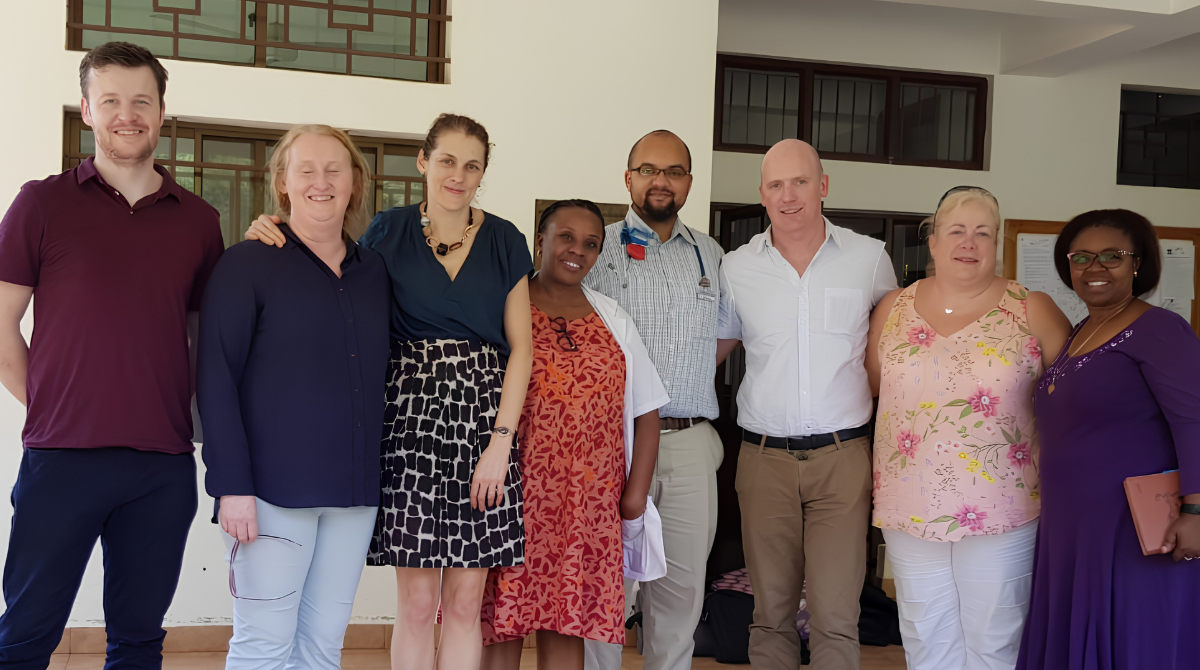
In 2016, researchers and clinicians from the INFANT Research Centre at UCC travelled to Tanzania to explore collaboration in maternal and child health. Over the course of the visit, the team engaged with a number of potential partner sites, with Kilimanjaro Christian Medical Centre (KCMC) and the Kilimanjaro Clinical Research Institute (KCRI) emerging as the best mutual fit for ongoing collaboration.

This led to the establishment of a Memorandum of Understanding between UCC and the Good Samaritan Foundation, encompassing KCMC, KCRI, and Kilimanjaro Christian Medical University College.

From the outset, the partnership was shaped by a shared vision and a commitment to working together over the long term. Reflecting on this, Professor Blandina T. Mmbaga, Director of the Kilimanjaro Clinical Research Institute (KCRI), explains:

“What has made this partnership meaningful is a shared vision of providing the best care for mothers and newborns, and a trust in working together to achieve that.”

This approach focused on adapting advances in neonatal care, diagnostics, and data systems for lower-resource settings through co-development and shared priorities, supported by knowledge exchange, skills development, and collaborative research in areas of greatest need.
 

From Cork to Kilimanjaro

Image 1 of 8

Building the foundations

Early collaboration focused on strengthening newborn care at KCMC, where the smallest and most vulnerable infants faced significant challenges to survival.

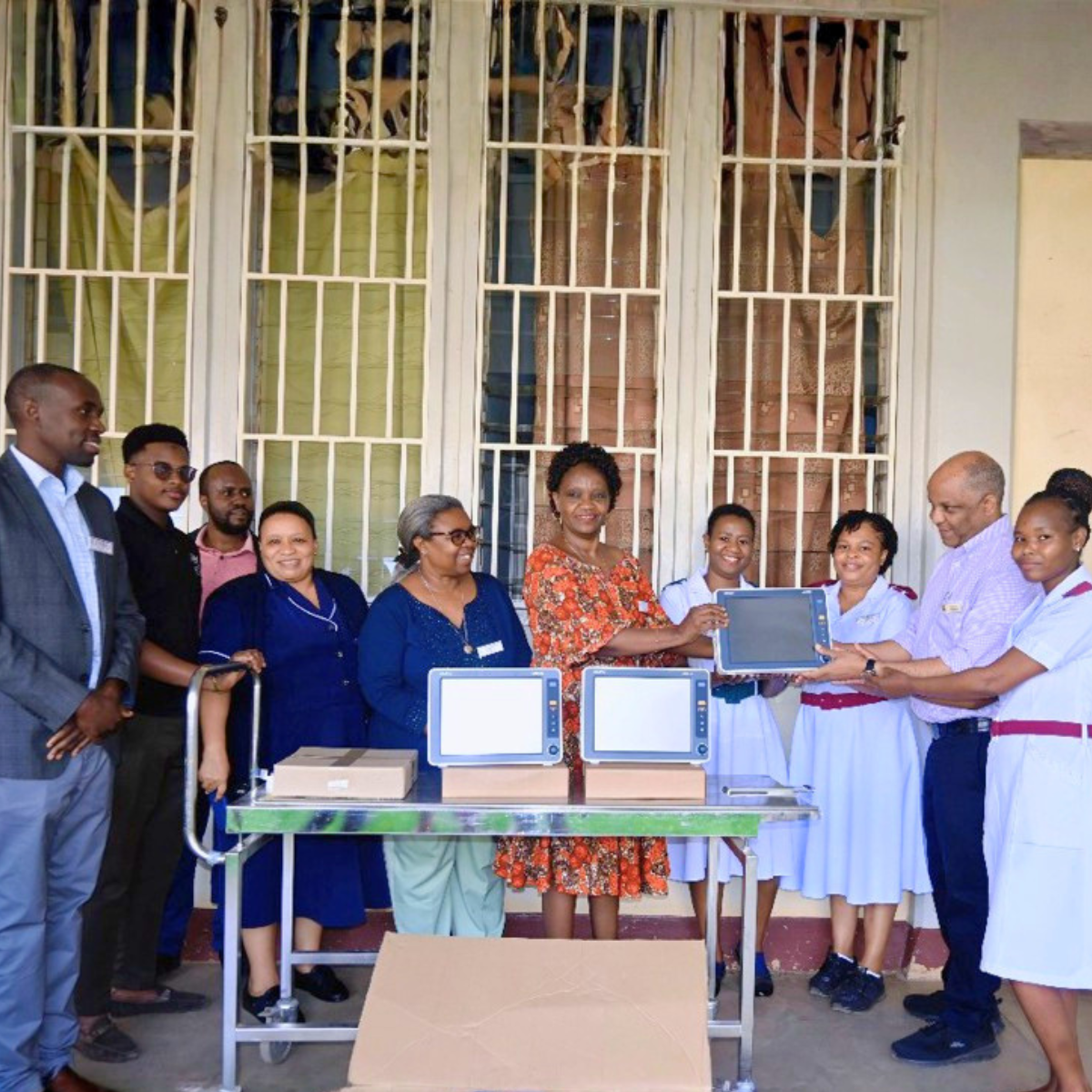
Through a combination of philanthropic support, clinical collaboration, and training, the partnership introduced key improvements in care. These included the establishment and equipping of a neonatal intensive care unit, which opened in 2021, alongside essential equipment to support newborns who needed extra care in their first days of life, and training for staff in emergency and infection care. Ongoing education for nursing and medical staff was also a central part of this work.

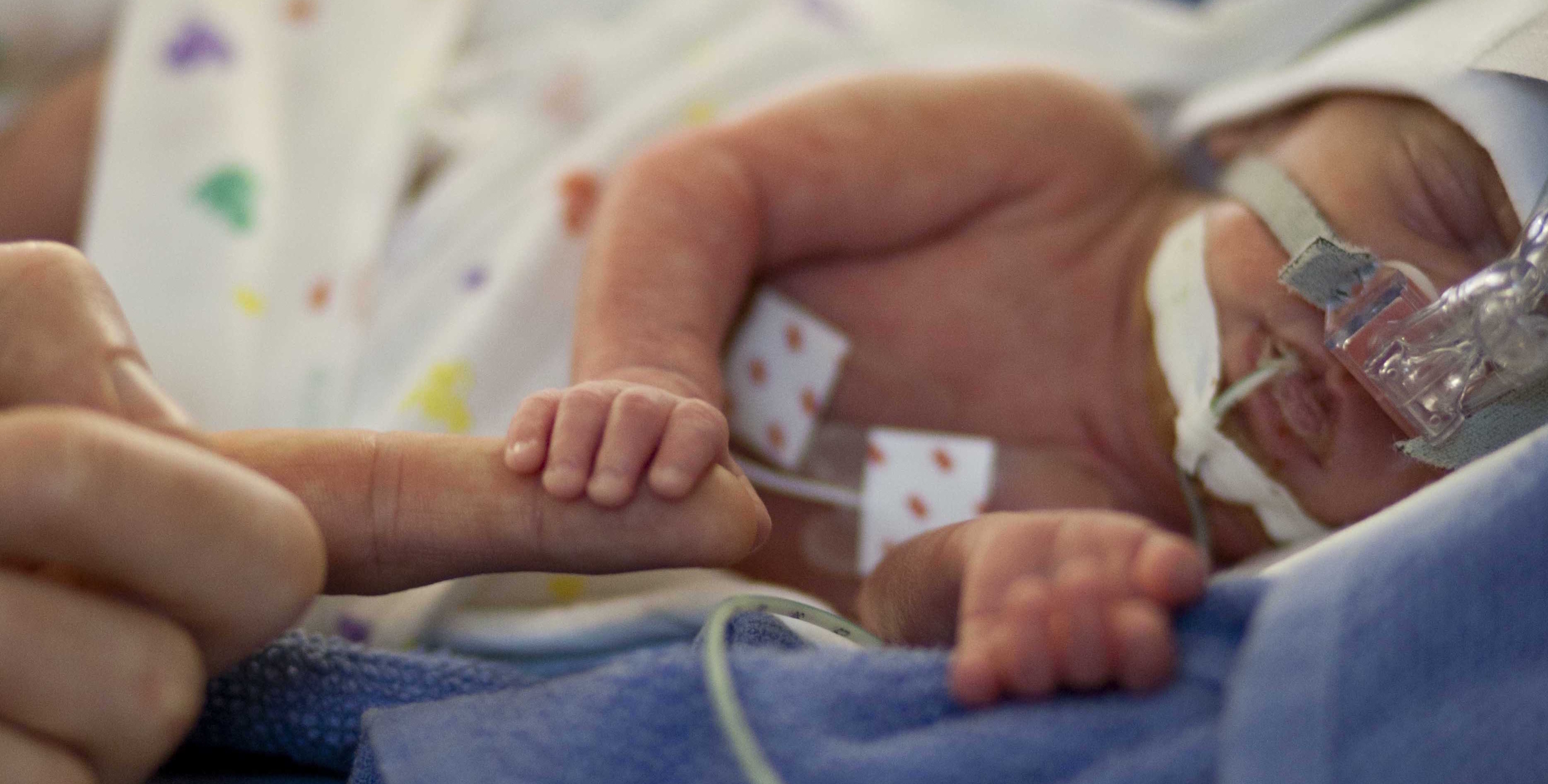
In 2023, a dedicated 20-bed Kangaroo Mother Care unit was opened, supported through student fundraising and philanthropic contributions. This simple but effective approach enables mothers to provide continuous skin-to-skin care, improving survival for premature and low birth weight infants.

For mothers, the impact has been immediate and visible. Professor Mmbaga reflects on how this has changed care in practice:

“We have seen real improvements in how care is delivered and in outcomes for preterm babies. Now, more mothers are able to stay with their babies during care, which has helped reduce infection risk and support earlier discharge.”

These changes are felt in very real ways. More babies are surviving those first critical days, and more mothers can stay close to them during care. In the Kangaroo Mother Care unit, mothers hold their babies skin-to-skin, helping them grow stronger each day. It is a simple approach, but one that is changing outcomes and experiences for families.

These efforts have contributed to measurable improvements in outcomes, with perinatal mortality in the region declining over time, reflecting hundreds of additional newborn lives saved each year.

Making data visible: the Kilimanjaro Birth Registry

Alongside improvements in care, the partnership identified an opportunity to strengthen how health data was captured and used.

At KCMC, the Medical Birth Registry had been in place since 2000, with information on pregnancy and birth collected on paper and stored locally. This provided a valuable foundation, while also highlighting the potential to make better use of data to support care for mothers and babies.

Through collaboration between clinicians, researchers, and software engineers, the registry was transformed into a web-based system by 2019.

The Birth Registry now captures data on approximately 2,500 births each year, with over 20 years of records, representing more than 60,000 births, brought together in one place.

Clinicians can now access real-time information when it matters most, helping them make more informed decisions for the women and newborns in their care. It also makes it easier to identify risks earlier and plan services to better meet the needs of the community.

The registry has also provided a foundation for further digital health innovation, demonstrating how data systems can be developed collaboratively and adapted to local needs.


From pilot to platform: Kilimanjaro ULTRA

Building on the success of the birth registry, the partnership expanded into a broader digital health platform through the Kilimanjaro ULTRA project.

The platform supports care for mothers and children across the health system, from hospitals to community settings.

Between 2022 and 2024, the system was piloted across a network of healthcare sites, capturing over 5,000 antenatal visits, approximately 4,000 deliveries, and more than 5,500 early childhood visits.

This created a more complete picture of each mother and child’s journey through care, helping to connect services and ensure information is available at every stage. It also makes it easier to identify gaps and improve how care is delivered.


Scaling impact: the LINDA-FAMILIA programme

By 2025, the partnership had evolved into a multi-country collaboration through the LINDA-FAMILIA programme, now active in Tanzania, Ethiopia, Rwanda, and Uganda. The programme focuses on adapting and scaling digital health systems to support care across pregnancy, postpartum, neonatal, and early childhood stages, including infectious diseases and vaccinations.

It supports the move from paper-based records to integrated digital systems, helping to improve how care is delivered for mothers and children.

LINDA-FAMILIA, meaning “protect the family” in Kiswahili, builds on earlier work in Kilimanjaro, extending the approach of co-development and shared learning to a broader regional context.

It brings together academic institutions, public health agencies, and ministries of health, reflecting the growing scale and ambition of the partnership.

As the work has expanded, it has also demonstrated the importance of strong systems underpinning long-term impact. Ali Khashan, Professor of Perinatal Epidemiology at University College Cork, explains:

“Kilimanjaro ULTRA and LINDA-FAMILIA have shown that strong governance, local ownership, and high-quality data are not just technical achievements, but the foundations of sustainable and equitable health systems.”


A partnership built on mutual learning

Over the past decade, collaboration between UCC and its Tanzanian partners has extended beyond individual projects to include training, education, and joint research. This has involved the joint supervision of PhD students, undergraduate medical electives, and academic exchange through shared roles across both institutions.

These activities build capacity in both directions, strengthening the ability of researchers and clinicians to address shared challenges in maternal and newborn health. They also reflect a core principle of the partnership: that meaningful progress depends on sustained collaboration and shared expertise.

From Cork to Kilimanjaro

Image 1 of 8

Looking ahead: the next decade

Reflecting on the broader significance of this work, Professor Geraldine Boylan, Director of the INFANT Research Centre at University College Cork, notes:

“Maternal and newborn health remains one of the most significant and under-resourced challenges globally. Partnerships like this demonstrate what can be achieved when research, clinical care, and collaboration come together with a shared purpose. Over the past decade, this work has contributed to meaningful improvements in outcomes for mothers and babies, while also building the foundations for long-term, sustainable change.”

Ten years on from its beginnings, the partnership continues to grow in both scope and ambition. Work is already underway to scale digital health systems across Tanzania and East Africa through the LINDA-FAMILIA programme, alongside plans to expand research in maternal and child nutrition, early brain health, and areas such as neonatal neurology and cerebral palsy.

Despite the progress of the past decade, maternal and newborn health remains significantly under-resourced in many parts of the world. Continued investment in research, innovation and partnership will be essential to ensure more mothers and babies benefit from advances in care.

If you’d like to help accelerate this work, you can support INFANT Research Centre through a donation. Every contribution helps advance research, strengthen international partnerships, and improve outcomes for mothers and children in Ireland and around the world.



Giving premature babies a stronger start: how PremSmart transformed neonatal nutrition in Ireland

By |2026-09-17T11:06:21+01:00July 7th, 2026|

Giving premature babies a stronger start: how PremSmart transformed neonatal nutrition in Ireland

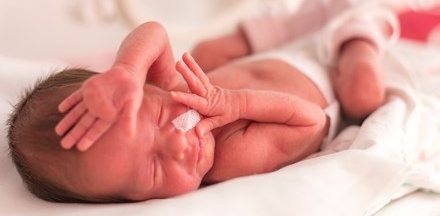
For babies born too soon, the first days of life are critical. During this period, nutrition plays a critical role in brain development, growth and long-term health. But for many years, delivering that nutrition safely and consistently was one of the most complex challenges in neonatal care.

Clinicians relied on a highly individualised approach to intravenous nutrition, prescribing nutrients one by one. It was complex, time-consuming and difficult to standardise. In fast-changing environments, delays between prescribing and delivery meant that by the time nutrition reached a baby, their needs could already have changed. Even when everything worked as intended, many babies experienced gaps in nutrition during this crucial stage.


From research to practice

PremSmart was developed to address this challenge.

PremSmart combines specially designed intravenous nutrition formulations with a decision-support system that helps clinicians match nutrition more closely to a baby’s changing needs.

The work began through research closely connected to clinical practice, shaped by the challenges faced in neonatal units. Developed through collaboration between the INFANT Research Centre and the Health Service Executive (HSE), the system is designed to support babies through one of the most complex stages of care — when they transition from intravenous feeding to milk.


National impact

Today, PremSmart is used in neonatal units across Ireland and has become part of routine care in the majority of cases. This level of national adoption is rare, particularly for something as complex as intravenous nutrition.

This is reflected in how it is now used in practice across neonatal units.

Prof Anne Doolan, Consultant Neonatologist at The Coombe Hospital, says:

“We use the PremSmart program every day in our Neonatal Unit. It has standardised practice which means that every baby gets excellent nutritional care.”


Babies are now more consistently reaching recommended nutritional levels during this early stage, supporting better growth. For healthcare teams, the system simplifies a previously complex process, reducing variation and easing workload. For the health service, it has delivered efficiencies, including cost savings of around €1 million per year.

For families, the impact is less visible but just as important. Parents of preterm babies must place enormous trust in clinical teams during an already overwhelming time. Knowing that care is supported by a consistent, well-designed system offers reassurance when so much else feels uncertain.

Clíona O’Donoghue, whose daughter Sadhbh was born at 26 weeks, describes the experience:

“My daughter Sadhbh was born at 26 weeks, weighing just 2 lbs 3 oz. The neonatal journey can be overwhelming, and we placed complete trust in the team caring for her. We lived from one weigh-in to the next, seeing every gram gained as a sign of progress and hope.

Knowing she was receiving the right nutrition at such a critical stage made a huge difference. Any advancement that improves outcomes for these tiny babies and helps families feel more connected to their child’s journey, is invaluable.”


From implementation to policy

PremSmart also highlights an important part of healthcare innovation: ensuring that new approaches work in real-world settings and can be sustained over time.

Experiences in other countries have shown that scaling up new nutrition systems can carry risks if not carefully managed. In response, the PremSmart programme has focused not only on developing the system, but also on understanding how it works in practice — including training, support and day-to-day use.

This work is now helping to inform how the system is supported nationally, from training to audit and oversight. In doing so, PremSmart is beginning to shape how this type of care is delivered and maintained across the health service.


A model for impact

PremSmart is more than a single innovation. It shows how research, when closely connected to clinical practice, can lead to real and lasting change.

The next phase is already underway. PremSmart 2.0 is being developed as a digital platform, with the potential to further support decision-making and open up new ways of involving parents in their baby’s care.

At its heart, this work is about giving preterm babies the best possible start in life. It demonstrates how research embedded in frontline healthcare can move beyond discovery to reshape care for some of the health service’s most vulnerable patients.


About the research team

Dr Ann-Marie Brennan

Co-Founder Neonatal Clinical Nutrition Research Group and Lead Investigator, INFANT Research Centre

Clinical Specialist Neonatal Dietitian, Cork University Maternity Hospital

Dr Brennan is an established researcher in preterm nutrition with over 25 years of clinical and academic experience. She leads the development, validation and national implementation of PremSmart.


Sarah Fenton

Co-Founder Neonatal Clinical Nutrition Research Group, INFANT Research Centre

Advanced Specialist Neonatal Pharmacist, Cork University Maternity Hospital / Cork University Hospital

Sarah Fenton has over 20 years clinical experience with expertise in preterm nutrition, health informatics and implementation science. She co-leads the development and validation of PremSmart, and is conducting the national evaluation of its implementation.


Together, they lead the Neonatal Clinical Nutrition Research Group at INFANT, focusing on translating research into innovative solutions at the cot-side and delivering measurable improvements in outcomes for babies and the health service.


Preparing for the next pandemic: Lessons from COVID-19, pregnancy and the power of better data

By |2026-09-17T11:05:26+01:00July 2nd, 2026|

Preparing for the next pandemic: Lessons from COVID-19, pregnancy and the power of better data

While COVID-19 may no longer dominate headlines, the lessons learned during the pandemic continue to shape how healthcare systems prepare for future public health emergencies. This is particularly true when it comes to protecting pregnant women and their babies.


When COVID-19 emerged, pregnant women faced uncertainty at every turn. Questions about infection risks, vaccine safety, and the potential impact on unborn babies created anxiety for expectant mothers and challenges for healthcare professionals trying to provide evidence-based guidance in real time.

In the early stages of the pandemic, reliable evidence on the safety and effectiveness of COVID-19 vaccination during pregnancy was limited internationally. In Ireland, only 58% of new and expectant mothers had received a COVID-19 vaccine, while studies from the United Kingdom suggested that unvaccinated pregnant women infected with COVID-19 were more likely to require intensive care treatment.

“Monitoring COVID-19 infection and vaccination during pregnancy is important because we know that during pregnancy a woman can be at greater risk of becoming severely ill from the virus,” explains Professor Ali Khashan, Principal Investigator at INFANT, and Professor in Epidemiology in the School of Public Health, UCC.

“When a vaccine becomes available, there is another question – should pregnant women take the vaccine or not?”

To help answer these questions, researchers from INFANT Research Centre at University College Cork (UCC), in partnership with Ulster University, launched the COVICAT project to better understand COVID-19 infection and vaccination during pregnancy across the island of Ireland.

While the project set out to answer questions about COVID-19 in pregnancy and risk of congenital anomalies, it also uncovered a broader challenge. Researchers found that important health information was often difficult to access and connect across systems, limiting the ability to rapidly generate evidence for pregnant women, clinicians and policymakers during a public health crisis.

One reason these findings matter is that pregnant women are generally excluded from clinical trials of new medicines and vaccines.

Dr Mary O’Mahony, Consultant in Public Health Medicine and collaborator on the project, explains:

“Projects such as COVICAT highlight the importance of robust data systems that allow us to monitor the safety and effectiveness of public health interventions during pregnancy and provide reassurance for women and the healthcare professionals caring for them.”

Reflecting on the project’s wider implications, Dr O’Mahony adds that “validated routine surveillance data can inform pandemic response to improve outcomes.”

Without access to high-quality population data, generating timely evidence during a public health emergency becomes significantly more difficult.

Researchers sought to better understand patterns of COVID-19 infection and vaccine uptake during pregnancy across the island of Ireland, and explore whether infection or vaccination was associated with congenital anomalies during foetal development.

By comparing systems north and south of the border, the researchers identified major differences in how maternal health data was collected, linked and used for research. In Northern Ireland, unique Health and Care identification numbers allowed maternity, infection, and vaccination records to be connected across healthcare databases, enabling population-level research.

In contrast, researchers encountered significant challenges accessing comparable data in the Republic of Ireland. Pregnancy status was not consistently recorded across vaccination and infection databases, while fragmented systems and limited data linkage made it difficult to answer urgent public health questions quickly during a rapidly evolving pandemic.

The lessons from COVICAT were subsequently translated into peer-reviewed publications and a policy brief, which outlined practical recommendations to improve data access, linkage and maternal health surveillance. These recommendations included accelerating the implementation of Individual Health Identifiers (IHIs), strengthening data linkage across healthcare systems and streamlining access to population health data for research and public health decision-making.

“In our experience of seeking to access data about pregnancy and COVID-19 infection and vaccination, once we were put in touch with the right individuals, they were very helpful,” says Professor Khashan. “But there are systemic issues that need to be addressed for the data to be useful for delivering better healthcare.”

Beyond identifying gaps in the system, the project demonstrated how better data can directly support patients and clinicians during future health emergencies.

“Better collection and use of data would help the healthcare system to prepare initially and then monitor the health of these populations during an emergency,” says Professor Khashan. “This would provide reliable evidence to inform timely public health interventions and support to help them.”

For pregnant women and healthcare professionals, this means faster access to the evidence needed to make informed decisions during future public health emergencies.

The project’s European analysis, using EUROCAT data, is expected to contribute valuable evidence around COVID-19 infection, vaccination uptake, and risk of congenital anomalies, helping clinicians provide informed advice and reassuring pregnant women who may have concerns about vaccination.

The work reinforced the importance of cross-border collaboration in addressing shared healthcare challenges. The partnership brought together expertise in public health, epidemiology, maternal health, congenital anomaly surveillance and health data research from both sides of the border.

“The all-island approach was critical because infections know no borders,” says Dr Maria Loane, Leader of the Centre for Maternal, Fetal an Infant Research at Ulster University and Co-Principal Investigator of COVICAT. “Bringing together expertise and data from both jurisdictions allowed us to compare healthcare systems, identify important gaps and demonstrate why stronger maternal health data infrastructure will be essential for responding to future pandemics and public health emergencies.”

The collaboration demonstrated how research partnerships can help identify shared challenges, accelerate learning and generate evidence that improves healthcare policy and future pandemic preparedness.

Although the pandemic has passed, the lessons from COVICAT remain highly relevant. The project demonstrated that protecting pregnant women and babies during public health emergencies requires not only scientific expertise, but also accessible health data, strong research partnerships and collaboration across healthcare systems.

Through collaborative research and all-island partnership, COVICAT has helped strengthen understanding of how health systems can better support pregnant women, clinicians and policymakers during times of crisis, while helping to build more resilient healthcare systems for the future.


Further reading

COVICAT was recently featured in the Higher Education Authority’s North South Research Programme: Insights on Impact report, which showcases the impact of all-island research collaborations.


Supporting parents through pregnancy loss with compassion and consistency

By |2026-03-25T08:03:04+00:00March 24th, 2026|

Supporting parents through pregnancy loss with compassion and consistency

Pregnancy loss and perinatal death are among the most devastating experiences a family can face. At such a time, parents need not only empathy, but clear, consistent support. Yet historically, the care families received in Ireland varied widely depending on where and how their baby died, adding uncertainty and distress to an already painful experience.

INFANT Principal Investigator Professor Keelin O’Donoghue, alongside colleagues in the Pregnancy Loss Research Group, led the development of the HSE National Standards for Bereavement Care Following Pregnancy Loss and Perinatal Death in response to this gap.

Developed following recommendations from the 2013 investigation into the death of Savita Halappanavar, the standards were designed to ensure that every parent, regardless of where they receive care, is met with compassion, dignity, and respect.

Launched nationally in 2016 after an extensive multidisciplinary development process, the standards provide a clear, evidence-based framework for maternity services. They support parents experiencing all forms of pregnancy loss, from early miscarriage to stillbirth, neonatal death, and life-limiting fetal diagnoses.

Designed as a resource for both healthcare professionals and parents, the standards guide every aspect of care. This includes how difficult news is communicated, how parents are supported in decision-making, opportunities for memory-making, and the provision of follow-up and longer-term bereavement support. They also recognise the emotional impact on healthcare staff and emphasise the importance of structured supports for those delivering care.

Researchers from the Pregnancy Loss Research Group have remained central to this work beyond development. They have helped drive national implementation across all maternity units in Ireland, contributing to training, audits, education programmes, and the creation of resources such as the national pregnancy and infant loss website. Their research has directly shaped key areas including communication, staff support, care after stillbirth, pregnancy after loss, and support following diagnoses of life-limiting fetal conditions.

By embedding compassion into national practice, these standards have transformed bereavement care in Ireland. Parents are now more likely to receive consistent, sensitive support at every stage of their journey, while healthcare professionals are better equipped to respond to both the immediate and long-term needs of bereaved families.

This work continues to evolve, with ongoing research and national oversight ensuring that care keeps improving. At its core is a simple but vital goal: that no parent faces pregnancy loss without the understanding, support, and dignity they deserve.


Biomarkers to enable early treatment of newborn brain injury

By |2026-03-25T08:03:30+00:00March 24th, 2026|

Biomarkers to enable early treatment of newborn brain injury

Lack of oxygen to the brain at birth affects almost 200 babies in Ireland each year and more than two million infants globally. This condition, known as hypoxic ischaemic encephalopathy (HIE), is a leading cause of newborn death and long-term neurological disability, including cerebral palsy.

Early diagnosis is critical, as treatments such as therapeutic hypothermia, or brain cooling as its often known, must be initiated within a narrow time window to reduce brain injury and improve outcomes. Yet identifying which babies will benefit from treatment remains a major clinical challenge.

Researchers at INFANT, working with collaborators at University College Cork and the Karolinska Institute in Sweden, identified and validated two blood-based biomarkers that can aid the early detection of birth-related brain injury. These biomarkers are microRNAs, small strands of genetic material found in umbilical cord blood, which were shown to be significantly reduced in newborns with HIE.

The research, led by INFANT Researcher, Professor Deirdre Murray, and involving umbilical cord blood samples from 170 newborn babies in Ireland and Sweden, demonstrated consistent biological patterns across populations, strengthening their potential clinical relevance.

As Professor Murray explains:

“Early diagnosis is critical in babies affected by hypoxic ischaemic encephalopathy. Our research shows consistent biological signals across different populations, which is a vital step towards identifying brain injury when treatment decisions matter most.”

By providing an early biological signal of injury, these biomarkers could support faster identification of infants who need urgent intervention and help guide transfer to specialist centres for brain cooling therapy.

INFANT Director Professor Geraldine Boylan highlights the broader significance of the work:

“This research demonstrates how sustained, collaborative effort can advance neonatal care. It reflects INFANT’s commitment to developing evidence that has real potential to improve outcomes for babies and families.”

Supported by funding from the Health Research Board and the National Children’s Research Centre, this research represents almost a decade of focused investigation into early brain injury. It is an important step towards improving diagnosis and care for newborns affected by HIE.


Predicting pre-eclampsia before it becomes dangerous

By |2026-03-25T08:04:00+00:00March 24th, 2026|

Predicting pre-eclampsia before it becomes dangerous

For many women, pre-eclampsia arrives without warning. What begins as a healthy pregnancy can suddenly become life-threatening, with serious consequences for both mother and baby. Despite affecting around 5% of first-time mothers, clinicians have had limited tools to predict who will develop the condition.

INFANT researchers aimed to change that uncertainty.

Using advanced metabolomic technologies, the team studied subtle changes in blood chemistry during pregnancy and identified a unique set of biomarkers linked to the later development of pre-eclampsia. These biomarkers make it possible to identify women at risk before clinical symptoms appear.

Early prediction changes everything. Women identified as high-risk can be monitored more closely, receive preventative treatments, and make informed decisions alongside their healthcare team. For clinicians, it enables targeted care rather than reactive treatment. For families, it offers something previously unavailable: time.

By shifting pre-eclampsia care from crisis response to early prevention, this research has the potential to save lives and reduce long-term complications for mothers and babies alike.


From research to real-time care: the ANSeR study

By |2026-03-25T10:54:51+00:00March 24th, 2026|

From research to real-time care: the ANSeR study

Babies admitted to neonatal intensive care due to complications during pregnancy are at high risk of brain injury and seizures, which can have lifelong consequences if not detected and treated early. Yet newborn seizures are notoriously difficult to identify, often showing no visible signs.

The ANSeR (Automated Neonatal Seizure Recognition) study was established to address this challenge. Led by Professor Gene Dempsey and Professor Geraldine Boylan and developed in collaboration with engineers at the INFANT Centre at University College Cork, the study focused on combining neonatal medicine, brain monitoring, and advanced algorithms to improve seizure detection.

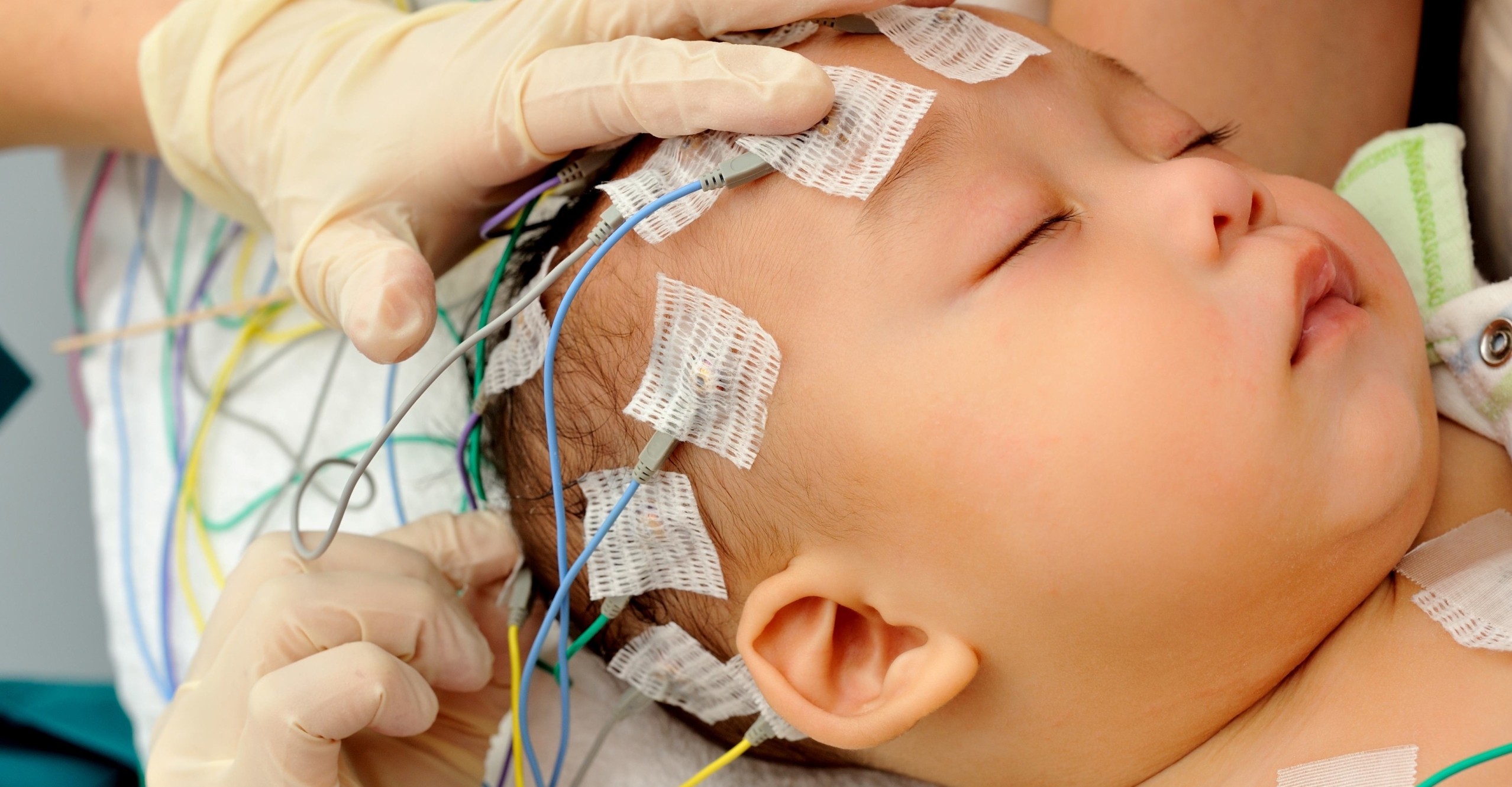
Electroencephalogram (EEG) monitoring records a baby’s brain activity but interpreting these complex signals requires specialist expertise. This expertise however is not always available in neonatal units, particularly outside normal working hours. ANSeR was designed to act as an “EEG expert at the cot side”, available 24 hours a day.

Using algorithms trained to recognise seizure patterns, ANSeR continuously analyses brain activity and alerts clinical teams when seizures are detected. This enables faster intervention, more timely treatment, and better protection for the developing brain.

The ANSeR study demonstrates how interdisciplinary research at INFANT – bringing together clinicians, engineers, and data scientists – can translate directly into tools that improve care for vulnerable newborns and support clinical decision-making when it matters most.


Transforming peanut allergy care in Ireland

By |2026-03-25T08:06:11+00:00March 23rd, 2026|

Transforming peanut allergy care in Ireland

Food is supposed to be simple. But for families of children with severe food allergies, everyday life can be shaped by uncertainty. A birthday party, a school lunch, or a simple snack can carry the risk of a serious allergic reaction.

Across Ireland, thousands of children live with that reality — where a routine moment can quickly become a medical emergency. Managing food allergy means constant vigilance for families: checking labels, asking questions, and always being prepared for the unexpected. Now, research and clinical innovation are beginning to change the outlook.

At the INFANT Research Centre, researchers and clinicians are working to transform how food allergies are treated and prevented. Their work has contributed to a major national milestone: Ireland’s first public oral immunotherapy programme for peanut allergy. The programme, based at Cork University Hospital and led by paediatric allergist Dr Juan Trujillo, is improving the lives of children and families across the country.


Living with food allergy

Food allergies affect a growing number of children in Ireland. Around five percent of the population lives with some form of allergy, and between one and two percent experience food allergies. For children with peanut allergy, the risks can be particularly serious. Even trace amounts can trigger severe reactions, and most children do not naturally outgrow the condition. Without treatment, around 80 percent of children with peanut allergy will remain allergic for life. For families, that means constant vigilance. As Dr Trujillo explains:

“Many families live with the fear of accidental exposure,” says Dr Trujillo. “Even a tiny amount of peanut can trigger a serious reaction.”

Historically, treatment focused on strict avoidance and emergency medication. But researchers have increasingly explored whether the immune system itself can be retrained.


A new approach: oral immunotherapy

Oral immunotherapy (OIT) works by gradually introducing extremely small amounts of the allergenic food under careful medical supervision. Over time, the dose is slowly increased. The aim is to desensitise the immune system, reducing the risk of severe reactions even if the allergy itself does not disappear completely. For peanut allergy, the goal is for a child to eventually tolerate the equivalent of one or two peanuts per day. Dr Trujillo explains:

“By gradually introducing the allergen in controlled doses, we can reduce the risk of severe reactions,” 

This desensitisation can significantly improve safety. Dr Trujillo further states that:

“With oral immunotherapy, the chances of a patient being safe from accidental exposure can increase to around 80%”

For families, that difference can transform everyday life.


Ireland’s first public programme

Despite its potential, oral immunotherapy had not previously been widely available through Ireland’s public health system. Dr Trujillo and his colleagues established Ireland’s first public oral immunotherapy programme for peanut allergy at Cork University Hospital. The response from families and clinicians across the country has been significant. Initially, the team expected to treat around 70 patients in the programme’s first year. Instead, referrals quickly began arriving from across Ireland. Within its first year, more than 250 children had joined the programme. As the service continues to expand, hundreds more patients are expected to access treatment. Dr Trujillo explains:

“We expected around 70 patients in the first year. We finished with 250 — and now families are coming to us from across Ireland.”

The programme has effectively become a national referral centre, with children travelling from different regions for treatment before returning to their local care teams.


Research driving change

The programme is rooted in years of research collaboration between Cork University Hospital, University College Cork, and the INFANT Research Centre. This research environment allows discoveries to move more quickly from laboratory insight to clinical care.

Dr Trujillo’s research focuses on both the treatment and prevention of allergic disease, exploring new ways to safely retrain the immune system. Alongside oral immunotherapy, his team is involved in international clinical trials investigating innovative treatments such as epicutaneous immunotherapy. This approach uses a small skin patch that delivers tiny amounts of peanut protein to the immune system. The aim is similar to oral immunotherapy: reducing sensitivity to the allergen while minimising the risk of severe reactions. Together, these studies are helping to build the evidence base for a new generation of allergy treatments. Dr Trujillo explains:

“Our goal is not only to treat allergies, but to prevent them and make life safer for children.”


The future: prevention and national access

While new therapies are transforming treatment, research is also reshaping how allergies are prevented. Scientific evidence now shows that introducing allergenic foods such as peanuts early in infancy can significantly reduce the risk of developing allergies later in life. In some countries, early introduction strategies have reduced peanut allergy rates by up to 40 percent. For Ireland — where specialist allergy services remain limited — prevention may play an increasingly important role in reducing the burden of allergic disease.

Dr Trujillo also has a longer-term vision: building a national oral immunotherapy programme that could serve families across the country more efficiently. Such a system could allow specialised centres to deliver treatment while working closely with regional allergy services. Dr Trujillo explains:

“The goal is to build a national programme so children across Ireland can access treatment earlier and more safely.”


Research with real-world impact

The work underway at the INFANT Research Centre demonstrates how research can translate directly into clinical care. From international clinical trials to Ireland’s first public immunotherapy programme, these advances are helping reshape allergy care. For the families navigating the daily realities of food allergy, that progress means something simple but powerful. A future where everyday moments — a birthday party, a school lunch, a shared meal — carry a little less risk.

Go to Top