New UCC Research Links Iron Deficiency in Mothers During Early Pregnancy to Lower Language and Motor Skills at Age Two

By |2025-12-17T13:13:23+00:00December 17th, 2025|

University College Cork (UCC) researchers have called for routine screening for iron deficiency in pregnant women, following new research that shows that iron deficiency in early pregnancy, even without anaemia, may be associated with lower language and motor development scores in children at two years of age.

The findings, published in The Journal of Nutrition, build on major research released last year which showed that four in five pregnant women in Ireland are iron deficient by the third trimester. This new study sheds light on how early in pregnancy this deficiency matters for a baby’s brain development and reinforces the importance of greater awareness, early screening and supporting women throughout pregnancy.

The latest findings are a result of research by the Irish Centre for Maternal and Child Health Research (INFANT) at UCC and partners at the University of Minnesota and the Masonic Institute of the Developing Brain.

This study included 189 mother-child pairs, who participated in the IMPROvED and COMBINE cohort studies at the INFANT Research Centre, UCC.

The key findings:

  • Over 40% of women in the study had low iron stores by mid-pregnancy, despite being a generally healthy, low-risk group.
  • Babies born to mothers who were iron deficient early in pregnancy had lower iron stores at birth, indicating that maternal iron levels directly influence a baby’s iron status.
  • Children were assessed at two years of age, using the Bayley Scales of Infant and Toddler Development, a gold-standard, internationally recognised measure of child neurodevelopment.

The study found that iron deficiency in early pregnancy may be associated with lower motor and language developmental scores at age two.

Why This Matters

Iron is essential for brain development throughout pregnancy, but the critical window appears to be much earlier than previously understood.

Lead researcher Dr Elaine McCarthy, Lecturer in Nutrition at UCC’s School of Food and Nutritional Sciences and Lead Investigator at the INFANT Research Centre, explains:

“We have previously shown that iron deficiency is very common in pregnancy, even in high-resource, low-risk settings like Ireland. This new research provides an early indication of the lasting consequences of iron deficiency without anaemia in pregnancy, further emphasising the importance of adequate iron nutrition during pregnancy to protect the developing infant brain. These findings highlight the need for screening for iron deficiency in women during pregnancy, and trials to look at the benefit of targeted supplementation in women with low iron stores; not just focusing on anaemia in pregnancy.”

Prof Mairead Kiely, Professor of Human Nutrition at UCC adds:

“This data shows that without a diagnosis of anaemia, more than two in five women had low iron stores by mid-pregnancy, which was associated lower language and motor scores in childhood developmental assessments at 2 years.  The widespread malnutrition of iron and other nutrients among women requires attention as malnutrition is intergenerational and has lasting effects which we are only starting to uncover now.”

Dr McCarthy also adds:

“Our aim is to support women. With the right information, dietary guidance and early screening, iron deficiency is something we can address effectively.”

New Free Guide: ‘A Guide on Iron During Pregnancy’

Following last year’s findings, the researchers at UCC and the Ireland South Women & Infants Directorate have developed a free, practical resource ‘A Guide on Iron During Pregnancy’ for expectant parents. Available to download here: https://www.infantcentre.ie/wp-content/uploads/2025/05/UCC-ISWID-A-Guide-on-Iron-During-Pregnancy-Final-PDF.pdf

It includes:

  • Clear information on the importance of iron in pregnancy
  • Practical tips for boosting iron intake
  • Simple, nourishing recipe ideas using accessible foods

Call for Updated Screening Practices

At present, routine screening for iron deficiency is not part of standard antenatal care in Ireland or many other countries, and there is no universally agreed definition for iron deficiency during pregnancy. The research team believes the evidence now strongly supports earlier pregnancy screening for iron deficiency, clearer diagnostic guidelines and greater awareness among healthcare providers and expectant parents.

This study sets the stage for opportunities for larger global collaborative research with the long-term goal of translating findings into policy change and clinical practice worldwide.
UCC researchers receive €6.2m to lead groundbreaking discoveries

By |2026-01-26T12:50:22+00:00November 14th, 2025|

November 14th 2025: Minister for Further and Higher Education, Research, Innovation and Science, James Lawless, TD, has today announced €34.5 million in funding to support 39 cutting-edge research projects.

Addressing biodiversity at Lough Hyne Marine Nature Reserve by combining modern mathematical methods, building computer models that better predict long-term outcomes for babies affected by birth-related oxygen loss, and the 3D printing of rechargeable batteries in any shape using sustainable materials are amongst the seven University College Cork (UCC) and Tyndall National Institute projects to receive a collective €6.2m funding under the Research Ireland Frontiers for the Future Programme. 

The Research Ireland Frontiers for the Future Programme funds high-risk, high-reward research programmes and innovative, collaborative research with the potential to deliver economic and societal impact. This year’s Frontiers for the Future Programme was co-funded by Children’s Health Foundation, Breakthrough Cancer Research, and Sustainable Energy Authority of Ireland. 

Minister for Further and Higher Education, Research, Innovation and Science, James Lawless TD, today announced a total €34.5 million investment to support 39 cutting-edge research projects nationwide through the Programme. 

Announcing the awards, Minister Lawless said: “We are investing in cutting-edge, curiosity-driven research, and empowering individual researchers to progress bold ideas that can lead to groundbreaking discoveries. These awards demonstrate our dedication to building a diverse and inclusive research community that delivers impact for our society and economy. I look forward to seeing the development and outputs of these projects over the coming years.” 

Professor John F. Cryan, UCC Vice President for Research and Innovation said: “We are immensely proud of our researchers at UCC who will lead these Research Ireland Frontiers for the Future Programme awards. Aligning with several of our UCC Futures thematic areas, these projects will further strengthen UCC’s national and global leadership in delivering impactful research and finding innovative solutions to major scientific, societal and healthcare challenges.” 

Among the new research projects totalling €6.2m that will be funded at University College Cork and Tyndall National Institute are: 


School-age Outcome Prediction using radiomic imaging algorithm in Hypoxic ischaemic encephalopathy (SOPHIE)
Funding Amount: €768,722 

Leads: Professor Brian Walsh, INFANT Research Centre and Cork University Maternity Hospital and Professor Deirdre Murray, INFANT Research Centre and Department of Paediatrics and Child Health 

This project will develop new computer models for the early newborn MRI, that look at both the initial injury and also how the brain will develop over time, to better predict outcomes. To do this, the researchers will perform repeat MRIs and outcome assessment at school-age and develop computer models linking the newborn and school-age information. 


Adaptive dynamical network solutions to ecological restoration
Funding Amount: €1,225,836 

Leads: Professor Sebastian Wieczorek and Dr. Serhiy Yanchuk, School of Mathematical Sciences. 

This project addresses biodiversity loss by combining modern mathematical techniques of Network Science and Tipping Point Theory with real-world applications to specific ecological problems. The focus will be on modelling invasive species and ecological sleepers in Lough Hyne Marine Nature Reserve, with a view to extending the study to ecological restoration in other ecosystems in Ireland and Europe. 

Unmanned marine Mapping and Monitoring to support Irelands offshore Development (DMAND)
Funding Amount: €1,221,660 

Lead: Dr. Aaron Lim, Department of Geography, School of the Human Environment and Sustainability Institute 

The DMAND project uses a swarm of autonomous underwater vehicles (AUVs) to map the seafloor from shallow coastal zones to deeper offshore areas (1–300 m). By developing smarter, more efficient methods for data collection and analysis, this research will help to make offshore renewable energy more affordable and environmentally responsible by revolutionising how we collect and use marine data. 

Surface functionalisation of silicon devices for electrical detection of gas phase ammonia at atmospherically relevant concentrations (SUREDETECT)
Funding Amount: €809,219 

Lead: Dr. Stig Hellebust, School of Chemistry. 

This project will develop the science and technology to detect and quantify ammonia (an air pollutant) via new, low-cost, and mass-produced surface functionalised silicon devices. The technology has the potential to bring about a significant breakthrough in ammonia monitoring, improved control of ammonia emissions, new insights into atmospheric chemistry, enhance public awareness of air quality and enable more public engagement and citizen science. 

Fully Recyclable 3D Printable Aqueous Rechargeable Batteries in Any Shape using Sustainable Resources
Funding Amount: €778,147 

Lead: Professor Colm O’Dwyer, School of Chemistry. 

Additive manufacturing, or 3D printing, of rechargeable batteries can create new form-factor cells moulded to the shape of the device at design stage without compromising energy density at cell level. This project will use sustainable materials to 3D print rechargeable batteries in any shape, so they match the device design and function from the get-go, rather than the other way round. And when the batteries are no longer needed, the outer casings and inner battery materials can be completely recycled and recovered for reuse. 

Tracking Recycling in Brain Cancer: The TRIBeCA Study
Funding Amount: €775,491 

Lead: Dr. Andrew Lindsay, School of Biochemistry & Cell Biology. 

Glioblastoma is the most common and aggressive brain cancer in adults, and its incidence is rising due to an aging population. Remarkably, the survival rates for this cancer have not improved since the early 19th century. This project aims to discover new therapeutic targets by systematically analysing how a biological pathway, that we identified as being overactive in glioblastoma, contributes to the tumour’s aggressiveness. 

High efficiency power conversion and delivery with light (Hilight)
Funding Amount: €584,513 

Lead: Brian Corbett, Tyndall National Institute and School of Physics. 

The project will develop effective ways of harvesting energy from light, creating innovative and efficient methods to transfer energy using light, resulting in new power converting devices. These will enable more efficient collection of energy from the sun and power delivery for difficult places such as high voltage environments and medical endoscopes. 

The 39 Research Ireland funded initiatives span across the following 12 research institutions: Dublin City University, Dublin Institute for Advanced Studies, Maynooth University, Munster Technological University, RCSI University of Medicine and Health Sciences, Teagasc, Trinity College Dublin, Tyndall National Institute, University College Cork, University College Dublin, University of Galway, and University of Limerick. 

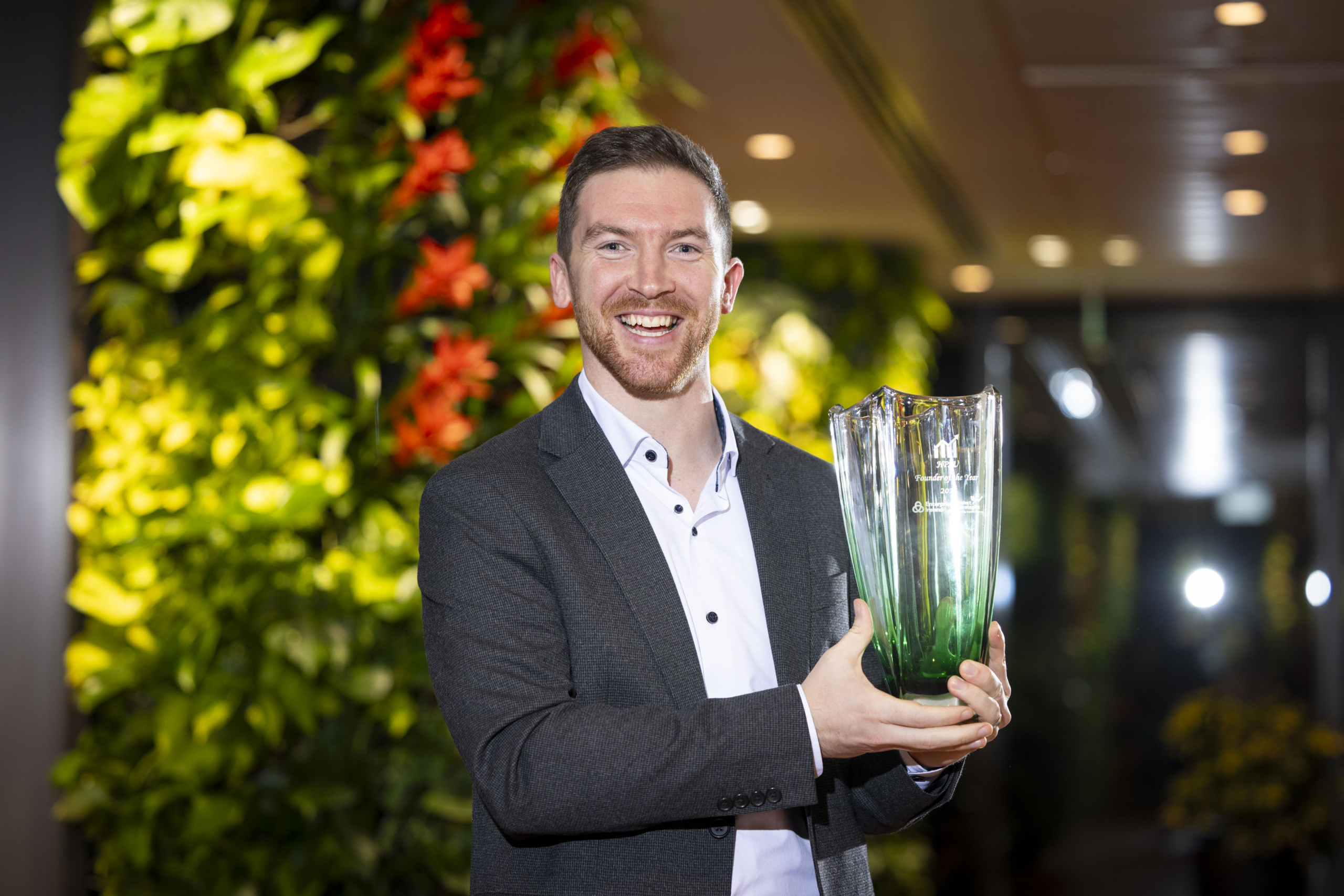
Neurobell’s Mark O’ Sullivan announced as “Founder of the Year” at Enterprise Ireland’s High Potential Start-up Awards

By |2025-10-17T11:52:31+01:00October 17th, 2025|

Mark O’Sullivan, CEO and Co-founder of UCC and INFANT spin-out company NeuroBell was announced last night as “Founder of the Year 2025” at Enterprise Ireland’s High Potential Start-Up Awards.

Founded in 2023, Neurobell aims to revolutionise seizure detection in newborns in NICUs, crucial for early intervention in brain injury cases like epilepsy and cerebral palsy. Its first product, Luna, is a pocket-sized wireless brain monitor that enables routine monitoring of babies across various hospital settings without the need for specialised expertise, allowing for timely intervention and treatment.

The Enterprise Ireland Founder of the Year Awards recognise and celebrate the dedication of entrepreneurs and start-ups working to build world-class companies of the future. Five finalists were shortlisted for the 2025 Award, each nominated by their peers and actively engaged in Enterprise Ireland’s High Potential Start-Up (HPSU) Founders Forum over the past year.

On receiving the award Mark O’Sullivan, CEO and Co-founder of NeuroBell said, “I am deeply honoured to receive this award, particularly as the nominees are selected by Founder peers. Enterprise Ireland has been with us on our start-up journey and we look forward to working them as we scale into the US and European markets. Luna allows healthcare workers in neonatal ICU’s to act quickly with the right information. Our ultimate aim is to grow the business globally, bringing Luna to all hospital settings for the benefit of critically ill infants and their families.”

Addressing the Awards ceremony, Jenny Melia, CEO, Enterprise Ireland said: “The Founder of the Year Awards shine a spotlight on the ambition, innovation and resilience of Ireland’s start-up community. These awards are a celebration of the entrepreneurial spirit that drives high-potential start-ups to scale globally. With over 480 founders having participated in the HPSU Founders Forum to date, this initiative continues to be a powerful platform for peer learning, collaboration and growth.

Congratulating Mark O’ Sullivan on his award, Director of UCC Innovation Dr Sally Cudmore said: “Congratulations to Mark on being recognised as “Founder of the Year” by Enterprise Ireland. Mark took part in UCC’s SPRINT and IGNITE programmes to develop his spin-out idea and hone his commercial skills, and it has been fantastic to witness Mark and Neurobell go from strength to strength on their entrepreneurial journey, creating real-world impact from their expertise, research and creativity.”

Prof Geraldine Boylan, Director of INFANT Research Centre added: “We are immensely proud of Mark and his team. His journey from a PhD student at the INFANT Research Centre at University College Cork to CEO of NeuroBell is a wonderful example of how world-class research and innovation can lead to real societal impact. His success is a testament to his vision and determination, and this recognition from Enterprise Ireland is richly deserved.”

Early Clues to Autism Discovered in Newborn Cord Blood – UCC Study Finds

By |2025-10-10T08:25:04+01:00October 12th, 2025|

  • Researchers at UCC’s Department of Anatomy and Neuroscience and INFANT Research Centre have identified early biological signs of autism in the umbilical cord blood of newborns.
  • This study addresses the opportunity for blood-based biomarkers that can identify children with Autism much earlier in life opening possibilities for earlier detection and support for children and families.
  • Disclaimer: This was a discovery study involving a relatively small group of children followed from birth to ages 7–10 and is not an immediate diagnostic test.

A University College Cork (UCC) study has identified early biological signs of autism in the umbilical cord blood of newborns, opening up new possibilities for earlier detection and support for children and families.

The research, published in Molecular Psychiatry, showed that children who were diagnosed with autism by the age of five had clear differences in their blood at birth, compared to neurotypical children.

Key Findings

Researchers at UCC’s INFANT Research Centre and Department of Anatomy and Neuroscience, UCC analysed cord blood samples from the Irish BASELINE Birth Cohort and discovered:

  • Biological differences at birth: Newborns who were later diagnosed with autism had lower levels of certain hormones, proteins and immune-related molecules in their cord blood.
  • By using artificial intelligence (AI) and machine learning, the researchers built a model that could help predict which babies might later be diagnosed with autism.
  • A number of proteins found altered at birth were persistently changed in blood in children with autism at ages 7-10.

Addressing an Opportunity for Early Detection of Autism

Autism can be typically diagnosed between the ages of three and four years, often later, after behavioural signs emerge. This delay means children often miss a critical window for early intervention, which is shown to improve outcomes. This study addresses the opportunity for blood-based biomarkers that can identify children with autism much earlier in life.

“A major aim of our research in Autism research has been to find a molecular signature that is present before behavioural signs of autism emerge,” explained senior author Dr. Jane English, Department of Anatomy and Neuroscience and the INFANT Research Centre at UCC.

“Our findings confirm that the complex biological underpinnings of autism are evident in infant blood at birth. While this is not yet a clinical test, it moves us closer to a future where infants with these early molecular signatures could receive enhanced developmental surveillance, allowing supportive interventions to begin much earlier.”

About the Study

This international collaborative study followed children from birth to mid-childhood, making it one of the most comprehensive of its kind. The cohort involved mother-infant pairs from the INFANT BASELINE Birth Cohort study and involved collaborative partners from University College Dublin, Aarhus University (Denmark), and the University of Toronto (Canada). State-of-the-art proteomics and metabolomics were used to analyse thousands of small molecules in neonatal cord blood.

A nested case-control study compared cord blood from 22 children with Autism and 44 neurotypical controls. A follow-up study (PIRAMID) also analysed blood samples from 24 children with Autism and 48 controls at age 7-10 years old.

“The longitudinal nature of this study, following children from birth to mid-childhood, is its key strength,” said Ms Aisling Noone, first author of the study, Department of Anatomy and Neuroscience and the INFANT Research Centre at UCC.

“Observing certain protein disruptions persisting into childhood suggests we are looking at a core systemic aspect of autism biology that begins before birth.” said Ms Noone.

Potential Impact

  • Earlier support: Infants showing early biological signs could receive enhanced developmental surveillance.
  • Improved understanding: Research into the biology of autism may help improve understanding of neurodevelopmental variation.
  • New research directions: Pathways such as could inform future approaches to supporting autistic people.

Researchers stress this is an important discovery study, not an immediate diagnostic test. Larger studies in international cohorts are ongoing.

The research was communicated in line with AIMS-2-TRIALS guidelines to ensure respectful and acceptable language for the autism community.

Affiliations and Support

This research was led by Researchers at the INFANT Research Centre and UCC’s Department of Anatomy and Neuroscience and supported from the Irish Health Research Board (HRB) through an award to Dr Jane English.

The findings from this study have been published in Molecular Psychiatry, “Longitudinal multi-omics analysis of umbilical cord blood and childhood serum in Autism” https://doi.org/10.1038/s41380-025-03157-z

UCC launches Irelands first Pregnancy Loss Support Policy for University staff

By |2025-10-14T07:40:50+01:00October 10th, 2025|

The first Pregnancy Loss Support Policy for staff in an Irish university was on Friday by University College Cork (UCC), marking a significant step forward in workplace wellbeing and inclusion.

The policy aims to provide employees with dedicated leave, resources and support they need following a pregnancy loss under 23 weeks. It outlines the entitlements, procedures and support mechanisms in place to assist both staff who are affected by pregnancy loss, and their partners. Staff are now entitled to ten leave days per 12 month calendar year should they experience pregnancy loss.

The policy was jointly developed by the Pregnancy Loss Research Group led by Professor Keelin O’Donoghue, UCC People and Culture and the Equality, Diversity and Inclusion Unit and informed by the findings of the PLACES project report (2024) which was funded by the Department of Children, Equality and Disability.

Closing a Gap in Statutory Leave

Pregnancy loss affects approximately one in every four pregnancies. Currently, Irish law provides statutory maternity and paternity leave for pregnancy loss after 23 weeks (stillbirth or neonatal death), but no statutory entitlement exists for losses before this point.

The PLACES project—Pregnancy Loss in Workplaces: Informing policymakers on support mechanisms—highlighted the need for better supports in these circumstances. The PLACES project is informing Government policy around statutory leave provision and is led by Professor Keelin O’Donoghue with colleagues across University College Cork and the University of Galway.

Research informing action

“Our mission within the Pregnancy Loss Research Group is to lead national research which is relevant, and which can influence policy and practice regarding all forms of pregnancy loss, to ultimately enhance people’s experiences and outcomes. We are proud that our own university has developed this pregnancy loss support policy, informed by findings from the PLACES project, and that it is leading the way for other higher education institutions and other organisations within Ireland, and beyond, to do similar”, stated Professor Keelin O’Donoghue.

“In UCC our research informs our thinking and our actions. This landmark policy is intended to be a much-needed support for any staff member affected by pregnancy loss and will assist them in such a difficult time. We as a UCC community must work together to continue to ensure the wellbeing of all our staff UCC is firmly committed to Equality, Diversity and Inclusion as set out in our UCC Strategic Plan,” states Professor John O’Halloran, President of UCC.

Supporting Staff and Leading Change

Research has shown that implementation supports are key to ensuring these policies are effective and UCC will be rolling out a comprehensive toolkit and training for managers to help them respond effectively and sensitively to employees affected by pregnancy loss.

“This important new policy arose following consultation with staff as part of our Athena Swan gender equality review process. We are delighted that this new policy is now in place and will provide dedicated and much needed support to colleagues who experience pregnancy loss. We hope that other universities will also adopt similar policies and benefit from our learnings here in UCC” stated Dr Avril Hutch, Director of EDI, UCC.

“This policy is part of a suite of family friendly and reproductive health policies which are offered to UCC staff. A broad range of supports are available to anyone who experiences pregnancy loss and their managers through our Staff Wellbeing and Development team.  As People and Culture, we recognise the vital need to support staff and we believe this policy will greatly benefit our colleagues here in UCC” states Ashley Flaherty, Chief People and Culture Officer, UCC.

Tara Woulfe, Parent Advocate, Pregnancy Loss Research Group at the UCC INFANT Research Centre said: “The launch of a dedicated pregnancy loss support policy sends a powerful message of support and compassion to the women of UCC and their partners. It calls for an end to any stigma or silent suffering following pregnancy loss. It’s fantastic to see UCC paving the way and hopefully other universities and workplaces in Ireland will follow suit. Workplace support helps normalise conversations around pregnancy loss, which in turn helps people to feel less alone.”

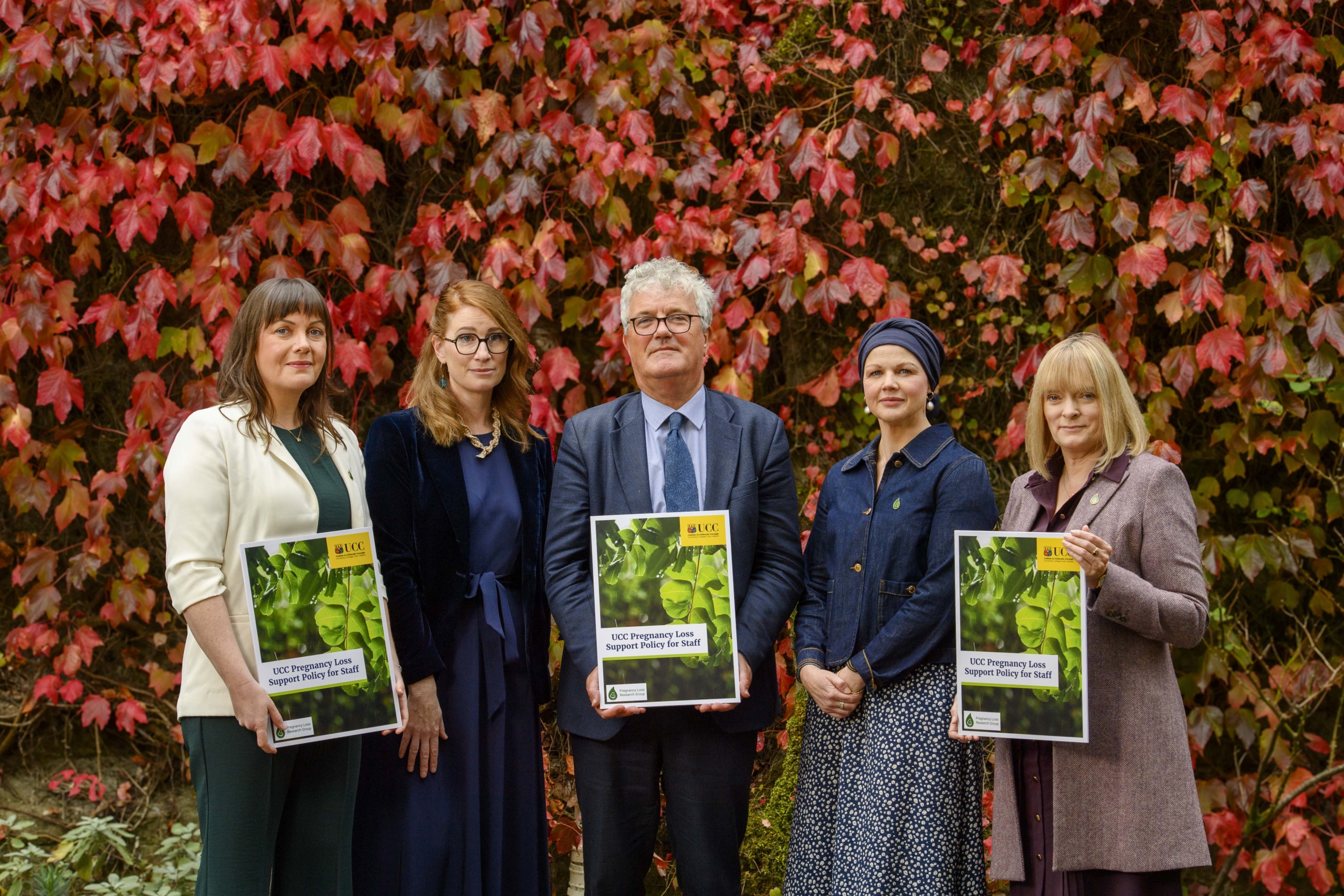
Photo: Launching UCC’s Pregnancy Loss Policy are (l-r) Tara Woulfe, Parent Advocate, Pregnancy Loss Research Group at the UCC INFANT Research Centre, Dr Avril Hutch, Director of EDI at UCC, Prof. John O’Halloran, UCC President, Dr Marita Hennessy, Postdoctoral Researcher, Pregnancy Loss Research Group and Prof. Keelin O’Donoghue, INFANT Principal Investigator, Consultant Obstetrician/Senior Lecturer at Cork University Maternity Hospital (CUMH) and UCC. (Photograph by Provision)

UCC-led digital health project awarded almost €5m to save lives of mothers and babies in Africa

By |2026-01-19T14:05:28+00:00August 19th, 2025|

A new digital health project has been awarded €4.9 million funding to help protect mothers and children in East Africa by using smart digital tools to fight infectious diseases and save lives.

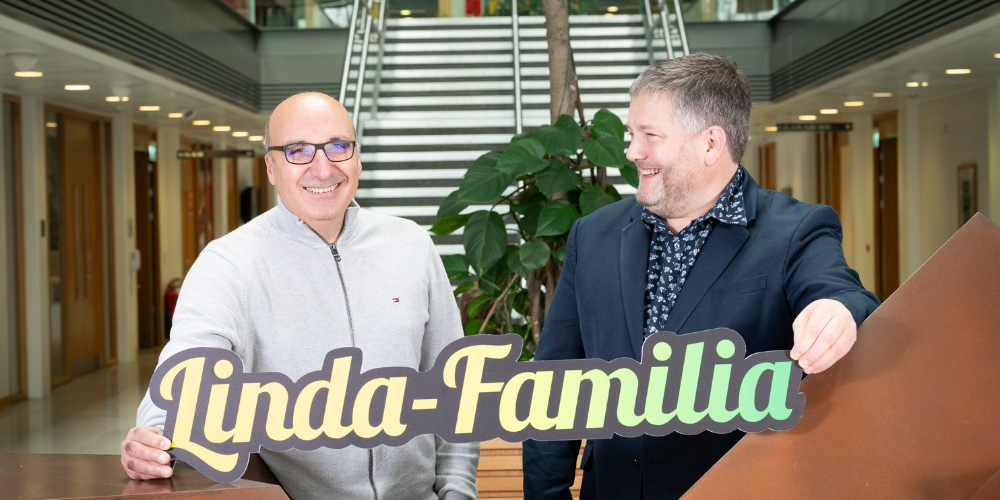
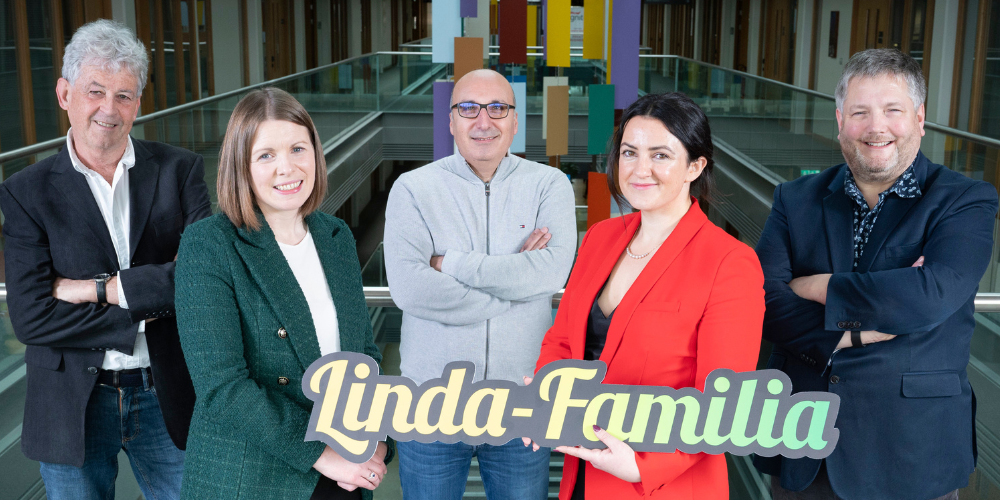
A University College Cork (UCC) led project, LINDA-FAMILIA, meaning “Protect the Family” in Swahili, has been funded under the Horizon Europe Programme to revolutionise maternal and child health in East Africa.

Led by the INFANT Research Centre at UCC, the initiative will deploy scalable, interoperable digital health systems to track infectious diseases and support health services in pregnancy, postpartum, and childhood care.

Transforming Maternal and Child Health Through Digital Innovation

LINDA-FAMILIA will implement an open source, integrated digital health information system to replace paper-based records in four priority regions: Addis Ababa – Ethiopia, Eastern Province – Rwanda, Kilimanjaro Region – Tanzania, Lango Sub-region – Uganda.

Using the free and open source DHIS2 platform, the world’s largest health information system, the project will integrate 11 World Health Organisation (WHO) recommended Digital Health Interventions (DHIs) to create country specific eRegistries. These systems will capture individual level health data on infectious diseases and vaccinations, enabling improved clinical care, disease surveillance, and public health research, at lower cost than existing systems. DHIS2 is especially suited to the LINDA-FAMILIA project as it is designed for use in low resources settings where internet coverage is unreliable. It makes use of technology freely available in sub-Saharan Africa.

The initiative brings together 11 global partner consortiums from Ireland, Tanzania, Ethiopia, Rwanda, Uganda, Norway and the UK and is coordinated by UCC, under the leadership of Ali Khashan, Professor in Perinatal Epidemiology, School of Public Health and INFANT Research Centre at UCC.

“This project addresses a fundamental gap in health systems: access to reliable, timely data,” said Prof. Ali Khashan, Project Lead. “By combining global scientific expertise with deep local knowledge, we’re building sustainable digital tools that not only improve health data systems but also support clinical decision-making in maternal and child health.”

Why this work matters: A Region Burdened by Preventable Deaths

While many countries, face challenges with outdated and fragmented digital health infrastructures, the LINDA-FAMILIA research team chose to focus on East Africa because of the urgent public health need and a strong regional momentum toward digital transformation.

Sub Saharan Africa continues to face disproportionately high rates of maternal and child mortality. In 2020 alone, the region accounted for 70% of maternal deaths worldwide, with infectious diseases such as HIV, malaria, hepatitis B, syphilis, TB, and sepsis as leading contributors. These are preventable conditions – but health systems are hindered by fragmented, siloed, and paper-based data systems.

LINDA-FAMILIA aims to correct that by enabling real time data use for evidence-based care, empowering both healthcare providers and policy makers with the information they need to deliver timely interventions:

“We see firsthand the urgent need for stronger health data systems across East Africa. By replacing fragmented, paper-based records with a scalable and integrated digital system, we can dramatically improve how care is delivered and ultimately, save lives,” says Prof. Blandina Mmbaga, Project Scientific Coordinator and Director Kilimanjaro Clinical Research Institute.

Dr Simon Woodworth, the project’s Information Systems Lead said: “The LINDA-FAMILIA system is designed not only to capture reliable data but also to empower local health workers – and in turn pregnant women – with the information they need to make safer choices. By strengthening digital systems and making them accessible and relevant at community level, we are creating solutions that will remain practical and sustainable long after the project ends.”

Built on a Legacy of Innovation

The project builds on the ULTRA Project, a collaboration between UCC, Kilimanjaro Clinical Research Institute (KCRI), and the Global Pregnancy Collaboration (CoLab). ULTRA successfully developed and implemented an eRegistry system in maternal and child health units across Tanzania, transforming how health data is captured and used. The ULTRA project was funded by an IRC Coalesce grant.

This work also honours the memory of the late Professor Christopher Redman (1941–2024) A great inspirer, mentor, scientist, and collaborator who made giant clinical steps forward in the field of maternal and newborn health and who contributed significantly to the early stages of this work. His inspiration and dedication live on in this project.

By building institutional capacity and ensuring integration with national health systems, the LINDA-FAMILIA project supports long-term sustainability. It aims to serve as a model for how digital health systems can contribute to universal health coverage, improved epidemic preparedness, and equitable healthcare across low-resource settings:

“This is impressive and as one of the partners we are looking forward to a successful implementation which will enable us to draw best practices for scale up,” says Dr Grace Magembe, Chief Medical Officer, Tanzania.

In the News:

  • https://www.corkindependent.com/2025/08/28/ucc-led-project-to-revolutionise-maternal-and-child-health-in-east-africa/
  • https://www.echolive.ie/corknews/arid-41692419.html
  • https://www.cubsucc.com/news/ucc-researchers-awarded–4-9m-funding-for-digital-health-solutions-for-maternal-and-child-health-in-africa/
  • https://www.ucc.ie/en/med-health/news/ucc-led-digital-health-project-awarded-almost-5m-.html

INFANT, UCC Researcher Amongst New Fulbright Awardees

By |2025-08-06T08:55:18+01:00July 25th, 2025|

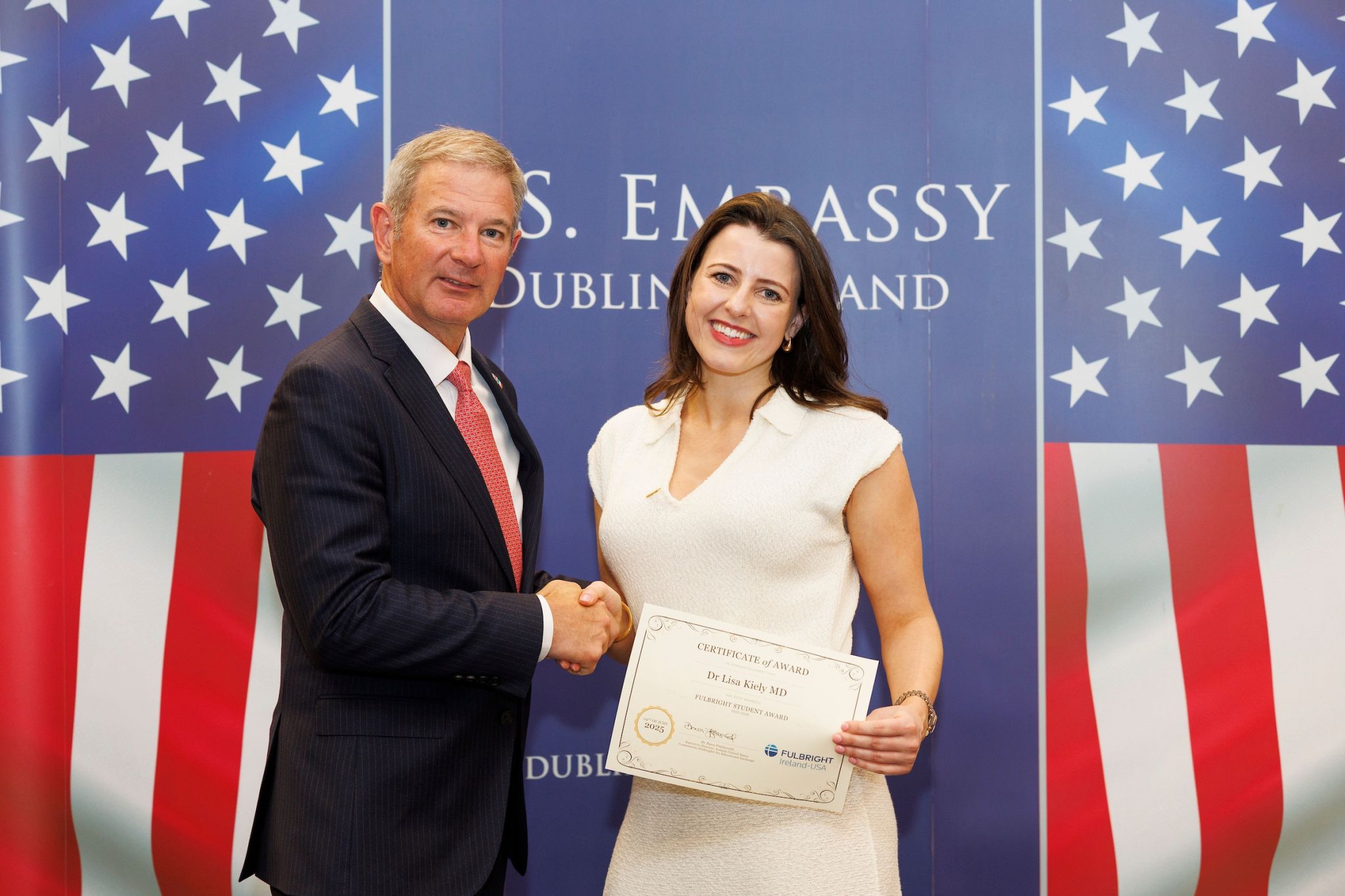
Friday, 25th July, 2025: The Department of Foreign Affairs and Trade, Department of Rural and Community Development and the Gaeltacht, and the Embassy of the United States of America in Dublin are pleased to announce 18 Fulbright Irish Awardees for 2025-2026. Recipients were presented with Awards at a ceremony in the U.S. Embassy last night.

Founded in 1946, the Fulbright bilateral exchange programme has served to strengthen international relations by facilitating academic and cultural exchanges globally for over 79 years. The Fulbright Program in Ireland has awarded grants to more than 2,500 Irish and American citizens since 1957, contributing to enduring Ireland-U.S. relations and a global culture of understanding.

Fulbright alumni include 44 current or former heads of state, 62 Nobel Laureates, 90 Pulitzer Prize-winners, and 82 MacArthur Foundation Fellows. Each year, talented and remarkable candidates from across Ireland are selected to research, study and teach with leading experts at top institutions across the U.S. in disciplines ranging from business, law, health and technology to culture, heritage, the arts, and the Irish language.

From August 2025 to August 2026, Fulbright Irish Scholars, Students and Professionals will attend institutions ranging from the University of Texas Southwestern Medical Center, Georgia Institute of Technology, and the University of Kansas to the School of the Art Institute of Chicago, the Maxine Greene Institute, and the University of Colorado Boulder. Awardees will research, innovate and collaborate across a diverse range of fields including multimedia arts, philosophy, medicine, agriculture, education, art history, AI technology in medicine, AI technology in education, visual arts, and health.

Fulbright Foreign Language Teaching Assistants (FLTAs) will teach the Irish language and attend Irish language Immersion weekends at the University of Wisconsin-Milwaukee, College of Our Lady of the Elms, University of Montana, and the University of Notre Dame.

Awardees serve as cultural ambassadors during their time in the U.S. and share their knowledge, ideas and experience upon their return, creating lasting impacts for society. Fulbright awardees, inspired by the mission, ethos and legacy of the Fulbright Program of creating a global culture of mutual understanding, continue the important work of strengthening ties between the U.S. and Ireland and advancing much needed empathy in today’s increasingly divided world.

The Fulbright Irish Awards will open on 28th August 2025. Interested candidates should visit www.fulbright.ie for more information.

Speaking at the awards ceremony, U.S. Ambassador to Ireland, Edward S. Walsh, said…

“The Fulbright Program plays a crucial role in strengthening ties between the United States and Ireland. Through educational and cultural exchanges, Fulbright awardees work toward fostering mutual understanding and finding solutions to global issues, ensuring that our extraordinary transatlantic relationship continues to flourish. I congratulate this year’s awardees on their success.”

Tánaiste, Minister for Foreign Affairs and Trade, and Minister for Defence, Simon Harris T.D., said…

“I warmly congratulate the Fulbright Irish Awardees for 2025-2026. The Fulbright Program – spanning 14 presidential administrations – has been an important initiative in sustaining the unique and special relationship that Ireland and the United States share. At the dawn of the age of artificial intelligence, there is still no substitution for the personal engagement, which sustains our deep and rich people-to-people connections. As such, Fulbright Awardees serve as cultural ambassadors for Ireland in the United States, sharing their knowledge, expertise and learnings upon return. I am proud that my Government has supported Fulbright to maintain and strengthen ties between the U.S. and Ireland and build on our transatlantic academic and cultural connections.  I want to wish the Fulbright Irish Awardees 2025-2026 every success as they embark on this exciting journey.”

Speaking at the awards ceremony, Chair of the Fulbright Commission Ireland Board, Professor Paul Donnelly, said…

“On behalf of the Fulbright Commission Ireland Board, I am delighted to congratulate the 18 Fulbright Irish Awardees on their success. At a time of global change and uncertainty, the mission, values and legacy of the Fulbright Program of leadership, empathy, understanding, and collaboration endure, embodied by a new cohort of excellent Fulbright awardees embarking on academic and cultural exchanges in the United States. We take pride in their achievement and wish the awardees a rich and rewarding experience.”

Speaking at the awards ceremony, Executive Director of the Fulbright Commission in Ireland, Dr Dara FitzGerald, said…

“As Executive Director of the Fulbright Commission in Ireland, it is gratifying to see a new cohort of thriving Fulbright Irish Awardees embark on Fulbright awards to the United States. Awardees join a growing global network of Fulbright alumni, friends and colleagues who have achieved accolades across all disciplines. While the Fulbright Program is synonymous with cutting edge research, innovation, teaching and academic excellence, it is equally known for its important role in strengthening international relations and fostering mutual understanding through cultural exchange. As Senator J. Fulbright said, ‘The Fulbright Program aims to bring a little more knowledge, a little more reason, and a little more compassion into world affairs.’

I would like to highlight the ongoing and sterling support of our partners, the Irish Government’s Department of Foreign Affairs and Trade and the Department of Rural and Community Development and the Gaeltacht, and the U.S. Department of State through the U.S. Embassy in Dublin.

We are deeply grateful to our Irish award sponsors and partners: Research Ireland, the Health Research Board, the Environmental Protection Agency, Geological Survey Ireland, National University of Ireland, Teagasc, the Creative Ireland Programme, the Heritage Council and notable U.S. Institutions such as the Exploratorium, the Smithsonian, the Harry Ransom Center, Florida Polytechnic University, the University of Southern California, the University of Notre Dame and the University of Pennsylvania Carey Law School; and Irish institutions such as University College Cork, Technological University of the Shannon, Technological University of Dublin, AMBER Research Centre, University College Dublin, Dublin City University, RCSI University of Medicine and Health Sciences, University of Galway, Maynooth University, University of Limerick and the Kemmy Business School, Atlantic Technological University, and the Dublin Institute of Advanced Studies.”

There is 1 Fulbright UCC Awardee this year – from INFANT Research Centre:

Dr Lisa Kiely MD is a Dermatology Specialist Registrar and an Irish Clinical Academic Training (ICAT) Fellow at the INFANT Research Centre, University College Cork. She holds an honours BSc in Physiology from the University of Galway, a postgraduate medical degree from the University of Limerick, and a Master’s in Clinical Education from Queen’s University Belfast. Currently pursuing a PhD, her research focuses on using advanced imaging techniques to improve detection and monitoring of disease activity in morphea, a rare inflammatory skin condition. Her work aims to improve how this condition is monitored and managed in clinical practice. As a Fulbright Irish Student Awardee, Lisa will travel to the University of Texas Southwestern Medical Center in Dallas, Texas, where she will collaborate with Professor Heidi Jacobe, a global leader in morphea research. Lisa is excited at the opportunity to foster long-term transatlantic collaboration in morphea research.

60% of Pregnant Women in Irish Study Show Signs of Iodine Deficiency, UCC Research Finds

By |2025-06-30T16:14:56+01:00June 30th, 2025|

  • 60% of pregnant women in a study group in Ireland show signs of iodine deficiency, according to new UCC research.
  • Iodine is essential for baby brain development, and requirements increase by 50% during pregnancy but can’t be produced by our bodies.
  • Even some women who reported taking pregnancy supplements were affected, indicating a potential opportunity to enhance awareness and adherence to existing recommendations for iodine during pregnancy.
  • Ireland does not have national iodine supplementation, salt iodisation or iodine food fortification policies, prompting calls for review.

A new study by researchers at University College Cork (UCC), Ireland found that 60% of pregnant women had suboptimal iodine status, highlighting a need for increased nutritional awareness to support maternal and child health.

Published recently in the European Journal of Nutrition, the IMPROvED study evaluated iodine levels in over 1,500 women who were pregnant with their first baby at Cork University Maternity Hospital. The research was led by Dr Áine Hennessy from the Irish Centre for Maternal and Child Health Research (INFANT) and the Cork Centre for Vitamin D & Nutrition Research at the School of Food and Nutritional Sciences.

Key Findings:

  • 60% of participants had insufficient iodine intake.
  • The average urinary iodine concentration (UIC) was 125µg/L, below the World Health Organisation (WHO) recommended level of 150µg/L for pregnancy.
  • Women who were younger, had a higher BMI, lower education levels, or were not taking iodine containing supplements were more likely to be deficient.
  • Seasonal variation played a role, with lower iodine levels during the summer months.
  • This study highlights the first large scale assessment of iodine status in pregnant women in Ireland.

Why This Matters

Iodine is essential for thyroid hormone production, which supports a baby’s brain development during pregnancy. A woman’s iodine requirement increases by 50% during pregnancy, making adequate intake from our diet essential. Our bodies cannot make iodine, so we must get it from our diet. Deficiency can lead to adverse outcomes, including impaired neurodevelopment in children.

“Iodine deficiency is one of the most common micronutrient deficiencies worldwide, there is little public awareness of the important role that iodine plays in brain development during pregnancy” said Dr Áine Hennessy, lead researcher.

“Our findings are particularly concerning as most women in the study were considered healthy and low risk and two thirds reported taking pregnancy supplements containing iodine. This suggests that additional public health measures may need to be addressed”

Public Health Implications

Ireland does not currently have a policy for salt iodisation or iodine food fortification. While National Clinical Practice Guidelines recommend prioritising iodine intake from foods, and supplement use where intake from food is not adequate, the level of awareness of the importance of iodine during pregnancy is low. This research reveals a need for policy review and nutrition education for women of childbearing age.

Dr Hennessy advises: “Women planning a pregnancy should ensure adequate iodine intake through diet – including two or more servings of milk or yoghurt daily and eating white fish once a week is recommended by the HSE. For those following vegan or predominantly plant-based diets, it’s important to choose iodine fortified alternatives. We do not recommend kelp or seaweed supplements, as they can contain very high levels of iodine that can cause issues for the thyroid”

This study was a secondary analysis of the IMPROvED Study, funded by a Science Foundation Ireland (Research Ireland) Starting Investigator Research Grant to lead investigator, Dr Áine Hennessy.

These findings serve as an important first step in informing and guiding public health nutrition policies.

ENDS.

Notes to the Editor:

  • The IMPROvED study recruited 1,509 women who were pregnant with their first baby at Cork University Maternity Hospital. The women answered health questionnaires and provided urine samples, which were later measured for urinary iodine concentration (UIC).
  • The findings from this study have been published in the European Journal of Nutrition
    DOI: https://doi.org/10.1007/s00394-025-03692-z

About INFANT Research Centre, UCC

  • The Irish Centre for Maternal and Child Health Research (INFANT), hosted at University College Cork, is the hub of world-leading research and innovation, working to provide better outcomes in pregnancy, birth and early childhood.

Four Awards for INFANT Team at UCC Research and Innovation Awards

By |2025-05-30T11:29:54+01:00May 30th, 2025|

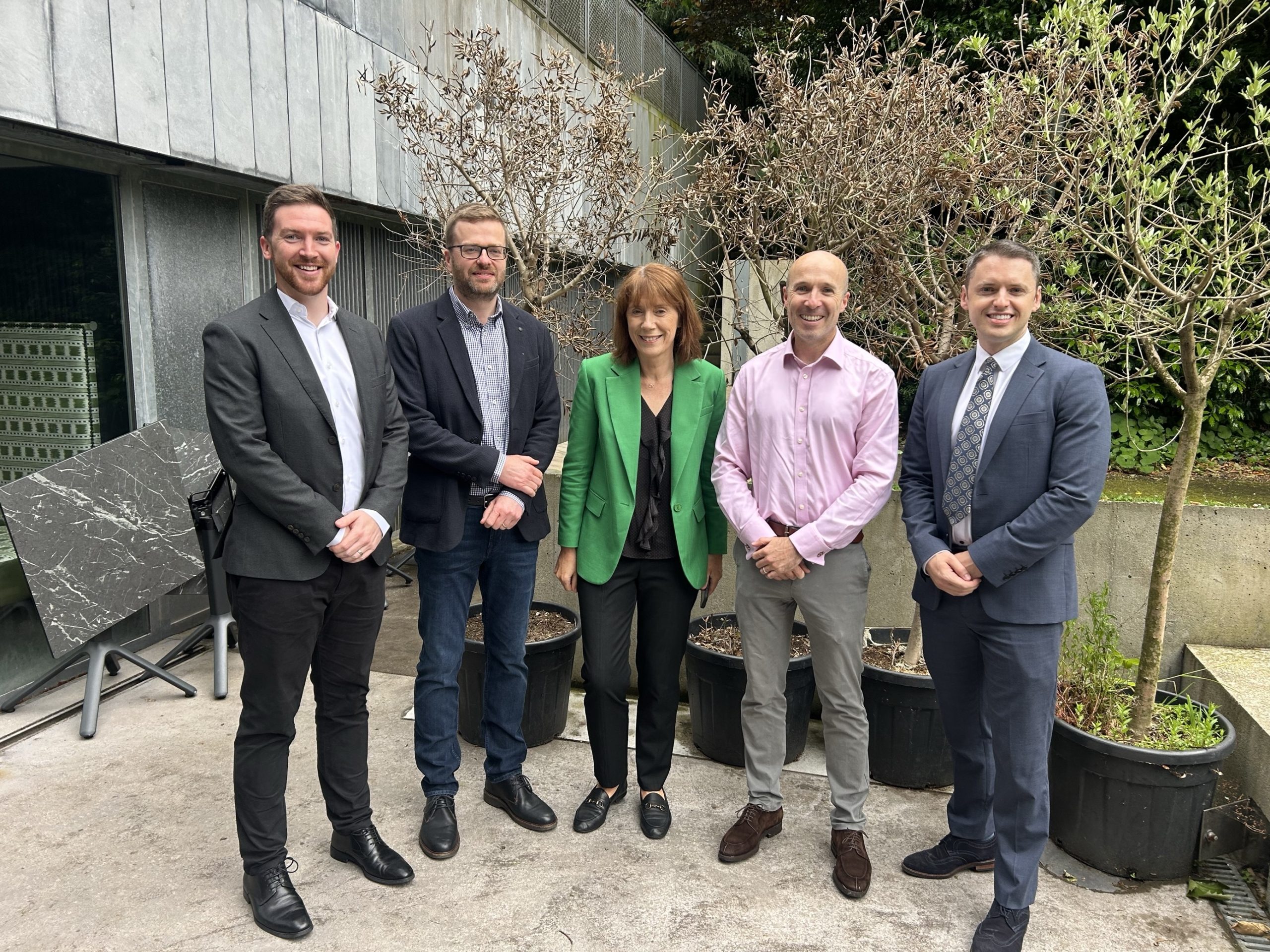
We are very proud to announce four INFANT colleagues were recognised at the 2024 UCC Research and Innovation Awards.

UCC is an internationally competitive, research-led university that plays a key role in the development of Ireland’s knowledge-based economy and provides the insight and understanding of the challenges facing our society. The UCC Research and Innovation Awards embrace this excellence in research, innovation, and entrepreneurial activity, across the entire university research community, spanning all disciplines.

Researchers were awarded across twenty-two categories, five of which recognise specific achievements in entrepreneurship and innovation.

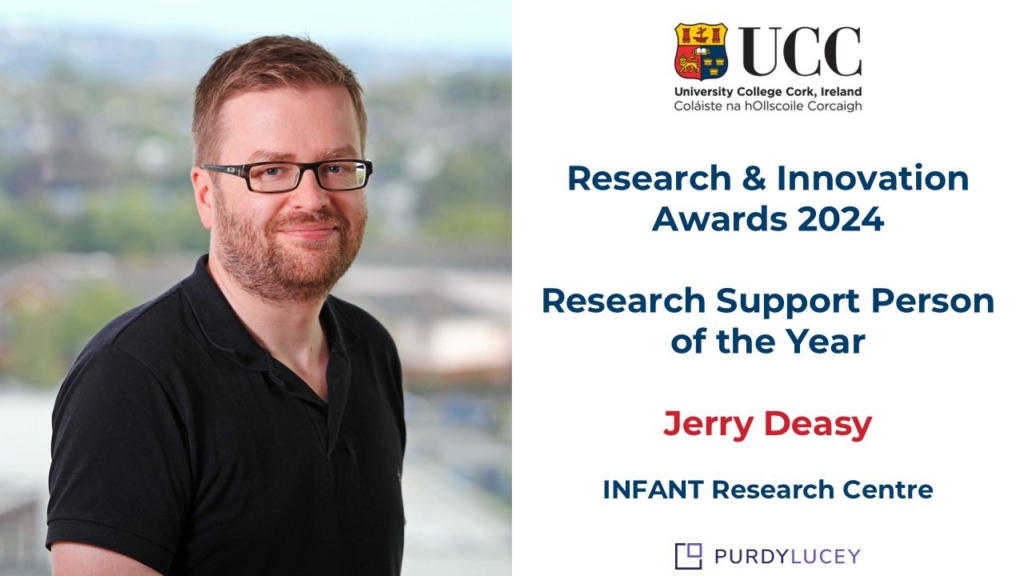
Jerry Deasy, INFANT’s Research Systems Manager was awarded with the Research Support Person of the Year.

Jerry’s unwavering commitment, technical expertise, and proactive approach have been pivotal in enabling researchers at INFANT to achieve groundbreaking advancements in maternal and child health research. His contributions are far-reaching, transforming the way we approach data systems, computing infrastructure, and international collaboration.

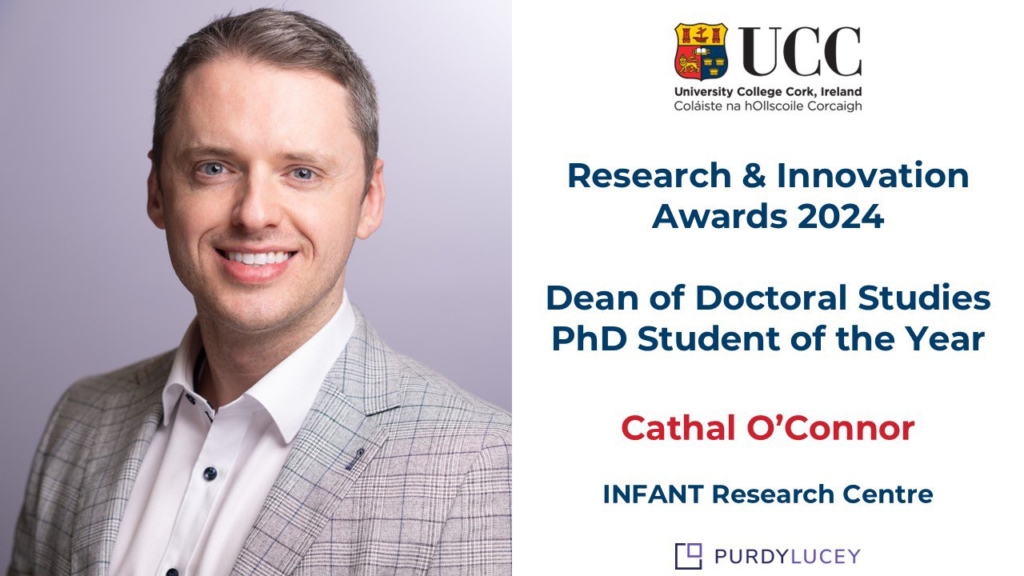
Dr Cathal O’Connor, INFANT PhD student was awarded Dean of Doctoral Studies PhD Student of the Year.

Cathal is a phenomenal PhD student and dual trained dermatologist and paediatrician with almost 100 peer-reviewed publications. His PhD study assesses sleep in early-onset atopic dermatitis by longitudinal evaluation study. In 2024 he ranked top in Europe and was voted a ‘Future Leader’ by both the European Society for Paediatric Dermatology and the European Society for Dermatological Research. In 2024 he received significant national and international recognition, and was awarded the William Stokes award, which recognises “research of the highest standards carried out by Trainees in Higher Specialist Training” for his PhD study, and he also won the Royal Academy of Medicines in Ireland award for best research in dermatology for research performed as part of his PhD in UCC.

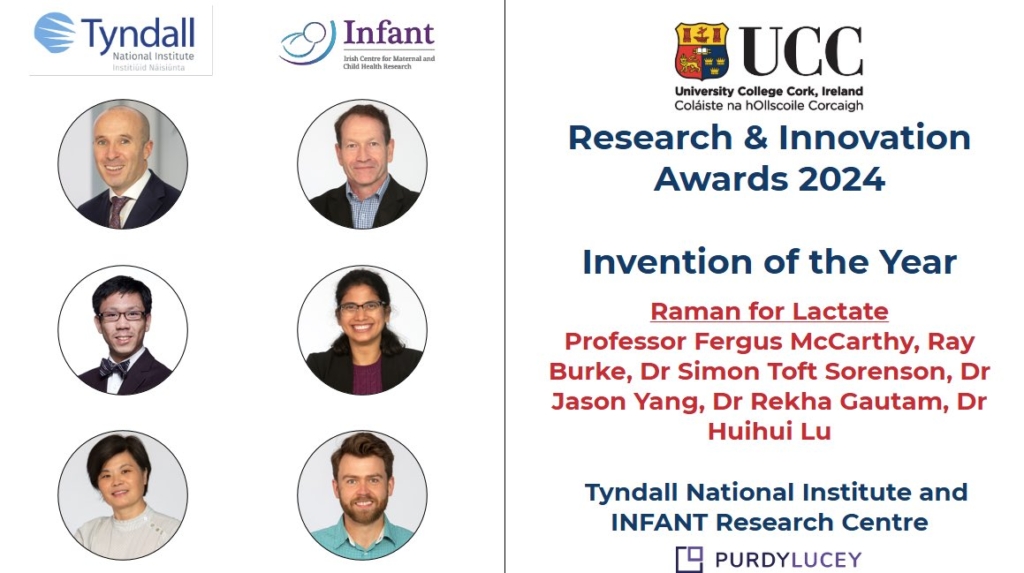
INFANT PI Prof Fergus McCarthy and pHetalSafe team’s “Raman for Lactate” was awarded Invention of the Year. 

The innovation lies in a non-invasive fetal monitoring device that uses Raman spectroscopy to measure fetal wellbeing from the fetal scalp during labor. The device measures the blood biomarker, lactate, to ascertain if the baby is hypoxic (lacking oxygen). The pHetalsafe device addresses the limitations of current fetal monitoring methods like the gold standard cardiotocography (CTG) which often leads to misinterpretation, and Fetal Blood Sampling (FBS) which uses an invasive blade for sampling and separate lab analysis.

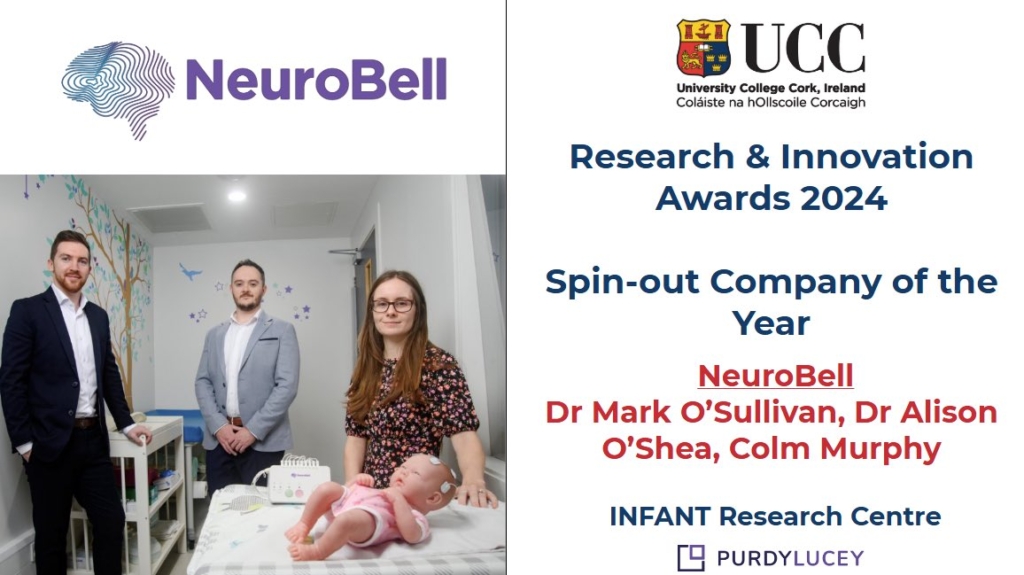
INFANT, UCC spin-out company NeuroBell was awarded Spin-out of the Year.

NeuroBell was founded by Dr. Mark O’Sullivan, Dr. Alison O’Shea, and Colm Murphy in 2023, Neurobell is a spin-out from UCC and the Irish Centre for Maternal and Child Health Research (INFANT). The company aims to revolutionise seizure detection in newborns in NICUs, crucial for early intervention in brain injury cases like epilepsy and cerebral palsy. Neurobell is developing the Neurobell Wave; a pocket-sized wireless neonatal brain EEG monitor that utilizes embedded edge-AI, enabling seamless and expert-free monitoring, enhancing care without the need for extensive training. In 2024, Neurobell secured a €2.1 million investment led by Furthr VC, Atlantic Bridge, and HBAN MedTech Syndicate, with additional support from Enterprise Ireland and private investors. This funding will advance the development of their AI-powered medical device for real-time seizure detection in newborns, create 12 new jobs, and facilitate clinical studies in the USA.

Professor John F. Cryan, UCC Vice President for Research and Innovation at UCC said: “We are delighted to celebrate the award recipients of this year’s UCC Research and Innovation Awards. Our awardees’ achievements reflect the exceptional research and innovation culture that exists across the UCC campus. The quality of nominations was outstanding and speaks to the creativity, commitment, and impact of our research and innovation community. These awards not only honour individual excellence but also highlight how UCC research and innovation continues to lead and inspire on both a national and international stage.”

The Awards are sponsored by PurdyLucey, one of Ireland’s top European Intellectual Property (IP) firms working across Irish, UK, European, US and international markets, and specialising in Life Science, Food Tech, Med Tech, High-Tech and Engineering projects.

Go to Top