Call for New Focus on Children’s Clinical Research as Off-Label Drug Use Remains Prevalent

By |2025-05-30T09:54:02+01:00May 29th, 2025|

  • Over 50% of children received unlicensed or off label medications in a hospital setting
  • A renewed focus on clinical trials for children is urgently needed
  • In4kids is Ireland’s National Children’s Clinical Trial Network; funded by the Health Research Board (HRB)
  • In4kids is hosting a General Assembly Meeting on 6th June to discuss “Shaping the Future of Children’s Clinical Trials in Ireland”

Despite strong European regulations, a global meta-analysis has revealed that over half (56%) of hospitalised children receive unlicensed or off-label medications – including 49% in Europe. These stark findings highlight a systemic gap in safe, regulatory approved, tailored treatments for children.

To close this gap, In4kids – the HRB’s Irish Network for Children’s Clinical Trials is calling for a coordinated national effort to strengthen children’s clinical trial capacity across Ireland to ensure children have the same high-quality, evidence-based medicines and healthcare as adults.

The network, hosted at the INFANT Research Centre at University College Cork (UCC) connects hospitals, universities and clinical research centres to ensure children have access to innovative, evidence-based treatments.

“In4kids is developing the essential infrastructure to ensure that all children in Ireland benefit from world-class research and innovation—regardless of where they live. We are committed to ensuring that children and their families are active partners in shaping this journey”. – says Professor Geraldine Boylan, Lead In4kids, Professor of Neonatal Physiology, Director INFANT Research Centre at UCC

Why Children’s Clinical Trials Matter

Children’s bodies and minds develop differently to adults, requiring treatments that are researched, trialled, and regulatory approved just for them. In4kids supports this mission by helping researchers in Ireland conduct high-quality trials that meet ethical, regulatory and data protection standards.

As the Irish National Hub of conect4children -Stichting (c4c-S) – a large collaborative European children clinical trial network – In4kids is also attracting international studies to Ireland, ensuring that children in Ireland benefit from cutting-edge, international research and innovation.

Empowering Young People Through Research

In partnership with Children’s Health Ireland (CHI), In4kids established Ireland’s first National Young Person Advisory Group (YPAG) – a platform where young people contribute directly to research by shaping clinical trial design, reviewing materials, and advising on how results are communicated.

“This is research driven by children, for children,” says Professor Eleanor Molloy, Co-Lead In4kids, Consultant Neonatologist & Paediatrician, Professor and Chair of Paediatrics, Trinity College Dublin.

“The YPAG empowers young voices to be active research partners, not just participants. It’s a meaningful example of public and patient involvement which is now recognised as an integral part of research when research is conducted ‘with’ or ‘by’ children not ‘to’ or ‘about’ them”, she added.

Working Together for Better Outcomes

Building a strong and long-lasting children’s clinical trial network in Ireland requires collaboration – not just among researchers and clinicians but also with parents and young patients themselves.

By working together, it ensures that children’s voices are heard, evidence-based research is implemented, and families directly benefit from the latest treatments.

Clinical trials aren’t just for adults, they are for children too. Through this network, In4kids are ensuring that children’s needs shape clinical research, their voices influence change and Ireland leads the way in delivering safer, more effective treatment for the next generation.

If you’re interested in learning more about children’s clinical research in Ireland, In4kids are hosting a General Assembly Meeting on Friday 6th June in Trinity College Dublin from 10.00-16.00 to discuss “Shaping the Future of Children’s Clinical Trials in Ireland.” This event will bring together clinicians, researchers, policymakers, industry, and supporters to elevate the voice of children’s research in Ireland. Those interested in attending can register online on the In4kids website: https://in4kids.ie/general-assembly/

ENDS.

NOTES to Editor;

Reference to study:

About In4kids

In4kids is the Irish Network for Children’s Clinical Trials funded by the Health Research Board, hosted at INFANT Research Centre at University College Cork.

In4kids is the Irish Hub in the conect4children-Stichting (c4c-S) network which is a large collaborative European network that aims to facilitate the development of new drugs and other therapies for the entire paediatric population.
CanVas consortium receives €10.7m DTIF grant to advance new class of cell therapy to clinic for early brain injury

By |2025-04-10T12:06:25+01:00April 10th, 2025|

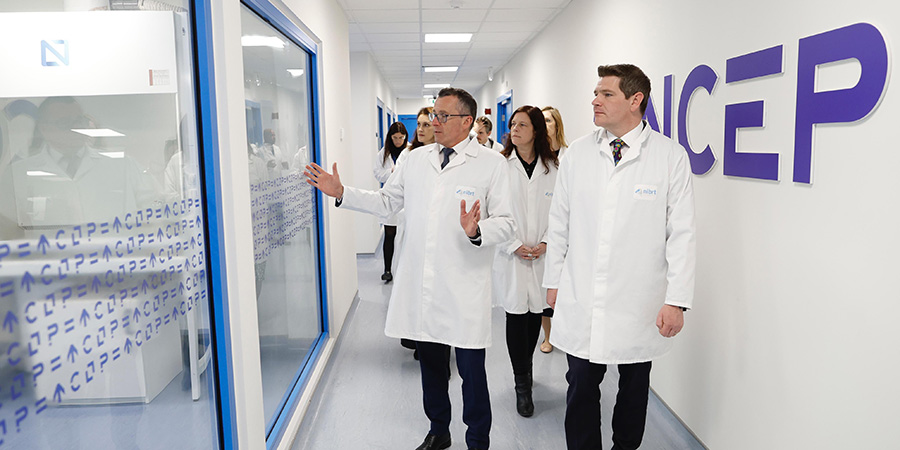
University College Cork’s INFANT Research Centre forms part of the CanVas consortium which has recieved a €10.7M non-dilutive grant from the Disruptive Technology Innovation Fund (DTIF).  The grant will help develop one of the first ever therapeutics for early brain injury by advancing CanVas-001 to clinic. CanVas is led by HAON Life Sciences, a leading cell therapy biotech.

Announced by Minister for Enterprise, Tourism and Employment, Peter Burke, and Minister for Further and Higher Education, Research, Innovation and Science, James Lawless : Minister Burke announces €17 million for innovative cancer and neonatal treatments – DETE

CanVas-001 is an allogeneic investigational product containing two placentally sourced cell types; ECFC (Endothelial Colony Forming Cells) and MSC (Mesenchymal Stromal Cells). CanVas-001 has demonstrated significant therapeutic benefit in large animal preclinical models of early brain injury. The CanVas platform is also developing drug candidates for adult neurodegenerative diseases.

The lead indication is Hypoxic Ischemic Encephalopathy (HIE), a devastating rare disease occurring when a baby’s brain does not receive enough oxygen or blood flow just before or shortly after birth. It is the principal cause of infant mortality and long-term neurologic disability, including accounting for a fifth of all cerebral palsy cases.

The CanVas consortium is a multidisciplinary team of experts, made up of the National Institute for Bioprocessing Research and Training (NIBRT) who will carry out analytical development, Hi-Tech Health who will facilitate development and manufacture of CanVas-001 for clinic and University College Cork’s INFANT Research Centre, who will provide clinical development expertise in early brain injury and in particular, neonatal HIE. The consortium is led by HAON Life Sciences.

UCC’s INFANT Research Centre will lead the clinical development of the CanVas project bringing extensive expertise in newborn brain injury and supported by in4kids, the HRB Irish Network for Children’s Clinical trials. INFANT will be responsible for the recruitment of healthy mothers interested in taking part in the study. The INFANT team led by Prof Deirdre Murray will design a Phase 1b clinical study of CanVas 001 in HIE neonates which will be ready to start at the end of this project in 2028. The Phase 1b study will be the first-in-human clinical trial of the therapy which aims to decrease the risk of Cerebral Palsy and disability following newborn brain injury.

In4kids is a key partner in the pan-European conect4children clinical trials network which provides access to international clinical trial sites and expertise. INFANT offers a unique multidisciplinary team and deep clinical research experience essential to the CanVas project.

Professor Geraldine Boylan, Director of the INFANT Research Centre at UCC, said: “We are thrilled the CanVas project has received a DTIF grant to advance new class of cell therapy to clinic for early brain injury. This partnership between INFANT, HAON, NIBRT, HIH combines world-class research and industry expertise all working together to improve outcomes for neonates and their families. This funding by the Government is a very positive and welcome investment in children’s health research.”

Notes:

About the INFANT Research Centre, UCC:
The Irish Centre for Maternal and Child Health (INFANT), hosted at University College Cork, is the hub of world-leading research and innovation, working to provide better outcomes in pregnancy, birth and early childhood.

About DTIF

The Disruptive Technologies Innovation Fund (DTIF) is a €500 million challenge-based fund established under Project Ireland 2040.  The objective of DTIF is invest in the development and deployment of disruptive technologies and applications on a commercial basis, driving collaboration between Ireland’s research base and industry to foster economic growth and innovation.

It is managed by the Department of Enterprise, Trade and Employment and administered by Enterprise Ireland.

About HIE

Hypoxic Ischemic Encephalopathy (HIE), a devastating rare disease occurring when a baby’s brain does not receive enough oxygen or blood flow just before or shortly after birth. It is a leading cause of infant mortality and long-term neurologic disability including accounting for a fifth of all cerebral palsy cases.

It is estimated one to three in every 1,000 births in Europe and the United States will be impacted by HIE resulting in 30,000 babies affected in these regions, each year. The incidence is far higher in low incomes countries with an estimate 1 million babies affected annually.


New information resources to improve services and supports for miscarriage and recurrent miscarriage

By |2025-04-04T14:55:05+01:00April 2nd, 2025|

Today, the Pregnancy Loss Research Group at University College Cork is launching a suite of resources to improve the care of people who experience miscarriage and recurrent miscarriage.

Developed as part of the Health Research Board-funded RE:CURRENT study, with the involvement of people with lived experience, health professionals and decision-makers in the maternity services, resources include information booklets on miscarriage and recurrent miscarriage. With the support of the National Women and Infants Programme within the HSE, printed copies of the information booklets have been distributed to all 19 maternity hospitals/units in Ireland and they can also be viewed or downloaded from the national Pregnancy and Infant Loss Ireland website: www.pregnancyandinfantloss.ie.

Professor Keelin O’Donoghue, Consultant Obstetrician and Principal Investigator of the RE:CURRENT study highlighted:

The resources launched today are primarily aimed at people who experience miscarriage and recurrent miscarriage, as well as care providers. We continue to advocate for the structural changes required to improve care by enhancing supports for miscarriage and recurrent miscarriage nationally.

Almost one in four women who participated in the RE:CURRENT care experience survey rated their overall recurrent miscarriage care experience as poor and almost one in five said the care they received was much worse than expected. Participants were more likely to report a good overall care experience if they received verbal information, written information and answers they could understand regarding investigations. Interviews with service providers and people with lived experience highlighted the need to provide women/couples with information about miscarriage and recurrent miscarriage in advance – to prepare them for what might happen around the time of loss, decisions around miscarriage management, clinic appointments, and/or to set their expectations of pregnancy and how one in four pregnancies can end in miscarriage.

Jennifer Uí Dhubhgáin, Chair of the Miscarriage Association and Member of the RE:CURRENT Research Advisory Group, welcomed the resources, adding:

“These resources that are being launched are very welcomed. They are the culmination of a lot of work and they will be a great resource for those going through or having experienced pregnancy loss. Pregnancy loss and miscarriage is such a difficult, traumatic and heartbreaking time. People are often left feeling very lost, alone and unsure where to turn for information and answers, but these resources are a very welcome source of information.”

Speaking about the launch of the resources, Dr Cliona Murphy, Clinical Director of the National Women and Infants Programme said:

The information booklets launched today – developed in line with national clinical guidance – will enhance service provision and care experiences by addressing the lack of information provided in hospitals regarding miscarriage and recurrent miscarriage. We are currently developing a suite of booklets for other forms of pregnancy loss.

Multi-lingual videos regarding information and supports around recurrent miscarriage are also now available in a range of languages, including Arabic, Catalan, English, French, Greek, Irish, Irish Sign Language, Italian, Polish, Portuguese, Romanian, Russian and Spanish. More languages will follow.

An appointment letter template for recurrent miscarriage clinics has also been launched, which aims to provide people with more information and details of supports in advance of their first appointment. As part of efforts to improve miscarriage services more broadly, the team has also created a checklist for use within emergency rooms/departments for staff to use when people initially present with signs or symptoms of miscarriage. The impact of inappropriate physical spaces within maternity hospitals/units on people as they experience pregnancy loss or return for appointments was evident in interviews conducted as part of the RE:CURRENT study. While structural improvements are needed, a suite of exemplar case studies is also now available to assist maternity services to enhance spaces, on a small or larger scale.

All of the resources are now available on the Pregnancy and Infant Loss Ireland Website (www.pregnancyandinfantloss.ie), with information booklets and videos also available on the Cork Miscarriage Website (www.corkmiscarriage.com).

Notes to Editor

  • Conducted from 2020 to 2023, the RE:CURRENT (Recurrent Miscarriage: Evaluating Current Services) study evaluated recurrent miscarriage services in Ireland to inform efforts to standardise and improve the quality of these services. Through a subsequent knowledge translation award, the team developed resources to enhance the uptake of the RE:CURRENT findings into practice and policy. Key impacts were highlighted in the Health Research Board’s Health Research in Action 2025 report, available at: https://www.hrb.ie/publication/health-research-in-action/
  • The RE:CURRENT study was conducted with the support of a 22-person Research Advisory Group, including people with lived experience of recurrent miscarriage, health professionals, and people involved in the administration, governance and management of maternity services.
  • Research studies quoted:
  • The information provided within the booklet on recurrent miscarriage is based on the first national clinical guideline for recurrent miscarriage, which was informed by the RE:CURRENT study findings and published in 2023. This new guideline redefined recurrent miscarriage within the Irish context as the loss of two or more consecutive pregnancies in the first trimester. This is now more in line with evidence and other European and international guidelines, and the needs of people with recurrent miscarriage who previously had to wait until they had three miscarriages to access public services. The content in the miscarriage booklet aligns with the new clinical guideline on miscarriage which was published in March of this year. The Group collaborated with Amy Lauren on illustrations for the booklets which highlight key themes from the research.
  • The National Clinical Guidelines are a programme of work agreed between the National Women and Infants Health Programme and the Institute of Obstetricians and Gynaecologists of the Royal College of Physicians in Ireland. Professor Keelin O’Donoghue was appointed as the new Clinical Lead for Guideline Development (Maternity and Gynaecology) in 2021. All national clinical guidelines are available here: https://www.rcpi.ie/Faculties-Institutes/Institute-of-Obstetricians-and-Gynaecologists/National-Clinical-Guidelines-in-Obstetrics-and-Gynaecology

About the Pregnancy Loss Research Group

The Pregnancy Loss Research Group (PLRG) leads national research to better understand pregnancy loss experiences and impacts, and the development of resources and evidence-based advice and interventions, to improve health care (quality) and health and social outcomes for women, babies and their families. This includes all types of pregnancy and infant loss, including first trimester miscarriage, second trimester miscarriage, ectopic pregnancy, molar pregnancy, multiple pregnancy complications, stillbirth, termination of pregnancy, neonatal death and pregnancy after loss.

Resources for individuals, families, health professionals, and anyone who needs information and support about pregnancy and/or infant loss

For more on this story contact:

Cerebral Palsy advocate Lily Collison receives honorary doctorate from UCC

By |2025-03-28T16:53:12+00:00March 28th, 2025|

Renowned cerebral palsy (CP) advocate Lily Collison today received an Honorary Doctorate from University College Cork in recognition of her pioneering work.

Motivated by her son Tommy’s diagnosis of spastic diplegia, Lily has been dedicated to improving outcomes for those affected by CP. A member of the board of the Cerebral Palsy Foundation, and has played a pivotal role in securing funding for CP initiatives in Ireland.

Lily is the author of Spastic Diplegia–Bilateral Cerebral Palsy, a groundbreaking resource for families and healthcare professionals and co-author of Pure Grit: Stories of Remarkable People Living with Physical Disability.

The campaigner is one of the authors of the Gillette Children’s Healthcare Series, a series of books launched this week that are designed to aid the parents of children childhood-acquired physical and/or neurological conditions. These books not only provide critical insights into childhood-acquired physical and/or neurological conditions, but all proceeds support research.

Each book provides a detailed medical explanation of the condition and the evidence-based, best-practice treatments and includes the lived experience of families. The goal of the series is to empower families and help optimise outcomes for those living with these conditions.

Speaking ahead of her Honorary Conferring, UCC President Prof. John O’Halloran said:

“Lily’s work continues to influence the lives of individuals with disabilities worldwide, empowering families, shaping research, and improving the care available to people with CP.  Lily’s advocacy has led to transformative partnerships, including a significant collaboration with us here in UCC, where we established the ELEVATE Programme to improve early detection and treatment of brain injury and CP. Her many years of tireless advocacy, makes her a very worthy recipient of an Honorary Doctorate,” he said.

Speaking at the ceremony, Lily asked the new medical and health graduates present not to forget children and those with disability, as they tend to be more underserved in medicine and health.

“Success is not about personal achievement–it’s about impact. Use  your power of one to uplift others, challenge the status quo, and contribute to a better world,” she said.

INFANT,UCC Spin-out Device Granted FDA Breakthrough Device Designation

By |2025-01-20T09:41:42+00:00January 20th, 2025|

Cork medtech company Cergenx has secured the support of US regulators for a device that allows maternity hospital staff to detect brain injury in newborns without having to wait for specialist neurological support.

Cork, Ireland – Monday, January 20, 2025 – CergenX, a pioneering Irish neurotech company specialising in AI solutions for neonatal brain monitoring, is pleased to announce that the U.S. Food and Drug Administration (FDA) has granted Breakthrough Device Designation for its innovative “Wave” device. Additionally, CergenX has been accepted into the FDA’s Total Product Lifecycle Advisory Program (TAP). Founded by Prof Geraldine Boylan, Jason Mowles, and Sean Griffin in late 2021, CergenX is a spinout from University College Cork’s INFANT Centre for Maternal and Child Health Research.

The CergenX Wave device is set to redefine newborn brain health, enabling hospitals to conduct expert-level EEG assessments without the need for specialist resources. Leveraging advanced AI technology, the Wave device identifies newborns most at risk of brain injury, providing a critical tool for early detection and intervention in neonatal care. With its real-time, non-invasive monitoring capabilities, the Wave device aims to enhance clinical decision-making and improve outcomes for vulnerable neonatal populations.

The FDA’s Breakthrough Device Program is designed to accelerate the development and review of medical devices that offer more effective treatment or diagnosis for life-threatening or debilitating conditions. By granting Breakthrough Device Designation, the FDA formally recognises that a novel device in development warrants expedited access for patients. This designation provides CergenX with enhanced collaboration opportunities with FDA experts, prioritised regulatory review, and the potential for a faster approval process. CergenX’s acceptance into the FDA’s Total Product Lifecycle Advisory Program (TAP) marks another significant milestone. The FDA defines TAP as a program to help spur more rapid development of high-quality, safe, effective, and innovative medical devices that are critical to public health. TAP’s primary goal is to expedite patient access to innovative medical devices by providing early, frequent, and strategic communications with the FDA and by facilitating engagement with other key external parties for developers of devices of public health importance.

“Receiving the Breakthrough Device Designation and being accepted into the TAP program are significant milestones for CergenX,” said Jason Mowles, Chief Executive Officer at CergenX. “These recognitions underscore the potential of our Wave device to transform neonatal care by providing clinicians with critical, real-time insights into the neurological health of newborns and will be of significant importance as we look to advance the regulatory approval process for Wave.”

CergenX plans to collaborate closely with the FDA throughout the development and premarket review process, leveraging the benefits of both the Breakthrough Devices Program and TAP to ensure the timely availability of the Wave device to healthcare providers and patients.

A Cergenx-led consortium, including UCC/ Infant, was awarded €6.7 million in funding from the Enterprise Ireland-managed Disruptive Technologies Innovation Fund to develop Wave.

For more information about CergenX and the Wave device, please visit www.cergenx.com

News Article in the Irish Times: Cork medtech Cergenx secures FDA support for neonatal brain injury device – The Irish Times

New insights to improving outcomes after newborn brain injury, research published in the Lancet

By |2024-12-03T11:20:25+00:00December 3rd, 2024|

On International Day of Persons with Disabilities, we caught up with INFANT collaborator, Professor Cally Tann and the Baby BRAiN research team to learn about their work to improve outcomes for children and families affected by newborn brain injury.

Newborn brain injury, caused by oxygen deprivation around the time of birth (birth asphyxia), is one of the leading causes of death and disability globally among children less than five years of age.  Developmental disabilities like cerebral palsy, as a result of birth complications, can affect a child’s movement, learning, feeding, vision and hearing, with far reaching implications on a child’s health, well-being and quality of life. Superstitious beliefs around developmental disabilities often mean that families experience discrimination and exclusion from their communities, with important psychological, social and financial impacts for caregivers and families.

The majority of newborn brain injury (95%) occurs in low- and middle-income countries (LMICs), with half occurring in sub-Saharan Africa. Despite this, relatively little is known about how we might effectively treat affected newborns in low-income countries, particularly in settings without access to newborn intensive care facilities.

About the Baby BRAiN study

The Baby BRAiN study aimed to improve our understanding of newborn brain injury in Uganda and examined the impacts of events around the time of birth on both the baby’s brain and the child’s longer-term outcomes.

Newborn seizures (fitting) can be common amongst affected babies, and studies from high-income countries have shown that severe or prolonged fitting can substantially increase the risk of death and longer-term disabilities. Video electroencephalography (EEG), which measures the electrical activity of the brain, can help monitor the severity of brain injury and seizures. However, their use in LMICs remain limited and as a result, seizures occurring after brain injury are at risk of being undetected or misdiagnosed.

The study, conducted at Kawempe National Referral Hospital, Kampala, Uganda, is the first to use the gold-standard video EEG monitoring, to examine brain function amongst a population of African newborns without access to intensive care.

The Baby BRAiN team recently published two papers which provide unique insights into the impact of birth complications on the newborn brain. The research, conducted in partnership with the neonatal neurophysiology team at the INFANT Research Centre at University College Cork (UCC), showed that newborn seizures were common, but difficult to detect and effectively treat without specific monitoring.  As a result, fitting was often prolonged or continuous, which can substantially increase the risk of death and disability in settings without access to newborn intensive care. Those with the most severe brain dysfunction were found to be at the greatest risk of death or disability in early childhood.

Carol Nanyunja, the Research Coordinator for the Baby BRAiN study at MRC/UVRI and LSHTM Uganda Research Unit, said: “The Baby BRAiN study in Uganda provides new data that will help us better understand and treat newborn brain injury in LMICs”

What is next?

These new insights from the Baby BRAiN study have provided evidence to guide the clinical assessment and treatment of newborns with brain injury. Further data on the longer-term impacts of brain dysfunction and seizures from LMICs is required to help us understand the long-term outcomes for affected children and their families.

Cally Tann, Professor of Neonatal Medicine and International Child Health at LSHTM, said:

“This study shows the impact of birth complications on the newborn brain and highlights the need to enhance efforts to find new and innovative ways to prevent injury and protect newborns’ developing brains.”

Geraldine Boylan, Professor of Neonatal Physiology and Director of the INFANT Research Centre at UCC, said:

“Novel innovations to monitor brain dysfunction in diverse settings could substantially improve our understanding of newborn brain injury and support effective clinical management of seizures to improve outcomes for affected children.”

The research was funded by the Gates Foundation, as part of a ‘neonatal neuroprotection consortium’, of which Professor Tann is part. The consortium aims to find novel solutions to neuroprotection for babies born in low-income countries. Clinical trials to explore new prevention and intervention strategies for newborn brain injury are underway, with several agents showing promise in preclinical studies.

Add links to publications.

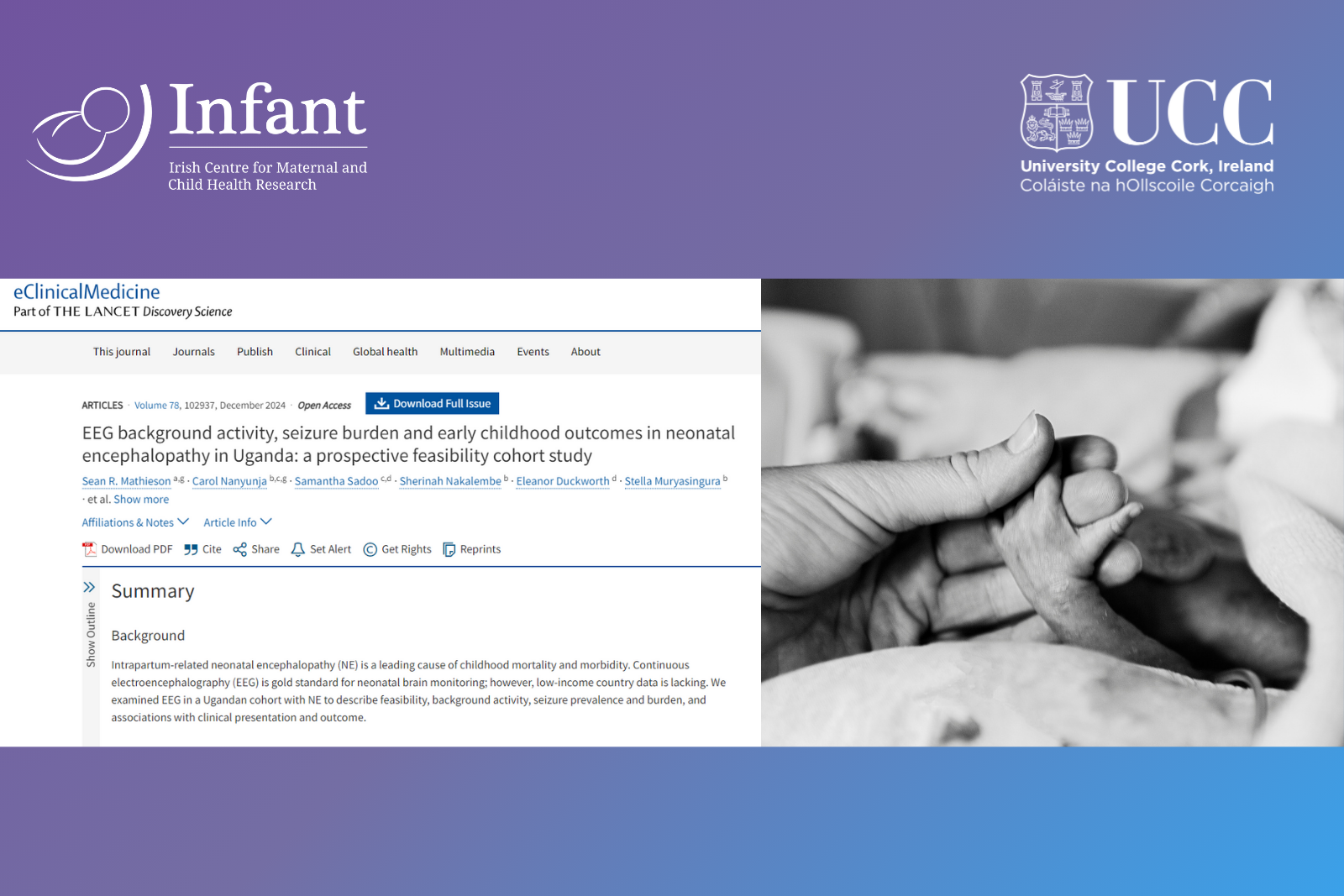
  • Mathieson SR, Nanyunja C, Sadoo S, Nakalembe S, Duckworth E, Muryasingura S, et al. EEG background activity, seizure burden and early childhood outcomes in neonatal encephalopathy in Uganda: a prospective feasibility cohort study. eClinicalMedicine. 2024;78. doi: 10.1016/j.eclinm.2024.102937

https://doi.org/10.1016/j.eclinm.2024.102937

  • Proietti J, Nanyunja C, Mathieson SR, Duckworth E, Sadoo S, Mambule I, Nakimuli A, Tann CJ, Boylan GB. Retrospective characterization of seizure semiology and treatment using continuous video-EEG monitoring in neonatal encephalopathy in Uganda. Epileptic Disord. 2024 Nov 18. doi: 10.1002/epd2.20299. Epub ahead of print. PMID: 39556089.

https://onlinelibrary.wiley.com/doi/epdf/10.1002/epd2.20299


INFANT, UCC Spinout Company, CergenX Wins Irish Times Innovation Award in Life Sciences & Healthcare

By |2026-08-31T20:03:31+01:00November 13th, 2024|

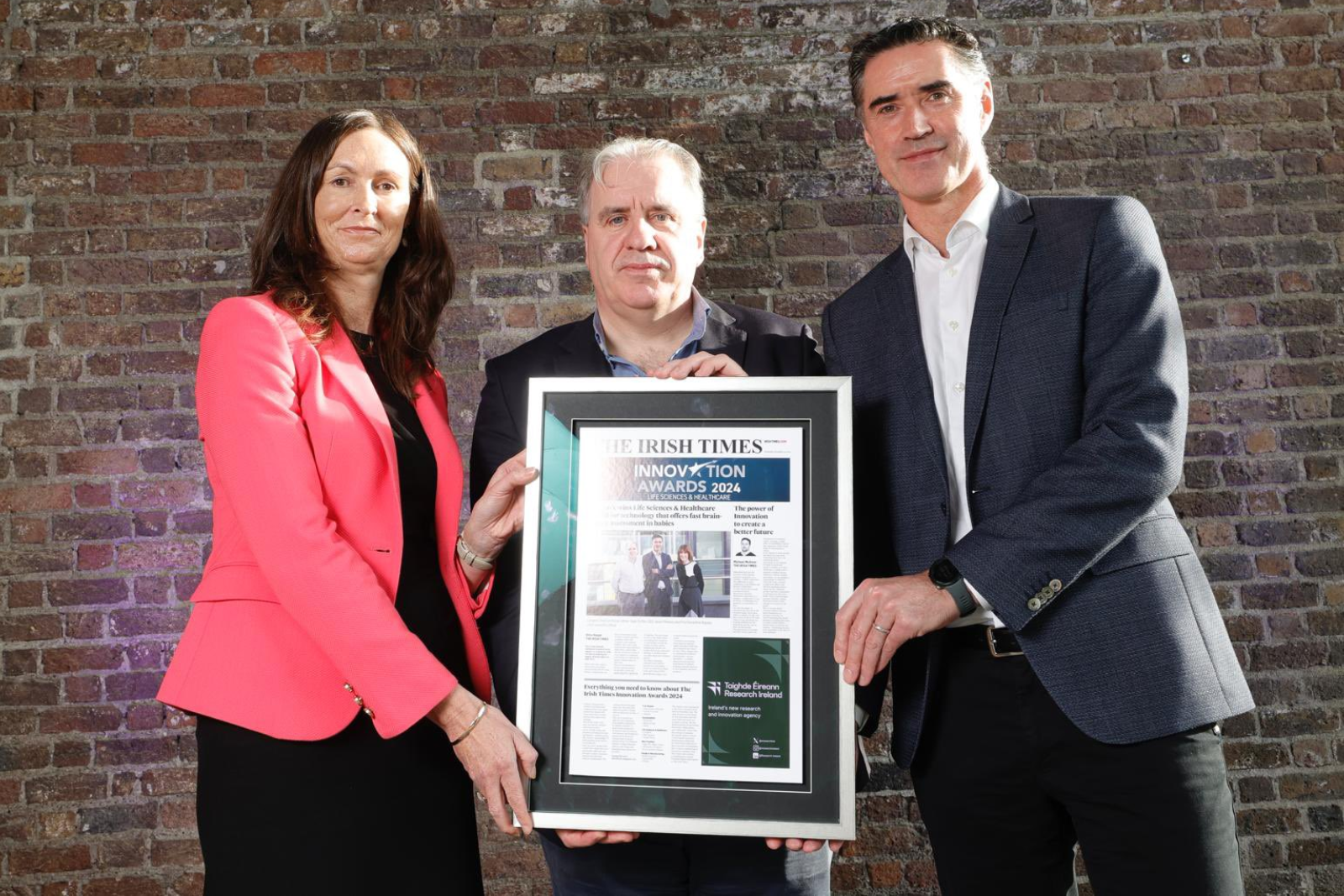
CergenX has been awarded the prestigious Irish Times Innovation Award in the Life Sciences & Healthcare category, sponsored by Research Ireland.

This award celebrates their innovation in neonatal brain health, particularly with their new, easy-to-use brain-monitoring technology called Wave. The Wave device helps identify newborns in need of extra support or treatment, with the aim of reducing the impact of brain injury on their lives.

Most of the time, when a baby is born everything goes smoothly. But for some babies, complications can lead to brain injury, hard-to-detect seizures and even problems in later life so early intervention is critical.

Wave aims to solve this by using a quick, easy EEG (electroencephalogram) monitoring system that requires only 10 minutes. The data wings its way to the cloud, where it is analysed by CergenX’s AI, and within seconds the results are back, clearly highlighting whether the results showed any abnormal findings, so medical teams can make important decisions quickly.

The Wave technology emerged from research carried out at the INFANT Research Centre at University College Cork, underlining Ireland’s robust contributions to the medtech sector and CergenX CEO Jason Mowles wants to see it benefit babies around the world.

The Irish Times Innovation Awards, now in their 15th year, are one of Ireland’s most celebrated annual events, bringing recognition to pioneering companies and entrepreneurs. This year, the awards continue to honour innovations across diverse fields, including food and agribusiness, manufacturing, IT, sustainability, and emerging technologies such as AI and fintech.

Reference: Innovation Awards finalist: CergenX technology offers fast brain-injury assessment in babies – The Irish Times

Image: Dr Siobhan Roche, Director, Science for the Economy at Research Ireland, Sean Griffin, CTO, CergenX and Jason Mowles, CEO, CergenX

Machine learning meets medicine: student’s groundbreaking work on cerebral palsy detection

By |2024-10-07T10:45:50+01:00October 7th, 2024|

A software engineering student at University of Limerick is working on a project that could help to revolutionise the early detection of cerebral palsy.

Aaron Roche, a 20-year-old student on the Immersive Software Engineering (ISE) programme at UL, is working on the ELEVATE project, which is a ground-breaking five-year research programme that aims to improve the prevention, detection and treatment of early brain injury and cerebral palsy in Ireland.

He selected the ELEVATE project for his residency as part of ISE, a transformational teaching and research initiative that aims to rethink and disrupt computer science education. ELEVATE is led by the INFANT Research Centre at University College Cork and partnered with RCSI University of Medicine and Health Sciences, Trinity College Dublin and the tertiary-level maternity hospitals in Ireland.

The team at INFANT Research Centre are focussed on 3 key areas to improve care pathways: prevention, early detection, and intervention. Leveraging the latest advancements in AI will help them identify risk factors in pregnancy, labour and the early neonatal period that increase the likelihood of CP. This may help them to prevent CP from occurring in the first place and to reduce its severity when it does occur. ISE students learn by doing, working on projects and in paid residencies at some of ISE’s more than fifty partner organisations. They will also achieve a Masters’ qualification in four years.

When Aaron was selecting the residency, the opportunity was more than just a mix of research, machine learning, and healthcare, it connected to something personal, finding that his interests matched with the project’s goals.

“We had modules on research and machine learning in ISE that really caught my attention. Then, when it came time to pick our placements, the ELEVATE project ticked all the boxes. It had research and machine learning, and it was in the medical industry, and it seemed like something that was going to have a genuine impact on the line. Plus, the project had just launched, so it was a chance to get in at the start of something meaningful.

“One of the biggest issues with cerebral palsy is that it can’t be diagnosed early enough. It’s usually after two years when the child is diagnosed and that’s too late for early intervention. So, the aim of the project is to create screening algorithms to assess the risk of cerebral palsy in children from soon after birth.”

Aaron, who is from Wexford, took inspiration from his secondary school days in selecting the residency.

“I went to St Peter’s College Secondary School in Wexford and there was a boy in our year who had cerebral palsy that affected his entire body. Our school motto was ‘Disce Prodesse’ which means ‘learn to be useful’ and there was a Disce Prodesse school award every year. He was nominated for this award because he was so inspiring to the rest of us.  He was an inspiration for me to go this route.”

Part of the ELEVATE project aims to develop a screening process that could identify potential risks even before birth.

The UL ISE student’s role on the project is vital. He is working with a small team to build algorithms that will analyse large amounts of data.

“We’re looking at hundreds of variables. Everything from the mother’s lifestyle, background, ethnicity, to any complications during pregnancy. Then, after birth, we monitor babies in neonatal intensive care units and track their development over a five-year period, recording things like their general intelligence, speech, and physical development. My job is to build the software that can sift through all this data and help predict the risk of cerebral palsy.”

For Aaron, the personal motivations to use his skills and knowledge for good and his passion for software engineering make this an exciting challenge.

“It’s amazing to think that the work we’re doing could eventually lead to cerebral palsy being diagnosed much earlier, to give a better chance for early intervention.”

As for his time in UL’s ISE programme, Aaron feels that it has prepared him well for his career plans.

“ISE was always my first choice. The idea of getting a masters degree and two years of industry experience by the time you’re 22 or 23 is such a huge advantage. And it’s so immersive, we have our own building, and all our lecturers are experts in their field. They’re not just teaching us how to work in a company, but how to start our own businesses.”

While Aaron is deeply committed to his current work on the ELEVATE project, his future ambitions are clear.

“I’d like to start my own company someday. I’m not sure exactly what that will look like yet, but I see myself in a leadership role.”

The ELEVATE project itself is still in its early stages.

“Right now, we’re setting up the tools to collect data from pregnancies, working with  Karolinska Institute in Sweden to gather that information. We hope to create algorithms that will assess the risk of cerebral palsy while the child is still in the womb. If the risk is high, the next step will be further screening with another algorithm, and so on. It’s a multi-step process.”

Funded under the Science Foundation Ireland (SFI) Strategic Partnership Programme, with co-funding partner The Cerebral Palsy Foundation (CPF), ELEVATE aims to revolutionise the delivery of CP care in Ireland. The project was officially launched by Tánaiste, Minister for Foreign Affairs and Minister for Defence, Micheál Martin TD in March 2024.

For Aaron, though, the impact is personal.

“I think of my classmate from school sometimes, and it reminds me why I wanted to work on something like this. To be part of a project that could change lives for the better – that’s really what it’s all about.”

News Coverage:

4 in 5 Pregnant Women in Ireland are Iron Deficient by Third Trimester, a research study reveals

By |2024-09-27T13:40:05+01:00September 26th, 2024|

4 in 5 Pregnant Women in Ireland are Iron Deficient by Third Trimester, a research study reveals

Worrying findings sparking call for action

Four out of five pregnant women in Ireland are iron deficient by their third trimester, a University College Cork (UCC) study reveals. Researchers at the Irish Centre for Maternal and Child Health Research (INFANT) and School of Food and Nutritional Sciences in UCC have shown that over 80% of women are iron deficient by their third trimester.

The findings raise concerns as the participants in the study were a low-risk and generally healthy cohort. Iron deficiency during pregnancy is linked to increased risks of complications for both mother and child, including neurodevelopmental challenges for the baby.

This study is the largest of its kind globally and was conducted in collaboration with the University of Minnesota and the Masonic Institute of the Developing Brain. Led by UCC’s Dr Elaine McCarthy, the study was published in the prestigious American Journal of Clinical Nutrition.

The study analysed data collected from 641 women in Ireland who were pregnant with their first baby and had a successful delivery.  Blood samples were taken from the women throughout pregnancy, at 15, 20 and 33 weeks to determine iron status. “In Cork, which is a high-resource setting,” the authors found that “iron deficiency defined by a variety of markers was very common during pregnancy, despite the mothers being generally healthy.” Interestingly, despite these high rates of iron deficiency, none of the study participants were anemic in the first trimester. In particular, the authors noted that “our cohort had higher rates of deficiency in the third trimester than even some low-resource settings.”

In this study, almost three-quarters of the participants took an iron-containing supplement that contained the Irish/European recommended daily iron allowance of 15-17mg. The authors did note that “iron-containing supplements (mainly multivitamins) taken pre/early pregnancy were associated with a reduced risk of iron deficiency throughout pregnancy, including the third trimester.” The study did not have information on maternal diet, so it was not possible to investigate other dietary or lifestyle practices that were protective.

Lead researcher, Dr Elaine McCarthy from UCC’s INFANT Research Centre and the School of Food and Nutritional Sciences, explains the significance of the results:

“Iron deficiency is the most common micronutrient deficiency in the world, but it has often been thought of as mainly a problem in low-resource settings. Our research clearly illustrates that iron deficiency is extremely common amongst pregnant women, even in a generally healthy population, such as this cohort in Ireland, with greater than 80% of women iron deficient in their third trimester.”

A National Health Concern

Routine screening for iron deficiency during pregnancy is not common in Ireland or further afield and Dr McCarthy emphasises the need for a shift in healthcare practices:

“Our findings highlight the importance of screening to identify the women at the greatest risk of iron deficiency early in their pregnancy. In addition to this, we need to support and educate pregnant women around the importance of iron in their diets, something which we at UCC and colleagues in Cork University Maternity Hospital and the Ireland South Women and Infants Directorate are working on. We have a patient resource on iron during pregnancy launching in the coming months.”

Impact on Irish Families

Iron deficiency is associated with a higher risk of complications for both mother and child and can have long-term consequences on the child’s brain development, affecting cognition, behaviour and motor skills.  Previous research from the team at UCC has shown that iron deficiency in early life is associated with behavioural problems at 5 years of age.  This research highlights the value and urgent need for strategies to identify women at risk of iron deficiency during pregnancy. Such strategies can play a crucial role in reducing these health risks, benefiting families for generations to come, the researchers state.

Call for Policy Changes

Co-author Prof Michael Georgieff of the University of Minnesota echoes the call for urgent action:

“This data strongly supports a global policy that includes a systematic method of screening all women for iron status in early pregnancy with the goal of treating those that are frankly deficient or are below a threshold of sufficiency that will lead to deficiency during pregnancy. Part of medical practice has always been identifying nutritional deficiencies and addressing them. This study illustrates how incredibly common iron deficiency is in pregnant women even in the healthiest of populations and it is well documented that the rates are higher in less-well-resourced and unhealthier populations.”

With iron needs increasing nearly tenfold during pregnancy, expectant mothers are urged to focus on increasing the amount of iron in their diets. Iron is found in different foods including red meats like beef and lamb, green leafy vegetables, beans, nuts and dried fruit. However, while reminding women that the heme iron from animal sources is more easily absorbed than the non-heme iron found in plant-based sources, a wide-range of iron-rich food from both sources is important, when possible.

This research was funded through the European Union FP7 Framework and supported by the Health Research Board, link to the publication can be found: https://doi.org/10.1016/j.ajcnut.2024.08.010

News Coverage

  • Examiner: https://www.irishexaminer.com/news/arid-41483410.html
  • Journal.ie: https://www.thejournal.ie/iron-deficient-pregnancy-ireland-6497189-Sep2024/
  • Newsweek: https://www.newsweek.com/pregnant-women-become-iron-deficient-staggering-says-doctor-1959294

New approach to milk allergies promises breakthrough

By |2024-09-19T11:45:28+01:00September 19th, 2024|

  • Study shows that using a novel advancement therapy called the “Milk Ladder”, was almost four times more likely to be successful in safely reintroducing cow’s milk to children with milk allergies in comparison to other classic approaches used in other countries.
  • Research conducted at the Irish Centre for Maternal and Child Health Research (INFANT) at University College Cork and Cork University Hospital.
  • This discovery marks a significant breakthrough in allergy management and opens the door for parents to play an active role in successfully re-introducing milk to children with milk allergies.

Researchers have demonstrated how a novel approach to managing cow’s milk allergy could transform how food allergies are treated.

Food allergies occur when the immune system reacts abnormally to otherwise harmless food proteins, which can cause immediate symptoms such as vomiting, diarrhoea, hives, and respiratory issues. Severe reactions can lead to anaphylaxis, a life-threatening condition requiring emergency medical attention.

Now researchers at the Irish Centre for Maternal and Child Health Research (INFANT) at University College Cork and Cork University Hospital have shown that cow’s milk can be safely and effectively reintroduced to children with milk allergies which affects 2-3% of infants, marking a significant breakthrough in allergy management.

Traditionally, IgE-mediated cow’s milk allergy is managed through strict avoidance of milk in all forms, followed by a series of outpatient appointments and allergy tests, often culminating in a hospital-based milk reintroduction between the ages of 3 to 5 years. This process can be lengthy and stressful for both the patient and their family, requiring extensive time and medical resources.

However, INFANT, UCC researchers have demonstrated that using the “Milk Ladder” method as a step-by-step approach, allows for a home-based reintroduction of milk under the careful supervision of caregivers. This method significantly reduces the need for hospital visits and enables the immune system to gradually become less reactive to milk proteins. Most notably, the children managed with the Milk Ladder were almost 4 times more likely to successfully reintroduce milk compared to those who followed the traditional avoidance approach.

The findings from the study are published in the Journal of Paediatric Allergy and Immunology.

Earlier this year, CUH and UCC were designated a World Allergy Organisation Center of Excellence.

Dr. Juan Trujillo, Consultant Paediatric Allergist at Cork University Hospital, University College Cork and the lead researcher on the study, highlighted the impact of food allergies on Irish families, stating, “The diagnosis of food allergy can be life-changing, bringing significant challenges to households, including psychological stress. In Ireland, the three most common food allergies in children under 3 years old are eggs, cow’s milk, and peanuts.  Our research aims to support these families, enabling more successful and quicker recoveries.”

Dr. Trujillo also emphasised the importance of Ireland’s role in advancing food allergy management, saying, “Ireland should be proud of being at the forefront of this novel therapy. The Milk Ladder has been used for over a decade and is now the first choice of management for milk allergy across Ireland, thanks to the efforts of my colleague Prof. Jonathan Hourihane at the Royal College of Surgeons of Ireland who introduced this method and supported us in the research. The National Dairy Council and Dairy Research Ireland played a key role in making this research possible”

Dr. Trujillo cautioned against the unnecessary avoidance of certain foods, particularly in young children, as this avoidance of certain food types at the wrong time in their lives can negatively impact their growth and increase the risk of developing food allergies. He advised, “We strongly recommend consulting with a GP for an appropriate referral and diagnosis and avoid unregulated allergy testing methods”

Go to Top