

Decade of Maternal and Child Health Research Celebrated at INFANT, UCC
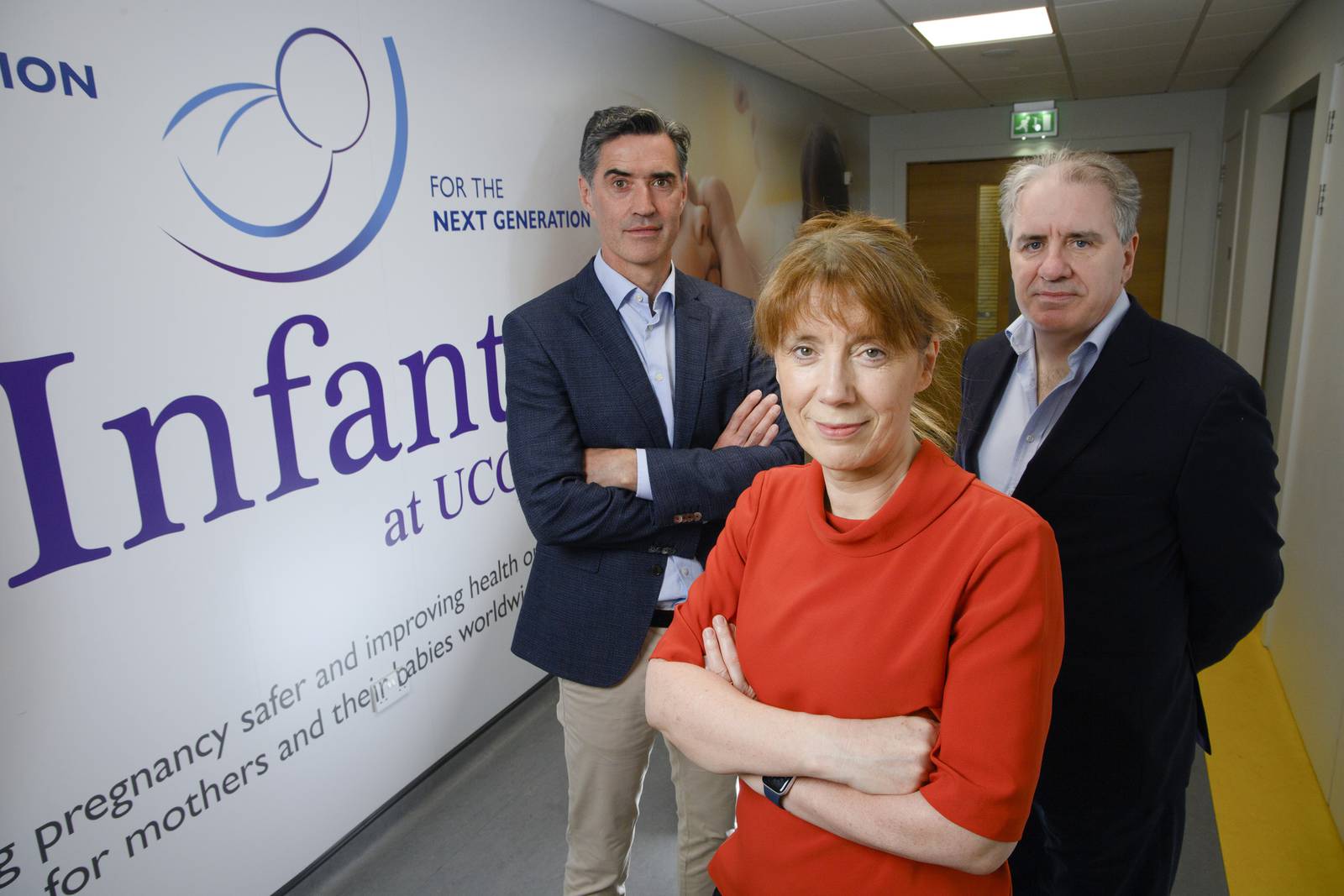
University College Cork’s INFANT Centre, Ireland’s first translational research hub dedicated entirely to pregnancy, birth, and early childhood, marks over a decade of groundbreaking work. Since its establishment in late 2013, INFANT—The Irish Centre for Maternal and Child Health Research—has been at the forefront of significant breakthroughs that are saving lives and improving outcomes for babies and their families daily, while also shaping perinatal medicine globally.
From its beginnings as a team of eight founding principal investigators, INFANT has evolved into a multidisciplinary powerhouse, now comprising over 100 dedicated professionals, including healthcare practitioners, research scientists, engineers, and support staff. The Centre’s expertise spans diverse fields such as obstetrics, paediatrics, neonatology, neuroscience, nutrition, biomedical engineering, informatics, and artificial intelligence.

A Decade of Impact and Innovation
Since its inception, INFANT has achieved some remarkable milestones:
- Developed innovative technologies to detect brain injuries in newborns, including the creation of the world’s first AI algorithm for seizure detection in infants.
- Contributed to groundbreaking therapies for peanut allergies in children.
- Developed a pioneering device to measure cognitive function in children that is independent of language barriers.
- Spearheaded the establishment of Ireland’s first dedicated network for children’s clinical trials – in4kids
- Supported the Establishment of the National Bereavement Standards within Ireland’s maternity services.
INFANT’s pioneering research has not only advanced maternal and child healthcare in Ireland but has also garnered recognition as a global leader in innovative research and transformative healthcare solutions. Today, the Centre collaborates with over 35 countries and maintains alliances with more than 45 industry partners, driving forward its mission to improve outcomes in pregnancy, birth, and early childhood.
Voices of Leadership
Professor Geraldine Boylan, Director of INFANT, reflects on the Centre’s journey: “INFANT has grown tremendously in scale, ambition, and research excellence over the past decade. Our team’s dedication has led to transformative international breakthroughs that positively impact the lives of babies, children, and families worldwide every day.”
Looking ahead, Professor Boylan highlighted INFANT’s commitment to continued innovation: “We will build on our current breakthroughs, moving them from the lab to clinical application, and spearhead the next wave of research to achieve better outcomes for mothers, babies, and children.
We are incredibly grateful for the support we have received from funding agencies, donors, industry partners, and families since our launch in 2013, and we remain dedicated to enhancing care for this often underserved population. In the coming years, a major focus will be on early detection, prevention, and novel interventions for cerebral palsy (CP), the most common lifelong physical disability acquired in childhood. Additionally, we will strengthen our leadership in children’s clinical trials in Ireland, working closely with parents and young children to ensure our research is directly informed by those we aim to serve.”

A Global Perspective
University College Cork President, Professor John O’Halloran, commended the Centre’s global impact, stating, “INFANT has had a demonstrable global impact over the last 10 years. The excellent research conducted by this multidisciplinary team of experts has enhanced maternal and child health, improved lives, and given hope and confidence to families. The Centre’s strong infrastructure and expertise base will be an integral driver of research excellence at UCC, and position INFANT at the forefront of innovative international research in maternal and child health”
Professor John F. Cryan, UCC Vice President for Research and Innovation said: “I would like to congratulate Professor Geraldine Boylan and the entire INFANT research team on an incredible ten-year journey of world leading innovative research that has had a profound impact on children and their families. The INFANT Research Centre is widely recognised as an international leader in maternal and child healthcare, and as a key strand of the UCC Futures – Children thematic area, INFANT will continue to be at the forefront of transformative research and groundbreaking innovative solutions that will be of benefit to all in society.”
Echoing this sentiment, Professor Helen Whelton, Head of the College of Medicine and Health at UCC, congratulated INFANT on its achievements: “We, at UCC are immensely proud of INFANT’s transformative research contributions to maternal and child health care over the last decade, and we’re very excited to see the next decade of groundbreaking discoveries and advancements that will continue to improve outcomes for mothers, babies and their families worldwide.”
As INFANT looks to the future, its unwavering commitment to pioneering research and improving healthcare outcomes for mothers, babies and children remains resolute. The Centre’s legacy of innovation and collaboration will continue to shape the global landscape of maternal and child health in the decades to come.
Irish Examiner Article by Niamh Griffin: https://www.irishexaminer.com/news/spotlight/arid-41465776.html
Pic Michael Mac Sweeney/Provision

Young voices needed to help shape Ireland’s child health research
- Children’s Health Ireland (CHI) and In4kids, the Irish Network for Children’s Clinical Trials launch new National Young Person’s Advisory Group (YPAG) which invites children and young people to share their voice and help shape child health research in Ireland.
- This launch marks a significant step forward in involving young people in health research and ensuring that their perspectives shape the future of paediatric care in Ireland.
- Funded by the Health Research Board (HRB), In4Kids and CHI Clinical Research Centre will jointly coordinate the Young Person’s Advisory Group.
A new initiative to bring together young people from across Ireland, so that the voices of children are central in shaping child health research and clinical trial design in Ireland is launched.
The national Young Person’s Advisory Group (YPAG) are looking for children and young people aged between 12-18yrs who have experience of chronic health condition, have participated in a clinical trial, have a family member or friend with such experience, and or who have a keen interest in science and research. This YPAG is a collaboration between Children’s Health Ireland (CHI) and In4Kids, the national children’s clinical trials network led by the INFANT Research Centre at University College Cork (UCC).
Transforming children and young people from subjects of research to active research partners
Research indicates that hospitals actively involved in research tend to achieve better patient care outcomes. The creation of this YPAG is based on feedback from children and young people participating in various public and patient involvement (PPI) activities across Ireland, as well as insights gained from established YPAGs in Europe.
Professor Geraldine Boylan, lead for the In4kids network and INFANT, UCC Director, said:
“We are thrilled to launch this initiative, which empowers young people to actively contribute to the future of child health research in Ireland. Their insights and experiences are invaluable in guiding our efforts to improve healthcare outcomes.”
Professor Paul McNally, CHI Director of Research & Innovation and consultant in respiratory medicine, added:
“It is vital for us that the research we support is designed to have a direct impact on the child and family. One of the best ways to do that is to involve children and young people in the design and conduct of that research – as part of the team as opposed to ‘subjects’. The new national YPAG will drive a greater involvement of children and young people in child health research and is a fantastic new development.”
The YPAG will collaborate with healthcare professionals and researchers nationwide, transforming children and young people from subjects of research to active research partners. Funded by the Health Research Board, In4Kids and CHI Clinical Research Centre will jointly coordinate the group, which will become a member of the European network of YPAGs, eYPAGNet.
More information and application details can be found here.
This launch marks a significant step forward in involving young people in health research and ensuring that their perspectives shape the future of paediatric care in Ireland.
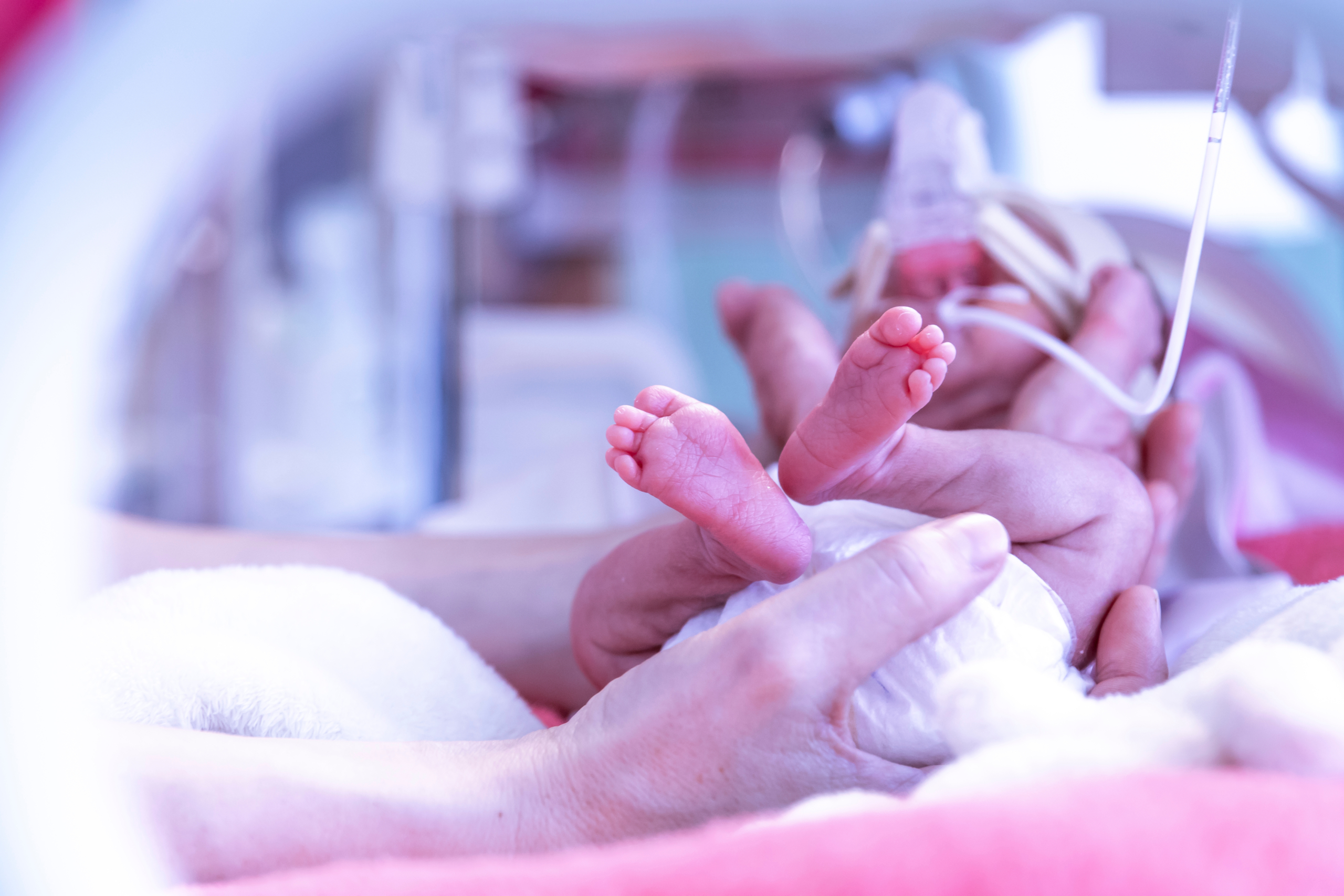
Cognitive impairment in preterm infants can be predicted at discharge, INFANT research shows
- Researchers develop new prediction tool to identify cognitive impairment
Impaired cognition among preterm infants can be predicted prior to discharge from neonatal care, new joint Irish and Swedish research shows.
Each year, 2.2 million infants are born very preterm (VPT), that is, at a gestational age (GA) younger than 32 weeks. Children born very preterm are at risk of cognitive delay which can predict later learning difficulties at school age. It is currently difficult to predict at the individual level which children are most at risk, and which children would benefit most from preventative interventions. Many of the current interventions are highly resource intensive—commencing in the hospital, followed by frequent visits to the families in their homes.
Researchers from the Irish Centre for Maternal and Child Health Research(INFANT) at University College Cork, Ireland and Karolinska Institutet, Sweden examined data from the Swedish Neonatal Quality Registry and used machine learning (AI) to identify the most important risk factors for delayed cognitive development. The data from 1062 very preterm babies, all of whom had been carefully assessed at the age of 2 years, was examined to help develop a predictive model.
Through this study the research team have developed a predictive model, containing 26 risk factors, which at discharge from the neonatal unit identified 93% of surviving VPT infants who would later screen positive for cognitive difficulties at 24 months.
The study also found that in addition to known risk factors such as low birth weight, male gender and neonatal cerebral hemorrhage, prolonged ventilator treatment and lack of breastfeeding at discharge from neonatal care were identified as important risk factors for delayed cognitive development 2 years after discharge.
Mikael Norman, Professor of Pediatrics at the Department of Clinical Science, Intervention and Technology, Karolinska Institutet, Stockholm, Sweden and lead researcher of the study said “This is an important step towards tailoring preventative interventions to the most needy children already upon discharge from neonatal intensive care. There is effective help available today, but it is often very resource-intensive and therefore may not be available to everyone. Therefore, new prediction tools like the one we developed are needed.”
Professor Deirdre Murray, Chair in Early Brain Injury and Cerebral Palsy, Consultant Paediatrician and Paediatric Research Lead at INFANT Research Centre commented on the findings “This is an exciting collaboration which combined the machine learning expertise of the INFANT centre and the world-leading perinatal databases of our Swedish collaborators. We need to improve our ability to predict those pre-term children who are highest risk of learning difficulties down the line. Improved early prediction will ensure that they have targeted follow up and will help us to find effective early interventions.”
Dr Bowe, corresponding author and INFANT, Irish Clinical Academic Training Programme (ICAT) funded PhD student said “Babies born very preterm are at risk of later cognitive difficulties. Early intervention can help but it is currently difficult to predict at an individual level which babies need this most. This study used routinely collected information from pregnancy, birth, and early life to identify which babies are most in need of early intervention.”
The study was based on the follow-up program set up by the Swedish Neonatal Association for very preterm babies, and on reporting to the Swedish Neonatal Quality register for neonatal care (www.snq.se). The data analysis was done in collaboration with Professor Deirdre Murray, Dr Andrea Bowe and Prof Gordon Lightbody at the INFANT Research Centre, University College Cork, Cork, Ireland, and Prof Anthony Staines in Dublin City University, Ireland.
The study was mainly financed by Region Stockholm and Karolinska Institutet (ALF 2020-0443) and the Childhood Foundation of the Swedish Order of Freemasons in Stockholm. Mikael Norman has acted as medical advisor for the Swedish Patient Insurance, received lecturer fees from Chiesi Pharma, and royalties from Studentlitteratur AB. Dr Andrea Bowe is funded by the Irish Health Research Board and Wellcome Trust co-funded Irish Clinical Academic Training Programme (ICAT) (Grant Number 203930/B/16/Z)
Link to press:
UCC spins out new medtech start-up, NeuroBell
- NeuroBell has developed an AI-powered medical device to accurately detect seizures in newborns, which can reduce the risk of long-term brain injury.
- Seizures are the most common sign of brain injury, signalling the need for urgent treatment that can prevent further seizures and improve outcomes.
- The start-up has secured an investment of €2.1m to fund product development, clinical trials, and the creation of new jobs.
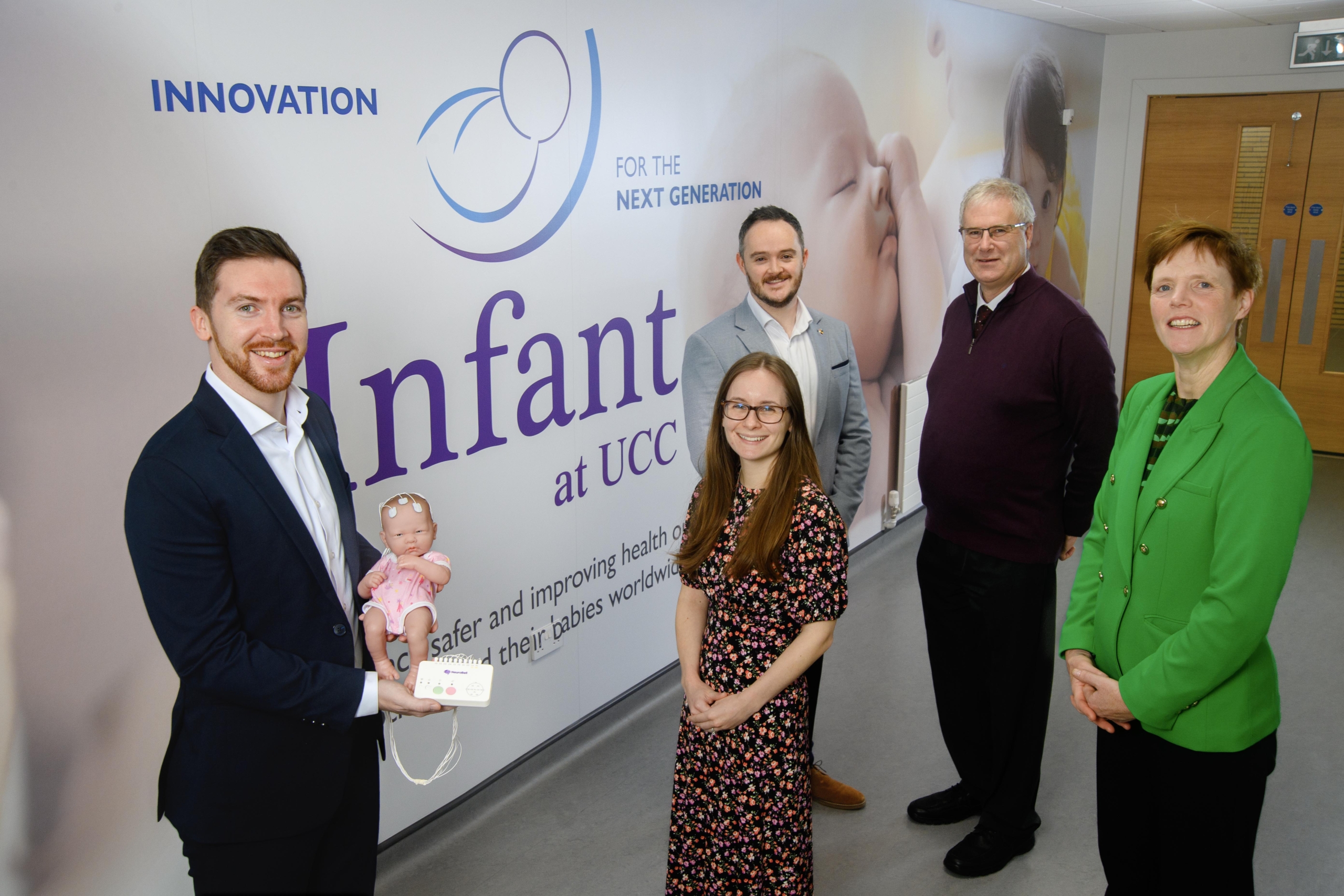
8 January 2024: University College Cork has announced the spin-out of NeuroBell, a Cork-based medtech start-up, as NeuroBell closes a €2.1M investment led by Furthr VC, Atlantic Bridge and HBAN MedTech Syndicate, with Enterprise Ireland and other private investors also investing in the round.
The funding will enable NeuroBell to launch its ground-breaking technology for real-time and accurate detection of seizures in newborns needing additional care, enabling early intervention that can improve outcomes. To support its mission, NeuroBell will create 12 new jobs by 2025.
Founded by Dr Mark O’Sullivan, Dr Alison O’Shea and Colm Murphy, and a spin-out from University College Cork and the Irish Centre for Maternal and Child Health Research (INFANT), NeuroBell aims to address a critical gap in the availability and accuracy of current technologies used to detect seizures in newborns admitted to the neonatal intensive care unit (NICU). Early detection of seizures is crucial for enabling early interventions in infants with brain injury and may help reduce the impact of life-changing conditions such as epilepsy and cerebral palsy.
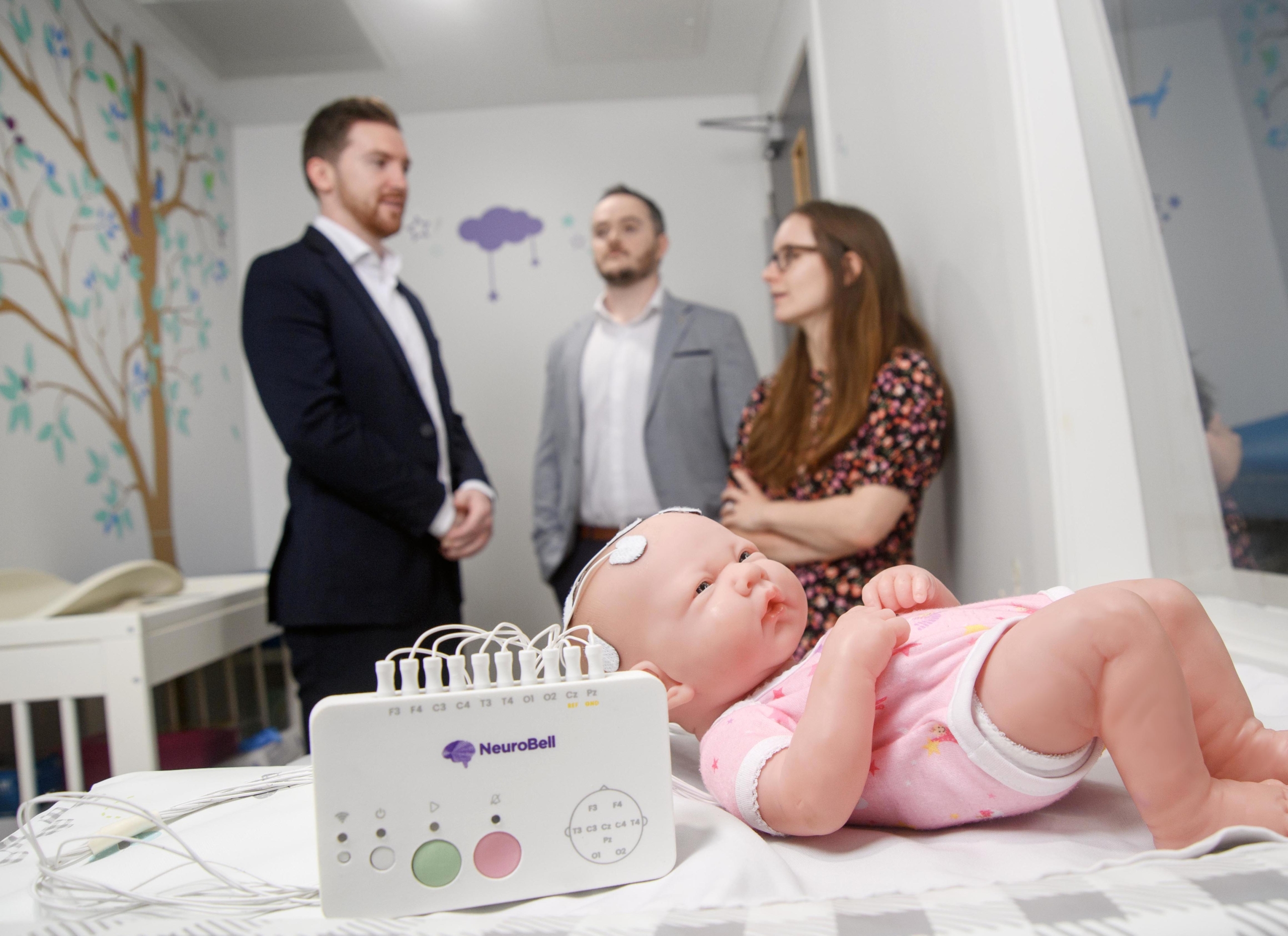
Currently, continuous electroencephalography (EEG) monitoring is used to monitor newborn brain activity, however, these devices are cumbersome, have limited availability and require specialised training to operate and interpret results. A lack of expertise in this area leads to overlooked and untreated seizures.
Using embedded edge-AI, NeuroBell has developed an easy-to-use, pocket-sized wireless brain monitor which can detect seizures in NICU patients. The technology enables routine monitoring of babies across various hospital settings without the need for specialised expertise. The user-friendly system eliminates the need for extensive training in both configuration and result interpretation.
Supported by the Enterprise Ireland Commercialisation Fund, NeuroBell is now focused on securing FDA approval before launching its device in the US market in 2024, followed by the European market. The funding will enable NeuroBell to develop its product further, carry out additional clinical trials and expand its team. The new roles will be in engineering, quality assurance, and business development. The company expects to begin commercial sales of its medical device in 2025.
NeuroBell estimates that approximately two million newborns worldwide suffer from brain injuries at birth. The company expects its device to have a significant impact on the health outcomes of babies who are receiving additional medical care following a traumatic birth. It could also have a considerable impact on financial burden of claims against the state. In Ireland, catastrophic birth injuries account for the single most costly category of claims for the HSE.1
Dr Mark O’Sullivan Co-founder & CEO, NeuroBell, said: “This funding marks a significant leap forward in advancing our goal to launch the product and get it into the hands of clinicians around the world to help newborn patients. It speaks volumes about our incredible team, who are passionate about using novel technologies to solve this critical medical need. Our solution will improve newborn care, offering gold standard brain monitoring with automated decision support to patients in all settings, including regional and tertiary hospitals.”
Richard Watson, Managing Partner, Furthr VC, said: “We are very excited to be backing NeuroBell as they set out on bringing a truly transformative and ground-breaking neonatal monitoring device to market, which will impact the survival and long-term neurological outcomes of tens of thousands of babies in critical care. We are highly impressed by the founding team and what they have achieved to date in UCC prior to spinning out. They have a very clear regulatory, clinical and commercial plan for launching the product, and I’m really look forward to working closely with them on this journey.”
Conor O’Sullivan, Investment Director, Atlantic Bridge University Fund, said: “Having worked closely with NeuroBell’s management team, Enterprise Ireland and UCC Innovation during the company’s Commercialisation Fund we have seen the significant technical and commercial progress made by Mark, Alison and Colm. Atlantic Bridge invests in ambitious founders developing deep technology that has the potential to provide solutions to complex problems. We look forward to continuing to work closely with the NeuroBell team over the coming years and leveraging our global platform and network to support the company.”
Dr Sally Cudmore, Director, UCC Innovation, said: “NeuroBell is a great example of UCC’s ambition to nurture entrepreneurial talent, with Dr O’Sullivan having participated in multiple business support programmes hosted by UCC Innovation including the SPRINT Accelerator and IGNITE start-up incubation programmes. The significant investment that the team has secured is testament to a strong leadership team and innovative technology. As a Limited Partner in the University Fund II managed by Atlantic Bridge, UCC is delighted to see that fund invest in NeuroBell and their mission to develop technology that will have a significant impact on newborns’ brain health.”
Professor Geraldine Boylan, INFANT Director, said: “We are extremely proud of the achievements of the NeuroBell team and congratulate them warmly on this exciting milestone and significant investment. As the INFANT Centre turns 10 years old, NeuroBell clearly demonstrates how years of multi-disciplinary research combining engineering, neuroscience and neonatology can be translated into innovative devices to help identify newborn babies at risk of seizures.”
Photographs: Daragh Mc Sweeney/Provision
UCC medtech NeuroBell announces spin-out with €2.1m funding round – The Irish Times
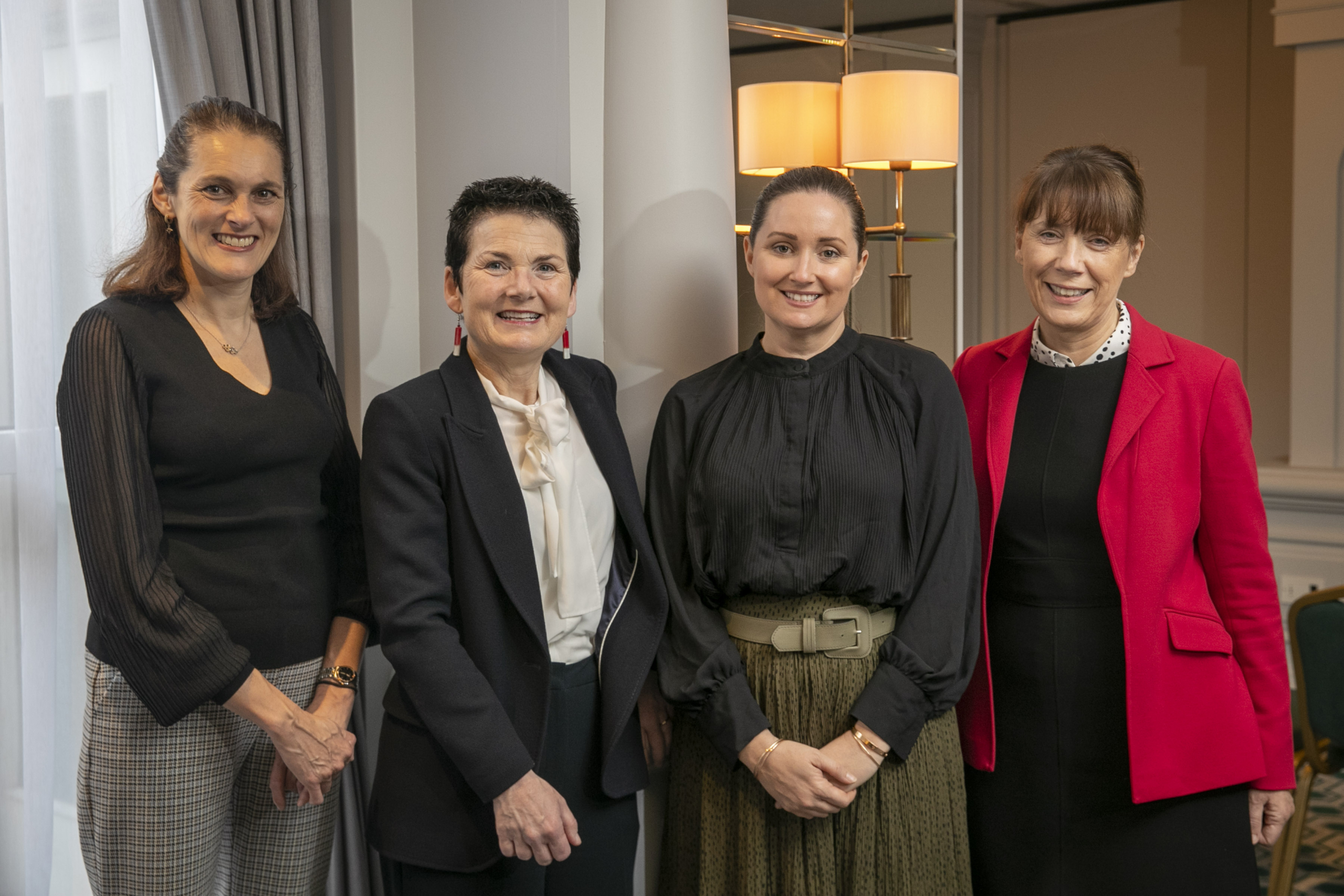
INFANT PI, Professor Deirdre Murray announced as Chair in Early Brain Injury and Cerebral Palsy
Friday, 6 October 2023: Today on World Cerebral Palsy Day, University College Cork (UCC) has announced the appointment of Professor Deirdre Murray as the new Chair in Early Brain Injury and Cerebral Palsy, as part of a new programme of excellence to revolutionise the delivery of cerebral palsy care in Ireland.
In May, the Cerebral Palsy Foundation (CPF) announced that UCC as one of three new clinical and research hubs to help establish Ireland as an international leader in Cerebral Palsy (CP) care and research.
As part of the programme, CPF is investing €1.6 million to advance research in early brain injury and cerebral palsy at the Irish Centre for Maternal and Child Health Research (INFANT), UCC.
A UCC alumnus, Professor Murray graduated from UCC in 1995 before completing paediatric training in Paediatric Intensive Care Medicine in Bristol Royal Hospital for Sick Children, and later working as a Paediatric Intensive care Fellow in the Royal Children’s Hospital, Melbourne. In 2012 she was awarded a prestigious Health Research Board Clinician Scientist Award for the BiHiVE study, an ongoing project focusing on the discovery and validation of biomarkers in neonatal brain injury.
A Consultant Paediatrician, Paediatric Research Lead at INFANT and Professor of Paediatrics, in UCC’s Department of Paediatrics and Child Health, Deirdre’s research is focused on early brain injury and the development of new ways to predict and assess neurocognitive outcome in children.
Rachel Byrne, Executive Director of the Cerebral Palsy Foundation, said: “We established the CP Programme of Excellence to vastly improve the care provided to people with cerebral palsy in Ireland; from childhood right through to adulthood. We know that the correct interventions at an early age can have a huge impact on the lifespan of people living with cerebral palsy. Professor Murray will lead incredibly important research on early brain injury that will inform how we treat and support children with cerebral palsy and ensure they have the best possible outcomes.”
Professor Geraldine Boylan, Director of INFANT, said: “Congratulations to Professor Deirdre Murray on her well-deserved appointment as Chair in Early Brain Injury and Cerebral Palsy at UCC. Professor Murray’s expertise in this important leadership role will allow us to focus our early brain injury research on early detection and interventions for cerebral palsy. We are immensely grateful to the Cerebral Palsy Foundation for this strategic funding which also highlights our growing partnership and joint commitment to effect positive change for people with cerebral palsy.”
Professor Deirdre Murray said: “I am very honoured to assume the role of Chair in Early Brain Injury and Cerebral Palsy. This signifies an important step forward and I am committed to leading our research efforts at INFANT in partnership with the Cerebral Palsy Foundation, to make Ireland a leading country for research into early brain injury and more importantly to improve health outcomes for children with cerebral palsy and their families.”
Currently the most common lifelong physical disability acquired during childhood, cerebral palsy is diagnosed in approximately 150 children each year in Ireland. Early diagnosis in babies can lead to much better outcomes. The Cerebral Palsy Foundation’s partnership with UCC will enable researchers at INFANT to generate critical knowledge that will transform outcomes for children with Cerebral Palsy and their families.
Professor John F. Cryan, UCC Vice-President for Research and Innovation said: “Congratulations to Professor Deirdre Murray on her appointment as the new Chair in Early Brain Injury and Cerebral Palsy, and sincere thanks to the Cerebral Palsy Foundation for their continued partnership with UCC. In the coming months, we will launch UCC Futures – Children and UCC Futures – Ageing and Brain Science, and Professor Murray’s research expertise in early brain injury and cerebral palsy will be very important in these two areas of research prioritisation at UCC.”
Professor Helen Whelton, Head of College of Medicine and Health, UCC said: “Congratulations to Professor Deirdre Murray and INFANT Research Centre, UCC for the excellent work being done by our clinicians and researchers to help revolutionise cerebral palsy care in Ireland which will improve health outcomes and so change the trajectory of people’s lives.”
The creation of this new Chair at UCC in Early Brain Injury and Cerebral Palsy will build on an existing collaboration between the Cerebral Palsy Foundation and the INFANT Centre on the ‘Early Detection and Intervention for Cerebral Palsy in Ireland’ study. This is a national, multi-centre cohort study led by INFANT and coordinated by In4kids, the HRB Irish Network for Children’s Clinical Trials.

HRB invests €1.9 million in UCC research to address emerging health challenges
High blood pressure during pregnancy, strategies for preventing drug overdose and the factors associated with suicide risk in older adults are among the health and social care research projects to receive funding from the Health Research Board’s Postdoctoral Fellowship Scheme.
Five post-doctoral researchers at UCC’s School of Public Health, National Suicide Research Foundation (NSRF) and the Irish Centre for Maternal & child Health Research (INFANT) have received a total of €1.9 million in funding to investigate and find solutions for public health challenges.
Dr Peter Barrett, based in INFANT and the School of Public Health in UCC, has received €830,000 in research funding for his project investigating the long-term impact of hypertensive disorders of pregnancy on maternal health, and exploration of optimal models of follow-up care for affected women in Ireland.
“This project will focus on high blood pressure during pregnancy, and how we use obstetric information to predict the risk of chronic diseases in later life. We know that risk factors during pregnancy can offer insights into long-term maternal health outcomes. There are huge opportunities to harness this information for the prevention of age-related diseases in later life. I am excited to work on this project with the teams in INFANT, the School of Public Health, and with both academic and health service partners from Ireland and overseas. It is important that we apply the research findings here to affected groups in the community, and to the Irish health service,” said Dr Barrett.
The five funded post-doctoral researchers are:
- Dr Susan Calnan: Improving public health through better implementation of alcohol policy: A multimethod study examining and addressing the factors influencing successful implementation. This research will provide evidence to help policymakers and stakeholders to better understand factors that influence the successful implementation of public health alcohol policy and look at ways to improve these factors so that alcohol policies are effectively implemented to help reduce harms from alcohol. Funding amount: €255,013.
- Dr Caroline Daly: RESTRICT – REducing intentional overdose: a mixed methods STudy of means RestrICTion interventions. Submitted under the National Suicide Research Foundation – UCC Memorandum of Collaboration, this research aims to prevent intentional overdose by studying the impact of measures to restrict access to drugs. Delivered by a team of individuals from different disciplines including mental health professionals, policy makers, researchers and people with experiences of self-harm, findings from this research will provide a comprehensive understanding of intentional overdose in Ireland and inform future measures to restrict access to drugs and to prevent self-harm and suicide. Funding amount: €284,976.
- Dr Fiona Riordan: Identifying social determinants and mapping organisational and personal networks to enhance community support for people living with multimorbidity. With people from disadvantaged communities developing chronic health conditions earlier in life, this project aims to find ways to better support people living with multiple conditions within disadvantaged areas in Ireland, and discuss the findings with a range of stakeholders, including policymakers, healthcare managers and representatives from non-clinical community services. Funding amount: €268,243.
- Dr Isabela Troya: Revisiting suicide prevention in later life: human-centred approaches in an ageing Ireland. Annually in Ireland, over 400 people die by suicide and a further 12,000 are hospitalised following self-harm, of which 15% are older adults. The aim of this study is to improve the understanding of factors associated with self-harm and suicide risk in older adults aged >60 and thus co-produce clinical and policy guidance to reduce suicidal behaviour in older adults. Submitted under the National Suicide Research Foundation – UCC Memorandum of Collaboration, this research should help strengthen and inform national suicide prevention strategies. Funding amount: €266,416.
- Dr Peter Barrett: An investigation of the long-term impact of hypertensive disorders of pregnancy on maternal health, and exploration of optimal models of follow-up care for affected women in Ireland. This research will answer some of the uncertainties regarding long-term risks following high blood pressure during pregnancy, using existing large-scale datasets of over 2 million mothers in Sweden and follow their progress post pregnancy for up to 48 years. Funding amount: €830,000.
Dr Mairéad O’Driscoll, HRB Chief Executive, said: “We are delighted to announce the latest round of funding in these HRB Postdoctoral Fellowship schemes. They are a key pillar in the HRB’s Research Career Framework. This framework provides a coordinated, coherent approach to building the capacity and capability of academic researchers and health and social care practitioners to respond to current and emerging health research needs.”
Congratulating the five award recipients from University College Cork on their awards, Professor John F. Cryan, UCC Vice President for Research and Innovation said: “Congratulations to these early-career researchers in receiving Health Research Board awards, in key areas which will address critical health and social care challenges. These awards will provide the researchers with an opportunity to enhance their career development and deliver on excellent societal research outcomes.”

Born Too Soon Airs on Virgin Media One
Born Too Soon will give an unprecedented look into lives of the hardworking staff who dedicate their lives to caring for vulnerable newborns at CUH’s neonatal unit.
TV crews have been in the hospital all year filming ‘Born Too Soon,’ following the stories of families and medical teams looking after premature babies born at the busy hospital.
At CUH, preemies are given round-the-clock care, with the new series showing the ups and downs of life looking after frail babies – particularly in a time with strict Covid restrictions.
Viewers will get to see the dedication and love put into giving babies born preterm the best chance possible when Born Too Soon starts at 9 pm Tues 5 September on Virgin Media One.

INFANT Director, Prof Geraldine Boylan wins prestigious award
Geraldine Boylan, Professor of Neonatal Physiology, Department of Paediatrics & Child Health, University College Cork and Director of the INFANT Research Centre was awarded the 2023 Tom Connor Distinguished Investigator Award from Neuroscience Ireland.
Professor Boylan was presented the prestige award at the Royal College of Surgeons Ireland (RCSI) during the annual Neuroscience Ireland conference. This conference brings together an international audience of neuroscience researchers, clinicians, and industrial partners to share knowledge and expertise, fostering the advancement of excellence in neuroscience research within Ireland.
The NSI Distinguished Investigator Award is presented every two years to an exceptional research scientist from Ireland or based on the island of Ireland who has made an exceptional contribution to the field of neuroscience. This award is given in memory of the former President of Neuroscience Ireland, Tom O’ Connor, who passed away in 2013.
Accepting the award, Professor Boylan said: “I am very honoured and humbled to receive the Tom Connor Distinguished Investigator Award from Neuroscience Ireland. This recognition for neonatal neuroscience represents the collective efforts and hard work of the research team at INFANT over many years and I am truly grateful.”
Professor John Cryan, UCC Vice President for Research and Innovation at UCC, and recipient of the award in 2017 said: “Congratulations to Professor Geraldine Boylan on receiving this prestigious award, a testament to her dedication and expertise in neuroscience research. Professor Boylan’s remarkable achievements in neuroscience exemplify the spirit of innovation that drives our institution’s research ambitions. It is also fitting to see someone of Professor Boylan’s calibre hold this award in the name of Professor Tom Connor, one of Ireland’s exceptional scientists who passed away far too soon.”
CergenX, INFANT spin-out raises €1.2m in funding to develop newborn brain screening
Cork-based medtech company CergenX has raised €1.2 million in funding to further develop its technology to screen newborns for brain injury.
- CergenX is a spin-out from the Infant Centre in UCC. Founded by chief executive Jason Mowles, chief science officer Professor Geraldine Boylan and chief technology officer Sean Griffin in 2021.
- The company is currently developing a system that uses artificial intelligence to screen all newborns for signs of brain injury in less than 15 minutes.
The funding was raised through a private financing round, with participation from high net worth individuals and existing investor Enterprise Ireland. It brings to €2 million the total raised by the company to date.
The money will be used to support the development of the newborn brain screener, expanding its staff with roles in artificial intelligence, product management, and software engineering and accelerating the company’s path to market.
CergenX is a spin-out from the Infant Centre in UCC. Founded by chief executive Jason Mowles, chief science officer Professor Geraldine Boylan and chief technology officer Sean Griffin in 2021, the company is currently developing a system that uses artificial intelligence to screen all newborns for signs of brain injury in less than 15 minutes.
“This latest investment not only validates the immense potential of our newborn brain screener but also demonstrates the confidence our investors have in our vision,” Mr Mowles said. “These funds will enable us to complete the development of the newborn brain screener and launch the product pilots next year. This is incredibly exciting and rewarding work and we have a real opportunity to make a major difference in a vital area of newborn healthcare.”
Electroencephalography monitoring (EEG), the gold standard for assessing brain function in newborns, can be expensive and complex, with a shortage of trained specialists to interpret the results. The CergenX system allows non-specialists to carry out the screening, with algorithms helping to pinpoint potential problems with brain activity.
The company has developed a prototype device, and is targeting a 2025 release after undergoing regulatory approval.
It is estimated that at least five in every 1,000 newborn babies may have a brain injury of some degree, but it is difficult to diagnose until the child is older.
“The device will help answer a very simple but important question for medical staff which is ‘should I be worried about this baby’s brain or not?’ ” said Prof Boylan.
CergenX has identified a considerable market for the newborn brain screener, with the EU, UK, and the US among the initial targets, where there are more than 8 million births a year.
Source: CergenX raises €1.2m in funding to develop newborn brain screening – The Irish Times (Ciara O’Brien)