Can diet and nutrition influence mental health? New European project aims to find out

By |2026-09-17T11:07:05+01:00September 17th, 2026|

Researchers at the INFANT Research Centre, University College Cork (UCC) have joined a new Horizon Europe-funded research project that will investigate how diet and nutrition are associated with mental health across the life course.

NUTRIMIND (Understanding Mental Health and Nutrition in Europe) brings together 16 universities, research institutes, non-government organisations and industry partners from across Europe to investigate how diet, nutrition and related biological factors such as genetics and the gut microbiome are associated with common mental health conditions, including anxiety, depression and stress.

Over the next four years, the consortium will analyse data from existing European population studies and cohorts, combining dietary, health and biological information to strengthen understanding of the relationship between nutrition and mental health. The project will also involve researchers, healthcare professionals, policymakers and members of the public in the co-design of future research, tools and communication activities.

At University College Cork, the project is led by Professor Mairead Kiely, with researchers from the INFANT Research Centre and the Cork Centre for Vitamin D and Nutrition Research contributing expertise in nutrition, maternal and child health, and brain development.

The project builds on INFANT’s long-standing focus on brain health and neurological outcomes, with childhood and adolescence recognised as important stages of life for understanding long-term health and wellbeing. This perspective informed Mairead’s comments during our discussion about why these life stages matter for the project.

Professor Mairead Kiely said:

“INFANT has a long-standing focus on brain development in children. Understanding the drivers of mental health in children and adolescents is an important part of building knowledge to improve lifelong outcomes. Linkages between diet and nutrition throughout early life and mental health outcomes are a new area of exploration. NUTRIMIND brings together expertise from across Europe to identify nutrition-linked risk signatures, such as dietary, quality, nutrient status and microbiome features associated with anxiety, depression and stress trajectories.  Over time, we hope the knowledge generated through the project will help strengthen the evidence in this emerging area of research and build the evidence needed to support future guidance for healthcare professionals, policymakers and individuals.”

The consortium officially launched NUTRIMIND at its kick-off meeting in Wageningen, the Netherlands, in June 2026 and will report in June 2030.
New research programme exploring probiotics and the developing infant microbiome

By |2026-09-17T11:08:21+01:00September 1st, 2026|

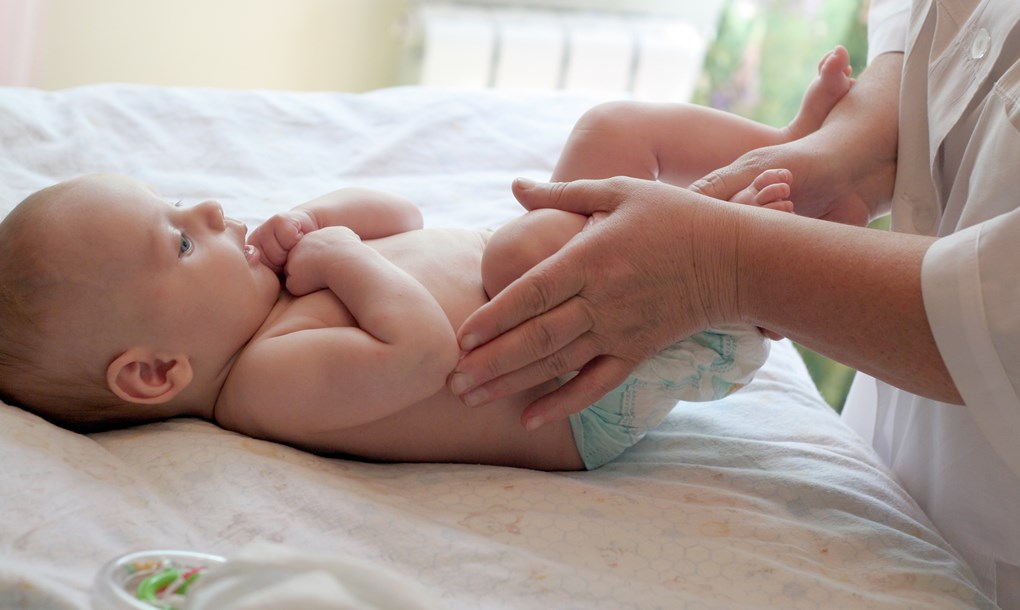
Researchers at University College Cork’s APC Microbiome Ireland and INFANT Research Centre, together with Cork University Maternity Hospital (CUMH) and Teagasc, have begun a new research programme exploring how probiotics may influence the developing gut microbiome during the early years of life.

The first clinical trial, the SMILE Study, is focused on very early infancy and will investigate two specific probiotic strains and their potential to support the infant gut microbiome and healthy growth.

The first months of life represent an important window for this research. The infant microbiome is highly dynamic during the first year, developing alongside the gut and immune system.

Professor Paul Ross, Director of APC Microbiome Ireland and research lead for the programme, said:

“The first months of life are a critically important period for the development of the gut microbiome. Our research has shown just how dynamic the microbiome is during the first year of life. SMILE gives us an opportunity to understand how specific probiotic interventions may influence that process.”

The collaboration combines APC’s expertise and technologies in microbiome science with INFANT and CUMH’s clinical and newborn health expertise.

Professor Eugene Dempsey, INFANT Clinical Lead for Neonatal Research and Consultant Neonatologist at CUMH, said:

“By bringing together expertise in newborn health and microbiome science, we have an opportunity to investigate these questions directly with families and build a much better understanding of the role probiotics may play at different stages of early development. This is the kind of research that is only possible through strong collaboration between clinical and scientific teams.”

SMILE is the first of three planned clinical trials examining probiotic interventions at different stages of early childhood, creating an opportunity to understand how the microbiome responds at key points in a child’s development.

From Cork to Kilimanjaro: a decade of partnership in maternal and newborn health

By |2026-09-17T15:40:10+01:00July 29th, 2026|

From Cork to Kilimanjaro: a decade of partnership in maternal and newborn health


A global challenge, unequally shared

Each year, an estimated 2.3 million newborns die within the first weeks of life. Hundreds of thousands of women also die from complications related to pregnancy and childbirth, the vast majority in low- and middle-income countries. Limited access to specialist care, trained personnel, and reliable health data continues to shape outcomes.

A decade ago, this was a significant challenge in Tanzania, where neonatal mortality was considerably higher than in high-income settings. Early estimates suggested that nearly five out of every hundred babies did not survive the first weeks of life.

Addressing this requires more than medical innovation alone. It depends on strengthening health systems, improving access to timely care, and ensuring that data can support both immediate decisions and longer-term planning. It was within this context that a partnership between University College Cork (UCC) and clinical and research institutions in Tanzania began to take shape.


Where the partnership began

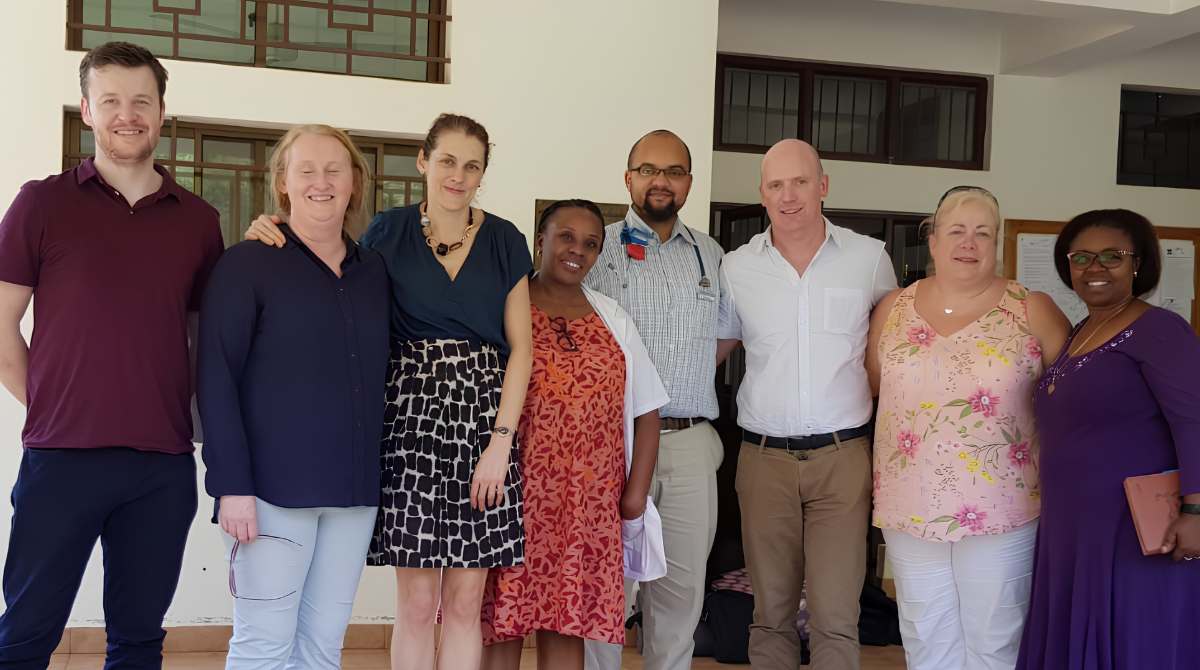
In 2016, researchers and clinicians from the INFANT Research Centre at UCC travelled to Tanzania to explore collaboration in maternal and child health. Over the course of the visit, the team engaged with a number of potential partner sites, with Kilimanjaro Christian Medical Centre (KCMC) and the Kilimanjaro Clinical Research Institute (KCRI) emerging as the best mutual fit for ongoing collaboration.

This led to the establishment of a Memorandum of Understanding between UCC and the Good Samaritan Foundation, encompassing KCMC, KCRI, and Kilimanjaro Christian Medical University College.

From the outset, the partnership was shaped by a shared vision and a commitment to working together over the long term. Reflecting on this, Professor Blandina T. Mmbaga, Director of the Kilimanjaro Clinical Research Institute (KCRI), explains:

“What has made this partnership meaningful is a shared vision of providing the best care for mothers and newborns, and a trust in working together to achieve that.”

This approach focused on adapting advances in neonatal care, diagnostics, and data systems for lower-resource settings through co-development and shared priorities, supported by knowledge exchange, skills development, and collaborative research in areas of greatest need.


From Cork to Kilimanjaro

Image 1 of 8

Building the foundations

Early collaboration focused on strengthening newborn care at KCMC, where the smallest and most vulnerable infants faced significant challenges to survival.

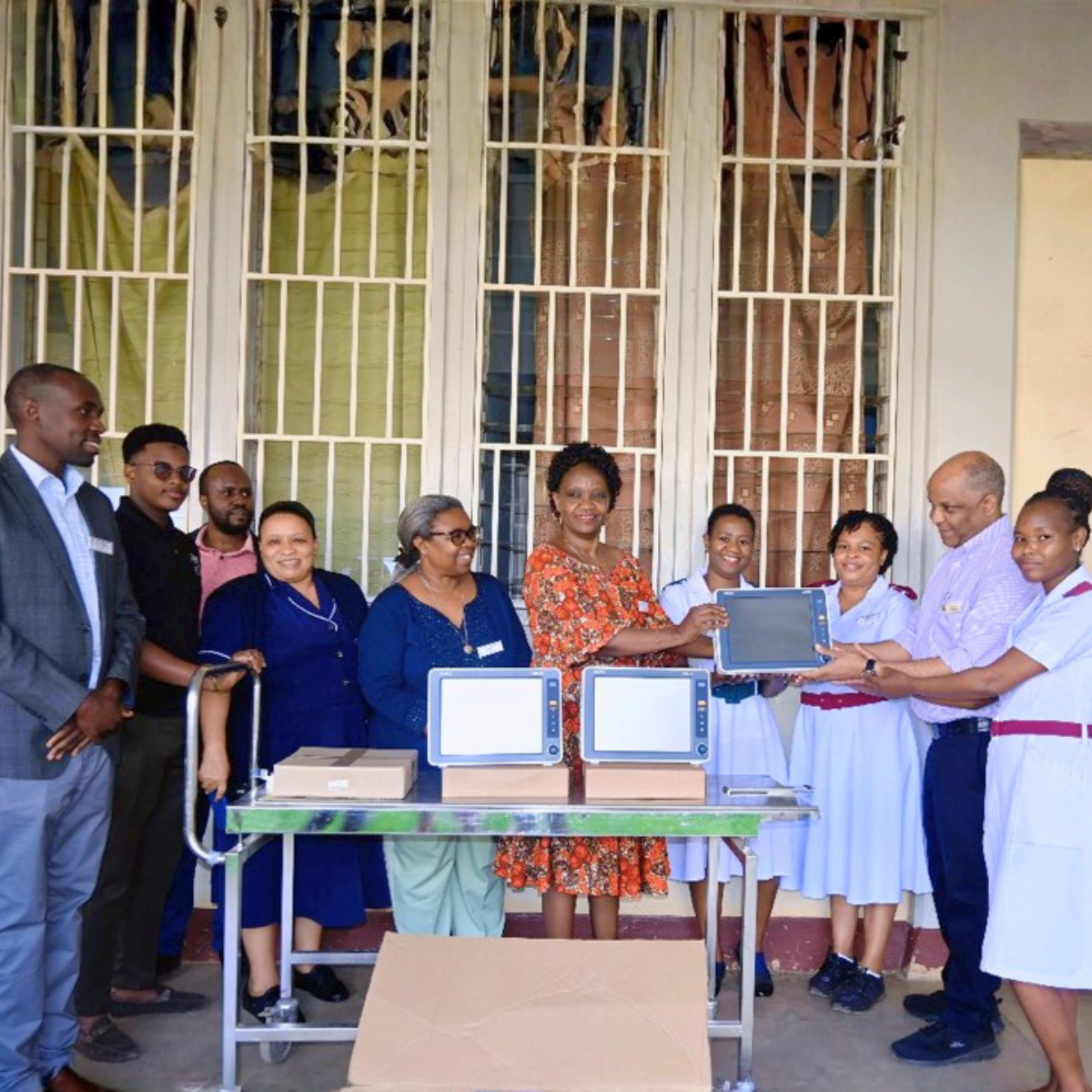
Through a combination of philanthropic support, clinical collaboration, and training, the partnership introduced key improvements in care. These included the establishment and equipping of a neonatal intensive care unit, which opened in 2021, alongside essential equipment to support newborns who needed extra care in their first days of life, and training for staff in emergency and infection care. Ongoing education for nursing and medical staff was also a central part of this work.

In 2023, a dedicated 20-bed Kangaroo Mother Care unit was opened, supported through student fundraising and philanthropic contributions. This simple but effective approach enables mothers to provide continuous skin-to-skin care, improving survival for premature and low birth weight infants.

For mothers, the impact has been immediate and visible. Professor Mmbaga reflects on how this has changed care in practice:

“We have seen real improvements in how care is delivered and in outcomes for preterm babies. Now, more mothers are able to stay with their babies during care, which has helped reduce infection risk and support earlier discharge.”

These changes are felt in very real ways. More babies are surviving those first critical days, and more mothers can stay close to them during care. In the Kangaroo Mother Care unit, mothers hold their babies skin-to-skin, helping them grow stronger each day. It is a simple approach, but one that is changing outcomes and experiences for families.

These efforts have contributed to measurable improvements in outcomes, with perinatal mortality in the region declining over time, reflecting hundreds of additional newborn lives saved each year.

Making data visible: the Kilimanjaro Birth Registry

Alongside improvements in care, the partnership identified an opportunity to strengthen how health data was captured and used.

At KCMC, the Medical Birth Registry had been in place since 2000, with information on pregnancy and birth collected on paper and stored locally. This provided a valuable foundation, while also highlighting the potential to make better use of data to support care for mothers and babies.

Through collaboration between clinicians, researchers, and software engineers, the registry was transformed into a web-based system by 2019.

The Birth Registry now captures data on approximately 2,500 births each year, with over 20 years of records, representing more than 60,000 births, brought together in one place.

Clinicians can now access real-time information when it matters most, helping them make more informed decisions for the women and newborns in their care. It also makes it easier to identify risks earlier and plan services to better meet the needs of the community.

The registry has also provided a foundation for further digital health innovation, demonstrating how data systems can be developed collaboratively and adapted to local needs.


From pilot to platform: Kilimanjaro ULTRA

Building on the success of the birth registry, the partnership expanded into a broader digital health platform through the Kilimanjaro ULTRA project.

The platform supports care for mothers and children across the health system, from hospitals to community settings.

Between 2022 and 2024, the system was piloted across a network of healthcare sites, capturing over 5,000 antenatal visits, approximately 4,000 deliveries, and more than 5,500 early childhood visits.

This created a more complete picture of each mother and child’s journey through care, helping to connect services and ensure information is available at every stage. It also makes it easier to identify gaps and improve how care is delivered.


Scaling impact: the LINDA-FAMILIA programme

By 2025, the partnership had evolved into a multi-country collaboration through the LINDA-FAMILIA programme, now active in Tanzania, Ethiopia, Rwanda, and Uganda. The programme focuses on adapting and scaling digital health systems to support care across pregnancy, postpartum, neonatal, and early childhood stages, including infectious diseases and vaccinations.

It supports the move from paper-based records to integrated digital systems, helping to improve how care is delivered for mothers and children.

LINDA-FAMILIA, meaning “protect the family” in Kiswahili, builds on earlier work in Kilimanjaro, extending the approach of co-development and shared learning to a broader regional context.

It brings together academic institutions, public health agencies, and ministries of health, reflecting the growing scale and ambition of the partnership.

As the work has expanded, it has also demonstrated the importance of strong systems underpinning long-term impact. Ali Khashan, Professor of Perinatal Epidemiology at University College Cork, explains:

“Kilimanjaro ULTRA and LINDA-FAMILIA have shown that strong governance, local ownership, and high-quality data are not just technical achievements, but the foundations of sustainable and equitable health systems.”


A partnership built on mutual learning

Over the past decade, collaboration between UCC and its Tanzanian partners has extended beyond individual projects to include training, education, and joint research. This has involved the joint supervision of PhD students, undergraduate medical electives, and academic exchange through shared roles across both institutions.

These activities build capacity in both directions, strengthening the ability of researchers and clinicians to address shared challenges in maternal and newborn health. They also reflect a core principle of the partnership: that meaningful progress depends on sustained collaboration and shared expertise.

From Cork to Kilimanjaro

Image 1 of 8

Looking ahead: the next decade

Reflecting on the broader significance of this work, Professor Geraldine Boylan, Director of the INFANT Research Centre at University College Cork, notes:

“Maternal and newborn health remains one of the most significant and under-resourced challenges globally. Partnerships like this demonstrate what can be achieved when research, clinical care, and collaboration come together with a shared purpose. Over the past decade, this work has contributed to meaningful improvements in outcomes for mothers and babies, while also building the foundations for long-term, sustainable change.”

Ten years on from its beginnings, the partnership continues to grow in both scope and ambition. Work is already underway to scale digital health systems across Tanzania and East Africa through the LINDA-FAMILIA programme, alongside plans to expand research in maternal and child nutrition, early brain health, and areas such as neonatal neurology and cerebral palsy.

Despite the progress of the past decade, maternal and newborn health remains significantly under-resourced in many parts of the world. Continued investment in research, innovation and partnership will be essential to ensure more mothers and babies benefit from advances in care.

If you’d like to help accelerate this work, you can support INFANT Research Centre through a donation. Every contribution helps advance research, strengthen international partnerships, and improve outcomes for mothers and children in Ireland and around the world.


Pregnancy complications can affect mental health long after birth

By |2026-09-17T11:09:08+01:00July 23rd, 2026|

Pregnancy complications can affect mental health long after birth

New research from INFANT Research Centre, University College Cork, highlights the long-term psychological impact of pregnancy and birth complications, calling for more compassionate, woman-centred maternity care.

For many women, recovery after pregnancy or birth complications extends far beyond physical healing.

A new qualitative study from researchers at the INFANT Research Centre, University College Cork, has found that women who experience serious complications during pregnancy or childbirth can continue to face significant emotional and psychological challenges for years afterwards.

The research, published in Women and Birth, explored the experiences of women across Ireland who had experienced a range of pregnancy and birth complications. Through in-depth interviews, the researchers sought to better understand the long-term impact these experiences had on women’s mental health and wellbeing.


The emotional impact doesn’t always end after birth

While many women recover physically, participants described how anxiety, fear and emotional distress often remained long after they had left hospital.

One participant reflected:

“I don’t think I’ll ever come off anxiety medication now.”

Others spoke about living with uncertainty, losing confidence in their own bodies, and feeling anxious about future pregnancies.

Many women also described feeling isolated during their recovery, particularly once they returned home, where emotional support was often limited despite the ongoing psychological impact of their experiences.


Feeling heard matters

A consistent theme throughout the research was the importance of communication.

Women valued healthcare professionals who listened, explained what was happening clearly and acknowledged the emotional impact of what they had experienced.

Where communication was poor, participants described feeling confused, unsupported or left with unanswered questions that continued to affect them long after giving birth.

The researchers suggest that relatively small improvements in communication, follow-up care and access to psychological support could make a meaningful difference to women’s recovery.


Supporting women beyond delivery

The findings highlight the need to view recovery from pregnancy complications as more than physical healing.

Ensuring women receive compassionate communication, appropriate information and ongoing emotional support may help reduce longer-term psychological distress and improve experiences of maternity care.

By listening directly to women’s experiences, the study provides valuable insights that can help inform future maternity services and improve care for women and families across Ireland.


About the research

The study was led by Dr Elizabeth Bodunde in collaboration with Prof Ali Khashan, Dr Karen O’Connor, Prof Fergus McCarthy and Dr Karen Matvienko-Sikar at the INFANT Research Centre, University College Cork.

The research has been published in Women and Birth.

Read the paper: https://lnkd.in/dWrPS-ZS


Better conversations could strengthen stillbirth-prevention efforts

By |2026-09-17T11:10:02+01:00July 14th, 2026|

Better conversations could strengthen stillbirth-prevention efforts

A University College Cork study led by researchers from the National Perinatal Epidemiology Centre, the Pregnancy Loss Research Group at INFANT Research Centre and the School of Public Health, highlights missed opportunities to reduce stillbirth risk in Ireland.

Every parent wants to do everything they can to give their baby the best possible start.

Yet new research from University College Cork has found that while most women know they should go to sleep on their side during late pregnancy, many are never told why it matters.

The national study, involving almost 800 women across Ireland, is the first to examine awareness of maternal sleep position recommendations in Ireland and the behavioural factors that influence whether women follow them.


A simple action with the potential to reduce stillbirth

International evidence has shown that going to sleep on your side from 28 weeks of pregnancy is associated with a lower risk of stillbirth.

The research found that although most women recognised side sleeping as the recommended position, only around six in ten understood that the advice is linked to reducing stillbirth risk. Even more concerning, discussions about stillbirth were rarely part of conversations with healthcare professionals.

Instead, many women first encountered this information through websites, social media or pregnancy apps rather than through routine maternity care.


Knowledge was strongly associated with behaviour

The study found that women who correctly understood the recommendations were more than four times more likely to adopt the advised sleep position.

Researchers also found that women were most motivated to follow the advice when they understood it was better for their baby, highlighting the importance of explaining not just what to do, but why it matters.


Informing future public health action

The findings suggest that improving awareness is not simply about providing more information.

Instead, consistent messaging, earlier conversations during pregnancy, and practical advice that helps women manage common challenges such as reflux or discomfort could improve adherence to sleep position recommendations.

The researchers suggest these findings could help inform future national public health campaigns and maternity care guidance aimed at reducing preventable stillbirths in Ireland.


Research at a glance

Research focus
Understanding women’s knowledge and behaviours around sleep position during late pregnancy.

Participants
769 women who had given birth in Ireland within the previous two years.

Key findings

  • Most women knew they should go to sleep on their side, but many did not understand the link with stillbirth prevention.
  • More than one-third reported receiving no advice about sleep position during pregnancy.
  • Women who understood the recommendations were over four times more likely to follow them.
  • Much of the information women received came from non-clinical sources rather than healthcare professionals.
  • Earlier, clearer and more consistent communication could strengthen stillbirth prevention efforts.


Read the full study here.

Giving premature babies a stronger start: how PremSmart transformed neonatal nutrition in Ireland

By |2026-09-17T11:06:21+01:00July 7th, 2026|

Giving premature babies a stronger start: how PremSmart transformed neonatal nutrition in Ireland

For babies born too soon, the first days of life are critical. During this period, nutrition plays a critical role in brain development, growth and long-term health. But for many years, delivering that nutrition safely and consistently was one of the most complex challenges in neonatal care.

Clinicians relied on a highly individualised approach to intravenous nutrition, prescribing nutrients one by one. It was complex, time-consuming and difficult to standardise. In fast-changing environments, delays between prescribing and delivery meant that by the time nutrition reached a baby, their needs could already have changed. Even when everything worked as intended, many babies experienced gaps in nutrition during this crucial stage.


From research to practice

PremSmart was developed to address this challenge.

PremSmart combines specially designed intravenous nutrition formulations with a decision-support system that helps clinicians match nutrition more closely to a baby’s changing needs.

The work began through research closely connected to clinical practice, shaped by the challenges faced in neonatal units. Developed through collaboration between the INFANT Research Centre and the Health Service Executive (HSE), the system is designed to support babies through one of the most complex stages of care — when they transition from intravenous feeding to milk.


National impact

Today, PremSmart is used in neonatal units across Ireland and has become part of routine care in the majority of cases. This level of national adoption is rare, particularly for something as complex as intravenous nutrition.

This is reflected in how it is now used in practice across neonatal units.

Prof Anne Doolan, Consultant Neonatologist at The Coombe Hospital, says:

“We use the PremSmart program every day in our Neonatal Unit. It has standardised practice which means that every baby gets excellent nutritional care.”


Babies are now more consistently reaching recommended nutritional levels during this early stage, supporting better growth. For healthcare teams, the system simplifies a previously complex process, reducing variation and easing workload. For the health service, it has delivered efficiencies, including cost savings of around €1 million per year.

For families, the impact is less visible but just as important. Parents of preterm babies must place enormous trust in clinical teams during an already overwhelming time. Knowing that care is supported by a consistent, well-designed system offers reassurance when so much else feels uncertain.

Clíona O’Donoghue, whose daughter Sadhbh was born at 26 weeks, describes the experience:

“My daughter Sadhbh was born at 26 weeks, weighing just 2 lbs 3 oz. The neonatal journey can be overwhelming, and we placed complete trust in the team caring for her. We lived from one weigh-in to the next, seeing every gram gained as a sign of progress and hope.

Knowing she was receiving the right nutrition at such a critical stage made a huge difference. Any advancement that improves outcomes for these tiny babies and helps families feel more connected to their child’s journey, is invaluable.”


From implementation to policy

PremSmart also highlights an important part of healthcare innovation: ensuring that new approaches work in real-world settings and can be sustained over time.

Experiences in other countries have shown that scaling up new nutrition systems can carry risks if not carefully managed. In response, the PremSmart programme has focused not only on developing the system, but also on understanding how it works in practice — including training, support and day-to-day use.

This work is now helping to inform how the system is supported nationally, from training to audit and oversight. In doing so, PremSmart is beginning to shape how this type of care is delivered and maintained across the health service.


A model for impact

PremSmart is more than a single innovation. It shows how research, when closely connected to clinical practice, can lead to real and lasting change.

The next phase is already underway. PremSmart 2.0 is being developed as a digital platform, with the potential to further support decision-making and open up new ways of involving parents in their baby’s care.

At its heart, this work is about giving preterm babies the best possible start in life. It demonstrates how research embedded in frontline healthcare can move beyond discovery to reshape care for some of the health service’s most vulnerable patients.


About the research team

Dr Ann-Marie Brennan

Co-Founder Neonatal Clinical Nutrition Research Group and Lead Investigator, INFANT Research Centre

Clinical Specialist Neonatal Dietitian, Cork University Maternity Hospital

Dr Brennan is an established researcher in preterm nutrition with over 25 years of clinical and academic experience. She leads the development, validation and national implementation of PremSmart.


Sarah Fenton

Co-Founder Neonatal Clinical Nutrition Research Group, INFANT Research Centre

Advanced Specialist Neonatal Pharmacist, Cork University Maternity Hospital / Cork University Hospital

Sarah Fenton has over 20 years clinical experience with expertise in preterm nutrition, health informatics and implementation science. She co-leads the development and validation of PremSmart, and is conducting the national evaluation of its implementation.


Together, they lead the Neonatal Clinical Nutrition Research Group at INFANT, focusing on translating research into innovative solutions at the cot-side and delivering measurable improvements in outcomes for babies and the health service.


Preparing for the next pandemic: Lessons from COVID-19, pregnancy and the power of better data

By |2026-09-17T11:05:26+01:00July 2nd, 2026|

Preparing for the next pandemic: Lessons from COVID-19, pregnancy and the power of better data

While COVID-19 may no longer dominate headlines, the lessons learned during the pandemic continue to shape how healthcare systems prepare for future public health emergencies. This is particularly true when it comes to protecting pregnant women and their babies.


When COVID-19 emerged, pregnant women faced uncertainty at every turn. Questions about infection risks, vaccine safety, and the potential impact on unborn babies created anxiety for expectant mothers and challenges for healthcare professionals trying to provide evidence-based guidance in real time.

In the early stages of the pandemic, reliable evidence on the safety and effectiveness of COVID-19 vaccination during pregnancy was limited internationally. In Ireland, only 58% of new and expectant mothers had received a COVID-19 vaccine, while studies from the United Kingdom suggested that unvaccinated pregnant women infected with COVID-19 were more likely to require intensive care treatment.

“Monitoring COVID-19 infection and vaccination during pregnancy is important because we know that during pregnancy a woman can be at greater risk of becoming severely ill from the virus,” explains Professor Ali Khashan, Principal Investigator at INFANT, and Professor in Epidemiology in the School of Public Health, UCC.

“When a vaccine becomes available, there is another question – should pregnant women take the vaccine or not?”

To help answer these questions, researchers from INFANT Research Centre at University College Cork (UCC), in partnership with Ulster University, launched the COVICAT project to better understand COVID-19 infection and vaccination during pregnancy across the island of Ireland.

While the project set out to answer questions about COVID-19 in pregnancy and risk of congenital anomalies, it also uncovered a broader challenge. Researchers found that important health information was often difficult to access and connect across systems, limiting the ability to rapidly generate evidence for pregnant women, clinicians and policymakers during a public health crisis.

One reason these findings matter is that pregnant women are generally excluded from clinical trials of new medicines and vaccines.

Dr Mary O’Mahony, Consultant in Public Health Medicine and collaborator on the project, explains:

“Projects such as COVICAT highlight the importance of robust data systems that allow us to monitor the safety and effectiveness of public health interventions during pregnancy and provide reassurance for women and the healthcare professionals caring for them.”

Reflecting on the project’s wider implications, Dr O’Mahony adds that “validated routine surveillance data can inform pandemic response to improve outcomes.”

Without access to high-quality population data, generating timely evidence during a public health emergency becomes significantly more difficult.

Researchers sought to better understand patterns of COVID-19 infection and vaccine uptake during pregnancy across the island of Ireland, and explore whether infection or vaccination was associated with congenital anomalies during foetal development.

By comparing systems north and south of the border, the researchers identified major differences in how maternal health data was collected, linked and used for research. In Northern Ireland, unique Health and Care identification numbers allowed maternity, infection, and vaccination records to be connected across healthcare databases, enabling population-level research.

In contrast, researchers encountered significant challenges accessing comparable data in the Republic of Ireland. Pregnancy status was not consistently recorded across vaccination and infection databases, while fragmented systems and limited data linkage made it difficult to answer urgent public health questions quickly during a rapidly evolving pandemic.

The lessons from COVICAT were subsequently translated into peer-reviewed publications and a policy brief, which outlined practical recommendations to improve data access, linkage and maternal health surveillance. These recommendations included accelerating the implementation of Individual Health Identifiers (IHIs), strengthening data linkage across healthcare systems and streamlining access to population health data for research and public health decision-making.

“In our experience of seeking to access data about pregnancy and COVID-19 infection and vaccination, once we were put in touch with the right individuals, they were very helpful,” says Professor Khashan. “But there are systemic issues that need to be addressed for the data to be useful for delivering better healthcare.”

Beyond identifying gaps in the system, the project demonstrated how better data can directly support patients and clinicians during future health emergencies.

“Better collection and use of data would help the healthcare system to prepare initially and then monitor the health of these populations during an emergency,” says Professor Khashan. “This would provide reliable evidence to inform timely public health interventions and support to help them.”

For pregnant women and healthcare professionals, this means faster access to the evidence needed to make informed decisions during future public health emergencies.

The project’s European analysis, using EUROCAT data, is expected to contribute valuable evidence around COVID-19 infection, vaccination uptake, and risk of congenital anomalies, helping clinicians provide informed advice and reassuring pregnant women who may have concerns about vaccination.

The work reinforced the importance of cross-border collaboration in addressing shared healthcare challenges. The partnership brought together expertise in public health, epidemiology, maternal health, congenital anomaly surveillance and health data research from both sides of the border.

“The all-island approach was critical because infections know no borders,” says Dr Maria Loane, Leader of the Centre for Maternal, Fetal an Infant Research at Ulster University and Co-Principal Investigator of COVICAT. “Bringing together expertise and data from both jurisdictions allowed us to compare healthcare systems, identify important gaps and demonstrate why stronger maternal health data infrastructure will be essential for responding to future pandemics and public health emergencies.”

The collaboration demonstrated how research partnerships can help identify shared challenges, accelerate learning and generate evidence that improves healthcare policy and future pandemic preparedness.

Although the pandemic has passed, the lessons from COVICAT remain highly relevant. The project demonstrated that protecting pregnant women and babies during public health emergencies requires not only scientific expertise, but also accessible health data, strong research partnerships and collaboration across healthcare systems.

Through collaborative research and all-island partnership, COVICAT has helped strengthen understanding of how health systems can better support pregnant women, clinicians and policymakers during times of crisis, while helping to build more resilient healthcare systems for the future.


Further reading

COVICAT was recently featured in the Higher Education Authority’s North South Research Programme: Insights on Impact report, which showcases the impact of all-island research collaborations.


From Evidence to Impact: Dr Chrsitine Cassidy Opens UCC Futures Children Seminar Series

By |2026-05-20T12:53:02+01:00May 20th, 2026|

The inaugural UCC Futures Children seminar of the year brought together researchers, clinicians, academic and professional staff, and others interested in improving outcomes for children and families.

Opening the event, Professor Geraldine Boylan, Director of UCC Futures Children and INFANT Research Centre, highlighted the importance of creating stronger connections across disciplines at University College Cork (UCC), recognising that children’s outcomes are shaped not only by healthcare, but by education, family supports, environment and wider social systems.

Reflecting on the importance of implementation and impact, Professor Boylan noted:

“If we can’t implement research into practice, policy, systems or technology, what was the point of doing it in the first place?”

The keynote lecture was delivered by Dr Christine Cassidy, Associate Professor at Dalhousie University and Clinician Scientist specialising in child health at IWK Health. Introduced by Dr Rachel Flynn, School of Nursing, UCC, Dr Cassidy explored why implementation science and knowledge translation are essential to ensuring research delivers real-world change.

A central theme of the talk was the persistent gap between research and practice. Cassidy highlighted that despite the volume of healthcare research produced globally, evidence does not always translate into practice or policy, while some care delivered may still be low-value or even harmful.

Dr Cassidy emphasised that implementation should not be considered an afterthought once research is complete.

“We need to design research with implementation and impact in mind from the very beginning.”

Throughout the seminar, Dr Cassidy highlighted the importance of research co-production approaches that involve researchers, clinicians, patients, families and communities throughout the research process to ensure findings are relevant, usable and sustainable in real-world settings.

Drawing on examples from her work at the IWK Health Centre, Dr Cassidy demonstrated how collaborative implementation approaches can successfully bridge the gap between evidence and practice, particularly in improving transitions from paediatric to adult healthcare services.

Key themes that emerged from the talk included:

  • Embedding implementation and impact planning into research from the outset
  • Building stronger partnerships between researchers, clinicians, patients and families
  • Developing implementation science capacity within health systems
  • Creating “learning health systems” that continuously connect data, research and care
  • Ensuring equity and sustainability are integrated throughout implementation processes

Dr Cassidy also shared practical examples from her own implementation science research throughout the seminar, illustrating how evidence can be successfully translated into practice. Her presentation, including links to related publications and projects, has kindly been shared here: UCC Futures Children – Christine Cassidy Presentation 2026

The seminar reinforced the vision behind UCC Futures Children: bringing together expertise across disciplines to support research that not only advances knowledge, but creates measurable improvements in children’s lives.

The gender gap in autism: why we need to do better for girls

By |2026-04-02T09:25:18+01:00April 2nd, 2026|

The gender gap in autism: why we need to do better for girls

Autism diagnosis can be a long and complex process. For some children, assessment takes years. Girls in particular are often identified much later than boys, sometimes not until adolescence meaning they can miss years of support when it matters most.

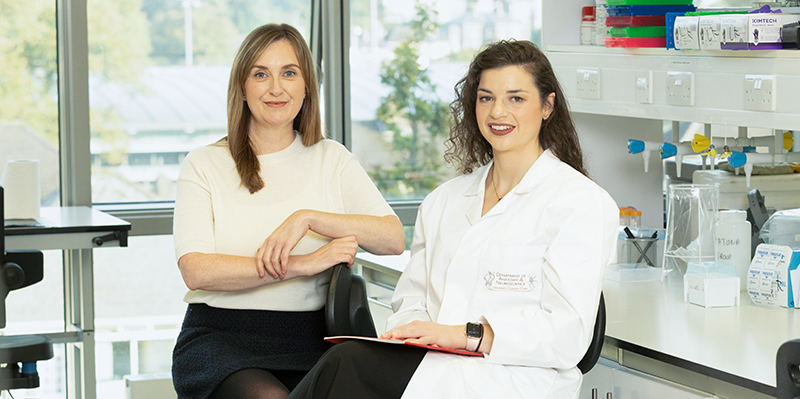
At the INFANT Research Centre in University College Cork, Dr Jane English is investigating whether biological signals present at birth could help change that timeline.

Her research focuses on identifying early-life biomarkers that may one day support earlier identification of autism, particularly those who could benefit from additional monitoring and support.

The aim is not to diagnose autism at birth, but to build the scientific foundation for earlier screening. If successful, this work could help reduce delays in identification and ensure more children, especially girls, receive support earlier in life.

“The overarching goal is to facilitate early intervention in children with autism.” English explains. “At the moment, diagnosis is complex, and quite often children are not diagnosed until the ages of four or five, and in some cases, much later”.


A system under pressure

In Ireland, autism diagnosis typically involves a multidisciplinary team assessment. While comprehensive, the system is under significant strain.

“There are thousands of families on waiting lists for a first-time autism assessment, with waiting times exceeding two years,” English says. “It is extremely challenging for families.”

Early intervention services such as speech and language therapy, occupational therapy and structured parent support can significantly improve a child’s development and quality of life.

However, timing is only part of the challenge. Gender also plays a role in when and how autism is recognised.


Why girls with autism are often missed

“We tend to catch boys earlier than girls,” English says. “The diagnostic criteria were largely designed around male-dominated profiles, and some females with autism do not fit this pattern.”

While boys may show more outward behaviours that are easier to recognise, girls are more likely to internalise their difficulties. They may appear shy or anxious while masking social discomfort and sensory challenges. As a result, their needs often go unnoticed, or they are misdiagnosed with anxiety or depression.

Recent research suggest that Autism is just as common in girls as in boys, yet boys are up to four times more likely to be diagnosed in childhood.

“The girls are there, but the system is just failing to see them” says English. “Delaying a diagnosis does not mean she is ‘fine’.  It means she misses crucial support.”

This gap also affects research. Studies have historically focused more on males, limiting understanding of how autism presents biologically in females. Expanding female-focused research is therefore central to improving identification and support.


Investigating early-life biology

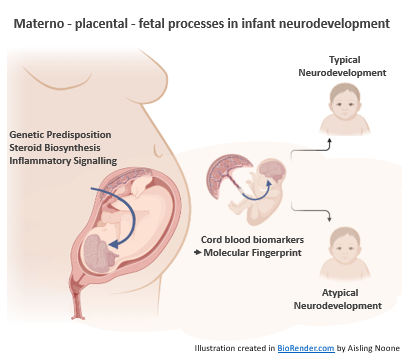
We know autism begins in the womb. That is why Dr English’s research focuses on the prenatal environment and the interaction between mother, placenta, and fetus.

Her team studies maternal cord blood collected immediately after delivery to identify molecular patterns linked to later autism diagnosis.

“We are looking for a molecular signature, like a fingerprint, in cord blood at birth,” explains Aisling Noone, a final year PhD student in the Department of Anatomy & Neuroscience.

Using large bio-banked pregnancy cohorts, researchers compare samples from children who later received an autism diagnosis and compare them with neurotypical children. This allows them to identify biological pathways associated with neurodevelopment.

This work is still in the discovery and validation phase.

“This type of research takes time,” English says. “The priority is to understand the biology properly and to replicate findings across populations.”

The team is particularly interested in inflammation and steroid biology during pregnancy. These factors alone cannot predict autism, but alongside genetic susceptibility they may offer important clues about how early development shapes later outcomes.

Understanding complexity

Autism is influenced by a complex interplay of genetic, biological and environmental factors. Rather than focusing on single markers, English’s team integrates multiple layers of information to help predict outcome.

This includes biomarker data alongside maternal clinical information such as mental health, stress, pregnancy complications, infection, and infant birth weight. Machine learning models are then used to explore how these factors interact.

“Instead of stripping away complexity, we incorporate it,” she says. “If something is going to be useful in practice, it has to work in the real world.”

This approach represents a shift towards understanding networks of risk and resilience, rather than searching for a single defining cause.


From discovery to responsible translation

The long-term ambition is not to provide a definitive diagnosis at birth. English is careful to draw that distinction.

“If the evidence supports it, this could one day contribute to a voluntary approach that helps families understand their child’s needs earlier.” English says.

In principle, such a system might resemble existing newborn screening frameworks, where parents opt in and receive information that supports monitoring and follow-up. Any future screening pathway would require extensive validation, ethical evaluation and close collaboration with clinicians and families.

For now, the work remains focused on strengthening the scientific evidence.


Looking ahead

Translating biomarker research into screening tools will take time, larger datasets, and continued collaboration across research and clinical communities. Expanding female-focused studies will also be essential so future approaches reflect the full diversity of how autism presents.

Much remains to be understood about how early biological signals relate to later neurodevelopment. But by investigating the earliest stages of life, this research is helping to build a stronger foundation for earlier identification.

Over time, these advances could help ensure that fewer children wait years for answers, and that girls who are currently overlooked are recognised earlier and supported sooner.


Acknowledgements:

This research was supported by the Irish Health Research Board (HRB) through an award to Dr Jane English.

For those interested in following this research or supporting future work in this area, please contact Merrin Browne, Research Engagement and Partnerships Manager, at merrinbrowne@ucc.ie or help support future research here.


Parents’ voices helping shape cerebral palsy research

By |2026-03-24T15:45:54+00:00March 24th, 2026|

Parents’ voices helping shape cerebral palsy research


Research is strongest when it reflects the realities of the people it aims to support.

At the INFANT Research Centre at University College Cork (UCC), parents are helping shape cerebral palsy research through the Cerebral Palsy Parent Advisory Group (CP-PAG). The group is part of the wider ELEVATE research programme and the National Cerebral Palsy Programme, which aim to improve early diagnosis, care pathways and long-term outcomes for children with cerebral palsy in Ireland.

The advisory group brings together parents who share their lived experience to help guide research aimed at improving care, support and outcomes for children with cerebral palsy.

For Cerebral Palsy Awareness Day (25 March), INFANT is highlighting the role parents play in ensuring research reflects the priorities and everyday experiences of families.

Parents involved in the group say their perspectives help researchers better understand what life with cerebral palsy looks like beyond clinical settings.

“We are living the reality every day,” says Kirsty, whose four-year-old son Andre has spastic quadriplegic cerebral palsy.

“We can offer perspective into things researchers might not realise are important but matter greatly to families.”


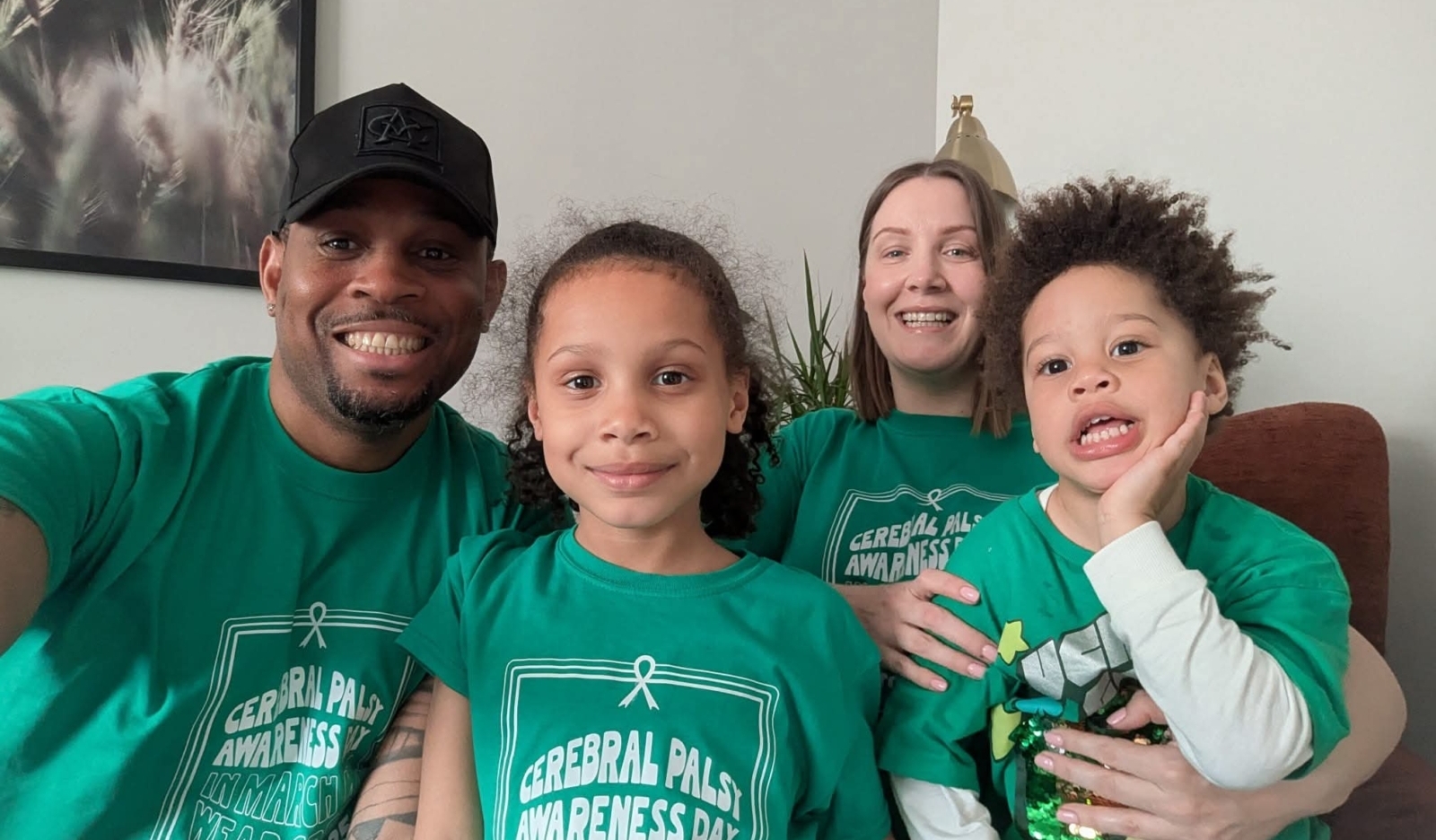
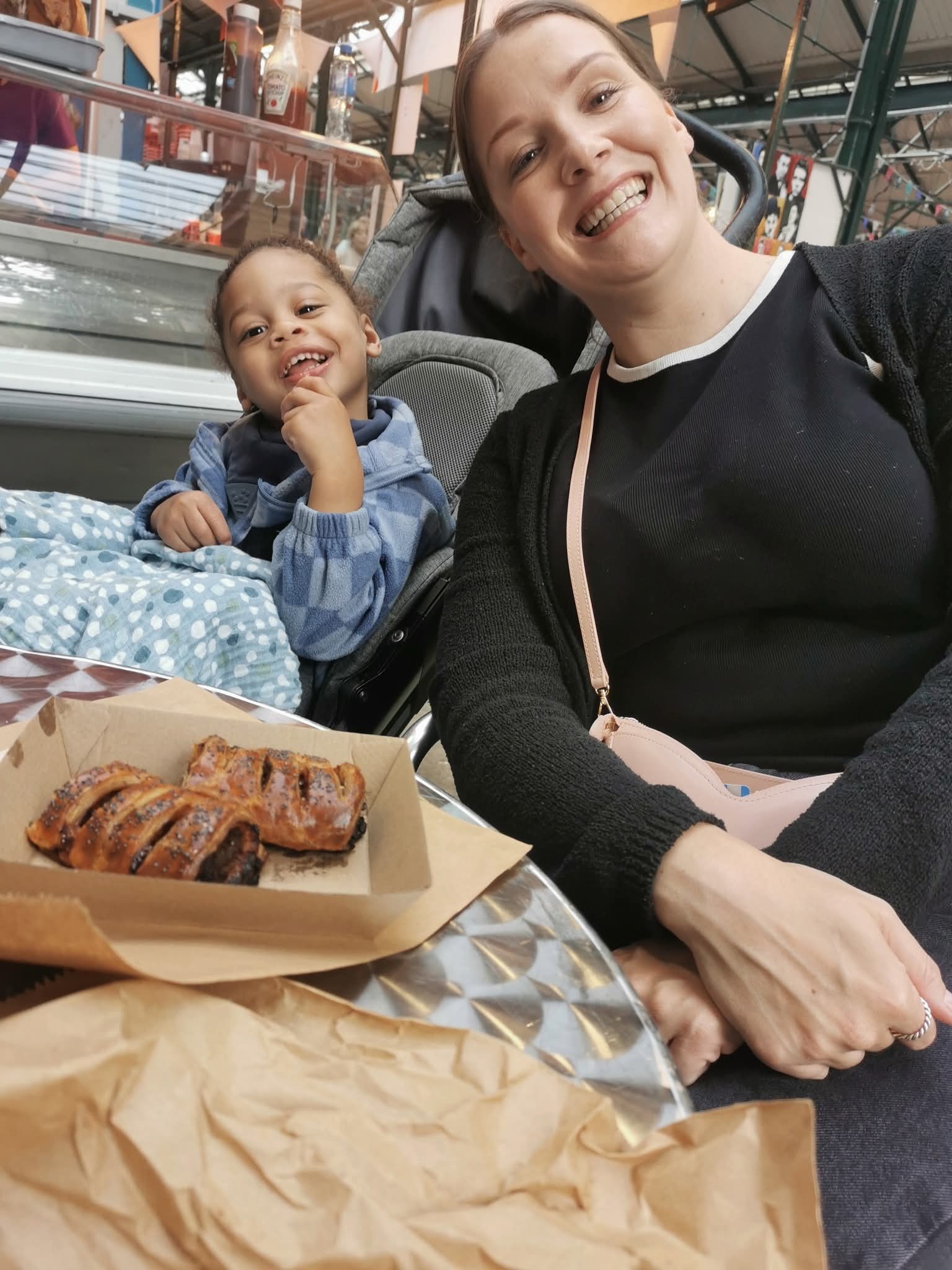
Pictured left, Kirsty Diaso with her husband, daughter, and son Andre, who has spastic quadriplegic cerebral palsy; pictured right, Kirsty and Andre.


Why lived experience matters in research

Cerebral palsy is a lifelong neurological condition that affects movement, posture and coordination. For many families, the journey after diagnosis involves navigating therapies, services and everyday challenges that are not always visible in clinical research.

Cristín, whose six-year-old son Alex was diagnosed shortly after his first birthday, says involving parents helps bring a human perspective to research.

“Involving parents transforms research from a clinical study into a human-centred one,” she explains.

“Parents bring lived experience that can help researchers understand what families are going through, especially during the emotional and uncertain time around diagnosis.”

Parents in the advisory group contribute in a number of ways, including helping shape research questions, reviewing study design and ensuring research priorities reflect what matters most to families. They have also contributed to over 20 research studies and helped develop national resources for families, making research more accessible and relevant to those living with cerebral palsy.


Understanding the realities families face

For many parents, everyday life highlights the barriers that still exist for children with disabilities.

Cristín says some challenges are small but persistent.

“Sometimes it’s things like trying to find adapted shoes that fit over orthotics or checking whether somewhere is accessible before we go out.”

Others highlight wider inequalities in systems designed without disabled children in mind.

She points to the contrast between her children’s school journeys.

“One child can walk ten minutes to school, while the other has to sit on a bus for over an hour to attend a special school that can meet their needs.”

Experiences like these help researchers understand the broader social and practical challenges families face every day.


Challenging assumptions about disability

Parents also hope greater awareness will help challenge assumptions about children with physical disabilities.

Cristín says one of the biggest challenges Alex faces is not always mobility.

“It’s the assumption that because he has a physical disability, he cannot understand what people are saying,” she says.

“I would love to see more people stop talking past Alex to me. Get down to his level and speak directly to him.”
For families, awareness is not only about understanding the condition itself, but also about recognising the abilities, personalities and voices of the children living with it.


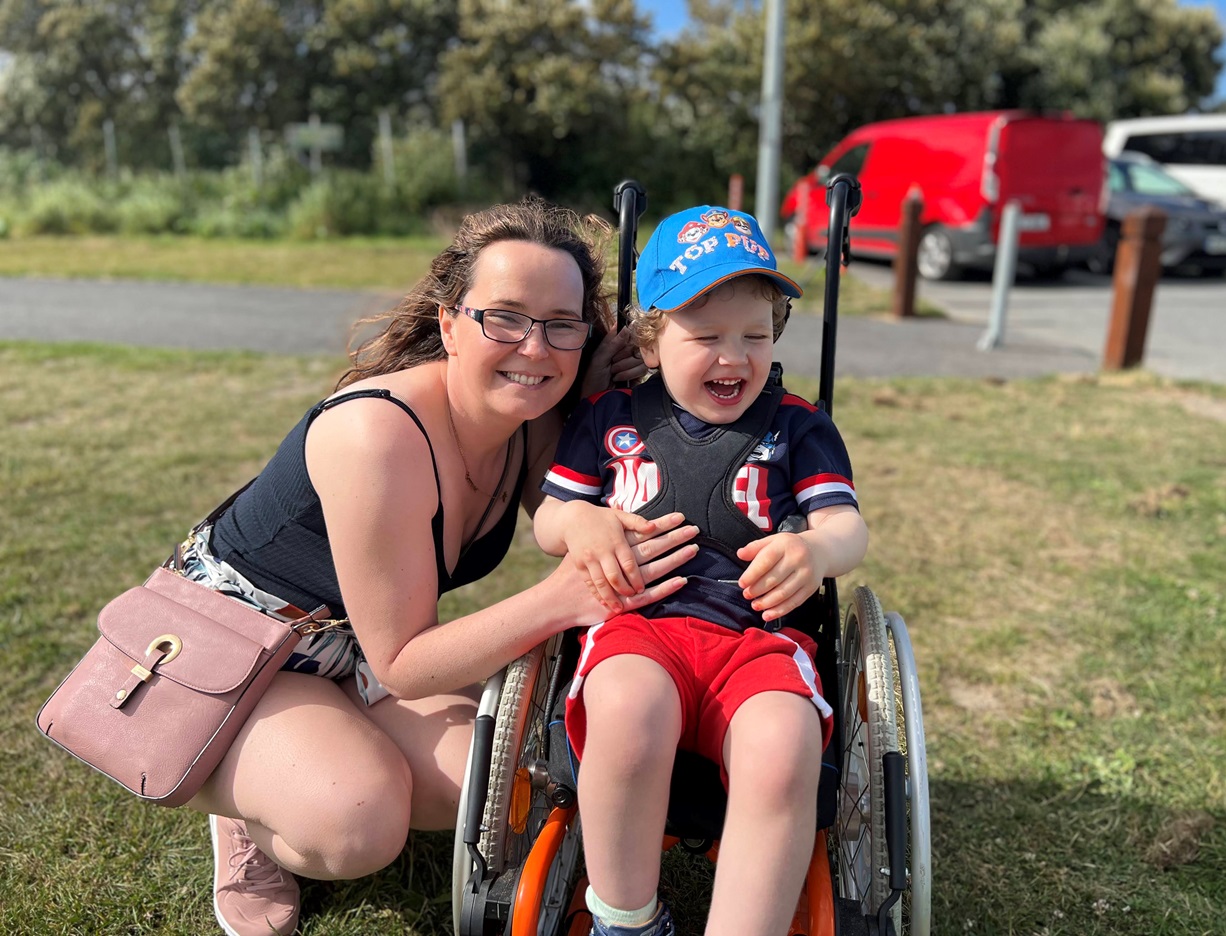
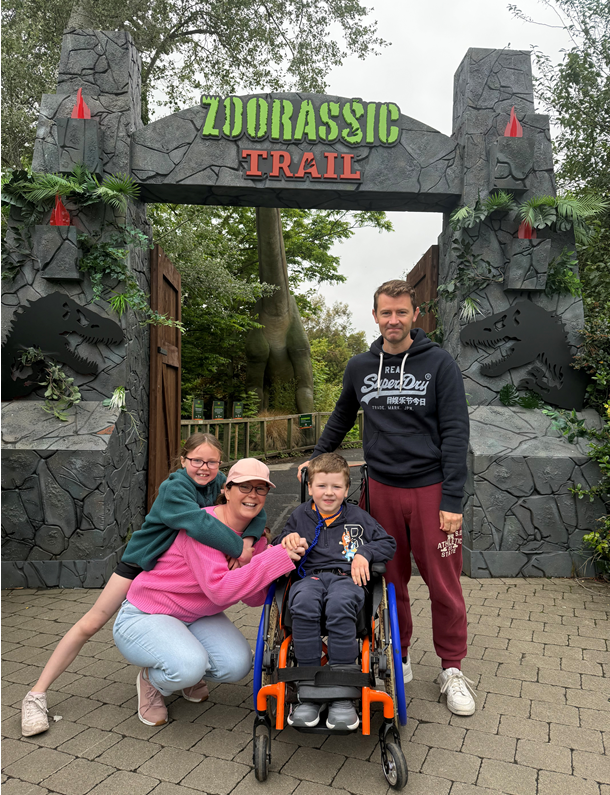
Pictured left: Cristin McCormack, and son Alex, who was diagnosed with cerebral palsy shortly after his first birthday; pictured right, the family enjoying a day out together.


From lived experience to better research

Since her son’s diagnosis, Kirsty has taken a strong interest in cerebral palsy research and how it can improve care and support for families.

She recently launched Cerebral Palsy Social (@cerebralpalsysocial), a support network for parents and caregivers of children with cerebral palsy.

For her, contributing to research is another way parents can help shape a better future.

“Cerebral palsy is not a curable condition,” she says. “But with the right therapies, supports and understanding, people with cerebral palsy can thrive and live full lives.”

She believes involving parents in research focuses on outcomes that truly matter to children and families. Embedding parent voices in research from the outset also means programmes like ELEVATE can drive real-world improvements in care, support and outcomes for children and families across Ireland.


Looking toward a more inclusive future

For parents like Kirsty and Cristín, Cerebral Palsy Awareness Day is an opportunity not only to raise awareness but also to build understanding.

“To me, CP Awareness Day is about bridging the gap between awareness of CP as a label and a true understanding of what a diagnosis means,” says Cristín.

“It’s an opportunity to celebrate our amazing children while also highlighting the challenges families face and working toward a future where every child with cerebral palsy grows up in an inclusive and supportive community.”

Through initiatives such as the Cerebral Palsy Parent Advisory Group, parent voices are helping ensure research reflects the realities of families and contributes to better care and support in the future.


Go to Top