The gender gap in autism: why we need to do better for girls

By |2026-04-02T09:25:18+01:00April 2nd, 2026|

The gender gap in autism: why we need to do better for girls
Autism diagnosis can be a long and complex process. For some children, assessment takes years. Girls in particular are often identified much later than boys, sometimes not until adolescence meaning they can miss years of support when it matters most.

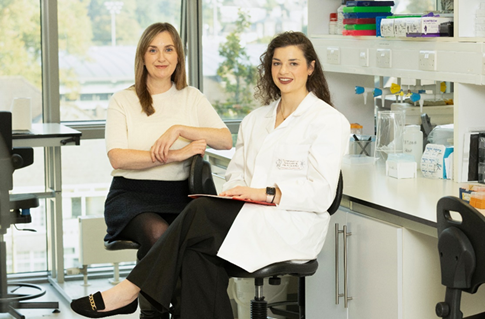
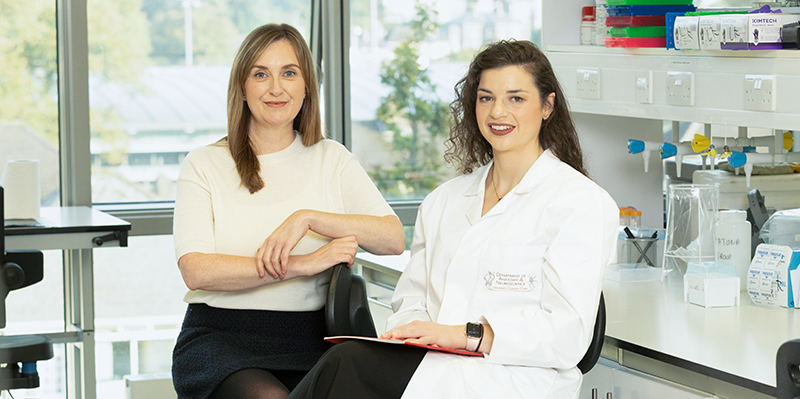
At the INFANT Research Centre in University College Cork, Dr Jane English is investigating whether biological signals present at birth could help change that timeline.

Her research focuses on identifying early-life biomarkers that may one day support earlier identification of autism, particularly those who could benefit from additional monitoring and support.

The aim is not to diagnose autism at birth, but to build the scientific foundation for earlier screening. If successful, this work could help reduce delays in identification and ensure more children, especially girls, receive support earlier in life.

“The overarching goal is to facilitate early intervention in children with autism.” English explains. “At the moment, diagnosis is complex, and quite often children are not diagnosed until the ages of four or five, and in some cases, much later”.


A system under pressure

In Ireland, autism diagnosis typically involves a multidisciplinary team assessment. While comprehensive, the system is under significant strain.

“There are thousands of families on waiting lists for a first-time autism assessment, with waiting times exceeding two years,” English says. “It is extremely challenging for families.”

Early intervention services such as speech and language therapy, occupational therapy and structured parent support can significantly improve a child’s development and quality of life.

However, timing is only part of the challenge. Gender also plays a role in when and how autism is recognised.


Why girls with autism are often missed

“We tend to catch boys earlier than girls,” English says. “The diagnostic criteria were largely designed around male-dominated profiles, and some females with autism do not fit this pattern.”

While boys may show more outward behaviours that are easier to recognise, girls are more likely to internalise their difficulties. They may appear shy or anxious while masking social discomfort and sensory challenges. As a result, their needs often go unnoticed, or they are misdiagnosed with anxiety or depression.

Recent research suggest that Autism is just as common in girls as in boys, yet boys are up to four times more likely to be diagnosed in childhood.

“The girls are there, but the system is just failing to see them” says English. “Delaying a diagnosis does not mean she is ‘fine’.  It means she misses crucial support.”

This gap also affects research. Studies have historically focused more on males, limiting understanding of how autism presents biologically in females. Expanding female-focused research is therefore central to improving identification and support.


Investigating early-life biology

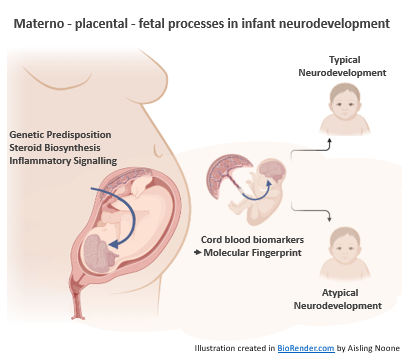
We know autism begins in the womb. That is why Dr English’s research focuses on the prenatal environment and the interaction between mother, placenta, and fetus.

Her team studies maternal cord blood collected immediately after delivery to identify molecular patterns linked to later autism diagnosis.

“We are looking for a molecular signature, like a fingerprint, in cord blood at birth,” explains Aisling Noone, a final year PhD student in the Department of Anatomy & Neuroscience.

Using large bio-banked pregnancy cohorts, researchers compare samples from children who later received an autism diagnosis and compare them with neurotypical children. This allows them to identify biological pathways associated with neurodevelopment.

This work is still in the discovery and validation phase.

“This type of research takes time,” English says. “The priority is to understand the biology properly and to replicate findings across populations.”

The team is particularly interested in inflammation and steroid biology during pregnancy. These factors alone cannot predict autism, but alongside genetic susceptibility they may offer important clues about how early development shapes later outcomes.
Understanding complexity

Autism is influenced by a complex interplay of genetic, biological and environmental factors. Rather than focusing on single markers, English’s team integrates multiple layers of information to help predict outcome.

This includes biomarker data alongside maternal clinical information such as mental health, stress, pregnancy complications, infection, and infant birth weight. Machine learning models are then used to explore how these factors interact.

“Instead of stripping away complexity, we incorporate it,” she says. “If something is going to be useful in practice, it has to work in the real world.”

This approach represents a shift towards understanding networks of risk and resilience, rather than searching for a single defining cause.


From discovery to responsible translation

The long-term ambition is not to provide a definitive diagnosis at birth. English is careful to draw that distinction.

“If the evidence supports it, this could one day contribute to a voluntary approach that helps families understand their child’s needs earlier.” English says.

In principle, such a system might resemble existing newborn screening frameworks, where parents opt in and receive information that supports monitoring and follow-up. Any future screening pathway would require extensive validation, ethical evaluation and close collaboration with clinicians and families.

For now, the work remains focused on strengthening the scientific evidence.


Looking ahead

Translating biomarker research into screening tools will take time, larger datasets, and continued collaboration across research and clinical communities. Expanding female-focused studies will also be essential so future approaches reflect the full diversity of how autism presents.

Much remains to be understood about how early biological signals relate to later neurodevelopment. But by investigating the earliest stages of life, this research is helping to build a stronger foundation for earlier identification.

Over time, these advances could help ensure that fewer children wait years for answers, and that girls who are currently overlooked are recognised earlier and supported sooner.


Acknowledgements:

This research was supported by the Irish Health Research Board (HRB) through an award to Dr Jane English.

For those interested in following this research or supporting future work in this area, please contact Merrin Browne, Research Engagement and Partnerships Manager, at merrinbrowne@ucc.ie or help support future research here.


Biomarkers to enable early treatment of newborn brain injury

By |2026-03-25T08:03:30+00:00March 24th, 2026|

Biomarkers to enable early treatment of newborn brain injury

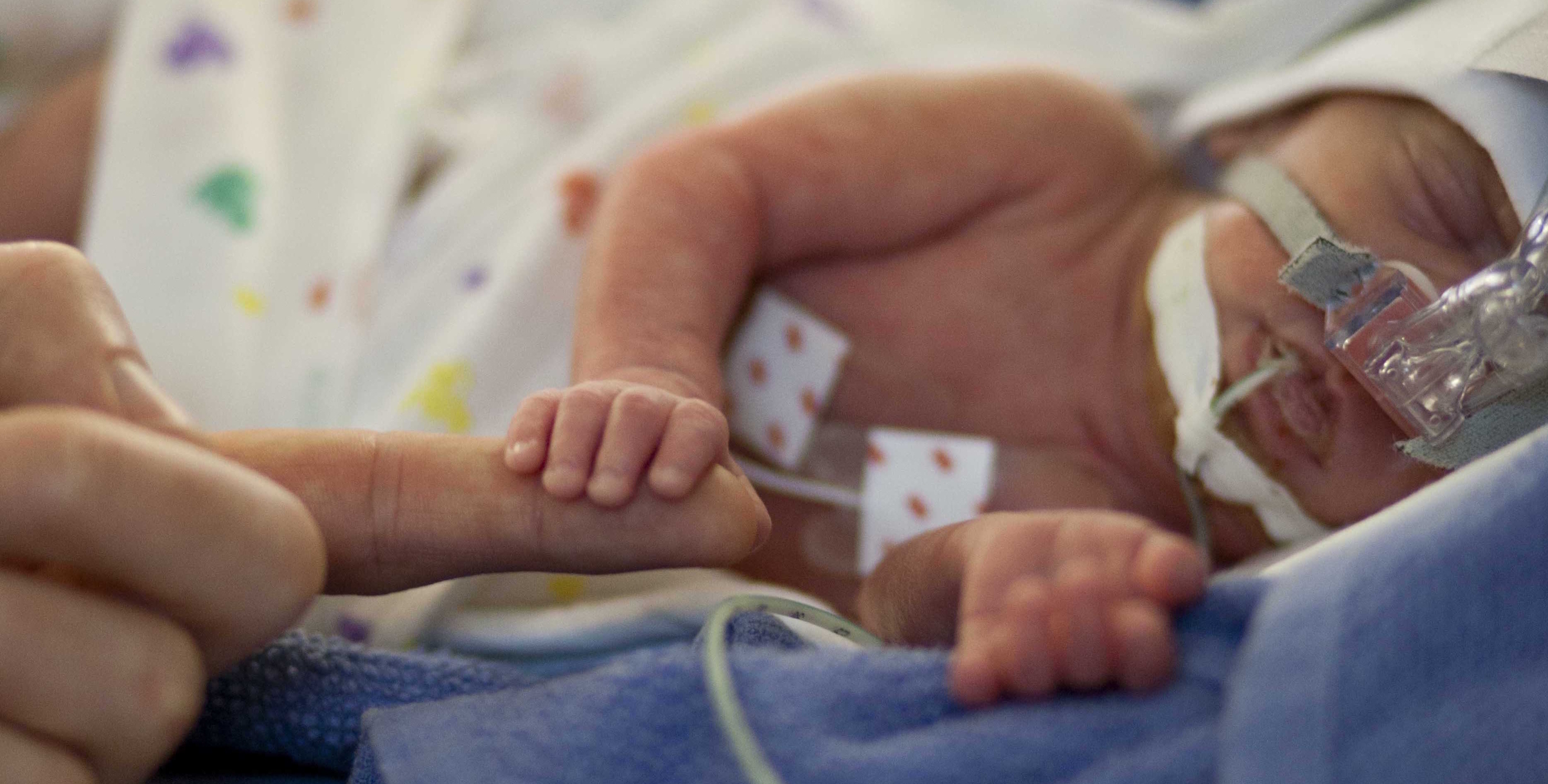
Lack of oxygen to the brain at birth affects almost 200 babies in Ireland each year and more than two million infants globally. This condition, known as hypoxic ischaemic encephalopathy (HIE), is a leading cause of newborn death and long-term neurological disability, including cerebral palsy.

Early diagnosis is critical, as treatments such as therapeutic hypothermia, or brain cooling as its often known, must be initiated within a narrow time window to reduce brain injury and improve outcomes. Yet identifying which babies will benefit from treatment remains a major clinical challenge.

Researchers at INFANT, working with collaborators at University College Cork and the Karolinska Institute in Sweden, identified and validated two blood-based biomarkers that can aid the early detection of birth-related brain injury. These biomarkers are microRNAs, small strands of genetic material found in umbilical cord blood, which were shown to be significantly reduced in newborns with HIE.

The research, led by INFANT Researcher, Professor Deirdre Murray, and involving umbilical cord blood samples from 170 newborn babies in Ireland and Sweden, demonstrated consistent biological patterns across populations, strengthening their potential clinical relevance.

As Professor Murray explains:

“Early diagnosis is critical in babies affected by hypoxic ischaemic encephalopathy. Our research shows consistent biological signals across different populations, which is a vital step towards identifying brain injury when treatment decisions matter most.”

By providing an early biological signal of injury, these biomarkers could support faster identification of infants who need urgent intervention and help guide transfer to specialist centres for brain cooling therapy.

INFANT Director Professor Geraldine Boylan highlights the broader significance of the work:

“This research demonstrates how sustained, collaborative effort can advance neonatal care. It reflects INFANT’s commitment to developing evidence that has real potential to improve outcomes for babies and families.”

Supported by funding from the Health Research Board and the National Children’s Research Centre, this research represents almost a decade of focused investigation into early brain injury. It is an important step towards improving diagnosis and care for newborns affected by HIE.


Predicting pre-eclampsia before it becomes dangerous

By |2026-03-25T08:04:00+00:00March 24th, 2026|

Predicting pre-eclampsia before it becomes dangerous

For many women, pre-eclampsia arrives without warning. What begins as a healthy pregnancy can suddenly become life-threatening, with serious consequences for both mother and baby. Despite affecting around 5% of first-time mothers, clinicians have had limited tools to predict who will develop the condition.

INFANT researchers aimed to change that uncertainty.

Using advanced metabolomic technologies, the team studied subtle changes in blood chemistry during pregnancy and identified a unique set of biomarkers linked to the later development of pre-eclampsia. These biomarkers make it possible to identify women at risk before clinical symptoms appear.

Early prediction changes everything. Women identified as high-risk can be monitored more closely, receive preventative treatments, and make informed decisions alongside their healthcare team. For clinicians, it enables targeted care rather than reactive treatment. For families, it offers something previously unavailable: time.

By shifting pre-eclampsia care from crisis response to early prevention, this research has the potential to save lives and reduce long-term complications for mothers and babies alike.


From research to real-time care: the ANSeR study

By |2026-03-25T10:54:51+00:00March 24th, 2026|

From research to real-time care: the ANSeR study

Babies admitted to neonatal intensive care due to complications during pregnancy are at high risk of brain injury and seizures, which can have lifelong consequences if not detected and treated early. Yet newborn seizures are notoriously difficult to identify, often showing no visible signs.

The ANSeR (Automated Neonatal Seizure Recognition) study was established to address this challenge. Led by Professor Gene Dempsey and Professor Geraldine Boylan and developed in collaboration with engineers at the INFANT Centre at University College Cork, the study focused on combining neonatal medicine, brain monitoring, and advanced algorithms to improve seizure detection.

Electroencephalogram (EEG) monitoring records a baby’s brain activity but interpreting these complex signals requires specialist expertise. This expertise however is not always available in neonatal units, particularly outside normal working hours. ANSeR was designed to act as an “EEG expert at the cot side”, available 24 hours a day.

Using algorithms trained to recognise seizure patterns, ANSeR continuously analyses brain activity and alerts clinical teams when seizures are detected. This enables faster intervention, more timely treatment, and better protection for the developing brain.

The ANSeR study demonstrates how interdisciplinary research at INFANT – bringing together clinicians, engineers, and data scientists – can translate directly into tools that improve care for vulnerable newborns and support clinical decision-making when it matters most.


Parents’ voices helping shape cerebral palsy research

By |2026-03-24T15:45:54+00:00March 24th, 2026|

Parents’ voices helping shape cerebral palsy research


Research is strongest when it reflects the realities of the people it aims to support.

At the INFANT Research Centre at University College Cork (UCC), parents are helping shape cerebral palsy research through the Cerebral Palsy Parent Advisory Group (CP-PAG). The group is part of the wider ELEVATE research programme and the National Cerebral Palsy Programme, which aim to improve early diagnosis, care pathways and long-term outcomes for children with cerebral palsy in Ireland.

The advisory group brings together parents who share their lived experience to help guide research aimed at improving care, support and outcomes for children with cerebral palsy.

For Cerebral Palsy Awareness Day (25 March), INFANT is highlighting the role parents play in ensuring research reflects the priorities and everyday experiences of families.

Parents involved in the group say their perspectives help researchers better understand what life with cerebral palsy looks like beyond clinical settings.

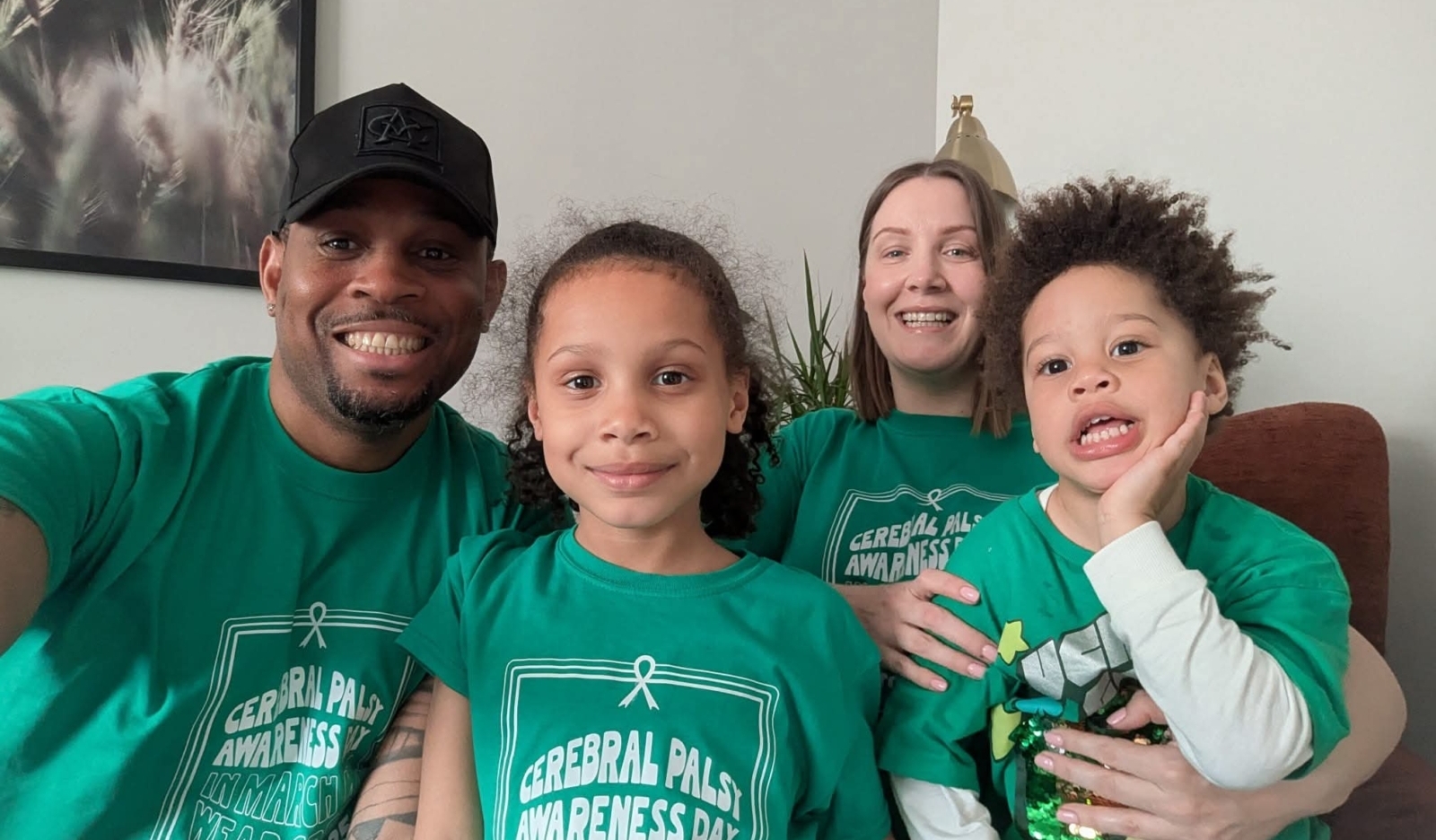
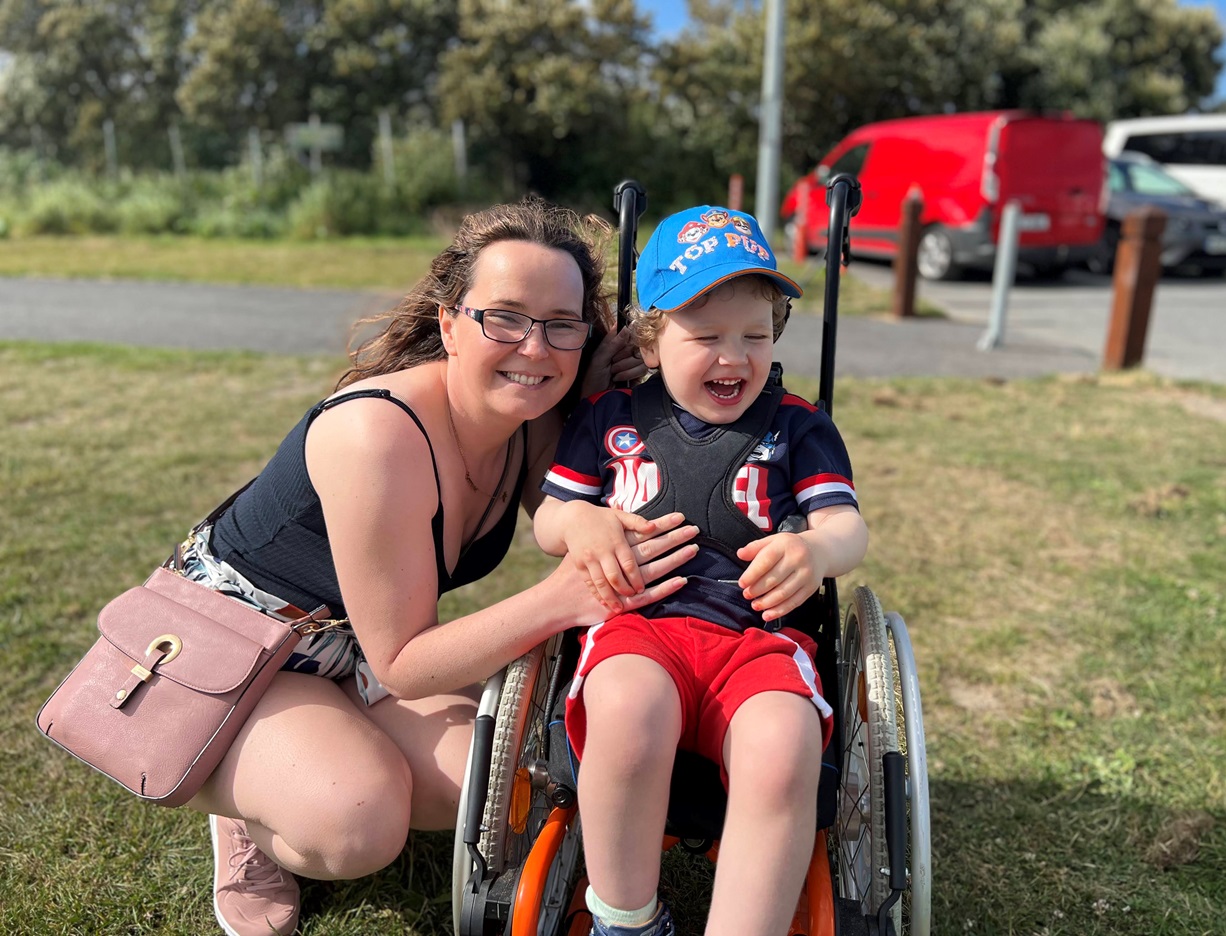
“We are living the reality every day,” says Kirsty, whose four-year-old son Andre has spastic quadriplegic cerebral palsy.

“We can offer perspective into things researchers might not realise are important but matter greatly to families.”


Pictured left, Kirsty Diaso with her husband, daughter, and son Andre, who has spastic quadriplegic cerebral palsy; pictured right, Kirsty and Andre.


Why lived experience matters in research

Cerebral palsy is a lifelong neurological condition that affects movement, posture and coordination. For many families, the journey after diagnosis involves navigating therapies, services and everyday challenges that are not always visible in clinical research.

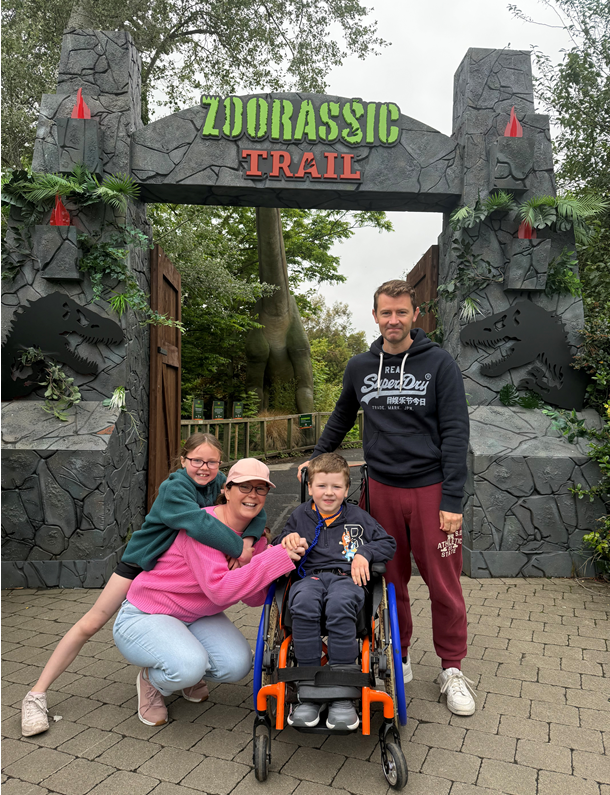
Cristín, whose six-year-old son Alex was diagnosed shortly after his first birthday, says involving parents helps bring a human perspective to research.

“Involving parents transforms research from a clinical study into a human-centred one,” she explains.

“Parents bring lived experience that can help researchers understand what families are going through, especially during the emotional and uncertain time around diagnosis.”

Parents in the advisory group contribute in a number of ways, including helping shape research questions, reviewing study design and ensuring research priorities reflect what matters most to families. They have also contributed to over 20 research studies and helped develop national resources for families, making research more accessible and relevant to those living with cerebral palsy.


Understanding the realities families face

For many parents, everyday life highlights the barriers that still exist for children with disabilities.

Cristín says some challenges are small but persistent.

“Sometimes it’s things like trying to find adapted shoes that fit over orthotics or checking whether somewhere is accessible before we go out.”

Others highlight wider inequalities in systems designed without disabled children in mind.

She points to the contrast between her children’s school journeys.

“One child can walk ten minutes to school, while the other has to sit on a bus for over an hour to attend a special school that can meet their needs.”

Experiences like these help researchers understand the broader social and practical challenges families face every day.


Challenging assumptions about disability

Parents also hope greater awareness will help challenge assumptions about children with physical disabilities.

Cristín says one of the biggest challenges Alex faces is not always mobility.

“It’s the assumption that because he has a physical disability, he cannot understand what people are saying,” she says.

“I would love to see more people stop talking past Alex to me. Get down to his level and speak directly to him.”
For families, awareness is not only about understanding the condition itself, but also about recognising the abilities, personalities and voices of the children living with it.


Pictured left: Cristin McCormack, and son Alex, who was diagnosed with cerebral palsy shortly after his first birthday; pictured right, the family enjoying a day out together.


From lived experience to better research

Since her son’s diagnosis, Kirsty has taken a strong interest in cerebral palsy research and how it can improve care and support for families.

She recently launched Cerebral Palsy Social (@cerebralpalsysocial), a support network for parents and caregivers of children with cerebral palsy.

For her, contributing to research is another way parents can help shape a better future.

“Cerebral palsy is not a curable condition,” she says. “But with the right therapies, supports and understanding, people with cerebral palsy can thrive and live full lives.”

She believes involving parents in research focuses on outcomes that truly matter to children and families. Embedding parent voices in research from the outset also means programmes like ELEVATE can drive real-world improvements in care, support and outcomes for children and families across Ireland.


Looking toward a more inclusive future

For parents like Kirsty and Cristín, Cerebral Palsy Awareness Day is an opportunity not only to raise awareness but also to build understanding.

“To me, CP Awareness Day is about bridging the gap between awareness of CP as a label and a true understanding of what a diagnosis means,” says Cristín.

“It’s an opportunity to celebrate our amazing children while also highlighting the challenges families face and working toward a future where every child with cerebral palsy grows up in an inclusive and supportive community.”

Through initiatives such as the Cerebral Palsy Parent Advisory Group, parent voices are helping ensure research reflects the realities of families and contributes to better care and support in the future.


INFANT, UCC Researcher Amongst New Fulbright Awardees

By |2025-08-06T08:55:18+01:00July 25th, 2025|

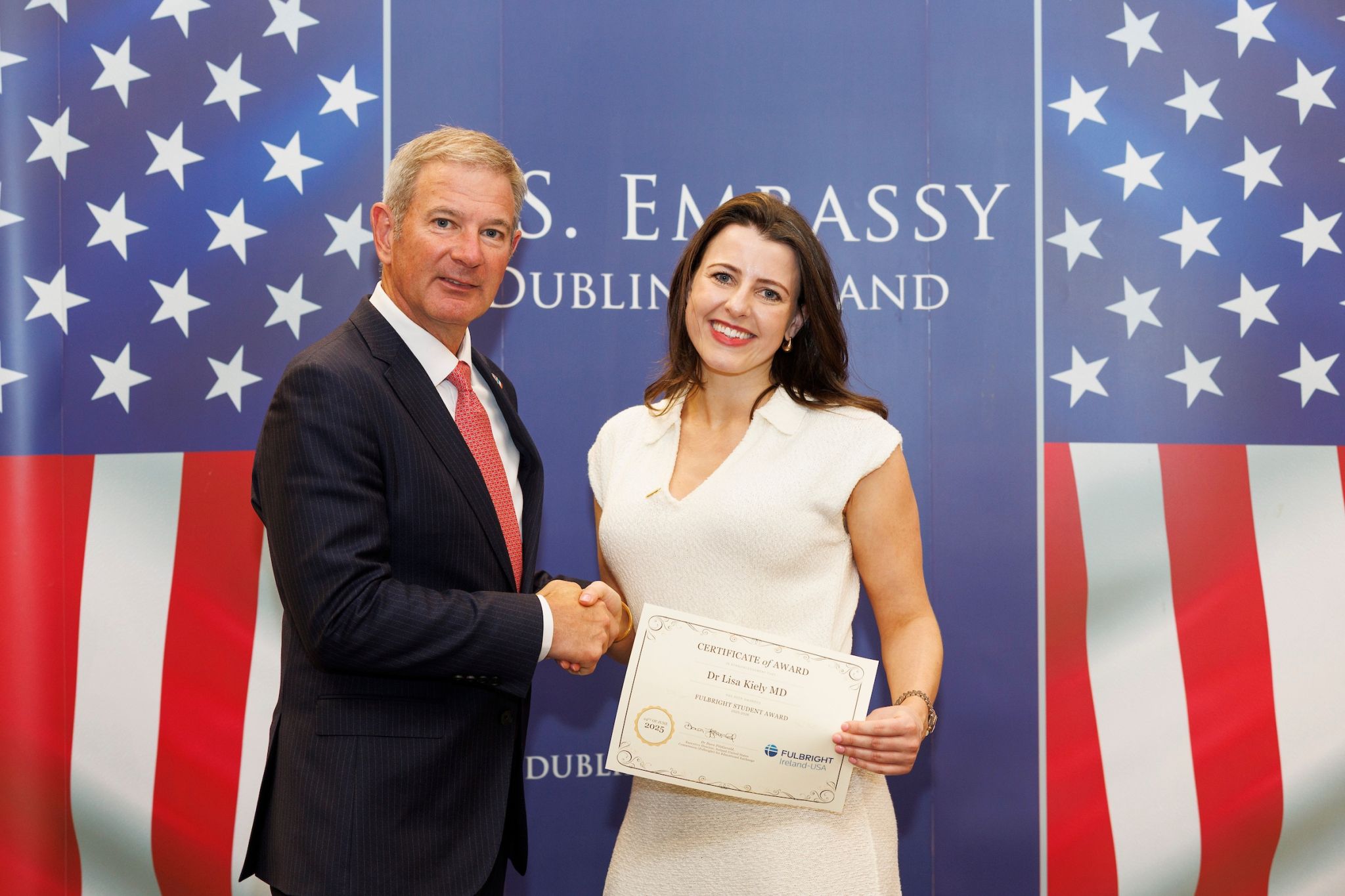
Friday, 25th July, 2025: The Department of Foreign Affairs and Trade, Department of Rural and Community Development and the Gaeltacht, and the Embassy of the United States of America in Dublin are pleased to announce 18 Fulbright Irish Awardees for 2025-2026. Recipients were presented with Awards at a ceremony in the U.S. Embassy last night.

Founded in 1946, the Fulbright bilateral exchange programme has served to strengthen international relations by facilitating academic and cultural exchanges globally for over 79 years. The Fulbright Program in Ireland has awarded grants to more than 2,500 Irish and American citizens since 1957, contributing to enduring Ireland-U.S. relations and a global culture of understanding.

Fulbright alumni include 44 current or former heads of state, 62 Nobel Laureates, 90 Pulitzer Prize-winners, and 82 MacArthur Foundation Fellows. Each year, talented and remarkable candidates from across Ireland are selected to research, study and teach with leading experts at top institutions across the U.S. in disciplines ranging from business, law, health and technology to culture, heritage, the arts, and the Irish language.

From August 2025 to August 2026, Fulbright Irish Scholars, Students and Professionals will attend institutions ranging from the University of Texas Southwestern Medical Center, Georgia Institute of Technology, and the University of Kansas to the School of the Art Institute of Chicago, the Maxine Greene Institute, and the University of Colorado Boulder. Awardees will research, innovate and collaborate across a diverse range of fields including multimedia arts, philosophy, medicine, agriculture, education, art history, AI technology in medicine, AI technology in education, visual arts, and health.

Fulbright Foreign Language Teaching Assistants (FLTAs) will teach the Irish language and attend Irish language Immersion weekends at the University of Wisconsin-Milwaukee, College of Our Lady of the Elms, University of Montana, and the University of Notre Dame.

Awardees serve as cultural ambassadors during their time in the U.S. and share their knowledge, ideas and experience upon their return, creating lasting impacts for society. Fulbright awardees, inspired by the mission, ethos and legacy of the Fulbright Program of creating a global culture of mutual understanding, continue the important work of strengthening ties between the U.S. and Ireland and advancing much needed empathy in today’s increasingly divided world.

The Fulbright Irish Awards will open on 28th August 2025. Interested candidates should visit www.fulbright.ie for more information.

Speaking at the awards ceremony, U.S. Ambassador to Ireland, Edward S. Walsh, said…

“The Fulbright Program plays a crucial role in strengthening ties between the United States and Ireland. Through educational and cultural exchanges, Fulbright awardees work toward fostering mutual understanding and finding solutions to global issues, ensuring that our extraordinary transatlantic relationship continues to flourish. I congratulate this year’s awardees on their success.”

Tánaiste, Minister for Foreign Affairs and Trade, and Minister for Defence, Simon Harris T.D., said…

“I warmly congratulate the Fulbright Irish Awardees for 2025-2026. The Fulbright Program – spanning 14 presidential administrations – has been an important initiative in sustaining the unique and special relationship that Ireland and the United States share. At the dawn of the age of artificial intelligence, there is still no substitution for the personal engagement, which sustains our deep and rich people-to-people connections. As such, Fulbright Awardees serve as cultural ambassadors for Ireland in the United States, sharing their knowledge, expertise and learnings upon return. I am proud that my Government has supported Fulbright to maintain and strengthen ties between the U.S. and Ireland and build on our transatlantic academic and cultural connections.  I want to wish the Fulbright Irish Awardees 2025-2026 every success as they embark on this exciting journey.”

Speaking at the awards ceremony, Chair of the Fulbright Commission Ireland Board, Professor Paul Donnelly, said…

“On behalf of the Fulbright Commission Ireland Board, I am delighted to congratulate the 18 Fulbright Irish Awardees on their success. At a time of global change and uncertainty, the mission, values and legacy of the Fulbright Program of leadership, empathy, understanding, and collaboration endure, embodied by a new cohort of excellent Fulbright awardees embarking on academic and cultural exchanges in the United States. We take pride in their achievement and wish the awardees a rich and rewarding experience.”

Speaking at the awards ceremony, Executive Director of the Fulbright Commission in Ireland, Dr Dara FitzGerald, said…

“As Executive Director of the Fulbright Commission in Ireland, it is gratifying to see a new cohort of thriving Fulbright Irish Awardees embark on Fulbright awards to the United States. Awardees join a growing global network of Fulbright alumni, friends and colleagues who have achieved accolades across all disciplines. While the Fulbright Program is synonymous with cutting edge research, innovation, teaching and academic excellence, it is equally known for its important role in strengthening international relations and fostering mutual understanding through cultural exchange. As Senator J. Fulbright said, ‘The Fulbright Program aims to bring a little more knowledge, a little more reason, and a little more compassion into world affairs.’

I would like to highlight the ongoing and sterling support of our partners, the Irish Government’s Department of Foreign Affairs and Trade and the Department of Rural and Community Development and the Gaeltacht, and the U.S. Department of State through the U.S. Embassy in Dublin.

We are deeply grateful to our Irish award sponsors and partners: Research Ireland, the Health Research Board, the Environmental Protection Agency, Geological Survey Ireland, National University of Ireland, Teagasc, the Creative Ireland Programme, the Heritage Council and notable U.S. Institutions such as the Exploratorium, the Smithsonian, the Harry Ransom Center, Florida Polytechnic University, the University of Southern California, the University of Notre Dame and the University of Pennsylvania Carey Law School; and Irish institutions such as University College Cork, Technological University of the Shannon, Technological University of Dublin, AMBER Research Centre, University College Dublin, Dublin City University, RCSI University of Medicine and Health Sciences, University of Galway, Maynooth University, University of Limerick and the Kemmy Business School, Atlantic Technological University, and the Dublin Institute of Advanced Studies.”

There is 1 Fulbright UCC Awardee this year – from INFANT Research Centre:

Dr Lisa Kiely MD is a Dermatology Specialist Registrar and an Irish Clinical Academic Training (ICAT) Fellow at the INFANT Research Centre, University College Cork. She holds an honours BSc in Physiology from the University of Galway, a postgraduate medical degree from the University of Limerick, and a Master’s in Clinical Education from Queen’s University Belfast. Currently pursuing a PhD, her research focuses on using advanced imaging techniques to improve detection and monitoring of disease activity in morphea, a rare inflammatory skin condition. Her work aims to improve how this condition is monitored and managed in clinical practice. As a Fulbright Irish Student Awardee, Lisa will travel to the University of Texas Southwestern Medical Center in Dallas, Texas, where she will collaborate with Professor Heidi Jacobe, a global leader in morphea research. Lisa is excited at the opportunity to foster long-term transatlantic collaboration in morphea research.

🌍 World Brain Day 2025 🧠

By |2025-07-24T12:31:27+01:00July 22nd, 2025|

Today, on World Brain Day, we’re proud to shine a light on the work we do at the INFANT Research Centre at University College Cork (UCC).

The theme for World Brain Day 2025 is “Brain Health for All Ages,” continuing global efforts to promote brain health as a lifelong priority.

The day aims to raise awareness about brain health and promote neurological research. Established by the World Federation of Neurology, World Brain Day highlights the importance of brain health and the ongoing need for research, education, and innovation to combat neurological disorders. It also serves as an inspiration for young minds to explore the complexities of the human brain and contribute to advancements in neuroscience.

The INFANT Research Centre is a hub of world-leading research and innovation, dedicated to improving outcomes during pregnancy, the newborn period, and early childhood.

A core focus of our research is the newborn brain, understanding it, protecting it, and ensuring the best possible start for every child.

We have achieved a number of milestones in Brain Health over the years and continue to do so, here are some of the highlights:

  • Developed innovative technologies to detect brain injuries in newborns.
  • Translated our innovative research into spin-out companies focusing on newborn brain health, including Cergenx and NeuroBell and continue to develop new technologies.
  • Collaborated on international studies, including the Baby BRAiN Project, which aimed to improve our understanding of newborn brain injury in Uganda and examined the impacts of events around the time of birth on both the baby’s brain and the child’s longer-term outcomes.

➡️ Read more: https://www.infantcentre.ie/2024/12/03/lancet-publication/

INFANT conducts a number of research projects prioritising newborn brain health, one particular project is called ELEVATE, a five-year research programme which is focused on the prevention, early detection, and treatment of brain injury and cerebral palsy in infants, particularly during the critical window of neuroplasticity (up to 2 years of age). INFANT is leading this programme in collaboration with Trinity College Dublin(TCD), Royal College of Surgeons in Ireland (RCSI), Ireland’s tertiary-level maternity hospitals. It’s funded under a Strategic Partnership Programme by Research Ireland and the Cerebral Palsy Foundation (CPF).

ELEVATE aims to establish Ireland as a world-leading hub for CP research and innovation.

Together, we are leveraging cutting-edge technologies and multidisciplinary collaboration to transform the landscape of CP research and care.

The goal: to improve outcomes and quality of life for children with CP, their families and carers in Ireland and globally.

➡️ Learn more about the programme: https://www.infantcentre.ie/research/elevate/

➡️ Read an Interview with Prof Deirdre Murray, the CPF Chair of Early Brain Injury and Cerebral Palsy: (10) Cerebral Palsy Foundation Chair in Early Brain Injury and Cerebral Palsy: Professor Deirdre Murray, One Year On – 6th Oct 2024 | LinkedIn

💡 Why It Matters

This World Brain Day, we recognise our incredible researchers, clinicians, and collaborators who are working every day to ensure every child has the best possible start in life.

Through science, innovation, and collaboration, we continue to advance the field of brain health, starting at the very beginning.

60% of Pregnant Women in Irish Study Show Signs of Iodine Deficiency, UCC Research Finds

By |2025-06-30T16:14:56+01:00June 30th, 2025|

  • 60% of pregnant women in a study group in Ireland show signs of iodine deficiency, according to new UCC research.
  • Iodine is essential for baby brain development, and requirements increase by 50% during pregnancy but can’t be produced by our bodies.
  • Even some women who reported taking pregnancy supplements were affected, indicating a potential opportunity to enhance awareness and adherence to existing recommendations for iodine during pregnancy.
  • Ireland does not have national iodine supplementation, salt iodisation or iodine food fortification policies, prompting calls for review.

A new study by researchers at University College Cork (UCC), Ireland found that 60% of pregnant women had suboptimal iodine status, highlighting a need for increased nutritional awareness to support maternal and child health.

Published recently in the European Journal of Nutrition, the IMPROvED study evaluated iodine levels in over 1,500 women who were pregnant with their first baby at Cork University Maternity Hospital. The research was led by Dr Áine Hennessy from the Irish Centre for Maternal and Child Health Research (INFANT) and the Cork Centre for Vitamin D & Nutrition Research at the School of Food and Nutritional Sciences.

Key Findings:

  • 60% of participants had insufficient iodine intake.
  • The average urinary iodine concentration (UIC) was 125µg/L, below the World Health Organisation (WHO) recommended level of 150µg/L for pregnancy.
  • Women who were younger, had a higher BMI, lower education levels, or were not taking iodine containing supplements were more likely to be deficient.
  • Seasonal variation played a role, with lower iodine levels during the summer months.
  • This study highlights the first large scale assessment of iodine status in pregnant women in Ireland.

Why This Matters

Iodine is essential for thyroid hormone production, which supports a baby’s brain development during pregnancy. A woman’s iodine requirement increases by 50% during pregnancy, making adequate intake from our diet essential. Our bodies cannot make iodine, so we must get it from our diet. Deficiency can lead to adverse outcomes, including impaired neurodevelopment in children.

“Iodine deficiency is one of the most common micronutrient deficiencies worldwide, there is little public awareness of the important role that iodine plays in brain development during pregnancy” said Dr Áine Hennessy, lead researcher.

“Our findings are particularly concerning as most women in the study were considered healthy and low risk and two thirds reported taking pregnancy supplements containing iodine. This suggests that additional public health measures may need to be addressed”

Public Health Implications

Ireland does not currently have a policy for salt iodisation or iodine food fortification. While National Clinical Practice Guidelines recommend prioritising iodine intake from foods, and supplement use where intake from food is not adequate, the level of awareness of the importance of iodine during pregnancy is low. This research reveals a need for policy review and nutrition education for women of childbearing age.

Dr Hennessy advises: “Women planning a pregnancy should ensure adequate iodine intake through diet – including two or more servings of milk or yoghurt daily and eating white fish once a week is recommended by the HSE. For those following vegan or predominantly plant-based diets, it’s important to choose iodine fortified alternatives. We do not recommend kelp or seaweed supplements, as they can contain very high levels of iodine that can cause issues for the thyroid”

This study was a secondary analysis of the IMPROvED Study, funded by a Science Foundation Ireland (Research Ireland) Starting Investigator Research Grant to lead investigator, Dr Áine Hennessy.

These findings serve as an important first step in informing and guiding public health nutrition policies.

ENDS.

Notes to the Editor:

  • The IMPROvED study recruited 1,509 women who were pregnant with their first baby at Cork University Maternity Hospital. The women answered health questionnaires and provided urine samples, which were later measured for urinary iodine concentration (UIC).
  • The findings from this study have been published in the European Journal of Nutrition
    DOI: https://doi.org/10.1007/s00394-025-03692-z

About INFANT Research Centre, UCC

  • The Irish Centre for Maternal and Child Health Research (INFANT), hosted at University College Cork, is the hub of world-leading research and innovation, working to provide better outcomes in pregnancy, birth and early childhood.

Four Awards for INFANT Team at UCC Research and Innovation Awards

By |2025-05-30T11:29:54+01:00May 30th, 2025|

We are very proud to announce four INFANT colleagues were recognised at the 2024 UCC Research and Innovation Awards.

UCC is an internationally competitive, research-led university that plays a key role in the development of Ireland’s knowledge-based economy and provides the insight and understanding of the challenges facing our society. The UCC Research and Innovation Awards embrace this excellence in research, innovation, and entrepreneurial activity, across the entire university research community, spanning all disciplines.

Researchers were awarded across twenty-two categories, five of which recognise specific achievements in entrepreneurship and innovation.

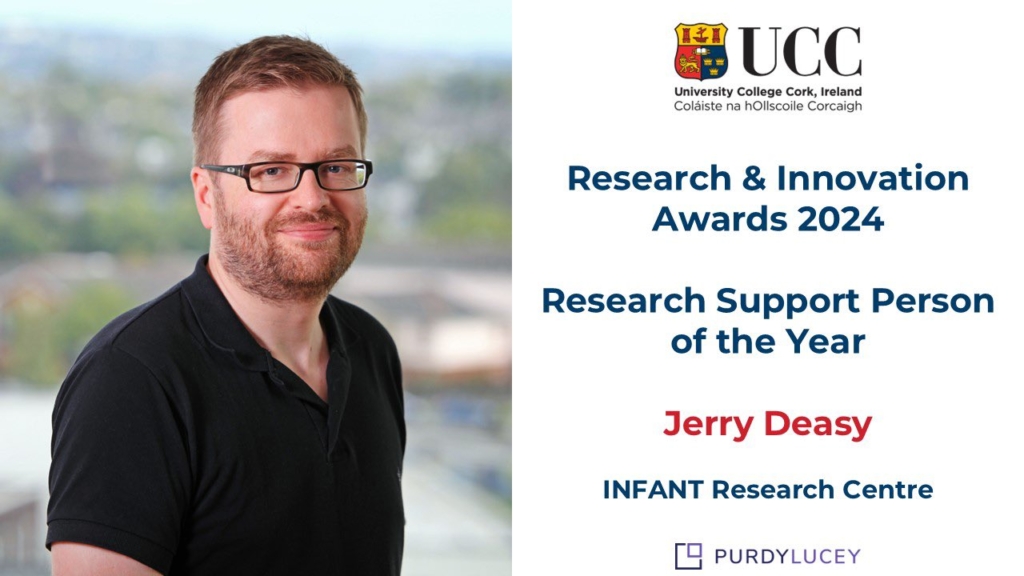
Jerry Deasy, INFANT’s Research Systems Manager was awarded with the Research Support Person of the Year.

Jerry’s unwavering commitment, technical expertise, and proactive approach have been pivotal in enabling researchers at INFANT to achieve groundbreaking advancements in maternal and child health research. His contributions are far-reaching, transforming the way we approach data systems, computing infrastructure, and international collaboration.

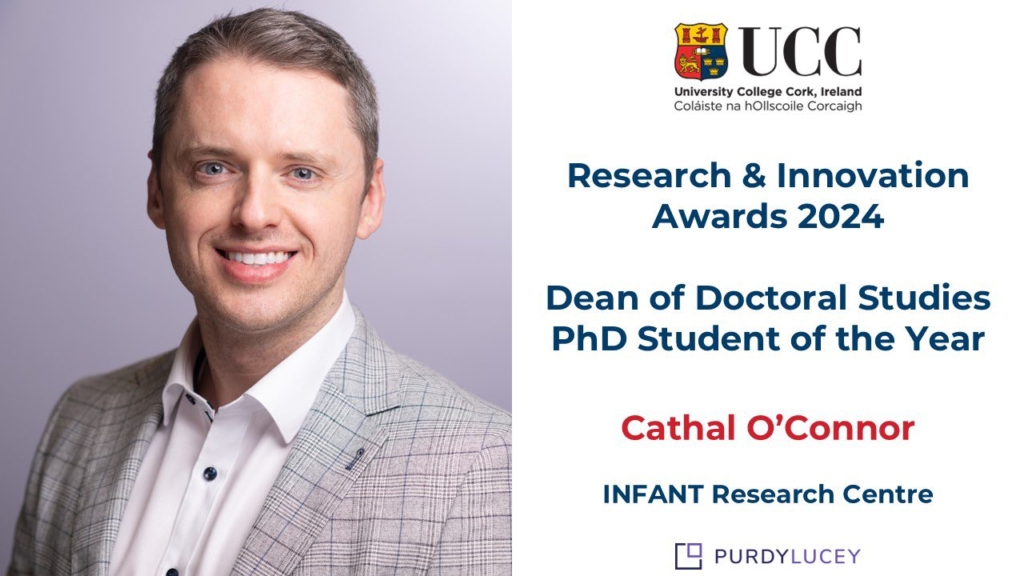
Dr Cathal O’Connor, INFANT PhD student was awarded Dean of Doctoral Studies PhD Student of the Year.

Cathal is a phenomenal PhD student and dual trained dermatologist and paediatrician with almost 100 peer-reviewed publications. His PhD study assesses sleep in early-onset atopic dermatitis by longitudinal evaluation study. In 2024 he ranked top in Europe and was voted a ‘Future Leader’ by both the European Society for Paediatric Dermatology and the European Society for Dermatological Research. In 2024 he received significant national and international recognition, and was awarded the William Stokes award, which recognises “research of the highest standards carried out by Trainees in Higher Specialist Training” for his PhD study, and he also won the Royal Academy of Medicines in Ireland award for best research in dermatology for research performed as part of his PhD in UCC.

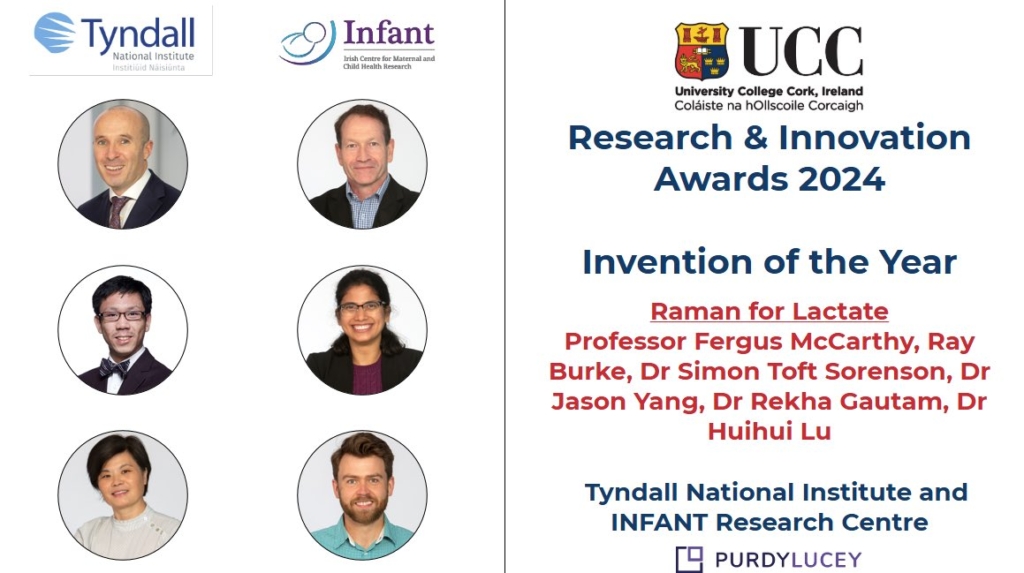
INFANT PI Prof Fergus McCarthy and pHetalSafe team’s “Raman for Lactate” was awarded Invention of the Year. 

The innovation lies in a non-invasive fetal monitoring device that uses Raman spectroscopy to measure fetal wellbeing from the fetal scalp during labor. The device measures the blood biomarker, lactate, to ascertain if the baby is hypoxic (lacking oxygen). The pHetalsafe device addresses the limitations of current fetal monitoring methods like the gold standard cardiotocography (CTG) which often leads to misinterpretation, and Fetal Blood Sampling (FBS) which uses an invasive blade for sampling and separate lab analysis.

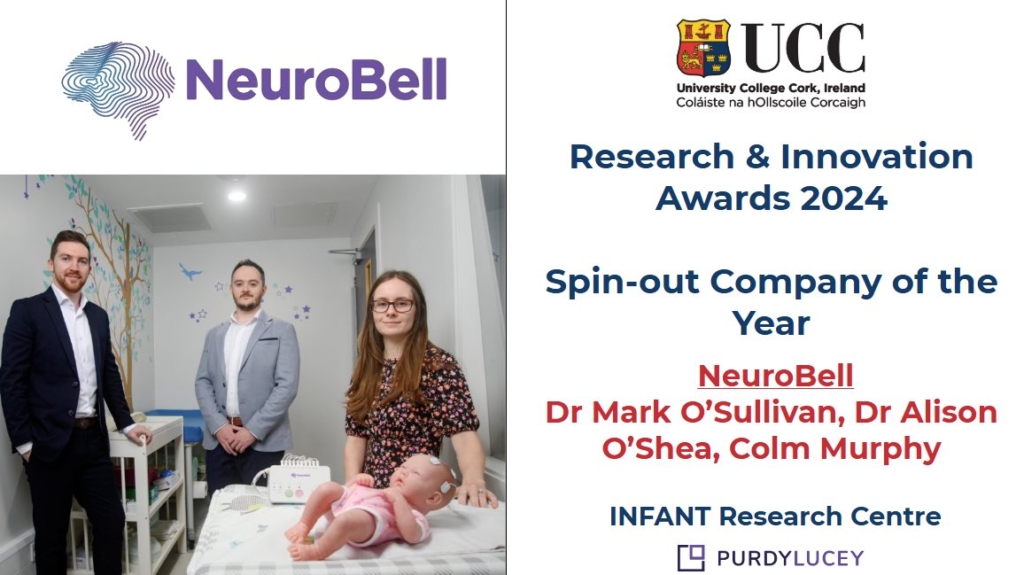
INFANT, UCC spin-out company NeuroBell was awarded Spin-out of the Year.

NeuroBell was founded by Dr. Mark O’Sullivan, Dr. Alison O’Shea, and Colm Murphy in 2023, Neurobell is a spin-out from UCC and the Irish Centre for Maternal and Child Health Research (INFANT). The company aims to revolutionise seizure detection in newborns in NICUs, crucial for early intervention in brain injury cases like epilepsy and cerebral palsy. Neurobell is developing the Neurobell Wave; a pocket-sized wireless neonatal brain EEG monitor that utilizes embedded edge-AI, enabling seamless and expert-free monitoring, enhancing care without the need for extensive training. In 2024, Neurobell secured a €2.1 million investment led by Furthr VC, Atlantic Bridge, and HBAN MedTech Syndicate, with additional support from Enterprise Ireland and private investors. This funding will advance the development of their AI-powered medical device for real-time seizure detection in newborns, create 12 new jobs, and facilitate clinical studies in the USA.

Professor John F. Cryan, UCC Vice President for Research and Innovation at UCC said: “We are delighted to celebrate the award recipients of this year’s UCC Research and Innovation Awards. Our awardees’ achievements reflect the exceptional research and innovation culture that exists across the UCC campus. The quality of nominations was outstanding and speaks to the creativity, commitment, and impact of our research and innovation community. These awards not only honour individual excellence but also highlight how UCC research and innovation continues to lead and inspire on both a national and international stage.”

The Awards are sponsored by PurdyLucey, one of Ireland’s top European Intellectual Property (IP) firms working across Irish, UK, European, US and international markets, and specialising in Life Science, Food Tech, Med Tech, High-Tech and Engineering projects.

Go to Top