INFANT showcases at the Cork Carnival of Science

By |2024-06-27T14:06:05+01:00June 26th, 2024|

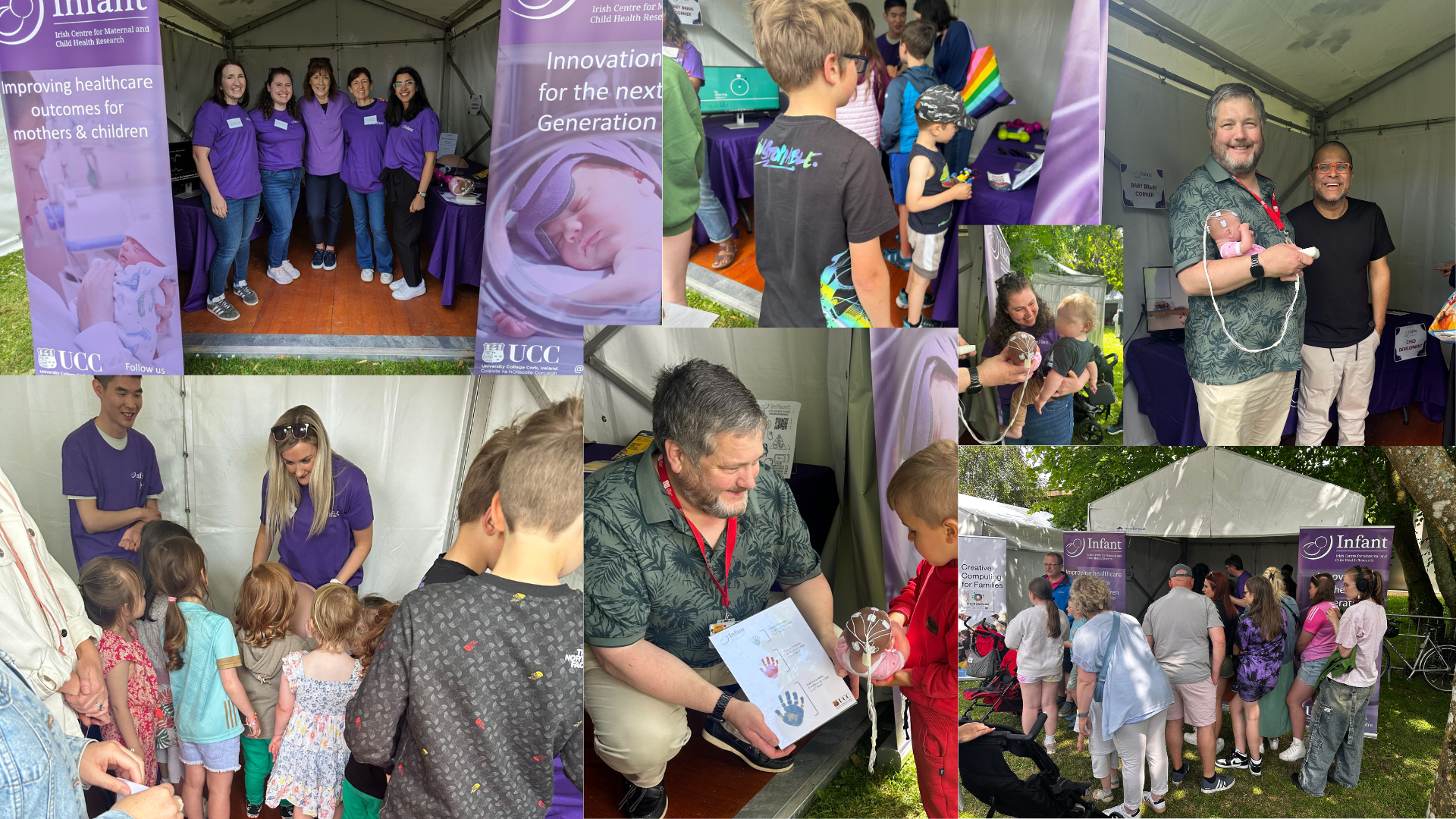
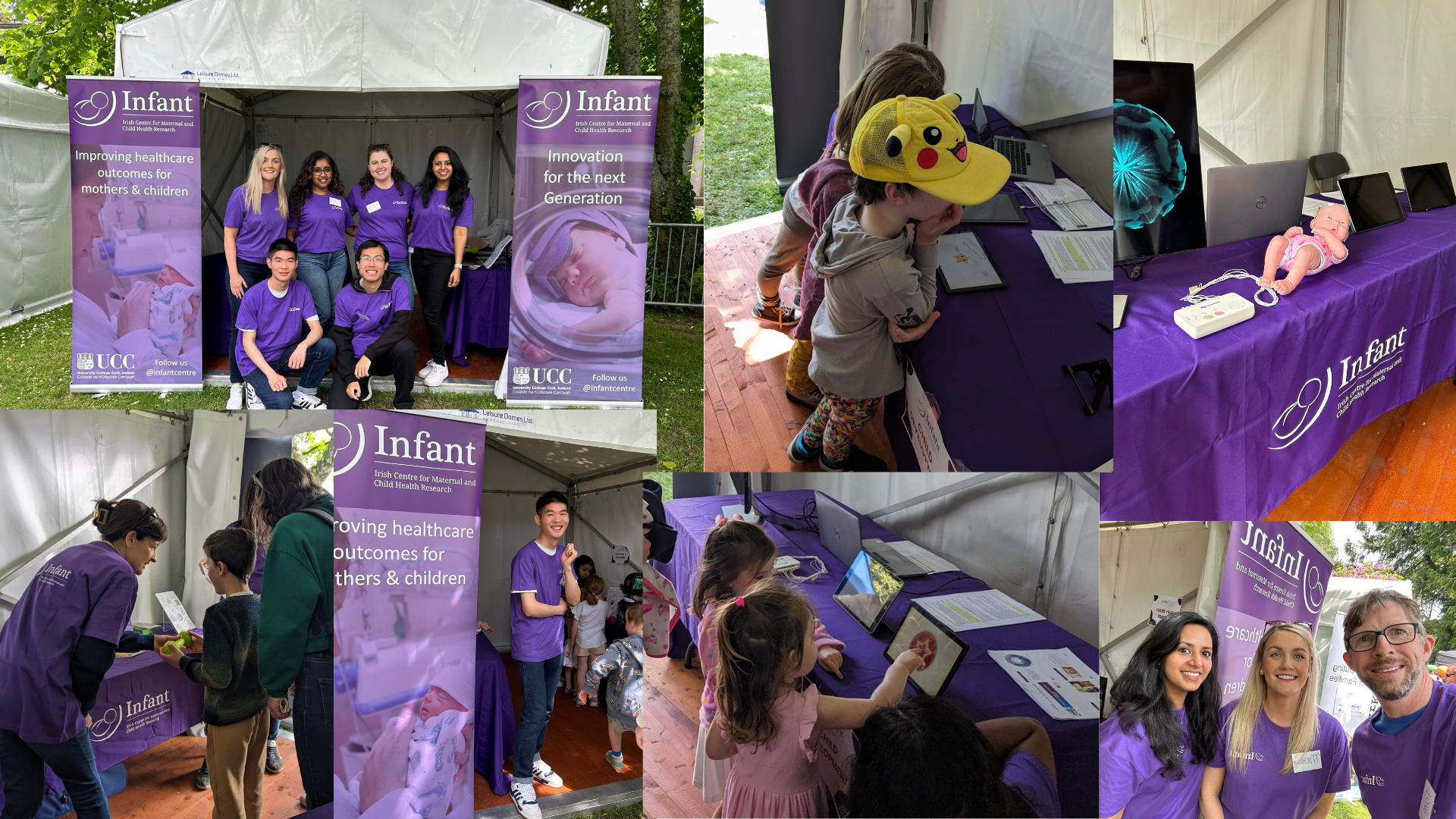
The INFANT team attended and showcased at the Cork Carnival of Science event in June at Fitzgerald’s Park.

This event is Ireland’s largest outdoor science engagement event and attracts over 25,000+ people each year and is filled with fun STEM activities, shows, workshops and is a fascinating weekend of discovery where families can unearth the magic of science in the great outdoors.

The team showcased all aspects of INFANT’s research in the “Exploration Avenue” which was buzzing with excitement and curiosity as we engaged with lots of children and families.

It was fantastic to have so many visit our stand, the support and enthusiasm really inspires us to continue pushing the boundaries of maternal and child health research.

💜
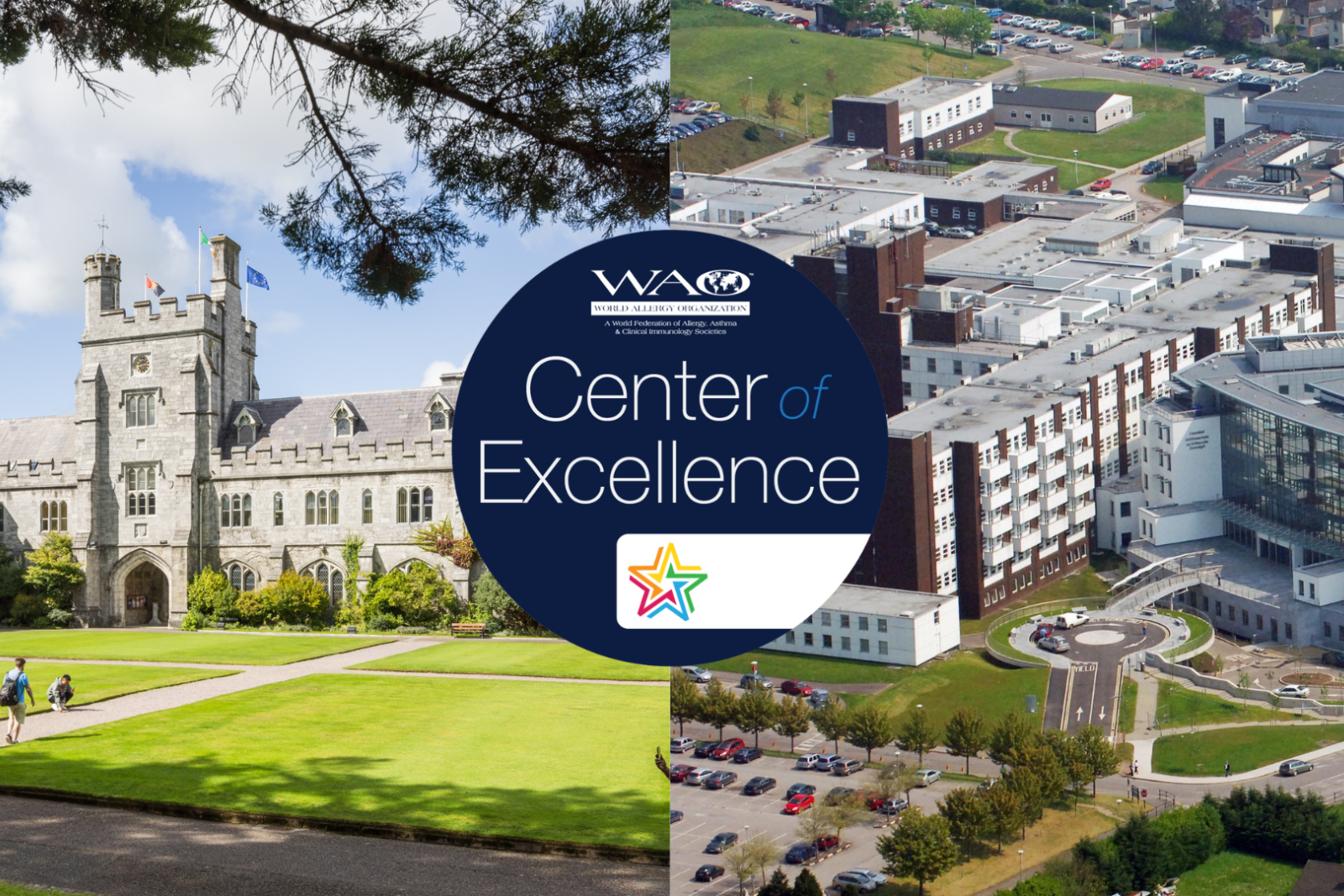
CUH and UCC designated World Allergy Organisation Center of Excellence

By |2024-06-26T09:35:29+01:00June 10th, 2024|

  • CUH and UCC Paediatric Allergy Research group accredited as Center of Excellence by World Allergy Organisation, the first of its kind in Ireland.
  • Recognition is a testament to the excellence in clinical care, education and research in Allergy and Immunology at our institutions.
  • Allergies can affect all aspects of a child’s daily life, including their health and wellbeing.

Cork University Hospital-University College Cork (CUH-UCC) Paediatric Allergy Research Group at the Irish Centre for Maternal and Child Health (INFANT) has been recognised as a World Allergy Organisation (WAO) Center of Excellence, the first of its kind in Ireland.

The prestigious accreditation recognises CUH-UCC’s position as a global leader in allergy and immunology research, education, and clinical care.

The WAO Centers of Excellence programme aims to intensify and accelerate multidisciplinary scientific and clinical innovation, education, and advocacy worldwide. CUH-UCC joins leading international centres which advance excellence in education, research, and training in allergy, asthma, and clinical immunology.

In Ireland, 10% of children and young adults have more than one allergic or atopic disorder such as food allergy, eczema, asthma and allergic rhinitis. Allergies in childhood can have a major impact on the overall quality of life of a child. In severe cases, children may experience anaphylaxis, a severe and potentially life-threatening reaction. Early identification and management of allergies are crucial in supporting the lifelong health and well-being of children.

Transforming the lives of patients and their families

Operating from Cork University Hospital and University College Cork, the CUH-UCC Paediatric Allergy Research Group aims to transform the lives of patients in Ireland and worldwide. The group’s main focus is on the translational paediatric allergy field, in particular food allergies, analysing how bacteria can affect allergies within the gut, skin and lungs, and quality of life. They are dedicated to discovering new therapies to diagnose food allergies and to prevent allergies from happening in the first place.

The co-directors of the Paediatric Allergy Research Group are Dr Juan Trujillo, Consultant Paediatric Allergist, and Program Director of the Postgraduate Program in Allergy and Clinical Immunology at UCC, and Dr Audrey Dunn-Galvin, Senior Lecturer, Associate Professor Applied Psychology at UCC.

Advancing multidisciplinary research and innovation

Cork University Hospital CEO, David Donegan said: “This accreditation highlights our dedication to providing the highest level of care to paediatric allergy patients. It reinforces our commitment to patient education, advocacy, and innovative therapies.”

The majority of clinical research is undertaken is in CUH, while research spans across UCC including the Department of Paediatrics and Child Health, School of Applied Psychology, School of Food and Nutritional Sciences, and School of Nursing and Midwifery. Active partners and collaborators in the allergy field include the Irish Centre for Maternal and Child Health (INFANT centre), HRB Clinical Research Facility (CRF-UCC), and APC Microbiome Ireland.

The CUH-UCC Paediatric Allergy Research Group  also delivers education programmes which attract students from across the globe and pivotal to the WAO accreditation is the success of the online postgraduate programme in Allergy and Clinical Immunology.

Professor Helen Whelton, Head of College of Medicine and Health UCC, said: “This prestigious international recognition underscores UCC’s commitment to excellence in multidisciplinary allergy research and education. It is testament to the hard work and dedication of the team and their ongoing translation of new knowledge to clinical care”.

Professor Geraldine Boylan, Director of the INFANT Research Centre, said: “Being recognised by the WAO signifies the high standard of research being conducted by the Paediatric Allergy Research Group at INFANT, UCC and it opens up doors for strengthening global collaborations and connections.”

CergenX wins UCC Spin-out Company of the Year

By |2026-08-31T20:03:04+01:00June 4th, 2024|

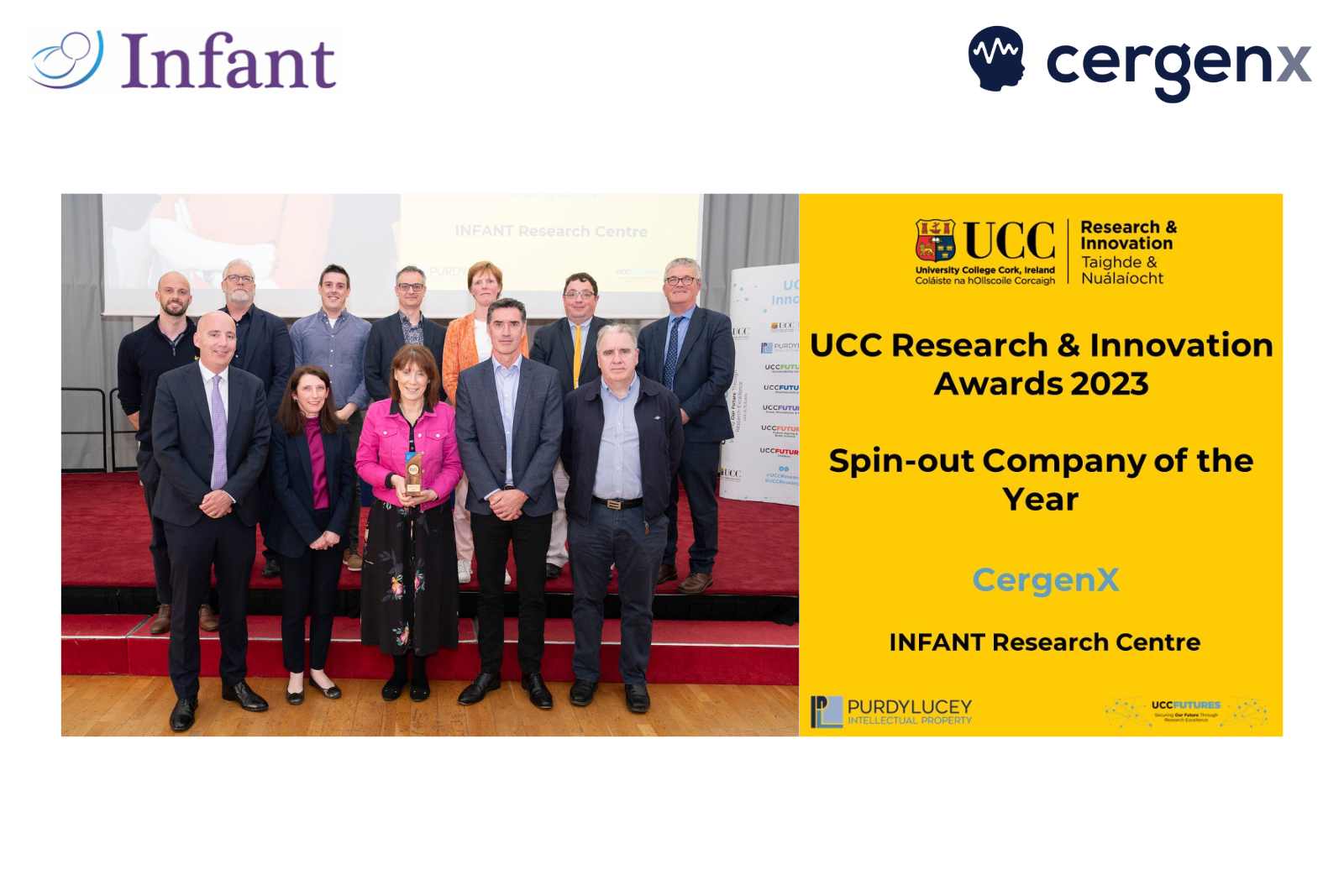
INFANT, UCC spin-out company CergenX, won “UCC Spin-out Company of the Year” at the 2023 UCC Research and Innovation Awards.

CergenX is a MedTech company founded in 2021 from INFANT, University College Cork. Its ambition is to make AI-powered brain health monitoring part of standard newborn screening for all infants at birth. Using AI technology, the team is developing a brain screener to screen for abnormal brain activity in newborn infants and support early interventions by a medical team. Early detection and intervention are critical for improved outcomes and quality of life.

UCC is an internationally competitive, research-led university that plays a key role in the development of Ireland’s knowledge-based economy and provides the insight and understanding on the challenges facing our society. The UCC Research and Innovation Awards embrace this excellence in research, innovation, and entrepreneurial activity, across the entire university research community and from all disciplines.

Researchers were awarded across twenty-two categories, six of which recognise specific achievements in entrepreneurship and innovation.

Professor John F. Cryan, UCC Vice President for Research and Innovation at UCC said: “Congratulations to all awards recipients at this year’s UCC Research and Innovation Awards. The standard of nominations across all award categories was indicative of the exceptional level of research and innovation that takes place throughout the University. Our annual Research and Innovation Awards celebrate those who have demonstrated exceptional creativity, pushed boundaries, and raised the national and international research profile of our institution.”

The awards are sponsored by PurdyLucey, one of Ireland’s top European Intellectual Property (IP) firms working across Irish, UK, European, US and international markets, and specialising in Life Science, Food Tech, Med Tech, High-Tech and Engineering projects.


Inaugural lecture: Professor Deirdre Murray, CPF Chair in Early Brain Injury and Cerebral Palsy

By |2024-07-02T12:24:31+01:00March 23rd, 2024|

“Early detection of infant brain injury and cerebral palsy and why it matters”.

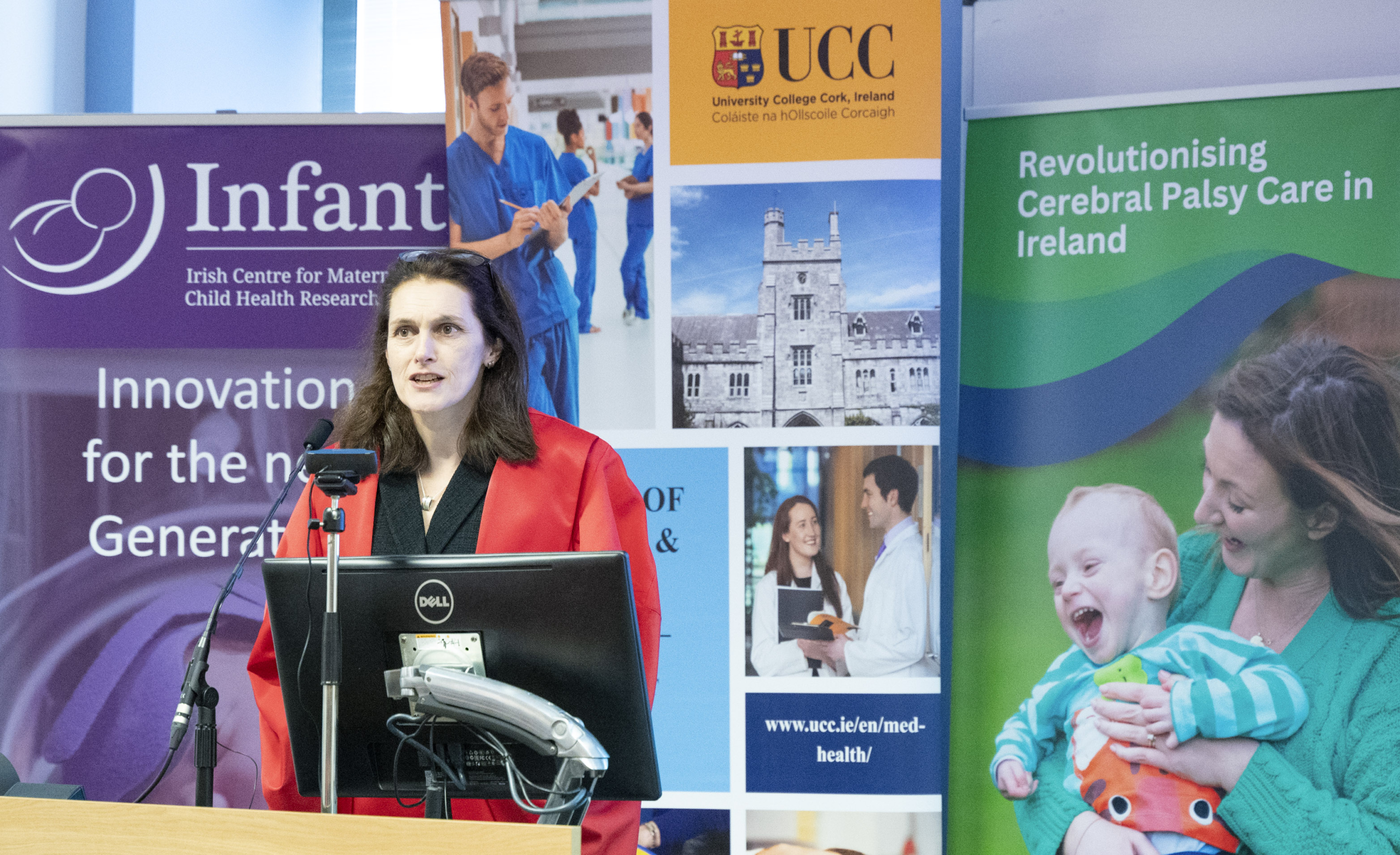
On Friday 22 March, Professor Deirdre Murray gave her first public lecture as The Cerebral Palsy Foundation Chair in Early Brain Injury and Cerebral Palsy at INFANT, UCC at the UCC Medicine and Health’s Inaugural Philanthropic Lecture.

Professor Murray was appointed to the role in October 2023, and she is leading research in brain injury and cerebral palsy at INFANT.

The event commenced with Prof Paula O’Leary, Head of UCC’s School of Medicine and Prof Geraldine Boylan, INFANT Director introducing Professor Deirdre Murray for her first public lecture, titled “Early detection of infant brain injury and cerebral palsy and why it matters”.

Watch back here:

INFANT Researchers Contribution to PAS 2022 Meeting

By |2022-04-20T12:04:25+01:00April 20th, 2022|

INFANT is delighted to be involved in the PAS 2022 Meeting in Denver 21-25 April.

Members of the INFANT team will join thousands of physicians, researchers, and Allied health professionals from 60 + specialty areas as they come together to share research, explore new collaboratives, and experience the best the paediatric research community has to offer.

Professor Geraldine Boylan and Professor Deirdre Murray are giving invited talks while other members of the INFANT team will be presenting oral and poster presentations.


See a list of INFANT speakers and schedule of presentations below:


Geraldine B. Boylan, PhD

Professor of Neonatal Physiology
University College Cork

Director of the Infant Research Centre, University College Cork

Presentation(s):

  • Making the Most of Neonatal Brain Monitoring

Sunday, April 24, 2022
11:35 AM – 11:50 AM US MT

  • Role of EEG and machine learning algorithms

Sunday, April 24, 2022
1:25 PM – 1:35 PM US MT


Deirdre M. Murray, MB BAO BcH FRCPI FPAEDPhD

Chair of the Department of Paediatrics and Child Health
University College Cork

Presentation(s):

  • Clinical importance of long term follow up

Sunday, April 24, 2022
1:15 PM – 1:25 PM US MT


Eugene Dempsey, FRCPI

Horgan Chair in Neonatology
University College Cork

Poster(s):

  • 463 – Early cerebral desaturation events in extremely preterm infants are associated with intraventricular haemorrhage in the first week of life

Sunday, April 24, 2022

3:30 PM – 6:00 PM US MT


Aisling A. Garvey, MB BCh BAO MRCPI

Neonatal Neurology Fellow
Brigham and Women’s Hospital

Boston, Massachusetts, United States

Infant Research Centre, University College Cork

Presentation(s):

  • Serial MRI facilitates early detection of White Matter Injury in Preterm infants (Poster Board 4)

Sunday, April 24, 2022
10:00 AM – 11:30 AM US MT

Poster(s):

  • 352 – Multi-modal Monitoring of Infants with Hypoxic-Ischaemic Encephalopathy and Prediction of Short-term Outcome.

Monday, April 25, 2022

3:30 PM – 6:00 PM US MT


Roberto Chioma, MD

Clinical Fellow
Università Cattolica del Sacro Cuore

Infant Research Centre, University College Cork

Poster(s):

  • Development of a Lung UltraSound Targeted Recruitment (LUSTR) protocol to improve the outcome in critically-ill neonates undergoing mechanical ventilation (Poster Board 3)

Saturday, April 23, 2022
10:00 AM – 11:30 AM US MT


David B. Healy

Research Fellow
University College Cork

Poster(s):

  • 188 – Agreement of Cardiac Output Estimates between Electrical Cardiometry and Transthoracic Echocardiography in Very Preterm Infants

Saturday, April 23, 2022

3:30 PM – 6:00 PM US MT

  • 219 – Electrical Cardiometry in the transitional Period is not associated with short-term Outcome in Very Preterm Infants

Saturday, April 23, 2022

3:30 PM – 6:00 PM US MT

  • 369 – Thoracic fluid content as measured by bioimpedance is not associated with respiratory outcome or death in very preterm infants

Monday, April 25, 2022

3:30 PM – 6:00 PM US MT


Mark O’Sullivan, PhD

Lead Investigator
Infant Research Centre, University College Cork

Poster(s):

544 – Neurobell: Portable EEG Monitoring with On-Board AI for Neonatal Seizure Detection

Friday, April 22, 2022

6:15 PM – 8:45 PM US MT


Learn more about the Pediatric Academic Societies (PAS)

and more about PAS 2022 Meeting

PhD Profile: Tamara Escañuela Sánchez’s Study to Raise Awareness of and Reduce the Risk Factors Connected with Stillbirth

By |2022-03-30T15:09:53+01:00March 30th, 2022|

A graduate of the Universitat Autònoma de Barcelona, INFANT PhD candidate, Tamara Escañuela Sánchez came to University College Cork to study under Professor Keelin O’Donoghue and develop a behaviour change intervention model that will raise awareness of and reduce the risk factors associated with stillbirth in Ireland.

Tamara’s multidisciplinary supervisory team is composed by Dr. Karen Matvienko-Sikar from the School of Public Health in UCC; Dr. Sarah Meaney, from the National Perinatal Epidemiology Centre; Professor Molly Byrne lead of the Health Behaviour Change Research Group, School of Psychology at NUI Galway and Professor Keelin O’Donoghue lead of the Pregnancy Loss Research Group at Cork University Maternity Hospital.

Funded by Science Foundation Ireland, Tamara’s research, titled The Relevant Study, examines the risk factors connected with stillbirth and ill health in babies such as substance abuse, sleep position, weight management and engagement with antenatal care.

Ultimately, Tamara hopes that her study might one day lead to the introduction of an initiative, similar to the Saving Babies’ Lives Care Bundle introduced by the NHS in the UK, that targets the modifiable risk factors for stillbirth in Ireland.

I have been looking at various studies that examine the different risk factors associated with still births.

The factors that I’m focussing on are substance abuse, sleep position, weight management and engagement with antenatal care services.

Changing behaviours associated with those factors could have a very real impact for women and their children.

My research looks at ways in which we might change those behaviours, the idea would be that we’d eventually create a care bundle like they have in the UK and Australia.

As part of her study, Tamara also reviewed pregnancy-related websites to assess the reliability of information connecting risk factors to stillbirths or ill health in babies.

Her findings, published in the Journal of Communication in Healthcare, highlighted the scarcity of information online and the need for greater communication so that women can identify the risk factors associated with stillbirths.

We looked at pregnancy related websites in the UK and Ireland and found that only one contained information relevant to the risk factors connected with stillbirths.

We also found that websites hosted by charities were more likely to contain basic information related to stillbirth, whereas commercial sites were more likely to contain information about modifiable risk factors.

It really illustrated the need for reliable sources of information so that women can make informed decisions.

As Tamara comes to the end of her study, she hopes to conclude her PhD research by summarising the challenges facing women who are looking to access relevant information on the risk factors associated with stillbirth.

By developing a list of recommendations, she also hopes that future researchers will be able to build on her study and develop a pilot intervention strategy that allows health authorities to target behaviours that contribute to stillbirth.

Liltoda wins UCC Innovation Award for CogniTOT Application

By |2022-03-24T14:58:48+00:00March 24th, 2022|

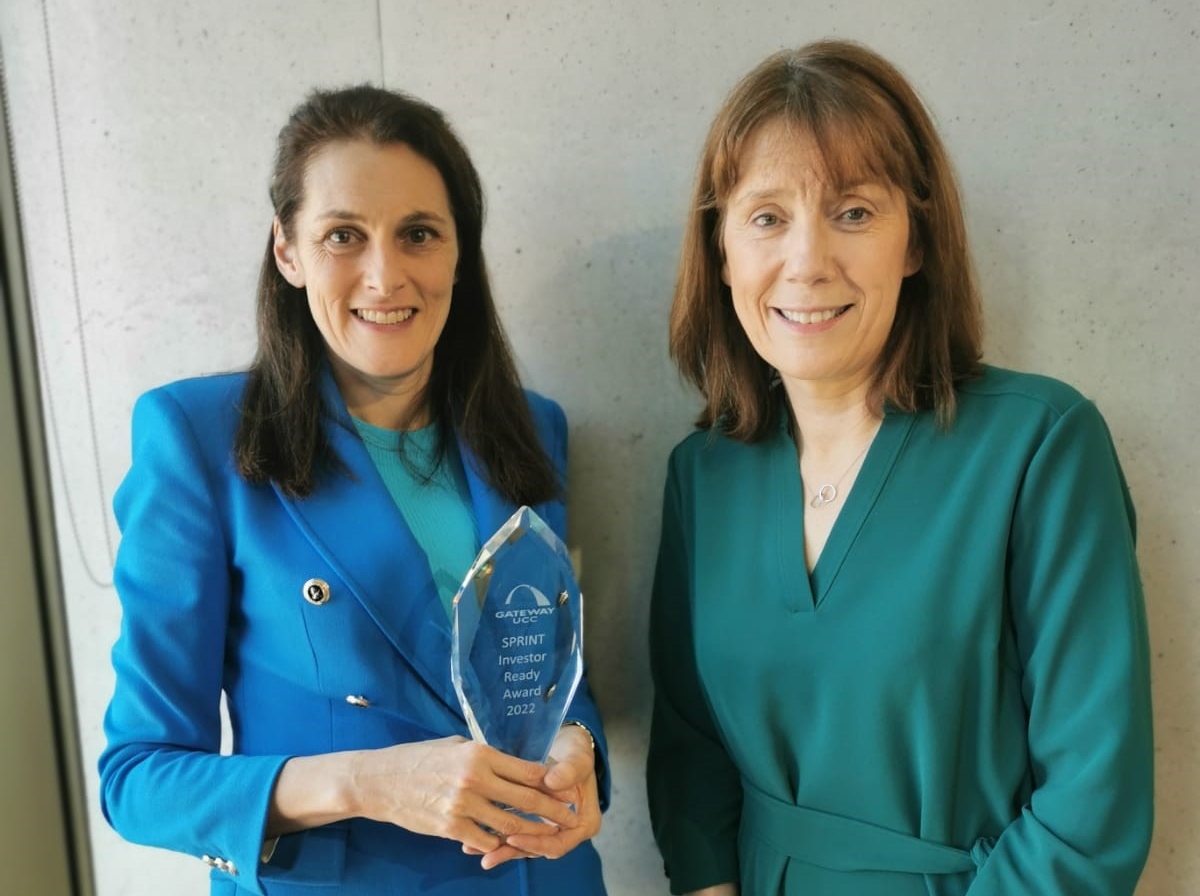
Liltoda Ltd, the first academic spin out to emanate from the INFANT Research Centre at University College Cork, has been awarded a GatewayUCC Sprint Award by Professor John O’Halloran, President of UCC.

Launched in August 2021, Liltoda aims to develop and market novel technology-based solutions to the cognitive assessment of young children.

Its first product, the CogniTOT application, offers touch-screen based cognitive assessment for children aged 18-30 months.

It was developed through six years of research in the INFANT Centre, funded by both the Health Research Board and Science Foundation Ireland. The CogniTOT app is non-verbal and so suitable to use in children with speech delay or for whom English is not their first language.

Now in its sixth year, GatewayUCC Sprint Awards recognises the UCC researchers and entrepreneurs who establish spin-out start-up companies.

The Sprint Programme has been developed to help spin-out start-up companies overcome challenges they may encounter when starting their businesses.

As part of the programme, pre and early-stage start-ups work with successful business mentors who help to bring businesses from the idea stage through to the eventual commercialisation of the product or service.

Soraia Ventura Presents Her Research at World Sleep Congress

By |2022-03-23T11:28:24+00:00March 23rd, 2022|

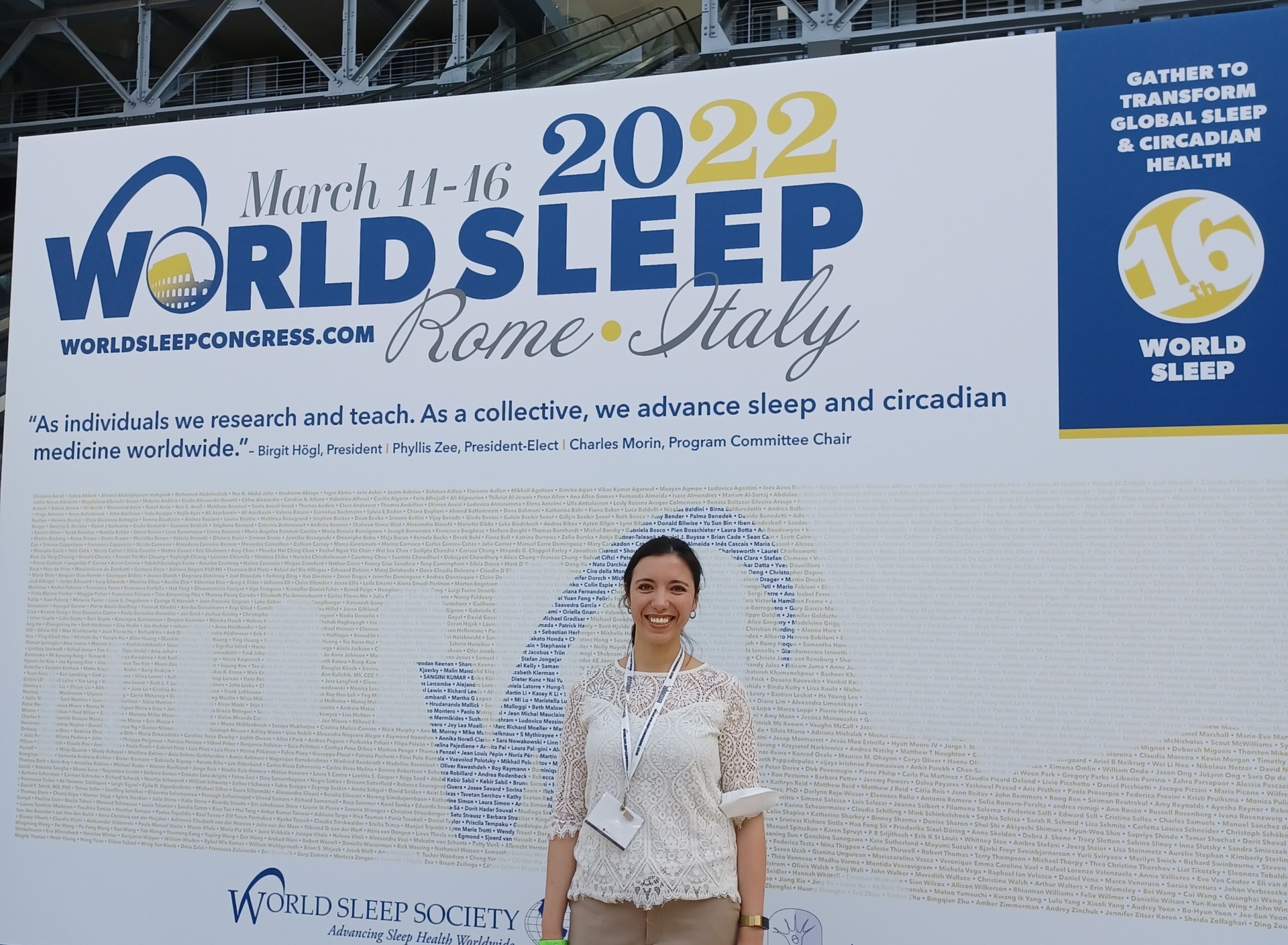
INFANT PhD researcher, Soraia Ventura, presented her research at the World Sleep Congress in Rome on March 14 and 15.

The Congress consistently gathers the best minds in sleep medicine and research for multiple days of scientific sessions and networking. A truly global meeting, 77 countries were represented at World Sleep 2019, the last in-person iteration of the annual event.

This year’s event saw experts gather in Rome to deliver over 300 hours of courses, keynotes, symposia and abstract presentations.

Soraia’s oral presentation, titled, Infant Sleep as a Marker of Neurodevelopment, demonstrated how EEG analysis may be useful for early identification of the risk of adverse neurodevelopmental outcomes, allowing early intervention.

Her poster, titled, Effect of a standardized massage routine on sleep EEG in ex-term infants at 4 months of age: A Randomised Control Trial, concluded that routine parent-led massage during the first 4 months of life is associated with distinct changes in brain function that may suggest more advanced brain maturation.

Working under the supervision of Professor Geraldine Boylan and Dr. Sean Mathieson, Soraia is conducting her research as part of the BabySMART project.

INFANT Seminar Series: Dr Mark O’Sullivan to Discuss Neonatal EEG Monitoring – Hardware, AI and Medical Device Design

By |2022-03-22T10:34:57+00:00March 22nd, 2022|

Our next INFANT seminar will be this Friday, March 25th at 12pm, when Dr Mark O’Sullivan will present “Neonatal EEG monitoring – hardware, AI and medical device design”.

Dr O’Sullivan will present updates on the Neurobell Project, which aims to develop a portable neonatal EEG monitor with seizure detection, including methodologies for medical device design in a quality and regulatory compliant manner.

Lastly, Dr O’Sullivan will present new research from the Delphi Project on the design of an artefact detection algorithm for neonatal EEG and its impact on automated HIE grading.

For privacy reasons YouTube needs your permission to be loaded.

Dr Elaine McCarthy’s Project to Screen for Iron Deficiency in Pregnant Women and Infants

By |2022-03-01T09:05:03+00:00February 28th, 2022|

INFANT’s Dr Elaine McCarthy is the lead investigator on the IDEA project, a study that aims to develop two screening tools to identify iron deficiency among pregnant women and preterm infants.

Funded by the Health Research Board (HRB), it is anticipated that the project will lead to the creation of screening tools that can be integrated into clinical practice and allow for the early detection of iron deficiency.

Titled Iron Deficiency Assessment for protection of the newborn brain, the project has the potential to identify a condition that is estimated to affect 2 billion people worldwide, according to Dr McCarthy.

In Europe, one in three pregnant women are iron deficient, with even higher rates of up to 85% iron deficiency seen in some countries.

Similarly, high rates of deficiency are widely reported in infants and young children, with evidence suggesting as many as one in two young children are iron depleted or deficient.

If left untreated, iron deficiency will progress into iron deficiency anaemia, which can result in adverse pregnancy outcomes such as preterm birth or the birth of a low-birth-weight infant.

We want to protect women and their children from iron deficiency by creating a tool that will identify the mothers and infants who are at the greatest risk so that they can receive early treatment.

By taking such a preventive approach, Dr McCarthy, a Lecturer in the School of Food and Nutritional Sciences, believes that the IDEA project can lead to improved health and wellbeing outcomes and result in the overall enhancement of educational attainment, job potential and quality of life.

Dr McCarthy’s assertion is based on the fact that iron plays an essential role in brain development, with iron deficiency labelled as one of the leading causes of diminished neurological developmental potential worldwide.

From our earlier research, we know that women’s health and nutritional status both prior to and during pregnancy are critical to the health and development of their child.

Iron deficiency in the prenatal and early postnatal periods can have catastrophic consequences for both mother and infant, including long-lasting, irreversible deficits in cognition, motor function and behaviour.

Therefore, prevention and early detection are critical to protect the developing brain. Unfortunately, we currently don’t have a suitable screening system to enable this early detection of the most vulnerable.

As part of the initial phase of the project, Dr McCarthy and her team are inviting all pregnant women, aged over 18 years, living in Ireland to take part in a 20-minute online survey that seeks to evaluate nutrition knowledge, attitudes and practices.

Once the survey phase of the project is complete, Dr McCarthy will begin assessing the data before beginning the process of developing a set of predictive indicators that can identify iron deficiency in pregnant women and their infants. Field testing will then follow this phase to validate the operability of the screening tools in clinical practice.

Go to Top