About Comms

This author has not yet filled in any details.
So far Comms has created 393 blog entries.

INFANT PhD Profile: Caroline O’Connor’s work to improve and standardize the care of twin pregnancies

By |2022-07-13T13:42:08+01:00July 13th, 2022|

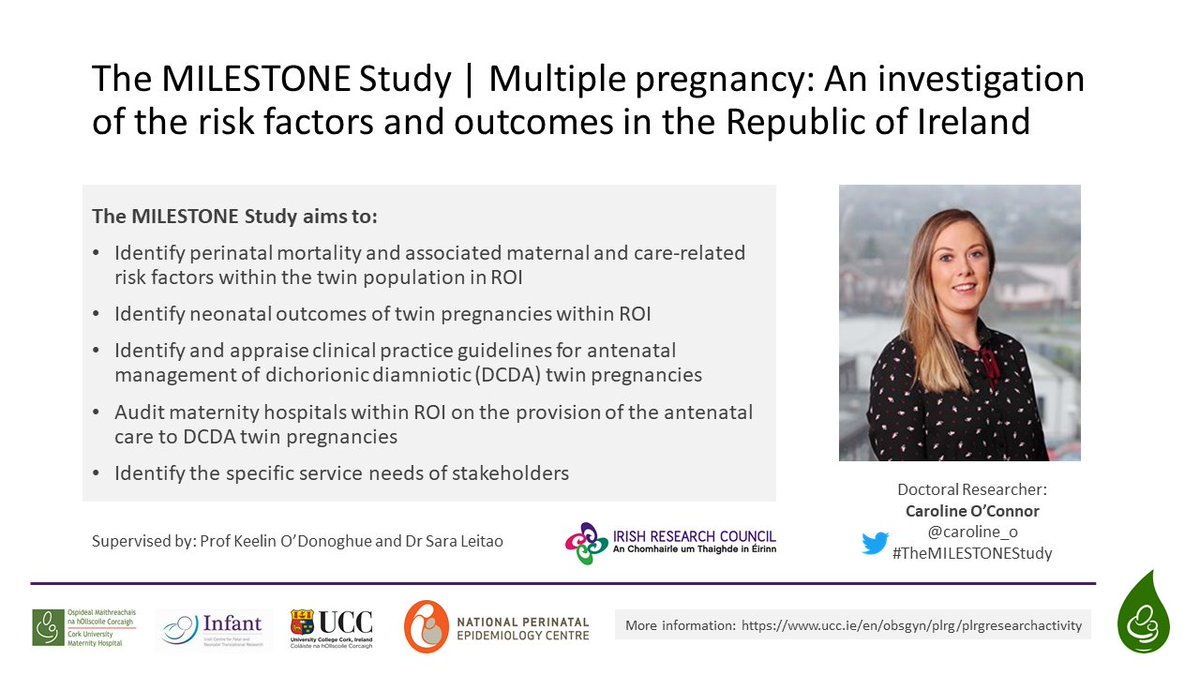
Caroline O’Connor is pursuing a PhD in the area of improving and standardising the care of twin pregnancies with INFANT and NPEC at UCC and is funded by the Irish research council.

Caroline completed her BSc Midwifery in the UCC in 2010. After graduating she travelled to Essex in the UK where she worked as a Band 6 Midwife in one of the largest and busiest maternity units in the country. She returned home at the end of 2011 and began working as an agency midwife in various maternity hospitals around Ireland.

Caroline went on to work as a research associate with a medical diagnostics company in conjunction with University College Cork involved in the development of a blood test which can predict the risk that a woman will develop preeclampsia later in their pregnancy.

Caroline has completed a postgraduate diploma with UCC in Preparation for Birth and Parenthood and enjoys providing antenatal classes in her spare time.

Caroline’s planned thesis is titled: Multiple pregnancy: An investigation of the risk factors and outcomes in the ROI (The MILESTONE study)

The objectives of the study are:

  1. Examine the current maternity care provided for the antenatal management of dichorionic diamniotic (DCDA) twin pregnancies, through the identification, appraisal and review of national and international clinical practice guidelines.
  2. Identify the maternal and care-related risk factors associated with perinatal mortality and explore perinatal mortality within the twin population in the ROI.
  3. Identify neonatal outcomes of very low birth weight twin pregnancies in the ROI.
  4. Identify the specific service needs of women/couples, to inform future developments and help improve the quality of care within the maternity services.
  5. National service evaluation within the ROI on the provision of antenatal care to DCDA twin pregnancies and establish if the care provided is in line with national and international recommendations.
  6. Contribute to the development of a DCDA twin pregnancy clinical practice guideline.

Caroline really wants to contribute to improving and standardising the care of twin pregnancies and especially improving the experience of the parents using the services.

Caroline is conducting this research with the Pregnancy Loss Research Group based at INFANT and the NPEC. Her supervisors are Professor Keelin O’Donoghue (INFANT),  and Dr Sara Leitao (NPEC).
INFANT team members WIN at Ideate Ireland Competition

By |2022-07-05T12:34:05+01:00July 5th, 2022|

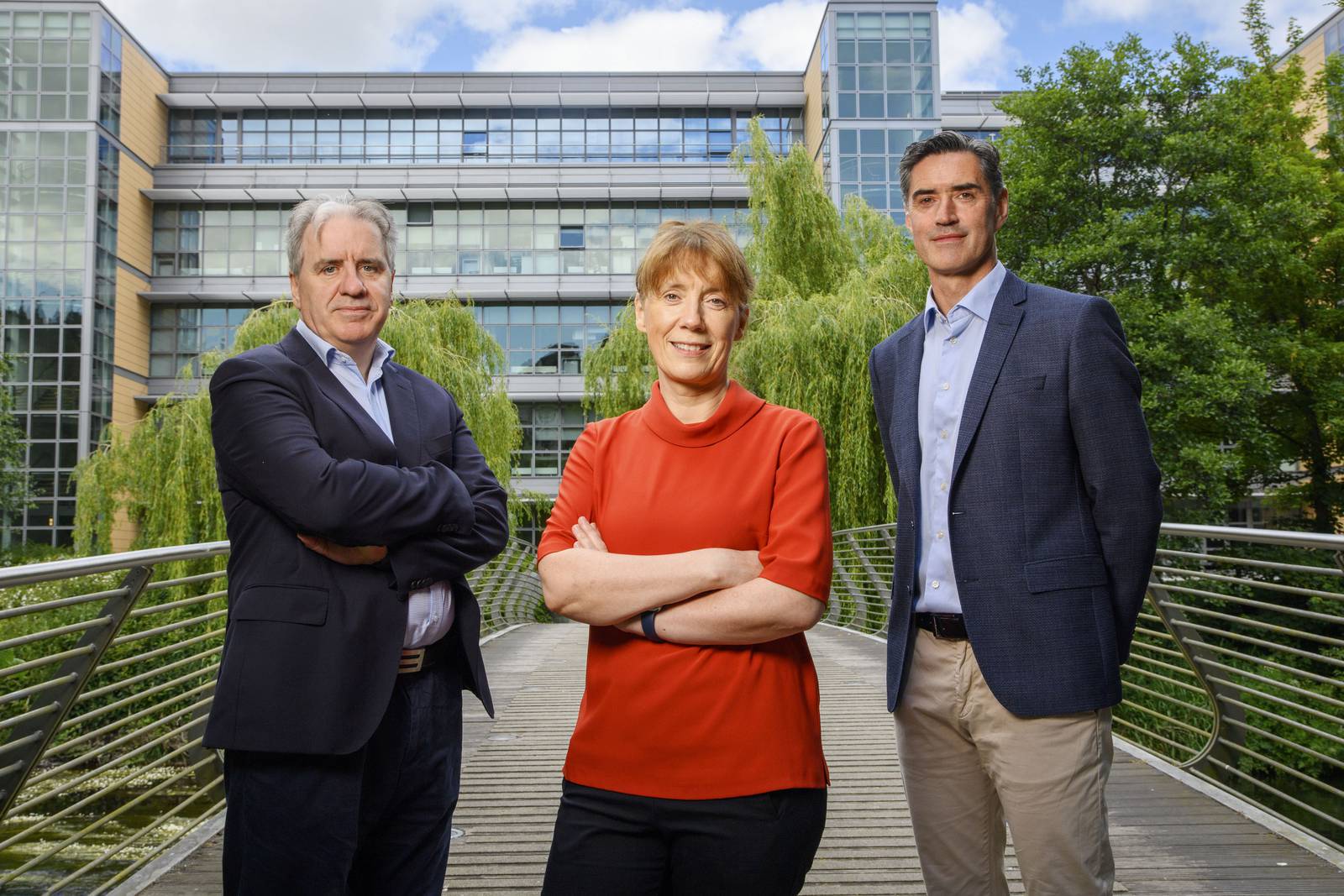
INFANT Lead Investigator Dr Mark O’Sullivan and Dr Alison O’Shea of the Neurobell project are the overall winners of the 2022 Ideate Ireland competition which took place last week.

The  €15,000 top prize was awarded to Neurobell a pocket-sized brain monitor with automated seizure detection for newborns, which builds on the previous research of the INFANT Research Centre in the field of AI-based interpretation of neonatal EEG.

“The Ideate programme really pushed us to challenge our market assumptions by completing customer discovery across different stakeholder groups,” said O’Sullivan.

“We now have a clear understanding of where the clinical need for our technology is greatest and how best to target that market. It is a key milestone in getting us ready for private investment, and winning the competition will provide us with the momentum and support to bring our product to market successfully.”

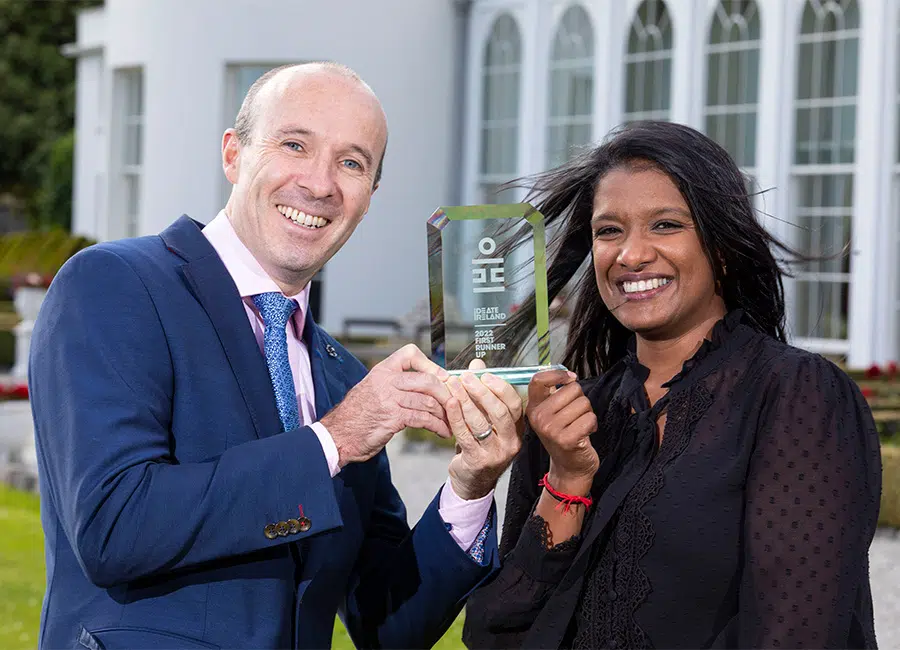
INFANT researcher Sarusha Pillay and INFANT PI Dr Fergus McCarthy won the first runner up prize of €7,000 for their project pHetalSafe, which seeks to detect and prevent fetal hypoxia and assess fetal well-being during labour.

We are immensely proud of our colleagues for this amazing achievement. We look forward to the expansion of their work and wish them the very best in achieving their global ambition.

INFANT Seminar Series

By |2022-06-27T10:13:12+01:00June 27th, 2022|

📣Final #SeminarSeries before summer break takes place this Friday at 12pm!
 
đź—Ł Sonia Lenehan will speak about Science4SightLoss
 
đź’ˇScience4SightLoss is an SFI Discover funded collaboration between INFANT, UCC and Ireland’s national sight loss agency the National Council for the Blind (NCBI). Sonia will present a project update with preliminary results.
 
#Science4Sightloss #UCCResearch

New paper by PI’s Dr Ali Khashan and Dr Fergus McCarthy

By |2022-06-23T10:02:26+01:00June 23rd, 2022|

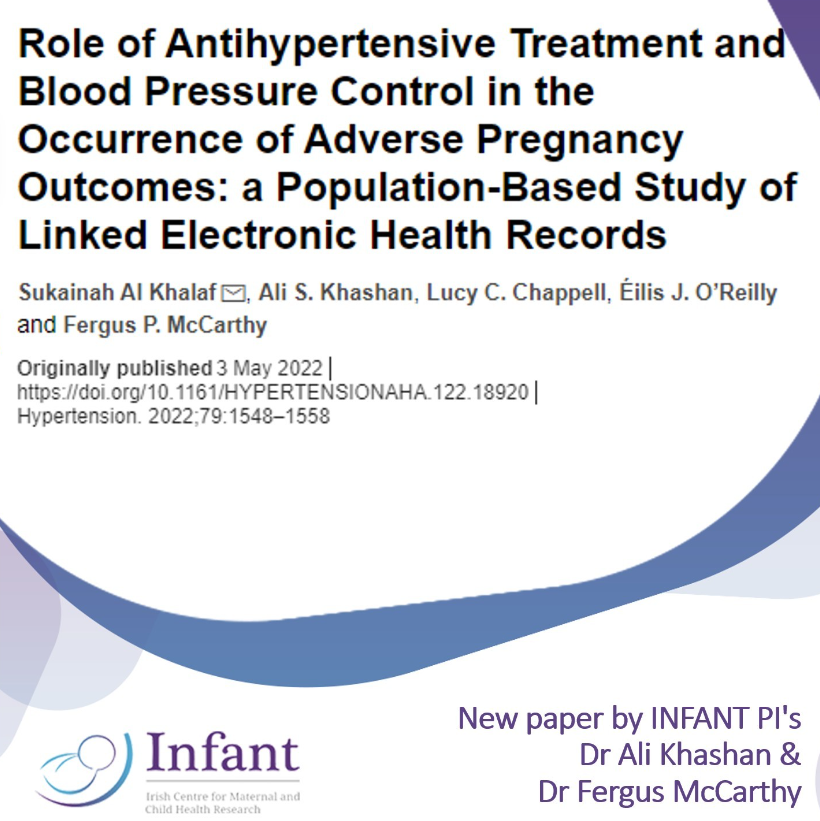
👏Check out this new paper just out from INFANT Principal Investigators Dr Ali Khashan and Dr Fergus McCarthy

đź’ˇ’Role of Antihypertensive Treatment and Blood Pressure Control in the Occurrence of Adverse Pregnancy Outcomes: a Population-Based Study of Linked Electronic Health Records’

Read publication here

#UCCResearch #PregnancyResearch

New Study Protocol by ICAT Fellow Dr Cathal O’Connor

By |2022-06-23T09:45:54+01:00June 23rd, 2022|

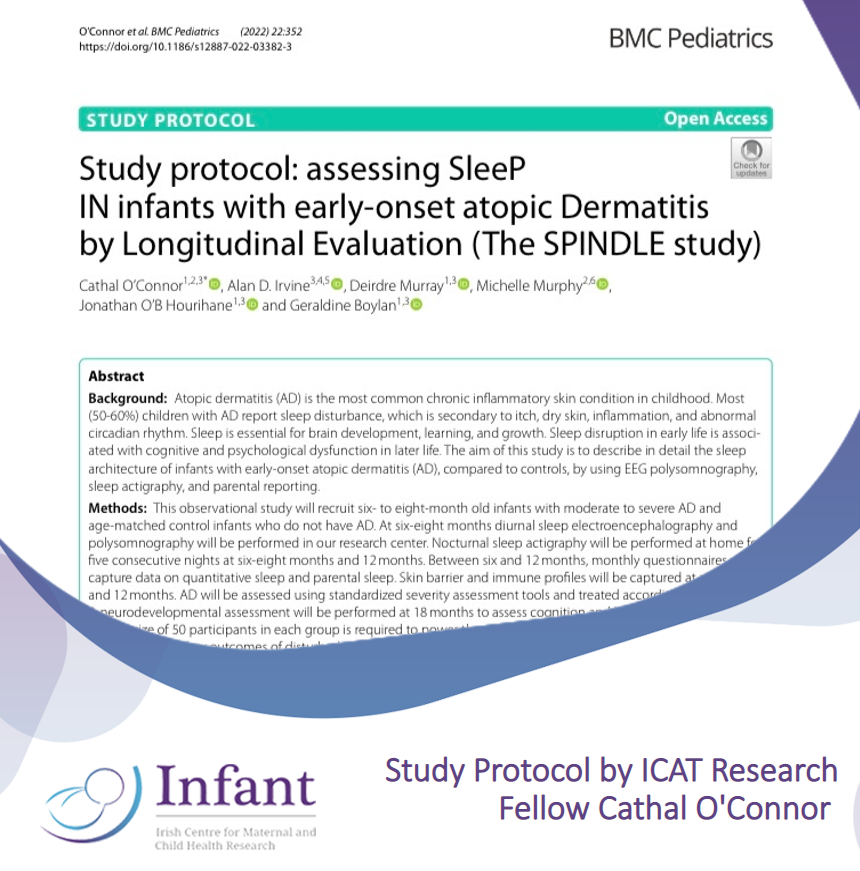
📣Check out this study protocol just out from Dr Cathal O’Connor ICAT fellow at the INFANT Research Centre University College Cork

đź’ˇIn this paper Cathal assesses #sleep in infants with early-onset #atopicdermatitis by longitudinal evaluation

Read publication here

Wellcome Trust #atopicdermatitis #paediatric #dermatology #sleep #UCCResearch

INFANT Spin-Out ‘CergenX’

By |2022-06-16T14:58:16+01:00June 16th, 2022|

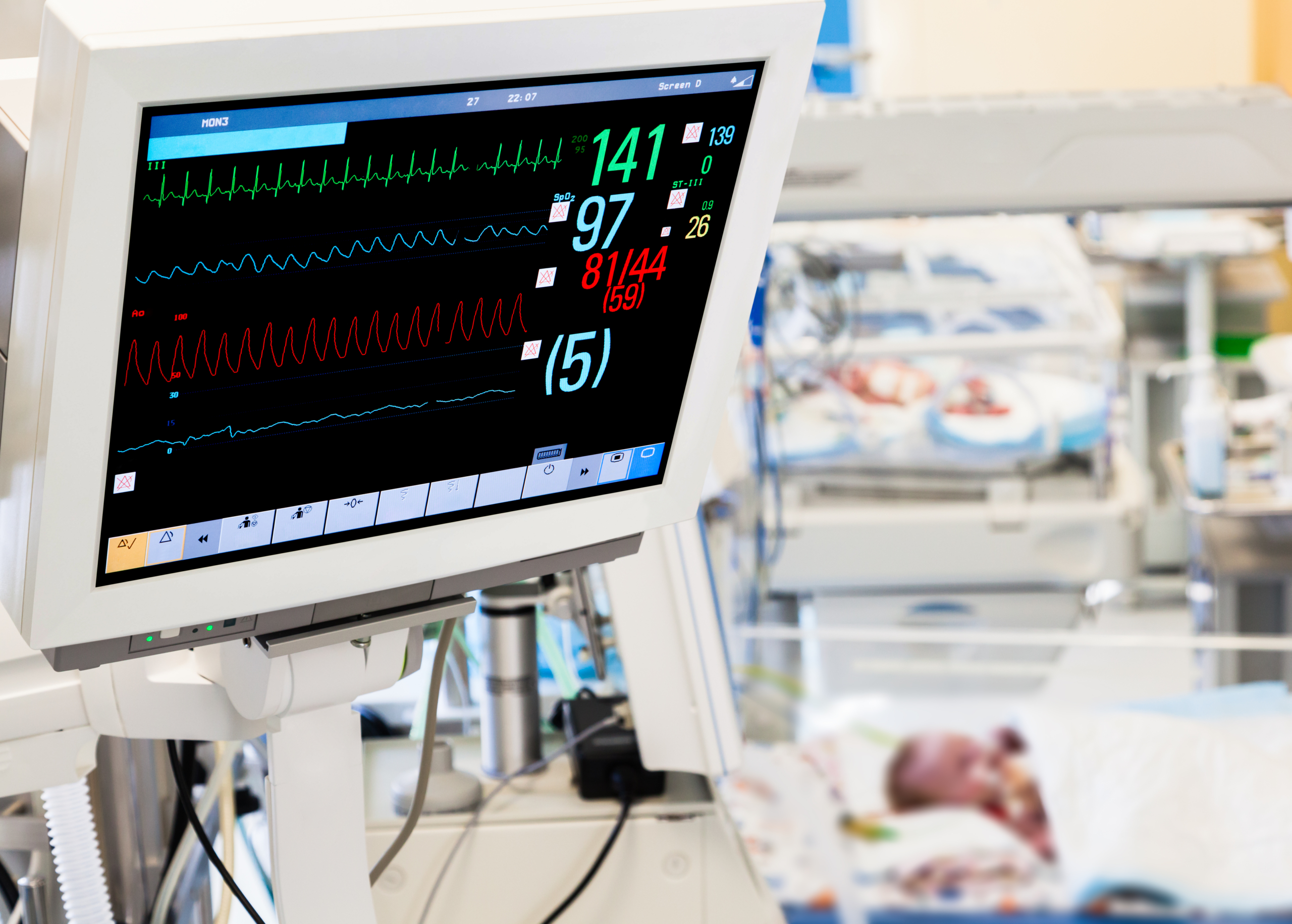
INFANT Spin-Out CergenX is using recent advances in Artificial Intelligence (AI) for the early detection of abnormal brain activity in babies at birth.

Founded in 2021, Cergenx aims to improve brain health monitoring in newborns by developing algorithms for screening all babies at birth for abnormal brain activity.

The technology will enable early intervention by medical professionals to improve outcomes for newborn babies.

The start-up says at least five in every 1,000 newborn babies may have some degree of brain injury. Unfortunately, this is often undetected until the infant is much older when parents notice developmental problems, which can have lifelong consequences.

Currently, the most common method for assessing brain function in newborn babies involves the use of electroencephalography (EEG) which measures the tiny electrical impulses of the brain. However, EEGs are complex to read, time consuming and there is often a shortage of trained specialists available. It is therefore not possible to test all newborn babies.

According to Cergenx (CSO) Geraldine Boylan, early detection of abnormal brain activity is critical.

“The majority of brain development takes place within the first few years of life so early detection of any abnormal brain activity is critical. Early detection is essential for improving the outcome for the child and indeed their family. There are a growing range of treatments and interventions available for newborn brain injury, but we need to know which babies are at highest risk as soon as possible”

The company has a large brainwave databank for training brain screening AI algorithms which will be embedded in medical devices.

Jason Mowles, CEO commented, “We are in discussions with medical device manufacturers who are interested in incorporating our software solutions into their devices. This is the start of a revolution in the use of AI for newborn brain healthcare, and Cergenx intends to be at the forefront of this.”

He continued, “This is incredibly exciting and rewarding work and we have a real opportunity to make a major difference in a vital area of newborn healthcare.”

Donnchadh Cullinan, Head of ICT High Potential Start-Up, Enterprise Ireland, said, “Cergenx has the potential to transform infant healthcare, and to have a real impact on the lives of infants and families around the world. The leadership team at Cergenx are an excellent example of Ireland’s rich collaborative ecosystem at work, and Enterprise Ireland is proud to support and back the next generation of Irish businesses who are creating innovative solutions to complex and challenging issues every day.”

Cergenx is a spin out from the INFANT Research Centre at University College Cork (UCC). The INFANT Centre has been at the forefront of newborn brain research since it was founded by Professor Geraldine Boylan in 2013.

Professor Boylan co-founded Cergenx in conjunction with Jason Mowles (CEO) and Sean Griffin (CTO) to bring the benefits of this research to newborn babies worldwide.

The company has assembled a diverse team with expertise in the newborn brain, AI, commercialisation, software development, finance, funding and regulatory expertise to achieve this goal.

UCC’s Director of Innovation, Dr Sally Cudmore, congratulated the Cergenx team saying “This new UCC spin-out company is a strong example of the potential of clinical research to directly improve neonatal health care. Cergenx will convert many years of excellent UCC research into technologies for direct clinical use to improve patient outcomes for infants.”


About Cergenx:

Cergenx was founded in 2021 to develop algorithms and systems for monitoring and detection of brain abnormalities at scale. The company is focused on leveraging research in this area to develop and commercialize algorithms for detection of abnormal activity. Cergenx is an Enterprise Ireland High Potential Start Up (HPSU) company, www.globalambition.ie/HPSU

INFANT Seminar Series

By |2022-06-14T11:35:54+01:00June 14th, 2022|

📣INFANT Seminar Series continues this Friday!
 
đź—ŁClinical Research Fellow Dr. Jurate Panaviene will present
 
đź’ˇInterim results of 50 infants enrolled in The NIOMI study: “Non-Invasive Lung Oxygen Monitoring in Term Infants’’. This clinical observational study is aiming to evaluate if a non-invasive GASMAS-based technology incorporated into Lung analyzer can detect oxygen and measure oxygen concentration in the lungs of healthy full-term infants.
Go to Top