INFANT Led Research Team Create App That Could Revolutionise Maternal Healthcare in Developing Countries

By |2021-11-10T17:35:31+00:00November 10th, 2021|

Researchers at INFANT have created a ground-breaking app that could help reduce maternal and perinatal mortality rates in developing countries.

Funded by the Global Pregnancy Collaboration (CoLab), Dr Ali Khashan and Dr Simon Woodworth from the INFANT research centre at University College Cork, alongside CoLab’s Professor Christopher Redman, designed the ULTRA app to improve health outcomes for mothers and babies by enabling healthcare officials to accurately record key data so that they can establish targeted intervention strategies aimed at improving maternal healthcare.

Having received an Irish Research Council COALESCE funding, the pioneering app will be trialled across four districts in the Kilimanjaro Region of Northern Tanzania over the course of the next three years.

The research team, led by Dr Khashan and Professor Blandina Mmbaga from the Kilimanjaro Christian Medical Centre, alongside  Professor Redman and Dr Woodworth, believe that the app could provide developing countries with the ability to capture key data that might otherwise be lost.

In the developing world, countries like Tanzania tend to rely on paper-based systems to detail the provision of maternal healthcare services.

Although secure, those paper-based systems tend to be inefficient as they’re not designed to inform decision-making or measure the impact of medical interventions.

That makes them unusable in a modern context where accurate data is used to create strategies to reduce maternal and perinatal mortality rates.

We wanted to create a simple, low-cost, mobile app that could collect and upload accurate data so that health authorities can make informed decisions about the provision of maternal healthcare in specific contexts.

The ULTRA app has been developed to accept data both on and offline so that it can be used in remote areas where the most vulnerable families live.

Set to be trialled in four of Northern Tanzania’s seven districts, where 44,000 births are recorded annually, the ULTRA app will be deployed in both clinical and domestic settings, where many births go unregistered.

As such, the ULTRA app has been designed with simplicity in mind so that healthcare workers can be trained quickly to input data into its interface.

This means that Dr Khashan and his team have created an app that avoids the inclusion of superfluous “‘wouldn’t it be nice” features that can make platforms unwieldly.

A substantial number of births go unregistered in sub-Saharan Africa. It’s an endemic problem that affects less educated, poorer mothers, living remotely in rural areas.

It’s a prevalent issue in the poorest countries, most notably in sub-Saharan Africa. Eastern and Southern Africa, for example, had the lowest average birth certificate coverage at less than 30%.

To capture these births, we wanted to design an app that made it easy to identify and record non-institutional, as well as institutional, deliveries.

Created with the privacy of users in mind, data uploaded from the ULTRA app will be stored on servers in Tanzania rather than in Europe or the U.S, a feature that was important to Dr Khashan and the international research team in order to inspire confidence among mothers.

The app is aimed at low-income countries where access to data can be relatively limited.

It also collects personal information and we wanted to give mothers control over their own data. Privacy was something that we built into the app so that it would inspire confidence.

Throughout the construction of the app, we needed to weigh the right to privacy against the needs of health agencies in the developing world who require an affordable platform that can lead to targeted intervention.

Over the course of the next 36 months, Dr Khashan and his team will engage in testing the ULTRA app in Tanzania to ensure that it performs without any technical or practical issues, paying particular interest to the cost and usability of the system so that it might be rolled out across the developing world.



INFANT Seminar Series: Dr Juan Trujillo and The Paediatric Allergy Service and His Research at INFANT

By |2021-11-10T16:45:14+00:00November 9th, 2021|

As part of the INFANT seminar series, Dr Juan Trujillo will discuss the paediatric allergy service at CUH and his research this Friday, November 12th 2021 at 12pm.

Dr Trujillo’s presentation will largely touch on the following areas.

• Brief introduction of the paediatric allergy service and his research at INFANT (5min)
• Allergy awareness involvement in collaboration with several partners (5min)
• Progression in new educational model to cover not only health care population in Ireland but the entire Irish population (10 min)
• Active and pending research (15min)


Pregnancy Loss Research From Ireland Well-Represented at Upcoming ISA-ISPID Conference

By |2021-11-09T10:43:23+00:00November 9th, 2021|

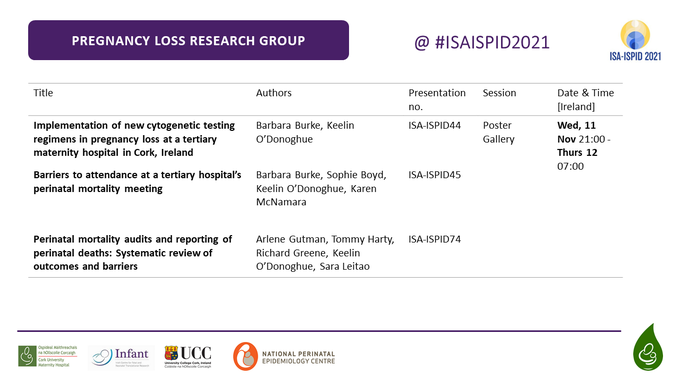
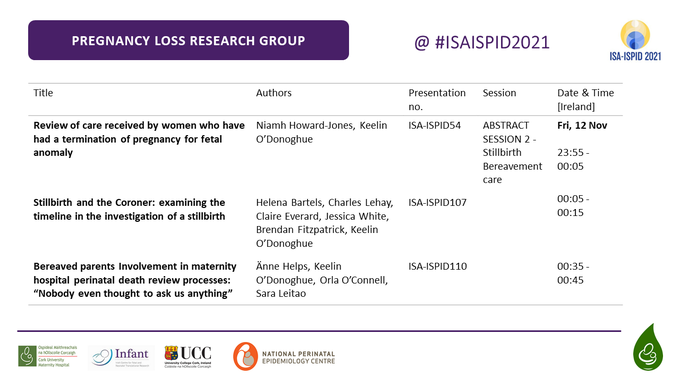
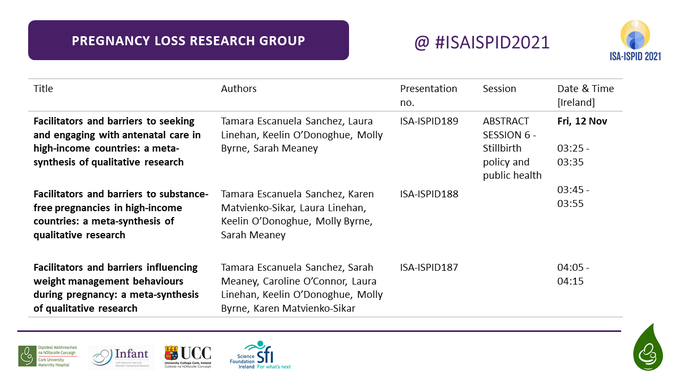
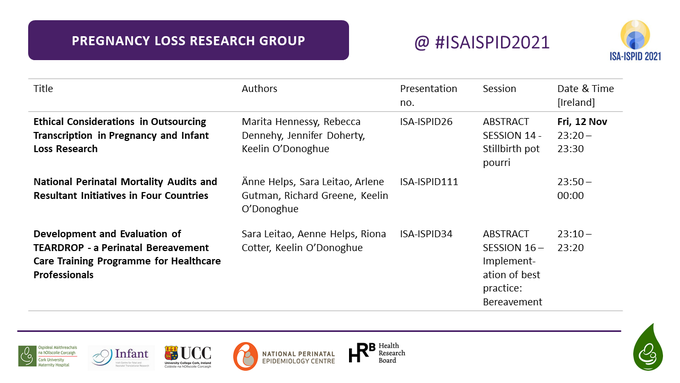
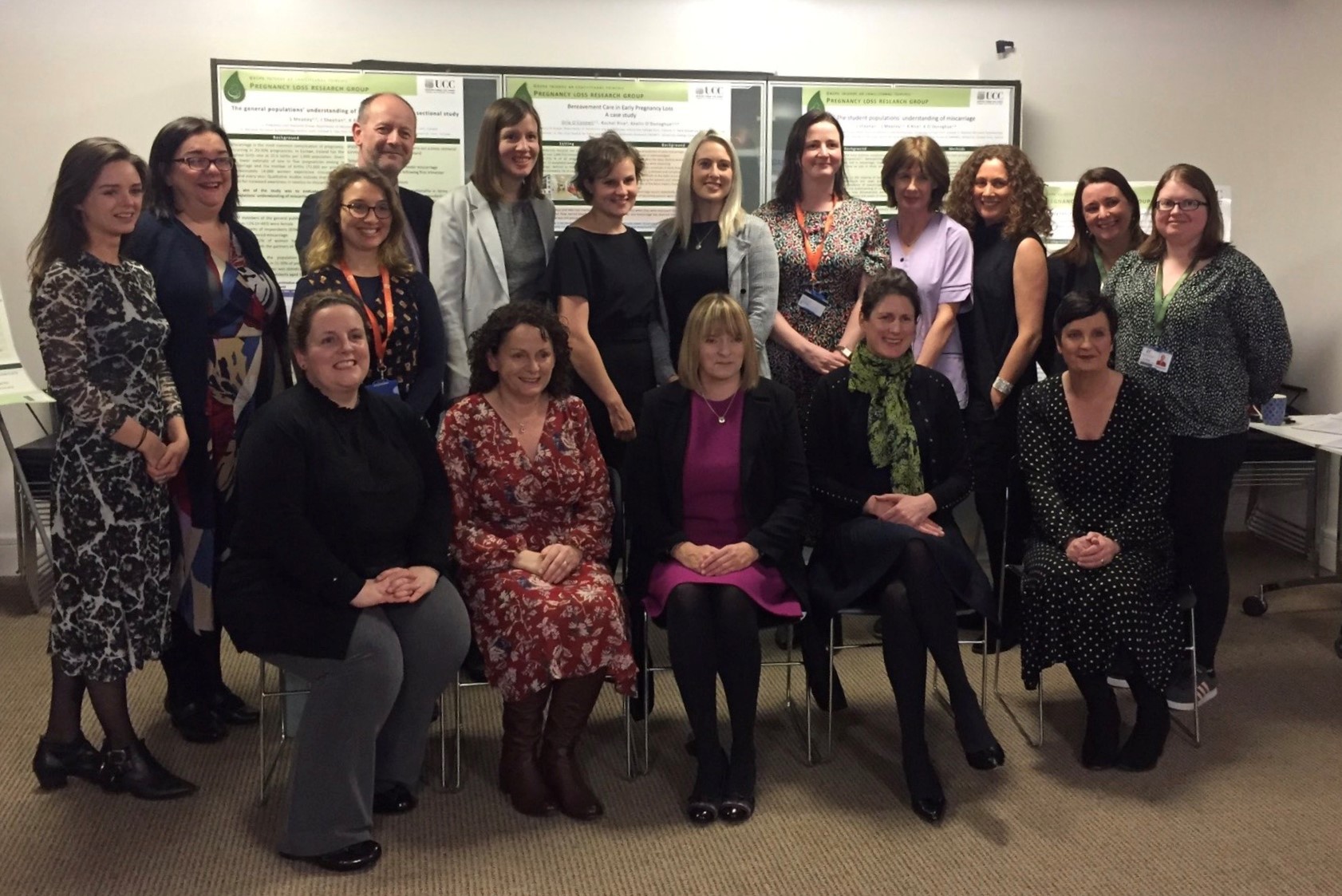
Researchers from the Pregnancy Loss Research Group, comprising staff from INFANT, UCC College of Medicine and Health and the National Perinatal Epidemiology Centre, will present a range of their work at the 2021 ISA-ISPID Conference which takes place virtually from 11-13 November 2021. 

The twelve presentations – details below – showcase the breadth of research areas within the Group, including perinatal mortality audits/reporting (including parental involvement) and coronial processes, termination of pregnancy, stillbirth prevention (including barriers and facilitators to engaging in antenatal care, substance-free pregnancies and weight management), education programmes for healthcare professionals. They also represent research conducted through a range of funding partners, including Science Foundation Ireland and the Health Research Board, and collaborations with Groups/Centres such as the National Perinatal Epidemiology Centre and the Health Behaviour Change Research Group, NUI Galway. 

Speaking about the conference, Professor Keelin O’Donoghue who leads the Pregnancy Loss Research Group, said:  

“The ISA and ISA-ISPID conferences are important annual events for our Group, and which we have actively participated in since 2010. They enable us to communicate our research on an international stage and engage in discussion, shared learning, and knowledge exchange with bereaved parents, support groups, clinicians, researchers and policymakers. This strengthens our efforts, and collaborative activities, in the prevention of stillbirth, in understanding its impact and in improving bereavement care”.  

ISA-ISPID 2021 is hosted by the International Stillbirth Alliance (ISA) and the International Society for the study and prevention of Perinatal and Infant Death (ISPID), in conjunction with the Australian Centre of Research Excellence in Stillbirth and PSANZ. This year’s conference theme is Driving Change: it will address global issues of stillbirth, neonatal death, SIDS, and Sudden Unexpected Death in Infancy (SUDI) and showcase strategies to address these issues across high, middle and low-income countries. 

The Pregnancy Loss Research Group hosted the annual meeting of the International Stillbirth Alliance in 2017. This commentary, published in Research Involvement and Engagement, describes the collaboration taken by clinicians, researchers and bereaved parents to ensure that the voice of parents could contribute to the research agenda and developments in preventing stillbirth and improving bereavement care. 

Presentation details 

Image

Image

Image

Image

PhD Profile: Kaiyu Yu Talks Decision Support Tools for Newborn Brain Protection

By |2021-10-27T14:28:09+01:00October 27th, 2021|

An emerging expert in the field of biomedical engineering, Kaiyu Yu joined INFANT as a PhD researcher in July 2021 to begin working on an SFI Frontiers for the Future project that is developing decision support tools for newborn brain protection at INFANT.

The newborn brain is vulnerable to injury around the time of birth. Decision support systems based on artificial intelligence can turn data from devices that measure vital signals from the brain, heart and circulatory system into information that can help clinicians to treat critically ill infants.

However, these signals are complex and the interaction between them is not completely understood. This project will develop new mathematical and signal processing models that will facilitate the next generation of computer algorithms that will help doctors deliver specific and urgent medical interventions to improve the long-term health and quality of life for these infants.

The ambitious project will lean on Kaiyu’s expertise in developing machine learning algorithms and could help clinicians to monitor, predict and treat low blood pressure among pre-term infants before a serious issue may arise.

Clinicians want to be able to monitor a pre-term baby’s blood pressure. They do this by measuring some physiological signals, such as EEG, ECG and NIRS readings.

I want to be able to develop a system that collates, processes, segments and models EEG, ECG and NIRS data so that clinicians can accurately predict if a pre-term baby’s blood pressure is going to drop to a level that might require medical intervention.

As a master’s student, Kaiyu developed an Android app that collected human activity data while studying biomedical engineering at Dalian University of Technology in China.

Through his expertise in developing machine learning algorithms, Kaiyu could see synergies between his research and the work being undertaken by INFANT’s Dr Gordon Lightbody and Professor Liam Marnane.

After I heard Professor Marnane speak at Dalian University of Technology, I understood that there were synergies between the research that we were both involved in.

As part of my master’s thesis, I was using machine learning models to develop useful tools that could predict health outcomes, which was something that Professor Marnane and INFANT were also engaged with.

So, when I completed my master’s, I email Professor Marnane to see if I could work on a PhD project at INFANT.

Thankfully he said yes, and now I’m applying a lot of what I learned at Dalian in this new project.

Having started the PhD programme, Kaiyu is in the process of surveying data that will eventually help him to design a system that will result in better clinical outcomes for pre-term babies.

That desire drives his ambition to complete the programme so that he can work in the medical industry, where he can help enhance medical devices.


INFANT Led European Network to Advance Development of Algorithms that Detect Brain Injuries in Infants

By |2022-09-12T14:22:44+01:00October 27th, 2021|

INFANT’s Dr John O’Toole will lead a team of international researchers to accelerate the development of AI Technologies that detect brain injuries in infants.

Working alongside a team of scientists, clinicians and technical experts from 14 different European countries, Dr John O’Toole aims to build capacity and strengthen cooperation among international research groups, with the goal of developing algorithms that will minimise the risk of babies developing catastrophic life-long neonatal brain injuries.

Insufficient oxygen around the time of birth can cause brain injury. For babies born prematurely, the heart and lungs may struggle to adapt to the new environment which can lead to brain injury too. Brain monitoring of a tiny infant in an intensive care unit is challenging.

It can be difficult and slow to interpret the complex brain-wave patterns.  AI systems are a perfect fit to this problem, as they can be designed to automatically recognise signs of brain injury.

Funded by the European Cooperation in Science and Technology, the researchers involved in the AI-4-NICU project plan to build on existing cot-side technologies, such as devices that measure brain waves, by including AI algorithms to detect markers of brain injury.

This, Dr O’Toole anticipates, will lead to the development of decision-support tools that will help clinicians in neonatal intensive care units to quickly identify potential brain injuries that can result in death, cerebral palsy, or delayed development.

Reading and interpreting the brain-wave signals is a notoriously difficult task which requires highly specialised expertise. AI systems can be designed to mimic the human expert, by shifting through enormous amounts of data to automatically find signs of brain injury.

These AI systems, unlike the human expert, can then run around the clock for all at-risk infants to provide a continuous assessment of brain health.

To develop the device, Dr O’Toole and his team will first develop the tools necessary to acquire, pool, share, and manage neuro-physiological data sets.

They will then create a framework to develop, test, and compare algorithms that they hope will act as decision-support tools in neonatal intensive care units.


Learn More about Newborn Cephalohematoma here (more…)

PhD Profile: Kimia Rezaei on Developing Algorithms to Measure Abnormal Biosignals

By |2021-10-22T09:31:25+01:00October 22nd, 2021|

One of five PhD students to begin their studies at INFANT this semester, Kimia Rezaei comes to University College Cork with a great deal of academic and industry experience.

After completing a Masters in electrical engineering at Islamic Azad University in Iran during 2014, Kimia sought out and secured a role with Sahand Parsian Gharb Communication Service Company, where she developed an advanced knowledge of mobile networks and Ericsson’s sophisticated equipment and software.

During that time, Kimia also enhanced her academic profile, publishing three articles in peer reviewed journals.

Focusing each of her publications on the segmentation and classification of brain tumour images using machine learning algorithms, Kimia developed a specialism in a field that naturally aligned with INFANT’s research strengths.

Working under the supervision of Professor Liam Marnane and Dr Gordon Lightbody, Kimia will be given the opportunity to enhance her knowledge and expertise as she seeks to develop an algorithm that will measure the symptoms that trigger abnormal biosignal readings among infants.

Kimia’s PhD project leans on her most recent publication, which demonstrated how radiologists can employ machine learning algorithms and computer-aided diagnosis systems to make more informed medical decisions.

If we can accurately predict abnormal EEG and ECG signals, we can begin to pre-emptively diagnose and treat infants.

To do this, my research aims to accurately measure things like brain activity and blood pressure so that we can collect data that will help us to create an algorithm that will allow clinicians to quickly diagnose, treat and cure children.

I hope that my research will help children to grow up healthy.

Kimia is in the early stages of her study after joining the INFANT team in September. Scheduled to complete the PhD programme in 2025, Kimia is driven by an ambition to work at the intersection between healthcare and technology after she graduates.

PhD Student Profile: Mary Anne Ryan, General Nurse, Paediatric Nurse and Mid-Wife

By |2021-10-14T10:52:28+01:00October 13th, 2021|

Introducing herself as a registered general nurse, paediatric nurse and a mid-wife, INFANT PhD researcher, Mary Anne Ryan, is fervent in her desire to protect brain development of pre-term babies who pass through the neonatal unit in CUMH.

Mary Anne describes how advances in technology have pushed back the limits of viability, reducing mortality associated with preterm birth. However there has been little change in morbidity amongst the preterm infant group.

A clinical researcher, Mary Anne has a specific interest in the importance of sleep to the developing brain, explaining that sleep is a prerequisite for normal growth and a precondition for the normal development of the infrastructure of the brain.

‘There is a reason why preterm babies may sleep for up to 90% of the day. Whilst it may appear to be physically passive and restful, a high level of brain activity is maintained, which is crucial to a preterm infants’ developing brain’.

‘While we monitor heart rate, respirations, temperature, how well the body is oxygenated and the nutritional intake of preterm infants in the neonatal unit, we do not routinely monitor brain activity’.

Brain activity may be monitored through electroencephalography (EEG). Sleep states (active sleep and quiet sleep) are associated with particular neural activity patterns which change with brain maturation.

‘Knowing what features and patterns are normal for gestational age we can determine if the brain development is on a normal trajectory of development’.

Mary Anne’s research focuses on moderate to late preterm infants (born between 32- and 36+6-weeks GA). A preterm group represent up to 85% of all preterm infants born and are largely underrepresented in the literature.

‘Normally, brain growth and development occur in the womb until term, a place of minimal sensory exposure’.

‘The high sensory environment of the neonatal unit may be home to preterm infants for many weeks with bright lights, high levels of noise, stressful painful procedures, all of which frequently interrupt sleep our natural neuroprotective state during a critical period of development’.

‘What I’m really asking is what does the sleep architecture of the moderate to late preterm infant at 36 weeks in the neonatal unit tell us about their future brain development?’

Mary Anne’s research required her to carry out overnight EEG’s on over 100 preterm infants at 36 weeks in the neonatal unit in CUMH and carry out follow up developmental assessments at four- and 18-months corrected age. Sleep/wake patterns during the preterm period have been found to be related to developmental outcomes. However longitudinal studies relating to sleep state organisation amongst this homogenous group of preterm infants are rare.

‘Secondly, I’m asking, how does brain development of this preterm infant group compare to healthy term born infants at the same gestational age?’

‘Traditionally healthy moderate to late preterm infants have minimal ongoing long-term surveillance’.

‘Whilst the majority of these infants do well a significantly higher percentage of adverse outcomes are evident in the literature in comparison to term born infants’.

Mary Anne’s research will also compare developmental outcome scores of the preterm infant group to a term born group recruited as part of another study.

Motivated by a desire to enhance the care that is already being delivered to pre-term babies, Mary Anne’s focus on the practical application of her research stems from her conviction that nurses bring a unique contribution to neurodevelopmental care.

As a clinical researcher, Mary Anne has a specific interest in the practical application of her research, which could lead to the adoption of new practices that create periods of protected sleep so as to improve the long-term neuro-developmental outcomes for pre-term babies.

INFANT Seminar Series: Dr Nahla Ahmed and Dr Antoine Giraud to Discuss Their Research

By |2021-10-13T09:20:07+01:00October 13th, 2021|

The INFANT seminar series will continue this Friday, October 15th 2021 at a slightly later time of 12.30 pm. For the coming weeks, we hope to welcome our new clinical fellows and PhD students and learn about some of their plans while here in INFANT.

First up are two new clinical fellows. Dr Nahla Ahmed, a paediatric registrar, will be discussing EEG in the hypotensive pre-term infant, and Dr Antoine Giraud, a visiting French clinical fellow will be discussing EEG changes in pre-term infants associated with peri-natal inflammation.

Dr. Eoghan McKernan Takes Part in 7th Annual Trials Methodology Symposium

By |2021-10-06T13:00:02+01:00October 6th, 2021|

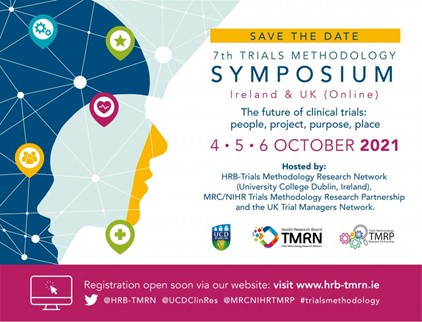
Dr. Eoghan McKernan took part in the 7th Annual Trials Methodology Symposium, presenting an exciting Post-PhD career perspectives & viewpoints presentation, with an emphasis on Infrastructure Management.  Eoghan presented a case study on infrastructure management at INFANT.

This year’s theme is ‘’The Future of clinical trials: people, project, purpose, place’’

The prestigious event, which was hosted between 4-6  October, can be accessed online at www.hrb-tmrn.ie

The event is hosted by HRB-Trials Methodology Network (UCD), MRC/NIHR Trials Methodology Research Partnership and the UK Trial Managers Network.

The interactive event includes presentations from leading international speakers with dedicated Q&As, and live discussions. To find out more visit:

7th Annual Trials Methodology Symposium – HRB-TMRN

New Survey Examines the Care Experiences of Women and Their Partners Who Have Had Recurrent Miscarriages

By |2021-09-23T11:09:02+01:00September 22nd, 2021|

Miscarriage affects one in four couples, while at least 1-3% will experience at least two or more first-trimester miscarriages in a row, known as recurrent miscarriage. The loss of a baby at any stage of pregnancy can have a devastating impact on a woman, her partner, and their family, even more so if this loss occurs several times.

Led by Professor Keelin O’Donoghue, researchers from the Pregnancy Loss Research Group at Cork University Maternity Hospital (CUMH) and University College Cork are examining services and supports in Ireland for women/couples who experience recurrent miscarriage as part of efforts to standardise and improve services across the country.

Working as part of the Health Research Board-funded RE:CURRENT (Recurrent miscarriage: Evaluating CURRENT services) Project, the research team would like to hear from women/couples about their care experiences. If you/your partner have had two or more consecutive first-trimester miscarriages and received care for these in Ireland during the last ten years and would like more information about how to take part, please visit https://tinyurl.com/recurrentcaresurvey.

Jennifer Ui Dhubhgain has three young children and lost six babies on her journey to completing her family. Through her work with the Miscarriage Association of Ireland, she supports women and men who have experienced pregnancy loss. Speaking about the RE:CURRENT Project Jennifer said, “Recurrent pregnancy loss takes not only a physical toll but also an emotional and mental toll on those who go through it, this can be compounded by services that can be lacking in certain areas. My hope, and belief now having been a part of and seen the process, is that the RE:CURRENT Project can have a huge positive impact on services nationally by improving the quality of care provided to those who experience recurrent miscarriage. This survey allows both women and men to share their experience. It gives them the opportunity to have their voices heard, to have their say, and to play a part in making a difference and bringing about the positive changes we all want to see within our maternity services.”

Con Lucey is a father of three children who has experienced nine miscarriages over the last seven years and is a Parent Advocate on the RE:CURRENT Project. Con is encouraging men who have been affected by recurrent miscarriage to share their experiences by completing the survey: “I am extremely happy to be involved in such a worthwhile project. I feel that this work will improve care & services and make a profound difference. Recurrent miscarriage is a horrible journey to travel, a sense of feeling lost on the way. I feel that any support or improvements for men to help themselves and their partners would be very beneficial.”

Findings from interviews conducted last year with over 60 stakeholders, including healthcare and allied health professionals, representatives from advocacy and support organisations, those involved in the administration, governance and management of maternity services, and women and men who have experienced recurrent miscarriage were used to develop the RE:CURRENT care experience survey.

According to Professor O’Donoghue, “working with stakeholders is a key feature of the RE:CURRENT Project. Parent advocates and support group representatives are involved in each aspect of the project, including the development of this survey. We are keen to ensure that through this survey we capture the experiences of as many women/partners as possible to ensure that their needs inform service improvements.”

The research team has also reviewed international guidelines for recurrent miscarriage and developed care quality indicators that will be used to evaluate services within the 19 maternity units/hospitals in Ireland over the coming weeks. Through the care experience survey and the service evaluation, the team is also investigating the costs and benefits of different models of care for recurrent miscarriage.


Further information for editors:

The RE:CURRENT Project Team comprises Professor Keelin O’Donoghue (PI), Dr Rebecca Dennehy, Dr Caragh Flannery and Marita Hennessy PhD (Postdoctoral Researchers).

Pregnancy Loss Research Group: Led by Professor Keelin O’Donoghue, Senior Lecturer and Consultant Obstetrician and Gynaecologist, the Pregnancy Loss Research Group was established in Cork University Maternity Hospital in 2012. The research group includes obstetricians, midwives, nurses, social workers, social scientists, epidemiologists, service users, perinatal pathologists, chaplains, educators, researchers, PhD, postgraduate and undergraduate students. The Group studies the lived experiences of men and women who have experienced all aspects of pregnancy loss, including miscarriage. It aims to advance the services offered to these parents by improving the understanding and awareness of the consequences of pregnancy loss amongst healthcare professionals and among the general population. Website: https://www.ucc.ie/en/obsgyn/plrg/

INFANT: The Irish Centre for Maternal and Child Health Research (INFANT) at University College Cork is Ireland’s first translational research centre focused entirely on pregnancy, birth and early childhood. Co-located at UCC, CUH and CUMH, INFANT has a local impact with a global reach. The centre is answering the international need for research and innovation to improve health outcomes for mothers and babies.

Resources for parents, families, health professionals, and anyone who needs information and support about pregnancy and/or infant loss:

Pregnancy and Infant Loss Website: www.pregnancyandinfantloss.ie

Cork Miscarriage Website: www.CorkMiscarriage.com. This is a valuable resource for parents who experience pregnancy loss or perinatal death. The website provides accurate and accessible information on a sensitive and often stigmatised subject, shares the latest research into the causes of baby loss, promotes emotional well-being, and offers details on how to access the appropriate support services.

Féileacáin (Stillbirth and Neonatal Death Association of Ireland – SANDAI) was formed by a group of bereaved parents to offer support to anyone affected by the death of a baby around the time of birth, and the organisation is now the national charity supporting families affected by perinatal loss. Website: https://feileacain.ie/

The Miscarriage Association of Ireland, a charitable body set up by and with the support of women and men who have experienced the loss of a baby through miscarriage. Website: http://www.miscarriage.ie/

A Little Lifetime Foundation’s aim is to provide information, services and support based on other bereaved parents’ and families’ experiences. Website: https://alittlelifetime.ie/

For interviews contact: Tara O’Leary: tara.oleary@ucc.ie. *Photographs can be made available by the team.

Go to Top