Inside a Kilimanjaro Antenatal Clinic: Can Better Data Improve Maternal and Newborn Health?

By |2026-09-17T11:07:50+01:00September 14th, 2026|

By Dr Jacqueline Lyons, Project Manager

When hospitals cannot store and share maternal health data within reliable, electronic systems, clinicians may miss critical information that protects mothers and babies. For women in sub-Saharan Africa, already carrying the global burden of maternal and infant mortality, the stakes of fragmented health data systems are particularly high.

LINDA-FAMILIA (meaning ‘protect the family’ in Swahili) is an EU-funded initiative which aims to support the development and scale-up of digital infrastructure for maternal health data systems in Ethiopia, Rwanda, Tanzania and Uganda. Since the project began in August 2025, the digital health landscape has evolved considerably across all four countries, with national Ministries of Health now leading the way in either implementing new digital health systems or scaling up and strengthening existing ones.

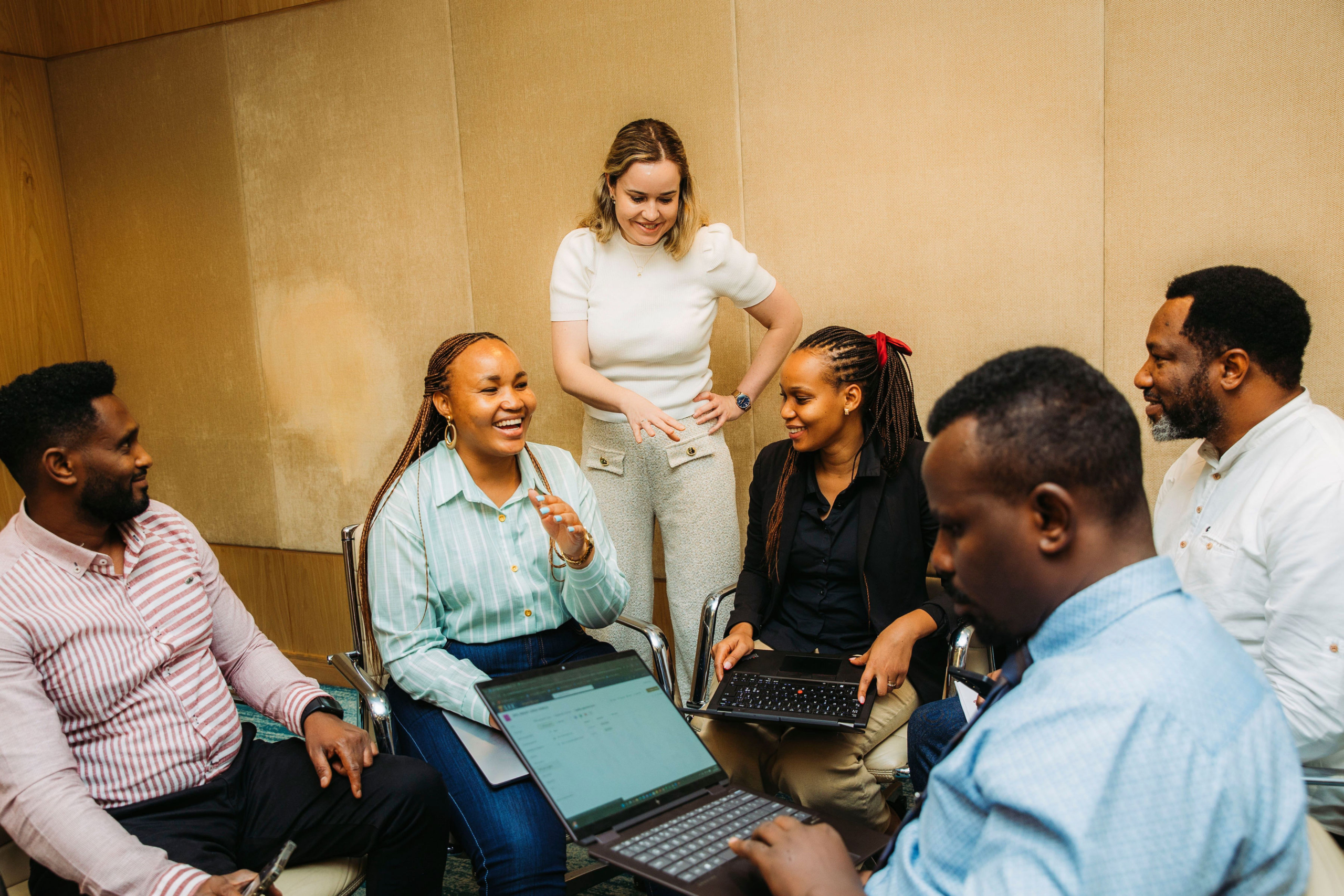
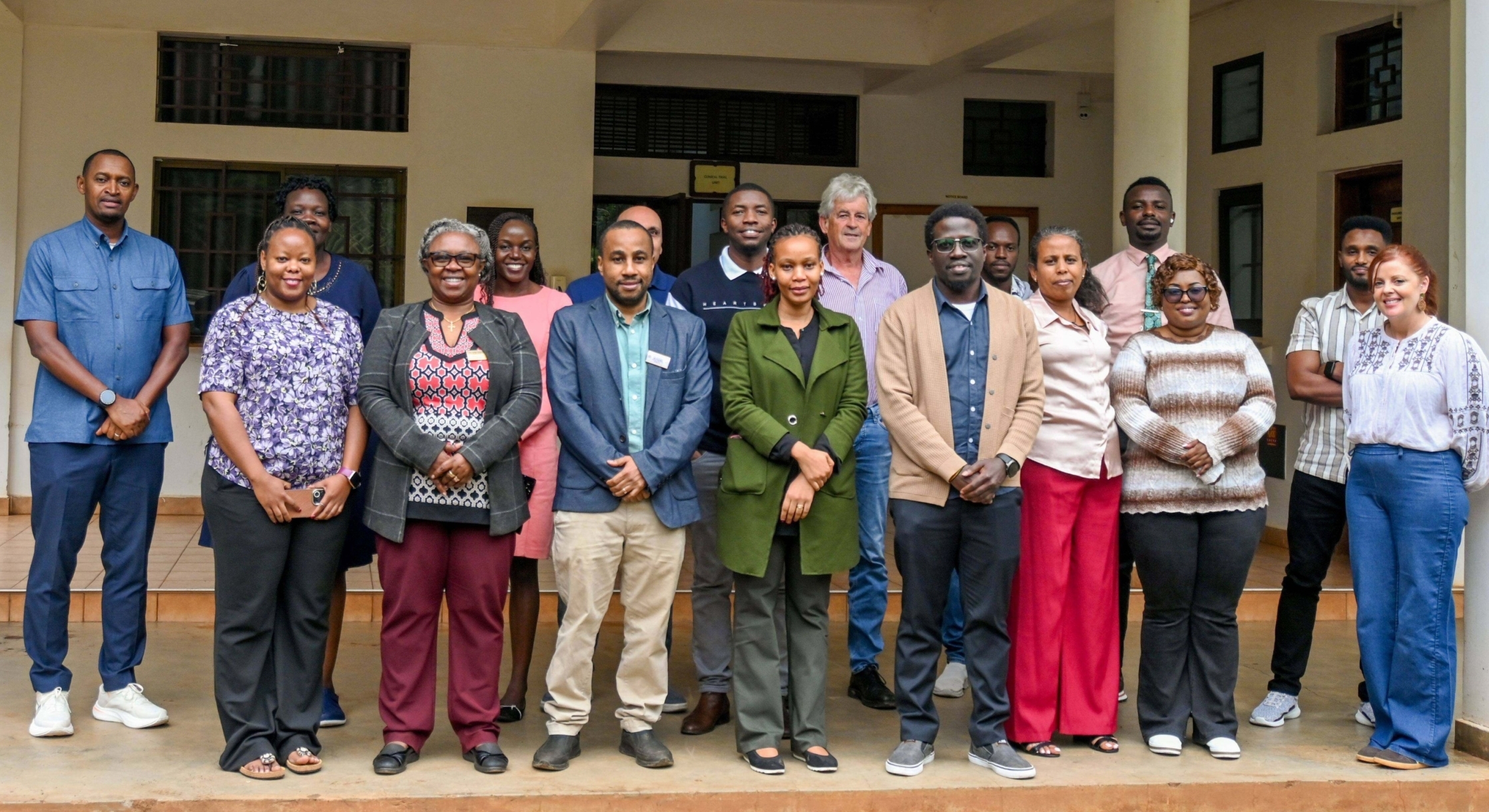
Last month, LINDA-FAMILIA project researchers gathered at the foothills of Mount Kilimanjaro in Tanzania to work together on a key project task: evaluation of the newly implemented digital health systems in each of the four project countries. Much time and discussion was spent refining approaches that will be used to capture meaningful feedback from healthcare workers in various settings on the usability, accessibility and cost-effectiveness of any new digital systems implemented, compared with existing ones. Such feedback is crucial to ensuring digital systems are correctly developed and scaled up from the outset. Successful systems must be practical to use, appropriate for their settings, and acceptable to the healthcare workers collecting the patient data.

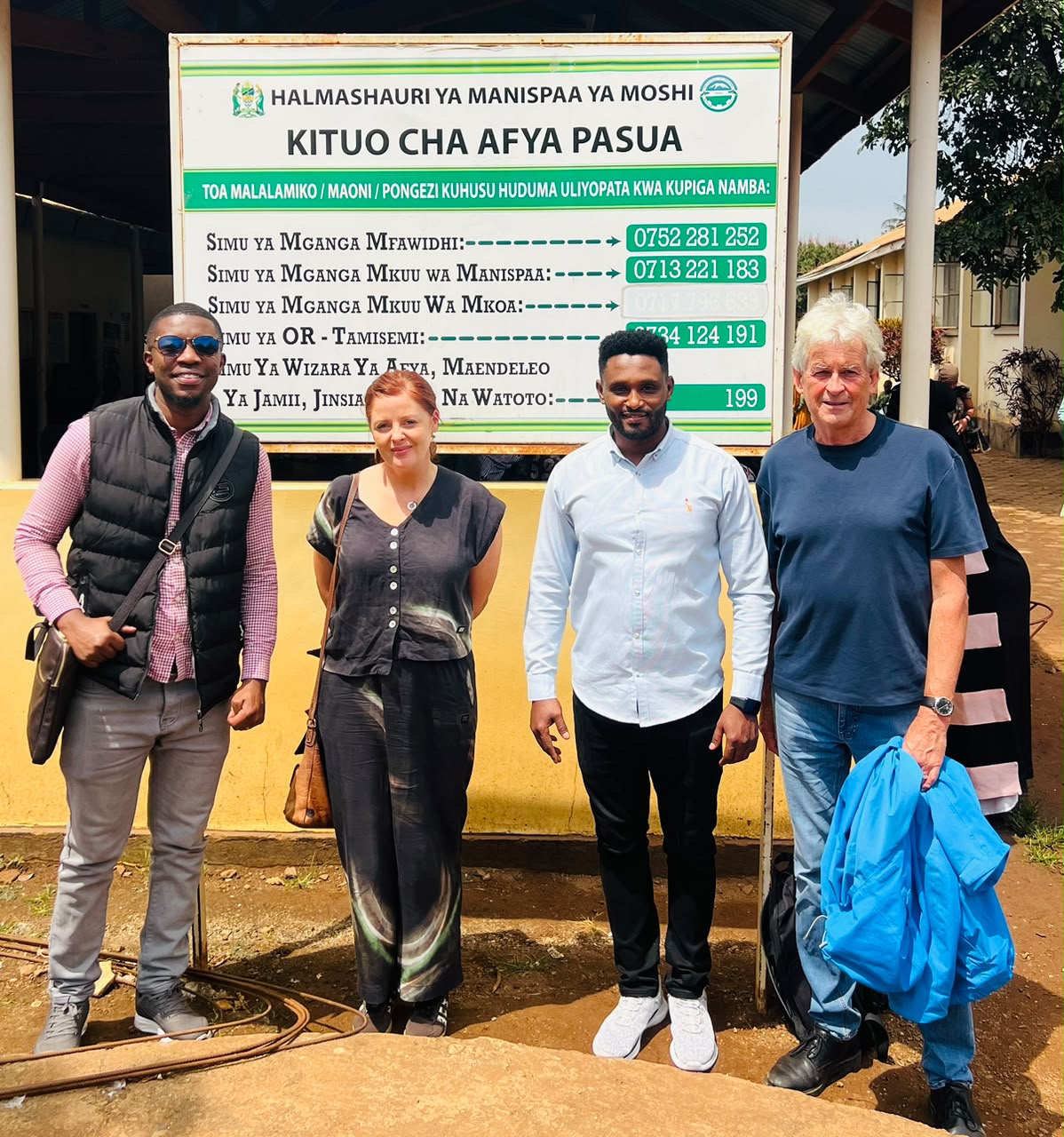
After three days of project collaboration at Kilimanjaro Clinical Research Institute (KCRI) on the Kilimanjaro Christian Medical Centre (KCMC) campus in Moshi, a small group of us crossed the town to visit a local healthcare facility (Pasua Health Centre) to see first-hand how maternal data is currently recorded and stored. At the busy antenatal clinic, pregnant women had routine weight and blood pressure measurements recorded by a nurse on paper. Additional medical information was captured by doctors at the clinic for input into GoTHOMIS, a digital healthcare platform used across public hospitals and health centres in Tanzania. We learned that while each woman has a unique patient identifier, there is currently no integration between the various health data systems used across different clinical departments, meaning antenatal data (including important information on infectious diseases history) is accessed separately to postnatal data, ultrasound data must be obtained from the sonography department, and so on.
Pasua Health Centre

While healthcare staff at Pasua have desktop computers available to enable point-of-care digital health data capture, these were not in use when we visited because of internet connectivity issues. Many of the LINDA-FAMILIA project regions experience regular challenges with internet reliability, adding further complexities to the project’s ambitions.

Joining us on the visit to Pasua Health Centre was Melkamu Tiruneh Alemu, a Public Health Specialist from Ethiopia completing his PhD on the LINDA-FAMILIA project in the area of maternal infectious diseases in East Africa. Melkamu spoke at length with Pasua’s IT Officer to understand more about maternal data capture processes at the facility. The conversation confirmed the fragmented nature of the facility’s health data systems, with paper records less likely to be consulted when making clinical decisions around a patient’s care, potentially increasing risks for mothers and newborns. Melkamu shared his thoughts:

“Integrated nursing, midwifery, and physician care is essential to ensuring continuous, coordinated, and high-quality antenatal care. Complete, accurate, standardised, and readily accessible maternal health information including clinical assessments, screening, laboratory results, medical treatments and outcomes enables healthcare providers to make timely clinical decisions, identify risks early and ensure appropriate follow-up. Effective integration of health information systems is critical to improving the quality and continuity of care, and ultimately to improving maternal and new-born health outcomes.“

There are many complex challenges embedded within maternal and child healthcare in sub-Saharan Africa, with fragmented health data systems representing just one issue. However, the return on investment from successfully strengthening digital health systems could be enormous. Through supporting the implementation, scale-up and evaluation of digital health infrastructure across Ethiopia, Rwanda, Tanzania and Uganda, the LINDA-FAMILIA project is proud to play its part in strengthening clinical data capture into the future, and in supporting clinicians to provide safer care for mothers and babies.
Designing a digital health system

By |2026-09-17T11:11:06+01:00August 27th, 2026|

The human side of designing digital health systems

By Stella Martha Migamba, Project Manager, Uganda

When a digital health information system is complex for the people who rely on it, such as frontline health workers, the consequences reach far beyond a slow screen. A system that is hard to understand can delay patient care and make it difficult to capture the accurate, timely information that guides diagnosis and intervention. When patient data is incomplete, gaps open up in patient management, diagnoses can be inaccurate, and life saving interventions can be delayed. For mothers and newborns, those delays can be the difference between a good outcome and an adverse one.

This is why understanding how a system actually performs in the hands of its users matters so much. Looking closely at a system’s usability, accessibility, sustainability, and economic cost gives us the insight we need to improve it. A system that is easier and more satisfying to use is also a system that health workers are more willing to accept and keep using.

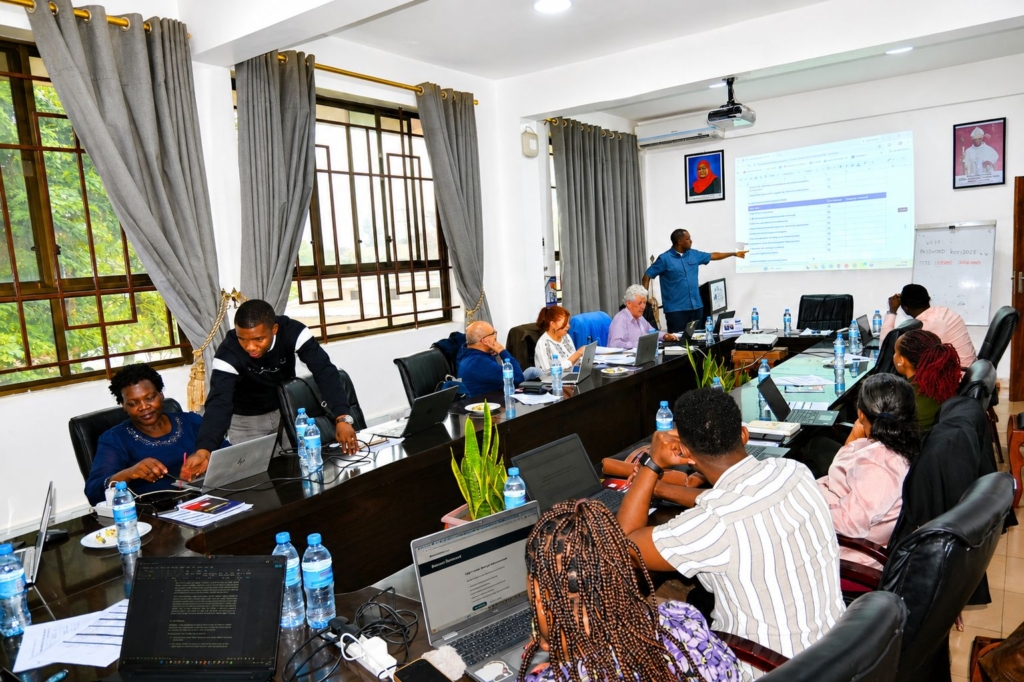
With this in mind, the LINDA FAMILIA project organised a three day workshop at the Kilimanjaro Clinical Research Institute in Tanzania to shape the strategies the project will use for Work Package 3, which covers Intervention Evaluation. The workshop brought together a multidisciplinary team of PhD fellows, supervisors, research fellows, project managers, and IT officers. Together they brainstormed practical approaches for assessing how users of digital health information systems experience and interact with those systems.

Dr. Seleman Ntawuyirushintege, WP3 lead explained

“For the system to be sustainable, it has to be accessible. Sustainability should be assessed using the RE-AIM approach, which looks at Reach, Adoption, Implementation, Effectiveness, and Maintenance.”

The conversations helped ground the wider team in how the work should be organised. Mark Outeke, one of the IT officers, noted that the meeting sharpened his understanding of how Work Package 3 activities should come together in practice.

That shared understanding is already translating into concrete work. Two PhD fellows, Chacha Mangu and Fils Uwitonze, are developing proposals to evaluate the use of the e-register across the four implementing countries: Ethiopia, Rwanda, Tanzania, and Uganda.

Evaluating how a system is actually used is more than an academic exercise. It helps us identify and troubleshoot the everyday challenges health workers face as they carry out their tasks. Addressing those challenges can lead to faster navigation, shorter patient waiting times, and more timely management of the people who come through the door.

Strengthening and scaling the use of digital health information systems is a gradual process, but it is a critical one for improving health systems overall. By improving the experiences of the people who use these systems every day, we can support timely clinical decisions and, ultimately, better maternal and newborn health.

Advancing maternal and child health through better data

By |2026-07-07T15:27:37+01:00July 7th, 2026|

Advancing maternal and child health through better data

Reliable, high-quality health data is essential for improving care for mothers, babies and children. But when health information is collected differently across countries or systems cannot communicate with one another, it becomes harder to monitor outcomes, inform clinical decisions and generate the evidence needed to strengthen healthcare.

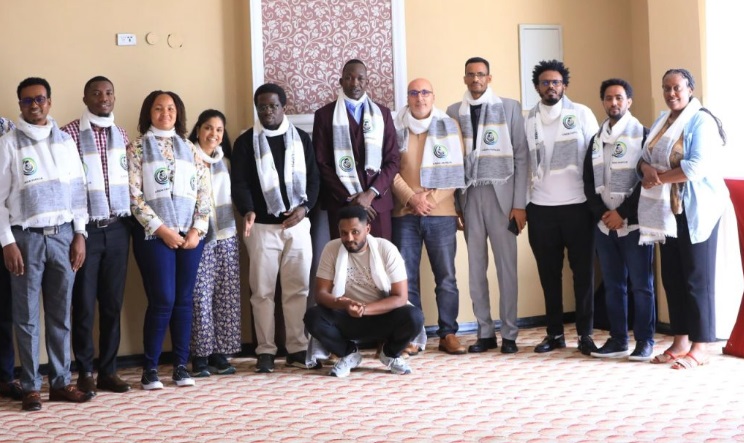
As part of the Horizon Europe-funded LINDA-FAMILIA project, researchers and health system partners from Ethiopia, Rwanda, Uganda and Tanzania recently came together in Addis Ababa to advance a shared approach to data harmonisation and interoperability across maternal, newborn and child health systems.

Professor Ali Khashan from INFANT Research Centre at University College Cork provided technical leadership during the workshop, leading sessions focused on improving the comparability of maternal health data across participating countries. Working with project partners, participants reviewed existing data collection systems, identified common data elements, explored opportunities for federated research, and developed a regional roadmap for harmonising health data in line with World Health Organization recommendations.

Alongside this work, technical sessions explored how Electronic Medical Record (EMR) systems can better integrate with District Health Information Software 2 (DHIS2), helping countries strengthen digital health infrastructure, improve reporting and support more informed clinical and policy decision-making.

This workshop marks another important milestone for the LINDA-FAMILIA project as partners work together to build interoperable digital health systems that improve maternal, newborn and child health across East Africa.

Read the full workshop report from the Ethiopian Public Health Institute here.

Building stronger evidence for better maternal and child health in East Africa

By |2026-05-06T14:16:53+01:00May 6th, 2026|

Building stronger evidence for better maternal and child health in East Africa

By Jimmy Patrick, Alunyo PhD fellow, Uganda

Every day across East Africa, thousands of pregnant women miss antenatal care appointments not because they do not care, but due to barriers such as distance, cost, competing responsibilities, or simply forgetting. When these visits are missed, early warning signs such as infections, high blood pressure, or pregnancy complications go unnoticed, putting both mothers and babies at risk.

Improving maternal and child health depends on stronger health systems. It requires stronger evidence to guide care, policy, and innovation.

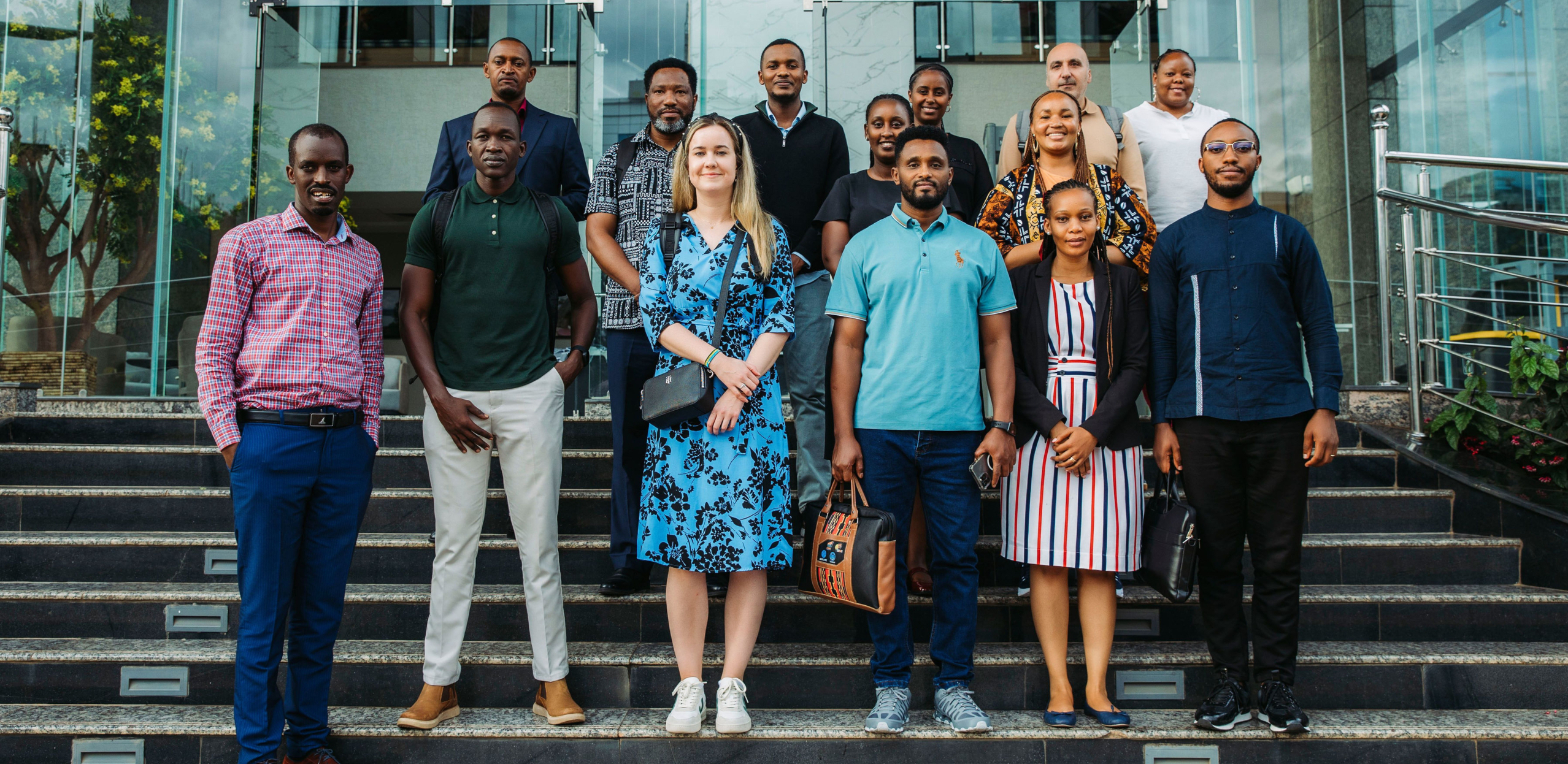
That is why the LINDA-FAMILIA Project brought together nine PhD students and one postdoctoral researcher in Kigali, Rwanda for a four-day intensive training on systematic review and meta-analysis.

The training, held from 20-24 April 2026, focused on helping students build and bring together evidence across different areas of the project, particularly within Work Package 3 (Intervention Evaluation) and Work Package 4 (Clinical Research). Throughout the week, participants developed practical skills in writing research protocols, searching scientific literature, extracting and reviewing data, and analysing results using Review Manager (RevMan).

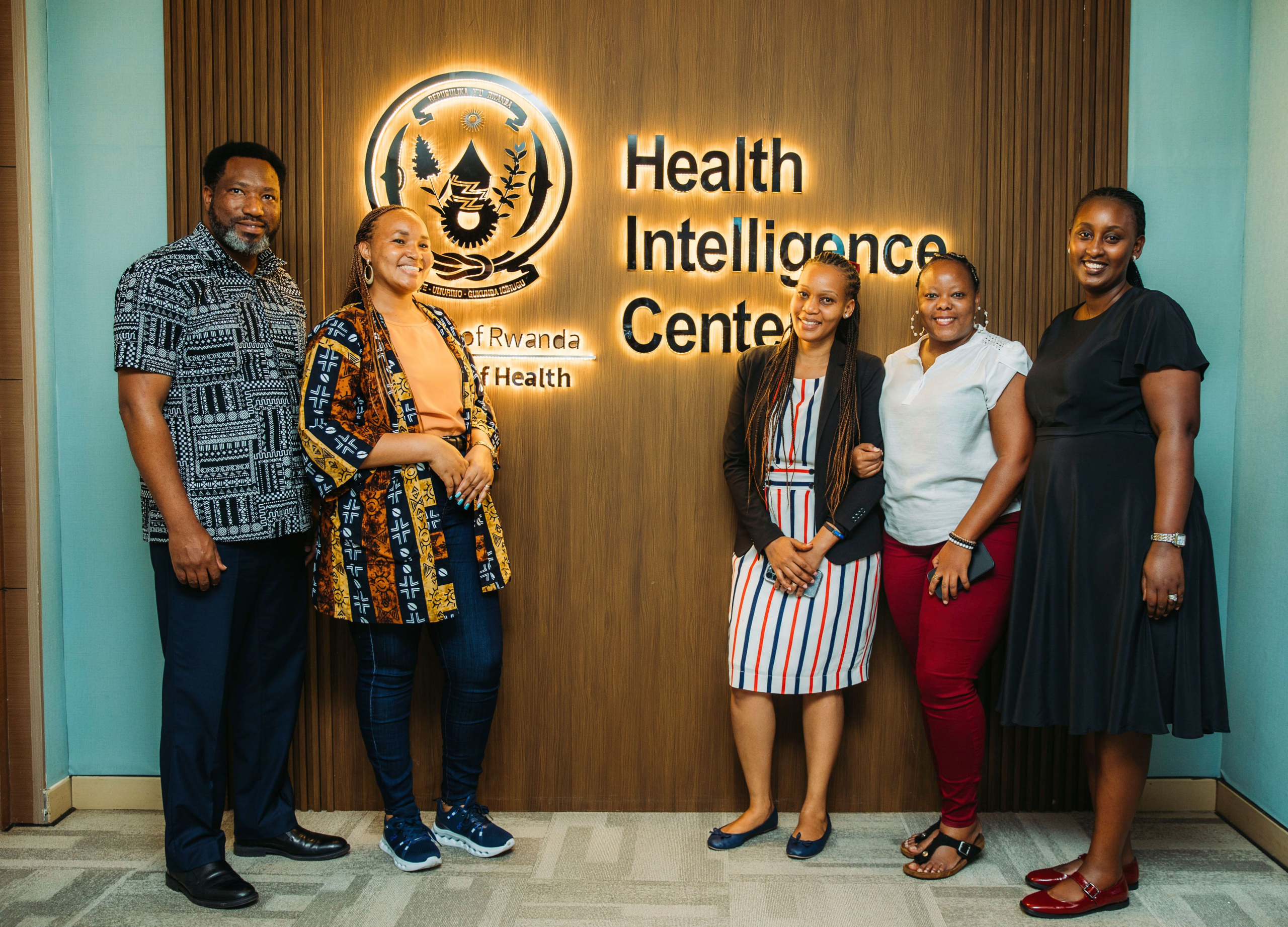
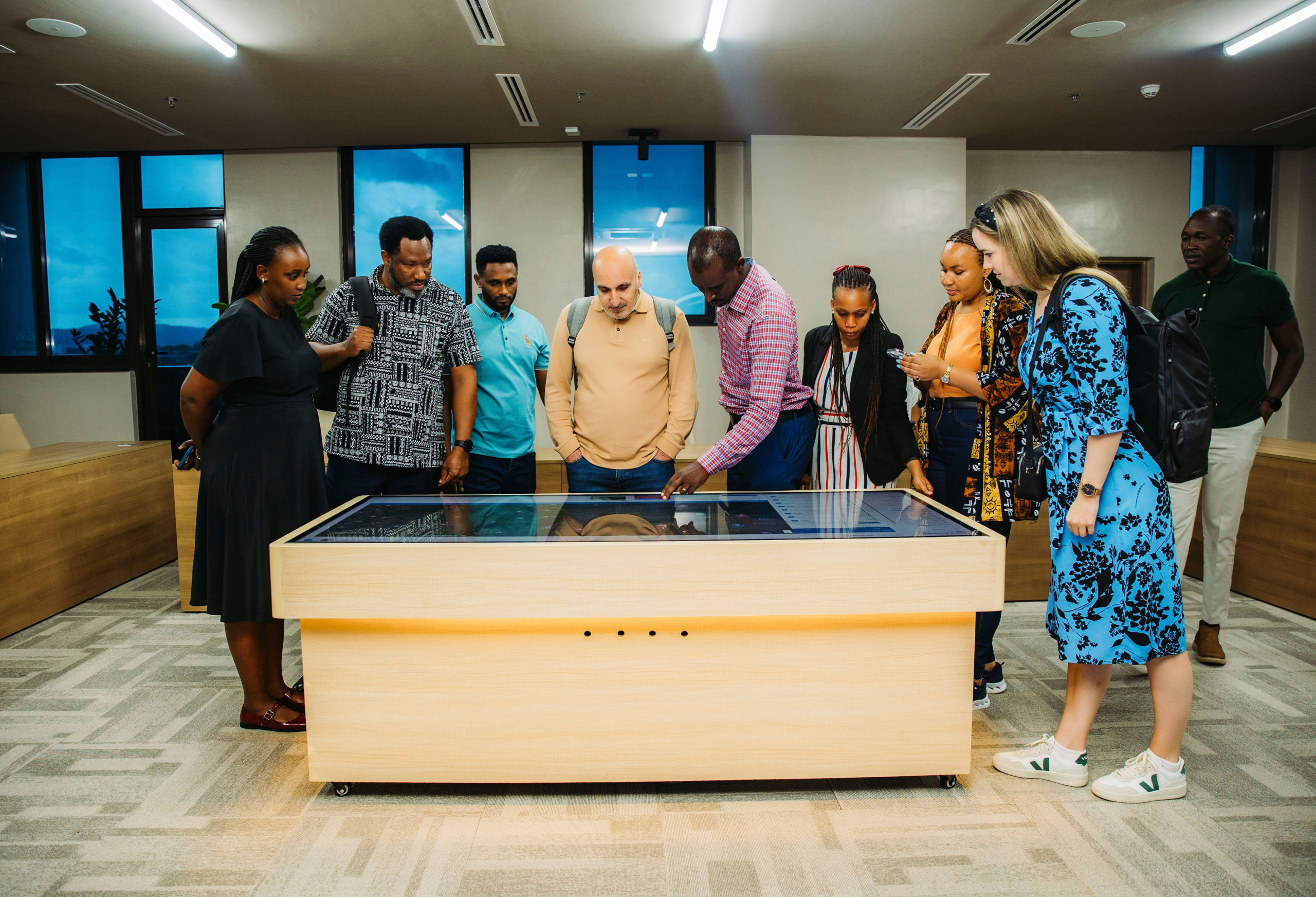
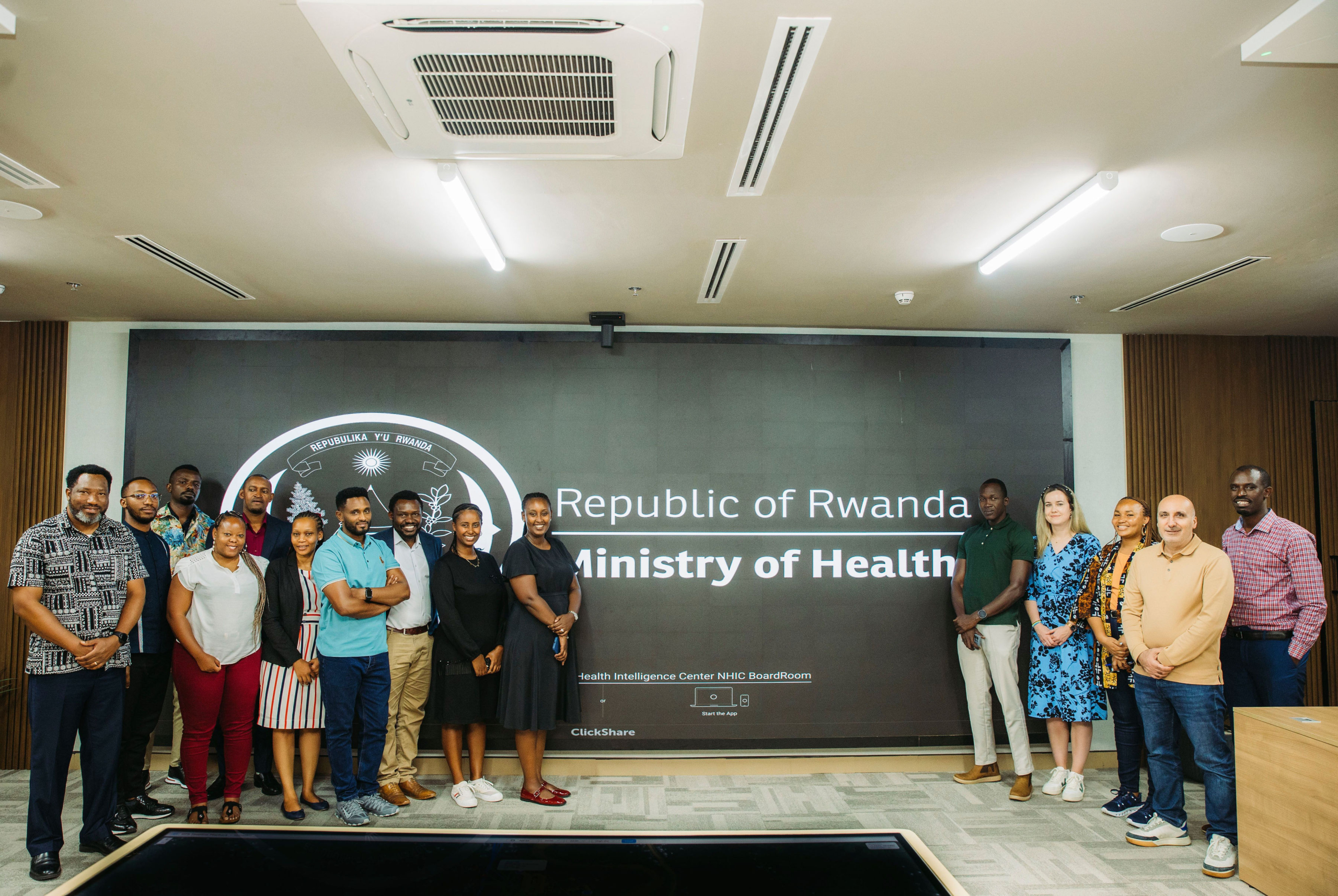
The workshop also extended beyond the classroom. Through visits to Rwanda’s National Health Intelligence Center, students saw how health data is used in real healthcare settings to support decision-making.

For many, the training shifted how they think about research.


Reflecting on the week, PhD student Espoir shared that one of his biggest lessons was the importance of reading more deeply and intentionally. For him, understanding the existing literature is not just a requirement for PhD proposal development, but the foundation for identifying gaps and building stronger research questions.

For PhD student Jimmy, the training built confidence in assessing the quality of research.

“The training increased my confidence in assessing the quality of evidence using tools like the Cochrane Risk of Bias Tool and the Newcastle-Ottawa Scale, understanding heterogeneity, and conducting subgroup analysis. These skills will directly support the scoping review we are conducting under WP4.”

PhD students Jimmy, Hiwot and Rehema, are currently working on a review exploring the use of SMS reminders in maternal healthcare across East Africa. This work will help inform one of LINDA-FAMILIA’s upcoming clinical trials.

Looking ahead, Professor Ali Khashan encouraged students to continue building their skills in epidemiology and biostatistics, stay connected with supervisors, start writing early, and prepare abstracts for the upcoming EDCTP Conference in Madrid.

Special thanks go to Dr Gillian Maher for leading much of the training and to the Rwanda team for hosting a productive week of learning, reflection, and collaboration.

At the heart of the LINDA-FAMILIA project is a focus on strengthening researchers, because better evidence can lead to better care for mothers, babies, and families across East Africa.


Go to Top