About Comms

This author has not yet filled in any details.
So far Comms has created 401 blog entries.

Dr Khashan and Dr Woodworth visit Tanzania as part of the Kilimanjaro Ultra 2020 project

By |2022-06-03T14:26:04+01:00June 3rd, 2022|

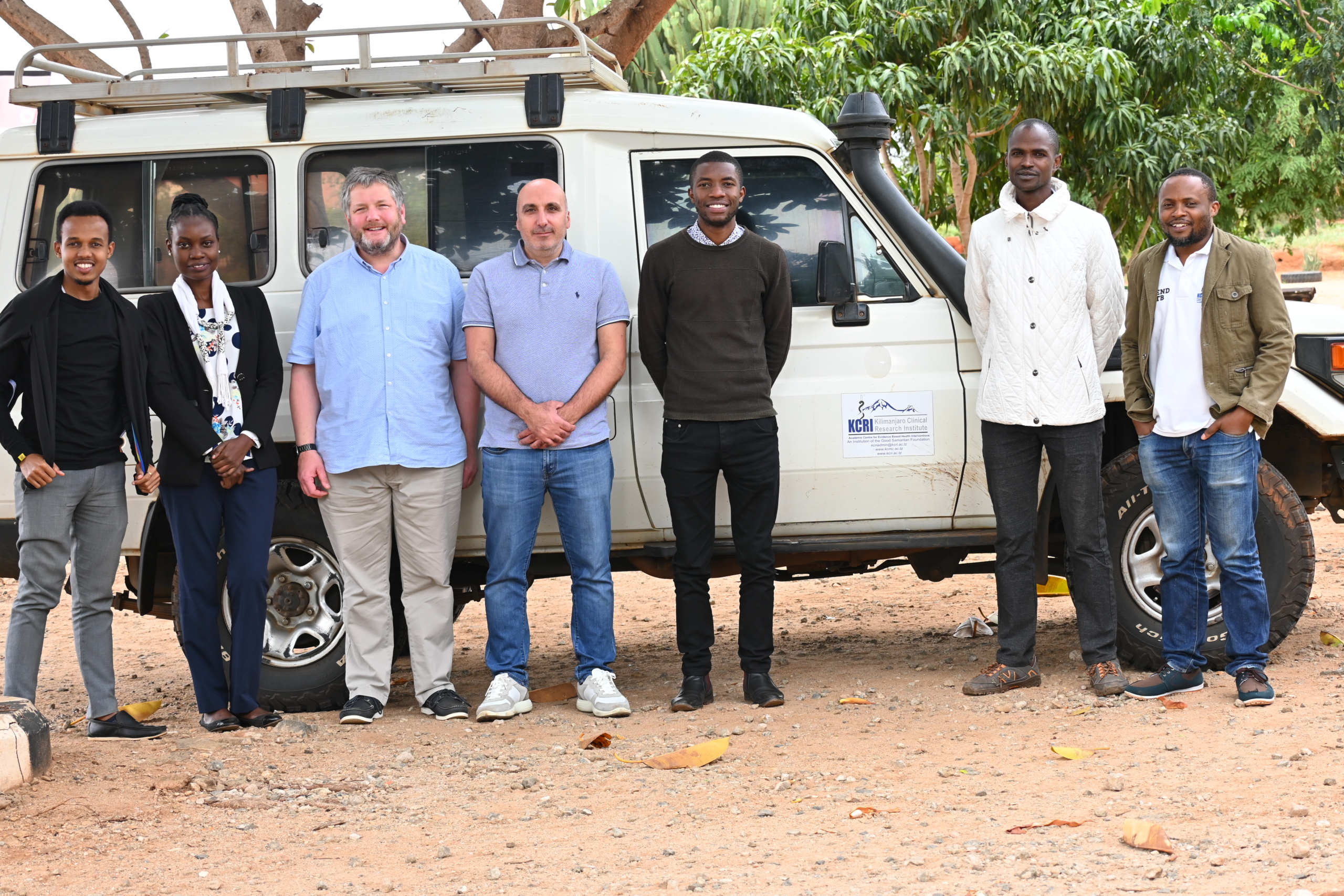
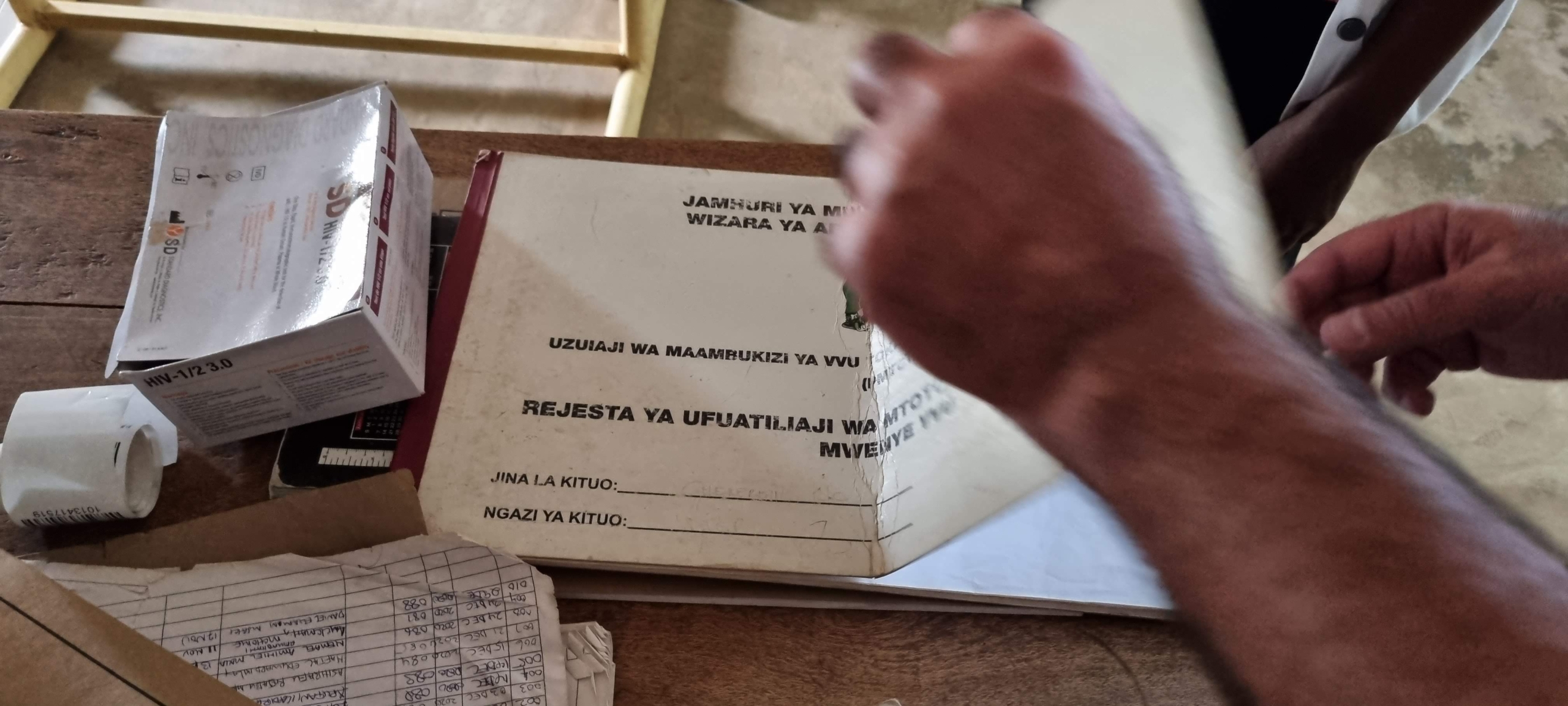
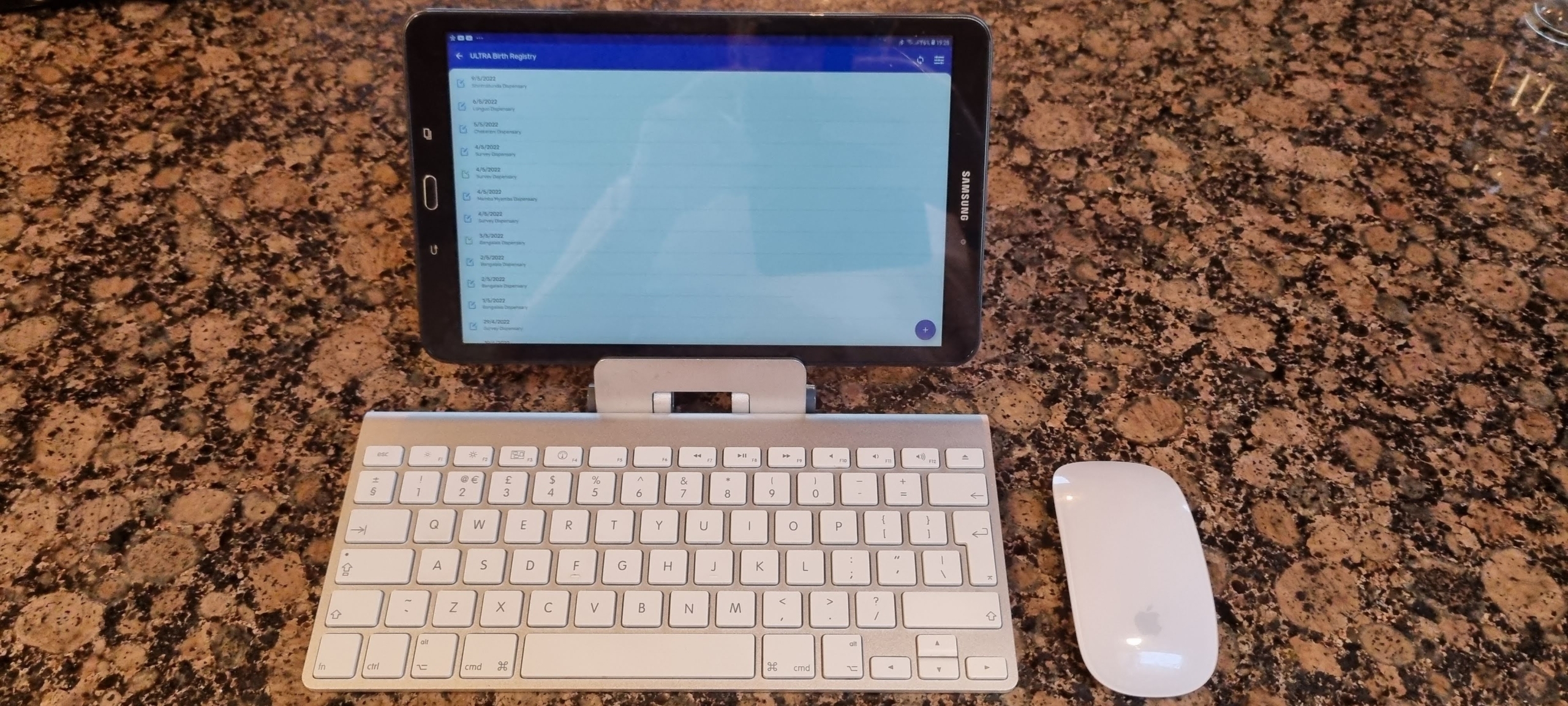
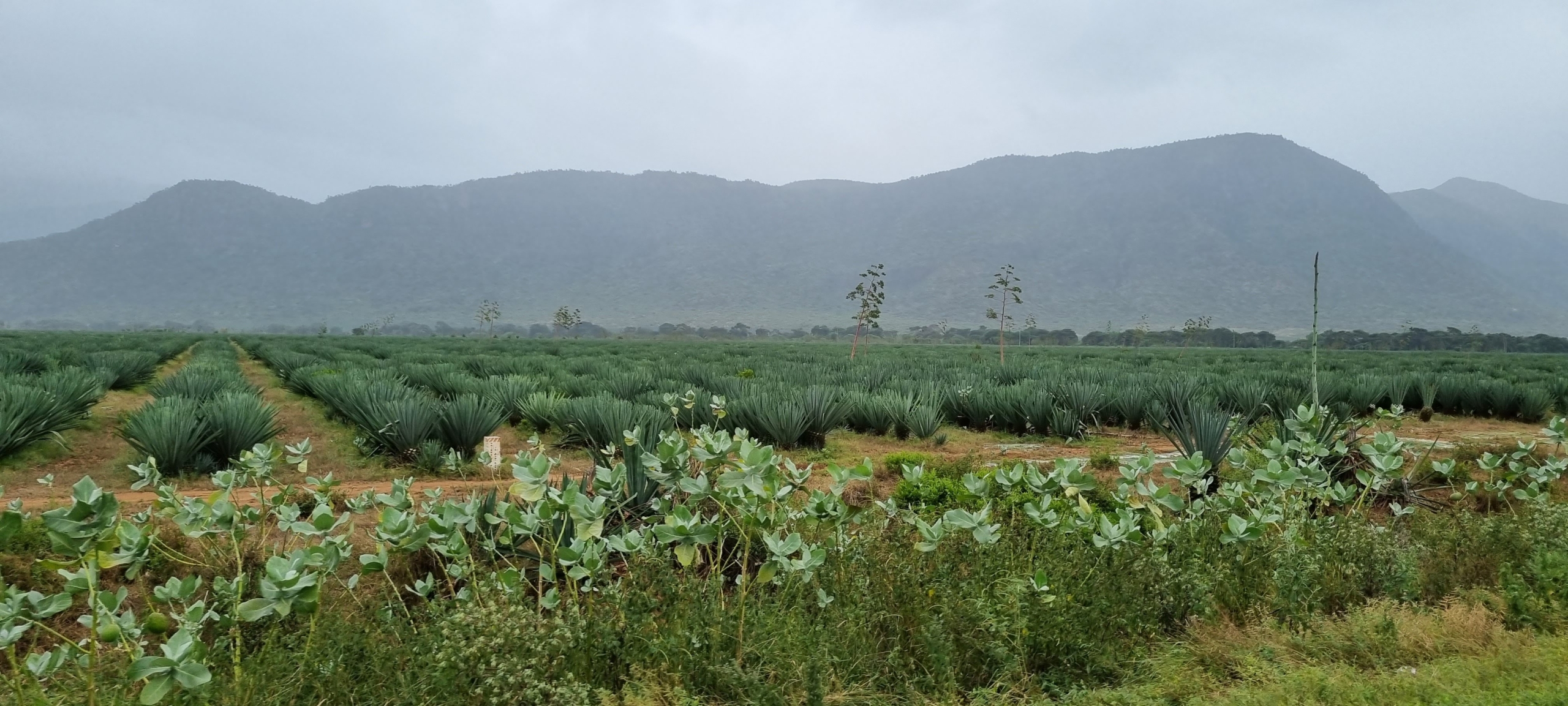
Last month Dr Ali Khashan and Dr Simon Woodworth travelled to the Kilimanjaro Region of Northern Tanzania as part of the Kilimanjaro ULTRA 2020 project funded by COALESCE. The ULTRA app is currently being trialed across Kilimanjaro and was designed to improve health outcomes of mothers and babies by enabling health officials to accurately record key data so that they can establish targeted intervention strategies aimed at improving maternal healthcare.

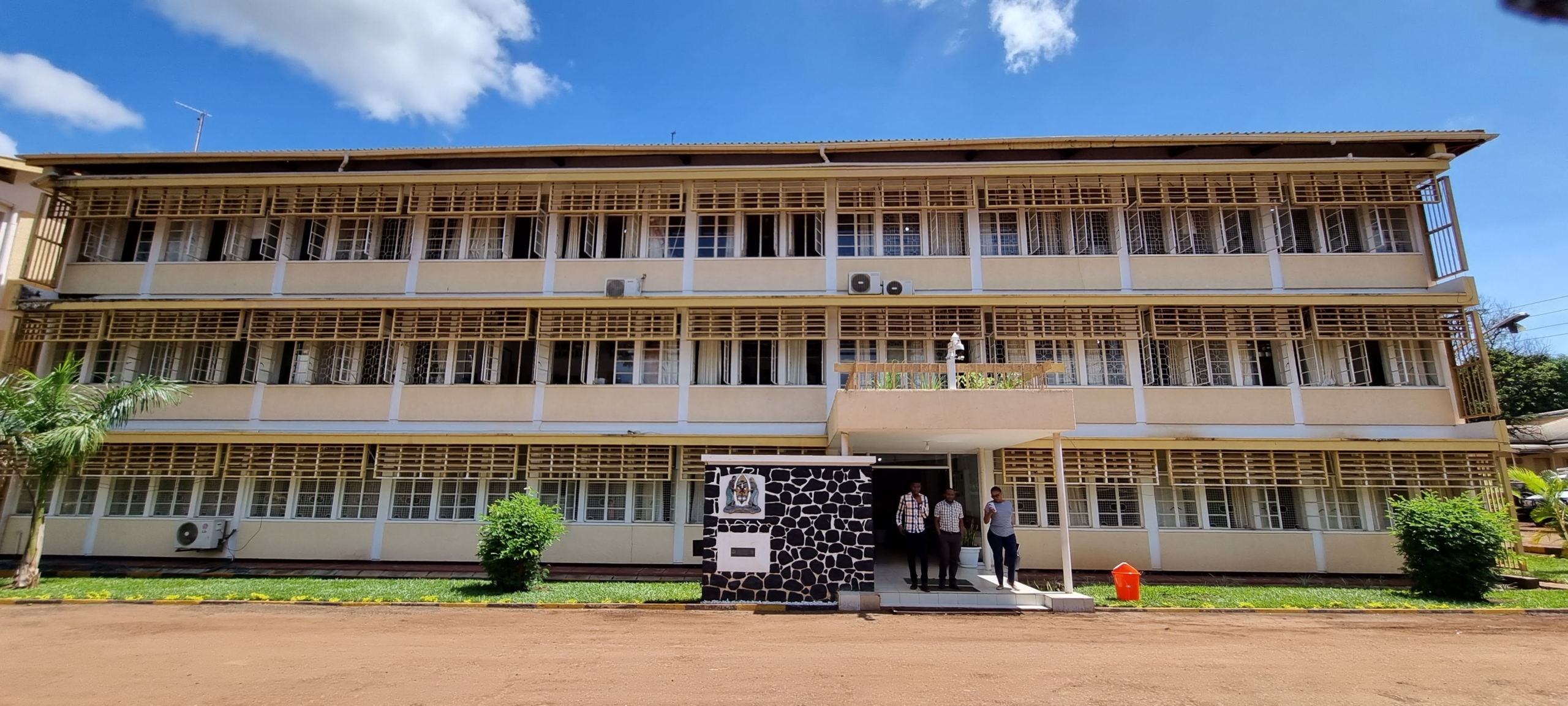
Dr Ali Khashan: “We had an exciting visit to our colleagues at KCMC, where we visited several healthcare facilities across the region and had meetings with healthcare professionals including research team lead Dr Blandina Mmbaga and the regional reproductive health officer Gaudensia Olomi. We have learnt a lot about the maternal health care services in the region, where we will pilot the ULTRA App in the next two years. We very much look forward for our future visits.”

Dr Simon Woodworth: “The ULTRA App has the potential to replace existing paper based maternal tracking systems with an electronic system that is easier to use, searchable, and which will provide up to date data to nurses, clinicians and decision makers in the Kilimajaro Regional Health System.”

Dr Blandina Mmgaba: “The sites visits by Dr Ali Khashan, Dr.Simon Woodworth and the ULTRA 2020 study team has shown a snapshot of the need for digital birth registry, the HMIS in practice needs modification to incorporate all necessary variables in the stages of RCH from Antenatal to Postnatal services. For future scale up and sustainability the need to involve the Ministry of Health is crucial. We have started working with the Regional Administrative Secretary through the Regional Medical Officer who is ready to support the digitization of the birth registry within the selected health facilities in the region.”

Learn more about the Kilimanjaro Ultra 2020 project here
Admission of Professor Geraldine Boylan and Professor Mairead Kiely to the Royal Irish Academy

By |2022-06-02T16:31:57+01:00June 2nd, 2022|

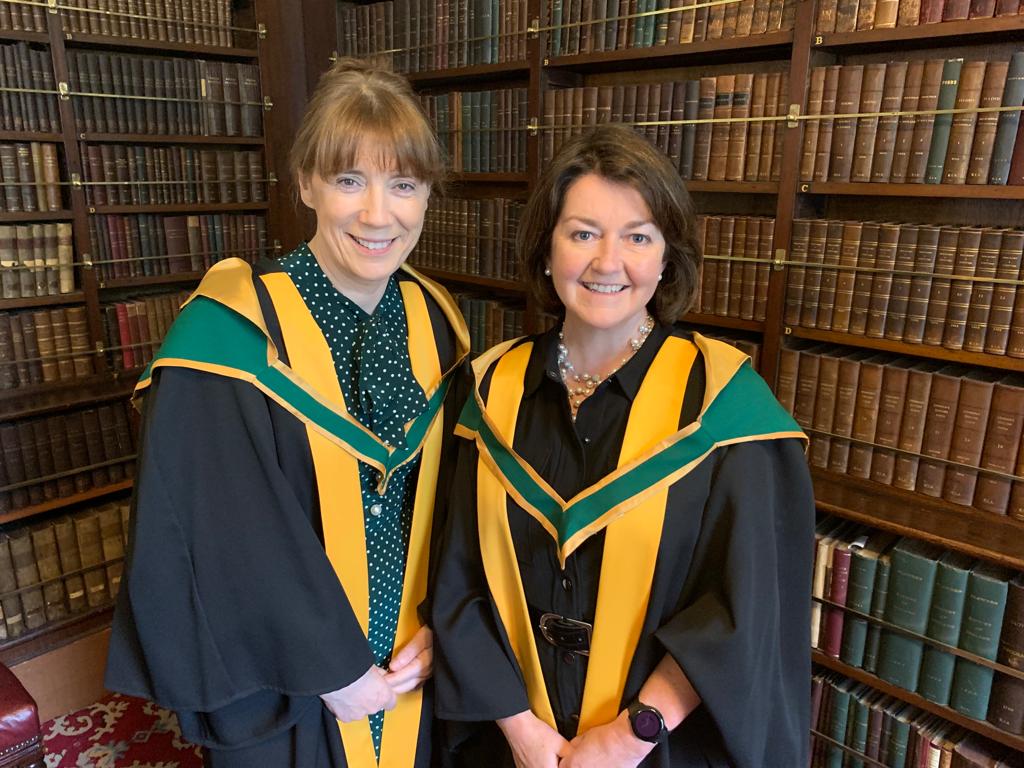
The INFANT Research Centre is tremendously proud to announce the admission of Professor and Director of INFANT  Geraldine Boylan to The Royal Irish Academy alongside other new members, including INFANT Principal Investigator Professor Mairead Kiely.

The Royal Irish Academy is Ireland’s leading body of experts in sciences & humanities, which provides expert advice; manages research projects; publishes books & journals; sustains a library. The RIA has been honouring Ireland’s leading contributors to the world of learning since its establishment in 1785.

New members were commended for their exceptional contributions to the sciences, humanities, and social sciences – as well as to public service at an admittance day ceremony in Dublin.

Geraldine Boylan is Professor of Neonatal Physiology, University College Cork and Director of INFANT, the Irish Centre for Maternal and Child Health Research. She is a leading figure internationally in Newborn Neurophysiology and has championed the use of signal processing and AI for the identification of infants at risk of brain injury. Her research innovations have now been translated to the patient bedside, benefitting newborns worldwide

Mairead Kiely is a Professor in Human Nutrition at University College Cork. She is an international leader in the field of micronutrient research, in particular vitamin D and its impact on health and child development. Prof Kiely is an expert in nutritional risk assessment and contributes to several international advisory groups in Public Health Nutrition.  

Also elected members were: Katherine Browne (University College Dublin); Mary Cannon (Royal College of Surgeons in Ireland, University of Medicine and Health Sciences); Karen Corrigan (Newcastle University); Mary Cosgrove (TCD); RĂłnadh Cox (Williams College); Gary Donohoe (NUI Galway); Fiona Doohan (UCD); Linda Doyle (TCD); Mary Doyle (Trinity Long Room Hub); Gladys Ganiel (Queen’s University Belfast); Andreas Hess (UCD); David Jones (QUB); Patricia Kearney (UCC); JoAnne Mancini (Maynooth University); Niamh Moloney (London School of Economics); Orla Muldoon (University of Limerick); Siobhán Mullally (NUIG); James P O’Gara (NUIG) Stefan Oscarson (UCD); Ann Rigney (Utrecht University); Jane Roberts (University of London); David Stifter (MU); Virginia Teehan (Heritage Council of Ireland) and Patrick Wyse Jackson (TCD).

There are 656 members of the RIA including: Nobel Laureates William C Campbell and John O’Keefe; Louise Richardson, vice-chancellor of the University of Oxford; Frances Ruane, economist; Philip Lane, European Central Bank; Fabiola Gianotti, director general CERN; Brigid Laffan, Irish political scientist and director of the Robert Schuman Centre for Advanced Studies and Geraldine Byrne-Nason, Ireland’s permanent representative to the UN.Past Members have included Maria Edgeworth, a pioneer of the modern novel and Nobel laureates WB Yeats; Ernest Walton, Erwin Schrödinger and Seamus Heaney.


PhD Profile: Caroline O’Connor

By |2022-05-24T11:54:35+01:00May 24th, 2022|

Caroline is a PhD student at the INFANT Centre. Caroline completed her BSc Midwifery in the UCC in 2010. After graduating she travelled to Essex in the UK where she worked as a Band 6 Midwife in one of the largest and busiest maternity units in the country. She returned home at the end of 2011 and began working as an agency midwife in various maternity hospitals around Ireland.

Caroline went on to work as a research associate with a medical diagnostics company in conjunction with University College Cork involved in the development of a blood test which can predict the risk that a woman will develop preeclampsia later in their pregnancy.

Caroline has completed a postgraduate diploma with UCC in Preparation for Birth and Parenthood and enjoys providing antenatal classes in her spare time.

Caroline is now pursuing a PhD with INFANT and NPEC in the area of Multiple pregnancy: An investigation of the risk factors and outcomes in the ROI (The MILESTONE study).  Her research is funded by the Irish Research Council.

The objective of the study are:

  1. Examine the current maternity care provided for the antenatal management of dichorionic diamniotic (DCDA) twin pregnancies, through the identification, appraisal and review of national and international clinical practice guidelines.
  2. Identify the maternal and care-related risk factors associated with perinatal mortality and explore perinatal mortality within the twin population in the ROI.
  3. Identify neonatal outcomes of very low birth weight twin pregnancies in the ROI.
  4. Identify the specific service needs of women/couples, to inform future developments and help improve the quality of care within the maternity services.
  5. National service evaluation within the ROI on the provision of antenatal care to DCDA twin pregnancies and establish if the care provided is in line with national and international recommendations.
  6. Contribute to the development of a DCDA twin pregnancy clinical practice guideline.

Caroline’s supervisors are Prof. Keelin O’Donoghue (INFANT) and Dr. Sara Leitao (NPEC)

Caroline aims to contribute to improving and standardising the care of twin pregnancies and especially improving the experience of the parents using the services.

UCC to Lead Research on COVID-19 Infection and Vaccine Uptake During Pregnancy

By |2022-05-16T14:25:24+01:00May 16th, 2022|

UCC to Lead Research on COVID-19 Infection and Vaccine Uptake During Pregnancy

University College Cork (UCC) and Ulster University (UU) researchers have been awarded €200,000 from the Irish government as part of the North-South “Shared Island” research funding programme to conduct research on COVID-19 infection and vaccine uptake in pregnancy, and the effects of infection and vaccine on the developing fetus.

The project aims to 1) establish the patterns of pregnancy exposure to COVID-19 infection and vaccine uptake in the North and South of Ireland and compare these to 19 European regions/countries; and 2) to examine whether there is an association between rates of COVID-19 infection and vaccine uptake and the prevalence of abnormalities of fetal development, in the first trimester of pregnancy.

Led by Dr Ali Khashan at UCC’s world renowned INFANT Research Centre, and in collaboration with Dr Paul Corcoran of the National Perinatal Epidemiology Centre in UCC, and Dr Maria Loane and Professor Helen Dolk at UU, the study will provide pregnant women, partners, healthcare providers and policy makers with quality information so that they can make informed decisions around COVID-19 vaccination during pregnancy.

The project also collaborates with public health professionals in the North and South of Ireland including Dr Mary O’Mahony (Department of Public Health, HSE South and UCC), Prof Richard Greene (UCC); and Dr Heather Reid and Dr Alison Little (Norther Ireland Public Health Agency).

While there is a lot of data on the dangers posed by COVID-19 during late pregnancy, more research is needed relating to the safety of the infection, treatment and vaccination during the first trimester of pregnancy, according to Dr Khashan.

Dr Loane said “this research will provide evidence to inform women and healthcare providers about the balance of risks and benefits of COVID-19 infection and vaccines in the first trimester of pregnancy”.

A recent survey found that only 58% of new and expectant mothers in the Republic of Ireland had been vaccinated against COVID-19, and reports in Northern Ireland suggest that pregnant women are particularly likely to need intensive care.

The COVICAT research will use data from several open access data sources on COVID-19 infection and vaccine and the European Surveillance of Congenital Anomalies (EUROCAT) registry.

Ultimately, Dr Khashan and his team hope to create an island wide database based on weekly COVID-19 infection and vaccination data in pregnancy.

By making the data publicly available, the COVICAT team hope that they can alleviate some of the concerns pregnant women may have over COVID-19 vaccines.

In turn, Dr Khashan hopes that the study will help inform the decisions of women and clinicians when it comes to vaccination.

INFANT Seminar Series

By |2022-05-10T08:34:50+01:00May 10th, 2022|

📣Dr Yvonne D’Art will present ‘Single dose challenges in the diagnosis and management of cow’s milk allergy in infants’ at the INFANT seminar

đź“… Friday May 13th at 12pm

💡Cow’s milk protein allergy (CMPA) is one of the most common food allergies in infancy. Single dose challenges are a new method of assessing dose reactivity in food allergic children.
In this study 60 children were recruited to a randomised controlled trial of single dose exposure to cow’s milk using the dose of milk that would elicit reactions in 5% of CMPA subjects(the ED05), before implementation of graded exposure to milk at home, using the 12-step milk ladder.
The milk ladder was shown to be safe and effective in infants under 12 months and that the single dose challenge helps these infants achieve tolerance even more quickly. Levels of maternal anxiety were also found to reflect infants’ progress and that pre-existing high levels of anxiety are associated with poorer progress.

INFANT Researchers contributing to The Biophotonics Congress: Biomedical Optics

By |2022-04-27T11:14:41+01:00April 27th, 2022|

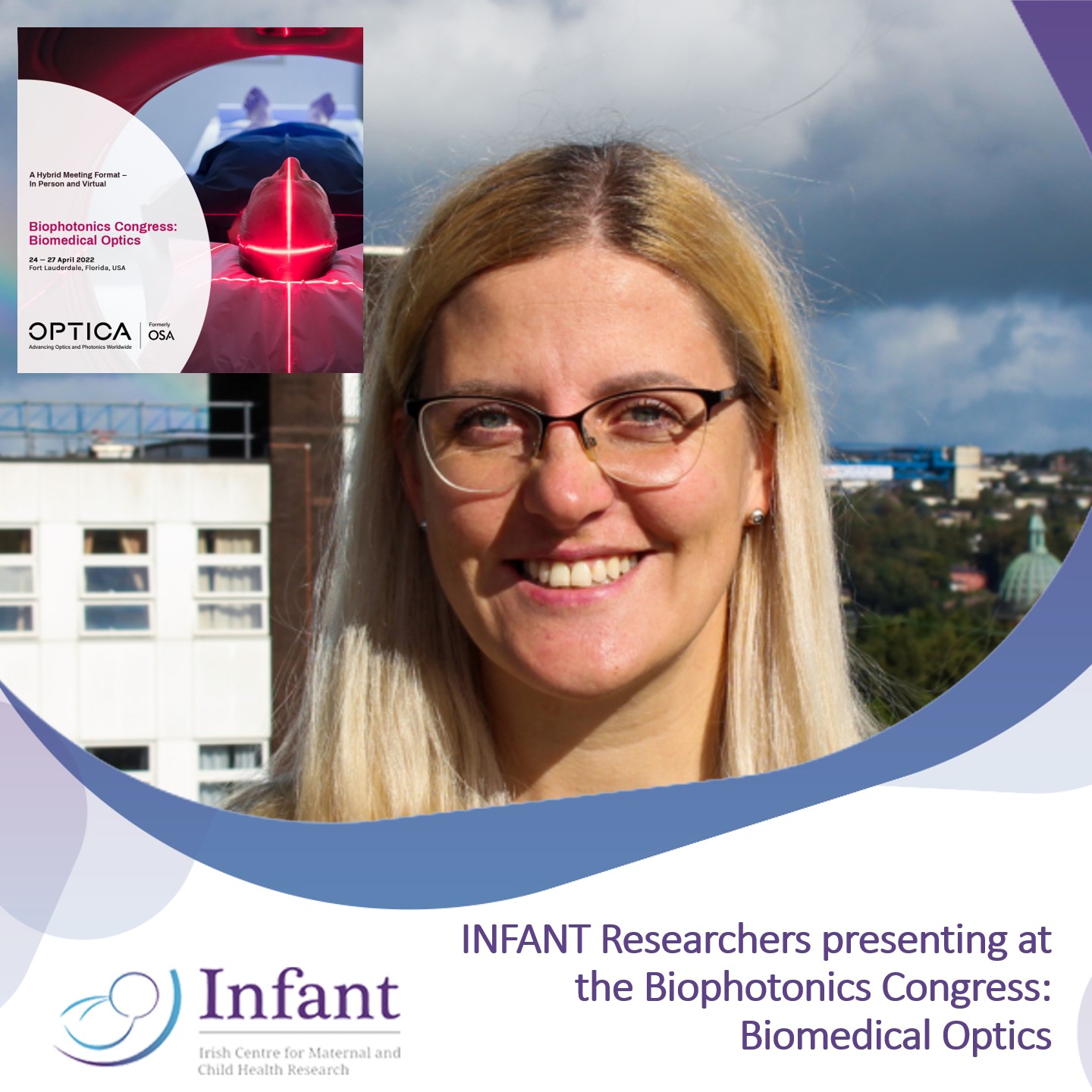
📣 The Biophotonics Congress: Biomedical Optics is one of the leading events that gathers international researchers engaged in optical methods to advance application of medical science to clinical practice.

đź—Ł 27th April – Clinical research fellow Jurate Panaviene at INFANT is going to present the results of the Pilot trial investigating non-invasive, optical technology-based lung oxygen monitoring in healthy infants.

đź’ˇThe preliminary results of a clinical study performed at Cork University Maternity Hospital in collaboration between researchers at the INFANT research centre and Tyndall Institute @Biophotonics group have shown that GAs in Scattering Material Absorption Spectroscopy (GASMAS) enables oxygen detection inside the newborn babies and is a strong message to share with the scientific community to stimulate further clinical investigations and development of the technology.

🔍Find out more about the congress here

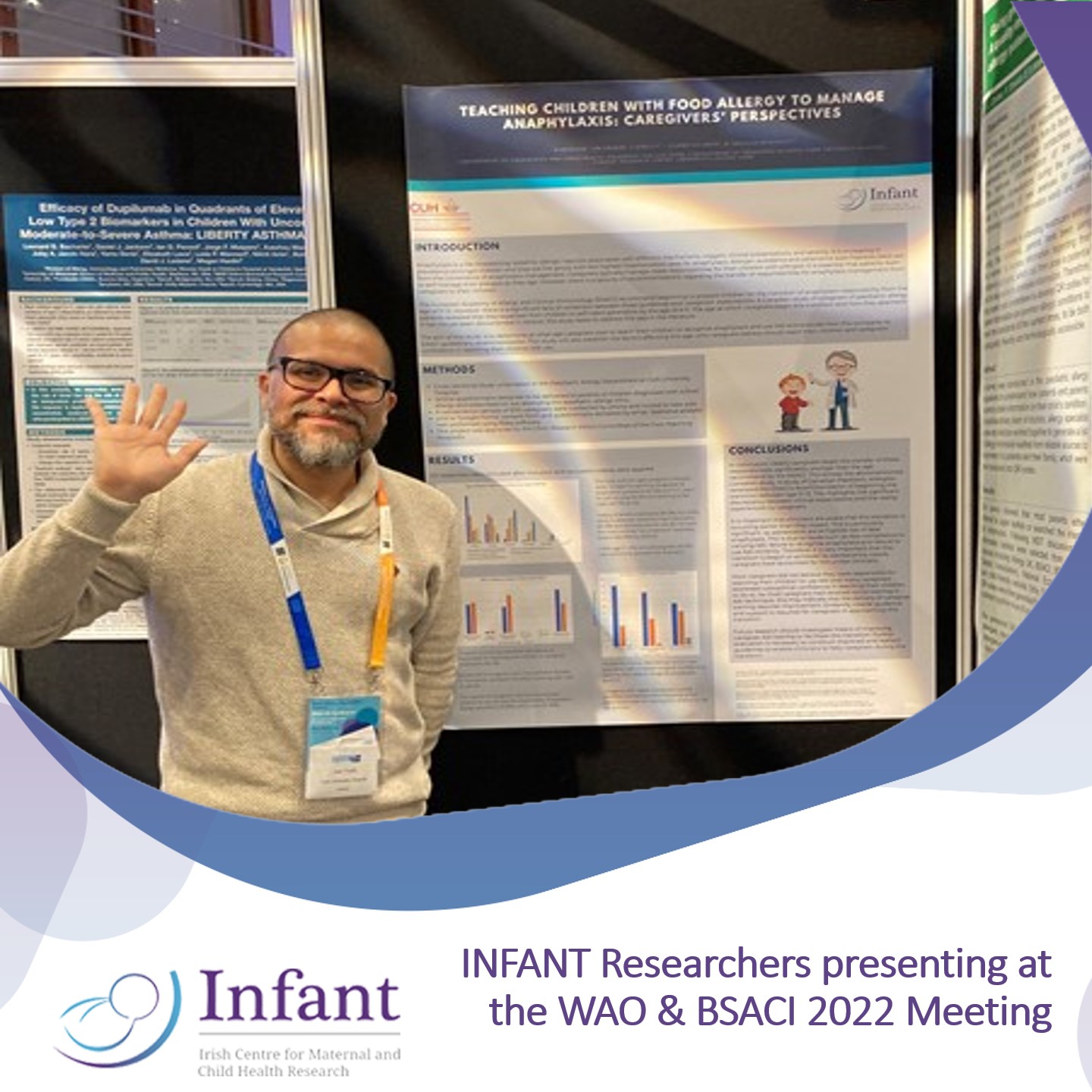
INFANT Researchers presenting at the WOA & BSACI 2022 Meeting

By |2022-04-27T10:25:22+01:00April 27th, 2022|

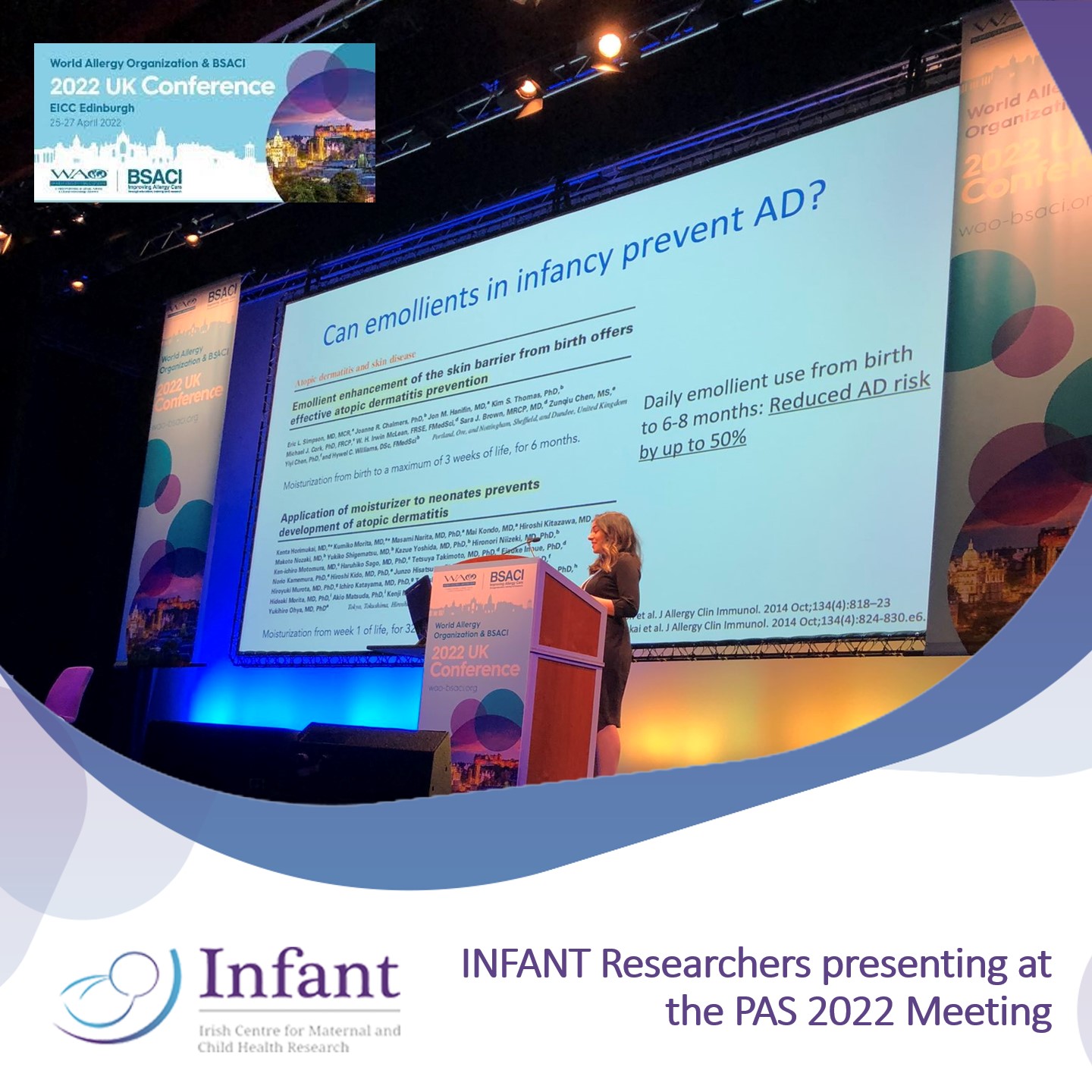
📣INFANT is at the World Allergy Organization & BSACI 2022 UK Conference

đź“…25th-27th April 2022, Edinburgh International Conference Centre (EICC)

The joint conference is a fantastic opportunity for BSACI members to learn from colleagues from around the world as they present current practice, important clinical challenges and recent advances in allergy diagnostics and management in adults and children

đź—ŁDr Dhanis Lad PhD Student gave the presentation:

đź’ˇDiscussing short term moisturization from birth significantly decreases the rate if AD at 12m in a high-risk cohort.


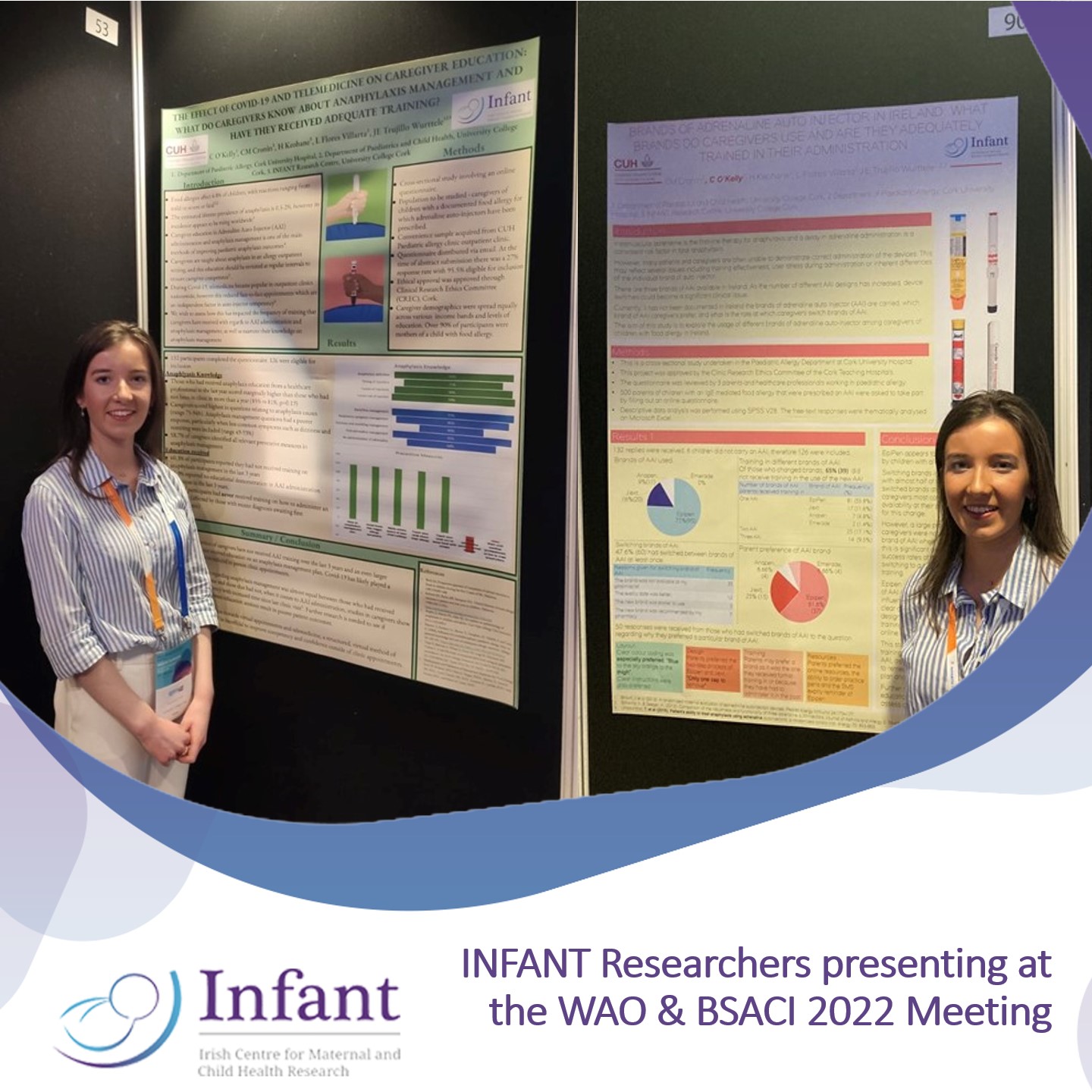
đź—Ł Caoimhe Cronin, Medical Student and Research Assistant made the following presentations:

đź’ˇ’Brands of Adrenaline Auto Injector in Ireland: What brands do caregivers use and are they adequately trained in their administration.’

đź’ˇ’The Effect of COVID-19 on Caregiver Education: What do caregivers know about anaphylaxis management and have they received adequate training?’


đź—Ł Dr Juan Trujillo made an oral presentation of the poster:

đź’ˇ’Teaching Children with Food Allergy to Manage Anaphylaxis: Caregivers’ perspective’


🔍Learn more about BSACI here https://www.bsaci.org/education-and-events/meetings/

First Lady of New Jersey Visits INFANT at CUMH

By |2022-04-27T09:38:01+01:00April 27th, 2022|

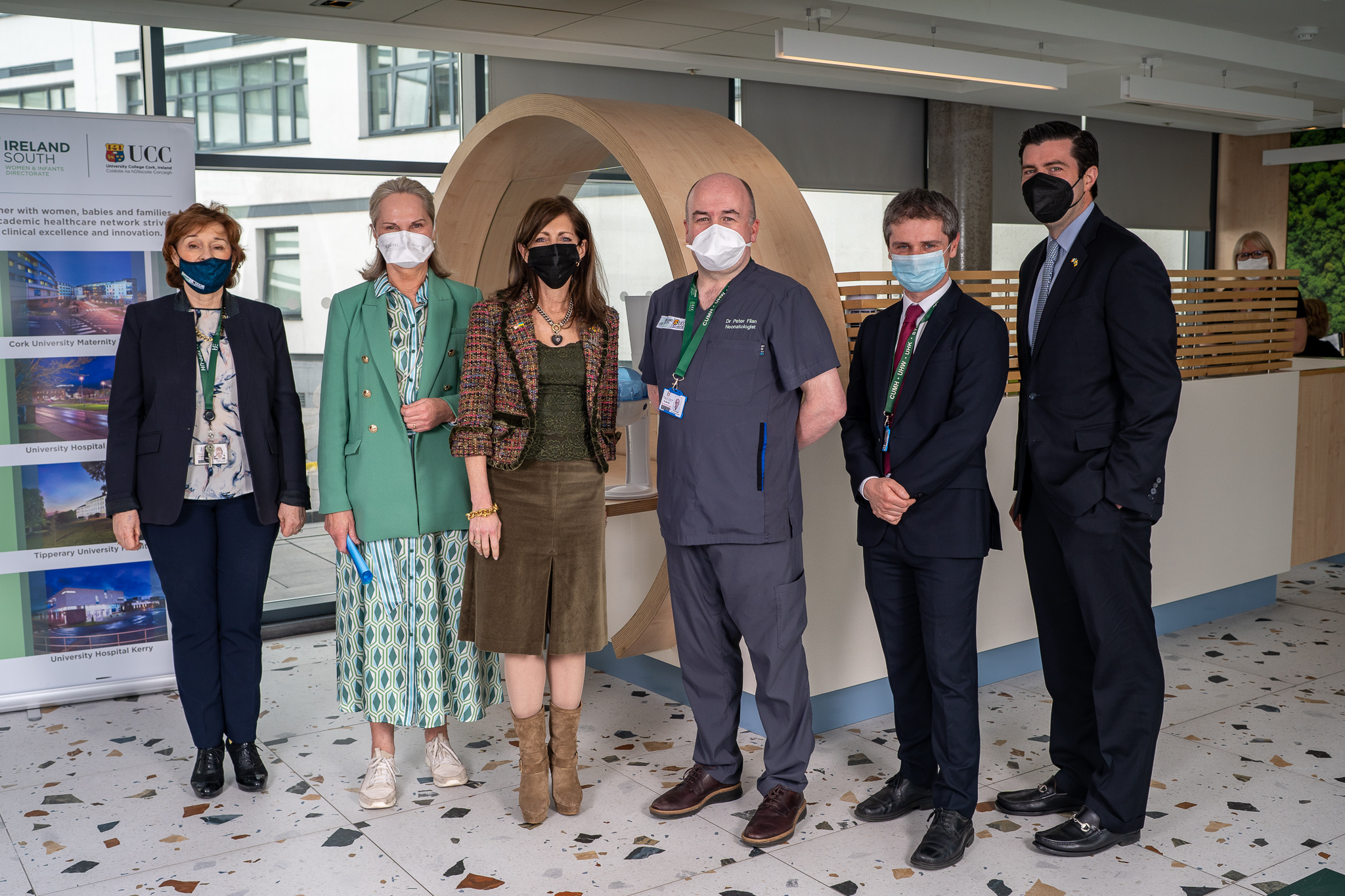
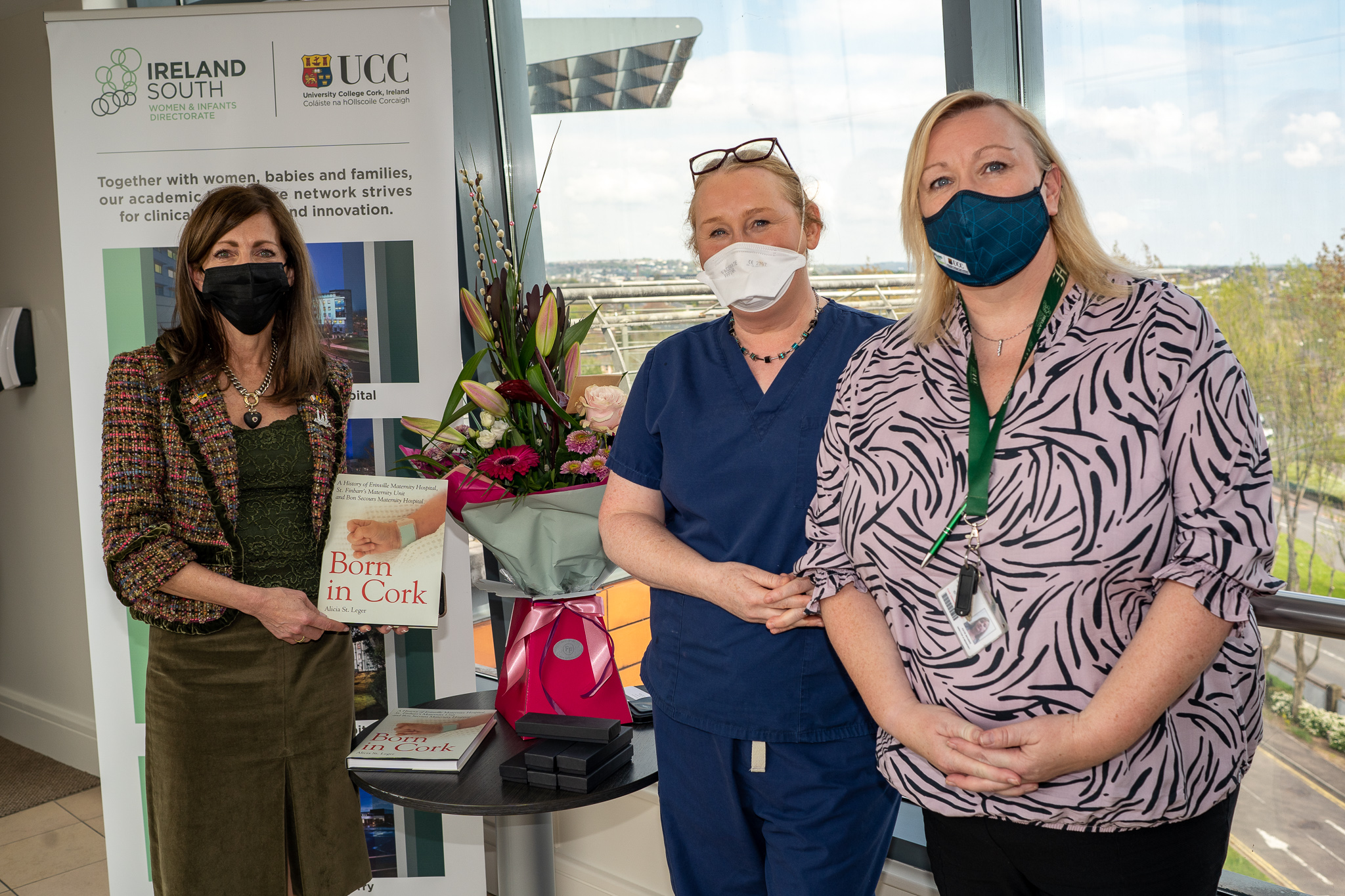
The INFANT Research Centre was delighted to host, together with CUMH, a visit with the First Lady of New Jersey Tammy Murphy at CUMH earlier today.

The First Lady and team met with members of the INFANT Research Centre and the clinical team at CUMH to discuss research and areas of potential collaboration.

In 2019, New Jersey Governor Phil Murphy and First Lady Tammy Murphy initiated “Nurture NJ”, an initiative across the state of New Jersey which is dedicated to ensuring unbiassed care for women and children of all races and ethnicities and guaranteeing the reduction in maternal and infant mortality and morbidity

The mission and research work of the INFANT Centre aligns with the planned work of Nurture NJ, which like INFANT is dedicated to advancing the health of mothers and children.

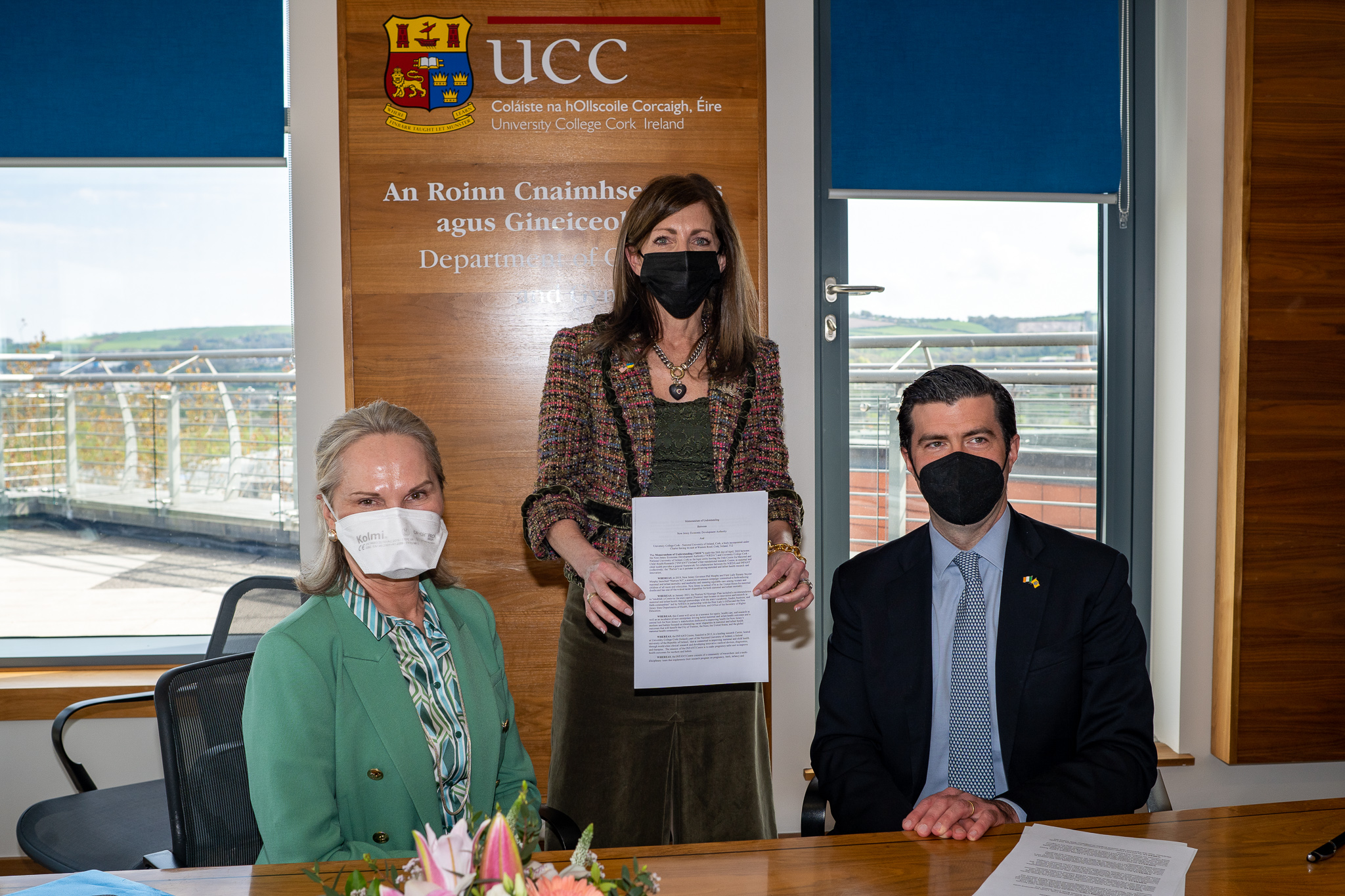
A Memorandum of Understanding was signed today between New Jersey Economic Development Authority and University College Cork which will provide a general framework for future collaboration between the Nurture NJ and INFANT.

This collaboration will facilitate the sharing of research findings, clinical work, and best practices that will significantly support the work of both INFANT and Nurture NJ and lead to new and innovative scientific medical research in the area of maternal and child health.


We are excited for the future of this INFANT and Nurture NJ collaboration.

INFANT Researchers Contribution to PAS 2022 Meeting

By |2022-04-20T12:04:25+01:00April 20th, 2022|

INFANT is delighted to be involved in the PAS 2022 Meeting in Denver 21-25 April.

Members of the INFANT team will join thousands of physicians, researchers, and Allied health professionals from 60 + specialty areas as they come together to share research, explore new collaboratives, and experience the best the paediatric research community has to offer.

Professor Geraldine Boylan and Professor Deirdre Murray are giving invited talks while other members of the INFANT team will be presenting oral and poster presentations.


See a list of INFANT speakers and schedule of presentations below:


Geraldine B. Boylan, PhD

Professor of Neonatal Physiology
University College Cork

Director of the Infant Research Centre, University College Cork

Presentation(s):

  • Making the Most of Neonatal Brain Monitoring

Sunday, April 24, 2022
11:35 AM – 11:50 AM US MT

  • Role of EEG and machine learning algorithms

Sunday, April 24, 2022
1:25 PM – 1:35 PM US MT


Deirdre M. Murray, MB BAO BcH FRCPI FPAEDPhD

Chair of the Department of Paediatrics and Child Health
University College Cork

Presentation(s):

  • Clinical importance of long term follow up

Sunday, April 24, 2022
1:15 PM – 1:25 PM US MT


Eugene Dempsey, FRCPI

Horgan Chair in Neonatology
University College Cork

Poster(s):

  • 463 – Early cerebral desaturation events in extremely preterm infants are associated with intraventricular haemorrhage in the first week of life

Sunday, April 24, 2022

3:30 PM – 6:00 PM US MT


Aisling A. Garvey, MB BCh BAO MRCPI

Neonatal Neurology Fellow
Brigham and Women’s Hospital

Boston, Massachusetts, United States

Infant Research Centre, University College Cork

Presentation(s):

  • Serial MRI facilitates early detection of White Matter Injury in Preterm infants (Poster Board 4)

Sunday, April 24, 2022
10:00 AM – 11:30 AM US MT

Poster(s):

  • 352 – Multi-modal Monitoring of Infants with Hypoxic-Ischaemic Encephalopathy and Prediction of Short-term Outcome.

Monday, April 25, 2022

3:30 PM – 6:00 PM US MT


Roberto Chioma, MD

Clinical Fellow
UniversitĂ  Cattolica del Sacro Cuore

Infant Research Centre, University College Cork

Poster(s):

  • Development of a Lung UltraSound Targeted Recruitment (LUSTR) protocol to improve the outcome in critically-ill neonates undergoing mechanical ventilation (Poster Board 3)

Saturday, April 23, 2022
10:00 AM – 11:30 AM US MT


David B. Healy

Research Fellow
University College Cork

Poster(s):

  • 188 – Agreement of Cardiac Output Estimates between Electrical Cardiometry and Transthoracic Echocardiography in Very Preterm Infants

Saturday, April 23, 2022

3:30 PM – 6:00 PM US MT

  • 219 – Electrical Cardiometry in the transitional Period is not associated with short-term Outcome in Very Preterm Infants

Saturday, April 23, 2022

3:30 PM – 6:00 PM US MT

  • 369 – Thoracic fluid content as measured by bioimpedance is not associated with respiratory outcome or death in very preterm infants

Monday, April 25, 2022

3:30 PM – 6:00 PM US MT


Mark O’Sullivan, PhD

Lead Investigator
Infant Research Centre, University College Cork

Poster(s):

544 – Neurobell: Portable EEG Monitoring with On-Board AI for Neonatal Seizure Detection

Friday, April 22, 2022

6:15 PM – 8:45 PM US MT


Learn more about the Pediatric Academic Societies (PAS)

and more about PAS 2022 Meeting

Dr Juan Trujillo’s Research Into Strategies That Help CMPA Patients Reintroduce Milk Into Their Diet

By |2022-04-05T15:03:14+01:00April 5th, 2022|

With the support of the National Dairy Council and Dairy Research Ireland, INFANT’s Dr Juan Trujillo, Senior Lecturer in UCC and Consultant paediatric allergist at Cork University Hospital, is the lead investigator on the COWS project, a study that aims to compare three different strategies that will help milk protein allergy (CMPA) patients reintroduce milk into their diet.

Usually diagnosed before a child reaches their first birthday, CMPA is one of the major complaints in the allergy clinic and impacts the well-being of patients and their caregivers.

Cow’s milk protein allergy is considered one of the major complaints in the allergic clinic.

Usually diagnosed before a child reaches their first birthday, it increases the burden on the patient and their caregivers.

The most common strategy employed in Ireland to treat CMPA is the Milk ladder, which incrementally reintroduces milk over time.

However, in other parts of the world, strict avoidance of cow’s milk is practised, and only reintroduced several years later depending on laboratory allergy parameters.

 Alternative methods of treatment, including the administration of a limited amount of pasteurized milk in clinics, with subsequent doses administered at home, are employed in hospitals such as Miguel Servet in Zaragoza, a global leader in CMPA treatment.

As such, Dr Trujillo’s research will examine the three different approaches used to treat CMPA in order to form a greater understanding of how to handle the disease in future. This, he hopes, will also open doors for future research projects that could focus on egg allergy research.

Our research study will compare the three different strategies for the reintroduction of milk in CMPA in two Spanish hospitals, along with Cork University Hospital.


The treatment of allergies is not written in stone, several new approaches to target the way that allergies behave have been released in the last decade.

This study is part of my PhD research, and it has become an important part of my life during the last couple of years.

Dr Trujillo’s team includes medical students and research assistants from Spain and Ireland. Together, they have been working to collect data for much of the last twelve months.

Go to Top