PhD Profile: Tamara Escañuela Sánchez’s Study to Raise Awareness of and Reduce the Risk Factors Connected with Stillbirth

By |2022-03-30T15:09:53+01:00March 30th, 2022|

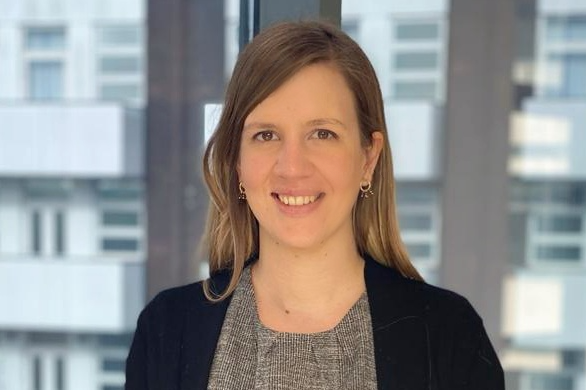
A graduate of the Universitat Autònoma de Barcelona, INFANT PhD candidate, Tamara Escañuela Sánchez came to University College Cork to study under Professor Keelin O’Donoghue and develop a behaviour change intervention model that will raise awareness of and reduce the risk factors associated with stillbirth in Ireland.

Tamara’s multidisciplinary supervisory team is composed by Dr. Karen Matvienko-Sikar from the School of Public Health in UCC; Dr. Sarah Meaney, from the National Perinatal Epidemiology Centre; Professor Molly Byrne lead of the Health Behaviour Change Research Group, School of Psychology at NUI Galway and Professor Keelin O’Donoghue lead of the Pregnancy Loss Research Group at Cork University Maternity Hospital.

Funded by Science Foundation Ireland, Tamara’s research, titled The Relevant Study, examines the risk factors connected with stillbirth and ill health in babies such as substance abuse, sleep position, weight management and engagement with antenatal care.

Ultimately, Tamara hopes that her study might one day lead to the introduction of an initiative, similar to the Saving Babies’ Lives Care Bundle introduced by the NHS in the UK, that targets the modifiable risk factors for stillbirth in Ireland.

I have been looking at various studies that examine the different risk factors associated with still births.

The factors that I’m focussing on are substance abuse, sleep position, weight management and engagement with antenatal care services.

Changing behaviours associated with those factors could have a very real impact for women and their children.

My research looks at ways in which we might change those behaviours, the idea would be that we’d eventually create a care bundle like they have in the UK and Australia.

As part of her study, Tamara also reviewed pregnancy-related websites to assess the reliability of information connecting risk factors to stillbirths or ill health in babies.

Her findings, published in the Journal of Communication in Healthcare, highlighted the scarcity of information online and the need for greater communication so that women can identify the risk factors associated with stillbirths.

We looked at pregnancy related websites in the UK and Ireland and found that only one contained information relevant to the risk factors connected with stillbirths.

We also found that websites hosted by charities were more likely to contain basic information related to stillbirth, whereas commercial sites were more likely to contain information about modifiable risk factors.

It really illustrated the need for reliable sources of information so that women can make informed decisions.

As Tamara comes to the end of her study, she hopes to conclude her PhD research by summarising the challenges facing women who are looking to access relevant information on the risk factors associated with stillbirth.

By developing a list of recommendations, she also hopes that future researchers will be able to build on her study and develop a pilot intervention strategy that allows health authorities to target behaviours that contribute to stillbirth.
Liltoda wins UCC Innovation Award for CogniTOT Application

By |2022-03-24T14:58:48+00:00March 24th, 2022|

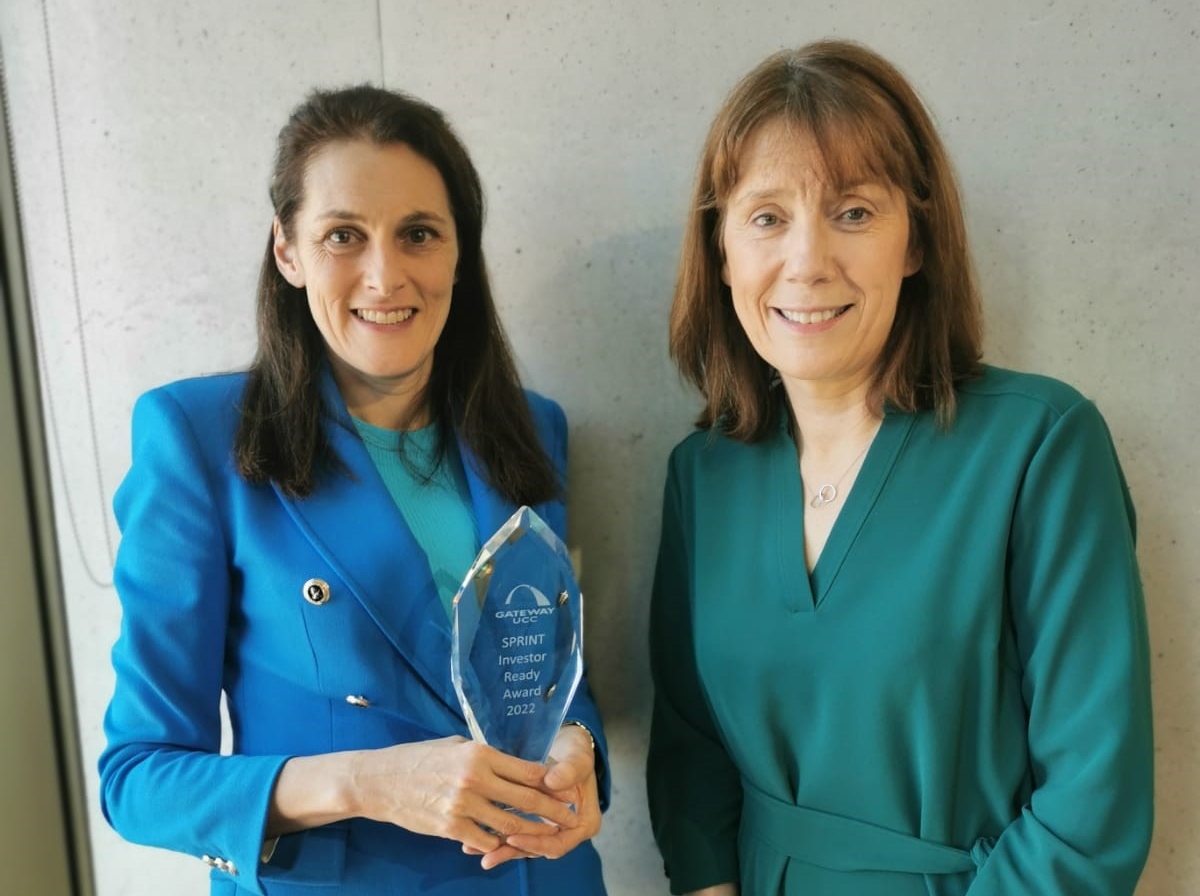
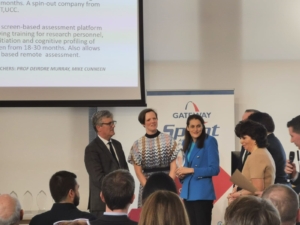
Liltoda Ltd, the first academic spin out to emanate from the INFANT Research Centre at University College Cork, has been awarded a GatewayUCC Sprint Award by Professor John O’Halloran, President of UCC.

Launched in August 2021, Liltoda aims to develop and market novel technology-based solutions to the cognitive assessment of young children.

Its first product, the CogniTOT application, offers touch-screen based cognitive assessment for children aged 18-30 months.

It was developed through six years of research in the INFANT Centre, funded by both the Health Research Board and Science Foundation Ireland. The CogniTOT app is non-verbal and so suitable to use in children with speech delay or for whom English is not their first language.

Now in its sixth year, GatewayUCC Sprint Awards recognises the UCC researchers and entrepreneurs who establish spin-out start-up companies.

The Sprint Programme has been developed to help spin-out start-up companies overcome challenges they may encounter when starting their businesses.

As part of the programme, pre and early-stage start-ups work with successful business mentors who help to bring businesses from the idea stage through to the eventual commercialisation of the product or service.

Soraia Ventura Presents Her Research at World Sleep Congress

By |2022-03-23T11:28:24+00:00March 23rd, 2022|

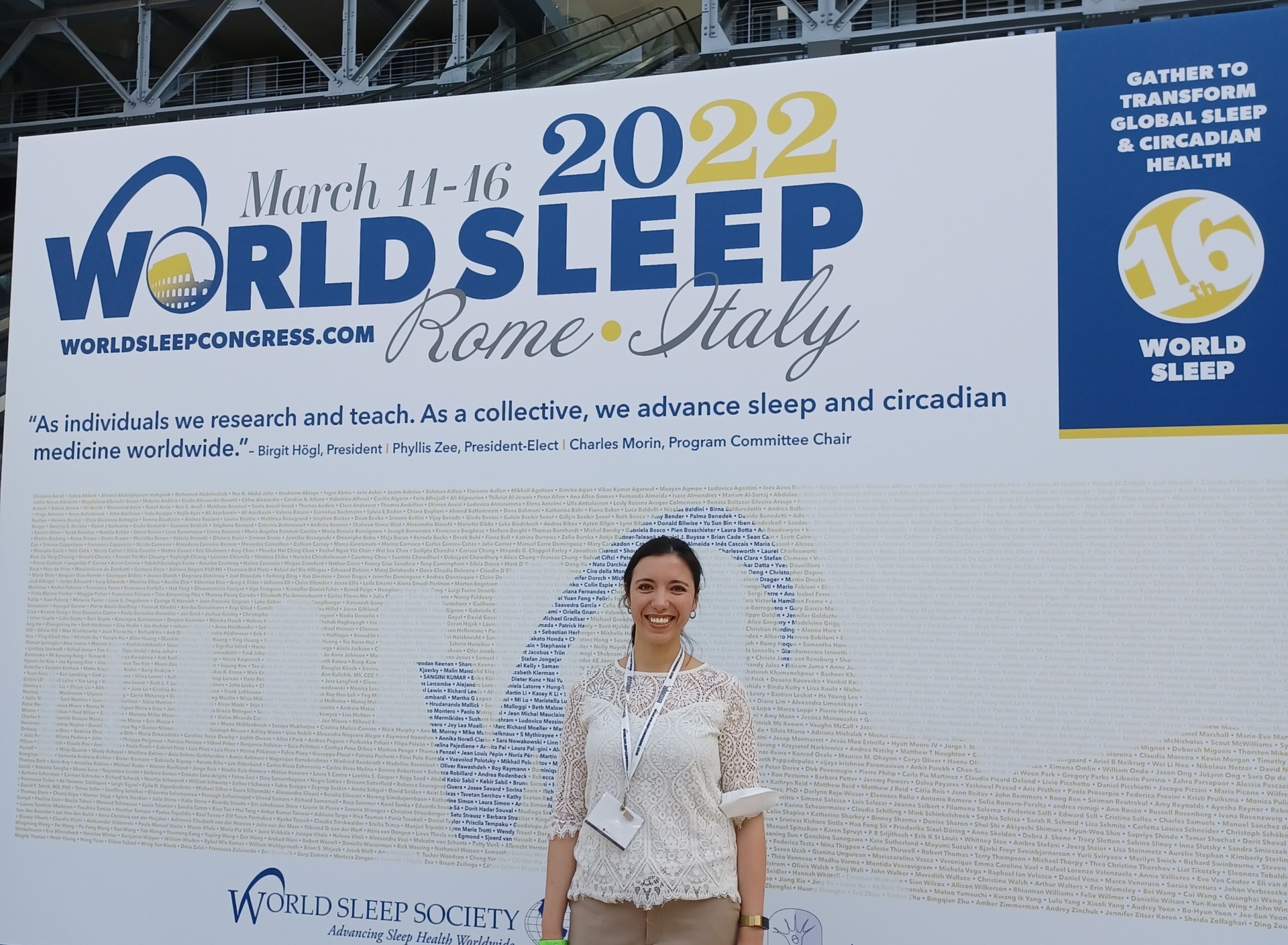
INFANT PhD researcher, Soraia Ventura, presented her research at the World Sleep Congress in Rome on March 14 and 15.

The Congress consistently gathers the best minds in sleep medicine and research for multiple days of scientific sessions and networking. A truly global meeting, 77 countries were represented at World Sleep 2019, the last in-person iteration of the annual event.

This year’s event saw experts gather in Rome to deliver over 300 hours of courses, keynotes, symposia and abstract presentations.

Soraia’s oral presentation, titled, Infant Sleep as a Marker of Neurodevelopment, demonstrated how EEG analysis may be useful for early identification of the risk of adverse neurodevelopmental outcomes, allowing early intervention.

Her poster, titled, Effect of a standardized massage routine on sleep EEG in ex-term infants at 4 months of age: A Randomised Control Trial, concluded that routine parent-led massage during the first 4 months of life is associated with distinct changes in brain function that may suggest more advanced brain maturation.

Working under the supervision of Professor Geraldine Boylan and Dr. Sean Mathieson, Soraia is conducting her research as part of the BabySMART project.

INFANT Seminar Series: Dr Mark O’Sullivan to Discuss Neonatal EEG Monitoring – Hardware, AI and Medical Device Design

By |2022-03-22T10:34:57+00:00March 22nd, 2022|

Our next INFANT seminar will be this Friday, March 25th at 12pm, when Dr Mark O’Sullivan will present “Neonatal EEG monitoring – hardware, AI and medical device design”.

Dr O’Sullivan will present updates on the Neurobell Project, which aims to develop a portable neonatal EEG monitor with seizure detection, including methodologies for medical device design in a quality and regulatory compliant manner.

Lastly, Dr O’Sullivan will present new research from the Delphi Project on the design of an artefact detection algorithm for neonatal EEG and its impact on automated HIE grading.

For privacy reasons YouTube needs your permission to be loaded.

INFANT Seminar Series: Dr Dhanis Lad to Discuss the STOP AD Randomised Controlled Trial

By |2022-03-09T14:31:21+00:00March 9th, 2022|

Presentation title: Early initiation of short-term emollient use for the prevention of atopic dermatitis in high-risk infants – the STOP AD randomised controlled trial

Atopic dermatitis (AD), also known as eczema, is a chronic inflammatory skin condition, characterized by dry, red and itchy skin. AD usually begins in infancy and affects up to one fifth of children. Evidence of its pathogenesis implicates impaired skin barrier function as a significant pathomechanism, along with cutaneous immune dysregulation and microbial disturbances.

Emollients are moisturising treatments applied directly to the skin to soothe and hydrate it. Daily emollient use is a cornerstone of AD management. Recently, the spotlight has been on the potential role of emollients in infancy in preventing AD.

Short-term Topical Application to Prevent Atopic Dermatitis (STOP AD) was a single-centre, two-armed randomized control trial that postnatally recruited newborn infants at high-risk of AD. This study aimed to investigate if daily emollient use from birth to 2 months can reduce the incidence of AD in high-risk infants. Recruitment took place between April 2019 and November 2020 in Cork University Maternity Hospital (CUMH).

Infants were randomised within 4 days of birth to either twice-daily emollient application for the first 8 weeks of life (intervention) or to standard routine skin care advice (control group). The primary outcome was cumulative incidence of AD at 12 months. Secondary outcomes included AD incidence at 6 months, cumulative incidence of sensitization to food at 12 months and the evolution of TEWL and natural moisturising factor (NMF) between 0-12 months.

IWD 2022: Celebrating The Achievements of Our Female Research Team

By |2022-03-08T10:56:18+00:00March 8th, 2022|

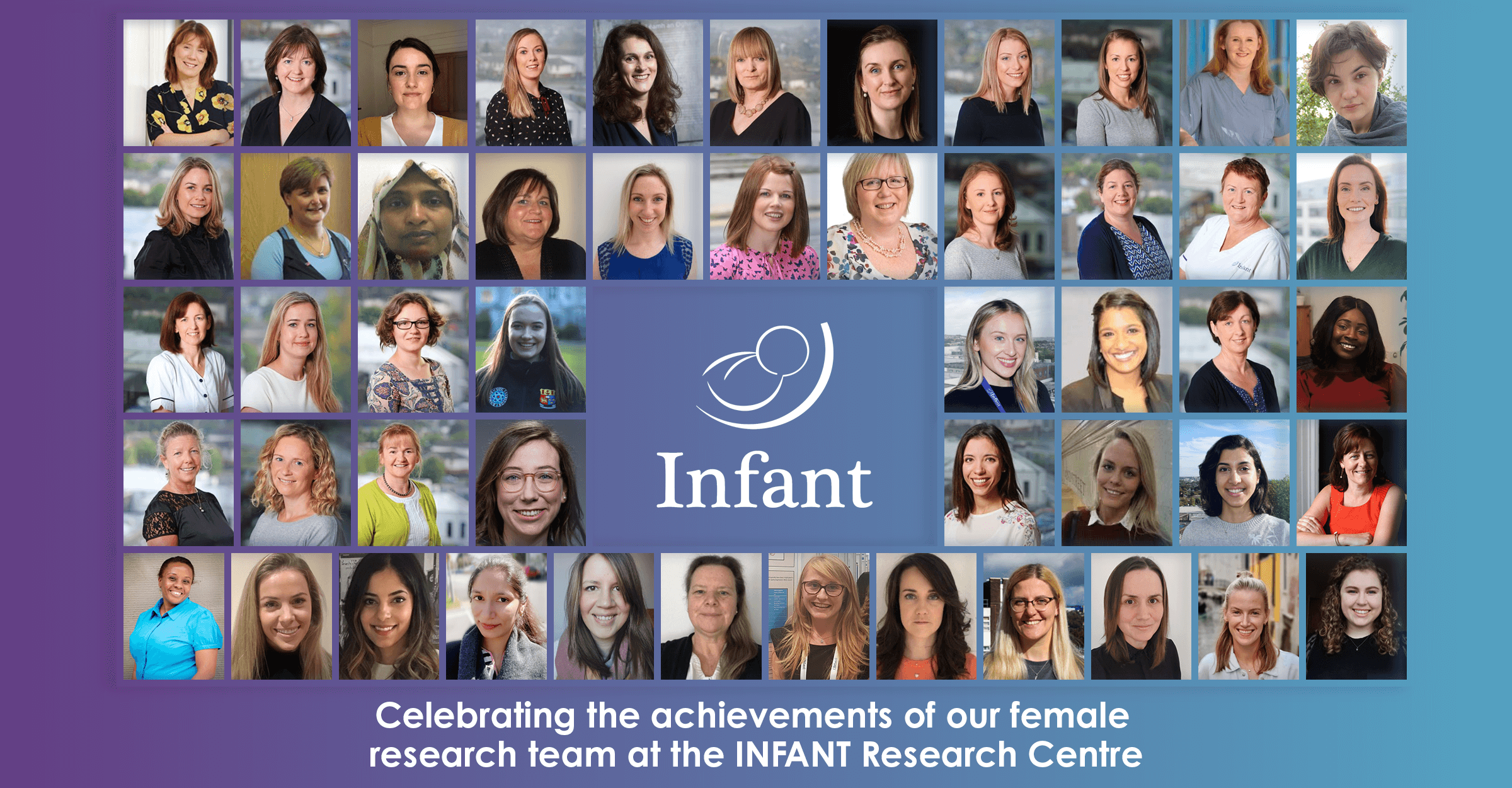
On this International Women’s Day, we are delighted to celebrate the achievements of UCC female researchers based at the INFANT Research Centre, by demonstrating leadership in research that is transforming the future of maternal and child healthcare.

Led by Director Professor Geraldine Boylan, INFANT is answering the international need for research and innovation to improve health outcomes across the continuum of pregnancy, infancy and childhood.

Here are just examples of their work:

INFANT spin out company, Liltoda, led by Professor Deirdre Murray in collaboration with Hello Games, a global gaming company, is harnessing the power of innovative gaming technology to assess cognitive function in young children. This technology was developed by the team at INFANT and is now being rolled out across the world.

Dr. Jane English is leading a transformative study that aims to identify biomarkers in the blood (e.g. proteins or metabolites) that predict the onset of severe childhood autism. Early prediction will help support early intervention, improvements in health outcomes and enhance the quality of life of children with severe autism, and their families.

Professor Geraldine Boylan has led the world’s first clinical trial of an automated seizure detection device for newborn infants, a device which was developed by researchers at INFANT in UCC.  This technology was recently commercialised and launched in Ireland and Japan by industry partner Nihon Kohden, a Tokyo based global leader in patient monitoring technology.

Prof Mairead Kiely, Dr. Elaine McCarthy and Dr. Áine Hennessy’s are the team of female researchers leading the way internationally in maternal and child nutrition research. This team are tackling problems such as iron deficiency in pregnancy and childhood, assessing iodine status in pregnancy and have developed novel technology to support a personalised nutrition approach for preterm infants in the intensive care unit.

Dr. Mairead O’Riordan, a consultant obstetrician and gynaecologist, is leading recruitment to a clinical trial at Cork University Maternity Hospital that investigates the use of low-dose aspirin therapy for the improvement of pregnancy outcomes in women with diabetes.

Professor Keelin O’Donoghue leads pregnancy loss research at INFANT and is working closely with many stakeholders to increase awareness of pregnancy loss, to encourage more effective services/supports within the health care system and to ensure this research leads to the implementation of healthcare policy changes.

These are just some of the 53 female researchers based at INFANT who are dedicated to improving health outcomes for pregnant women, infants, and children.

Go to Top